
10 Indiana Towns Losing Their Charm To Tourism
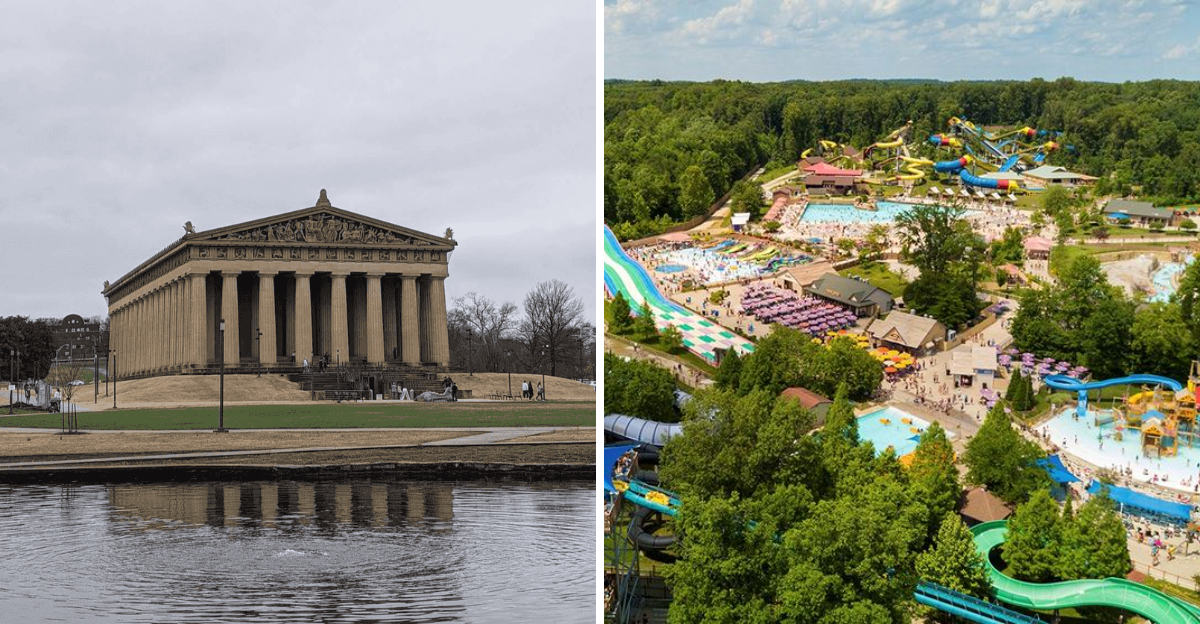
Tourism swoops in like a well-meaning guest who stays just long enough to rearrange the furniture.
Some Indiana towns once felt like quiet postcards—handwritten, unhurried, proudly local—until crowds discovered their charm and didn’t stop coming.
Main Streets now juggle souvenir hunters, day-trippers, and selfie missions, all while locals navigate a world that suddenly looks curated for someone else.
Charm still lingers, absolutely, but it hides behind the lines, waiting for moments when the visitors finally take a breath.
1. Nashville
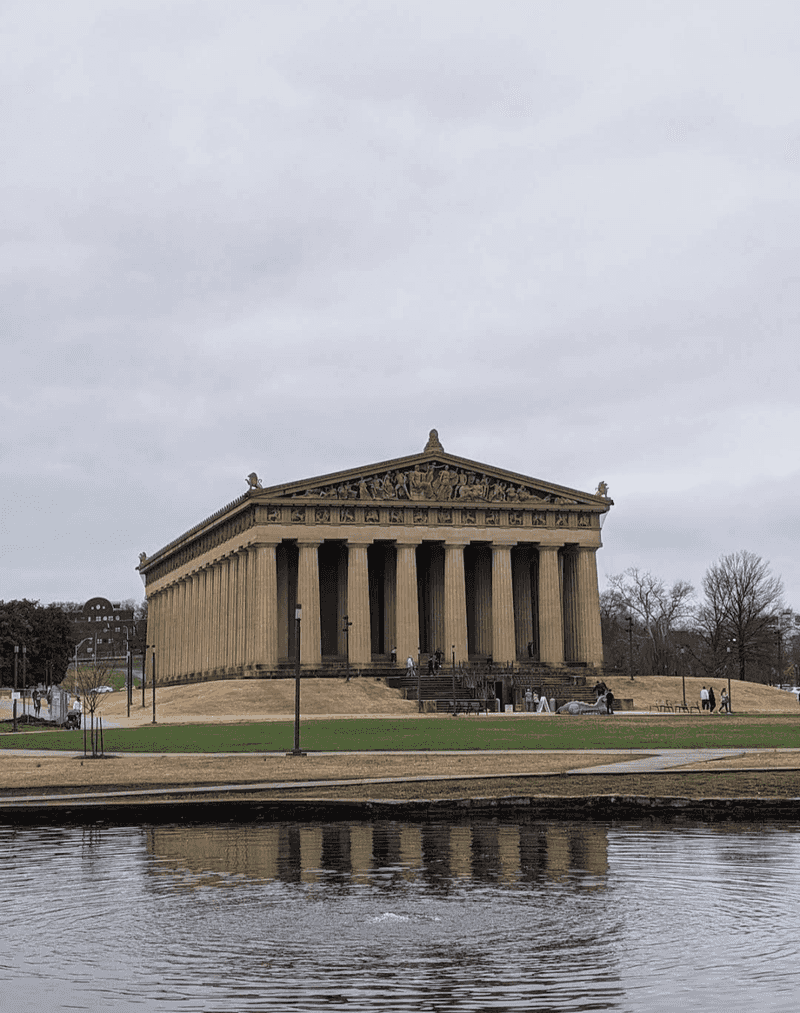
Autumn leaves used to crunch underfoot while locals waved from their porches, but now it’s a different story.
Traffic jams clog the narrow roads every weekend, and finding parking feels like winning the lottery.
Gift shops have replaced family-owned stores, selling mass-produced souvenirs instead of handmade crafts.
Restaurants that once served home-cooked meals now cater to tourists with inflated prices and long wait times.
The peaceful artist colony vibe has been drowned out by bustling crowds snapping selfies at every corner.
2. Shipshewana
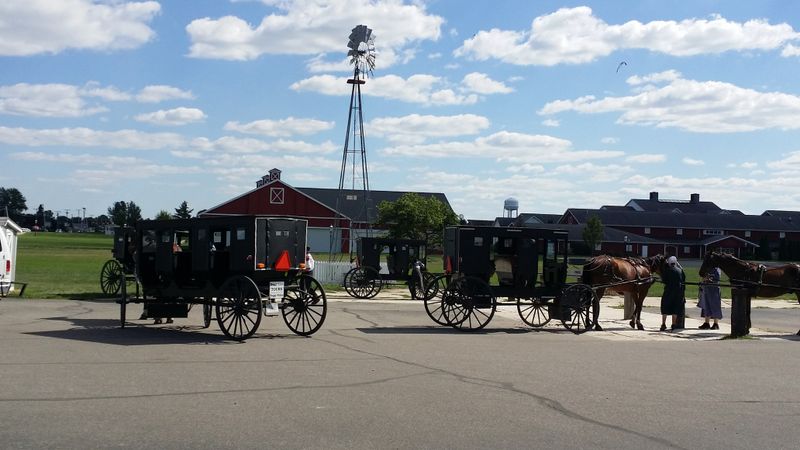
Amish buggies still roll through town, but they now share the road with tour buses and rental vans.
What was once a genuine glimpse into Amish culture has become a commercialized spectacle.
Massive flea markets attract thousands of visitors, turning quiet country roads into parking nightmares.
Local families struggle to maintain their traditional lifestyle amid the chaos of tourism.
The authentic charm of simple living gets lost when everything becomes a photo opportunity for outsiders seeking Instagram-worthy moments.
3. French Lick
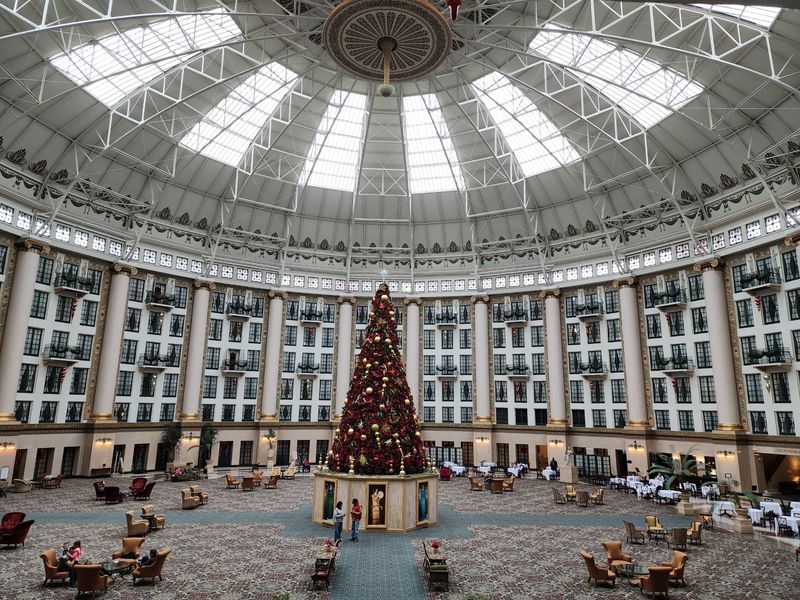
Grand hotels and casinos have transformed this sleepy mineral springs town into a gambling destination.
The historic charm that drew visitors seeking relaxation and healing waters now competes with flashing slot machines.
Wealthy tourists flood in for spa weekends, pushing out the working-class families who called this place home.
Property values have skyrocketed, making it nearly impossible for locals to afford living here anymore.
The quiet elegance of a bygone era has been replaced by noisy entertainment complexes and crowded resort lobbies.
4. Santa Claus
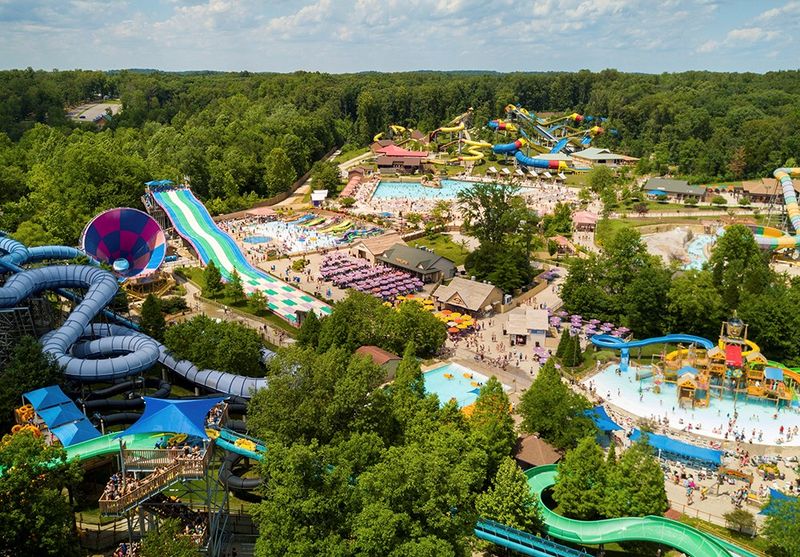
Year-round Christmas magic sounds delightful until you realize the town has become a theme park.
Holiday World attracts massive crowds during summer months, turning peaceful neighborhoods into traffic-choked thoroughfares.
Every business cashes in on the Christmas theme, from restaurants to gas stations, creating an overwhelming commercial atmosphere.
The genuine small-town warmth gets buried under layers of tourist traps and overpriced attractions.
Locals can barely navigate their own streets during peak season, and the constant jingle bells lose their charm real quick.
5. Madison
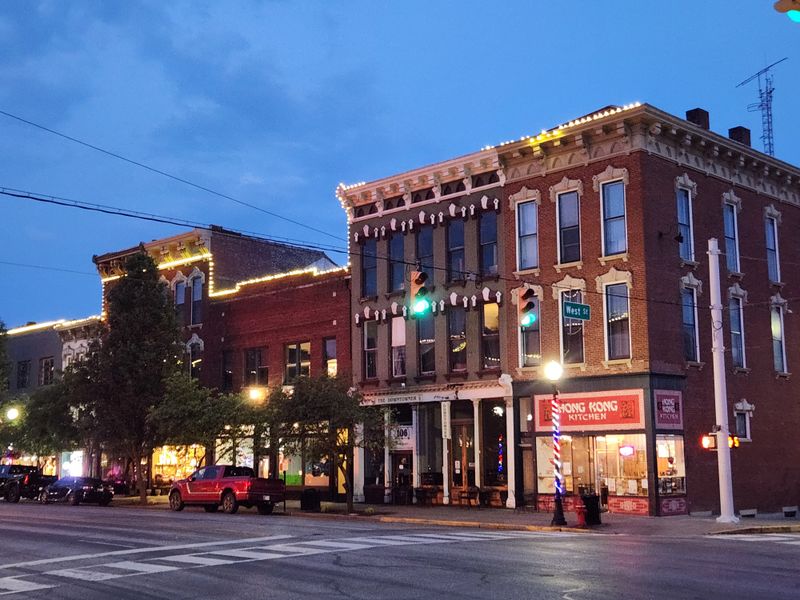
Perched along the Ohio River, Madison’s historic architecture once whispered stories of riverboat days and quiet prosperity.
Now, antique shops outnumber actual residents, and bed-and-breakfasts have consumed entire residential blocks.
Weekend warriors descend upon the town, filling the streets with noise and leaving trash in their wake.
The authentic historical character gets diluted when everything becomes a staged experience for visitors. Local businesses struggle to serve actual community needs when catering to tourists proves more profitable but less meaningful.
6. New Harmony
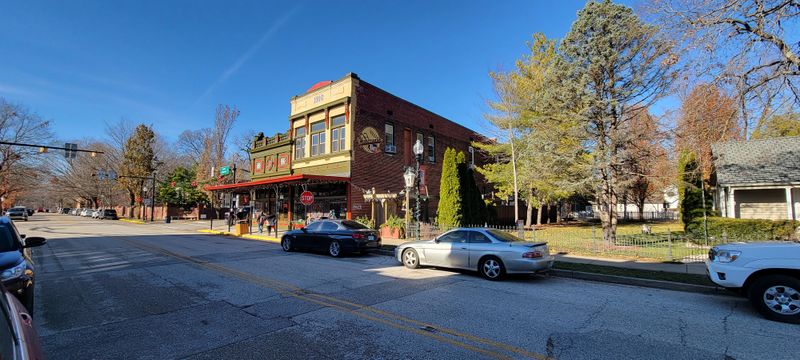
Founded by utopian dreamers seeking perfect community, this town ironically lost its harmony to tourism.
Bus tours roll through daily, disrupting the tranquil atmosphere that made this place special.
Historic sites have become ticket-required attractions, putting price tags on what used to be freely accessible community spaces.
The philosophical legacy of cooperation and shared ideals clashes with commercial tourism’s profit-driven motives.
Residents feel like museum exhibits in their own town, watched and photographed by strangers who don’t understand the deeper meaning here.
7. Corydon
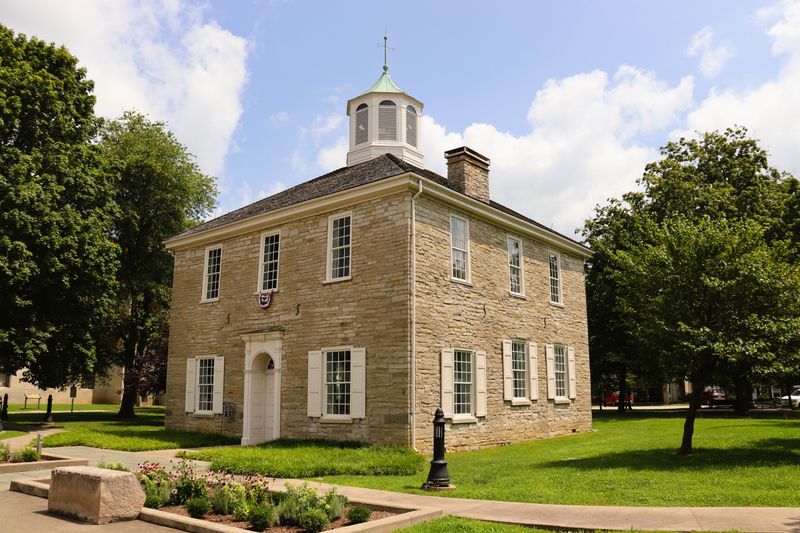
Indiana’s first state capital deserves respect for its historical significance, but tourist dollars have changed everything.
Civil War reenactments happen so frequently that locals avoid downtown during summer weekends.
Souvenir shops selling cheap trinkets have replaced hardware stores and practical businesses that served the community.
The town square that once hosted genuine civic gatherings now functions primarily as a backdrop for tourist photos.
Historical authenticity takes a backseat when entertaining visitors becomes more important than preserving actual local culture and daily life.
8. Rising Sun
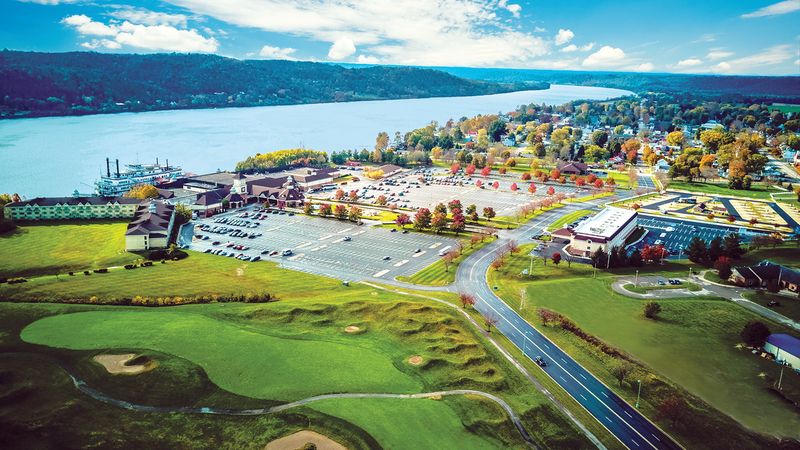
Casino boats docked along the Ohio River brought promises of economic prosperity but delivered cultural erosion instead.
The charming river town atmosphere drowned beneath waves of gamblers seeking quick fortunes.
Traffic increased tenfold, and crime rates climbed alongside the influx of transient visitors with money to burn.
Family-friendly businesses closed their doors, unable to compete with casino-related establishments.
The sunrise over the river still looks beautiful, but the town beneath it barely resembles the tight-knit community it once was before gambling changed everything.
9. Culver
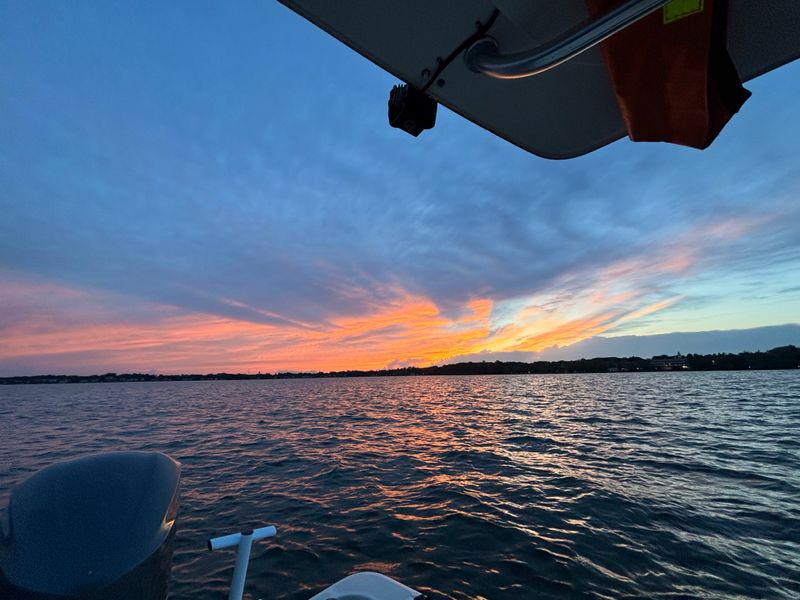
Lake Maxinkuckee sparkles beautifully, but the lakeside town has been swallowed by vacation home development and summer tourism.
The prestigious military academy brings constant visitors, turning residential streets into unofficial parking lots.
Local shops cater exclusively to wealthy vacationers, pricing out the year-round residents who built this community.
Summer months transform the town into a congested resort area where locals become second-class citizens.
The peaceful lakeside character that attracted people initially has been commercialized and packaged for those who can afford premium prices.
10. Ligonier
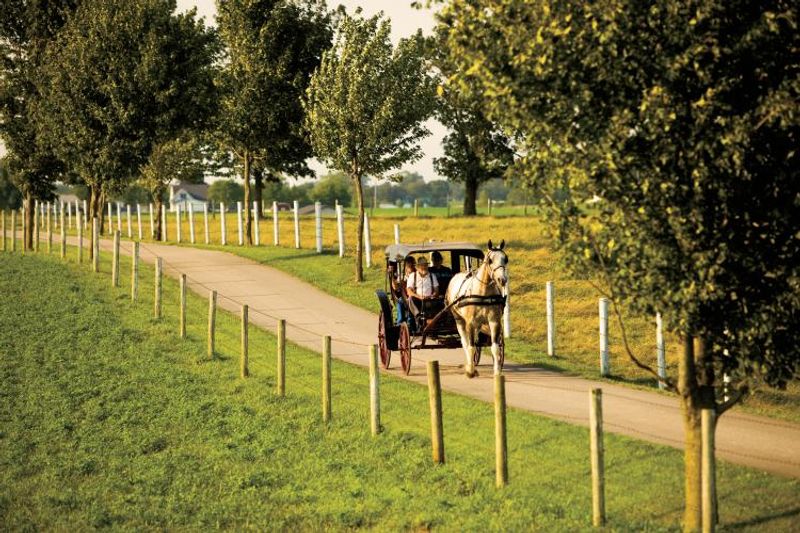
Amish country tourism strikes again, this time in northeastern Indiana where genuine agricultural communities face constant intrusion.
Tour groups invade farms and workshops, treating real people’s lives like amusement park attractions.
Traffic from curious outsiders makes simple tasks like getting groceries feel like navigating obstacle courses.
The town square has been converted into a tourist hub with gift shops selling made-in-China products labeled as authentic Amish crafts.
Respect for privacy and traditional values erodes when everything becomes performative for paying customers seeking authentic experiences.