
10 Nevada Places That Tell The Story Of The Native American Past
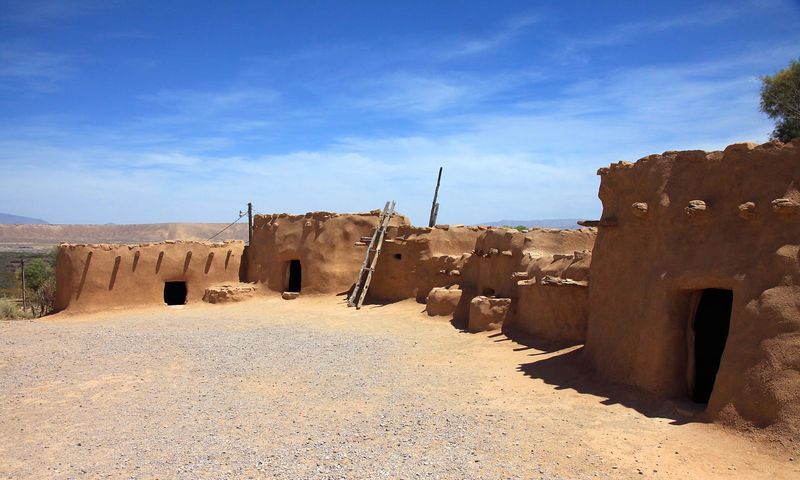
A quick bathroom stop off a quiet Nevada highway turned into a three-hour lesson I never saw coming. Out in the sagebrush, carved boulders and small-town museums hold stories that are thousands of years older than any casino sign.
Many of these places cost little or nothing to enter, which makes them a smart pick for families and retirees watching their budgets. Here are ten spots across the state where the Native American past still speaks loud and clear.
1. Pyramid Lake Museum and Visitors Center, Nixon, NV
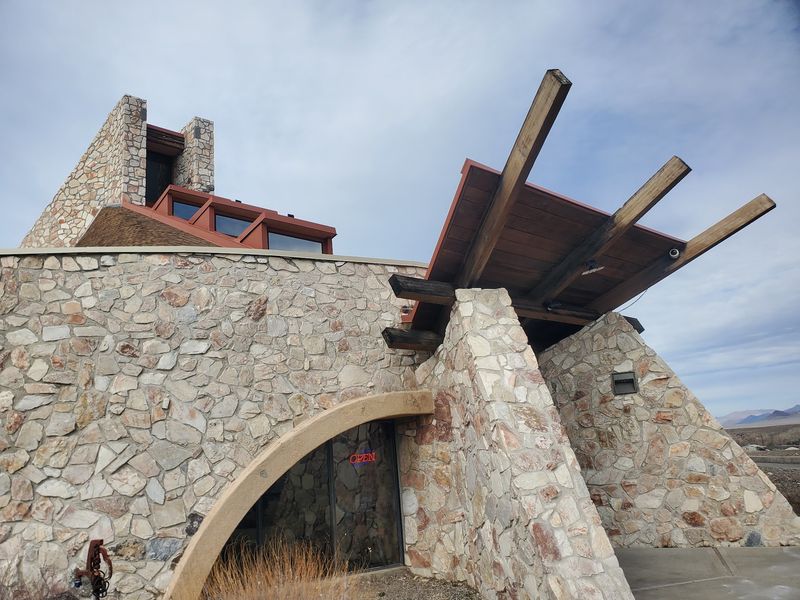
Pyramid Lake looks almost unreal from the road, a sheet of blue sitting in bare brown hills north of Reno. The Paiute people have lived along these shores for millennia, and the tribe’s own museum in the small community of Nixon tells that story from the inside.
Admission is free. Inside, displays of artifacts, photographs, woven baskets, and traditional clothing walk visitors through Paiute history and the practices that shaped daily life around the water.
The exhibits also cover the plants and animals of the lake itself, so kids who care more about fish and birds than old dates still find something to grab onto.
What sets this stop apart from the others on the list? Simple.
The history here is presented by the community it belongs to, not by an outside agency, and that gives the whole space a personal, present-day feel.
Plan on a weekday visit. The museum keeps hours Monday through Friday from 10 AM to 4:30 PM and stays closed on weekends, which catches plenty of travelers off guard.
Restrooms are on site.
Small-town schedules can shift, so confirm hours before making the roughly hour-long drive from Reno.
2. Stewart Indian School Cultural Center & Museum, Carson City, NV
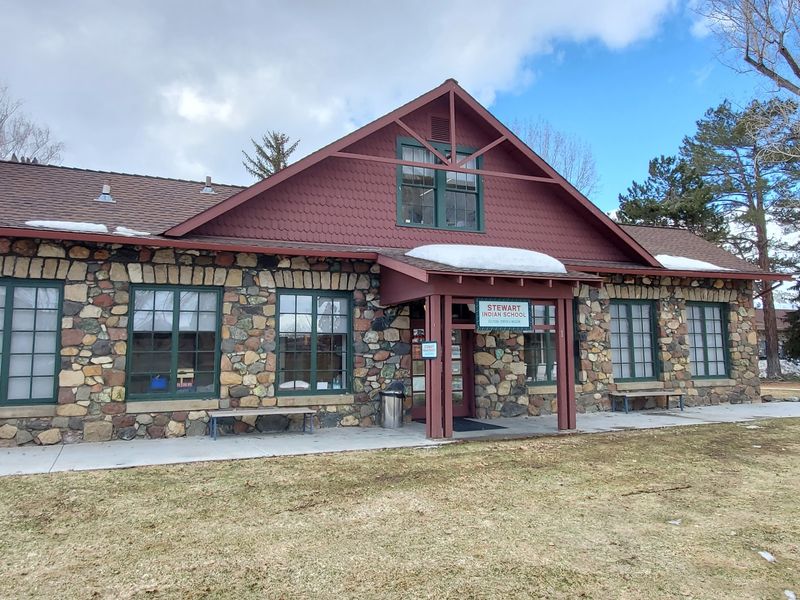
Stone buildings, quiet lawns, tall shade trees. At first glance the Stewart campus on the south side of Carson City could pass for a peaceful old college, but the walls carry a much heavier history.
For about 90 years, the Stewart Indian School took Native American children from their families and enrolled them in a system built to erase their languages and traditions. The museum now occupies original buildings, and its exhibits focus on the real experiences of the students who lived and studied there.
Paiute history and culture run throughout the displays, framing the school within a much longer story of the region’s tribes.
Here is the budget-friendly part: admission costs nothing, and the parking lot is free too. Tours are offered, and the center sometimes hosts live performances, so it pays to check the calendar ahead of time.
Families with older kids may find this the most thought-provoking stop on the entire list. It opens real conversations about resilience, identity, and how communities hold onto who they are.
Doors open Monday through Friday, 10 AM to 5 PM, with weekends closed. There is no restaurant on site, so pack snacks or grab lunch in town afterward.
3. Grimes Point/Hidden Cave Archaeological Site
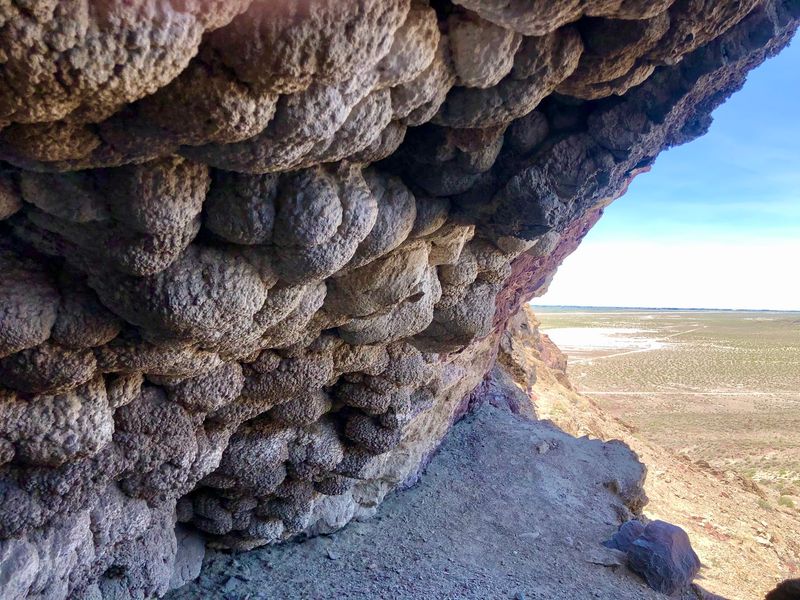
More than 1,000 petroglyphs. That number stops a lot of people in their tracks, especially once they realize the carvings sit on roughly 150 dark basalt boulders scattered just off Highway 50 near Fallon.
Grimes Point ranks among the largest and most accessible petroglyph sites in northern Nevada. A walking path winds between the boulders, and the high desert setting adds some interesting geology to the indigenous art.
Some designs pop right out, while others are faint and take patience to spot, so slow down and let your eyes adjust to the rock surfaces.
Could a cheaper outing exist? Probably not.
The site is open 24 hours a day, and free parking sits right near the trail. A family could wander for an hour, picnic in the car, and spend nothing beyond gas money from Reno, which runs about an hour and a half away.
Morning and late afternoon light tends to bring out the carvings best, and they also spare you the harsh midday sun. Bring water, a hat, and sturdy shoes.
Shade is scarce out here, and summer heat can build quickly across the open basin.
4. Hickison Petroglyphs Recreation Area & Interpretive Site, Austin, NV
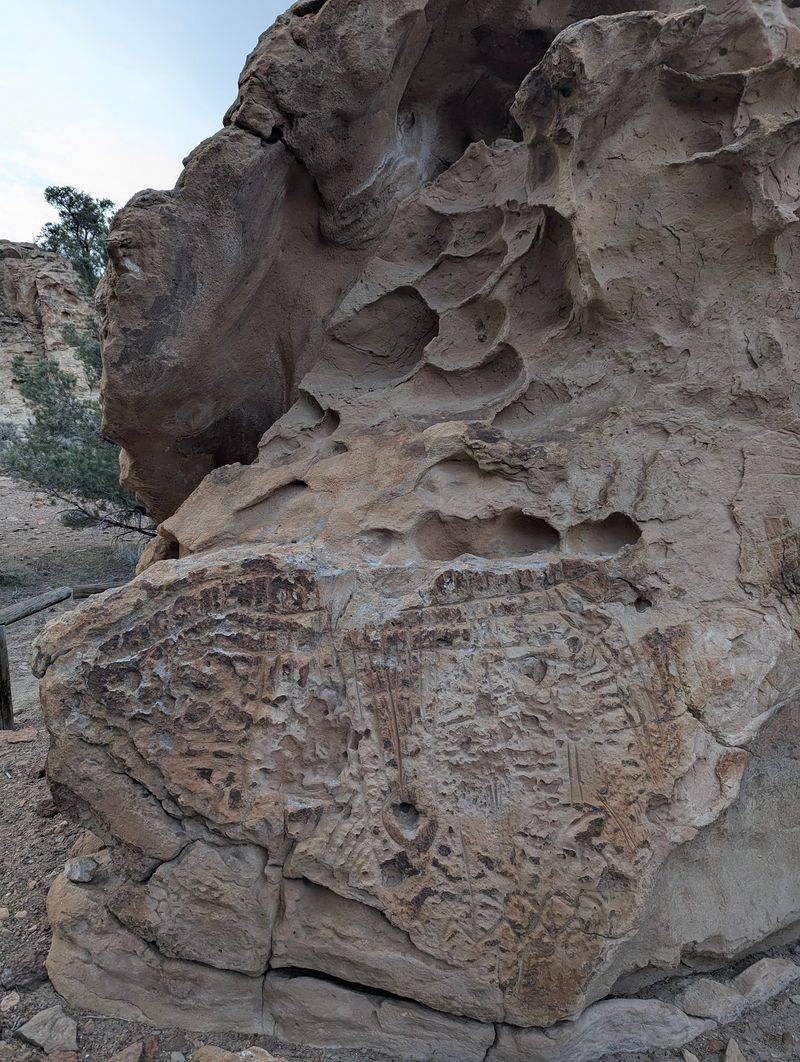
U.S. Route 50 earned the nickname Loneliest Road in America for good reason.
Miles roll by with nothing but sagebrush, and then a small sign near Austin points toward one of the most relaxing breaks on the whole drive.
Hickison feels less like a formal attraction and more like a well-kept rest stop with a story to tell. A short half-mile loop trail passes petroglyphs carved into the rock, and a few other short trails climb to nice views over the surrounding valleys.
Even grandparents and little ones can manage the main loop without much fuss.
Picnic spots make it easy to stretch lunch into a lazy afternoon. There is a pit toilet, separate parking for trail users, and a first-come, first-served campground for travelers who want to stay the night under dark central Nevada skies.
Unlike the busier sites closer to Las Vegas, crowds here are rare, so it is easy to linger at each panel without feeling rushed. The site is open around the clock for day use.
Services are thin along this stretch of highway. Fill the tank in Austin or Eureka, carry extra water, and confirm camping conditions before you count on a spot.
5. Lost City Museum, Overton, NV
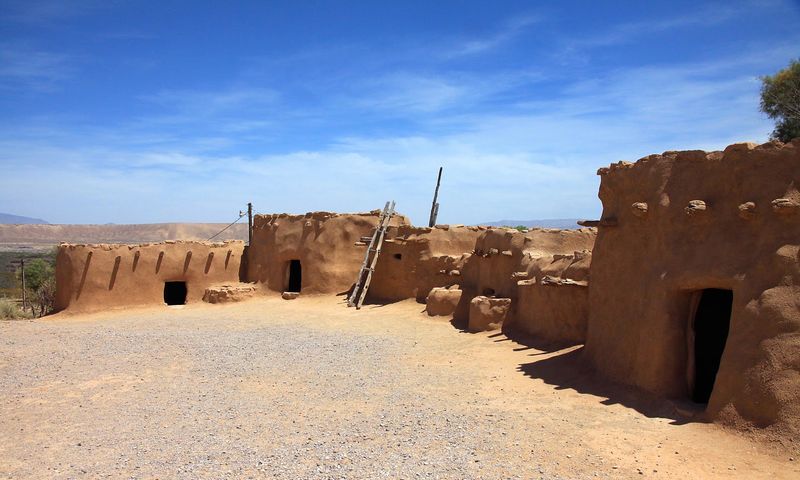
Back when crews were building Hoover Dam, rising water threatened ancient Anasazi village sites in the valley. This small museum in Overton was created to protect what came out of the ground, and it still does that job today.
Picture adobe walls, a quiet Moapa Valley street, and actual preserved archaeological sites right on the grounds. Inside, cases hold a large collection of artifacts from different time periods, laid out in a thoughtful way that helps kids follow the timeline.
A gift shop and a small TV room round out the visit.
Price matters, and this one stays gentle on the wallet. Admission often runs about $5 for adults, and the parking lot is free.
A family can easily spend a couple of hours here, then continue on to Valley of Fire for a full day.
Getting there takes roughly an hour from Las Vegas, with an easy exit off I-15. The museum opens Tuesday through Sunday from 8:30 AM to 4:30 PM and closes on Mondays.
Staff offer tours, which can add depth to the displays. Fees and hours may change, so check before you drive out.
6. Nevada State Museum, Carson City, Carson City, NV
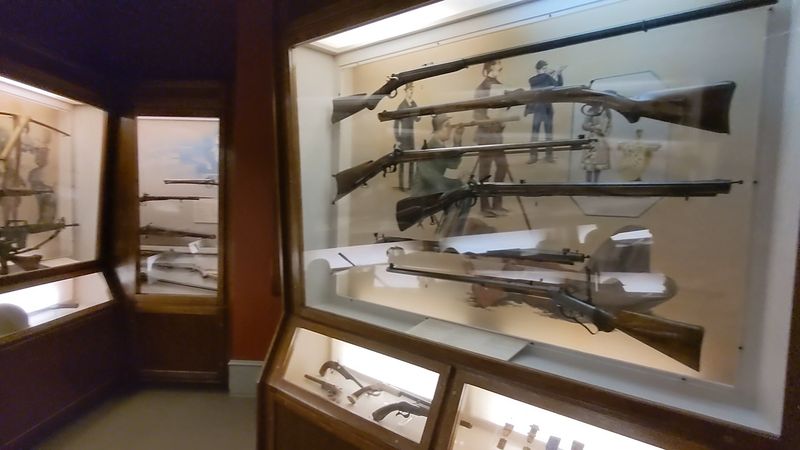
Most people walk into this downtown Carson City landmark for the old Mint and the mining exhibits. Many leave talking about the Native American galleries instead.
The museum covers a huge sweep of Nevada history under one roof. Alongside the rocks, fossils, wildlife displays, and ghost town stories, visitors find exhibits on Native American culture that show how the Great Basin’s first peoples lived long before anyone dug a mine.
Seeing those stories next to the rest of the state’s history helps families understand just how deep Nevada’s roots really go.
Why include a general history museum on this list? Because it ties everything together.
After a stop here, the petroglyphs and tribal museums elsewhere in the state make a lot more sense.
Practical details work in your favor. Free parking is available in the lot and on the street, tours are offered, and a gift shop sits near the exit.
Hours run Tuesday through Sunday from 8:30 AM to 4:30 PM, with Mondays closed.
Saturday afternoons tend to be the busiest stretch. Pair a visit with the Stewart Indian School on a weekday for a full, low-cost Carson City day.
7. California Trail Interpretive Center, Elko, NV
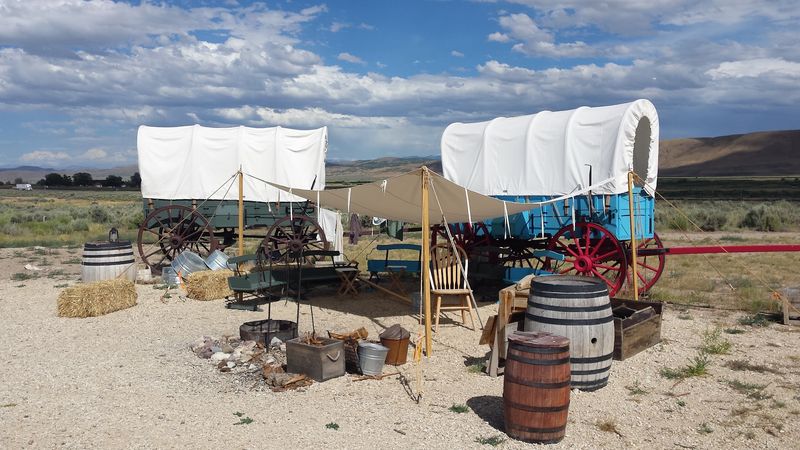
Wagon ruts and pioneer diaries usually steal the spotlight in trail history. At this center just west of Elko, though, the story also includes the Shoshone and other Great Basin peoples who already called this land home when emigrants rolled through.
Exhibits are hands-on and interactive, with dioramas, large topographic maps of the trails, and displays that explain encounters between travelers and indigenous communities. A theater adds another layer, and live programs show up on the calendar from time to time.
Outside, walking trails let restless kids burn off energy between galleries.
Admission is free. For retirees on a fixed income or a family of five, that alone makes it an easy choice for a long afternoon.
Getting there could hardly be simpler. The building sits right off I-80, an easy on and off for anyone crossing northern Nevada.
It opens Wednesday through Sunday, 8:30 AM to 5 PM, and closes Mondays and Tuesdays.
What makes this stop different is perspective. Rather than a single culture, it shows two worlds meeting, and it helps visitors see how the arrival of settlers changed life for people who had thrived here for thousands of years.
8. Sloan Canyon National Conservation Area, Henderson, NV
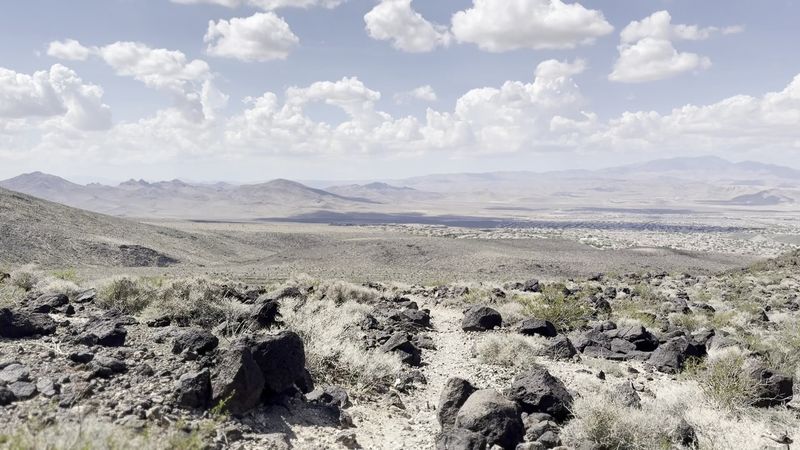
Some folks call the main petroglyph site here the Sistine Chapel of Native American art. After the hike in, that nickname starts to feel earned.
Sloan Canyon spreads across 48,438 acres of desert mountains on the edge of Henderson, a short drive from Las Vegas. Hundreds of Native American petroglyphs cover the canyon walls, and reaching the best panels takes a moderate hike of five miles or more round trip.
Lizards dart across the trail, unusual rock formations line the route, and the whole area feels surprisingly peaceful for a place so close to the city.
Not up for a long trek? Easier trails and ranger-led hikes make the area friendly for families with young kids.
Dogs are allowed, and public restrooms are available.
Hours run daily from 8 AM to 4:30 PM, and a free parking lot is on hand. Thursday and Friday mornings tend to be busiest, while Sunday mornings and Tuesday afternoons are usually calmer.
Desert heat in southern Nevada is no joke. Start early, carry more water than you think you need, and watch for rattlesnakes on warm days.
Confirm current trail conditions before heading out.
9. Valley of Fire State Park
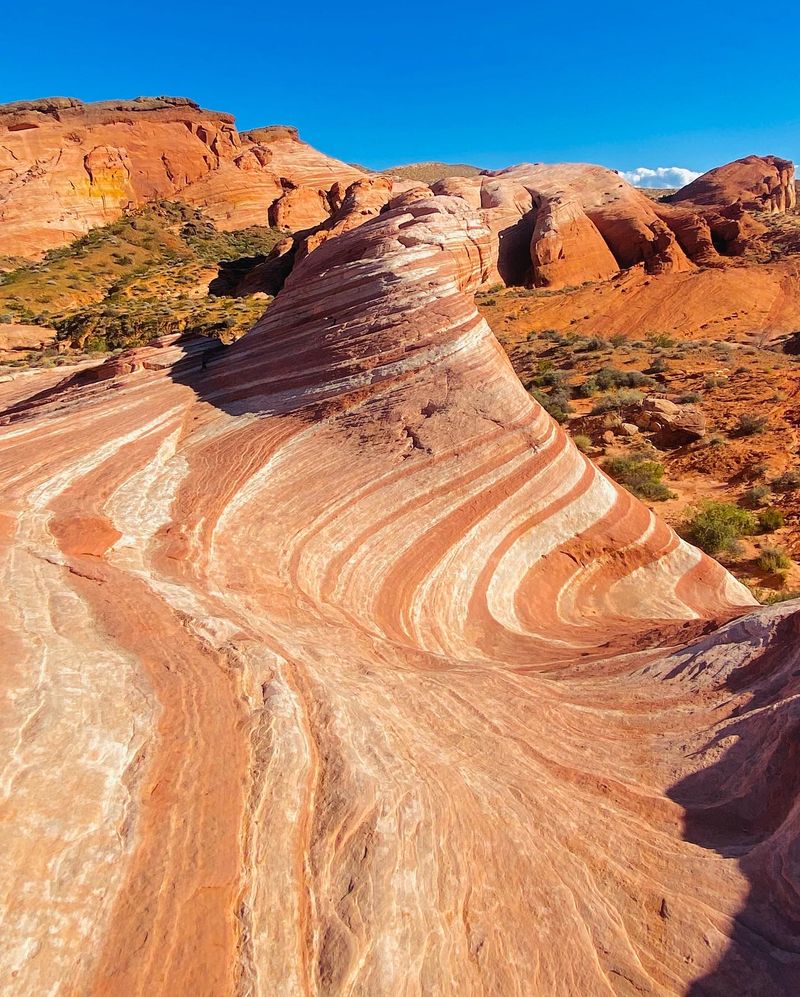
Red and orange rock seems to glow at Valley of Fire, especially when the sun sinks low. Long before tourists showed up with cameras, people carved petroglyphs into these sandstone walls, some of them roughly 2,000 years old.
Nevada’s oldest state park mixes ancient rock art with slot canyons, petrified wood, and wide viewpoints in the Mojave Desert. A paved road runs through the park, so visitors with limited mobility can see a great deal from the car.
Shorter hikes, like the striped Fire Wave trail, work well for kids.
Here is a money tip: one vehicle fee covers everyone in the car. The cost has often run about $10 to $25 per car depending on registration and season, so check current rates before you go.
Picnic tables and barbecue grills make it easy to pack lunch and stay from sunrise to sunset.
Located about an hour from Las Vegas in rural Clark County, the park pairs naturally with the Lost City Museum in nearby Overton.
Weekend afternoons draw the biggest crowds. Summer temperatures climb fast, so visit early in the day, stop at the information center, and bring plenty of water.
10. Central Nevada Museum, Tonopah, NV
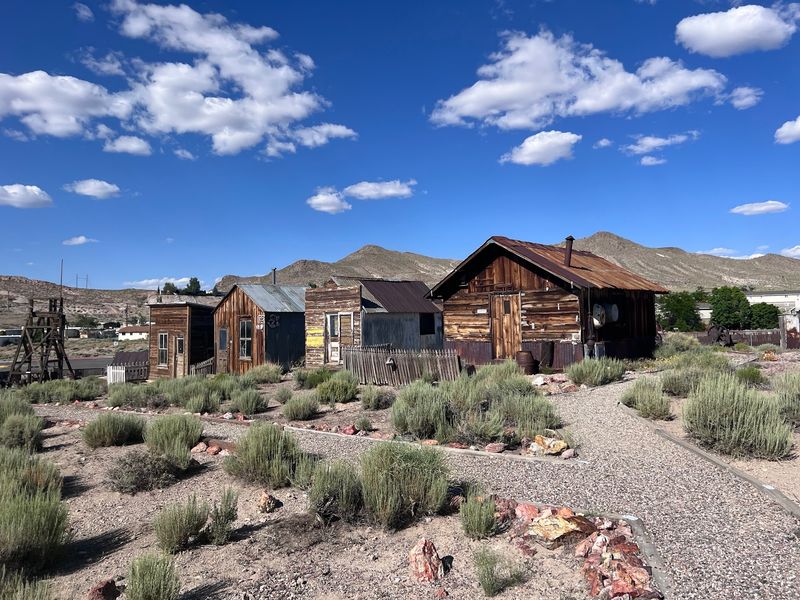
Tonopah, a mining town of about 2,000 people, rarely makes anyone’s travel bucket list. Its local museum might change that, especially for families who love a good treasure hunt.
Inside, a small but detailed collection covers Native American history alongside mining, aviation, and military stories from the region. Shoshone and Paiute artifacts help show who lived in this rugged country long before the silver boom.
Outdoor exhibits extend the visit beyond the building, and a free self-guided walking tour adds even more ground to cover.
Kids get a bonus. A scavenger hunt turns the galleries into a game, which keeps young visitors focused on the details instead of asking how much longer.
Admission is free, and so is parking. For anyone driving between Reno and Las Vegas on U.S. 95, that makes it an easy, no-cost way to break up a long trip.
A gift shop sits on site, though there is no restaurant.
Hours run Tuesday through Saturday from 9 AM to 5 PM, with Sundays and Mondays closed. Small-town museums sometimes adjust schedules, so a quick check ahead of time can save a disappointing stop.