
8 Things First-Time Visitors Should Know Before Exploring Sauvie Island In Oregon
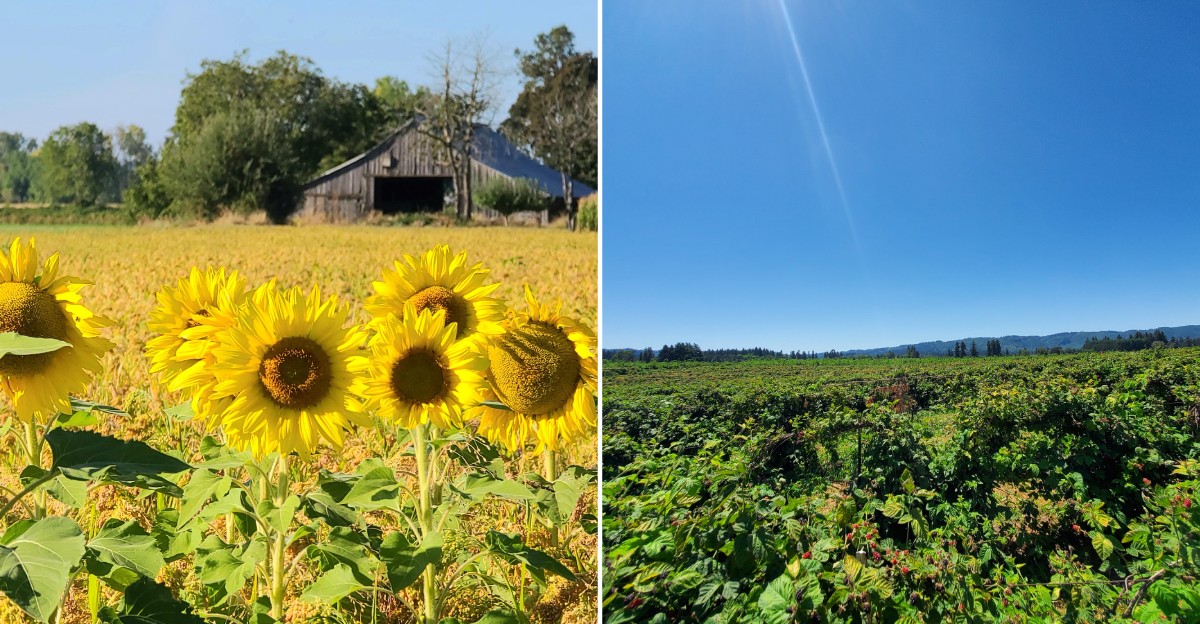
A first visit to any new place always carries a small dose of uncertainty, but a few tips beforehand can go a long way. These eight things will help anyone exploring Sauvie Island in Oregon for the first time.
Roads leading onto the island stay simple, though parking can fill up fast during peak season. Regulars know which farms and beaches draw the biggest crowds, planning visits around quieter hours instead.
Weather can shift quickly near the water, making it worth checking conditions before heading out for the day. Cell service stays spotty in certain areas, so downloading maps ahead of time helps avoid confusion.
Local farm stands offer fresh produce worth stopping for throughout the visit. This guide proved that a little preparation makes exploring the island far easier.
1. It Is Way Bigger Than Most People Expect
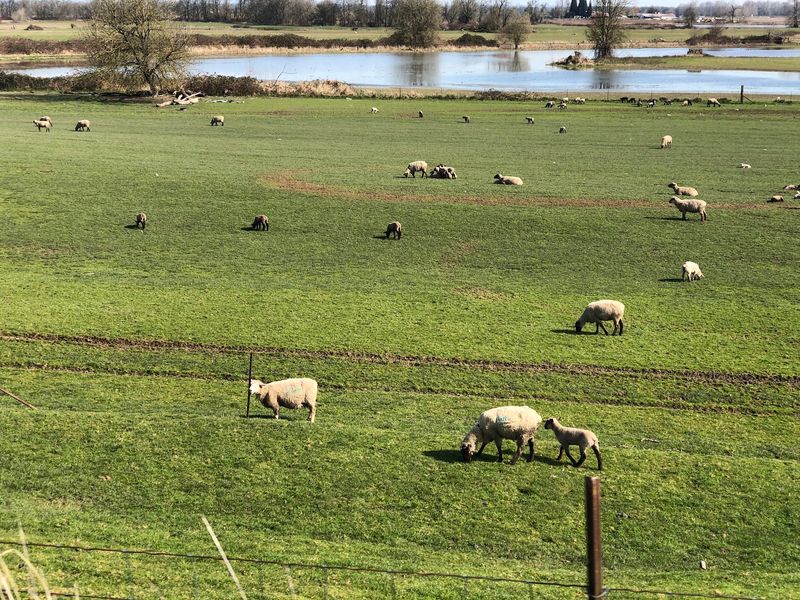
Here is a fun fact to drop at dinner. Sauvie Island covers about 24,000 acres, which makes it roughly the size of Manhattan.
The difference is that Manhattan has skyscrapers and traffic. Sauvie Island has cows, cornfields, and herons standing perfectly still like they are posing for a painting.
The island sits about 10 miles northwest of downtown Portland. It rests right where the Willamette River meets the Columbia River.
That makes it the largest island on the Columbia, and it wears that title quietly.
So why does the size matter? Because a lot of first-timers think they can see it all in an hour.
That plan usually falls apart around the second farm stand.
Roads loop and stretch for miles. Some spots are paved, and some turn into gravel that will dust up your car in seconds.
A full tank of gas and a loose schedule are your best friends here.
The name has a story too. In 1805, Lewis and Clark called it Wapato Island because of the wapato plants growing everywhere.
Those plants were an important food for the Native people who lived here.
Later, a French-Canadian man named Laurent Sauvé ran a dairy on the island for the Hudson’s Bay Company in the 1830s. His name stuck, even though the spelling got a little twisted along the way.
Today, the island is a mix of working farms and protected wildlife land. Half of it grows food, and much of the rest belongs to the birds.
It is a funny balance, and it works.
Plan a route before heading out, since cell service can get spotty in places. A paper map might feel old-school, but it can save the day.
The whole island is simply listed as Sauvie Island, Oregon.
2. Berry Season Turns Fields Into A Sweet Treasure Hunt
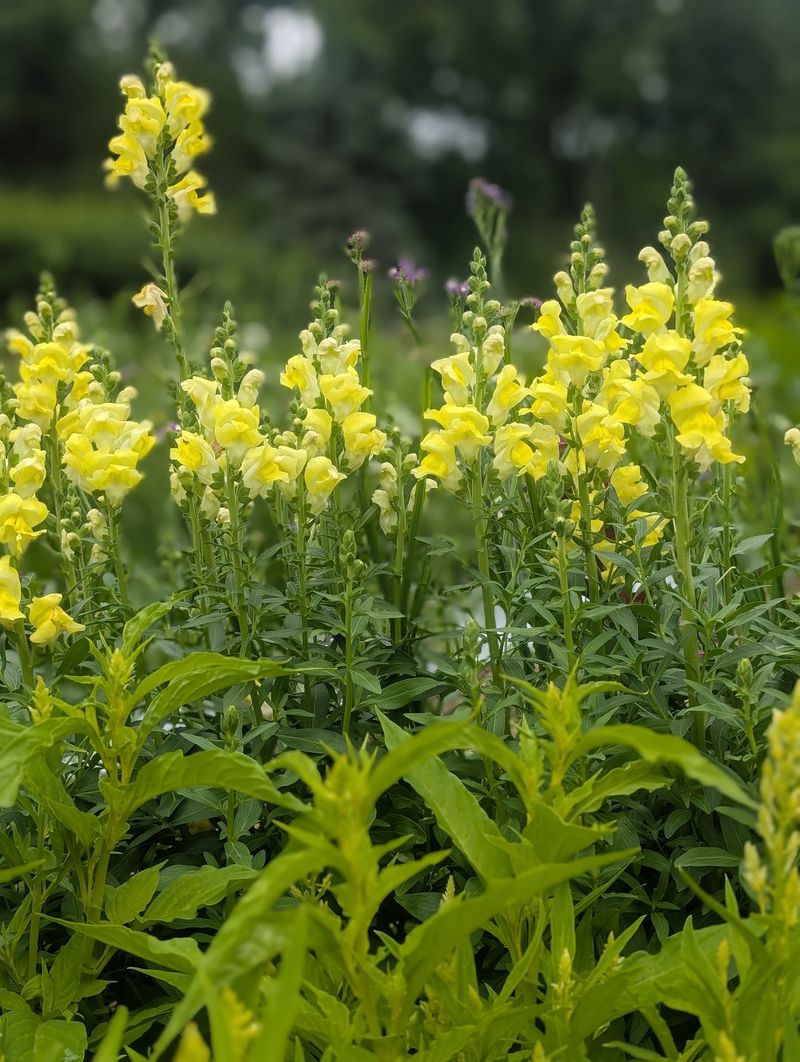
Strawberry juice on your fingers is basically the official island handshake. From late spring through summer, farms open their fields so visitors can pick their own fruit.
The list of options is long. Strawberries kick things off, then come cherries, raspberries, blueberries, marionberries, boysenberries, and peaches.
Marionberries deserve a special shout-out. They are an Oregon blackberry with a deep, tangy flavor that tastes like summer decided to show off.
Boysenberries are close cousins and just as messy.
Timing is everything with u-pick farms. Each fruit has a short window, and a rainy week can shift it.
Checking a farm’s website or social page before driving out is a smart move.
Mornings tend to be the sweet spot. The fields are cooler, the berries are firmer, and the best rows have not been picked clean yet.
Wear shoes that can handle a little mud. Bring a hat too, because those open fields offer almost zero shade.
Some farms provide buckets, but having your own container never hurts.
Not into bending over berry bushes for an hour? No shame there.
Many farms also run markets with fresh fruit already picked, plus veggies, jams, and baked goods.
One small rule worth remembering is to eat only what you plan to pay for. A few tastes while picking are normal, but treating the field like a buffet is a quick way to annoy the farmer.
Bella Organic Farm is one of the well-known stops for picking, and it makes an easy first visit. Kids especially love racing to fill a basket before their parents do.
Find it at 16205 N.W. Gillihan Road, Portland, Oregon.
3. Fall Corn Mazes Can Swallow You Whole
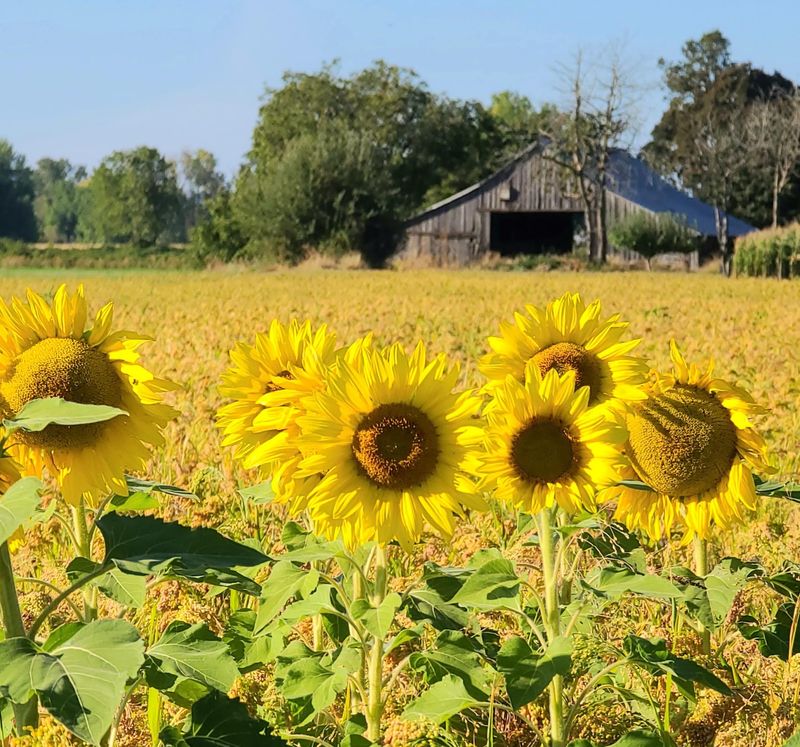
Getting lost on purpose sounds silly until autumn rolls around on Sauvie Island. Suddenly, wandering through towering corn becomes the best part of the season.
Several farms build huge mazes each fall. The Pumpkin Patch runs one called The MAiZE, and it spans about 8 acres.
That is a lot of corn and a lot of wrong turns.
The coolest part is the observation bridges. Climbing up gives a view across the island, and on a clear day Mount Hood pops up in the distance.
It is also a great way to figure out exactly how lost your group has become.
Bella Organic Farm offers a 7-acre maze with paths that stretch nearly three miles. Three miles of corn is a real workout, so pack water and a little patience.
Topaz Farm joins in too. Each farm has its own style, so trying more than one over a few weekends is a fun tradition for many local families.
The mazes are not the only draw. Hayrides roll out to pumpkin patches, where people hunt for the perfect pumpkin like it is a contest.
Some farms also have animals to visit, which kids adore.
October weekends get busy. Traffic on the island’s narrow roads can crawl, so arriving early helps a lot.
Weekdays are calmer if your schedule allows.
Dress for mud. Fall rain in Oregon is not a maybe; it is a promise.
Boots and a jacket you do not mind getting dirty will make the whole day happier.
The Pumpkin Patch is the classic place to start. It sits at 16511 N.W.
Gillihan Road, Portland, Oregon.
4. Beach Days Require A Little Planning
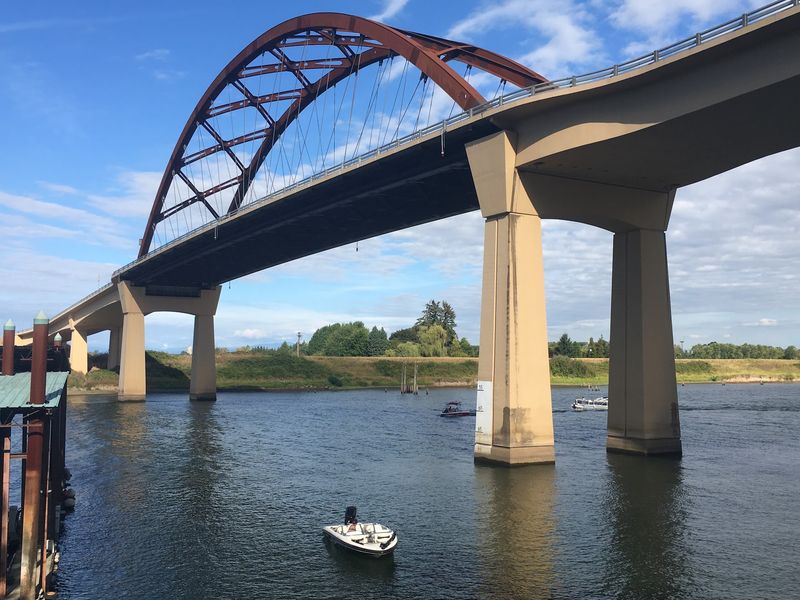
Sand in Oregon usually means a long drive to the coast. Sauvie Island flips that idea with river beaches less than an hour from Portland.
Walton Beach is the crowd favorite. Its water is calm and shallow, which makes it a good place for little kids to splash without big waves knocking them over.
Willow Bar Beach stretches for about two miles. It has plenty of room to spread out, and the views reach all the way to distant mountains on clear days.
Then there is Collins Beach, which comes with a heads-up. Part of it is clothing-optional.
Nobody wants a surprise like that while carrying a cooler full of sandwiches, so now you know.
The biggest tip is about parking. From June 15 through Labor Day, a Sauvie Island Beaches Parking Permit is required on weekends and holidays for Walton, Collins, and the North Unit beaches.
Skipping the permit can lead to a ticket, and that is a quick way to ruin a sunny day. Get it sorted before leaving home whenever possible.
The Columbia River is no swimming pool, either. Big ships pass by, and their wakes can send surprise waves onto the shore.
Currents can also be stronger than they look.
Keep a close eye on kids and toys near the water. Life jackets are a smart idea for young swimmers.
Bring shade too, since trees are scarce on most of the sand.
Watching a massive cargo ship glide past while sitting on a beach towel is a weirdly fun experience. Walton Beach is reached off N.W.
Reeder Road near milepost 9.8, Sauvie Island, Oregon.
5. Birds Run The Show In The Northern Half
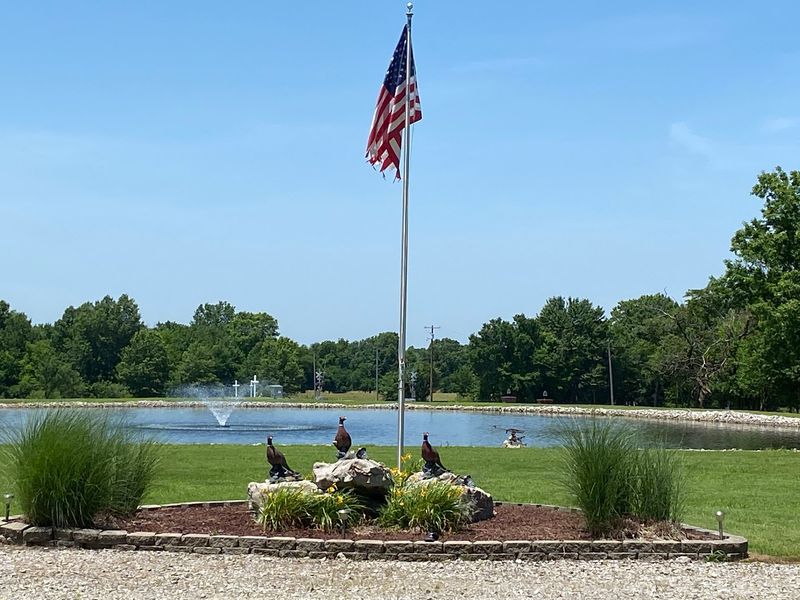
More than 275 bird species have been spotted on Sauvie Island. That number makes even casual watchers start reaching for binoculars.
Over 12,000 acres in the northern half of the island make up the Sauvie Island Wildlife Area. It is a major rest stop on the Pacific Flyway, a giant bird highway that runs along the West Coast.
Winter is when things get loud. Huge flocks of ducks, geese, and swans arrive to spend the cold months here.
The sound of thousands of geese lifting off at once is hard to forget.
Bald eagles are regular visitors. So are sandhill cranes, with their long legs and rattling calls that sound a bit like a squeaky gate.
Great blue herons stand in the shallows, waiting for a snack to swim by.
Look up for red-tailed hawks circling the fields. American kestrels, small falcons with bright colors, often perch on wires along the roads.
Viewing platforms help a lot. The one at Raccoon Point gives a good look over the wetlands without disturbing the birds.
Some areas close during certain seasons to protect wildlife. Hunting also happens in parts of the refuge in fall and winter, so checking the rules before visiting is wise.
A Wildlife Area Parking Permit is needed at many spots in the refuge. Grab one before heading out so a parking ticket does not end the fun.
Quiet voices and slow movements pay off. The birds were here first, after all.
The Sauvie Island Wildlife Area Headquarters is at 18330 N.W. Sauvie Island Road, Portland, Oregon.
6. Flat Trails Lead To Lakes
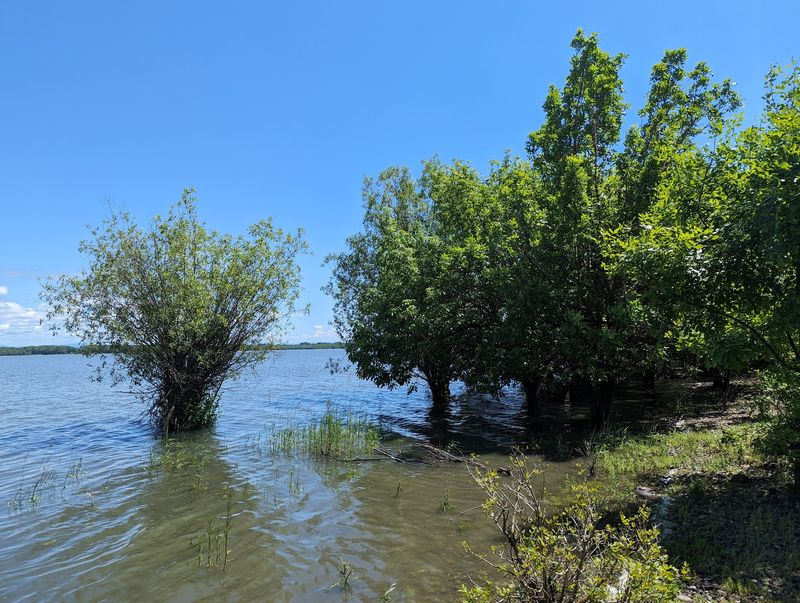
Good news for anyone who hates steep hills. Most trails on Sauvie Island are flat, so the hardest part might be stopping to look at every bird.
The Wapato Access Greenway State Park Trail is a 2-mile loop around Virginia Lake. The lake is seasonal, so it fills with water in the wet months and shrinks during summer.
That changing lake brings in plenty of wildlife. It is a favorite for birdwatchers, and the trail is easy enough for kids and grandparents to share.
Want a bigger goal? The Warrior Rock Lighthouse Trail is about 7 miles round-trip.
At the end waits the smallest lighthouse in Oregon, which looks adorable and a little proud of itself.
The walk follows the Columbia River through cottonwood trees and along sandy stretches. Bring snacks and water, since there are no shops along the way.
The Oak Island Nature Trail is a 2.4-mile loop with old Oregon white oaks. It only opens from April 16 through September 30, so plan around those dates.
Those oaks have twisted branches that look like something from a fairy tale. Deer, songbirds, and the occasional snake might cross the path.
A Wildlife Area Parking Permit is usually required at these trailheads. Mosquitoes also love the wet areas in late spring and summer, so bug spray is a very good idea.
Wear shoes that can handle mud after rain. Even flat trails get squishy here.
7. Paddlers Get Water On Every Side
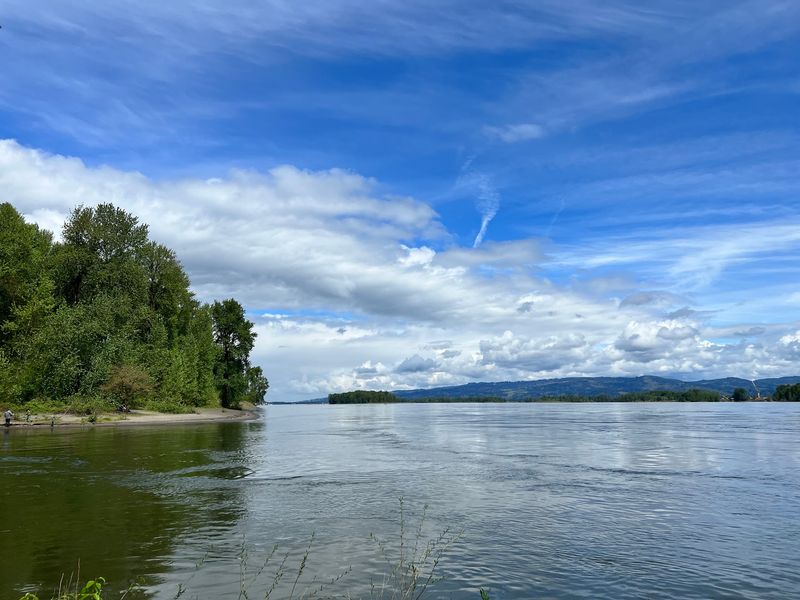
Think of Sauvie Island as a giant puzzle piece floating in water. The Columbia River, Multnomah Channel, and Willamette River wrap around it from all sides.
Inside the island, there are even more lakes. Sturgeon Lake, Steelman Lake, and Mud Lake add plenty of quiet spots to explore.
Kayaking and paddleboarding are huge here. The Multnomah Channel is a favorite because it is calmer than the big Columbia, with tree-lined banks that block some of the wind.
Paddling along the channel, it is common to pass floating homes. These houses bob gently on the water, and some have little gardens on their decks.
It is a fun peek at a different way of living.
Sturgeon Lake is the largest lake on the island. Swimmers and kayakers both enjoy it, and birds love it even more, especially in the cooler months.
The Sauvie Island Boat Ramp offers a simple launch spot for anyone bringing their own gear. It makes getting on the water pretty painless.
A few safety tips go a long way. Always wear a life jacket, even if you are a strong swimmer.
River water stays cold, and wind can pick up faster than expected in the afternoon.
On the Columbia, stay well clear of big ships. They cannot stop quickly, and they definitely will not swerve for a kayak.
Check the weather and tides before heading out. Yes, tides reach this far up the river, which surprises many people.
Find the ramp at 15475 N.W. Ferry Road, Portland, OR 97231.
8. The Island Holds Stories Older Than Its Name
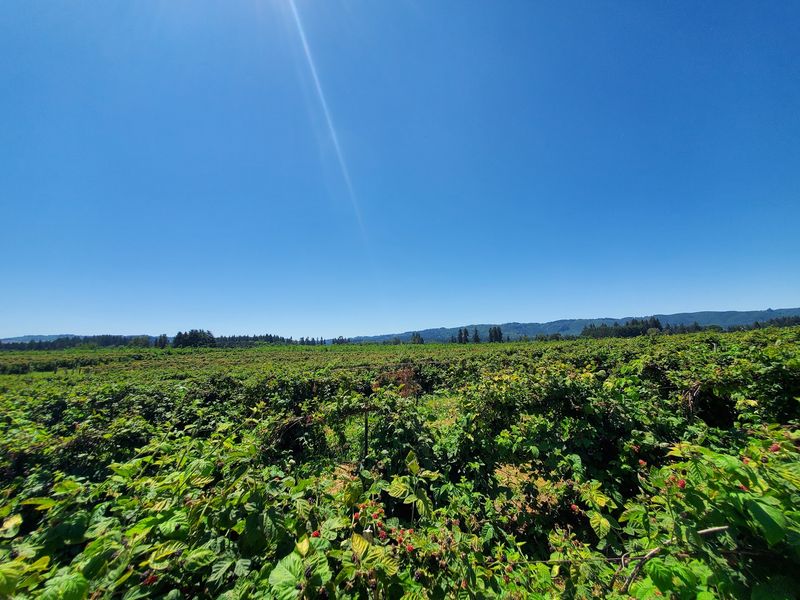
Long before farms and corn mazes, this land was home to the Multnomah people, a band of the Chinook. To them, it was a rich place full of food, water, and community.
The Multnomah built large cedar plank houses. These sturdy homes could hold several families, and they stood near the water where fishing was easy.
Salmon was a major food source. Wapato, a plant with a starchy root a bit like a potato, grew thick in the wetlands.
People waded into the mud to gather it, sometimes loosening the roots with their feet.
That plant is where the old name Wapato Island came from. Lewis and Clark wrote it down in 1805 after seeing how important it was to the people living here.
One of the most fascinating places is the Sunken Village Archaeological Site. It holds the remains of a Chinookan village, with finds dating back more than 700 years.
Researchers have uncovered cedar bark baskets and special pits used to soak acorns. Some scientists even think the findings hint at links between North American and Asian cultures.
That is a lot of history hiding in river mud.
Sadly, disease brought by outsiders in the 1830s hit the Native communities hard. Much of the population was lost in just a few years.
Remembering this history adds depth to any visit. Every field and marsh has a story far older than the farms.
Treat the land with care, stay on marked paths, and never disturb cultural sites. The whole island, rich with these stories, is found at Sauvie Island, Oregon.