
These 10 Oklahoma Towns Where Social Security Makes Affordable Living Possible
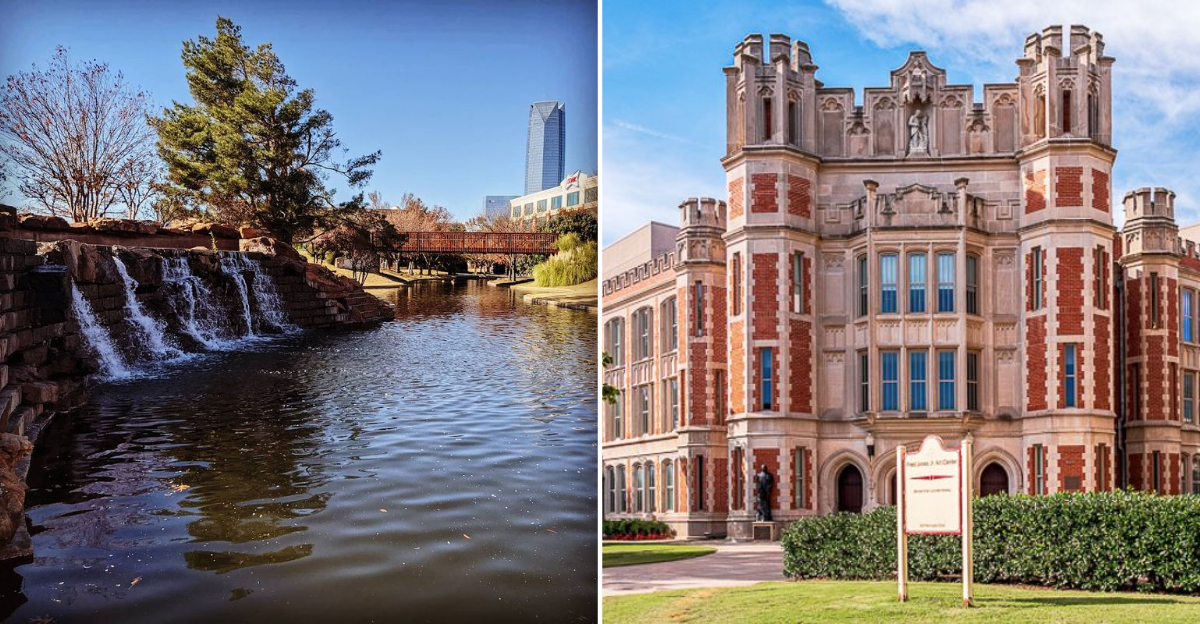
Social Security was never supposed to be a full retirement plan. These Oklahoma towns did not get that memo.
Most of America will tell you that retiring comfortably requires a hefty savings account, a side hustle, and a lot of luck. Oklahoma has a different answer.
Spread across this state are towns where the cost of living is low enough that a monthly Social Security check does not just cover the basics. It actually covers a life.
We are talking about affordable housing, low property taxes, and communities that still know their neighbors by name. The kind of places where a morning coffee does not cost the same as a small car payment.
Retirement was supposed to feel like relief. In these Oklahoma towns, it finally does.
1. Lawton
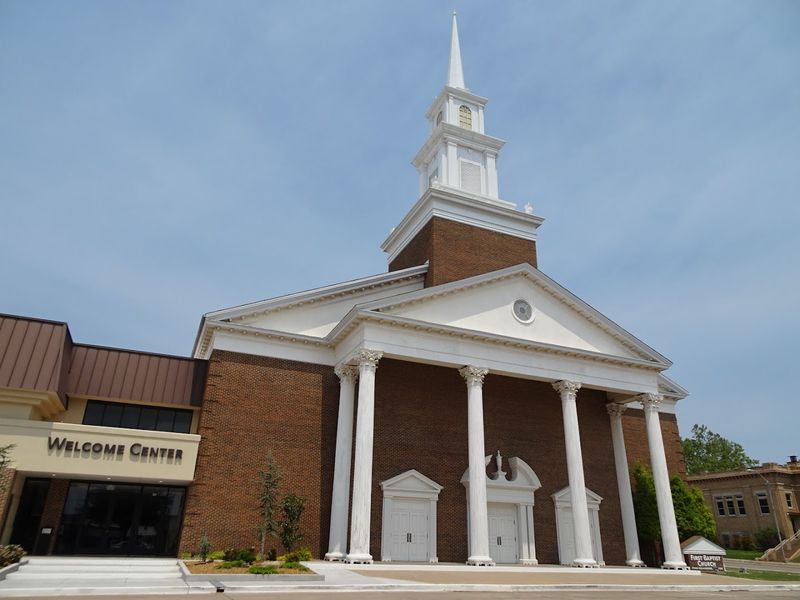
Lawton sits in southwest Oklahoma and plays by its own affordable rules. The median rent in 2026 hovers around $700 monthly, which is genuinely hard to beat in today’s market.
Housing costs stay low compared to national averages, and that gap is real money back in your pocket.
Fort Sill is right next door, which gives Lawton a steady, structured energy. The military presence keeps local businesses active and services running smoothly year-round.
That means grocery stores, clinics, and repair shops are never far away.
Retirees here enjoy the Wichita Mountains Wildlife Refuge without paying a single entrance fee. Hiking, wildlife watching, and scenic drives are basically free entertainment.
That kind of outdoor access adds real value to daily life.
The local cost of living ranks among the lowest for any major city in Oklahoma. Utilities stay manageable, and everyday expenses rarely surprise you.
Social Security dollars genuinely stretch here in ways that feel almost old-fashioned.
Lawton also has Cameron University, which brings cultural events and continuing education options to the area. Community theater, art shows, and public lectures keep things interesting.
Retirement here does not have to mean slowing down completely.
2. Enid
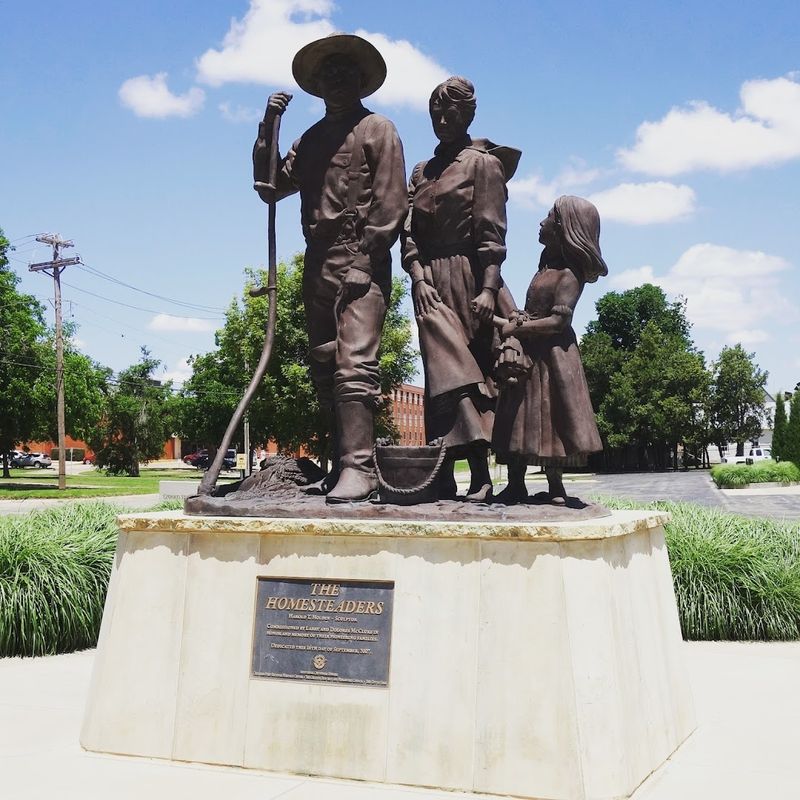
This is one of those cities that makes a fixed income feel surprisingly comfortable. The gap between cost and quality of life is what makes retirees pay attention.
The cost of living here allows your retirement dollars to cover housing, healthcare, and still leave room for fun. Enid has grocery stores, medical facilities, and parks all within easy reach.
You are not sacrificing convenience to save money here.
Vance Air Force Base sits nearby, adding economic stability to the region. That steady presence keeps local businesses healthy and employment strong.
A stable local economy is good news for retirees who rely on consistent pricing.
Enid’s downtown has seen real investment in recent years. New restaurants, local shops, and community events have given the area fresh energy.
It no longer feels like a city just sitting still.
The Great Salt Plains State Park is a short drive away and offers unique outdoor experiences. You can actually dig for hourglass selenite crystals there, which sounds wild but is completely real.
Enid surprises people who assume a small Oklahoma city has nothing going on.
3. Midwest City
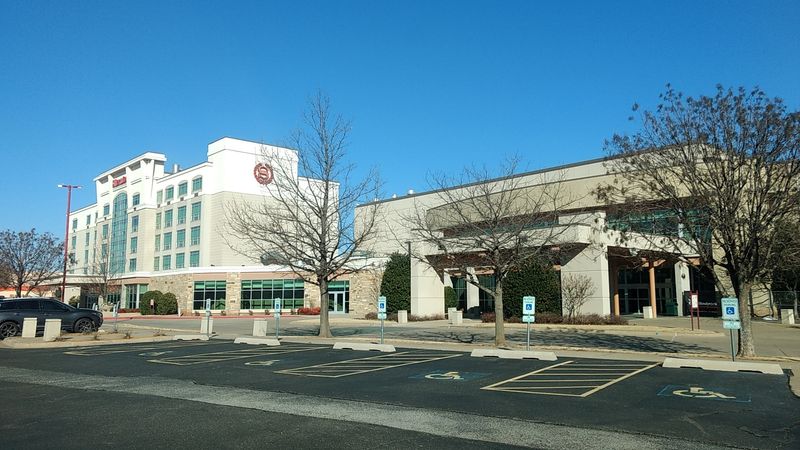
A city like this sits just east of Oklahoma City and gives retirees a suburban feel without the big-city price tag. It shares metro amenities with OKC while keeping its own affordable identity.
That combination is rare and worth noticing.
Tinker Air Force Base anchors the local economy and has done so for decades. That steady federal presence keeps the area stable and services consistent.
For retirees, stability in a community matters just as much as low prices.
Housing here is notably reasonable for a suburb this close to a major city. You can find comfortable single-family homes without stretching your Social Security to the breaking point.
Many retirees choose Midwest City specifically because of that value.
The city has its own parks, recreation centers, and senior programs that are genuinely active. Rose State College adds educational and cultural programming to the community calendar.
There is always something happening if you want it.
Midwest City also has solid healthcare access through its proximity to Oklahoma City’s medical corridor. You are never far from a specialist or a major hospital.
That peace of mind matters more than people admit when choosing a retirement spot.
4. Moore
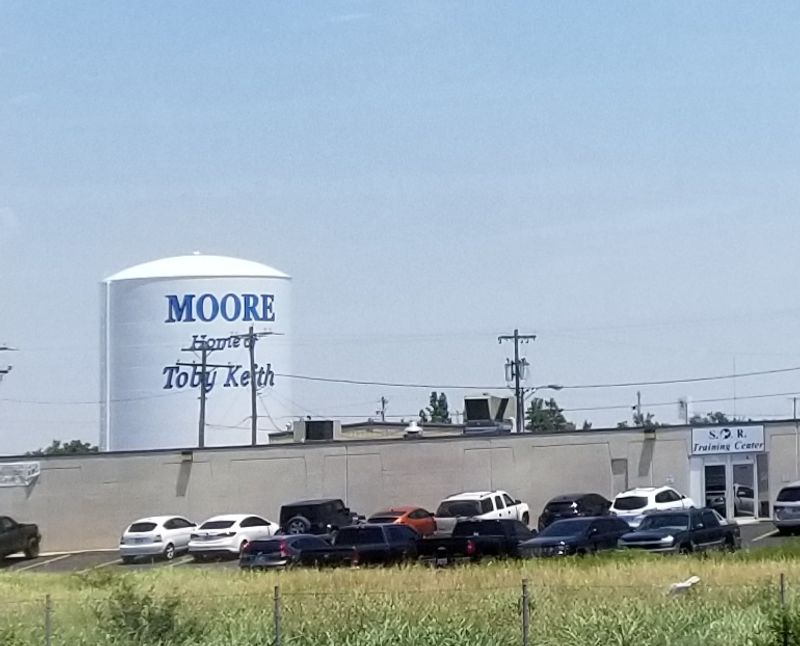
Moore has a reputation for resilience, and that spirit shows up in the community every single day. Rebuilt and strengthened after major storms, the city now stands as one of the most solid suburban communities in the state.
There is real pride in what Moore has become.
Home prices here remain accessible for retirees coming in on a fixed income. You get a well-maintained suburban environment without the premium costs that usually come with it.
That value proposition is what keeps people choosing Moore over flashier options.
The city sits directly between Oklahoma City and Norman, putting two major metros within easy reach. Specialty medical care, entertainment, and shopping are all a short drive away.
That kind of access is hard to put a price on.
Moore has strong schools and family-friendly infrastructure, which means the community is well-maintained and active. Parks, walking trails, and recreation facilities are easy to find.
Retirees often enjoy that lively neighborhood energy even without young kids of their own.
Local restaurants and small businesses give Moore a genuine community feel. You run into familiar faces at the coffee shop and the hardware store.
That small-city warmth inside a metro area is something Moore genuinely delivers.
5. Oklahoma City
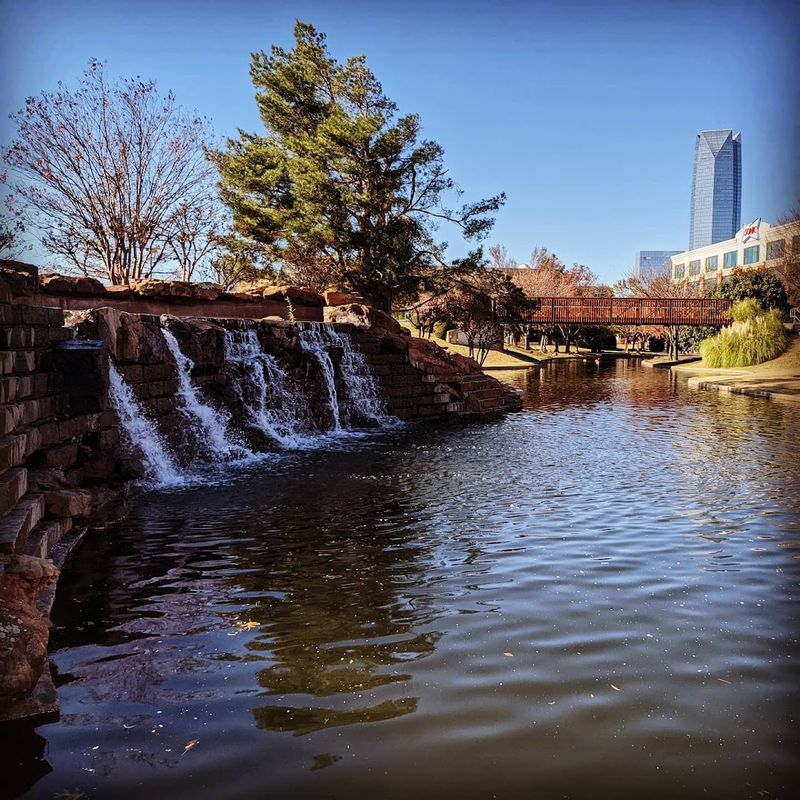
Oklahoma City is one of the most affordable state capitals in the entire country, and retirees are catching on fast.
The cost of living sits well below the national average, which means your Social Security check goes further here than in almost any comparable city. That is not a small thing.
The city has a legitimate food scene, professional sports, world-class museums, and a growing arts district. Bricktown alone offers restaurants, live music, and canal boat rides that feel nothing like a budget retirement destination.
OKC keeps surprising people who underestimate it.
Healthcare options here are extensive and well-distributed across the metro. INTEGRIS Health, OU Health, and Mercy Hospital provide serious medical infrastructure.
Retirees rarely have to travel far for specialized care.
Housing ranges from affordable older neighborhoods to newer developments with modern amenities. Many retirees find comfortable homes in established areas without bidding wars or inflated prices.
The market here still makes sense for people on fixed incomes.
Public transit, senior center programs, and community organizations keep older residents connected. The city invests in its aging population more than most people realize.
Oklahoma City is not just affordable. It is genuinely livable.
6. Tulsa
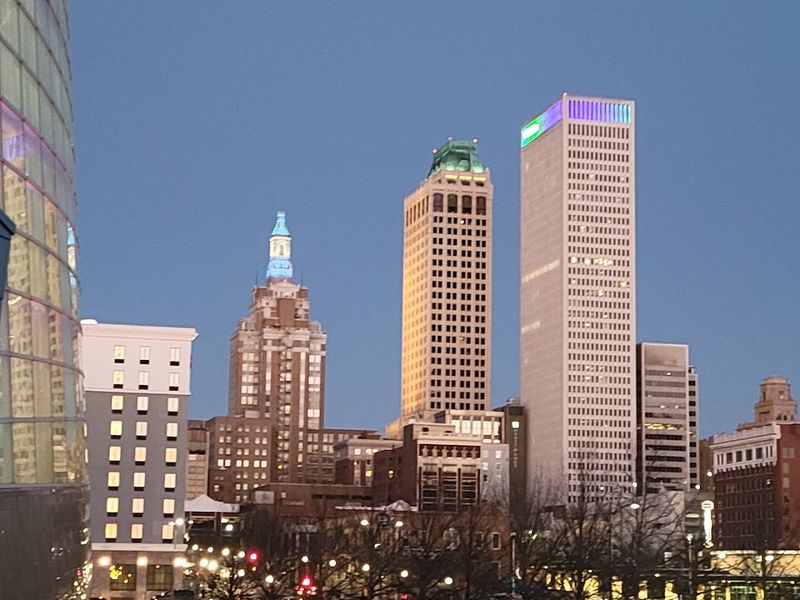
This city has a legitimate cool factor that most people outside Oklahoma do not know about yet. The Art Deco architecture downtown is stunning, and the Gathering Place park along the Arkansas River is one of the best free public spaces in the country.
Yes, free.
Housing costs in Tulsa stay well below national averages, making it an accessible option even for modest Social Security budgets. Neighborhoods like Midtown and East Tulsa offer solid homes at prices that feel almost too good.
Retirees who do their homework here often feel like they have found a secret.
The city has a strong healthcare system anchored by Saint Francis Health System and Ascension St. John. Specialty care is available locally, which reduces the stress of managing health in retirement.
That infrastructure matters when you are planning long-term.
Tulsa’s music and arts scene adds real cultural richness to daily life. The Philbrook Museum of Art sits inside a gorgeous Italian villa, and admission is very reasonable.
There is always something happening that does not require spending a lot of money.
Grocery costs, utility rates, and transportation expenses all stay manageable for retirees here. Tulsa gives you a big-city lifestyle without the big-city financial pressure.
That balance is genuinely rare.
7. Norman
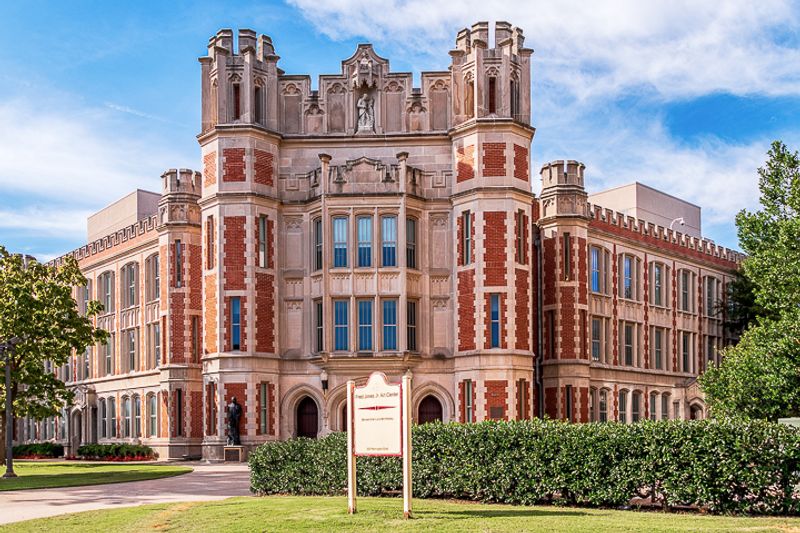
Norman is a college city with a personality that goes way beyond football Saturdays. The University of Oklahoma gives this city a constant pulse of events, lectures, theater performances, and art exhibitions.
Retirees who love staying intellectually active find Norman almost irresistible.
Housing prices in Norman are reasonable for a city with this much going on. You can find comfortable homes in established neighborhoods without the sticker shock you might expect near a major university.
The market here rewards patient buyers who do their research.
The cost of everyday living stays below the national average, which helps Social Security dollars maintain their purchasing power. Groceries, utilities, and local services are priced fairly across the city.
That consistency makes monthly budgeting much easier to manage.
Norman has excellent healthcare access, partly because of OU Health’s presence in the region. Specialty clinics and general practitioners are well distributed throughout the city.
You are not driving an hour for a routine appointment here.
The city has a walkable, vibrant downtown area with independent restaurants, coffee shops, and local boutiques. Campus Corner is a beloved neighborhood strip that buzzes with life year-round.
Norman does not slow down just because football season ends.
8. Broken Arrow
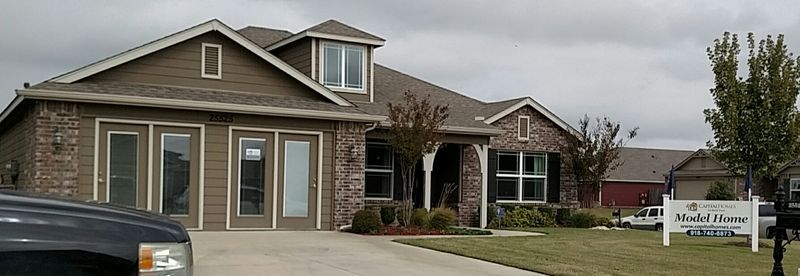
Popular video game has a name like this city. Broken Arrow is one of the fastest-growing cities in Oklahoma, and the growth is happening for good reasons.
It offers a clean, well-organized suburban environment with access to Tulsa’s full metro amenities. Retirees who want comfort and convenience without chaos often land here.
Housing costs in Broken Arrow remain affordable relative to the quality of neighborhoods available. Well-maintained subdivisions with mature trees and good infrastructure are common throughout the city.
Your Social Security dollar gets a lot of house here compared to most American suburbs.
The Rose District is the beating heart of downtown Broken Arrow, and it is genuinely charming. Local restaurants, boutique shops, and seasonal events fill the calendar throughout the year.
It has that small-city main street energy inside a city of over 100,000 people.
Healthcare access is strong here, with proximity to Tulsa’s major medical centers just minutes away. Several urgent care facilities and specialist offices operate within Broken Arrow itself.
Retirees do not have to sacrifice medical access for affordability.
Parks and outdoor recreation are plentiful, with walking trails and green spaces woven throughout the city. The Broken Arrow Expressway makes getting around the metro easy without stress.
Everything about this city feels designed with livability in mind.
9. Edmond
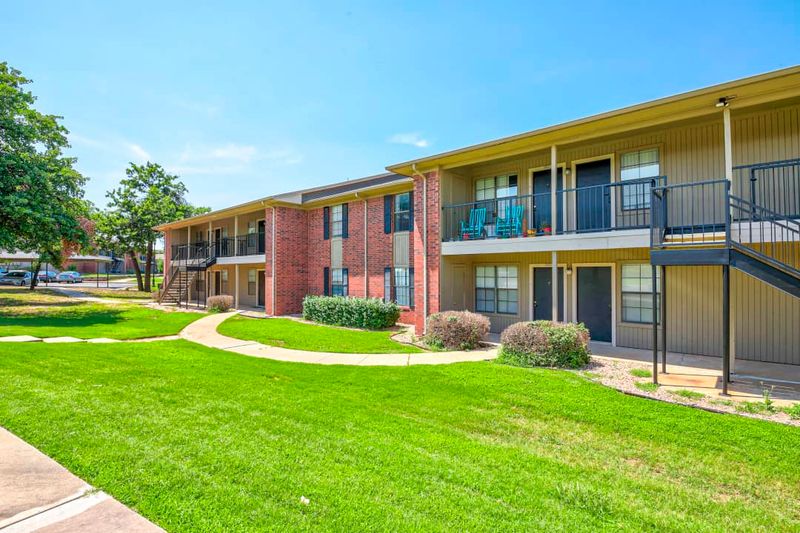
Edmond sits just north of Oklahoma City and carries a reputation as one of the most desirable communities in the entire state. It has excellent infrastructure, beautiful neighborhoods, and a quality of life that punches above its weight class.
Retirees with a slightly higher Social Security benefit find Edmond particularly appealing.
Home prices here run a bit higher than in other Oklahoma cities on this list, but they are still significantly below national averages for comparable communities. You get a polished suburban environment without the California or Texas price tags.
That relative value is a big deal for budget-conscious retirees.
The University of Central Oklahoma is based in Edmond, bringing cultural events and continuing education opportunities to older residents. The university’s community programs actively welcome retirees who want to keep learning.
That kind of intellectual access is a genuine lifestyle perk.
Healthcare in Edmond is excellent, with multiple hospitals and specialty clinics operating locally. The city also sits close to Oklahoma City’s major medical institutions for more complex needs.
You have serious options without leaving your comfort zone.
Edmond’s parks system is impressive, with well-maintained green spaces and trails throughout the city. Arcadia Lake offers fishing, boating, and hiking just minutes from most neighborhoods.
Outdoor life here is low-cost and high-quality.
10. Stillwater
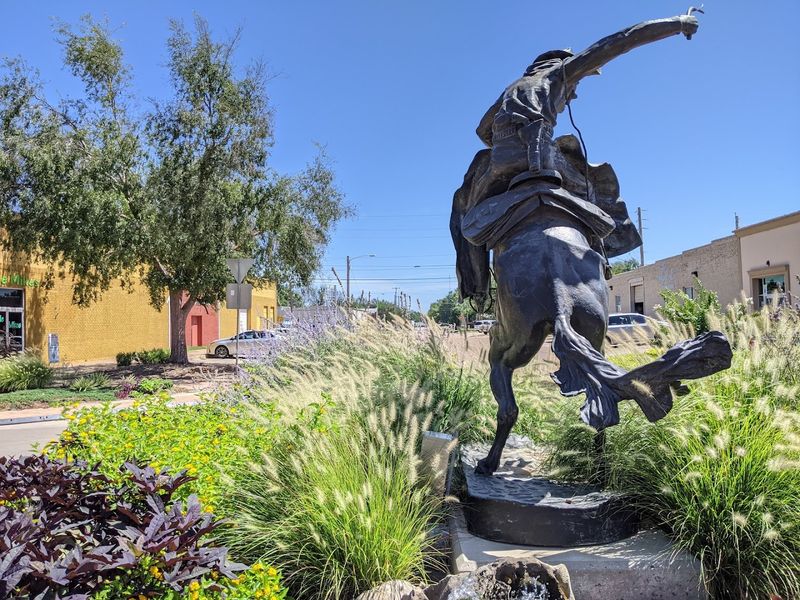
Stillwater is Oklahoma State University’s home, and that university’s energy shapes everything about the city in the best possible way.
Events, concerts, sports, and lectures fill the calendar year-round, giving retirees endless low-cost entertainment options. The orange and black spirit here is contagious, even if you did not go to OSU.
Housing costs in Stillwater stay affordable and accessible for retirees living on a fixed income. You can find solid homes in quiet neighborhoods without stretching your budget dangerously thin.
The market rewards people who are not trying to compete in high-demand coastal cities.
The cost of everyday life in Stillwater reflects its college city nature in a good way. Restaurants, coffee shops, and entertainment venues keep prices competitive because students are the primary customer base.
Retirees benefit from that pricing structure without even realizing it.
Stillwater has a charming, walkable downtown area with local restaurants and independent shops. The Main Street district hosts farmers’ markets, festivals, and community events throughout the year.
There is always a reason to get out of the house here.
Healthcare access includes Stillwater Medical Center and several specialty clinics within the city. Oklahoma City is about an hour away for more complex medical needs.
Stillwater gives you a real community without asking you to sacrifice your financial security.