
This Hidden Castle In Tennessee Is Built To Survive The Apocalypse
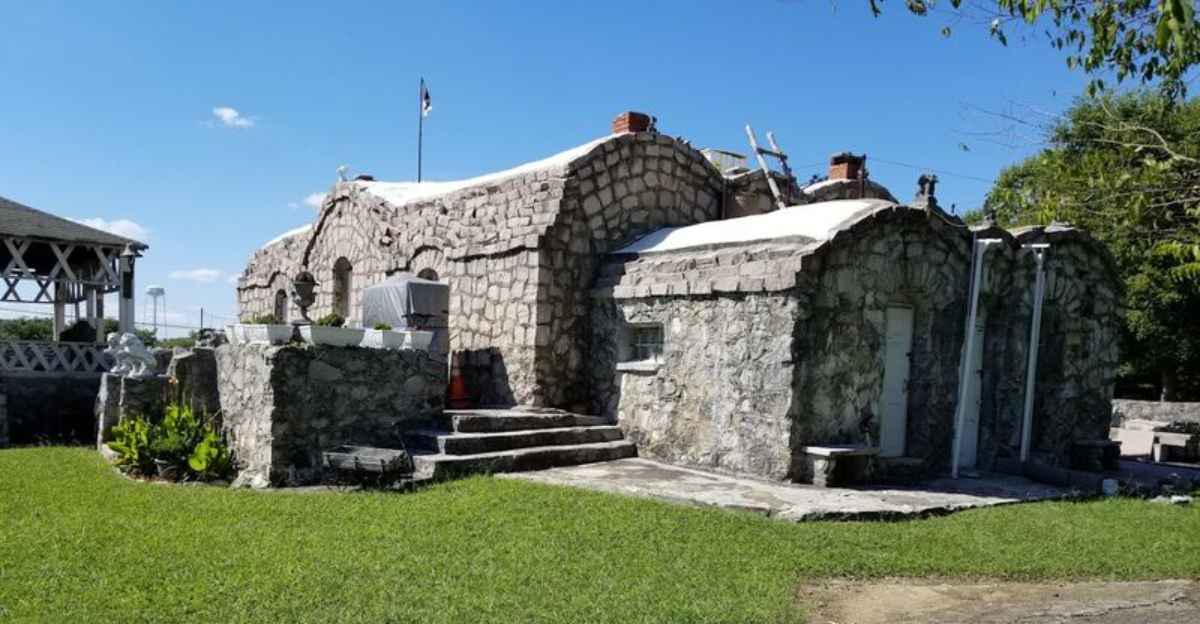
Some places look unusual. This one looks like it was built with the end of the world in mind.
Tennessee has a castle-like landmark with thick stone walls, a mysterious backstory, and the kind of strange presence that makes people slow down for a second look. It is not polished or predictable, and that is exactly what makes it so fascinating.
Part roadside curiosity, part architectural oddity, and part local legend, this fortress-style structure feels more like a movie set than something sitting in a real neighborhood. For anyone who loves strange stops with serious conversation-starting power, this Tennessee castle delivers.
The Man Who Built A Castle To Outlast Armageddon
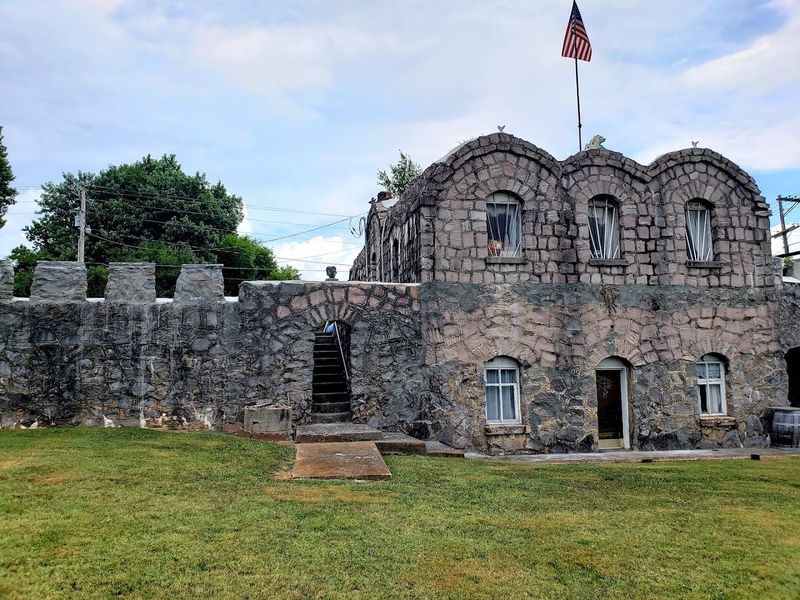
William Andrew Nicholson was 61 years old when he started building a castle with his own two hands. That alone should stop you in your tracks.
Most people at that age are slowing down, but Nicholson was just getting started on what would become one of the most remarkable construction projects in Tennessee history.
He worked full-time at the Alcoa plant during the day and dedicated every spare hour to laying stone. His wife, Fair, worked alongside him throughout the entire project.
Together, they spent roughly nine years completing the structure, finishing around 1946.
Nicholson was a deeply committed Christian who believed biblical Armageddon was coming. He first predicted it would arrive in 1959, then revised that date to 1969.
The castle was his answer to that belief. Every design choice, every measurement, every material selection was made with survival in mind.
His story is not simply about religious conviction. It is about a man who translated his deepest fears into something permanent, something that has now stood for nearly 90 years and shows no signs of stopping.
Roman Architecture Techniques Used In A Tennessee Backyard
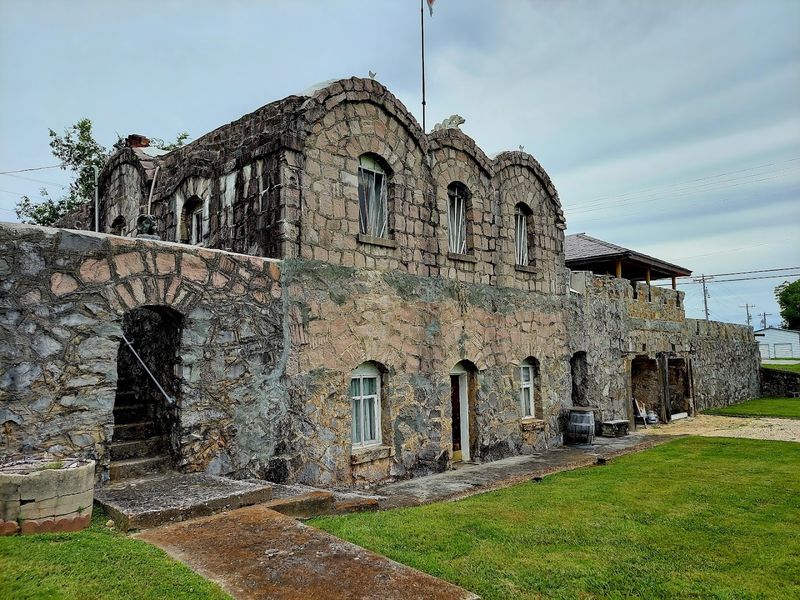
Nicholson did not just stack rocks and hope for the best. He studied Roman architectural methods and applied them deliberately throughout the structure.
The most prominent technique visible throughout the castle is the arch and keystone design, a method the Romans used to distribute weight and create structures that last for centuries.
This approach was not accidental. Nicholson understood that modern building materials like wood and nails would eventually rust and rot.
So he avoided them almost entirely. The original structure contains virtually no nails and very little wood, which is extraordinary for a building constructed in the late 1930s and early 1940s.
The castle sits at 500 N Wright Rd, Alcoa, TN 37701, right in the middle of a residential neighborhood, which makes it all the more surprising when you first see it. Local gray stone and Tennessee Pink Marble sourced from Friendsville were the primary building materials.
Over 4,000 bags of cement were used, some mixed with agricultural lime instead of sand specifically to prevent water from seeping through the walls. The Roman influence is not decorative.
It is structural, and it works.
Walls So Thick A Tornado Could Not Shake Them
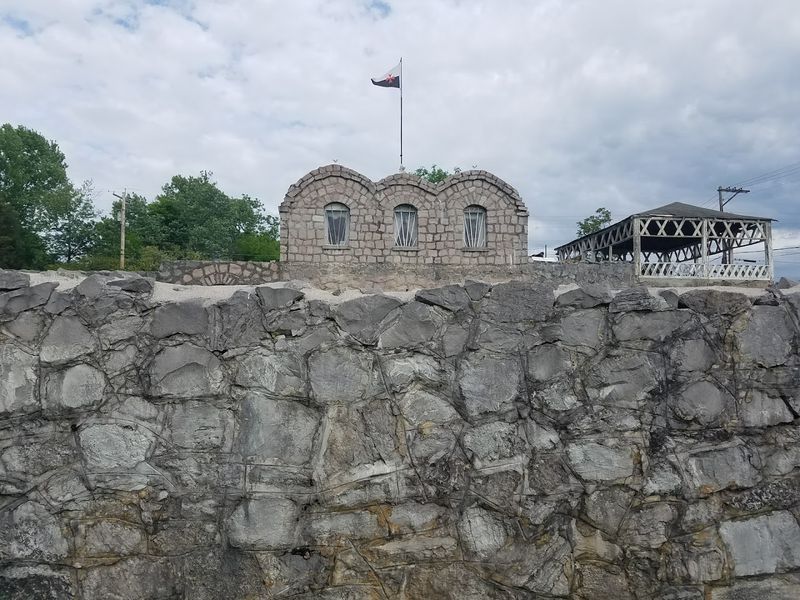
The numbers are hard to believe until you see them in person. The exterior walls of Millennium Manor Castle range from 25 to 32 inches thick.
Interior walls are at least 19 inches thick. The floors are over four feet thick.
The roof alone weighs more than 400 tons, specifically recorded at 423 tons, and measures more than three feet in depth.
These are not the dimensions of a house. They are closer to the specs of a military bunker.
Nicholson designed every measurement to absorb punishment, and the castle has proven his calculations correct in dramatic fashion.
In 2006, a tornado passed directly over the structure. The owner at the time slept through the entire event without a scratch to the building.
That story has become one of the most frequently told during tours, and for good reason. It confirms what Nicholson believed all along.
During World War II, the U.S. military reportedly attempted to purchase the manor for $150,000 to use as barracks and an armory. Nicholson refused to sell.
The fact that the military wanted it at all says everything about just how seriously constructed this place really is.
A Six-Story Deep Well And Stone-Enclosed Land
Surviving the apocalypse requires more than strong walls. You need water.
Nicholson planned for that too. The property includes a six-story deep well, five feet in diameter, dug by hand and lined with stone.
It was designed to provide a reliable water source entirely independent of any municipal supply.
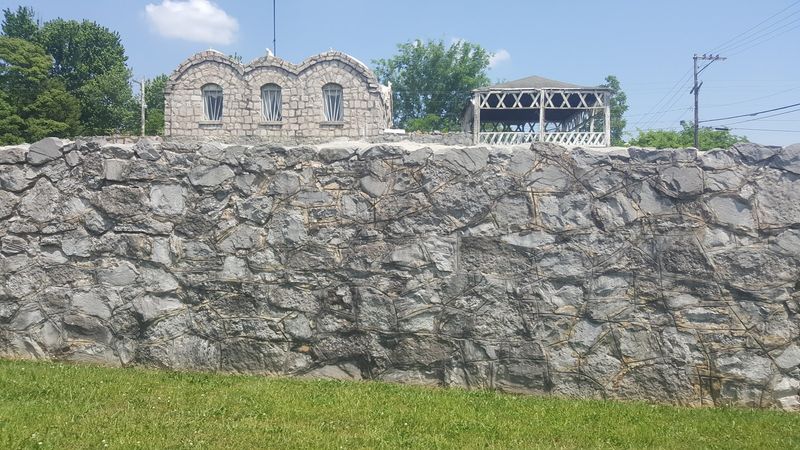
The entire property is enclosed by a stone wall, creating a self-contained compound. From the outside, it looks like something you might find in the English countryside, not in a residential neighborhood in Alcoa, Tennessee.
The contrast between the surrounding suburban landscape and the fortified stone perimeter is striking every single time.
This level of preparation was not paranoia in Nicholson’s mind. It was practical theology.
He believed that when the end came, those inside the walls would need to be completely self-sufficient. The well and the perimeter wall were as important to him as the thick roof overhead.
Today, visitors who tour the property can see these features up close, and many find the well particularly impressive. It is a reminder that this structure was planned as a long-term refuge, not just a dramatic architectural statement.
From Abandoned Ruins To National Register Of Historic Places
After William Nicholson died in 1965, and his wife Fair had already passed in 1950, the castle was left without a caretaker. The property was abandoned, vandalized, and at various points used as an Odd Fellows lodge and even a haunted house attraction.
For decades, the structure that was built to outlast everything sat neglected.
Then in 1995, Dean and Karen Fontaine purchased the castle at auction for somewhere between $39,000 and $40,000. That price, for a stone castle with 14 rooms and a two-car underground garage, is almost comically low.
The Fontaines recognized what they had and began a long, hands-on restoration process that continues to this day.
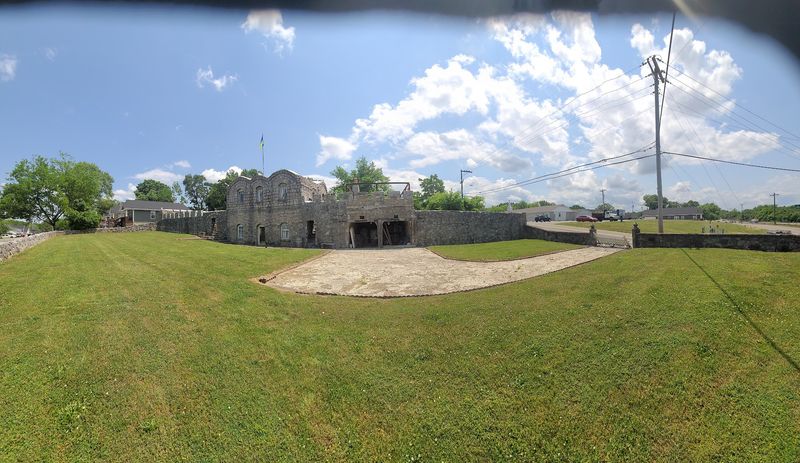
Their work includes adding battlements and courtyard expansions that complement the original medieval aesthetic. In 2020, Millennium Manor Castle was officially listed on the National Register of Historic Places, a recognition that confirms its architectural and cultural significance.
Multiple visitors have noted that the Fontaines have poured genuine care into the property. One reviewer described the experience as a clear labor of love.
The castle now holds a 4.5-star rating from over 111 reviews, which reflects how well the story resonates with people who make the trip.
Fourteen Rooms And A Two-Car Underground Garage
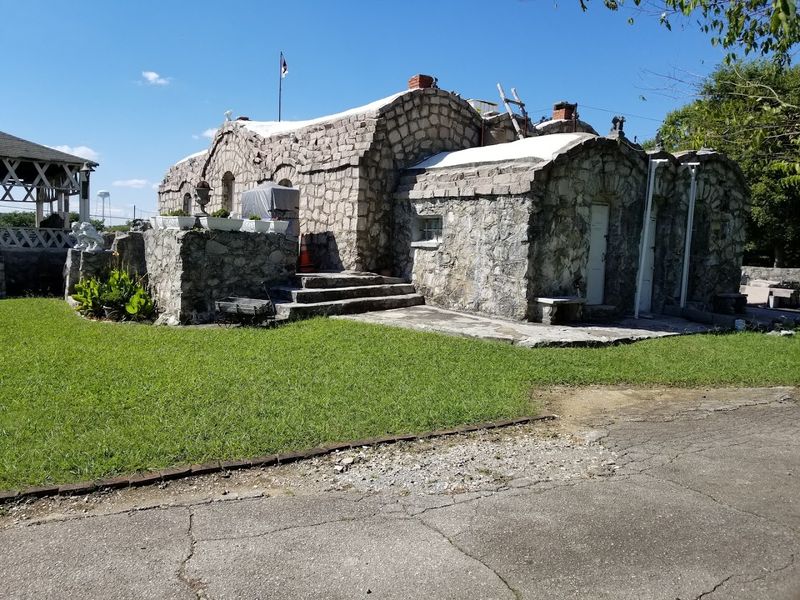
For a structure built by one man and his wife over nine years, the scale of Millennium Manor is genuinely impressive. The castle contains 14 rooms and spans approximately 3,000 square feet under the roof.
It also includes a two-car underground garage, which is not something you typically expect to find beneath a hand-built stone fortress from the 1940s.
The underground garage speaks to Nicholson’s practical mindset. He was not building a monument.
He was building a place to live and survive. Every room served a purpose, and the garage ensured that vehicles would be protected along with the people inside.
Visitors who take the guided tour move through these rooms and get a sense of how the space was organized. The current owners have filled the interior with a collection of medieval-themed items that guests can see, touch, and learn about.
One reviewer who brought her eight-year-old son called it an unforgettable experience. The combination of genuine historical architecture and interactive displays makes the interior engaging for visitors of all ages.
The tour typically runs on Saturdays and Sundays from 12 to 5 PM, with tickets priced at $15 per person and a $40 minimum for groups.
Tennessee Pink Marble And Local Gray Stone Craftsmanship
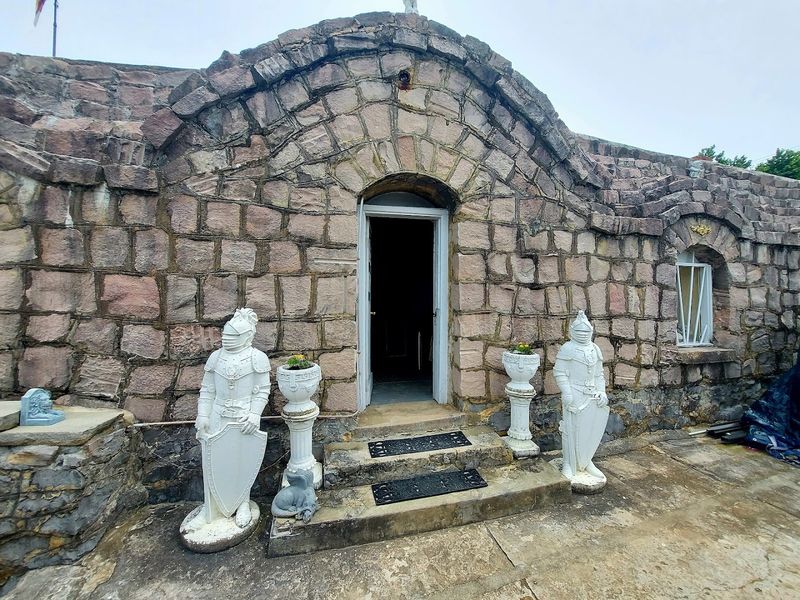
Not all stone is created equal, and Nicholson understood that better than most. He selected two primary materials for the castle: local gray stone and Tennessee Pink Marble, with the marble sourced specifically from Friendsville, Tennessee.
The combination gives the structure a visual character that stands apart from anything else in the region.
Tennessee Pink Marble has a long and distinguished history in American architecture. It appears in the U.S.
Supreme Court building and several other prominent structures. Nicholson’s decision to use it was not purely aesthetic.
The material is dense, durable, and resistant to weathering, qualities that aligned perfectly with his goal of building something permanent.
Over 4,000 bags of cement were used in the construction, and some of that cement was mixed with agricultural lime rather than sand. The reason was straightforward: lime reduces water seepage, which extends the life of the structure considerably.
When you stand close to the walls and examine the stonework, the craftsmanship is evident. Each piece was placed by hand, shaped to fit, and set with care.
The result is a surface that looks as solid today as it did when Nicholson first completed it nearly eight decades ago.
Renaissance Festivals And Public Tours At A Private Castle
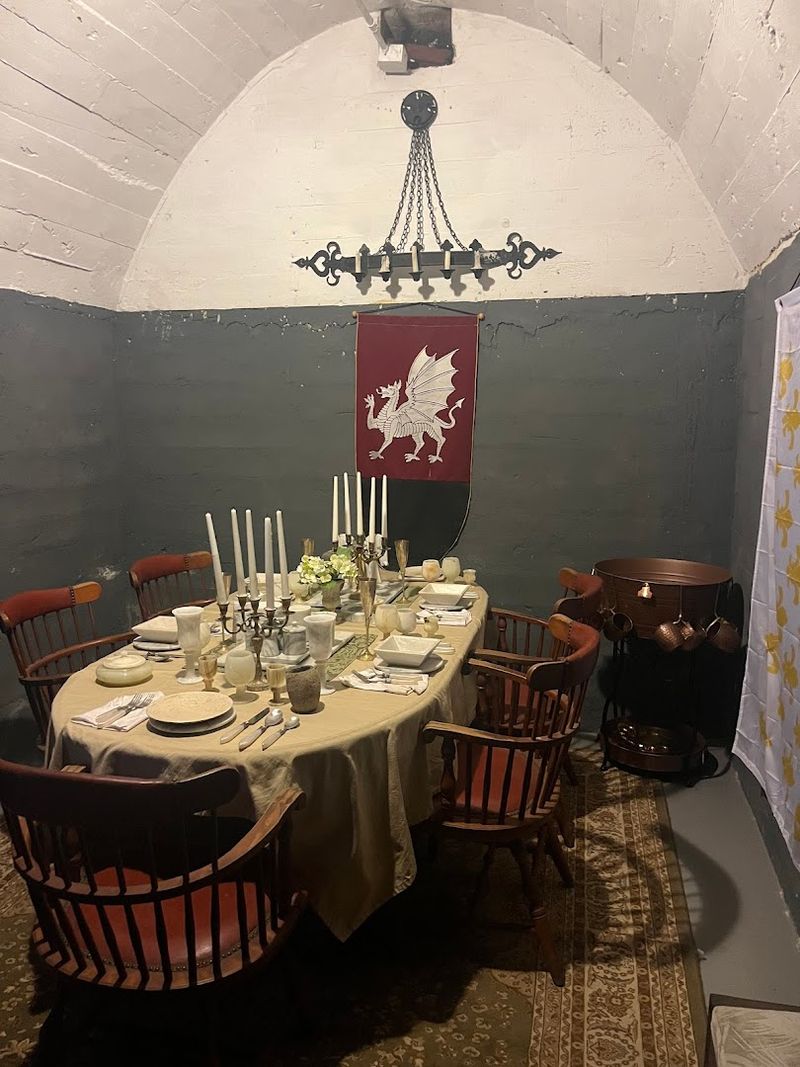
One of the more delightful surprises about Millennium Manor is that it occasionally opens its gates to the public. On Saturday and Sunday afternoons from noon to 5 PM, guided tours are available for visitors who want to walk through a genuine stone castle and hear the full story of its creation.
The tours typically last well over an hour and cover both the history of William Nicholson and the ongoing restoration work by the Fontaines.
The castle also hosts special events, including renaissance festivals that draw families, history enthusiasts, and people who simply enjoy dressing up in medieval costume. One visitor described attending a festival and watching a pirate show that her daughter participated in, calling the entire atmosphere genuinely enjoyable.
The events attract a lively crowd and make the most of the castle’s authentic medieval character.
Reviews consistently praise the tour guides as friendly and enthusiastic, and many visitors note that the owners themselves are often present and happy to talk about their vision for the property. The experience has earned the castle a strong reputation in the Knoxville area as a worthwhile and genuinely unusual destination.
It is the kind of place that exceeds expectations simply because nothing quite prepares you for what you find.
The Military Wanted It, But Nicholson Said No
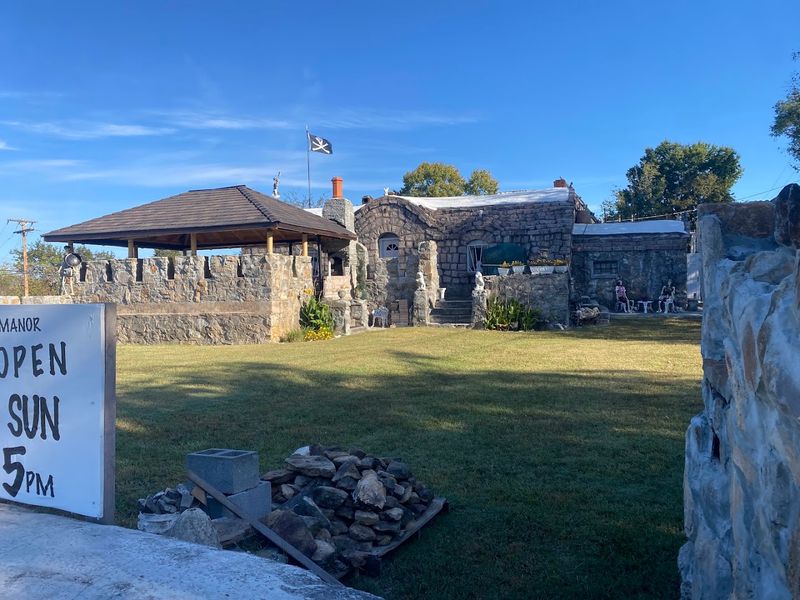
During World War II, the U.S. military reportedly approached William Nicholson with an offer of $150,000 to purchase the manor. Their intention was to convert it into barracks and an armory.
The building’s thick walls, self-contained water supply, and nearly indestructible construction made it an obvious candidate for wartime use.
Nicholson refused. For him, the castle was not an asset to be sold or a building to be repurposed.
It was his sanctuary, his answer to the coming apocalypse, and no amount of money was going to change that. The refusal is one of the most revealing details in the entire history of the property.
Think about what it means that the military wanted it. This was not a hobbyist’s quirky project or an eccentric man’s folly.
Professional military engineers assessed the structure and concluded it was suitable for wartime defense purposes. That assessment, coming from people whose job it was to evaluate fortifications, is perhaps the strongest external validation Nicholson ever received.
He never needed their approval, of course. He had already made his calculations and committed his labor.
But the military’s interest stands as an independent confirmation that his building methods produced something genuinely extraordinary.
Planning Your Visit To Alcoa’s Most Surprising Landmark
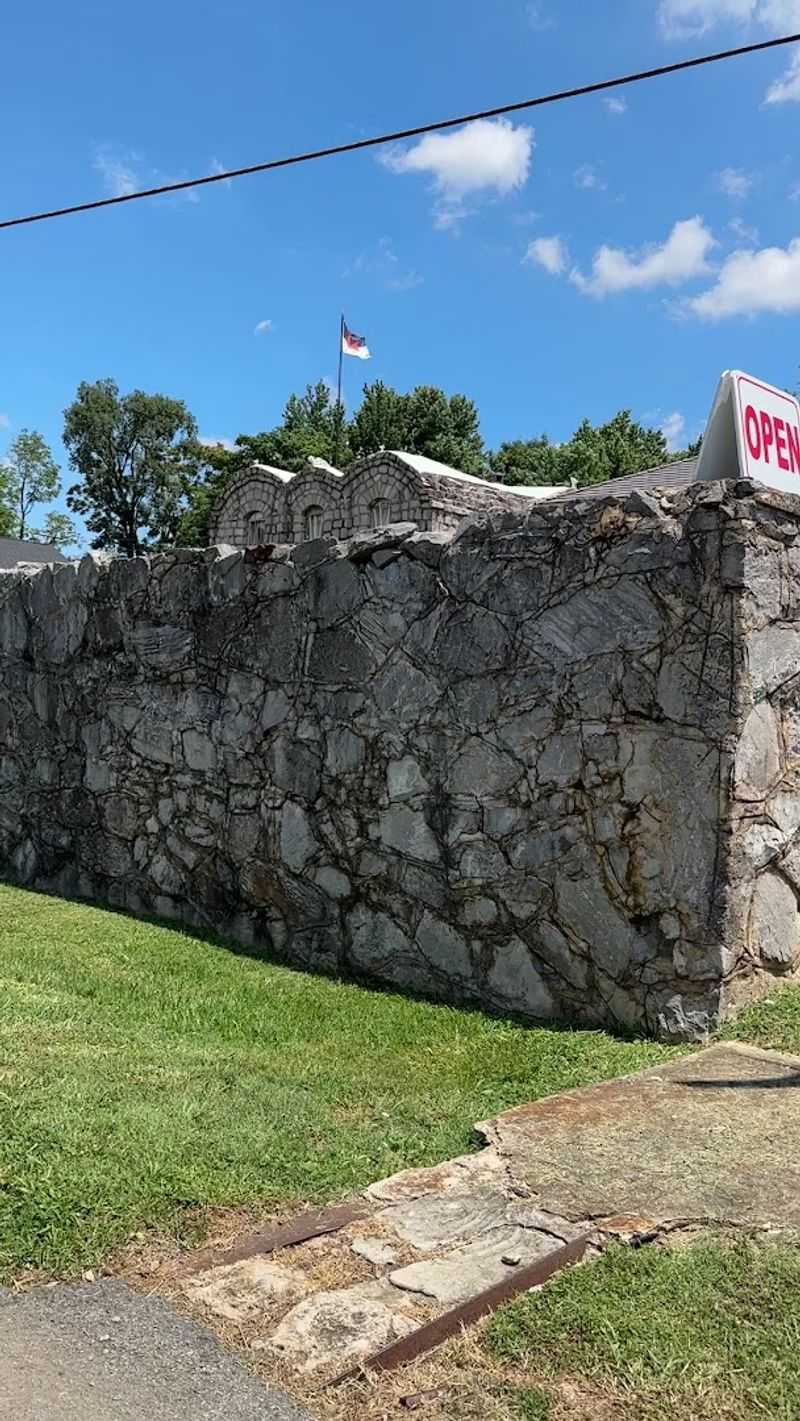
Getting to Millennium Manor Castle is easier than the building’s dramatic backstory might suggest. The address is 500 N Wright Rd, Alcoa, TN 37701, and the castle sits right in the middle of a residential neighborhood, which makes the first glimpse of those thick stone walls all the more unexpected.
The contrast between ordinary suburban surroundings and a medieval stone fortress never quite loses its effect.
Tours run on Saturdays and Sundays from 12 to 5 PM. Admission is $15 per person, with a $40 minimum for groups.
Calling ahead at +1 865-255-6970 is a practical step, especially if you are planning to visit outside of standard tour hours or want to arrange a private event. The castle is also available for special occasions and continues to host renaissance festivals during warmer months.
Visitors recommend giving yourself plenty of time. The tour covers a lot of ground, both literally and historically, and rushing through it would mean missing the details that make the experience worthwhile.
Whether you come for the architecture, the apocalypse backstory, or just the sheer novelty of finding a hand-built stone castle in Tennessee, the visit tends to leave a lasting impression. Most people leave wanting to come back.