
This Short Drive In Tennessee Delivers More Beauty Per Mile Than Anywhere Else
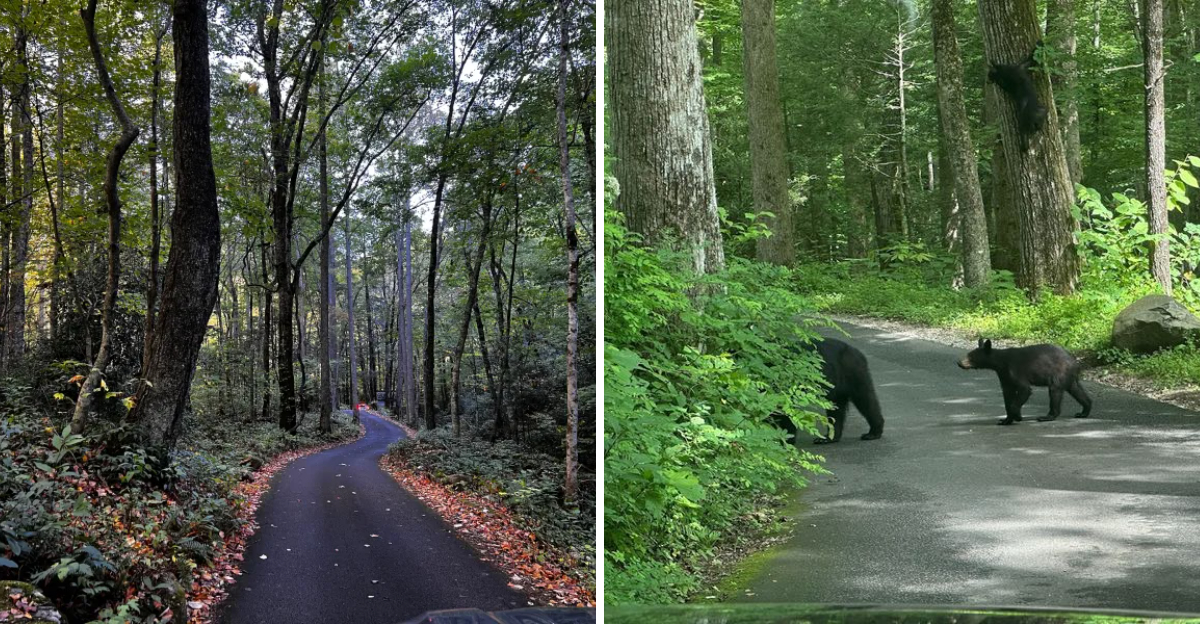
Some drives feel too good to rush. One curve brings rushing water.
The next opens to thick forest, old mountain character, and scenery that makes every mile feel bigger than the map suggests. Tennessee has many beautiful roads, but this short route turns a simple drive into a full Smoky Mountains experience without asking for an entire day.
It is peaceful, dramatic, and surprisingly rich in detail, with nature doing something different around nearly every bend. Keep your camera close and your schedule loose, because this is the kind of road that makes slowing down feel like the whole point.
The One-Way Loop That Changes How You See A Mountain
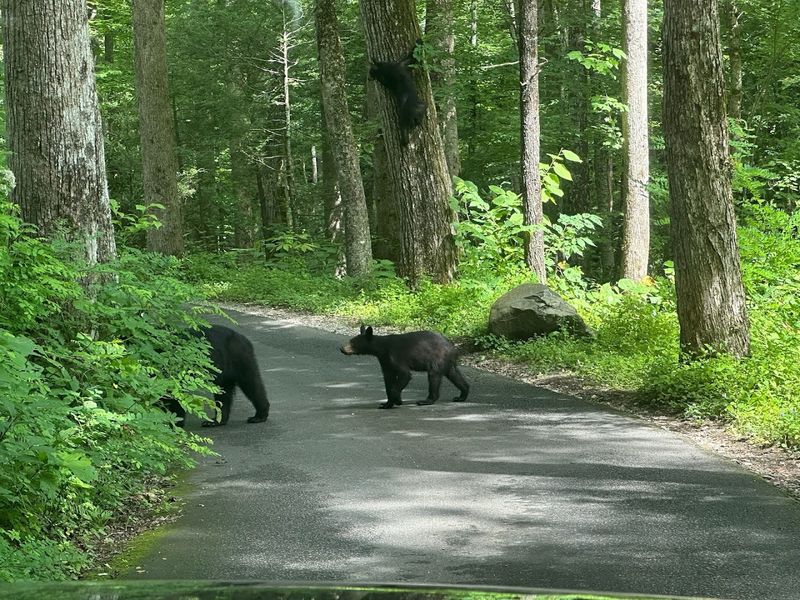
Most scenic drives let you glance out the window while keeping one eye on traffic moving in both directions. This one works differently.
The road runs as a single-direction loop, which means every driver moves at roughly the same pace, and there is no pressure to keep up with oncoming lanes.
That one design choice transforms the experience entirely. You slow down naturally.
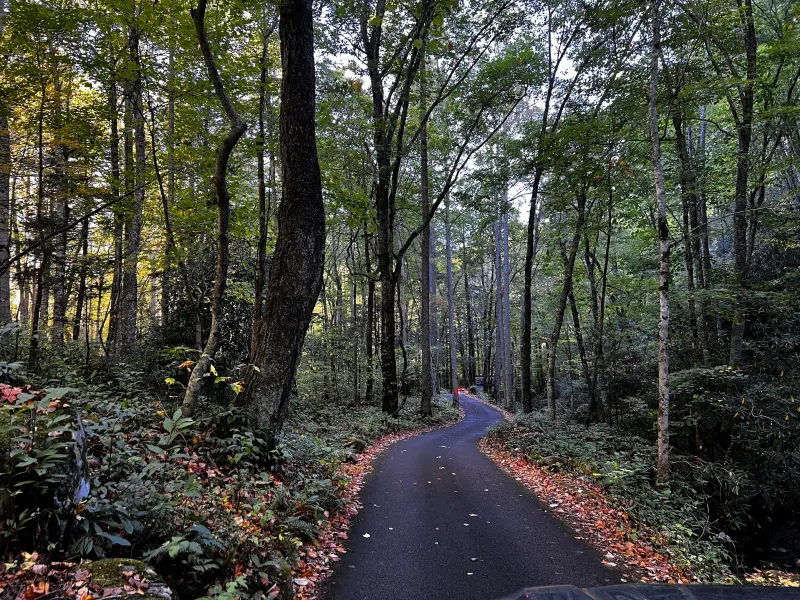
You notice the way the hemlocks press close to the road on both sides, forming a green corridor that feels more like a tunnel than a highway. Light filters through in broken patterns depending on the time of day.
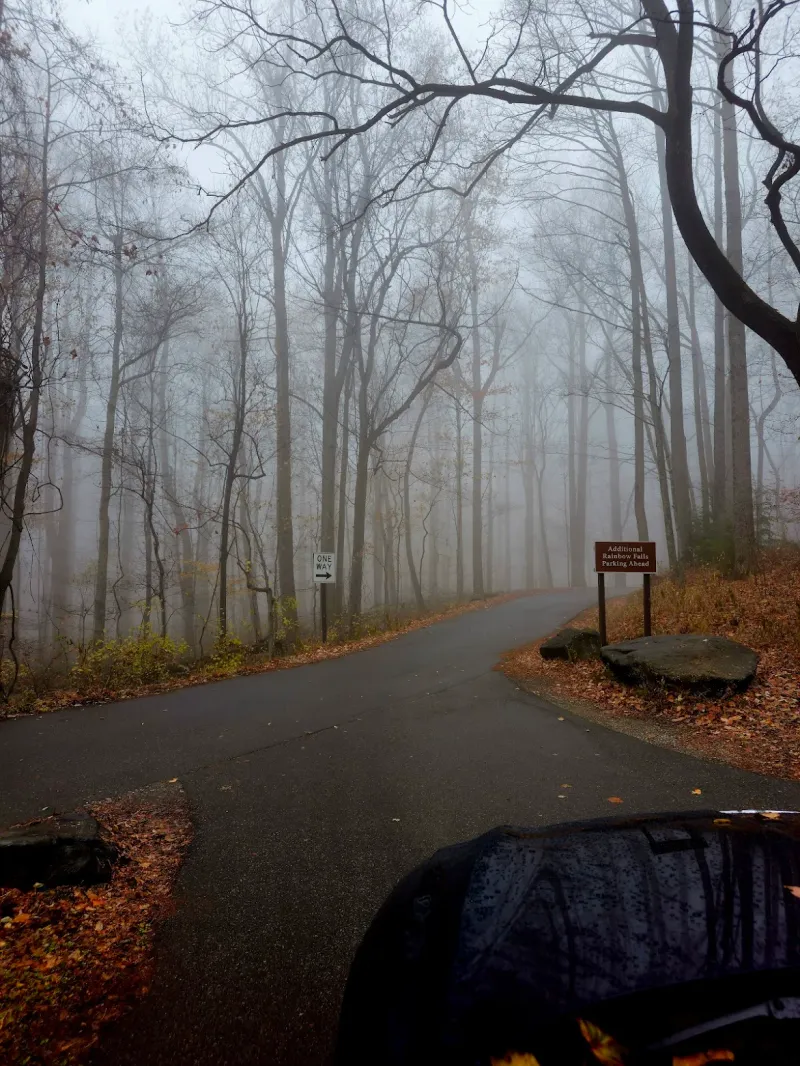
The loop begins just past the Rainbow Falls trailhead parking area, accessed by turning off the main Gatlinburg parkway at Traffic Light #8 and following Historic Nature Trail Road. At roughly 5.5 miles in total length, the route sounds brief on paper.
In practice, most visitors spend anywhere from one to three hours completing it, depending on how many times they pull over. Arriving early on busy days is strongly advised, as parking at the pull-offs fills quickly and patience wears thin when cars stack up behind slower-moving vehicles.
Old-Growth Forest So Dense It Feels Prehistoric
There is a particular quality to forest that has never been cleared. The trees grow taller, the canopy thickens, and the undergrowth takes on a layered complexity that younger woodlands simply cannot replicate.
Along the Roaring Fork Motor Nature Trail, that quality is unmistakable from the first quarter mile.
Eastern hemlocks stand alongside tulip poplars and various hardwoods, their roots tangled into the hillside in ways that suggest centuries of slow, uninterrupted growth. Rhododendron fills the spaces between trunks, blooming in spectacular pink and white clusters during late spring and early summer.
Even outside of bloom season, the dense evergreen leaves give the forest a deep, saturated green that photographs remarkably well.
Wildlife moves through these woods with regularity. Black bears have been spotted along the roadside on numerous occasions, and white-tailed deer appear frequently near dawn and dusk.
Wild turkeys occasionally cross the road without any particular urgency. The old-growth character of this forest is part of why the Great Smoky Mountains National Park was designated a UNESCO World Heritage Site and an International Biosphere Reserve.
The ecosystem here supports more tree species than all of northern Europe combined, a fact that becomes easy to believe once you are standing inside it.
Roaring Fork Creek Runs The Entire Length Of The Drive
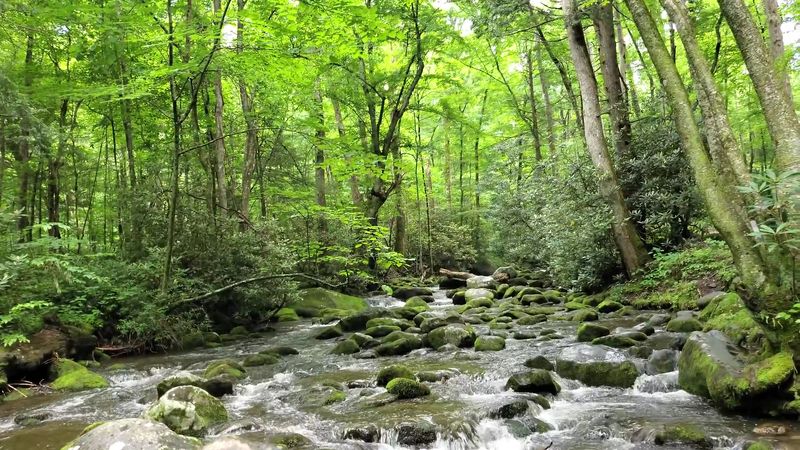
The creek that gives this trail its name is not a quiet, politely babbling stream. After any significant rainfall, Roaring Fork Creek earns every syllable of its name with a sound that carries through the trees and reaches your car before you even roll the window down.
The water moves fast over a bed of large, rounded boulders, creating a constant white-noise backdrop that somehow makes the entire drive feel more immersive. Pull over at one of the designated stops along the creek bank and the sound becomes physical, the kind of low-frequency rush that settles something in the chest.
Children tend to gravitate immediately toward the water, and several reviewers have noted letting their kids splash along the shallower edges.
The creek itself is a significant ecological feature of the trail. It drains the surrounding slopes and feeds into the larger watershed that defines much of this corner of the national park.
During dry spells, the water level drops and the boulders become more visible, offering a different kind of visual interest. After heavy rains, the creek surges and the roaring sound intensifies considerably.
Either condition is worth experiencing, and both remind you that this landscape operates on its own schedule, entirely indifferent to the calendar on your phone.
Grotto Falls Rewards Anyone Willing To Walk 1.3 Miles
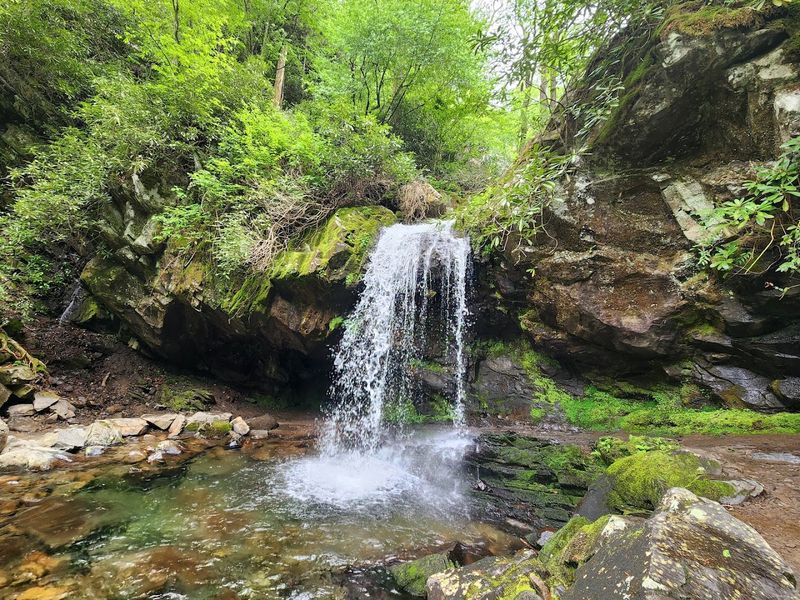
Of all the waterfalls accessible from this trail, Grotto Falls holds a distinction that no other waterfall in the entire national park can claim. It is the only one visitors can walk directly behind.
The trail leading to it departs from the Trillium Gap Trailhead along the motor nature trail and covers 1.3 miles each way.
The hike itself is moderate and well-maintained, passing through old hemlocks before opening to the falls, which drop 25 feet over a mossy rock overhang. The space behind the curtain of falling water is cool, damp, and genuinely striking.
Most hikers stand there longer than they planned, watching the water sheet past in front of them.
Black bears have been spotted in the Grotto Falls parking area on multiple occasions, which adds a layer of alertness to the experience that no theme park attraction could manufacture. The round-trip distance is approximately 2.6 miles, making it manageable for most reasonably active visitors, including older children.
Hiking boots are recommended, though many people complete the trail in athletic shoes without difficulty. Starting early in the day reduces both crowd density and the chance of afternoon thunderstorms, which develop quickly in the mountains during warmer months and can make the trail slippery.
Rainbow Falls Trail Begins Before The Loop Even Starts
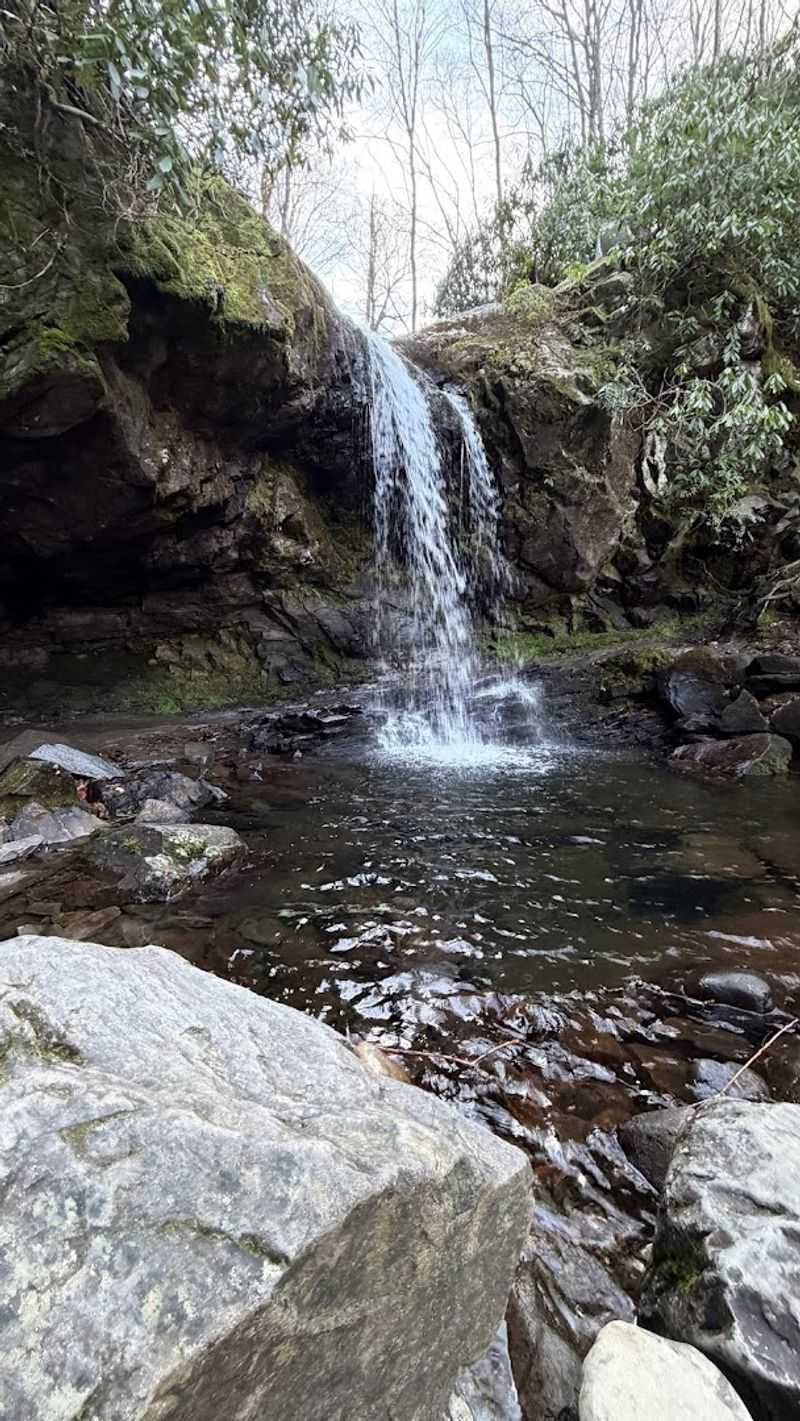
Before drivers even enter the one-way loop portion of the trail, the Rainbow Falls trailhead appears on the left side of the road. This is worth noting because many first-time visitors pass it without realizing what it leads to: an 80-foot waterfall that produces visible rainbows in its mist on sunny afternoons.
The hike to Rainbow Falls is more demanding than the Grotto Falls trail. At 5.4 miles round-trip with consistent elevation gain, it qualifies as moderately strenuous and requires a reasonable level of fitness.
The reward at the top is a waterfall that drops significantly farther than most people expect, sending spray wide enough to feel from a comfortable viewing distance.
The name is not metaphorical. On clear afternoons when sunlight hits the mist at the right angle, a full arc of color appears in the air in front of the falls.
Timing matters considerably here. Overcast days eliminate the rainbow effect entirely, while midday sun tends to produce the strongest display.
The trailhead parking area fills rapidly on weekends and holidays, so arriving before 8 AM during peak season is not excessive caution but simple practicality. Trail conditions vary seasonally, and the upper sections can be icy during late autumn and early spring.
Place Of A Thousand Drips Requires Zero Effort To Enjoy
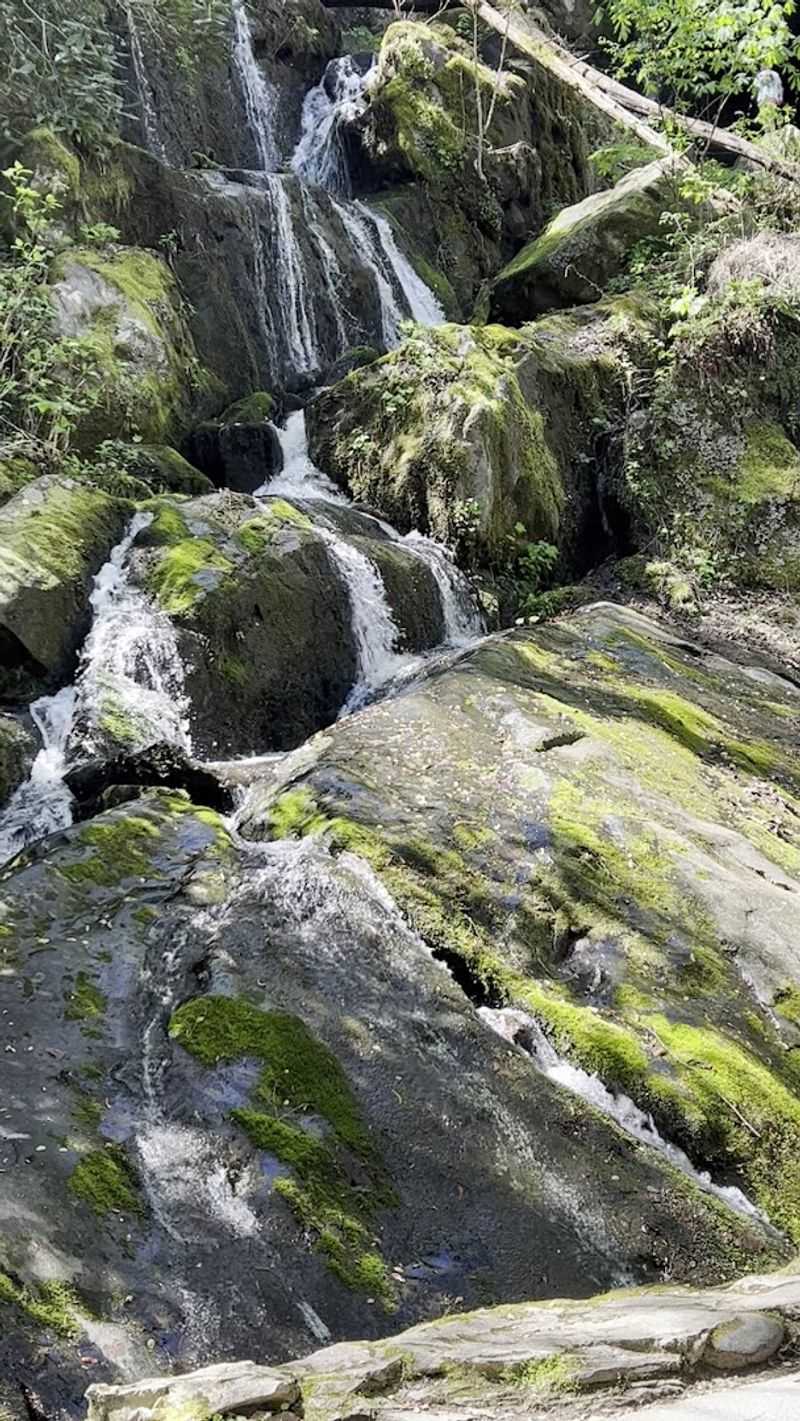
Not every waterfall demands a hike. Near the end of the motor nature trail loop, a roadside formation called the Place of a Thousand Drips appears along the cliff face beside the road.
After rainfall, water seeps and streams from dozens of points across the rock surface simultaneously, creating a broad, curtain-like effect that shifts depending on how recently it rained.
During dry periods, the display is modest. After a significant storm, it becomes genuinely theatrical, with water running in sheets down moss-covered stone while the road narrows and forces drivers to slow to a near stop.
Many visitors consider it one of the most photographable spots on the entire loop, precisely because it requires no more effort than rolling down a window.
The geological explanation involves the way water percolates through the sandstone and slate layers of the surrounding slope, emerging at points where the rock face is exposed. The moss that covers much of the surface stays a vivid green year-round, which makes the formation visually interesting even during drier stretches.
Families traveling with young children or anyone with limited mobility particularly appreciate this stop, since it delivers a genuine waterfall experience without requiring anyone to leave the vehicle. It is one of the more thoughtfully positioned natural features along the entire route.
Historic Log Cabins That Survived More Than A Century
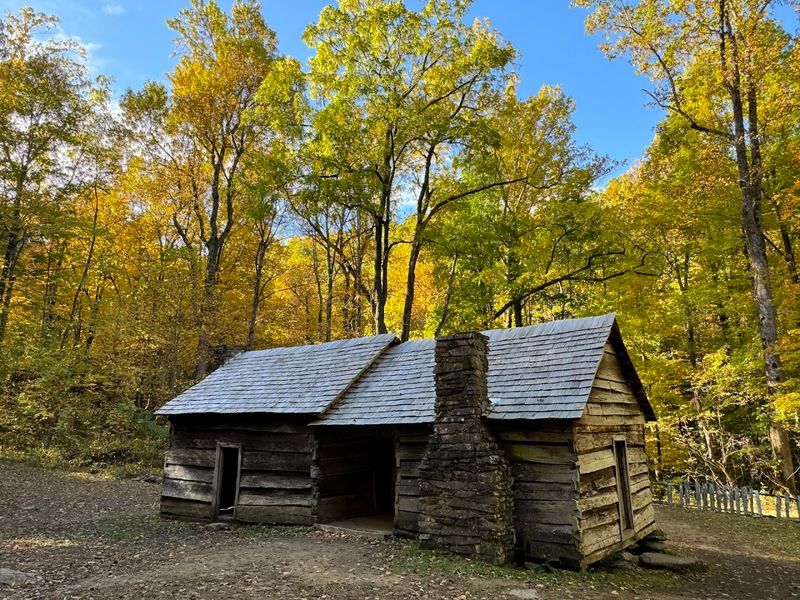
Scattered along the motor nature trail are several log structures that predate the national park itself, built by Appalachian families who farmed, milled, and raised children in this mountain terrain long before paved roads existed. These are not reconstructions.
They are original buildings maintained in place as part of the park’s commitment to preserving the cultural history of the region.
The Ephraim Bales Cabin sits close to the road and offers a clear view of the construction techniques used by early settlers, including the distinctive corner notching that held logs together without metal fasteners. The Jim Bales Place includes several structures arranged in an open field, giving visitors a sense of how a working farmstead was organized.
The Alfred Reagan Place stands apart from the others for one specific reason: it is the only painted historic home on the entire trail. Reagan applied a blue-gray paint to his home, a deliberate act of individuality that distinguishes it immediately from the weathered brown of the surrounding cabins.
A tub mill sits nearby, used historically to grind corn using the force of moving water. These stops require no hiking and add a layer of human context to what might otherwise feel like a purely natural experience.
The history here is quiet but persistent.
Noah Bud Ogle Place Tells The Full Story Of Mountain Life
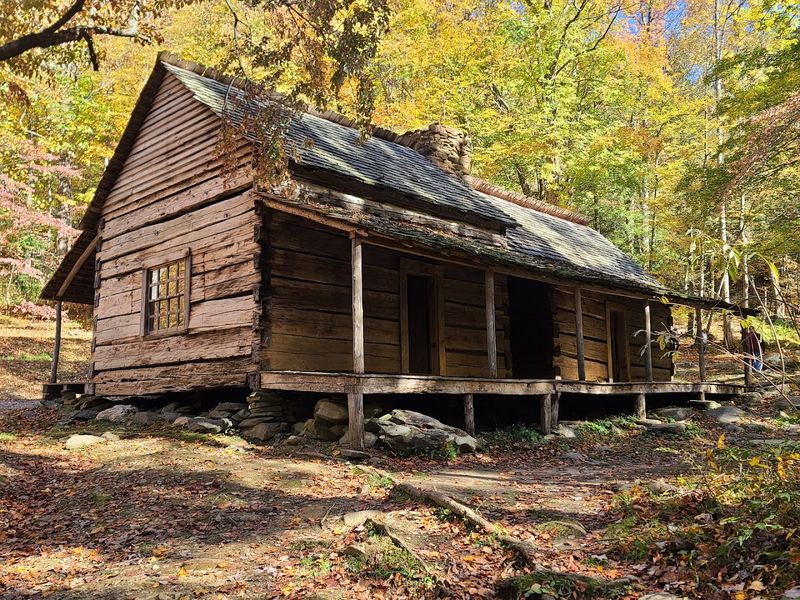
Just before the motor nature trail loop begins, the Noah Bud Ogle Place sits along the road as a complete farmstead rather than a single structure. The site includes a log cabin, a barn, and a working-era tub mill, all positioned along a short self-guided nature trail that takes roughly thirty minutes to walk at a comfortable pace.
Ogle was one of the original settlers in this part of the Smokies, and his family farmed this land for generations before the national park acquired the property. The tub mill used the flow of LeConte Creek to grind corn, and the mechanism is still visible and interpretable for visitors who take the time to read the posted signs along the trail.
The farmstead gives younger visitors in particular a concrete understanding of what daily life looked like before electricity, running water, or refrigeration reached these mountains. The contrast between the cabin’s interior dimensions and the size of a typical modern home is striking and tends to prompt genuine conversation.
The site is accessible before the one-way loop begins, meaning visitors can stop here on the way in without any directional complications. It pairs well with the other historic stops along the route, building a cumulative picture of Appalachian mountain settlement that no museum exhibit quite replicates.
Fall Foliage Turns This Drive Into Something Unrepeatable
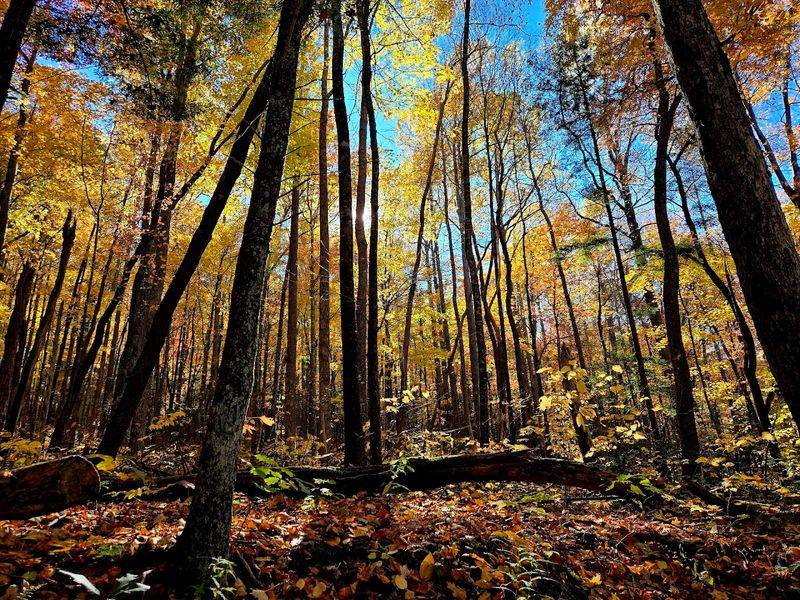
Mid-October through early November brings a transformation to this route that regular visitors plan their entire year around. The hardwood canopy shifts from green to a layered spectrum of red, orange, yellow, and rust, and the effect is intensified by the density of the surrounding forest.
Color appears above, beside, and occasionally below the road as the terrain drops away on the downhill side of the loop.
The Great Smoky Mountains are among the best places in the eastern United States to observe fall foliage, and the motor nature trail concentrates that experience into a single navigable corridor. The combination of elevation change, forest density, and creek reflections creates conditions that photographers specifically seek out during the peak weeks.
Visitor volume increases significantly during foliage season, and the pull-offs along the trail fill fast. Arriving before 9 AM on weekdays gives a noticeably calmer experience than arriving mid-morning on a Saturday.
The trail officially closes for the season around late November, so the autumn window is finite. Visitors who time their trip well often describe the fall drive as the single most visually concentrated experience they have had in any national park.
That is a considerable claim, but the leaf canopy at peak color along this narrow road does make it genuinely difficult to argue otherwise.
Practical Tips That Make The Difference Between Good And Great
A few logistical details separate a smooth visit to this trail from a frustrating one. The road is closed from approximately late November through mid-April each year due to ice and safety conditions, so confirming the current open dates before planning a trip is worth the two-minute effort.
The official National Park Service website at nps.gov lists current status and any seasonal closures.
Vehicles longer than 25 feet, including RVs, motorhomes, trailers, and large vans, are not permitted on the loop. The road is narrow and winding in ways that make longer vehicles genuinely hazardous rather than merely inconvenient.
Passenger cars, SUVs, and small trucks handle the route without difficulty.
A Great Smoky Mountains National Park parking tag is required and must be displayed in the vehicle. Annual national park passes do not automatically cover this specific parking requirement, so checking in advance prevents an unwelcome surprise at the entrance.
Cell service along the route is limited or entirely absent in several sections, making downloaded maps or printed directions a practical necessity rather than an optional backup. The trail is located at 117 Airport Rd, Gatlinburg, TN 37738, and operates daily from 9 AM to 9 PM during its open season.
Arriving early remains the single most effective strategy for enjoying the experience without crowd-related frustration.