
Many People Don’t Know About This Scenic Waterfall Park In Massachusetts
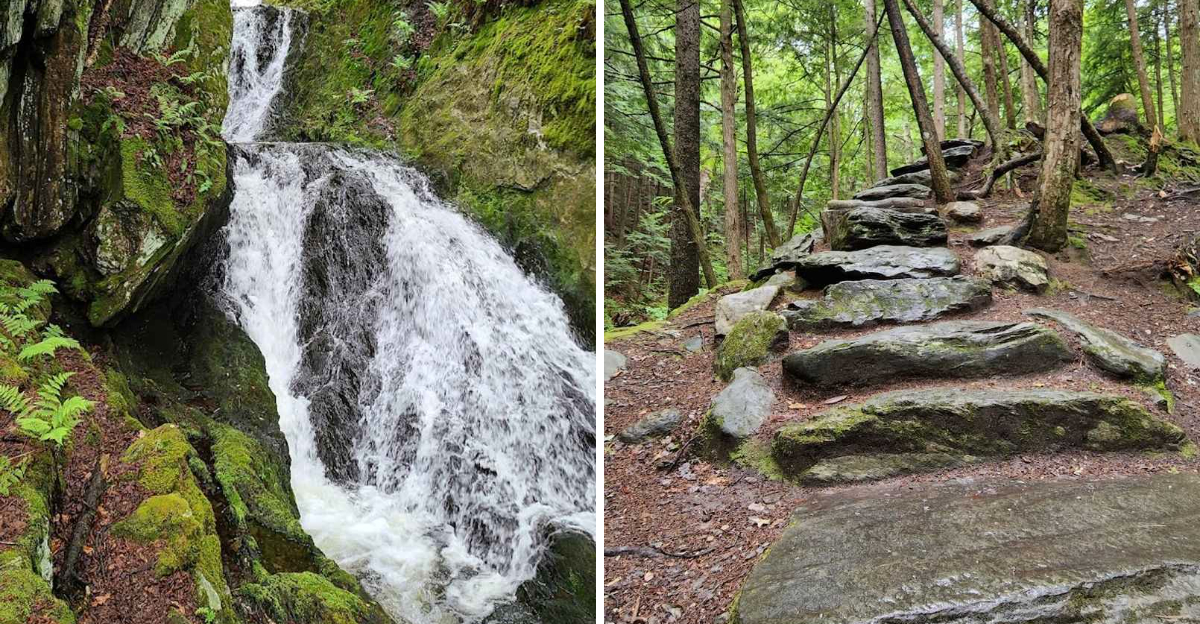
Some places feel almost too pretty to stay quiet for long. Water rushes over rock, trees crowd the edges, and the whole scene feels far removed from the usual Massachusetts day trip routine.
This waterfall park has that rare mix of drama and calm, making it a rewarding stop for anyone who likes nature with a little surprise built in. The walk can feel peaceful, but the payoff brings real energy, especially when the falls are flowing strong.
It is the kind of outdoor stop that reminds you how much beauty can sit just beyond the busiest roads. For a simple escape with rushing water, woodland scenery, and a touch of adventure, this one deserves far more attention.
The Impressive Scale Of The Falls
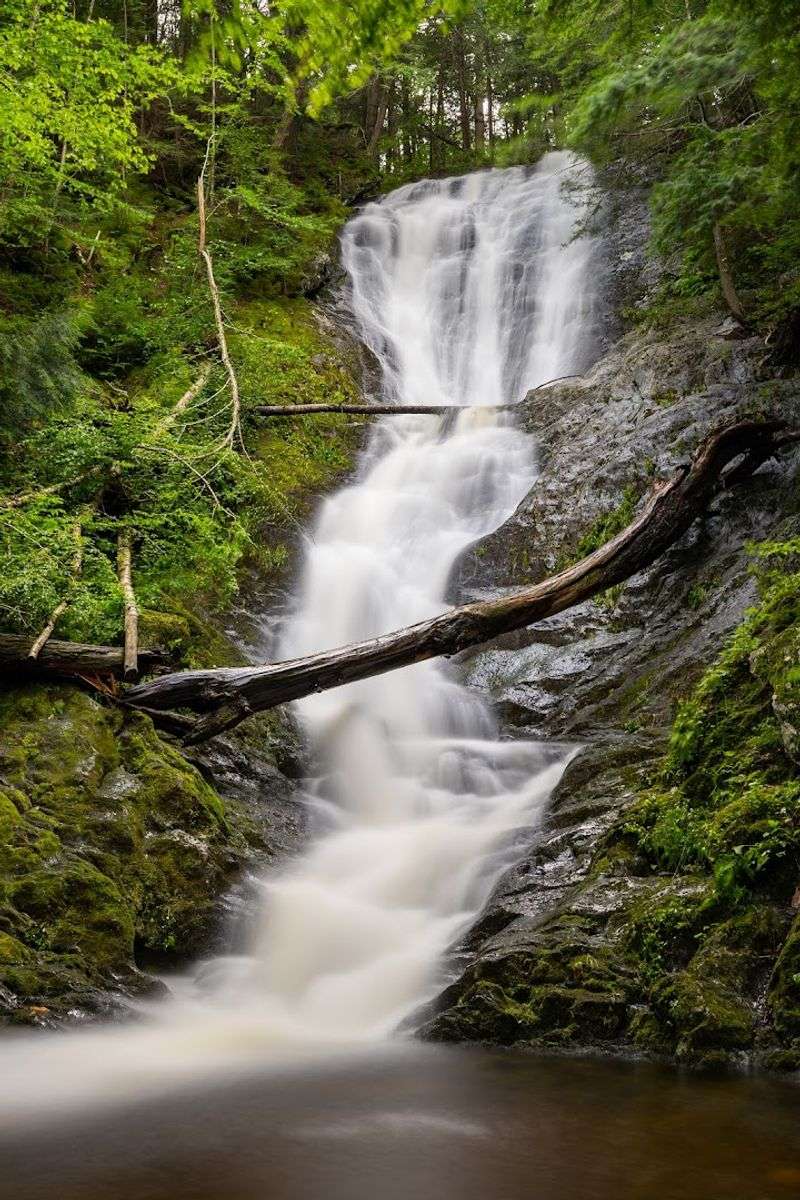
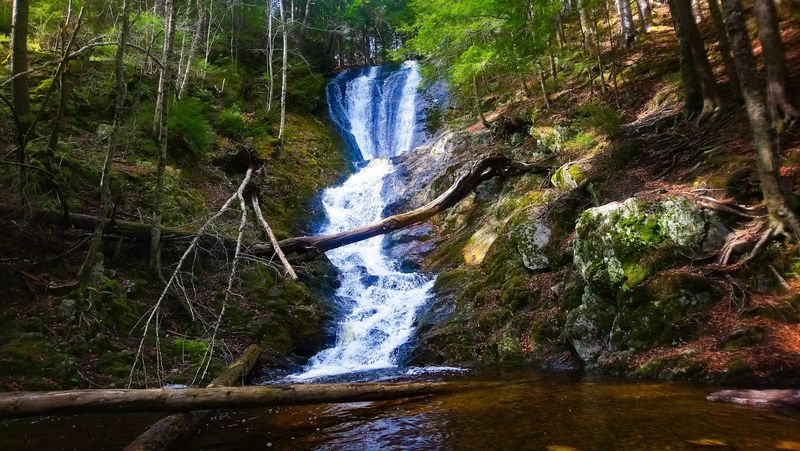
Standing at the base of this waterfall and looking upward is one of those experiences that quietly recalibrates your sense of scale. The waterfall reaches between 75 and 80 feet in height, with some estimates pushing it closer to 100 feet depending on seasonal water volume.
Multiple plunges, slides, and cascades give it a layered personality that changes as your eyes travel upward.
The upper section is particularly dramatic. When water levels are strong, it forms what observers often describe as a thundering curtain of whitewater that fills the gorge with both sound and mist.
The force of the water carving through the Berkshire rock over centuries has shaped a genuinely striking natural formation.
Ross Brook and Parker Brook both feed the falls, which explains the consistent volume of water even outside peak season. The two brooks converge nearby, adding a sense of geological drama to the whole setting.
For anyone who has only seen smaller New England waterfalls, this one delivers a noticeably different experience in terms of raw visual impact and auditory presence.
Getting There Along Tannery Road
The road leading to Tannery Falls is part of the adventure, and visitors should know what to expect before they set out. Tannery Road is unpaved, narrow, and in places quite rough.
Several reviews from visitors mention bottoming out in low-clearance vehicles, so an all-wheel-drive or high-clearance car is a practical choice rather than an optional luxury.
One section of the road has been known to wash out after heavy rain, and the single-lane width means oncoming traffic requires one driver to pull aside carefully. None of this is insurmountable, but arriving informed prevents the kind of frustration that turns a pleasant outing into a stressful one.
The seasonal access schedule adds another layer to planning. Tannery Road closes annually from January 1st through May 31st due to snow and ice accumulation.
During those winter months, the road converts to a groomed snowmobile trail, making wheeled vehicle access prohibited. From June 1st through December 31st, the trailhead parking lot is accessible.
Arriving early on weekday mornings generally means a quieter experience with more room to park and fewer crowds on the path down to the falls.
The Tannery Falls Trail Experience
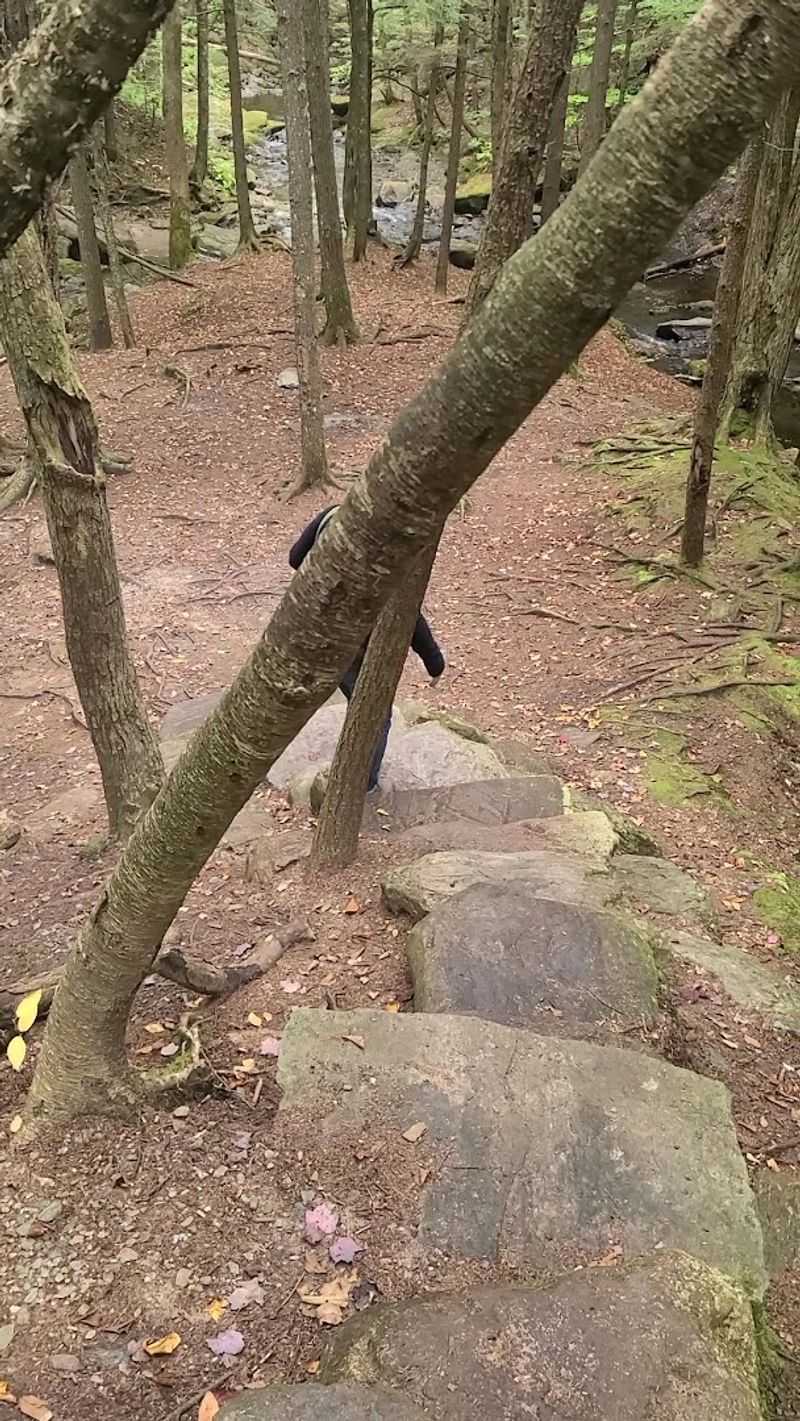
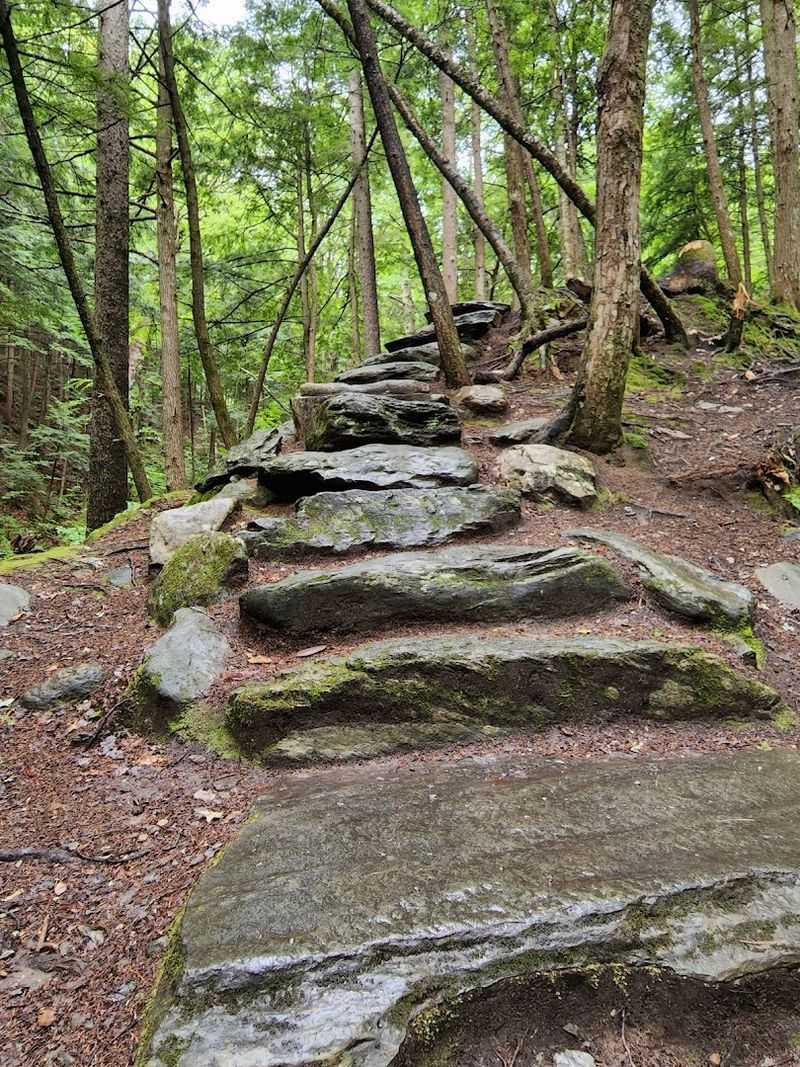
Short does not mean easy. The Tannery Falls Trail covers roughly 0.5 miles as an out-and-back route, but the descent to the base involves wooden steps, uneven terrain, tree roots, and sections of narrow path that demand attentive footing.
Visitors consistently recommend sturdy hiking shoes with solid tread, and that advice is worth following even on a dry summer day.
The most rewarding views come from the base of the falls, which requires descending a series of wooden steps installed specifically to make the steepest section more manageable. Safety rails are present near the gorge area, guiding hikers along the path and offering support on the more exposed sections.
The infrastructure makes the trail accessible to a broader range of visitors without diminishing the sense of arrival when the falls come into full view.
For those wanting more mileage, a 5.1-mile loop incorporating the Ross Brook Trail and Tannery Road is available. This longer route passes through sections of forest that feel genuinely remote and offers a more comprehensive look at the surrounding landscape.
The loop trail can be muddy and less clearly defined in spots, so paying attention to trail markers and wearing waterproof footwear is a sensible approach.
Parker Brook Falls And The Surrounding Waterfall Country
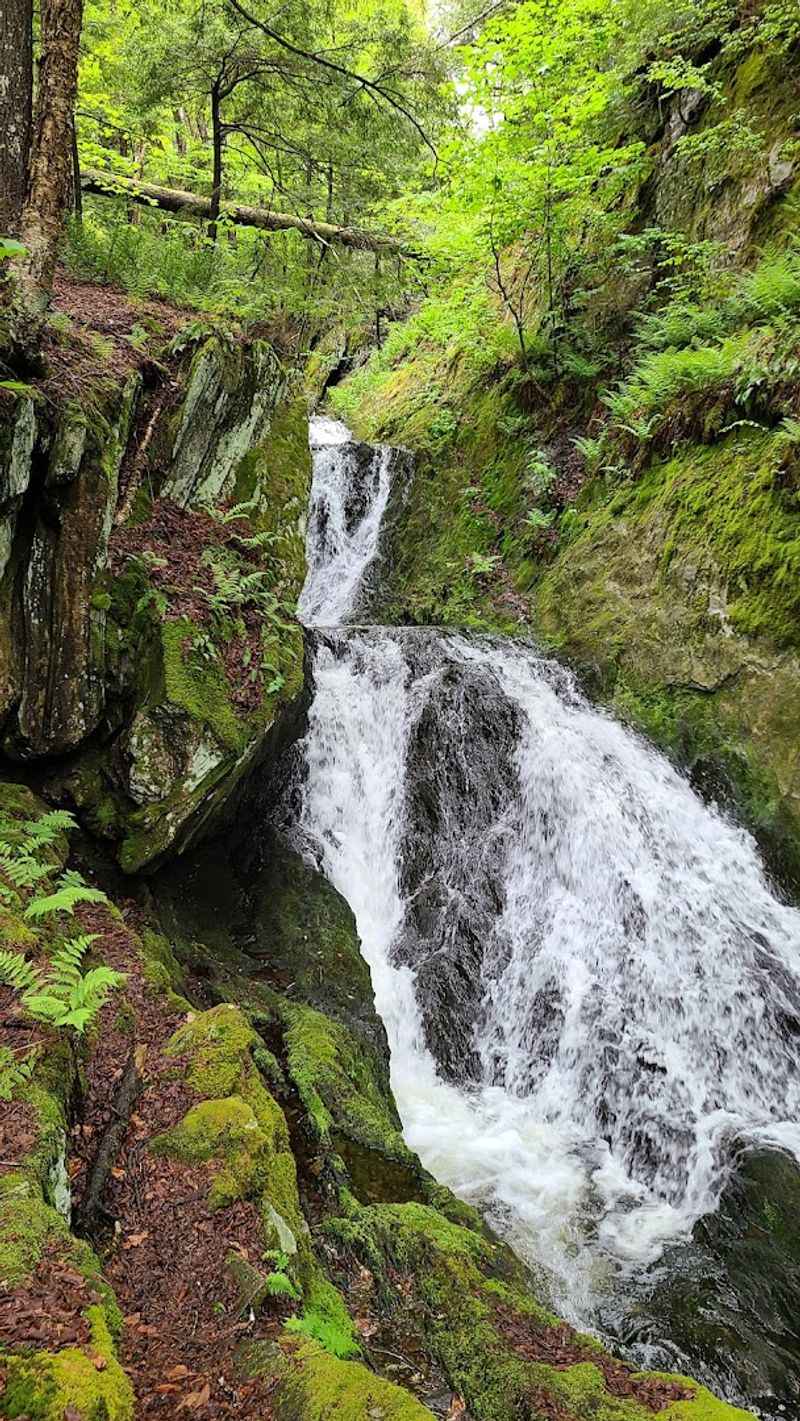
One of the less-publicized rewards of visiting Tannery Falls at Tannery Rd in Savoy is discovering that it sits within a remarkably waterfall-dense section of western Massachusetts. Parker Brook Falls, measuring between 40 and 60 feet, lies nearby and is accessible within the same general area.
Numerous smaller cascades dot the landscape within a single square mile, making the region a legitimate destination for waterfall enthusiasts rather than just a single-stop outing.
Parker Brook itself flows through terrain that shifts character depending on the season. In spring, the brook runs fast and loud, feeding the falls with snowmelt and rainfall that amplify the visual drama considerably.
By late summer, the same brook adopts a quieter, more reflective quality that suits a slower pace of exploration.
Visitors who take the time to wander beyond the main Tannery Falls viewpoint often stumble upon cascades and mossy rock formations that never appear in photographs or trail guides. That element of discovery is part of what gives this corner of Savoy Mountain State Forest its particular appeal.
The area rewards patience and a willingness to move slowly, look carefully, and resist the urge to rush back to the parking lot after checking the main attraction off a list.
Best Seasons To Visit For Maximum Impact
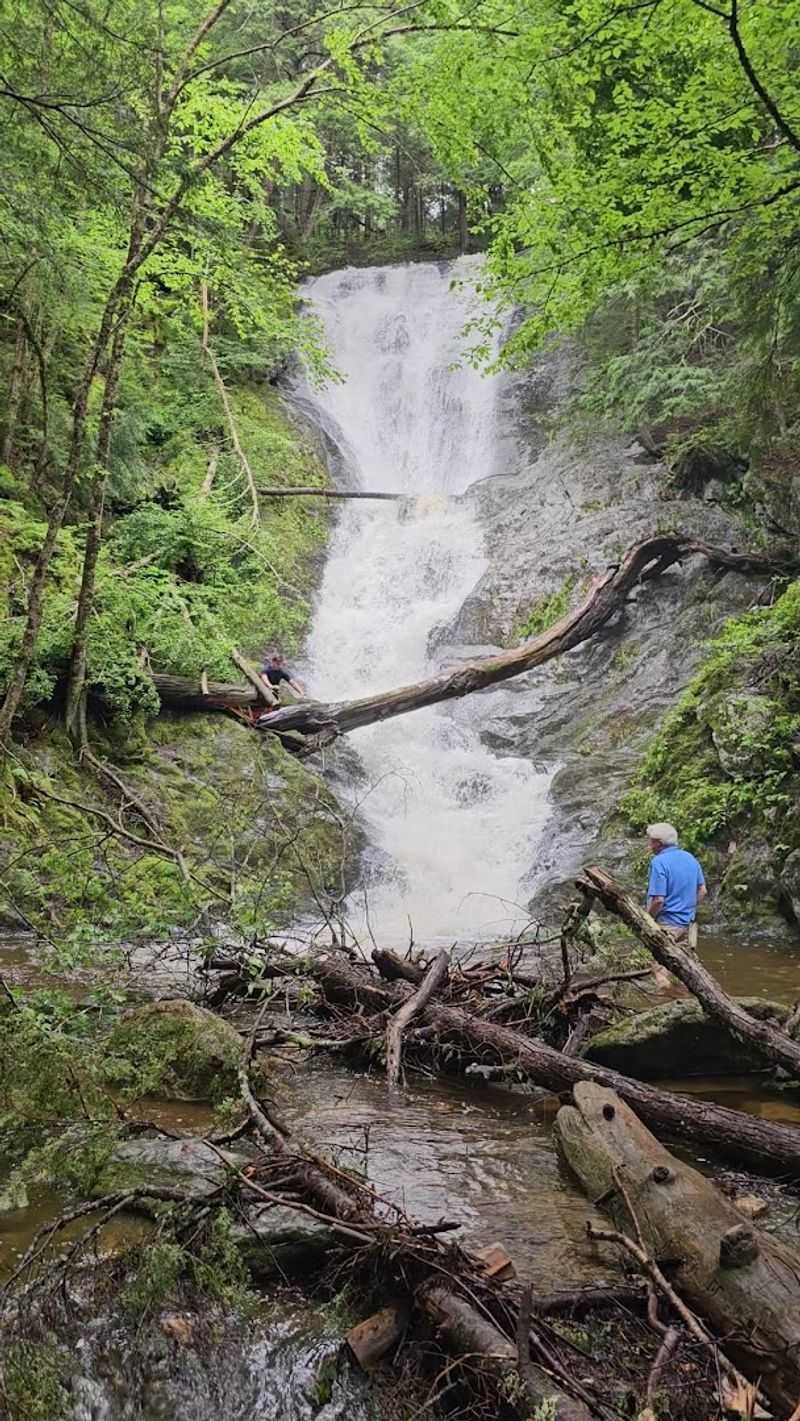
Timing a visit to Tannery Falls makes a genuine difference in what you experience. Spring is widely considered the optimal season, when snowmelt from the Berkshire highlands combines with seasonal rainfall to push Ross Brook and Parker Brook to their highest volumes.
The result is a waterfall operating at full force, filling the gorge with sound and spray in a way that mid-summer visits rarely match.
Autumn brings a different kind of reward. The foliage in Savoy Mountain State Forest turns with considerable intensity, and the combination of orange, red, and gold surrounding the falling water produces scenes that photograph beautifully and feel even better in person.
Weekday visits in October are particularly pleasant because the crowds thin out compared to leaf-peeping weekends on the more trafficked Mohawk Trail corridor nearby.
Summer visits are perfectly enjoyable and offer the most reliable road and trail conditions, but water levels can drop noticeably by August. Winter access is restricted by road closure, though the snowmobile trail that replaces Tannery Road during those months adds an interesting seasonal character to the area.
Planning around the June 1st road opening gives early-season visitors the best combination of strong water flow and accessible conditions.
Savoy Mountain State Forest As A Broader Destination
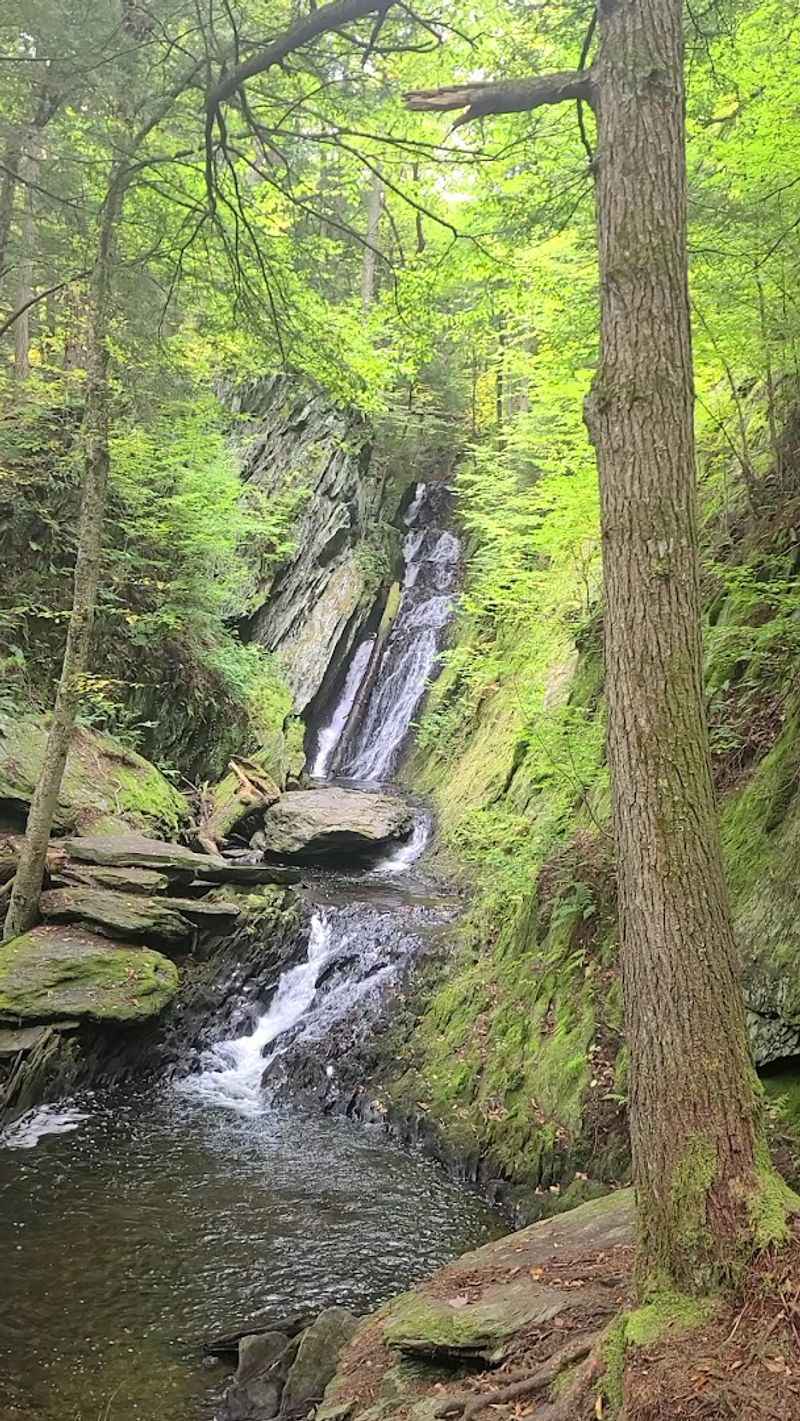
Tannery Falls sits within Savoy Mountain State Forest, a large and relatively quiet protected area in the Berkshire Mountains of western Massachusetts. The forest covers thousands of acres and offers hiking, camping, fishing, and cross-country skiing opportunities beyond the waterfall trail.
Most visitors arrive specifically for the falls and leave without exploring much else, which means the broader forest remains genuinely uncrowded even on popular weekends.
Camping facilities within the state forest provide an option for those wanting to extend a day trip into an overnight stay. Waking up inside the forest before other visitors arrive gives a completely different perspective on the landscape, particularly in the early morning hours when mist sits low over the brooks and the bird activity is at its most varied and vocal.
Fishing is reportedly available in certain sections of the forest, adding another reason to spend more than a few hours in the area. The forest is approximately 25 minutes from North Adams, placing it within easy reach of the Massachusetts Museum of Contemporary Art and other cultural attractions in the region.
Savoy Mountain State Forest functions as a quieter, less-visited counterpart to the more famous natural areas of the Berkshires, and that lower profile is precisely what makes it worth seeking out.
What To Wear And Bring On Your Visit
Preparation for Tannery Falls does not require specialized gear, but a few practical choices will significantly improve the experience. Footwear is the single most important consideration.
The trail involves wooden steps, exposed roots, loose rocks, and sections that stay muddy well after rainfall. Trail runners or light hiking boots with genuine grip on the sole handle these conditions reliably.
Flip flops and casual sneakers have caused problems for visitors who underestimated the terrain.
Bringing water is straightforward common sense for any trail visit, but it bears mentioning because the short distance of the hike can create a false impression that hydration is unnecessary. A small daypack with water, a snack, and a light rain jacket covers most contingencies without adding meaningful weight.
Trekking poles are optional but helpful for anyone who finds descents hard on the knees.
Bug repellent deserves specific mention. Multiple visitors have noted that the area around Tannery Falls can be intensely buggy, particularly in late spring and early summer when moisture levels in the forest are high.
Applying repellent before leaving the parking lot rather than discovering the need halfway down the trail is the kind of small preparation that keeps the experience pleasant rather than miserable. A camera or fully charged phone rounds out a sensible kit.
Visiting With Dogs And Families
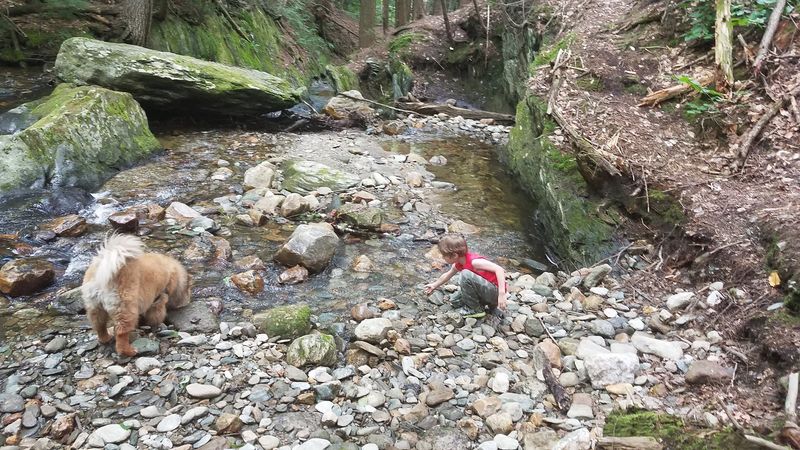
Tannery Falls is a dog-friendly destination, with leashes required throughout the trail. The steep sections and narrow stairs present some practical challenges for larger dogs, as at least one visitor noted after bringing two dogs weighing over 60 pounds each.
Smaller dogs tend to manage the stairs more easily, but any dog owner should assess their animal’s comfort with uneven terrain and crowds before committing to the descent.
Families with children generally report positive experiences, particularly because the distance from the parking area to the falls is short enough to hold younger attention spans. The wooden steps and safety rails along the steepest section provide reassurance for parents navigating the trail with kids who are still developing their trail confidence.
The visual payoff at the bottom is immediate and dramatic, which tends to make the effort feel worthwhile even for reluctant young hikers.
Busy weekend visits, especially around holidays, can bring larger crowds to the base of the falls. Planning a weekday visit or arriving shortly after the 7 AM opening time reduces congestion considerably.
The falls area at the base is not especially large, and a crowd of people standing under the waterfall can make it difficult for others to find a comfortable viewing position or take photographs without interruption.
The Geology And Natural History Behind The Falls
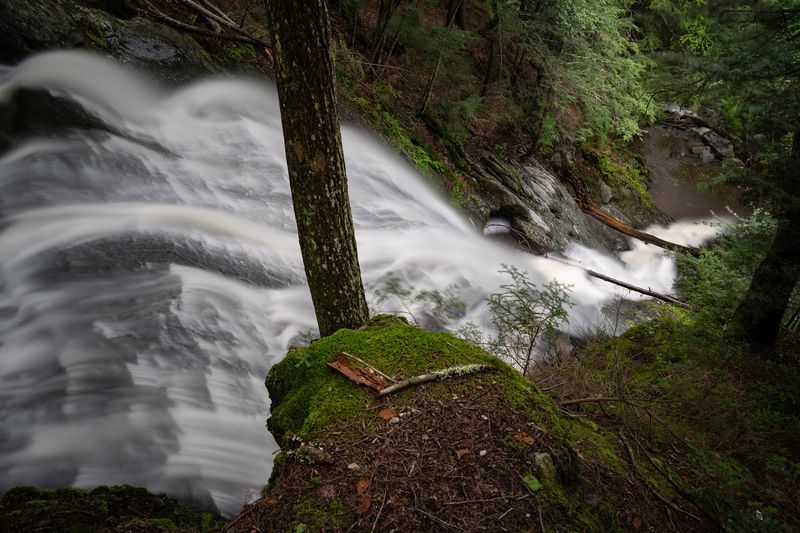
The character of Tannery Falls owes much to the underlying geology of the Berkshire Mountains. The falls are carved into ancient metamorphic rock that has been shaped by water, ice, and time over millions of years.
The layered structure of the rock face is visible in the way the water divides into multiple channels and plunges at different angles before converging in the pool below.
Ross Brook and Parker Brook, the two water sources feeding the falls, originate higher in the Savoy highlands and gather volume as they descend through the forest. The point where they converge near Tannery Falls creates a natural hydraulic drama that is most pronounced in spring but remains visually interesting throughout the accessible season.
The mossy surfaces covering much of the surrounding rock indicate consistently high moisture levels and a microclimate that supports plant life rarely found in drier forest environments.
The name Tannery Falls references the historical presence of tanneries in the region, industries that relied on bark from hemlock trees and abundant water sources to process animal hides. That industrial past has long since faded, leaving behind only the waterfall, the forest, and the brooks that once powered those operations.
The natural history and human history of this place exist in quiet conversation for anyone curious enough to consider both.
Practical Tips For A Smooth Visit To Tannery Falls
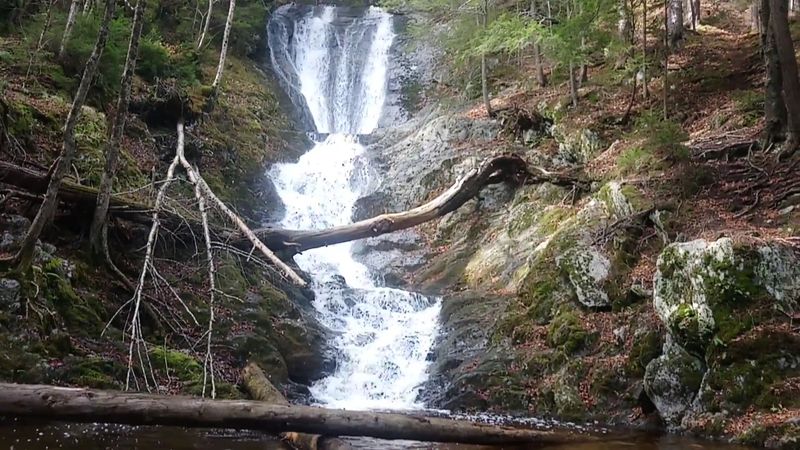
A few logistics are worth knowing before making the drive to Tannery Rd, Savoy, MA 01256. The parking area sits at the trailhead, slightly further along the road than where some navigation apps deposit drivers.
Arriving and finding the lot requires following the road past the initial drop-off point that GPS systems sometimes suggest. Parking is free and generally adequate outside of peak summer weekends.
The park operates with posted hours of 7 AM to 7 PM daily, which gives visitors a reasonable window across all seasons when the road is open. Arriving close to opening time on a summer morning provides the best combination of good light for photography, cool temperatures, and minimal foot traffic at the base of the falls.
Late afternoon visits in autumn can also be rewarding when the low sun angle catches the falling water at an interesting angle.
There are no formal amenities at the trailhead beyond the parking area. No restrooms, no visitor center, and no food vendors.
Planning accordingly before leaving town is sensible. Cell service in the area can be inconsistent, so downloading an offline map before the drive is a practical precaution.
The overall rating of 4.8 stars across 141 reviews reflects a destination that consistently meets and often exceeds visitor expectations when those visitors arrive prepared.