
This Museum Might Be The Best Destination For Kids In Tennessee
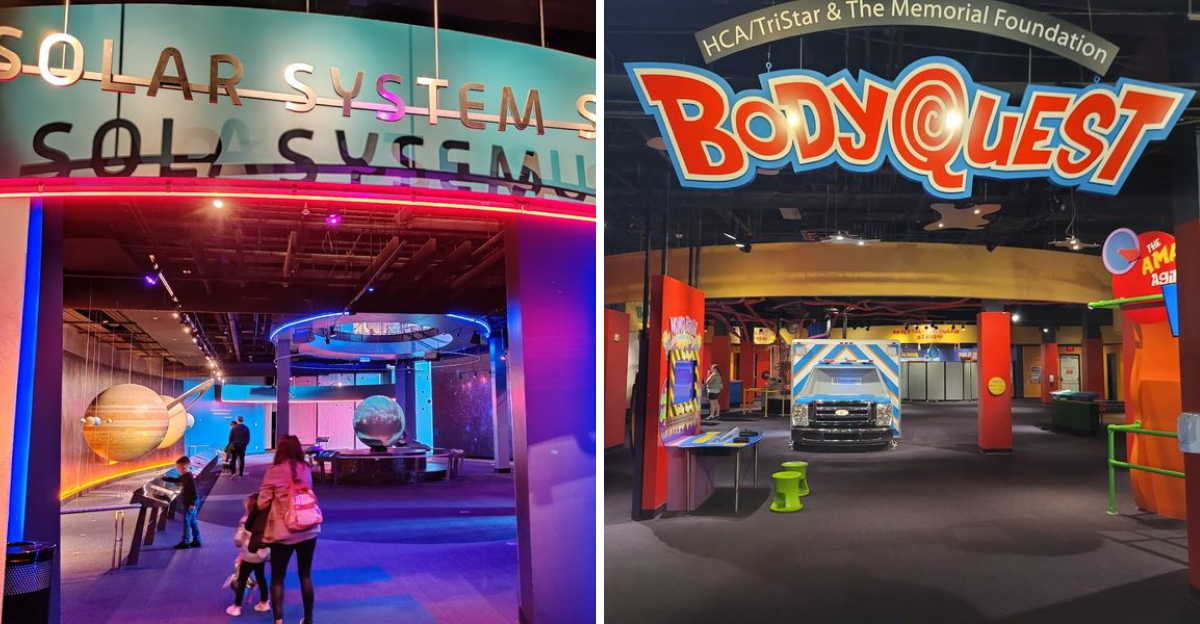
Kids have a way of deciding very quickly if a place is exciting or boring. This Tennessee museum clearly understands the assignment.
One room sparks curiosity, the next invites hands-on fun, and suddenly hours have passed without anyone checking the clock. The experience feels energetic, playful, and surprisingly interactive, making it easy for families to stay entertained all day long.
There’s plenty to see, touch, test, and figure out, which gives every visit a sense of discovery instead of feeling like a slow walk past displays. For parents planning a fun outing in Tennessee, this destination easily earns a top spot on the list.
175-Plus Interactive Exhibits Across Three Floors

The sheer variety of what kids can do here is genuinely impressive. Over 175 hands-on exhibits are spread across 44,000 square feet of exhibit space on three separate floors, each one designed to pull children into the subject rather than just display it.
Topics range from biology and physics to sound, energy, and visual perception. Kids can lift a real car using simple mechanics, explore the microscopic world of nanotechnology, and interact with augmented reality band performances.
None of it feels passive or boring.
Families often report spending close to three hours here without covering everything. That kind of staying power is rare.
The exhibits are designed so that younger children and older kids can both find something that matches their curiosity level. Teachers and parents frequently praise the balance between play and actual learning, noting that children absorb science concepts almost without realizing it.
For a museum that holds a 4.5-star rating across more than 6,000 reviews, the exhibits are clearly the centerpiece that keeps people returning.
The Sudekum Planetarium Experience
There is something genuinely moving about sitting inside a 63-foot dome while 6.5 million stars appear above you in 7K resolution. The Sudekum Planetarium is one of the most talked-about features at the Adventure Science Center, and for good reason.
It operates on a rotating schedule of shows that cover everything from astronomy basics to laser light performances set to music.
Tickets for planetarium shows are purchased separately from general admission, and many visitors say it is absolutely worth the extra cost. The dome technology creates an immersive environment that makes traditional museum presentations feel flat by comparison.
Kids who have never given much thought to outer space often leave with a list of questions they cannot stop asking.
Adults tend to enjoy it just as much as the children. Several reviewers specifically mentioned the planetarium as their personal highlight of the visit, even when they came without kids.
The projector quality is described as stunning, and the live star shows have a theatrical quality that feels polished and carefully produced. If you plan your visit, check the show schedule in advance and buy planetarium tickets early, as certain time slots sell out faster than expected.
The 75-Foot Adventure Tower Climb
Right at the center of the building stands a 75-foot Adventure Tower that doubles as both a physical challenge and a science lesson. Kids can climb their way through six different scientific areas, each level introducing a new concept as they ascend.
It is one of those rare attractions where burning off energy and absorbing information happen at the exact same time.
At the very top, an observation deck offers views of the Nashville skyline through large windows. For many kids, reaching that top level feels like a genuine accomplishment.
Parents tend to appreciate that the tower keeps children engaged long enough to actually read the science panels between the climbing sections.
The design is clever without being overwhelming. Younger children can participate on the lower levels while older kids push toward the top.
The tower functions as a kind of spine for the museum, visible from multiple floors and serving as a natural landmark for families trying to navigate the space. Reviewers consistently mention it as a highlight, particularly for kids who tend to lose interest in traditional exhibit formats.
Physical movement woven into the learning experience makes the Adventure Tower one of the more thoughtful design choices in the entire building at 800 Fort Negley Blvd, Nashville.
Body Quest: Walking Through The Human Body
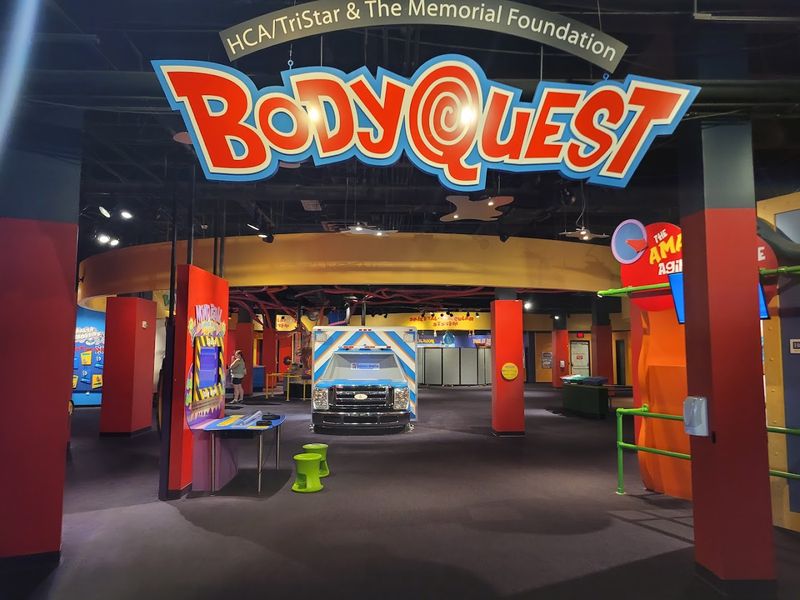
Body Quest takes a subject that can feel abstract in a textbook and turns it into something kids can physically walk through. The exhibit features a giant human body structure with large-scale organ sculptures, interactive displays explaining how each system functions, and even a colon slide that children find both hilarious and surprisingly educational.
The scale of everything is part of what makes it work. When a lung is the size of a small room, it becomes impossible to ignore.
Children who have never shown much interest in biology tend to slow down here, reading panels and pressing buttons simply because the environment demands engagement. The exhibit covers multiple body systems in a way that connects them rather than treating each one as a separate topic.
Parents with younger children report that even toddlers respond well to the colors and textures, even if they are not yet ready to absorb the science behind each display. Older kids, particularly those in middle school, often find it surprisingly detailed.
Some reviewers noted that a few displays in this section were showing their age and could use updating, but the overall experience remains one of the more memorable parts of the museum. Body Quest earns its reputation as a crowd favorite.
Space Chase And The Solar System Gallery
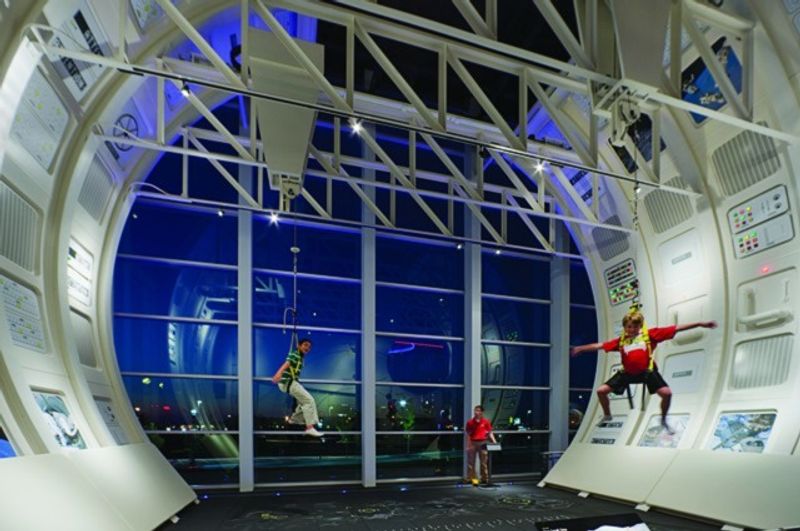
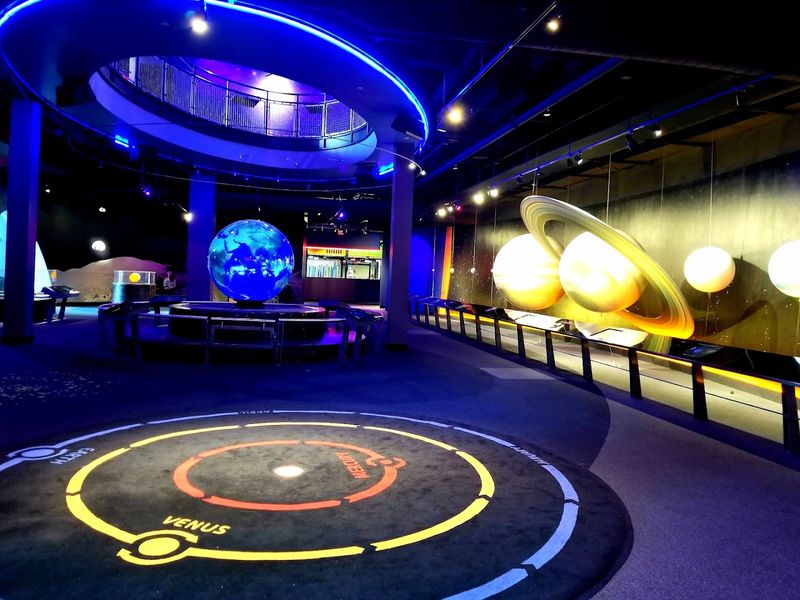
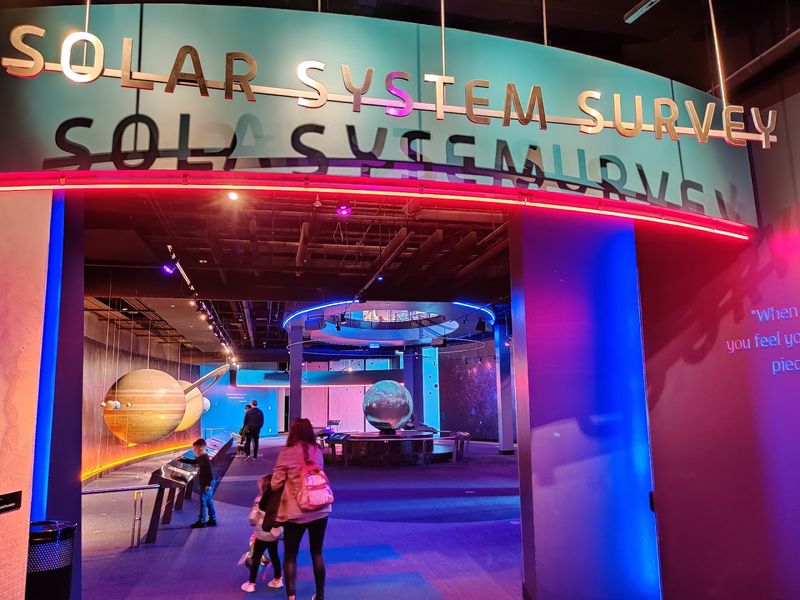
Space Chase gives kids a dedicated area to explore the solar system at their own pace. Planet diagrams displayed to scale help children grasp just how different the sizes of celestial bodies actually are, which tends to produce a lot of wide eyes and quiet moments of genuine comprehension.
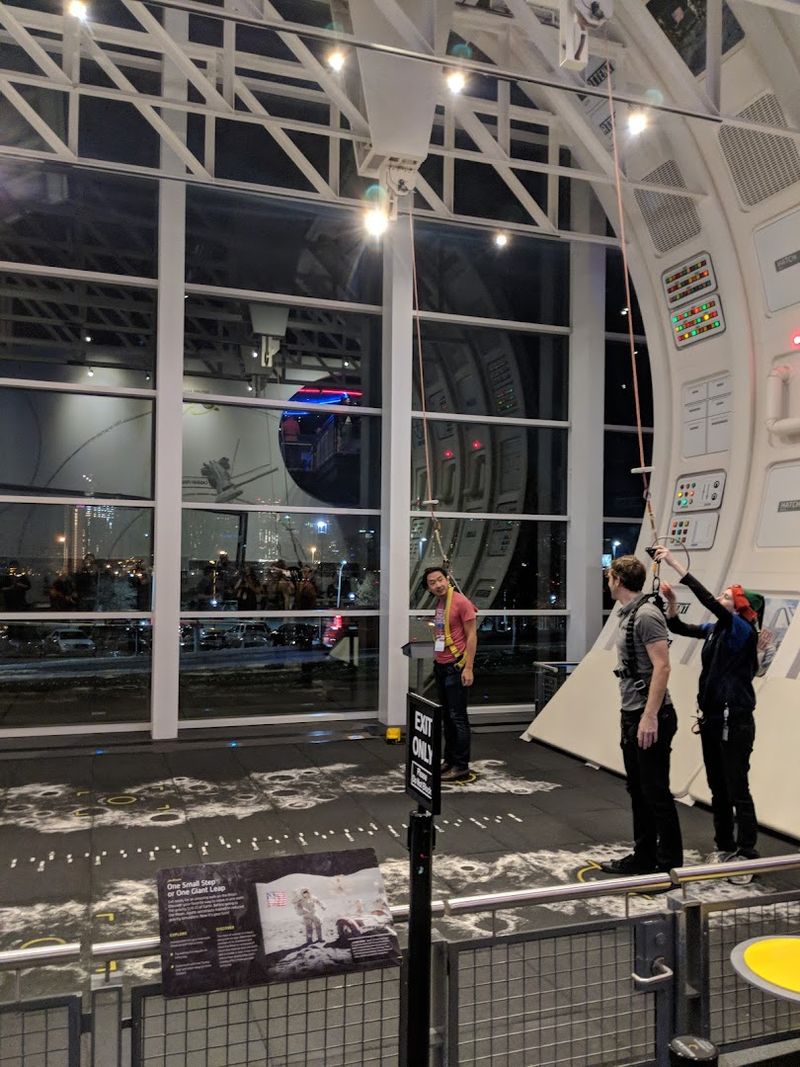
A moonwalk simulator lets visitors experience reduced gravity in a way that turns an abstract concept into a physical sensation.
The exhibit connects naturally with the planetarium experience, so families who do both often find that information from one reinforces what they encounter in the other. Kids who come in knowing a little about space leave knowing considerably more, and those who arrive with no background at all tend to develop an appetite for the subject by the time they move on.
Several reviewers specifically mentioned the Mars Rover display as a standout within this section. The combination of visual scale, physical interaction, and thematic focus makes Space Chase one of the more cohesive exhibits in the building.
It avoids the trap of trying to cover too much at once, instead giving a focused experience that younger visitors can follow and older kids can appreciate with more depth. The space area consistently earns high marks from families across a wide range of ages.
The i2 Makerspace And STEM Activities
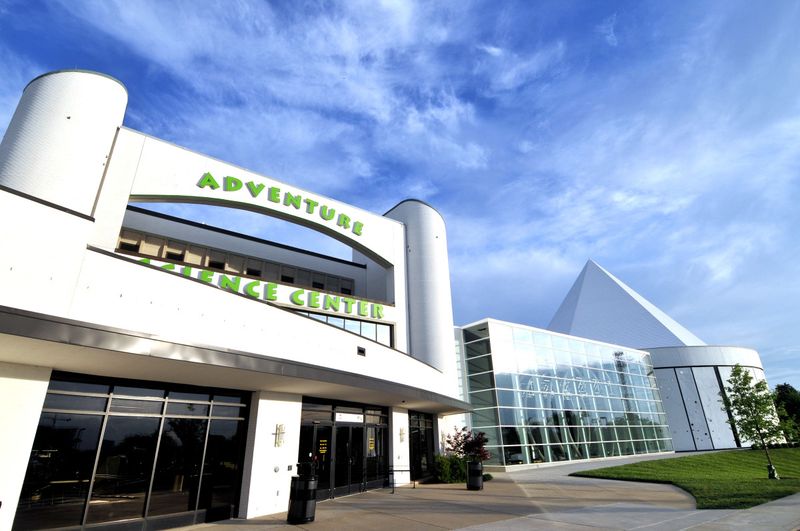
Not every child learns best by looking at something. Some need to build it, program it, or watch it move before a concept clicks.
The i2 Makerspace at the Adventure Science Center was designed with exactly that kind of learner in mind. It offers 42 rotating STEM activities, including robot building, programming challenges, and access to working 3D printers.
The space feels different from the rest of the museum in tone. It has a workshop quality that appeals to kids who are drawn toward technology and engineering.
Older children, particularly those in upper elementary and middle school grades, tend to linger here longer than anywhere else in the building. The rotating activity lineup means repeat visitors are unlikely to encounter the same experience twice.
Parents who have brought kids with a strong interest in coding or mechanical design report that the Makerspace holds attention in a way that surprises even them. The exhibits encourage problem-solving and iteration rather than presenting a single correct answer, which mirrors how actual scientific and engineering work operates.
For families visiting Nashville and looking for something that goes beyond passive entertainment, the i2 Makerspace offers a genuinely productive afternoon. It is one of the more forward-thinking sections in the museum and continues to evolve with new programming.
Summer Camps And School Field Trip Programs
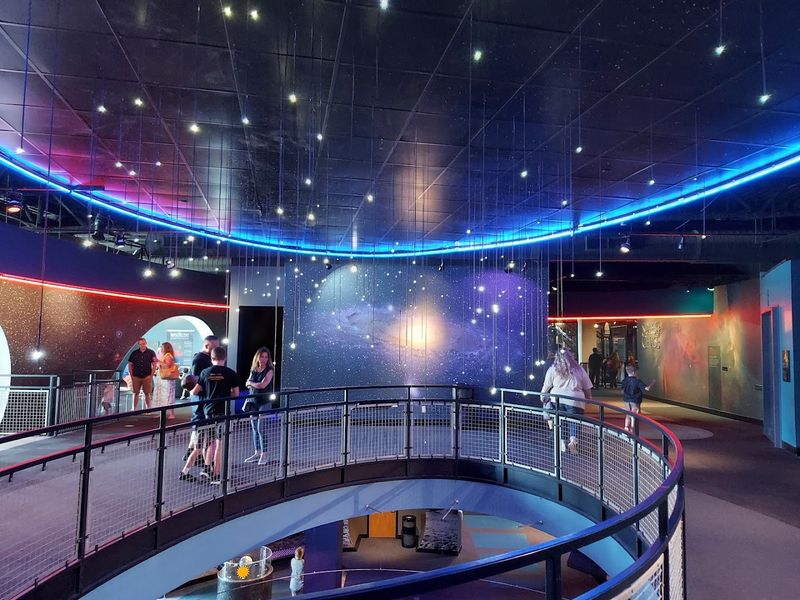
The Adventure Science Center is not just a weekend destination. It functions year-round as an educational partner for schools and families across Tennessee.
Award-winning STEM-focused summer camps serve students from kindergarten through eighth grade, offering structured learning experiences that go well beyond what a single afternoon visit can provide. The camps rotate themes and activities, so returning campers rarely repeat the same program.
Field trips from Metro Nashville Public Schools receive free admission, and Tennessee educators also qualify for complimentary entry. This makes the center a practical and financially accessible option for schools working within tight budgets.
Chaperones who have attended field trips describe the staff as organized and communicative, noting that the center sends preparation materials before the visit to help groups make the most of their time.
The combination of school programming and public hours means the museum serves a broad community rather than catering exclusively to tourists. Local families treat it as a recurring destination rather than a one-time experience.
Several long-term Nashville residents mention visiting as children and now returning with their own kids, which speaks to the kind of lasting impression the center tends to leave. For educators looking for a field trip that genuinely supports classroom science curriculum, this destination delivers consistent results.
Accessibility, Parking, And Practical Visitor Information
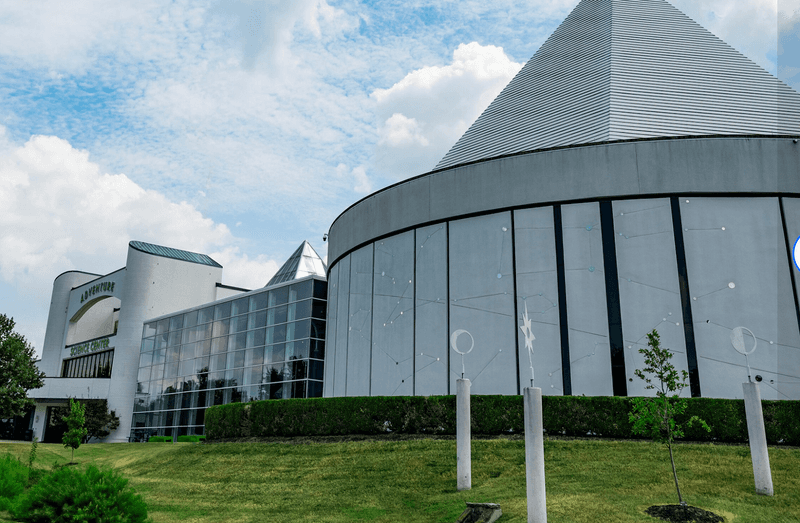
Planning a visit to a museum with children requires more logistics than most people anticipate. The Adventure Science Center handles the practical side of things well.
Free parking is available on site, which is a notable advantage in Nashville where parking fees can add up quickly. The museum is fully handicap accessible, with elevators connecting all three floors and family restrooms located throughout the building.
General admission is priced at around $22 for adults and $18 for children ages two through twelve, with planetarium shows available for an additional fee per person. Buying tickets online in advance is recommended, especially for weekend visits, as certain entry times can sell out.
The museum is located at 800 Fort Negley Blvd, Nashville, TN 37203, and is open Friday through Monday from 9 AM, closing at 3 PM on weekdays and 5 PM on weekends. It remains closed on Tuesdays and Wednesdays.
A cafeteria on the third floor provides a place to eat, and outside food is permitted in that area as long as it stays within the designated space. Water bottles are allowed throughout the museum.
The center can be reached by phone at 615-862-5160 or through its website at adventuresci.org. Visiting families consistently rate the overall experience as well-organized and worth the trip.
What Makes This Museum Worth The Drive From Anywhere In Tennessee
A 4.5-star rating across more than 6,000 reviews is not something a museum earns by accident. The Adventure Science Center has built its reputation through consistent quality, a genuine commitment to hands-on learning, and a willingness to keep evolving.
Plans already in progress include redesigning over 15,000 square feet of exhibit space to introduce a human performance gallery, an immersive pollinator exploration area, and a new paleontology gallery called Fossil Frontiers expected by fall 2024.
Families who drive in from Huntsville, Memphis, or Knoxville consistently report that the trip was worth the distance. The museum functions equally well as a rainy-day plan, a birthday outing, or an educational supplement to what kids are learning in school.
Adults without children have also reviewed it positively, noting that the planetarium and STEM sections hold genuine interest regardless of age.
What separates this museum from similar institutions is the density of things to do and the quality of the experience at each exhibit. Very few visitors describe feeling like they ran out of things to see before they ran out of energy.
The Adventure Science Center earns its place as one of the most compelling family destinations in the state, and for families visiting Nashville, skipping it would be a genuine oversight.