
This Tiny Iowa Town Has A Famous Deli Tradition Residents Refuse To Let Die
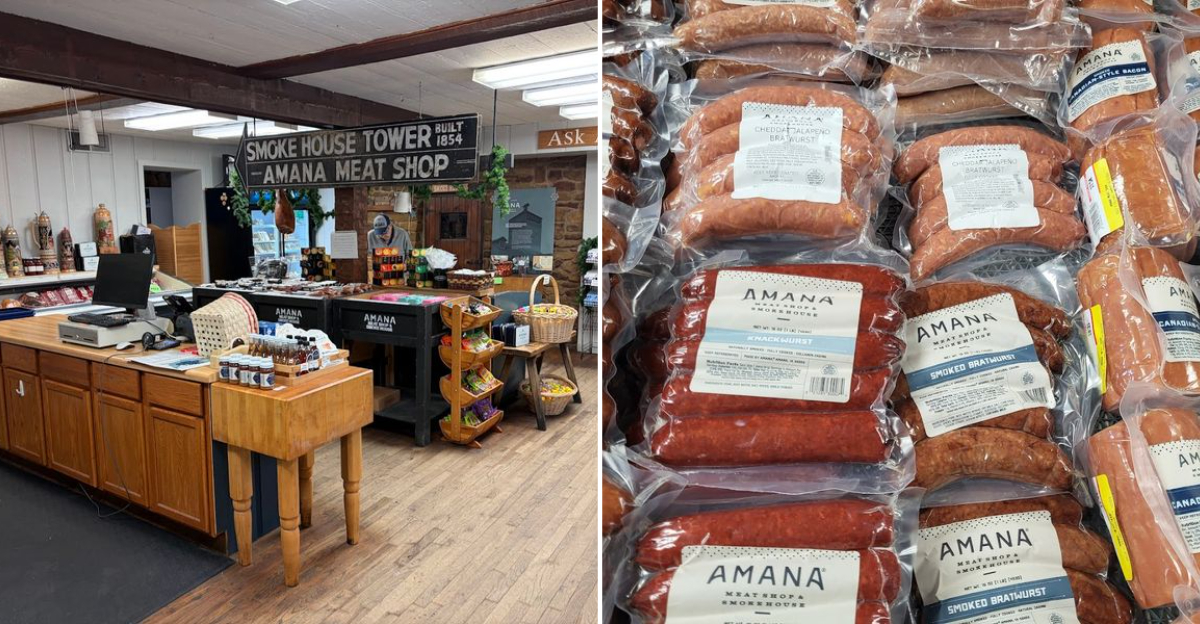
Chain restaurants have eaten through nearly every small American town, but this tiny Iowa dot on the map never got the memo. The deli has the decades-long line out the door to prove it.
While the rest of America was swapping butcher paper for drive-through windows, this community made one quiet, stubborn decision: keep doing things the old way. The deli is not fancy.
No app, no loyalty program, no aesthetic flat lays. What it has is a tradition so deeply baked into the town’s identity that kids grew up behind the counter before they ever sat in front of it.
Regulars do not consult the menu. They never had to.
Some things in this country refuse to be modernized, streamlined, or replaced. In this little corner of the Midwest, a deli counter is proof that locals mean business.
History Of Deli Traditions In Iowa
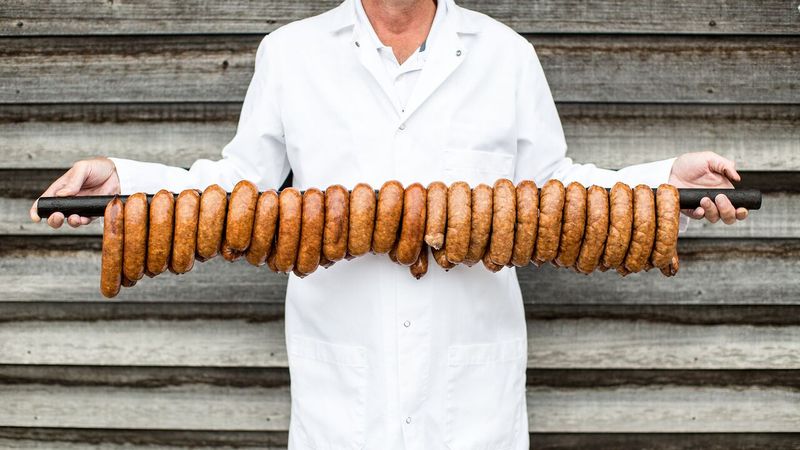
Long before grocery store deli counters existed, Iowa had something better. German immigrants arrived in the Amana Colonies in the 1850s with a deep knowledge of curing and smoking meat.
They did not leave those skills behind in Europe. They built smokehouses right here in Iowa and got to work.
Each of the seven Amana villages once operated its own meat shop. These were not casual setups.
They were serious, communal operations feeding entire neighborhoods. Residents shared meals from community kitchens stocked with smoked hams, cured sausages, and handcrafted cuts.
The tradition survived because the community valued it. Even after communal life ended in the 1930s, the recipes and methods stayed alive.
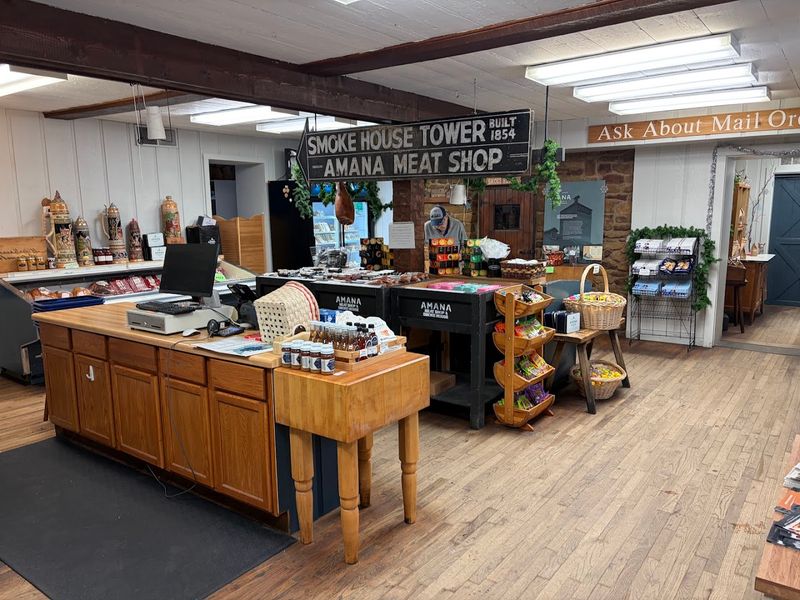
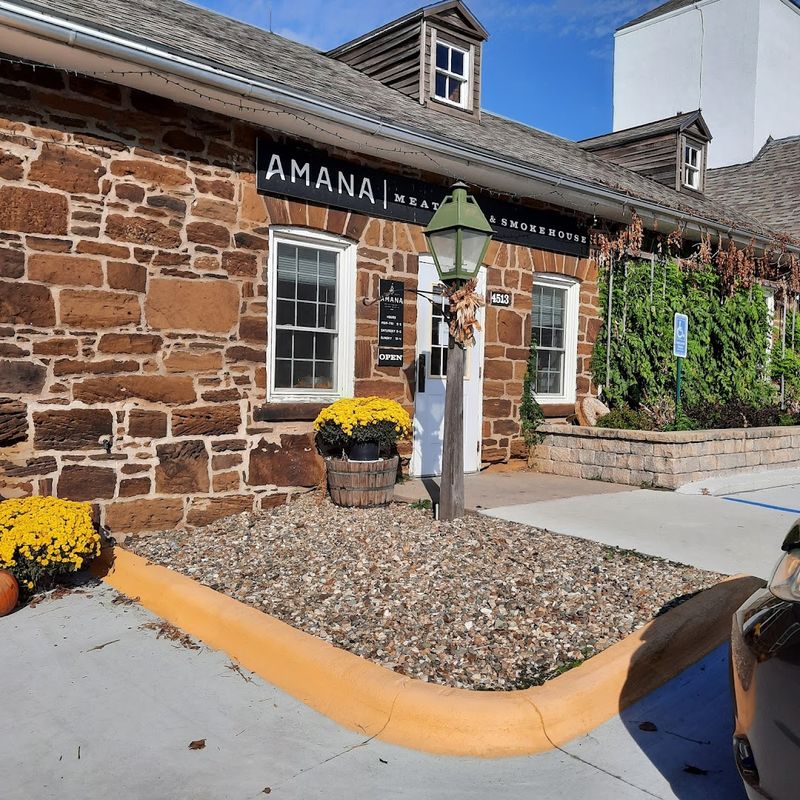
The Amana Meat Shop kept operating out of its original 1858 building. Most butchering happened in the fall and winter. Smoking preserved the meat through the seasons.
That seasonal rhythm became part of the culture. Iowa did not just adopt a deli tradition.
It grew from the ground up, rooted in German heritage and Midwest determination. That story is still being told every single day inside that shop.
You can visit it at 4513 F St, Amana, IA 52203.
Signature Cuts And Preparations
Not every butcher shop has a signature. Amana Meat Shop has several.
The smoked ham is probably the most famous item on the list. It follows a recipe rooted in Westphalian tradition, the same style that made German cured hams legendary across Europe.
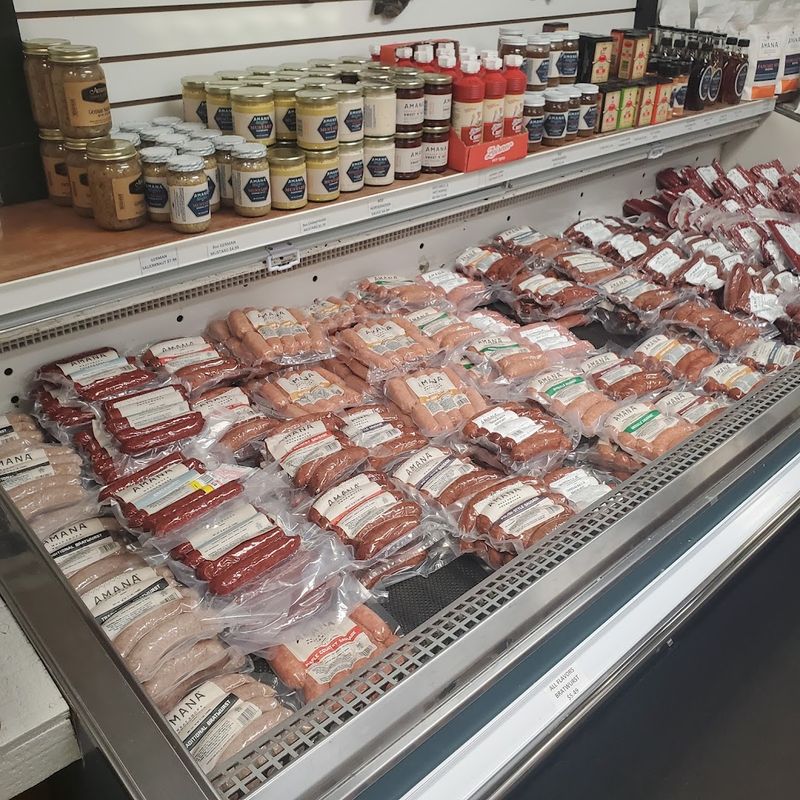
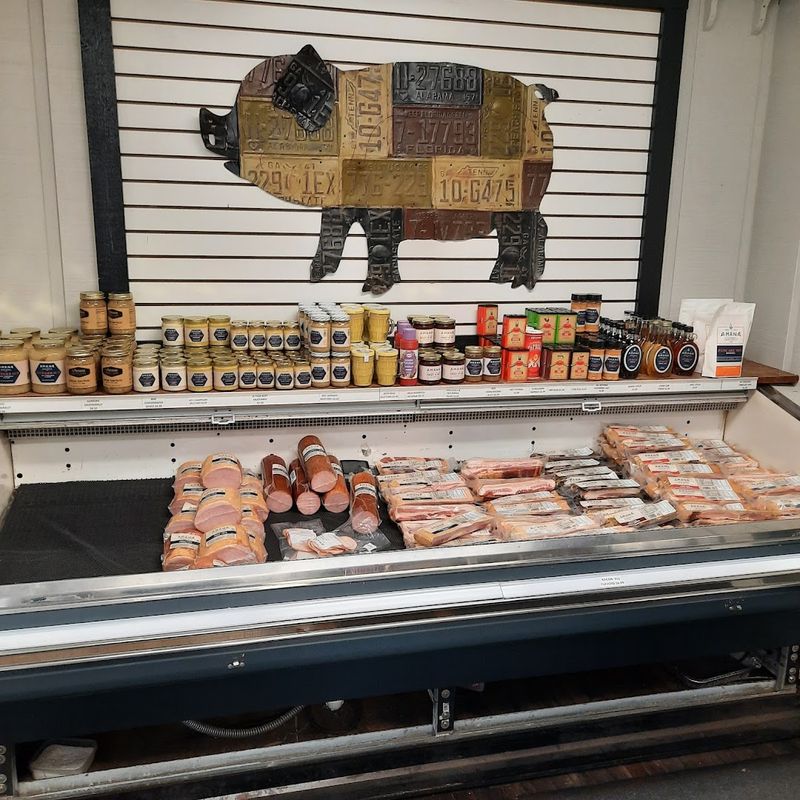
Beyond ham, the shop handcrafts bacon, summer sausage, and a wide range of sausages, including brats and bockwurst. Steaks and pork chops round out the fresh meat selection.
These are not pre-packaged cuts from a warehouse. They are prepared with care and consistency.
The preparation process matters here. Meats are cured using old-world methods that rely on time and technique rather than shortcuts.
The result is a flavor profile that grocery store meat simply cannot match. Each cut carries a depth that comes from proper curing and smoking.
Visitors often say they notice the difference immediately. The texture is different.
The taste is different. Even the smell walking into the shop tells you something special is happening.
Signature cuts become traditions when people keep coming back for them. That is exactly what has happened here for generations.
The shop earns its reputation one carefully prepared cut at a time.
Unique Smoking Techniques Preserved Over Time
Smoking meat sounds simple until you realize how much skill it actually takes. At Amana Meat Shop, the smoking techniques go back to the original German settlers.
They used smoking as a preservation method long before refrigerators existed. That necessity turned into an art form.
The old smoke room inside the shop is a piece of living history. It is no longer actively used for production, but it still stands as a reminder of how things were done.
Walking past it gives you a real sense of the craft that built this tradition. The aged wood and lingering aromas tell the whole story.
Modern production has updated some tools, but the core philosophy remains unchanged. Time-honored curing and smoking techniques guide every batch.
The commitment to quality over speed is what separates this shop from mass-produced alternatives. Slow smoking at controlled temperatures develops flavors that fast methods cannot replicate.
The smoke penetrates deeply. The curing draws out moisture evenly.
Every step in the process has a purpose. Generations of practice have refined each detail.
What visitors experience today is the result of over 170 years of refinement. That kind of consistency does not happen by accident.
It happens because people refuse to cut corners.
Local Ingredients That Define The Flavor
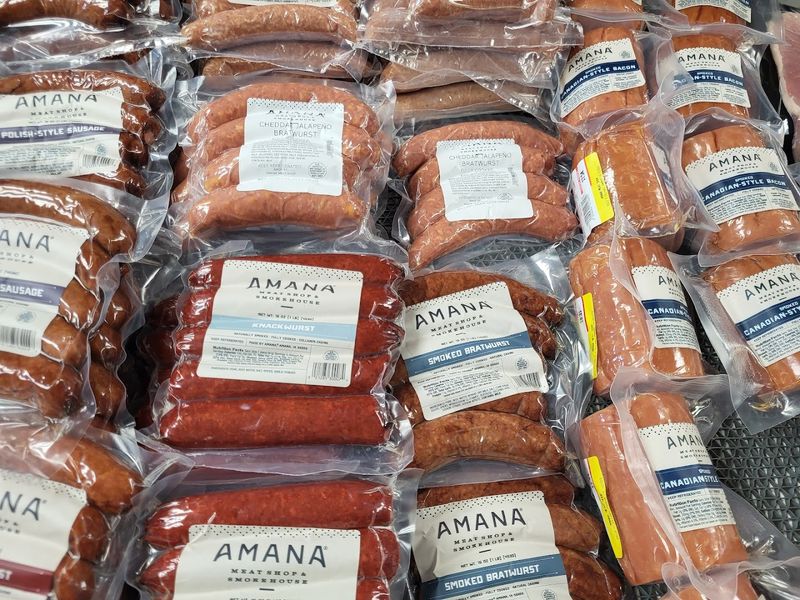
Flavor does not come from technique alone. It comes from what you start with.
The Amana Meat Shop has always been connected to the agricultural richness of eastern Iowa. Midwest farming traditions produce high-quality pork and beef that form the foundation of everything made here.
Iowa is one of the top pork-producing states in the country. That matters.
When your raw ingredients come from nearby farms with strong husbandry practices, the end product reflects that quality. The meat has better texture, better fat distribution, and better overall flavor before the curing process even begins.
Beyond the main proteins, local touches show up throughout the shop. Cheeses, mustards, jams, jellies, and pickled vegetables all carry that Midwest character.
Horseradish, apple butter, and sauerkraut line the shelves alongside the smoked meats. These are not afterthoughts.
They are part of the same food culture that produced the deli tradition in the first place. Local ingredients create a flavor that cannot be replicated elsewhere.
You cannot factory-produce what comes from a specific land, climate, and farming community. That regional identity is baked into every product.
Visitors from across the country notice it. They come back for it.
Some even order it shipped to their homes nationwide.
Traditional Recipes Passed Through Generations
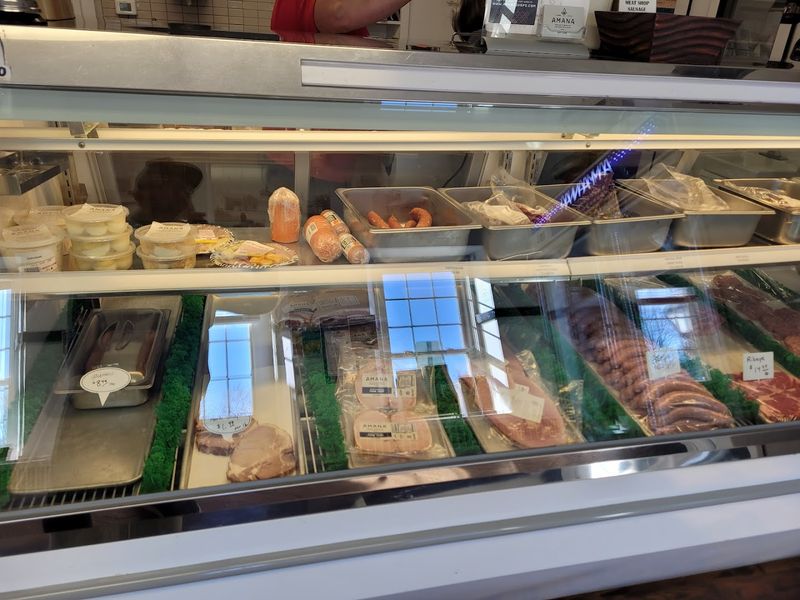
Some recipes are too good to change. The Amana community figured that out early.
When German settlers arrived in Iowa in the 1850s, they brought more than luggage. They brought knowledge.
Specific recipes for Westphalian hams, smoked sausages, and cured meats came with them.
These recipes survived communal life, survived the transition to private business in the 1930s, and survived every food trend that swept through American culture since then. That staying power says everything.
A recipe that lasts 170 years is not just popular. It is proven.
Passing recipes through generations requires more than writing things down. It requires someone willing to learn and someone willing to teach.
At Amana Meat Shop, that transfer of knowledge has happened repeatedly over the decades. Each generation of workers learns the proper ratios, timing, and methods.
Nothing gets rushed. Nothing gets simplified just to save time.
The recipes demand respect, and they get it. Customers who grew up eating Amana products as kids now bring their own children to the shop.
That cycle of returning generations is the clearest sign that the recipes work. Nostalgia plays a role.
But nostalgia alone does not keep people coming back. Consistent, excellent flavor does that job every time.
Community Events Celebrating Deli Heritage
Food traditions survive when communities celebrate them out loud. The Amana Colonies understand this well.
The area hosts events throughout the year that bring people together around food, history, and the culture that has defined this part of Iowa for generations.
The Amana Meat Shop sits within a broader community that takes its heritage seriously. Visitors arrive from across the Midwest and beyond to experience the Colonies firsthand.
Sampling smoked meats, browsing the shop, and learning the history all happen in the same visit. That combination creates a memorable experience.
Local events often feature German-style foods prominently. Sausages, cured meats, and traditional accompaniments like mustard and sauerkraut show up at community tables.
These gatherings reinforce what makes the Amana tradition worth preserving. They also introduce new visitors to flavors they may have never encountered before.
Outdoor seating near the shop lets people enjoy their purchases on-site. Picnic tables fill up on busy weekends.
Families make a full day of exploring the Colonies and end at the meat shop. That combination of place, history, and food creates something that tourists genuinely seek out.
Community pride fuels the whole experience. When locals celebrate their heritage with enthusiasm, visitors feel that energy immediately.
Innovations While Respecting Classic Methods
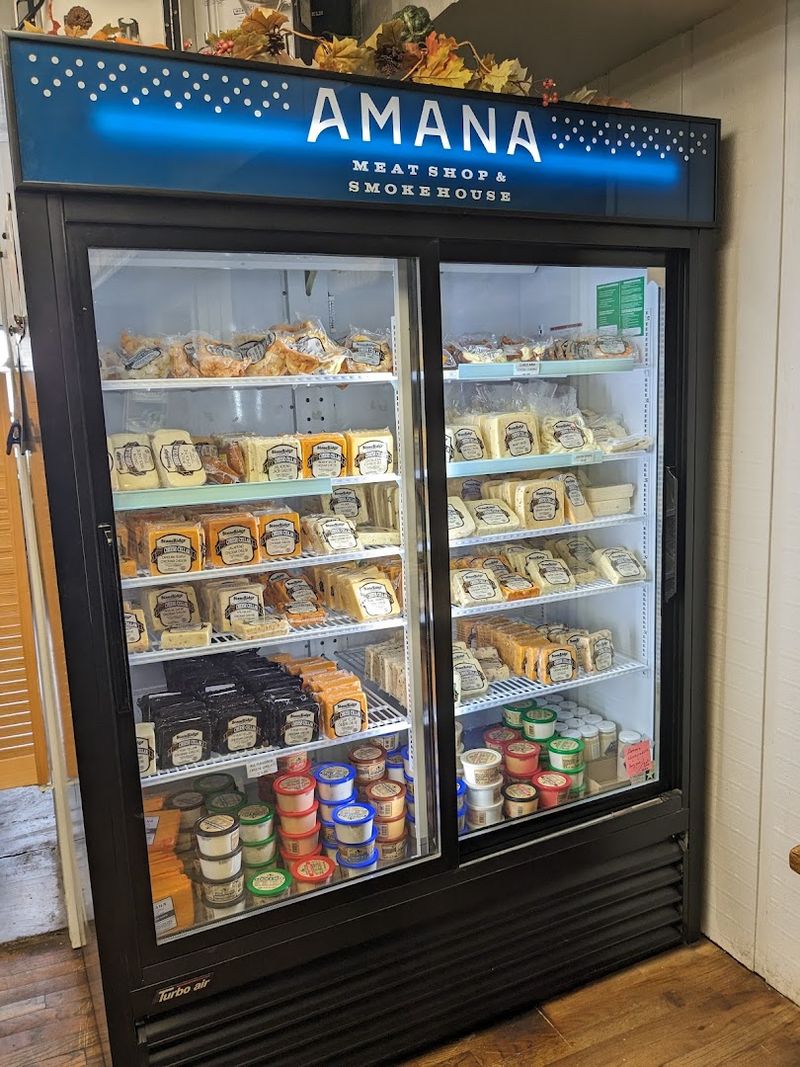
Staying relevant without losing your soul is a real challenge for any heritage business. Amana Meat Shop has managed to walk that line for decades.
The shop has introduced new products and expanded its reach without abandoning the methods that made it famous in the first place.
The mail-order service is a perfect example. Shipping handcrafted meats nationwide is a modern business move.
But the products being shipped are still made the old-world way. Technology handles the logistics.
Tradition handles the product. That balance works.
New sausage varieties and specialty items have been added over the years. Gouda brats and smoked brat options show a willingness to experiment within the German sausage tradition.
Breaded pork tenderloins bring a classic Midwest diner staple into the shop lineup. These additions feel natural rather than forced.
They fit the existing flavor profile and customer base. Innovation here means expanding the menu, not replacing the foundation.
The original smoked hams and summer sausages remain the anchors. Everything new builds around them.
That approach keeps longtime customers satisfied while giving first-time visitors more to explore. It also keeps the shop competitive in a food market that changes constantly.
Smart growth respects what came before it.
The Role Of Delis In Iowa Culinary Identity
Iowa gets underestimated in food conversations. People think of corn, and that is usually where the thought stops.
But eastern Iowa, and specifically the Amana Colonies, holds a culinary identity that rivals anything you would find in a major food city. The deli tradition here is a big reason why.
Delis in Iowa are not just places to buy meat. They are cultural anchors.
They tell the story of who settled the land, what they valued, and how they fed their families. The Amana Meat Shop represents that story more completely than almost any other food business in the state.
Thousands of visitors come to the shop each year. They come for the products, yes.
But they also come because experiencing a working piece of American food history is genuinely exciting. The shop operates out of a building from 1858.
The recipes predate the Civil War. That context turns a simple shopping trip into something more meaningful.
Iowa’s culinary identity is built on practicality, quality, and community. The Amana deli tradition embodies all three.
It feeds people well, uses quality ingredients, and exists because a community refused to let it disappear. That is a food story worth telling.
And it keeps getting told, one smoked ham at a time.