
The Otherworldly Waterfall Hidden Inside A West Virginia State Park Few Visitors Know About
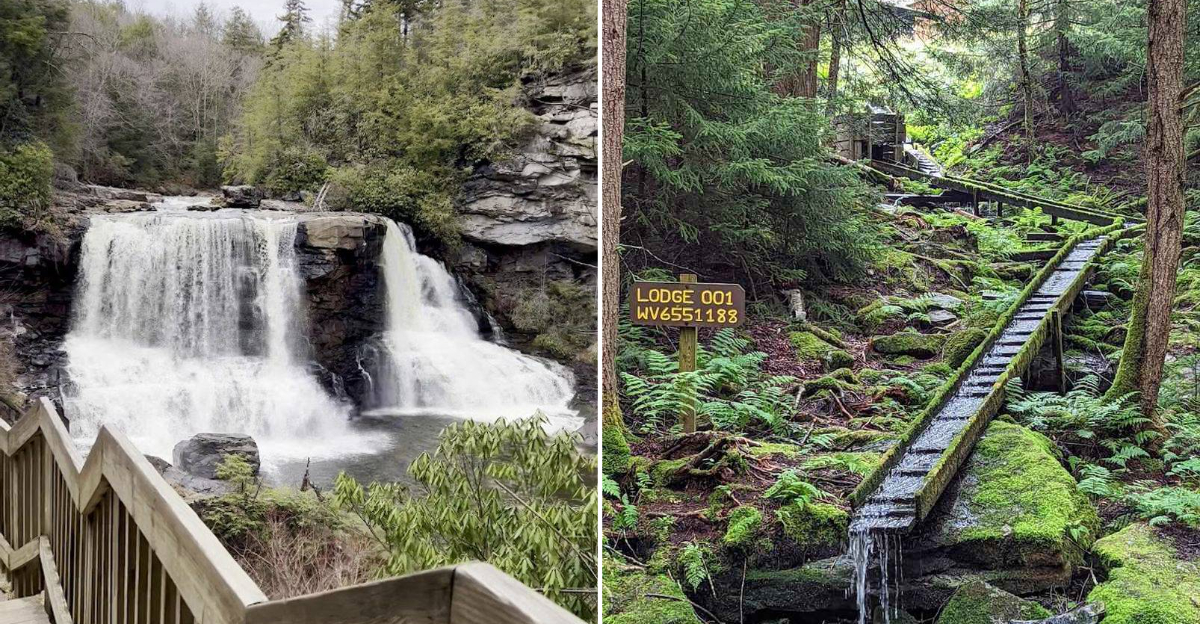
Most people drive through this West Virginia state park and leave without ever seeing it. That’s exactly how the locals like it.
There is a waterfall tucked inside this park that does not show up on the popular trails. It does not have a big sign pointing you toward it.
It does not make the highlight reels or the tourist brochures. But the people who find it?
They come back. Every single time.
This waterfall has a way of making you forget where you are. The sound hits you before you even see it.
The mist, the light, the sheer size of it, it all adds up to something that feels completely out of place in the best possible way. West Virginia has no shortage of beautiful landscapes.
But this one is different. This one earns every bit of the silence people have kept around it.
Geological Formation That Creates The Unique Waterfall
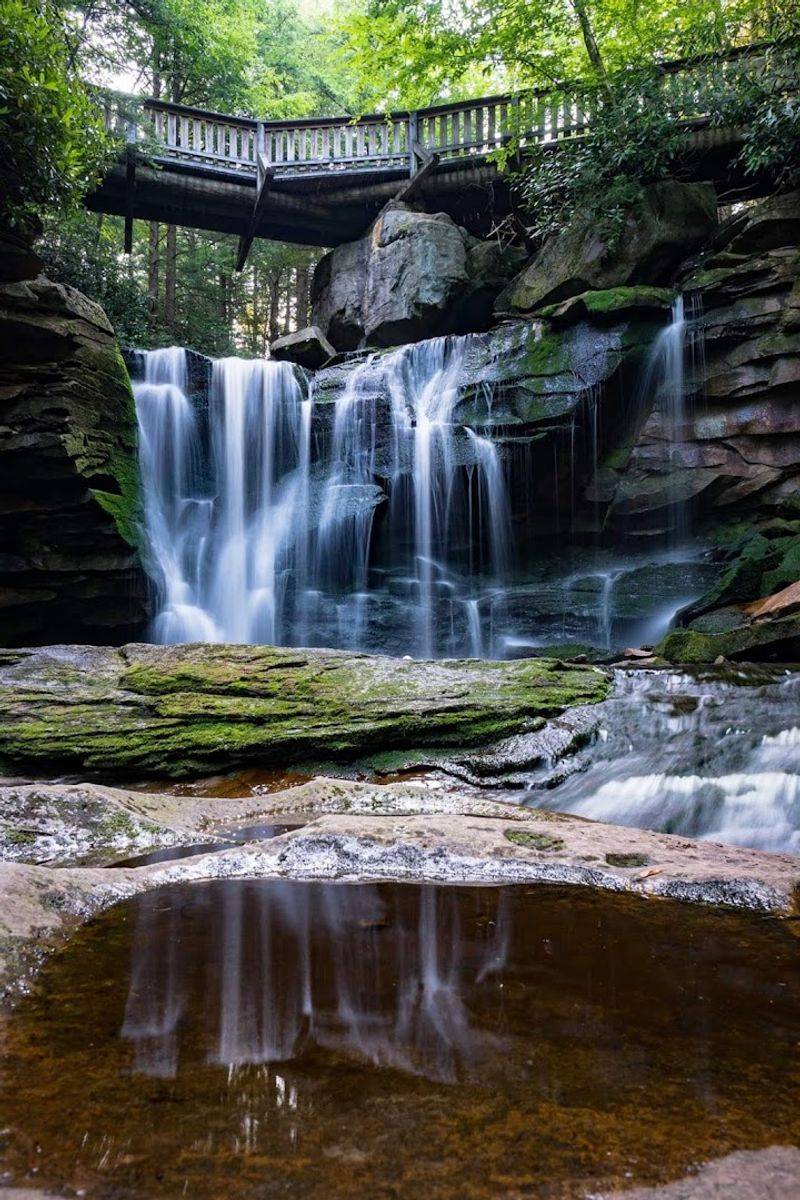
This fall exists because of a perfect geological accident. Shay Run, a small stream, cuts through layers of ancient sandstone and shale.
Over thousands of years, the water carved out a narrow canyon with dramatic drops.
The first cascade drops 35 feet straight down. Then comes a 15-foot drop, followed by a 40-foot plunge, and finally a 20-foot drop.
Four waterfalls in one stream system is genuinely rare.
Here is the detail that makes Elakala truly otherworldly. The water runs a deep reddish-amber color.
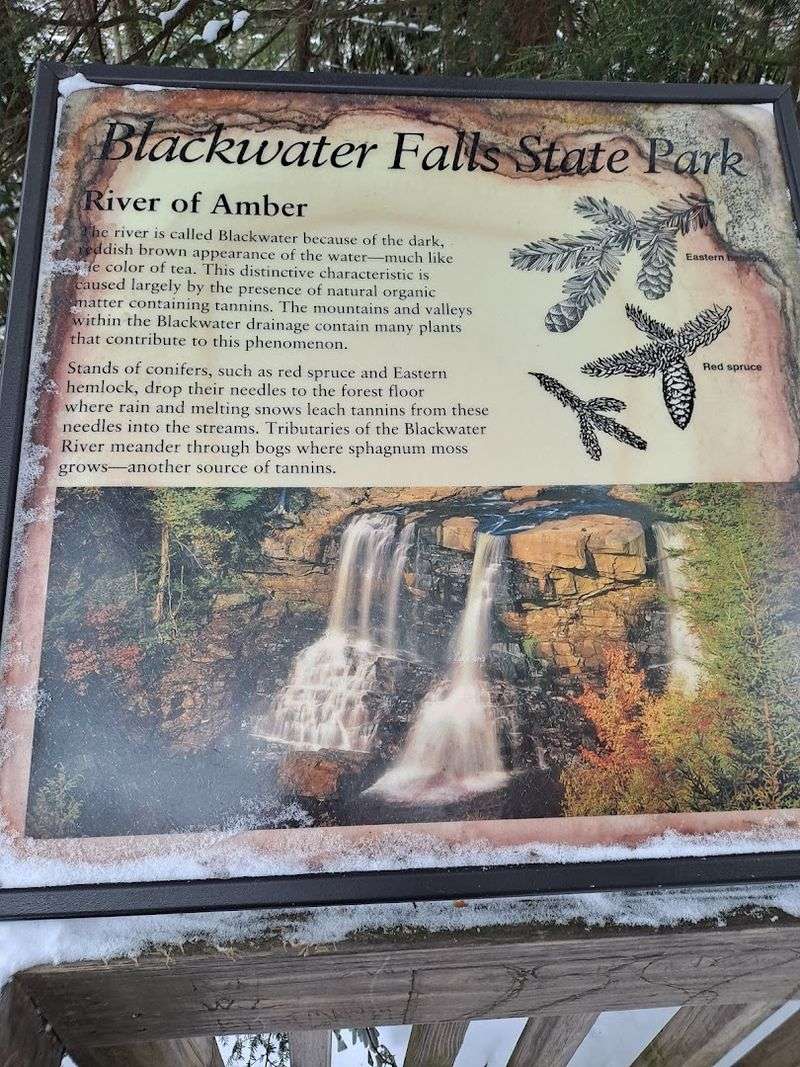
That color comes from tannic acid, released by decomposing hemlock and red spruce needles upstream. It stains the water like strong tea.
The canyon walls are draped in thick moss. Ferns grow from every crack in the rock.
Sandstone ledges jut outward at odd angles, creating natural frames around each cascade. The geology here basically built its own art installation.
Blackwater Falls State Park sits on the Allegheny Plateau, a region shaped by ancient uplift and erosion. That plateau geology is why streams here drop so sharply.
The park is located at 1584 Blackwater Lodge Rd, Davis, WV 26260. The park opens daily at 6 AM and closes at 10 PM, giving you plenty of daylight to explore every level of these falls.
Flora And Fauna Around The Waterfall Ecosystem
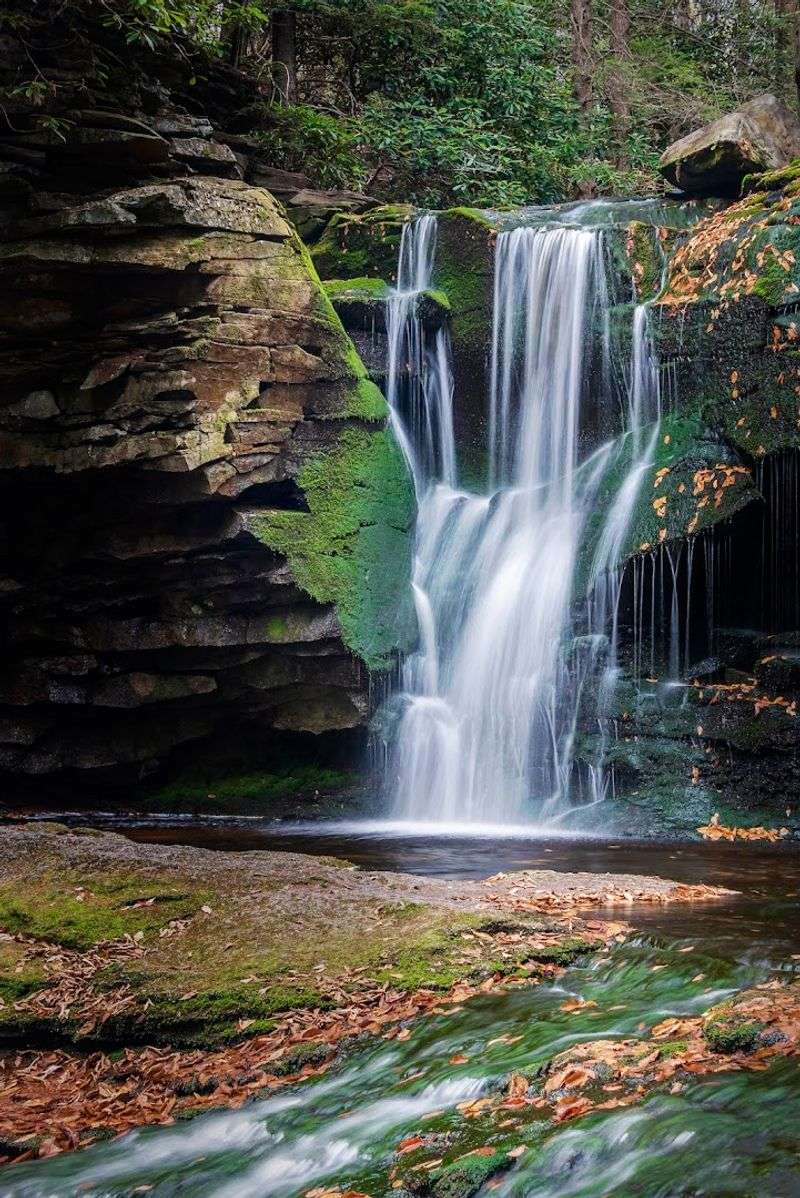
The ecosystem around Elakala Falls is almost absurdly alive. Red spruce and eastern hemlock trees tower overhead, creating a dense canopy that keeps the canyon cool and shaded.
That shade supports an entire community of moisture-loving plants below.
Ferns carpet the canyon floor in thick, overlapping layers. Mosses cling to every wet rock surface.
Club mosses, liverworts, and lichens fill in the gaps. The whole area feels more like a rainforest than a mid-Atlantic state park.
Wildflowers appear along the stream banks in spring and early summer. Look for trillium, wild bleeding heart, and wood sorrel.
These plants thrive in the cool, humid air that hovers near the falls year-round.
Wildlife moves through this corridor constantly. Salamanders hide under rocks near the water.
Brook trout hold in the deeper pools below each cascade. Warblers and thrushes nest in the surrounding hemlocks, filling the canyon with birdsong from April through July.
White-tailed deer are common throughout the park and often wander close to the Elakala Trail. Black bears also live in the park, though sightings near the falls are less frequent.
The biodiversity here is real and observable, not just something listed on a brochure. Bring binoculars and move quietly for the best wildlife encounters.
Seasonal Changes Affecting The Waterfall Appearance
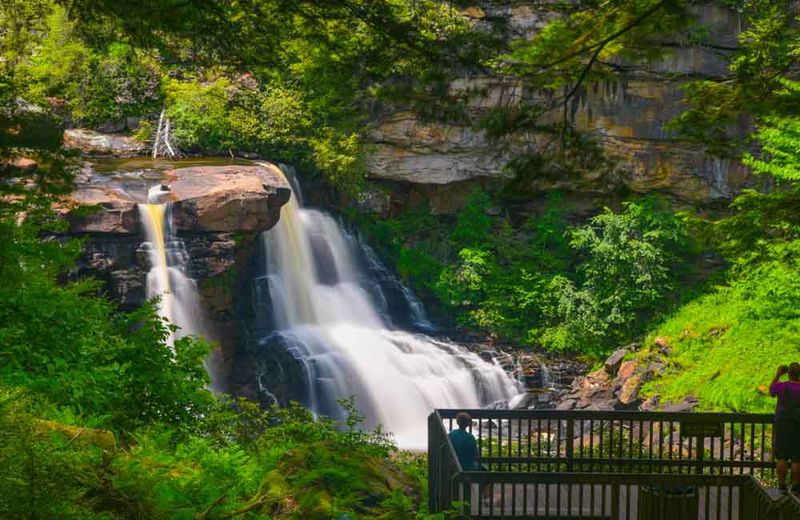
Elakala Falls transforms dramatically with every season. Each visit to Blackwater Falls State Park delivers a completely different waterfall experience depending on when you show up.
Spring brings the highest water volume. Snowmelt and April rains push Shay Run to its fullest flow.
The cascades roar louder and spread wider across the sandstone ledges. The surrounding forest explodes with fresh green growth almost overnight.
Summer tones things down. Water levels drop, but the canyon gets greener and more lush.
The hemlock canopy thickens into a full ceiling of shade. Summer is actually a great time to scramble down closer to the lower falls because the rocks are drier and easier to navigate.
Fall is the crowd-pleaser season. Red maple, yellow birch, and beech trees surrounding the canyon turn vivid shades of orange, red, and gold.
The contrast between the amber water and the autumn foliage is genuinely stunning. The town of Davis even hosts an annual Leaf Peepers Festival nearby.
Winter creates something almost surreal. Ice formations build up around the edges of each cascade.
Spray from the falls freezes into curtains and columns of ice along the canyon walls. The park stays open through winter, and the Elakala Trail remains accessible.
Cold-weather visits are quieter, and the falls look completely different from any other time of year.
Trails And Hiking Opportunities Near The Waterfall
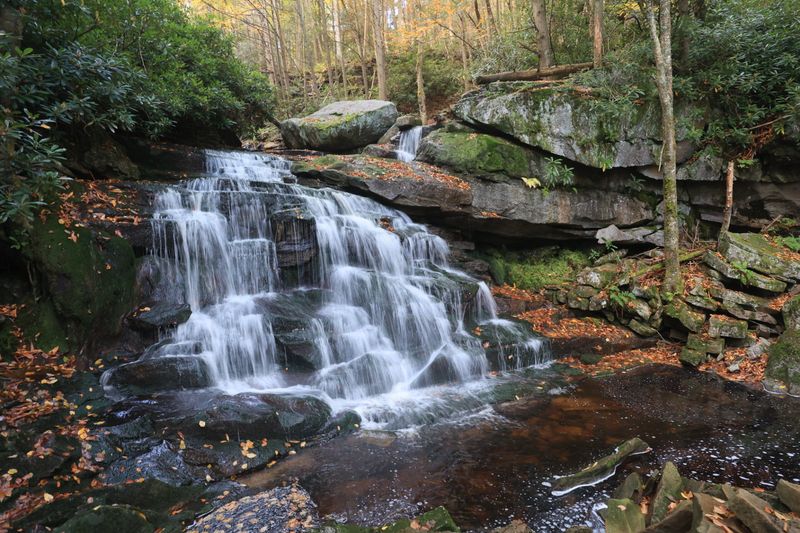
Getting to Elakala Falls is surprisingly easy for a place that feels this remote. The Elakala Trail starts right beside the Blackwater Falls Lodge.
The trail is about 0.5 miles long and leads to the first cascade through a forested path.
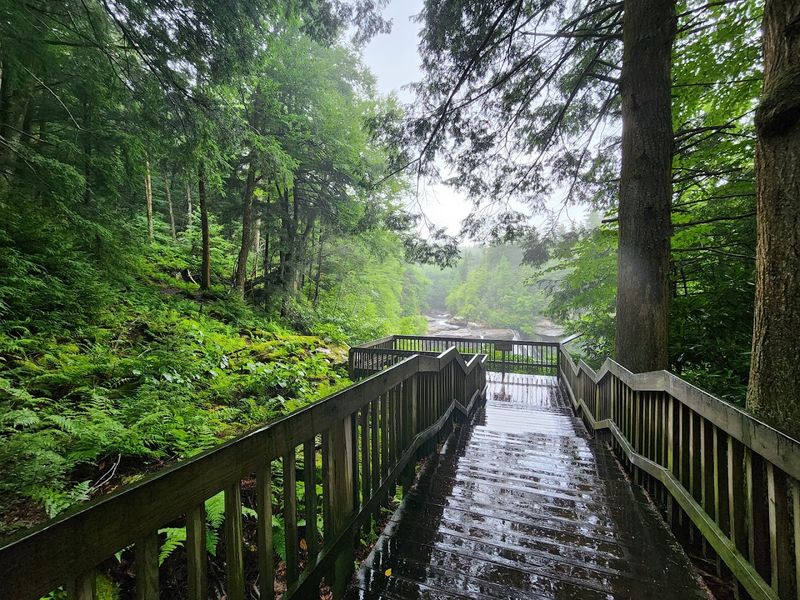
A charming wooden footbridge crosses Shay Run along the way. From that bridge, you get your first clear look at the upper section of the falls.
The first 35-foot cascade is visible from here, and it already looks incredible. Most visitors stop at this point, which means the lower falls stay genuinely uncrowded.
Reaching the second, third, and fourth cascades requires leaving the marked trail. There is no official path beyond the first fall.
Getting lower involves scrambling over rocks and roots, navigating steep terrain, and using your hands in some spots. It is doable for fit hikers but not suitable for young children or anyone with mobility concerns.
Beyond Elakala, the park offers a solid network of trails. The Dobbin House Loop covers about five miles of varied terrain.
The River Road Trail connects the town of Davis directly to Blackwater Falls through scenic forest. Lindy Point Trail leads to a dramatic gorge overlook that rewards hikers with sweeping canyon views.
The Gentle Trail near the main falls is paved and fully accessible for visitors with mobility needs. There is genuinely something here for every hiking ability level.
Safety Tips For Exploring Waterfall Terrain
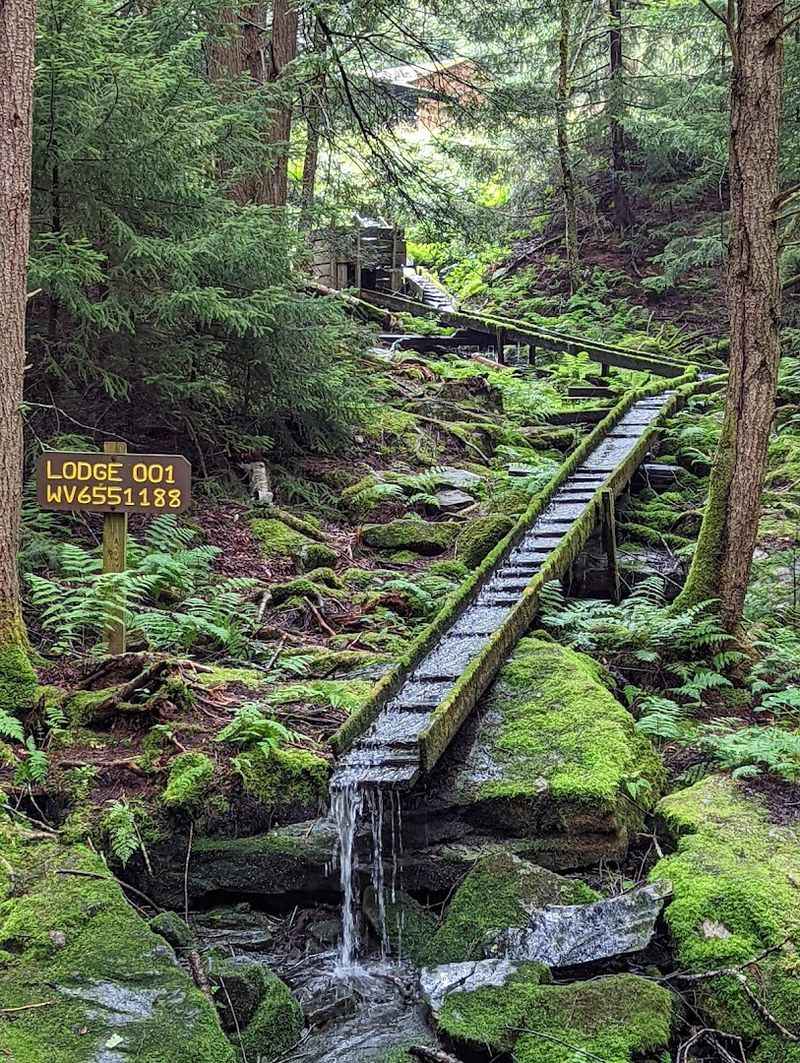
Elakala Falls looks peaceful, but the terrain around it demands real respect. The rocks near every cascade are coated in wet moss and algae.
One wrong step on a mossy ledge can send you sliding fast toward a very hard landing.
Wear proper hiking boots with grippy rubber soles. Sandals and sneakers are genuinely dangerous near the lower falls.
Trekking poles help enormously when scrambling down the unofficial routes to the second and third cascades. Do not rely on tree roots as handholds.
Some roots are shallow and will pull free under pressure.
Never approach the edge of any cascade from above. The sandstone near the lip of each drop is often undercut and unstable.
Standing too close to the edge for a photo is a risk that is never worth taking. Keep children within arm’s reach at all times near the water.
Water levels rise quickly after rain. A stream that looks gentle in the morning can run fast and high by afternoon following a storm.
Check weather forecasts before heading out. If the water looks significantly higher than expected, stay well back from the banks.
Cell service inside the canyon is unreliable. Tell someone where you are going before you head down to the lower falls.
Carry a small first aid kit and enough water for your hike. The park staff at the visitor center is knowledgeable and happy to advise on current trail conditions before you head out.
Photography Techniques To Capture Waterfall Beauty
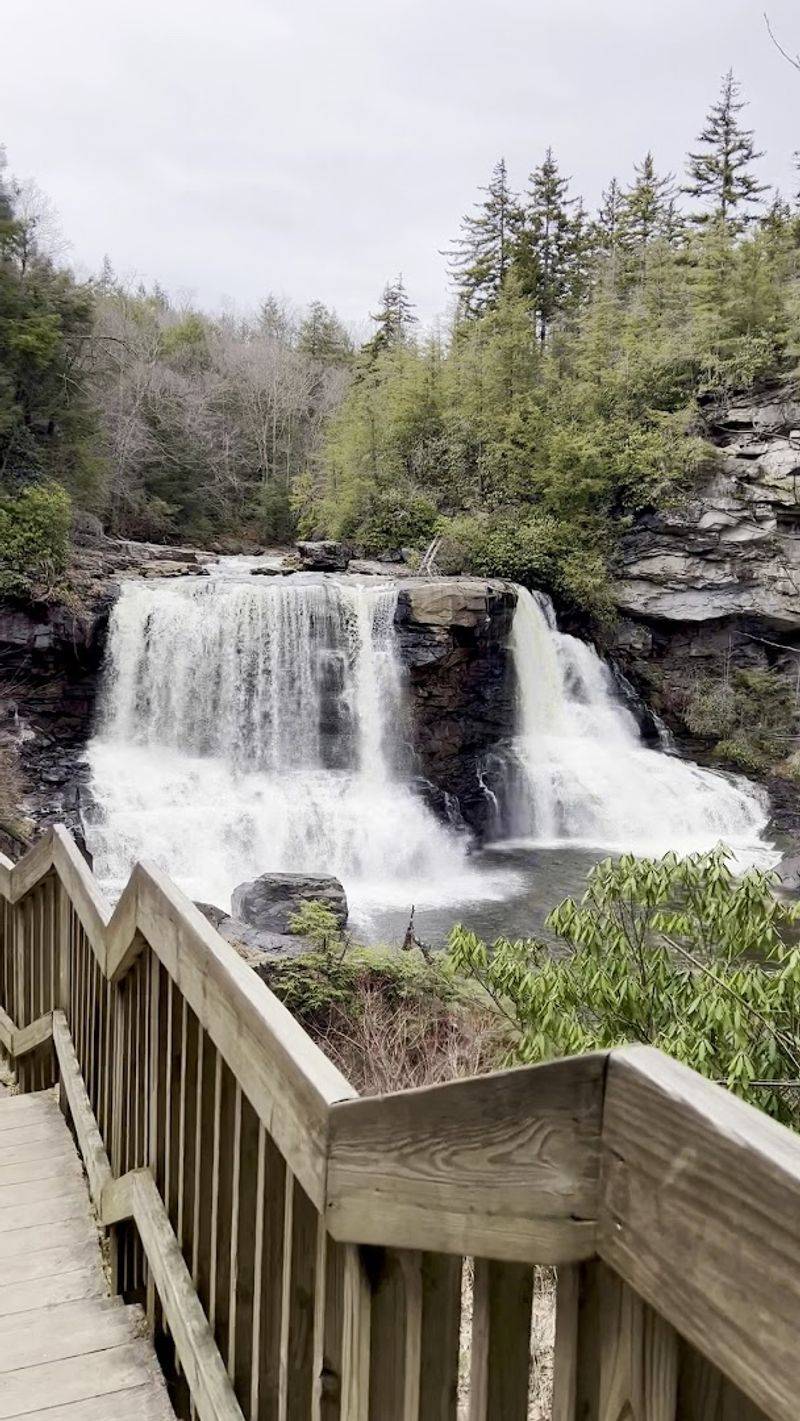
Elakala Falls is a photographer’s dream location, and the amber-colored water adds a layer of visual drama that most waterfall locations simply cannot offer. The reddish hue contrasts beautifully against the deep green moss and dark sandstone.
That color alone makes images from Elakala instantly distinctive.
Use a slow shutter speed to capture the silky, flowing look of moving water. A shutter speed between half a second and two seconds works well for most of the cascades here.
You will need a tripod because hand-holding the camera at those speeds produces blurry results. A remote shutter release or the camera’s self-timer prevents vibration when pressing the shutter button.
Overcast days are actually ideal for waterfall photography. Direct sunlight creates harsh shadows and blows out the bright water highlights.
A cloudy sky acts like a giant softbox, producing even, flattering light across the entire scene. Early morning visits before 9 AM also offer soft light and fewer people in the frame.
The wooden footbridge on the Elakala Trail provides a natural foreground element. Include it in wide shots to add depth and a sense of place.
A polarizing filter cuts glare off the wet rocks and deepens the green color of the moss. Shoot from low angles near the base of the first cascade for the most dramatic perspective.
Autumn visits add brilliant foliage color to the background, making compositions even richer.
Local Legends And Folklore Surrounding The Waterfall
The Blackwater region of West Virginia carries a long history of storytelling, and the dark-colored waters of this area have always stirred the imagination.
The name Blackwater itself comes from the tannic-stained streams that early settlers found unsettling and hard to explain. Dark water flowing through deep forest gaps felt mysterious to people who had never seen chemistry at work.
Local Appalachian folklore often attached significance to places where water dropped into hidden gorges. Waterfalls were seen as boundaries between the everyday world and something older.
Shay Run, the stream feeding Elakala Falls, runs through a canyon so enclosed that midday sunlight barely reaches the bottom. That kind of shadow-filled geography naturally inspired stories.
The Seneca people who inhabited this region long before European settlement, understood these mountains as deeply spiritual places. High-elevation forests and hidden water sources held cultural meaning that went beyond simple geography.
The Allegheny Plateau was not just terrain. It was a landscape with personality and power.
Miners and loggers who worked the Blackwater region in the late 1800s told stories of strange sounds rising from the gorge. The roar of unseen waterfalls echoing through dense forest at night was easy to misinterpret.
Some of those stories stuck around long after the logging camps closed. Today, the falls are celebrated rather than feared, but the atmosphere of the canyon still carries that unmistakable sense of old mystery.
Conservation Efforts To Protect The Waterfall Habitat
Protecting Elakala Falls and its surrounding ecosystem is an ongoing priority at Blackwater Falls State Park. The West Virginia State Parks system manages the land with a clear focus on preserving natural water quality and forest integrity.
Without active management, the falls and the habitat around them would degrade quickly under visitor pressure.
The hemlock trees that give the canyon its distinctive character face a serious threat from the hemlock woolly adelgid, an invasive insect that kills hemlocks by feeding on their sap.
Park managers have implemented treatment programs to protect the hemlocks within the park.
Losing those trees would dramatically change the canyon’s ecology and eliminate the shade that keeps the waterfall environment cool and moist.
Invasive plant species also require regular removal along stream corridors. Plants like Japanese barberry and multiflora rose crowd out native species and alter the structure of the understory.
Volunteer work parties help with removal efforts throughout the year. The park welcomes participation from conservation-minded visitors.
Visitor education plays a major role in conservation here. The park’s nature center provides information about the local ecosystem and explains why staying on marked trails matters.
Foot traffic off established paths compacts soil, damages root systems, and accelerates erosion near stream banks. The park staff actively encourages responsible exploration.
Following trail guidelines, packing out all trash, and avoiding trampling streamside vegetation are the most direct ways visitors can contribute to keeping Elakala Falls healthy for future generations.