
This Nevada State Park May Be Small, But The Views Feel Enormous
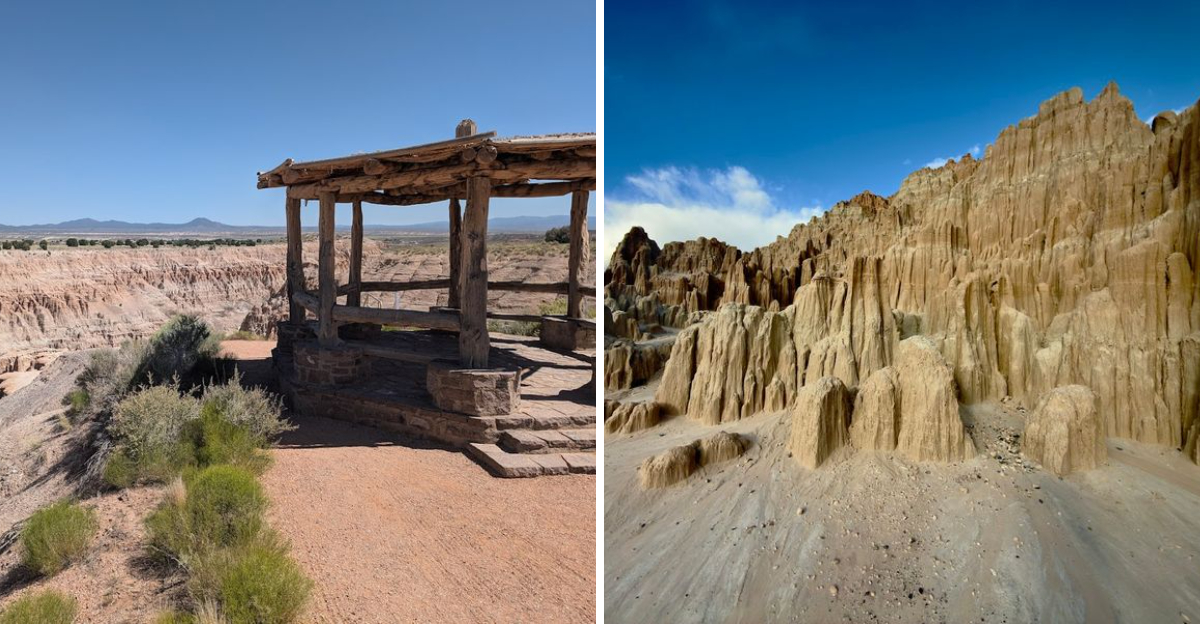
Eastern Nevada has a way of making small places feel enormous, especially when the landscape suddenly shifts into something that looks almost sculpted by imagination. Near the quiet town of Panaca, a compact state park spreads across just over 2,000 acres, yet its scenery feels far larger than its footprint.
Towering clay spires, narrow canyon passages, weathered formations, and sweeping overlooks create the kind of stop that makes travelers slow down fast. It is easy to explore in a day, but the views carry a big sense of drama.
For anyone who loves desert scenery with strange shapes and surprising scale, this Nevada park delivers far more than its size suggests.
A Small Nevada Park With Scenery That Feels Huge
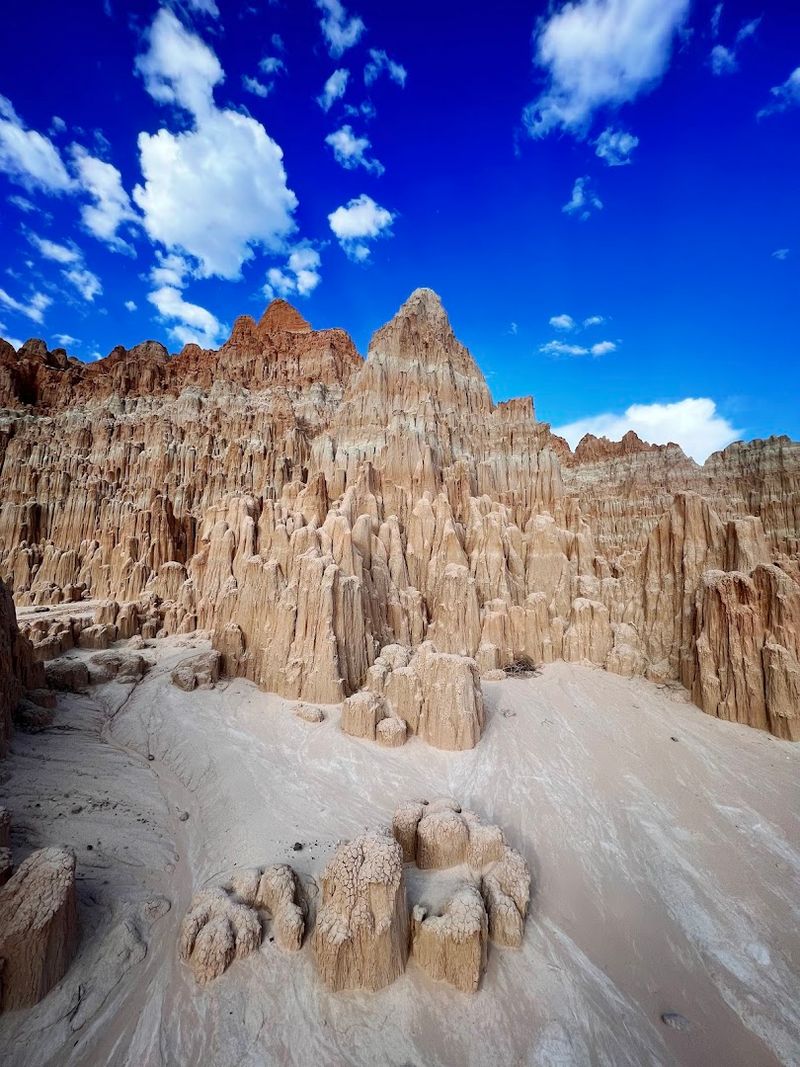
Cathedral Gorge State Park occupies a modest footprint in Lincoln County, yet its visual impact stretches far beyond its actual size. The park sits at 111 Cathedral Gorge State Park Road, about four miles north of Panaca along Highway 93.
Ancient lakebed sediments compressed over millions of years created the foundation for what visitors see today.
The formations rise vertically from the valley floor in ways that trick the eye and challenge expectations. Walking among these structures feels like exploring a much larger wilderness area.
The park’s compact design actually works to its advantage, allowing visitors to experience multiple geological features within a short distance.
Most people spend between one and three hours exploring the main attractions, though photographers and geology enthusiasts often linger longer. The entrance fee remains reasonable at ten dollars for out-of-state vehicles and five dollars for Nevada residents, making it an accessible destination for families and solo travelers alike.
The Park Sits Just North Of Panaca In Eastern Nevada
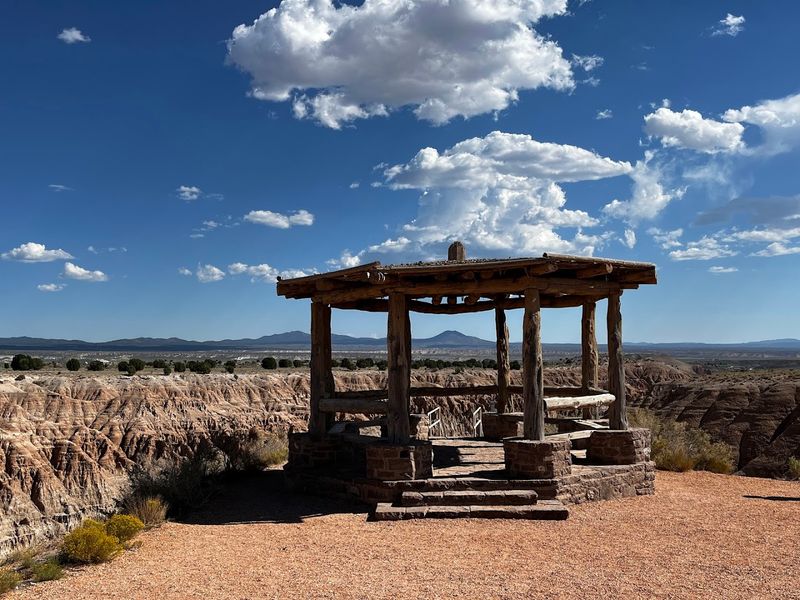
Finding Cathedral Gorge requires a bit of commitment, but the journey adds to the adventure. The park lies in one of Nevada’s most remote regions, where small towns appear like oases between long stretches of open desert.
Panaca serves as the nearest community, offering basic services including a gas station that becomes essential for travelers planning their routes.
The drive from Las Vegas takes approximately three hours heading northeast, while those coming from Utah can access the park via Highway 93. Cell phone service becomes spotty in this region, so downloading maps beforehand proves wise.
The landscape shifts gradually as you approach, with hints of the geological drama waiting ahead.
Lincoln County tourism remains relatively undiscovered compared to Nevada’s more famous destinations. This isolation preserves the park’s quiet character and ensures that even on weekends, crowds rarely become overwhelming.
Visitors should pack food and water, as dining options remain limited in the immediate area.
Erosion Created The Park’s Cathedral-Like Spires
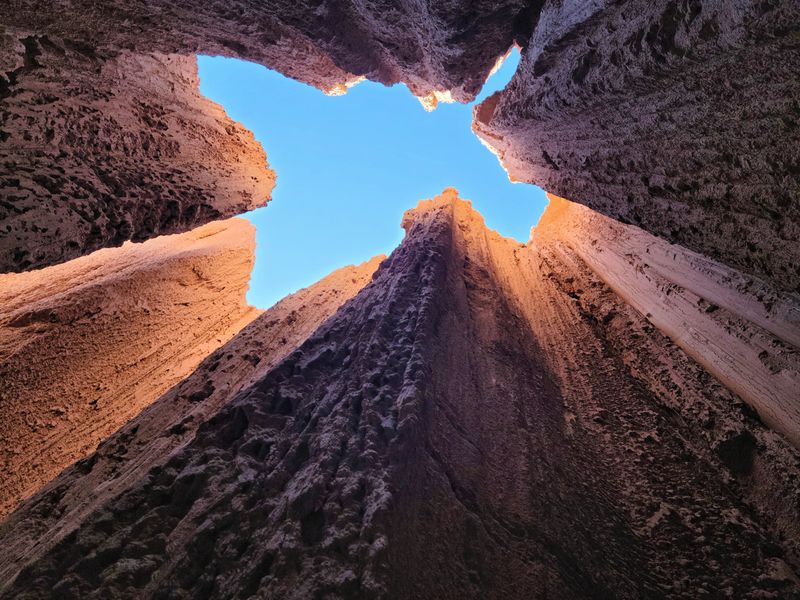
The spires that give Cathedral Gorge its name resulted from millions of years of patient erosion working on ancient lake sediments. Bentonite clay forms the primary material here, unlike the sandstone found in many southwestern parks.
This clay responds differently to wind and water, creating smoother surfaces and more vertical formations than typical desert rock.
The process began when a massive freshwater lake covered this region during the Pliocene epoch. Sediments accumulated on the lake bottom layer by layer, eventually reaching depths of several hundred feet.
After the lake drained, erosion began carving channels and revealing the compressed layers beneath.
Rain and wind continue shaping these formations today, meaning the park looks slightly different with each passing decade. The clay’s unique composition allows it to hold vertical faces while also creating the narrow passages that make exploration so engaging.
Geologists consider Cathedral Gorge an excellent example of badlands topography, where soft sedimentary rocks erode into complex patterns of ridges and gullies.
The Cave-Like Formations Make The Park Feel Otherworldly
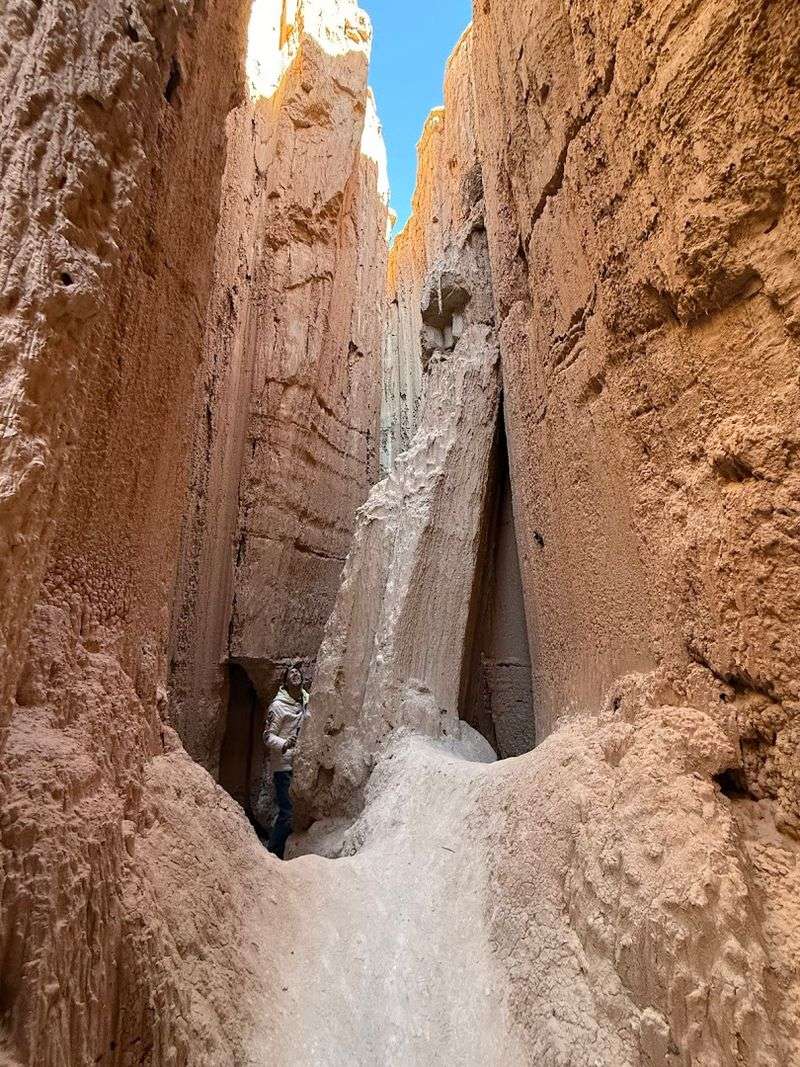
Walking into the slot canyons at Cathedral Gorge feels like stepping onto another planet. The narrow passages wind between towering walls of compressed clay, with some sections requiring sideways shuffling to pass through.
Light filters down from above, creating constantly changing patterns on the canyon walls throughout the day.
Moon Caves, located near the park entrance, offers some of the most dramatic slot canyon experiences. These passages branch and interconnect, creating a maze-like environment where each turn reveals new formations.
Some alcoves open into small chambers where visitors can pause and appreciate the sculptural quality of the erosion.
The clay surface feels surprisingly solid underfoot when dry, though rain transforms it into slippery terrain that requires careful navigation. Birds nest in the higher alcoves, and their songs echo through the canyons in unexpected ways.
The combination of vertical scale, intricate passages, and unusual geology creates an experience that photographs struggle to capture fully, making a personal visit essential for understanding the park’s character.
Miller Point Overlook Gives Visitors The Big View Fast
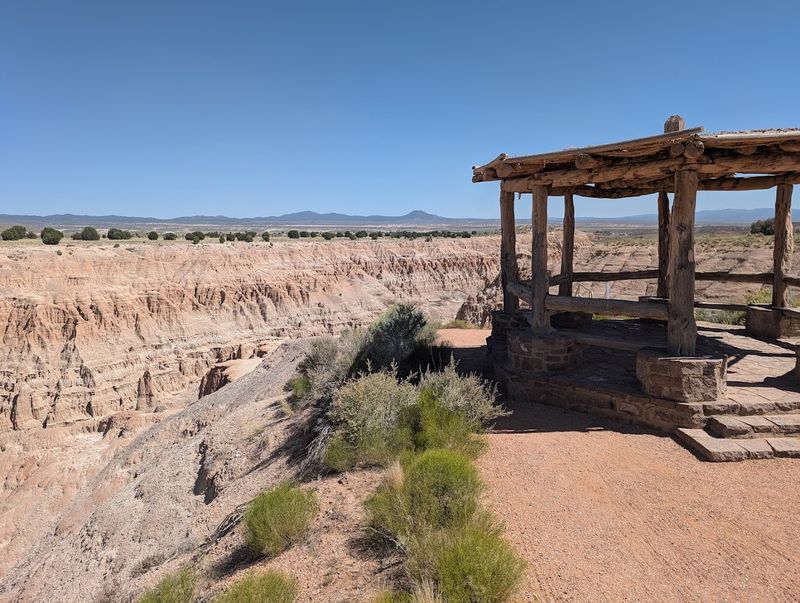
Miller Point provides the perfect introduction to Cathedral Gorge for those wanting to grasp the park’s scope quickly. The overlook sits on the canyon rim, accessible by car via a short spur road off Highway 93.
From this elevated position, the entire gorge system spreads out below, revealing patterns and relationships between formations that remain hidden when walking at ground level.
A series of stairs descends from the overlook into the canyon proper, offering a gradual transition from bird’s-eye perspective to intimate ground-level exploration. The stairs make this route accessible to many visitors who might struggle with longer trail approaches.
Sunset transforms the view here, as low-angle light emphasizes the texture and depth of the clay formations.
Many photographers arrive in late afternoon specifically to capture the changing colors as shadows lengthen across the canyon floor. The overlook also serves as a picnic spot, with tables positioned to take advantage of the view while providing some shade during midday hours.
A One-Mile Trail Connects Miller Point To The Picnic Area
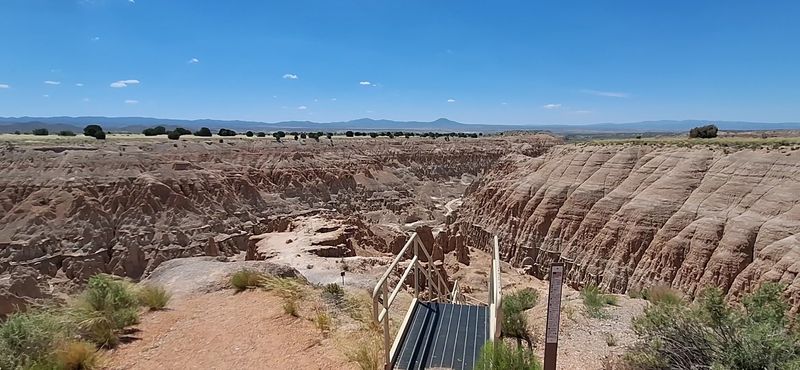
The trail linking Miller Point to the main picnic area offers an excellent introduction to Cathedral Gorge for first-time visitors. This one-mile route passes through varied terrain, providing close encounters with the clay formations while remaining relatively flat and easy to navigate.
The path stays well-marked throughout, though the exposed nature of the route means sun protection becomes important during warmer months.
Along this trail, several unofficial side paths branch off toward interesting formations and small caves worth exploring. The main route takes about thirty to forty-five minutes to walk at a leisurely pace, though stopping frequently to photograph or examine formations can easily double that time.
Western bluebirds and other desert birds frequent this area, adding wildlife interest to the geological attractions.
The trail surface consists of packed clay and sand that provides good footing when dry. Benches appear at strategic intervals, offering rest spots with views of the surrounding formations.
This route works well for families with children old enough to walk a mile, as the constantly changing scenery maintains interest throughout the journey.
A Four-Mile Loop Reaches The Park’s More Remote Areas
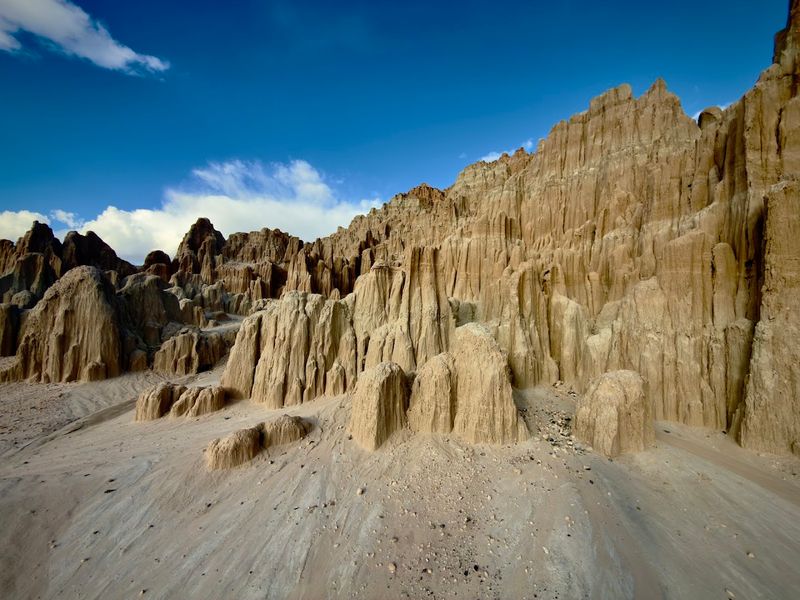
The Juniper Loop extends deeper into Cathedral Gorge territory, covering approximately four miles of terrain that sees fewer visitors than the main attractions. This trail system connects several of the park’s most interesting geological features while providing a more substantial hiking experience.
The route gains and loses elevation gradually, never becoming technically difficult but requiring reasonable fitness to complete comfortably.
Hikers on this loop encounter formations that remain hidden from the main roads and shorter trails. The northern sections of the park reveal different erosion patterns and color variations in the clay layers.
Juniper trees dot the landscape, providing occasional shade and adding greenery to the predominantly tan and rust-colored environment.
The trail takes between two and three hours to complete, depending on pace and how often you stop to explore. Carrying adequate water becomes essential, as shade remains scarce along much of the route.
The loop format means you can start from either direction, though most hikers prefer the counterclockwise approach that saves some of the best views for the final mile.
The Civilian Conservation Corps Left Its Mark Here
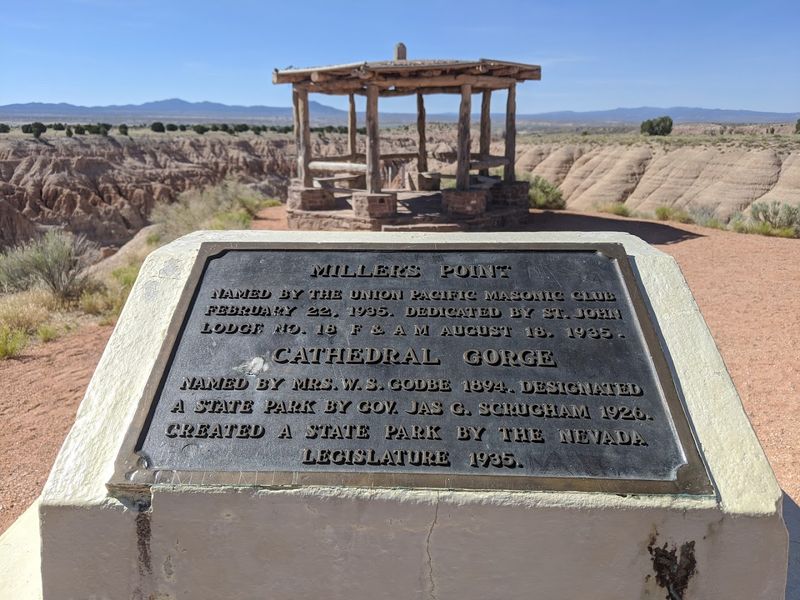
During the 1930s, the Civilian Conservation Corps brought young men to Cathedral Gorge to develop infrastructure that would make the area accessible as a state park. These workers constructed roads, buildings, and other facilities using local materials and traditional techniques.
Their most visible legacy stands in the form of a distinctive water tower built from native stone, which still rises near the park entrance.
The CCC crews faced challenging conditions in this remote location, working through desert heat to create trails and facilities with basic tools and manual labor. The stonework they produced shows remarkable craftsmanship, with carefully fitted rocks creating structures that have withstood decades of weather.
Several picnic shelters also date to this era, their design reflecting the rustic aesthetic favored by park planners in the 1930s.
Interpretive signs throughout the park explain the CCC’s contributions and provide historical context for visitors interested in learning about this important chapter in American conservation history. The work completed here represents just a small part of the Corps’ nationwide efforts to develop public lands during the Depression era.
The Park Was One Of Nevada’s Original State Parks
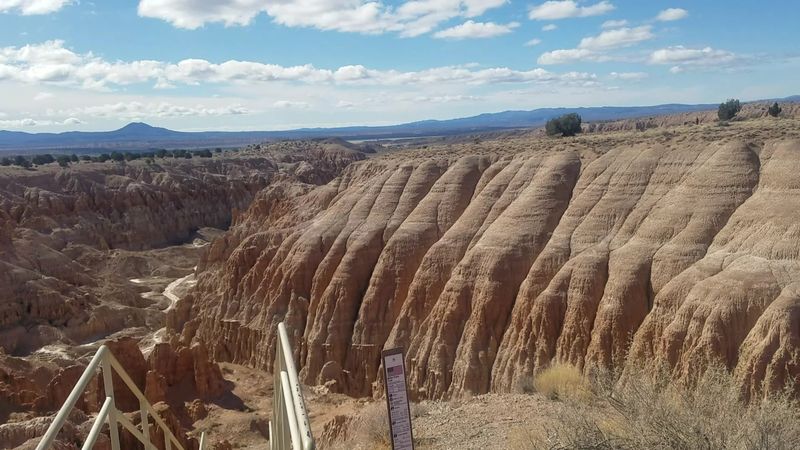
Cathedral Gorge earned designation as one of Nevada’s first state parks, reflecting early recognition of its unique geological and scenic value. The park joined the state system during an era when public appreciation for natural landmarks was growing, but long before mass tourism transformed the American West.
This early protection ensured that development remained minimal and the landscape retained its wild character.
The visitor center, though small, provides context about the park’s history and geology through displays and informational materials. Rangers stationed here offer advice on trail conditions and help visitors plan their explorations based on available time and interests.
The facility includes restrooms and serves as the starting point for understanding what makes Cathedral Gorge distinctive among Nevada’s diverse state parks.
Being part of the original state park system means Cathedral Gorge has matured slowly, avoiding the rapid commercialization that affects some newer recreational areas. The park’s infrastructure remains modest and appropriate to its setting, supporting visitor needs without overwhelming the natural features that justify its protected status.
Sunrise And Sunset Bring Out The Best In The Canyon Walls
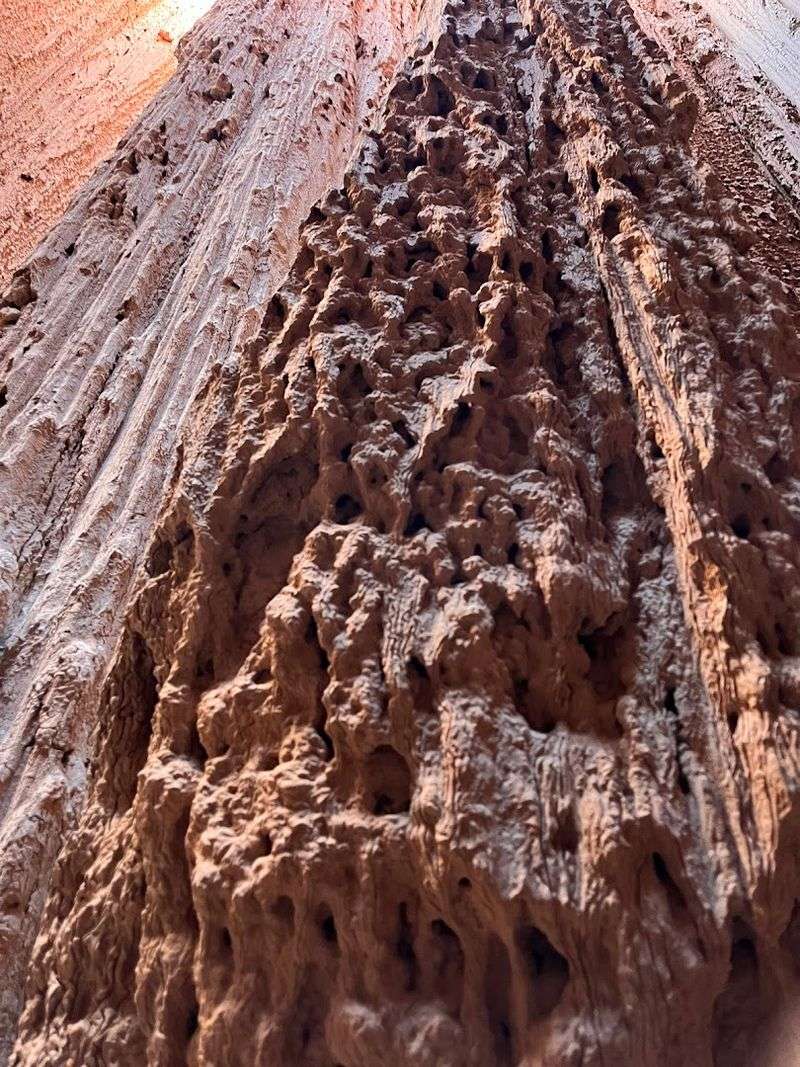
The clay formations at Cathedral Gorge respond dramatically to changing light conditions, with sunrise and sunset offering the most spectacular viewing opportunities. During these golden hours, low-angle sunlight rakes across the canyon walls, emphasizing every texture and contour while creating deep shadows that reveal the three-dimensional complexity of the formations.
The warm tones of the clay intensify, shifting from pale beige to rich amber and rust.
Photographers arrive early or stay late to capture these transformations, finding that the same formation can appear completely different depending on the time of day. Morning light tends to be cooler and clearer, while evening sun brings warmer, more saturated colors.
The changing shadows also alter the apparent depth and scale of the canyons.
Midday light, though less dramatic for photography, works well for exploring the deeper slot canyons where direct overhead sun penetrates narrow passages. Each time of day offers distinct advantages, suggesting that multiple visits at different hours would reveal new aspects of the park’s character and beauty.