
This Historic Small Town In Nevada Is Made For A Slow Weekend Escape
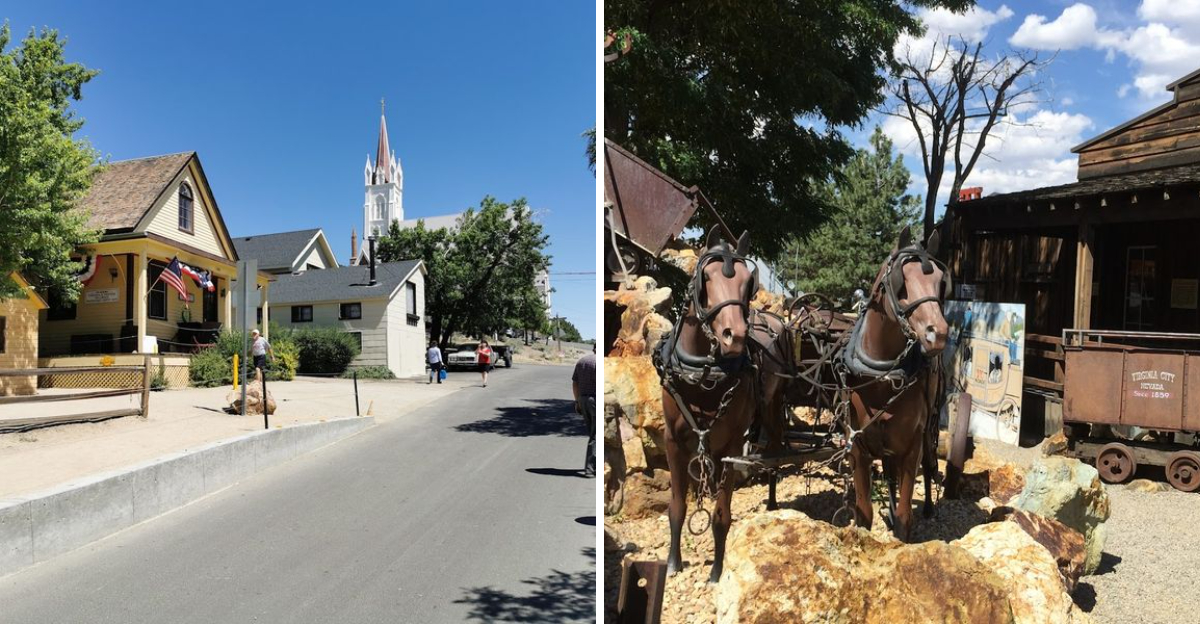
High in the mountains of western Nevada, one historic town still carries the atmosphere of the 19th century with surprising ease. Silver discoveries in 1859 changed its future, and the streets still reflect that boom-era story through wooden sidewalks, Victorian storefronts, old saloons, and preserved buildings that feel almost frozen in time.
It is not the kind of place you rush through. Every block gives visitors something to notice, whether it is a weathered façade, a museum, or a reminder of the mining days that helped shape Nevada’s identity.
For anyone who loves history with a strong sense of place, this mountain town offers a slower, more atmospheric look at the Old West.
A Small Nevada Town That Still Feels Connected To The Old West
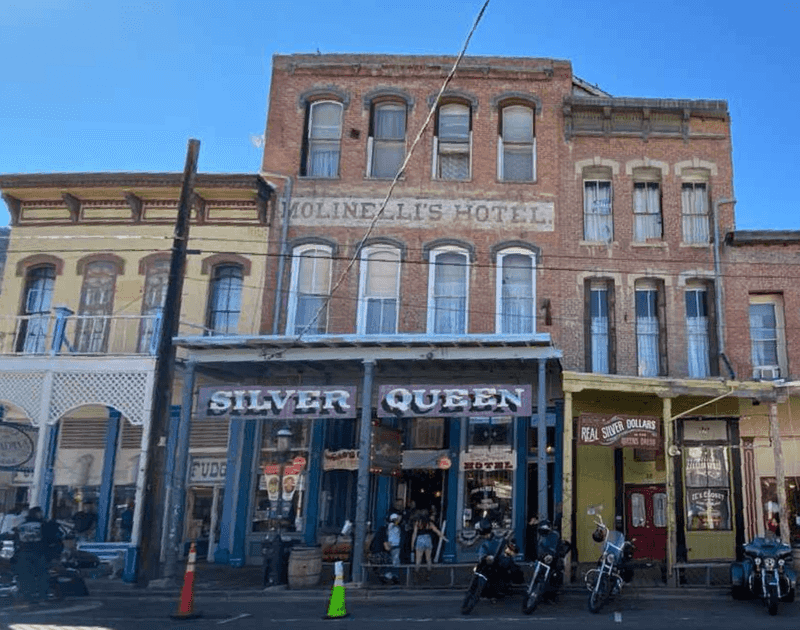
Virginia City preserves something most western towns abandoned long ago. The streets here still look much as they did in the 1870s, when miners walked these same paths after long shifts underground.
Saloons occupy the same corners they did a century and a half ago, and the architecture remains faithful to the period when this town mattered on a national scale.
The preservation goes beyond appearances. Local businesses operate in buildings that have stood since the silver boom, and many residents take pride in maintaining the town’s historic character.
You will not find chain restaurants or modern shopping centers interrupting the streetscape.
Walking from one end of town to the other takes less than twenty minutes, but the experience feels much longer because every block offers something worth noticing. The mountain air is thin at this elevation, and the quiet between passing cars reminds you that Virginia City operates on a different schedule than the world below.
The 1859 Comstock Lode Discovery Put Virginia City On The Map
Before 1859, this mountainside was empty sagebrush and rock. When prospectors found silver in the hills above what would become Virginia City, everything changed almost overnight.
The Comstock Lode became one of the richest mineral discoveries in American history, producing hundreds of millions of dollars in silver and gold over the following decades.
The discovery transformed not just Nevada but the entire western economy. Money from Comstock silver helped finance the Union during the Civil War and funded development across California.
Fortunes were made and lost in Virginia City, and the town grew so quickly that it became one of the most important settlements between Denver and San Francisco.
Today, several museums in town explain how the mining worked and why it mattered so much. The exhibits include original tools, maps showing the underground tunnel networks, and photographs of the thousands of workers who made their living in the mines beneath the streets.
Historic C Street Is The Heart Of The Weekend Escape
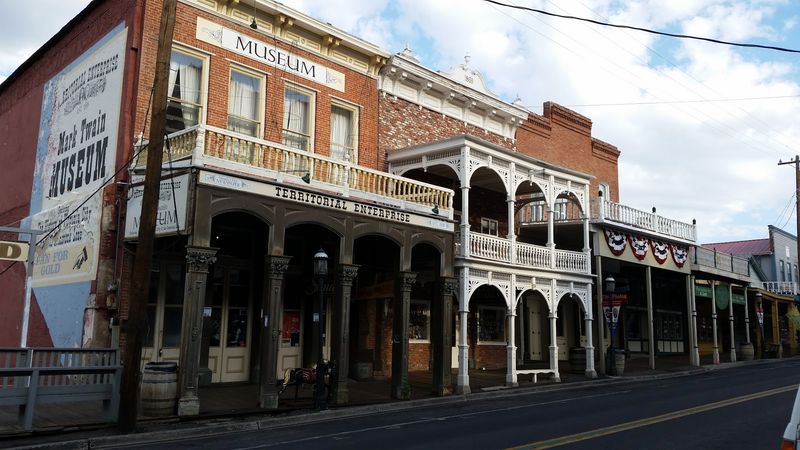
C Street runs through the center of Virginia City and contains most of what visitors come to see. The street follows the mountainside, sloping gently as it passes saloons, museums, shops, and restaurants housed in buildings that date back to the 1860s and 1870s.
Everything you need for a weekend visit sits within a few blocks of this main thoroughfare.
The businesses along C Street reflect both history and practicality. You can tour a historic saloon in the morning, eat lunch in a building that once served miners, and browse shops selling everything from antiques to modern souvenirs.
The wooden sidewalks create a distinct sound as people walk past, and the covered boardwalks provide shade during summer afternoons.
Parking along C Street fills up quickly on weekends, but the town provides additional lots within easy walking distance. The street becomes especially lively during special events, when vintage cars line the curbs and locals dress in period clothing to enhance the atmosphere.
The Historic District Has More Than 400 Buildings
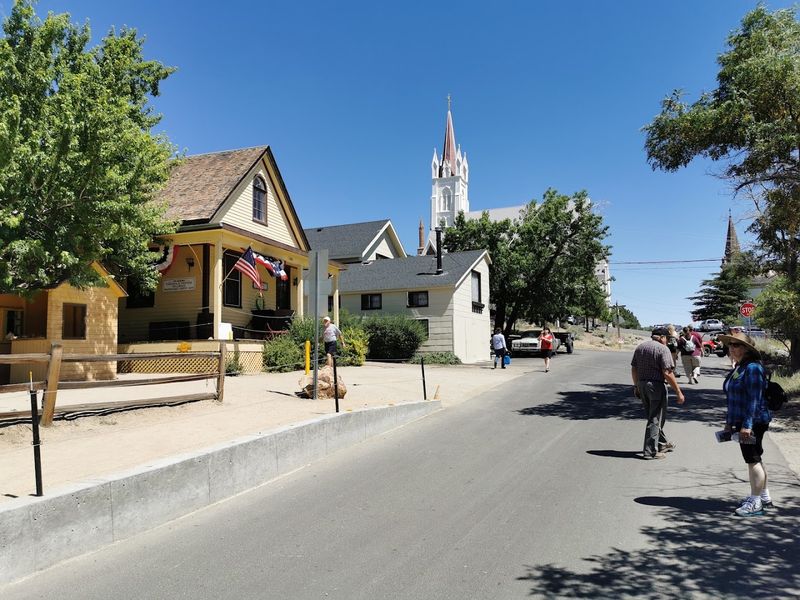
Virginia City contains one of the largest collections of 19th-century architecture still standing in the American West. More than 400 buildings from the mining era remain in use today, creating a historic district that covers much of the town.
The National Park Service recognizes Virginia City as a National Historic Landmark, a designation reserved for places of exceptional historical importance.
The buildings represent different periods of the town’s development. Some date from the first boom years of the 1860s, while others were constructed after a devastating fire in 1875 destroyed much of the original town.
The rebuilt structures used brick and stone instead of wood, which is why so many survived into the present century.
Walking through the residential streets away from C Street reveals houses, churches, and commercial buildings that tourists often overlook. These quieter blocks show how ordinary people lived during the mining era, and many of the homes still serve as private residences today, making Virginia City a living historic district rather than a preserved museum piece.
The Town Still Has Wooden Sidewalks And Victorian-Era Buildings
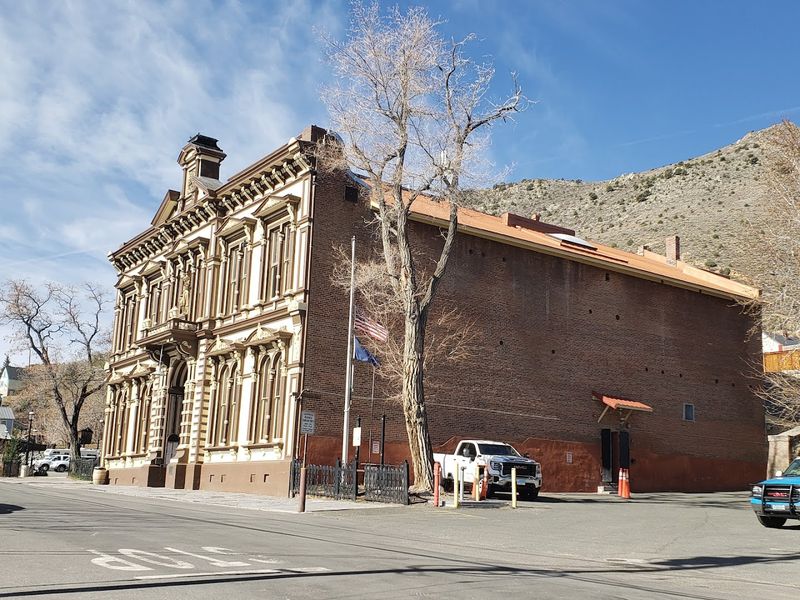
Few things make Virginia City feel more authentic than the wooden sidewalks that line both sides of C Street. The planks creak underfoot, and the covered boardwalks provide a practical solution to the intense summer sun at this elevation.
These sidewalks are not reconstructions or tourist attractions but functional infrastructure that the town maintains because they suit the historic character and work well in the mountain climate.
The Victorian buildings rise two and three stories above the sidewalks, their facades showing the architectural styles popular in the 1870s and 1880s. Brick construction dominates after the 1875 fire, with decorative cornices, tall windows, and iron shutters that were designed to prevent future fires from spreading.
Some buildings retain their original paint colors, while others have been restored to match historical photographs.
The combination of wooden walkways and Victorian storefronts creates an immediate sense of place that distinguishes Virginia City from other western towns. The buildings were constructed to impress, reflecting the wealth flowing through town during the silver boom, and their survival means modern visitors experience the same streetscape that miners knew generations ago.
Museums Make The History Easy To Explore At Your Own Pace
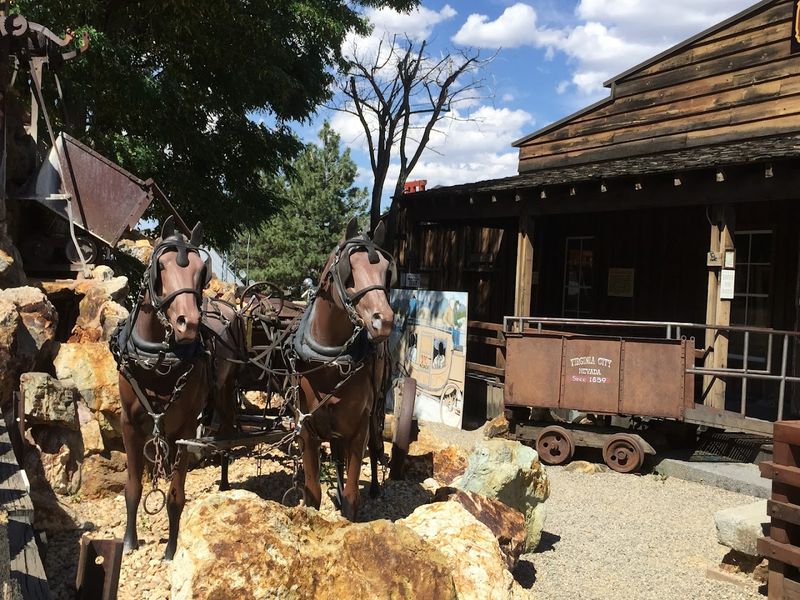
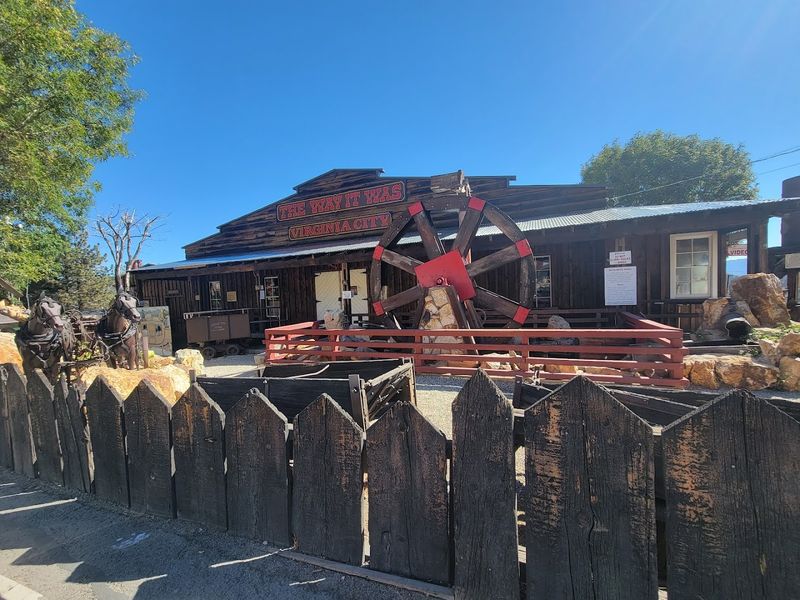
Virginia City operates several museums that explain different aspects of the town’s history without requiring guided tours or strict schedules. The Way It Was Museum presents mining artifacts, period photographs, and maps that show how the underground tunnels connected beneath the streets.
The Fourth Ward School Museum occupies an 1876 building and includes a restored classroom along with exhibits about education and daily life during the mining era.
The Chollar Mine offers tours that take visitors underground to see where miners actually worked. The tunnels remain cool year-round, and the tour guides explain how ore was extracted and processed.
Above ground, the mine displays original equipment including rock drills and ore cars that were used in active mining operations.
Each museum focuses on a specific theme, which means you can choose what interests you most rather than sitting through general presentations. The admission fees are reasonable, and most museums allow you to move through at whatever pace suits your curiosity.
This approach works well for a slow weekend when you want to learn without feeling rushed.
The Mining Past Still Shapes The Town’s Personality
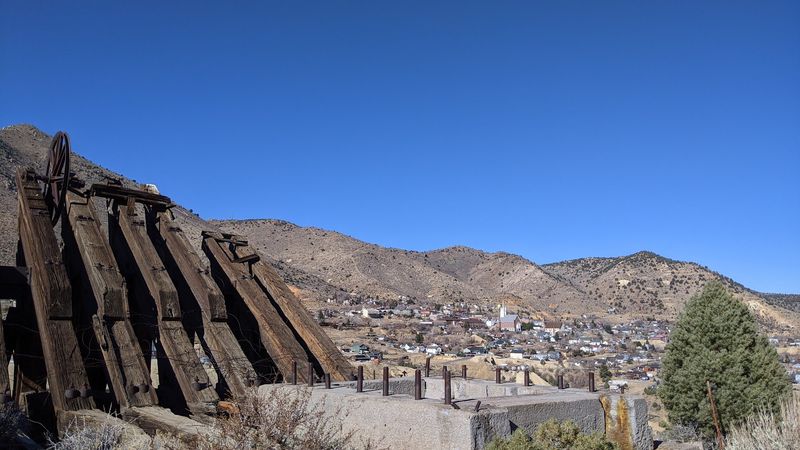
Virginia City exists because of silver mining, and that origin continues to influence everything about the town. The streets follow paths that were laid out to serve the mines, and many buildings were constructed specifically to house mining operations, equipment suppliers, or workers.
Even though the major mining ended decades ago, the physical landscape still shows evidence of the industry that created this place.
The hillsides around town are dotted with old mining structures, tailings piles, and the remains of processing facilities. Some mines offer tours, while others remain closed but visible from the roads.
The ground beneath Virginia City is honeycombed with tunnels, and occasional subsidence reminds residents that the mining era left permanent changes to the geology.
Local businesses embrace the mining heritage without turning it into a cartoon version of history. Saloons display photographs of miners, restaurants name dishes after famous claims, and shops sell books about the Comstock era.
The town treats its mining past as something serious and worth understanding, not just as a theme for entertainment.
The Virginia And Truckee Railroad Adds A Classic Weekend Activity
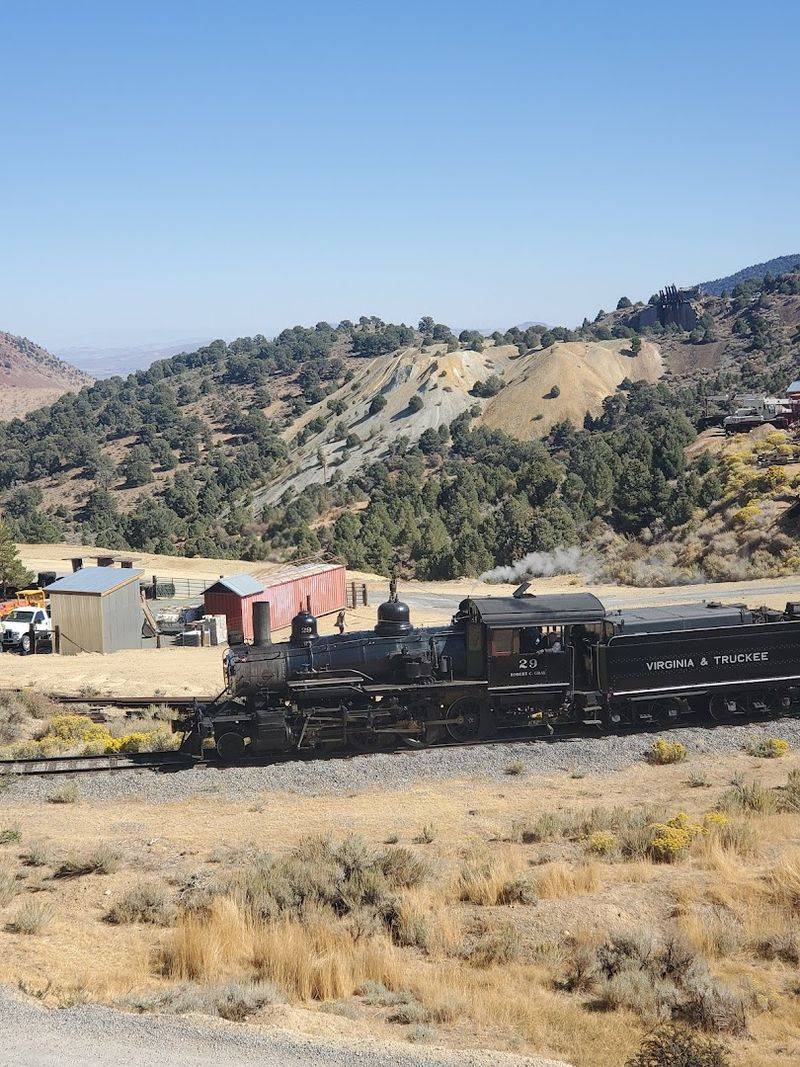
The Virginia and Truckee Railroad once connected Virginia City to the outside world, hauling ore down the mountain and bringing supplies back up. The original line stopped running in the 1930s, but a restored section now operates as a heritage railroad that takes passengers on scenic trips through the surrounding hills.
The vintage coaches and locomotives provide an authentic experience of 19th-century rail travel.
The train departs from Virginia City and travels through Gold Hill and Silver City, offering views of the valley below and the mountains beyond. The route passes old mining sites and follows curves that engineers carved into the hillside more than a century ago.
The ride takes about an hour, and the conductors share stories about the railroad’s history and importance to the region.
Riding the train adds variety to a weekend visit without requiring much planning. The schedule runs regularly during the tourist season, and tickets can be purchased at the depot.
Families appreciate the novelty, and history enthusiasts value the chance to experience transportation technology from the mining era.
The Mountain Setting Gives The Town Big Nevada Views
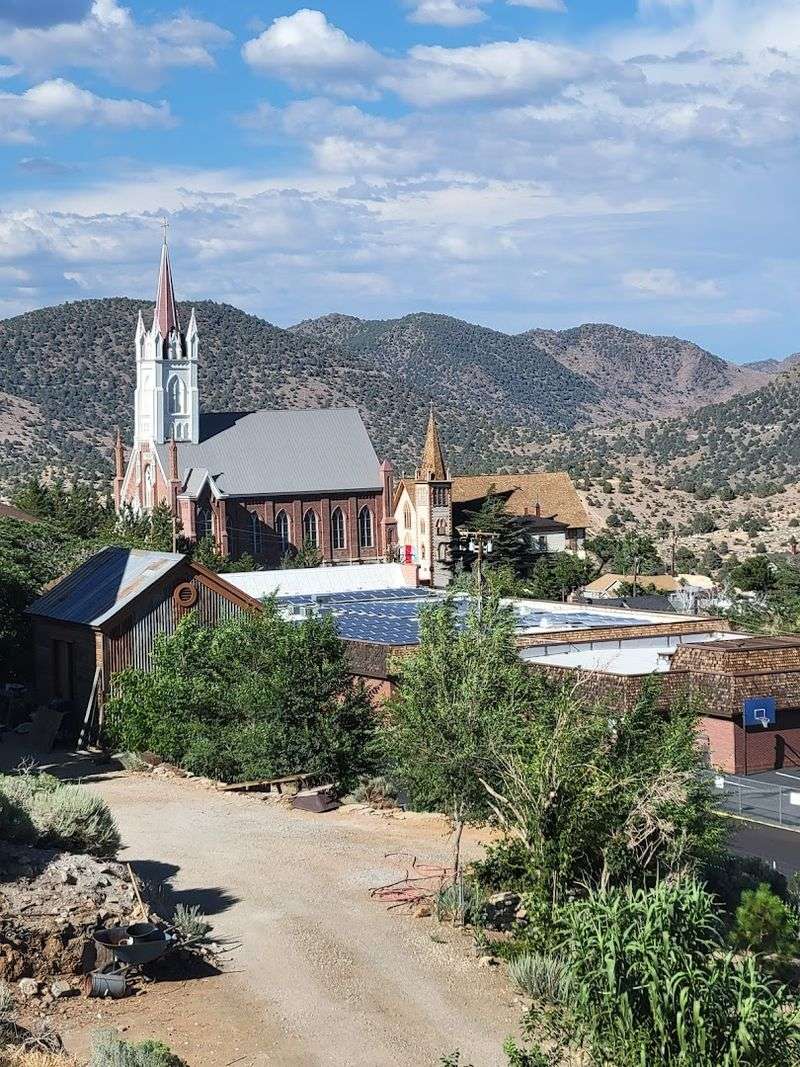
Virginia City sits at an elevation above 6,000 feet on the eastern slope of the Virginia Range. From various points around town, you can see across the valleys below to mountain ranges miles away.
The views stretch east toward the Carson Range and north toward Reno, and on clear days the visibility extends for dozens of miles across the high desert landscape.
The elevation creates a climate noticeably cooler than the valleys below, which makes Virginia City a pleasant escape during summer when Reno and Carson City become uncomfortably hot. Winter brings snow to the streets, and the town takes on a different character when the Victorian buildings wear a layer of white.
Spring and fall offer the most comfortable temperatures for walking around and exploring.
The mountain setting also provides good light for photography, especially in the early morning and late afternoon when the sun illuminates the buildings and creates long shadows across the streets. The high desert air is exceptionally clear, and the lack of urban light pollution makes Virginia City a decent spot for stargazing after dark.
It Is Close Enough To Reno And Carson City For An Easy Getaway
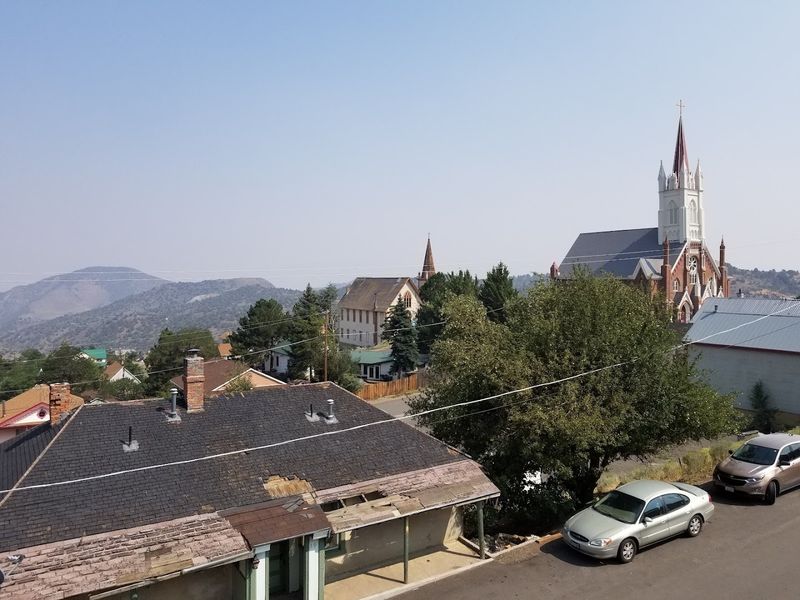
Virginia City sits just 25 miles southeast of Reno and about 15 miles north of Carson City, making it an easy destination for a day trip or weekend escape from either city. The drive from Reno takes roughly 45 minutes along Highway 341, a winding mountain road that climbs steadily from the valley floor.
From Carson City, the route is shorter but equally scenic, passing through the hills that separate the capital from the mining district.
The proximity to larger cities means you can enjoy Virginia City’s historic atmosphere without committing to a remote wilderness experience. If you need modern amenities or services not available in a small mountain town, Reno and Carson City are close enough to reach quickly.
This convenience makes Virginia City practical for people who want a taste of history without extensive travel planning.
Several lodging options exist in Virginia City itself, including historic hotels that add to the period experience. The town also offers enough restaurants and shops to support a weekend stay without requiring trips down the mountain for meals or supplies.