
This Underrated Idaho Mountain Town Combines Affordability With Breathtaking Views
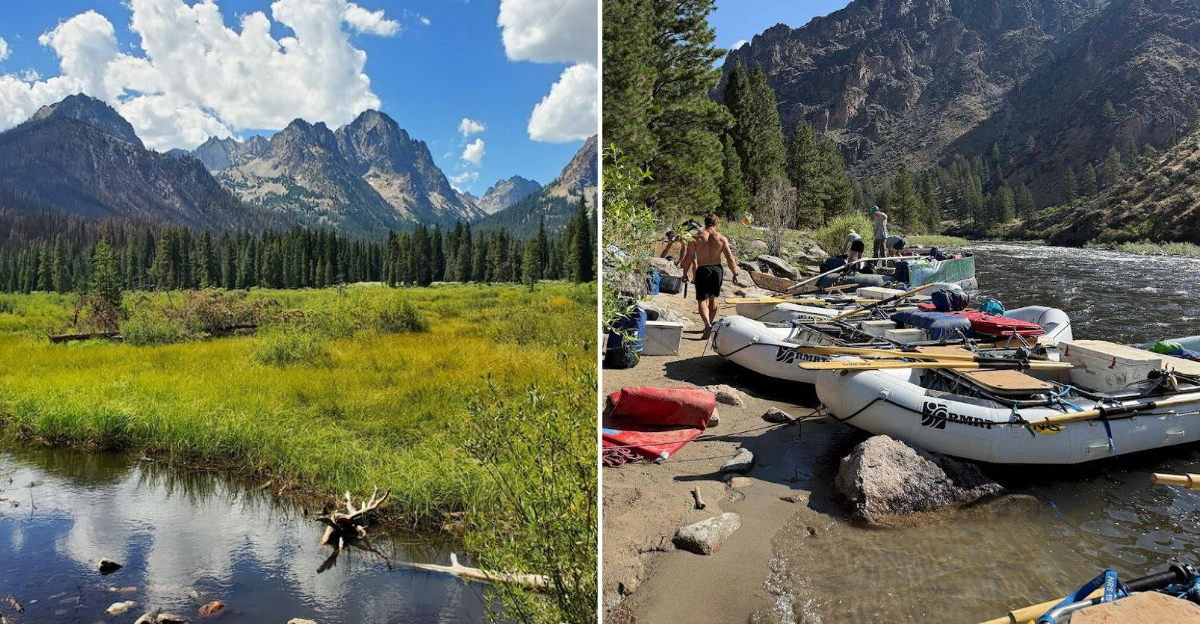
Breathtaking views usually come with a breathtaking price tag. This Idaho mountain town never got that message and has been offering both for less than most people spend on a weekend in the city.
And somehow it is still underrated. Most mountain towns follow the same arc.
Someone discovers them, writes about them, and within a few years the prices climb, the crowds arrive, and the thing that made them special disappears entirely. This one never went through that arc.
The views here are the kind that stop you mid-sentence. Peaks that sit so close they feel like they belong to you personally.
Trails that empty out fast enough that you can actually hear the quiet. And a cost of living that makes you pull out a calculator just to make sure you are reading it right.
People who live here do not talk about it too loudly. Hard to blame them.
Affordable Lodging Options Near Pristine Mountain Landscapes
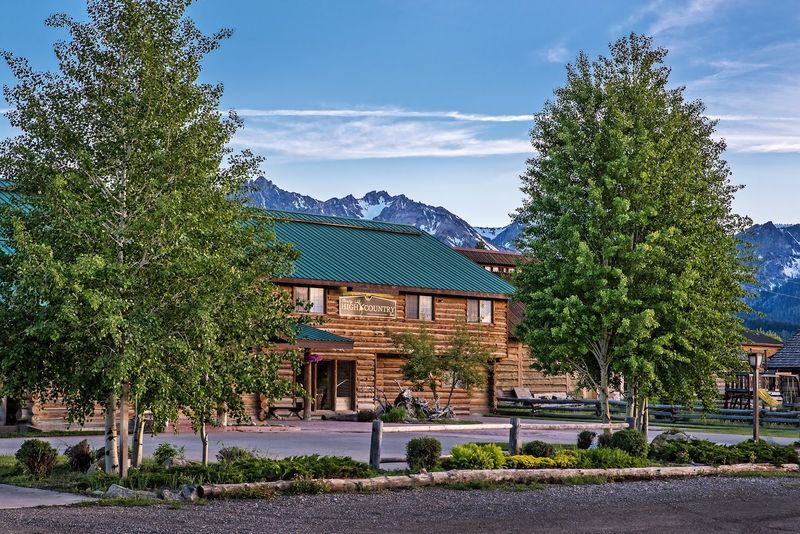
Finding affordable lodging near dramatic mountain scenery sounds like a fantasy, but Stanley makes it real. Cabin rentals and small motels here cost far less than similar spots in popular mountain towns.
You get jaw-dropping Sawtooth Mountain views without paying a resort-town premium.
Campgrounds near Redfish Lake and Stanley Lake offer budget-friendly overnight options. Sites fill up in summer, so booking early is smart.
Primitive camping on National Forest land is also available for free with minimal restrictions.
Lower Stanley, the older part of town, has rental properties that remain very reasonable compared to what you would pay near Yellowstone or Sun Valley. Small inns and guesthouses in the area lean into the rustic charm without unnecessarily inflating prices.
Staying close to the Salmon River headwaters means waking up to sounds most people pay big money to hear. The Sawtooth National Recreation Area surrounds much of Stanley, so nature is literally your backyard.
You do not need to drive far to feel completely removed from everyday life.
Stanley, Idaho, sits at the heart of this affordable mountain experience. Plan your stay around shoulder seasons like May or September for even lower rates and fewer visitors sharing the trails.
Activities To Connect With Nature Without Breaking The Bank
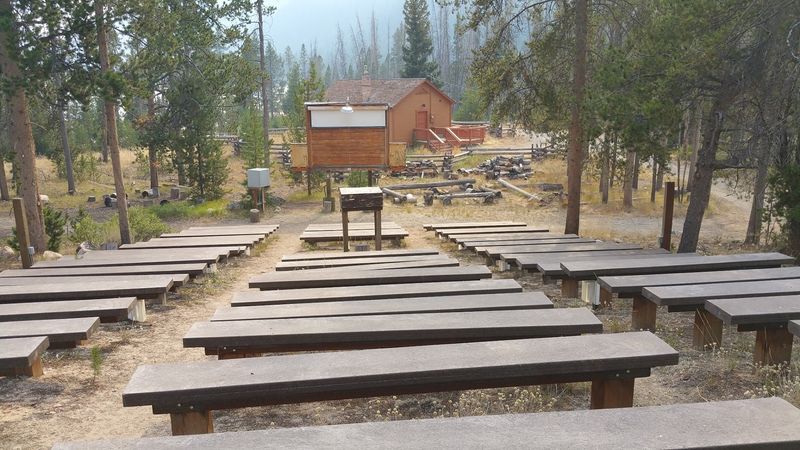
Stanley is basically a free outdoor playground with a few paid upgrades available if you want them. The Salmon River runs right through town, and fishing licenses are the main cost to worry about.
After that, the river is yours to wade, float, or photograph all day long.
Hiking trails inside the Sawtooth National Recreation Area cover hundreds of miles of terrain. Trail access is free, and the scenery rivals anything you would find in a national park.
Pack your own lunch and a water filter, and a full day out costs almost nothing.
Redfish Lake is a popular spot for kayaking, paddleboarding, and swimming. Boat rentals are available at reasonable rates during the summer months.
The lake sits at about 6,550 feet in elevation, so the water stays refreshingly cold even in July.
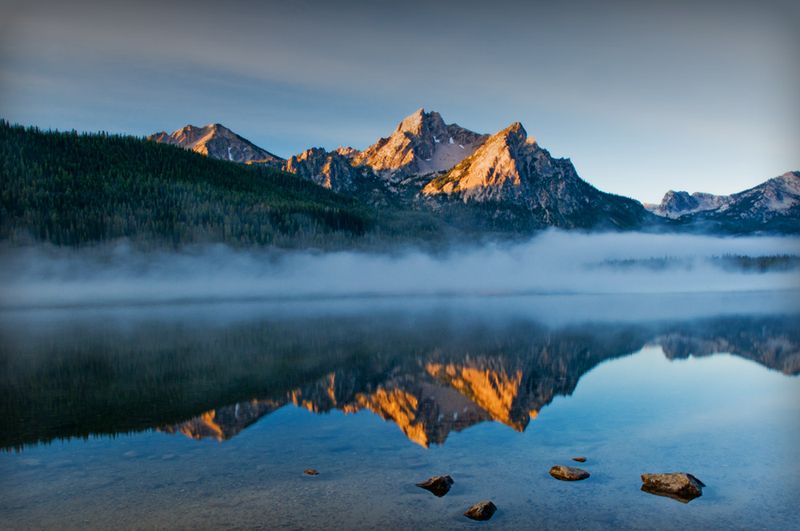
Stanley Lake offers a quieter alternative with equally stunning views of McGowen Peak. Early morning visits reward you with mirror-like reflections on the water.
Wildlife sightings, including osprey and deer, are common before crowds arrive.
Stargazing here is completely free and genuinely extraordinary. Stanley has minimal light pollution, making it one of Idaho’s best spots for seeing the night sky.
Bring a blanket, lie flat on the ground, and prepare to feel very small in the best possible way.
Panoramic Viewpoints Offering Unmatched Mountain Perspectives
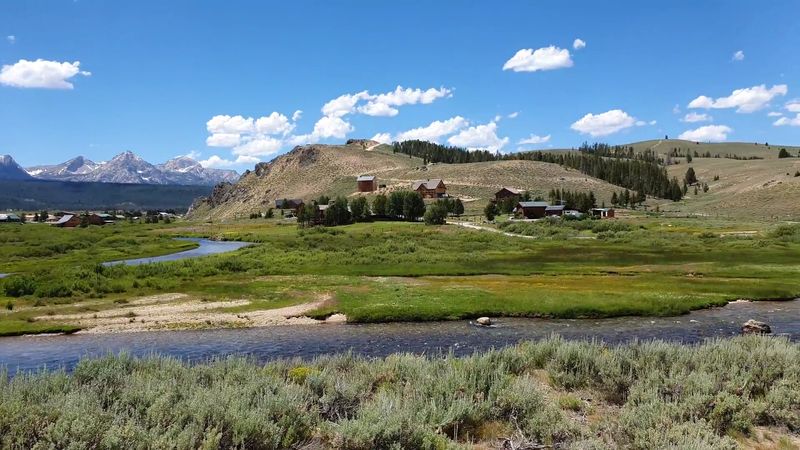
Few places in the American West deliver panoramic mountain views as easily as the area around Stanley. You do not need to hike for hours to reach something spectacular.
The views start the moment you roll into the Sawtooth Valley.
Galena Overlook on Highway 75 sits at 8,701 feet above sea level. It holds the title of the highest highway summit in the Northwestern United States.
Pulling over here takes two minutes, and the sweeping view of the entire Sawtooth Valley is genuinely hard to process.
From the overlook, rows of jagged peaks stretch across the horizon in both directions. The valley floor below shows the winding path of the Salmon River.
On clear days, the visibility feels almost unfair in how beautiful it is.
Stanley Lake Campground offers another angle worth seeing. McGowen Peak rises sharply above the water and creates one of Idaho’s most photographed mountain scenes.
Morning light on the peak turns the whole landscape golden in a way that feels cinematic.
Redfish Lake also frames the Sawtooth Mountains in a way that stops people mid-sentence. The combination of alpine water and jagged granite is simply hard to beat.
Scenic byways, including the Sawtooth, Salmon River, and Ponderosa Pine routes, connect these viewpoints into one unforgettable road trip through central Idaho.
Local Wildlife And Flora Unique To The Idaho Mountain Region
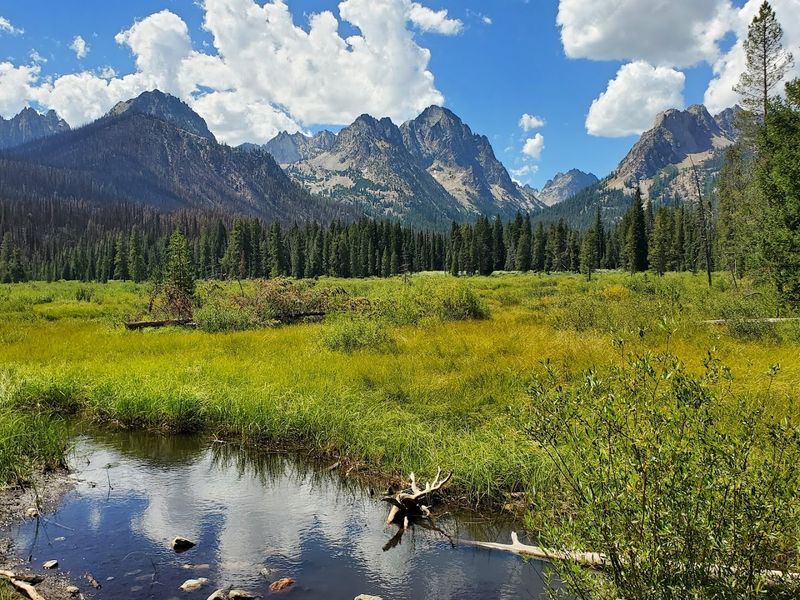
Wildlife around Stanley is not background scenery. It is front-and-center, sometimes literally standing in the road.
Elk, mule deer, and pronghorn are regular sights in the meadows surrounding the Sawtooth Valley. Moose sightings near marshy areas along the Salmon River happen more often than you might expect.
Black bears roam the forests throughout the region. Proper food storage at campsites is required and genuinely necessary here.
The bear activity is a reminder that this is real wilderness, not a theme park version of nature.
Raptors are everywhere. Ospreys hunt the river and lakes with impressive precision.
Bald eagles, red-tailed hawks, and peregrine falcons all pass through or nest in the area depending on the season.
Wildflowers explode across alpine meadows from late June through August. Lupine, Indian paintbrush, and arrowleaf balsamroot create carpets of color below the peaks.
The contrast between the purple and orange flowers and the grey granite is visually striking in person.
Sockeye salmon historically used the Salmon River to complete one of the longest freshwater migrations in North America. Conservation efforts aim to restore those runs.
The river ecosystem supports a wide range of species, making it a fascinating place for anyone interested in natural history and watershed ecology.
Seasonal Outdoor Sports Suitable For Every Skill Level
Stanley delivers year-round outdoor sports without requiring expert skills or expensive gear. Summer brings whitewater rafting on the Salmon River, with sections ranging from calm floats to Class IV rapids.
Guided trips are available for beginners, and experienced paddlers can run more challenging stretches independently.
Mountain biking trails wind through the Sawtooth National Recreation Area at various difficulty levels. Casual riders enjoy the valley floor routes with minimal elevation gain.
More experienced cyclists can tackle steep singletrack that climbs into the surrounding peaks.
Fall transforms the landscape into a patchwork of gold and orange aspen. Hunting season draws visitors from across the West during this period.
Hiking remains excellent well into October before snow arrives at higher elevations.
Winter quiets things down considerably in Stanley. Cross-country skiing and snowshoeing become the primary activities.
The Galena Lodge, located south of Stanley near the Galena Summit, maintains groomed Nordic ski trails during the winter season.
Snowmobiling is popular on groomed trails throughout Custer County. Ice fishing on frozen lakes offers a slower-paced winter option.
Spring runoff season in May and early June creates some of the most exciting whitewater conditions of the entire year, drawing rafters and kayakers from across the Pacific Northwest to the Salmon River corridor.
History And Culture Behind Remote Mountain Towns
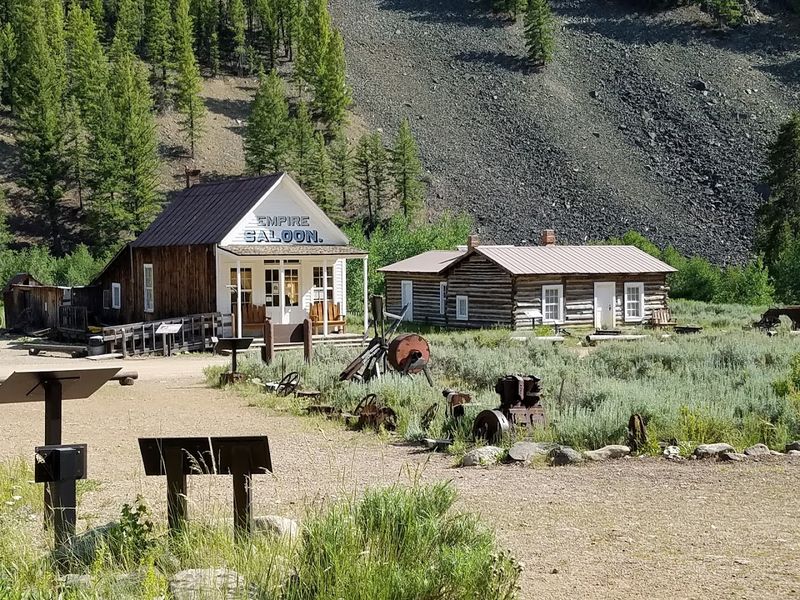
Stanley has a past that reads like a Western novel. The area was originally inhabited by the Shoshone-Bannock and Lemhi Shoshone peoples for thousands of years before European exploration arrived.
The Salmon River corridor served as a travel and trade route long before any roads existed.
Prospectors flooded the region during the late 1800s Idaho gold rush. Mining camps dotted the surrounding mountains, and the town of Stanley slowly formed around the activity.
The remnants of that era still show up in old mining scars visible on certain hillsides.
The town was officially incorporated in the early twentieth century. It has always been small, but its location made it a supply hub for ranchers, miners, and hunters working the surrounding wilderness.
The character of the town reflects that utilitarian frontier history.
With only 116 residents recorded in the 2020 census, Stanley holds the distinction of being one of the smallest incorporated towns in Idaho. That tiny population creates a community where everyone genuinely knows everyone.
Local events and gatherings carry real meaning in a place this size.
The Idaho Center for the Arts and various local preservation efforts work to document and celebrate the region’s heritage. The Sawtooth Valley and its surrounding communities represent a slice of Mountain West history that has remained largely intact and free from overdevelopment.
Tips For Budget Friendly Dining In Scenic Mountain Settings
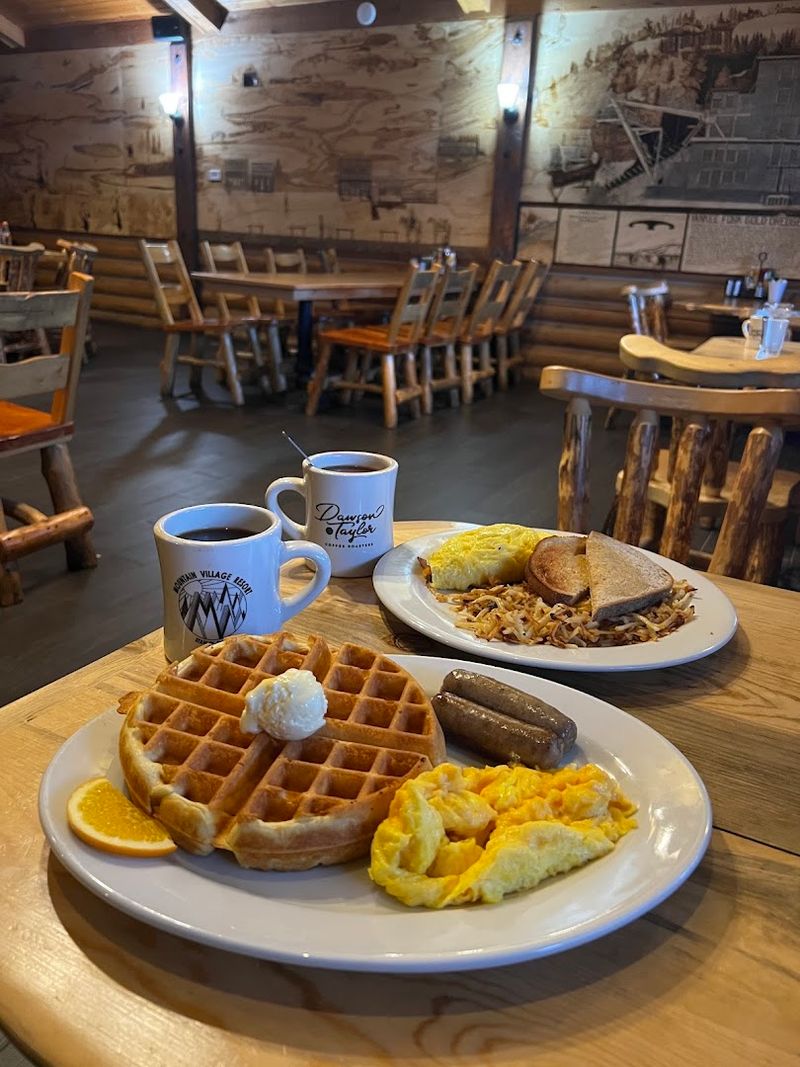
Dining in Stanley leans heavily toward casual, no-frills spots that serve hearty food for people who have been outside all day. The restaurant options are limited by the town’s size, but what exists delivers solid value.
Expect burgers, sandwiches, and classic American comfort food as the menu staples.
Grocery options in town are limited, so stocking up before you arrive saves significant money. Bringing a cooler loaded with groceries from Ketchum or Twin Falls is standard practice for budget-conscious visitors.
Food expenses in Stanley reportedly run about 36 percent below the national average, which works in your favor if you cook your own meals.
Campfire cooking is part of the Stanley experience. Many campgrounds allow fires during non-restriction periods.
A simple camp dinner eaten while watching the sun drop behind the Sawtooth peaks is honestly hard to beat for atmosphere.
Local diners and cafes near the main highway serve breakfast and lunch at reasonable prices. Portions tend to be generous in the mountain-town tradition.
Showing up early for breakfast before peak summer crowds helps you avoid wait times at the few spots that exist.
Picnic areas near Redfish Lake and along the Salmon River provide perfect free dining settings. Pack your own food, find a picnic table with a mountain view, and you have a meal that costs almost nothing but delivers maximum scenery per dollar spent.
Guided Tours And Self-Exploration Routes To Maximize Experience
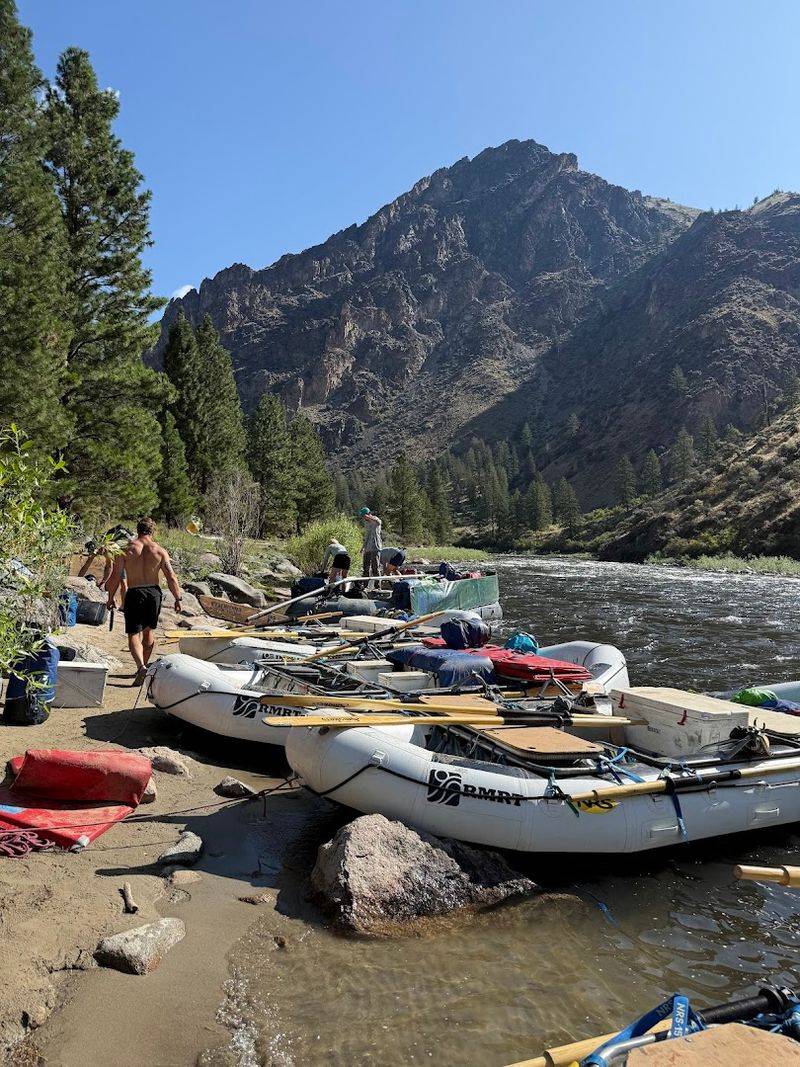
Getting the most out of Stanley means knowing which routes and experiences match your interests and fitness level. Guided fly fishing tours on the Salmon River are one of the most popular structured options.
Local outfitters know the best holes and hatches, which dramatically improves the experience for beginners and seasoned anglers alike.
Guided whitewater rafting trips cover multiple sections of the Salmon River. The Main Salmon corridor, accessible from Stanley, is one of the longest free-flowing rivers in the lower 48 states.
Multi-day float trips through the Frank Church River of No Return Wilderness are available for those wanting a full immersion experience.
Self-guided scenic byway drives are free and require nothing but a full tank of gas. The Sawtooth Scenic Byway runs along Highway 75 and connects Stanley to Ketchum through stunning mountain terrain.
The Salmon River Scenic Byway heads north from Stanley and follows the river through increasingly dramatic canyon landscapes.
Trail maps for the Sawtooth National Recreation Area are available at the Stanley Ranger Station at no charge. Staff there provide current trail conditions and recommend routes based on your skill level.
The ranger station is genuinely helpful and worth a stop before heading out.
Photography-focused self-exploration around Redfish Lake and Stanley Lake rewards patience. Early mornings and golden hour evenings produce the most striking light on the peaks.
No guide needed for that, just good timing and a charged camera battery.