
This Tiny Town In Washington Has A Seafood Spot Locals Cannot Stop Visiting
Most small towns have a place everyone ends up on Friday night. In this tiny Washington town, that place happens to serve seafood so good that people have stopped bothering to look anywhere else.
Washington has no shortage of serious seafood. The state sits on some of the most productive coastal waters in the country, with Dungeness crab, wild salmon, and fresh oysters that chefs across the country would trade a lot to have access to.
This town uses all of it. The menu reads like someone just asked the ocean what was good today and built around the answer.
Nothing overly complicated. Nothing trying too hard.
Just fresh seafood prepared by people who know what they are doing. Locals do not come here because it is the only option.
They come because after trying everything else, this is still the place they end up. One visit makes it very easy to understand why.
Signature Seafood Dishes To Try
The menu at The Oyster Bar reads like a love letter to the Pacific Northwest coast. Baked Oysters are among the most talked-about plates.
They arrive golden, fragrant, and ready to impress even first-timers.
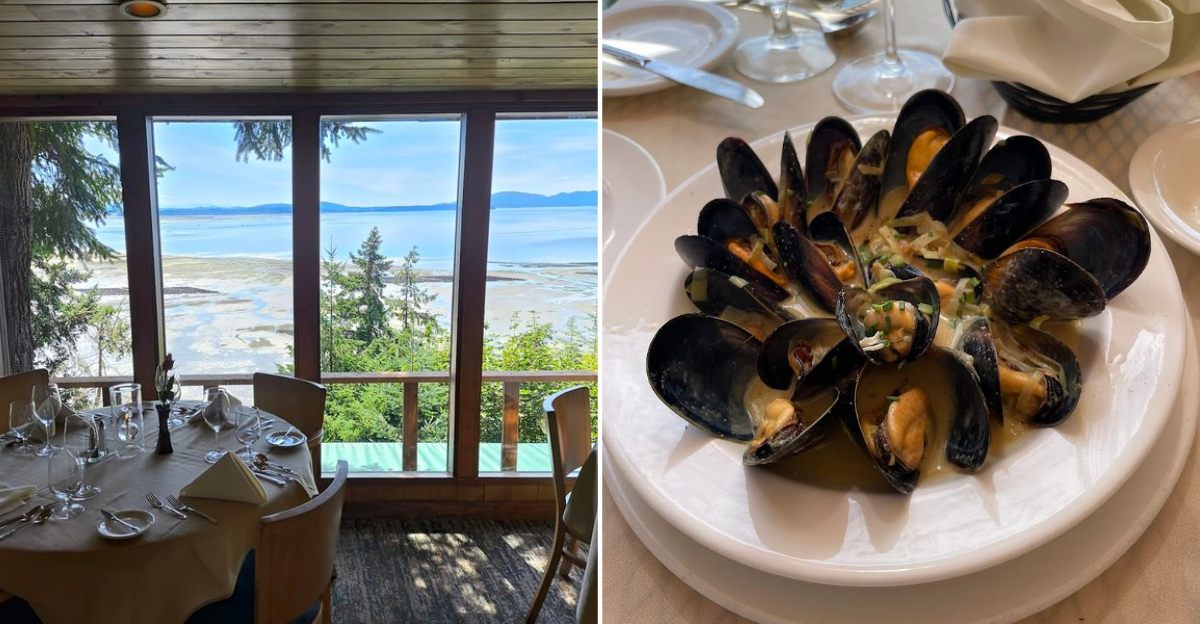
Steamed Mussels show up glossy and plump, sitting in a broth that begs for bread. Crab Cakes are another crowd favorite, crispy on the outside and packed with real crab inside.
Each dish feels like it was built around the ingredient, not the other way around.
The smoked salmon napoleon appetizer has its own fan club. It layers flavors in a way that feels both fancy and approachable.
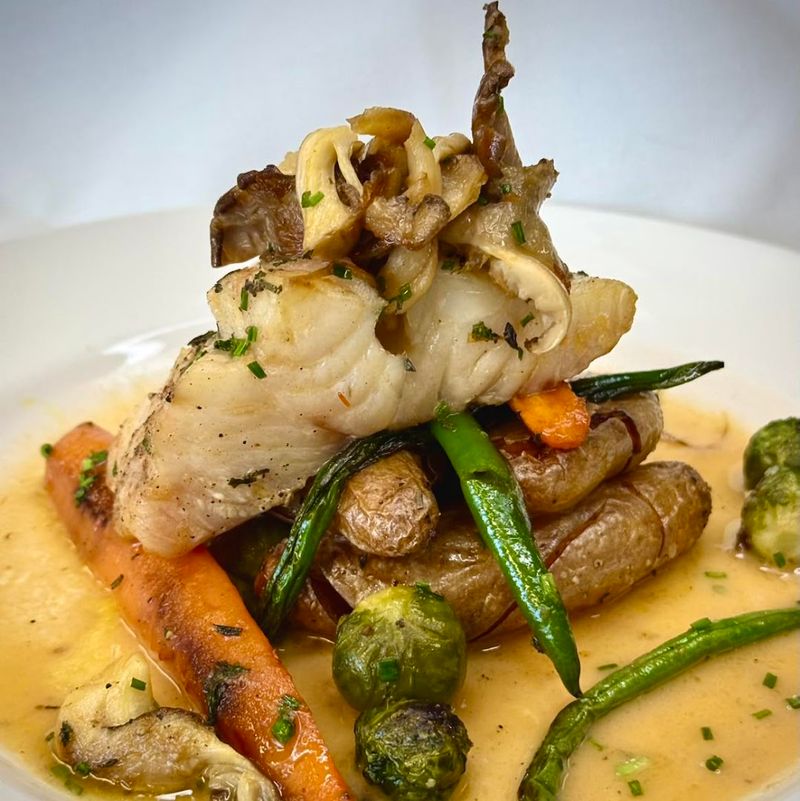
Lingcod appears on the menu too, lightly seasoned to let the freshness of the fish do the talking.
Wild boar specials and local nettle gnocchi show up from time to time, proving this kitchen has range. Nothing here feels ordinary or rushed.
Every plate carries a sense of care that you notice from the first bite.
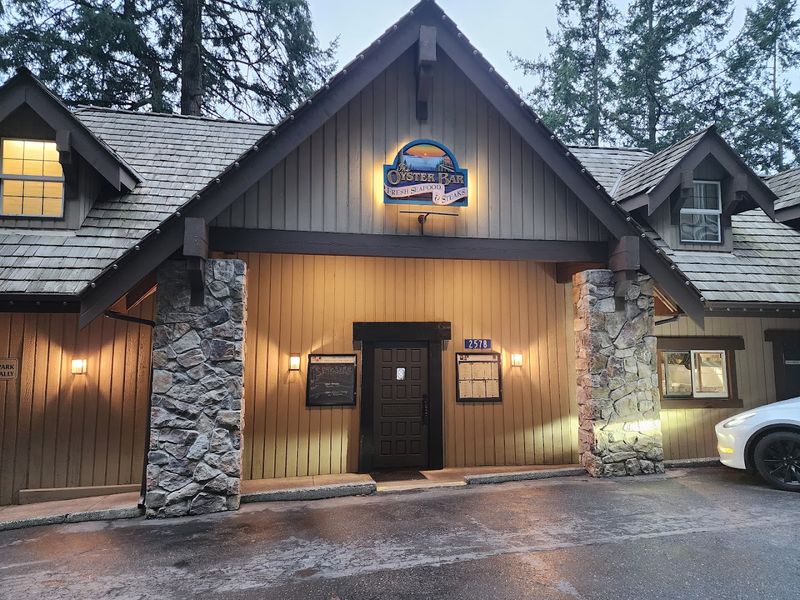
The restaurant is located at 2578 Chuckanut Dr, Bow, WA 98232. Reservations are highly recommended before making the trip out.
Sourcing Local Fresh Ingredients
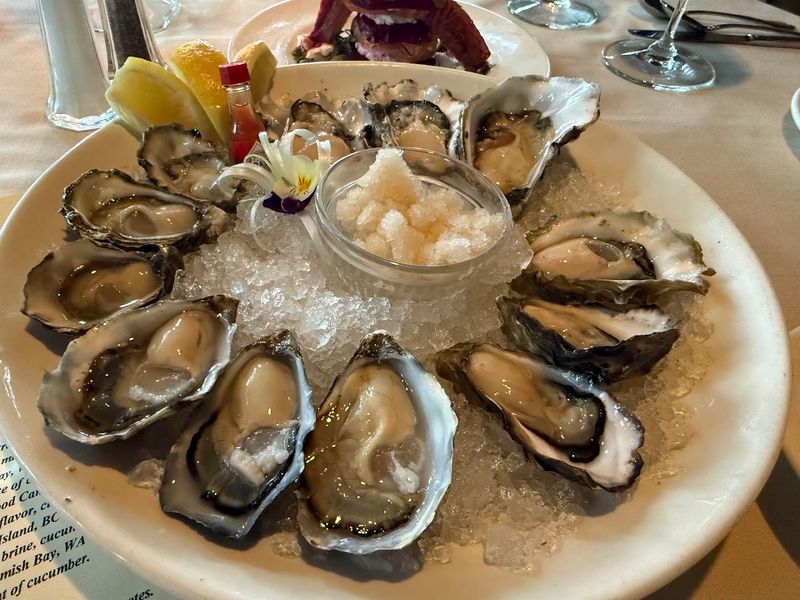
The Oyster Bar takes local sourcing seriously, and you can taste the difference. Some oysters come directly from Samish Bay, which sits right outside the restaurant windows.
That kind of proximity between ocean and plate is rare.
The menu leans on Northwest-grown produce and regionally caught seafood throughout the seasons. Chanterelle mushrooms, local nettles, and fresh herbs show up in dishes with purpose.
These are not decorative ingredients. They carry the flavor.
Washington State has a rich agricultural and coastal bounty that restaurants often overlook. This one does not.
The kitchen builds its menu around what is actually available and fresh nearby. That approach keeps the food honest and the flavors sharp.
Butternut squash soup made with local chanterelles has earned its own reputation on the menu. It balances earthy sweetness with a silky texture.
Paired alongside briny oysters, the contrast works beautifully.
Sourcing locally also means supporting the fishing communities and farms that make Skagit County one of Washington’s most productive regions. Every dish ordered here connects to a real place nearby.
That story makes the meal more meaningful, even if you never think about it consciously while eating.
Variety Of Shellfish Offerings
Few restaurants in Washington can match the shellfish selection found at The Oyster Bar. On any given day, up to six different oyster varieties might be available on the raw bar.
Each one tastes noticeably different from the last.
Swinomish Petites bring a sweet, delicate flavor that surprises people expecting bold brine. Kumamoto oysters are small, creamy, and have a mild finish.
Totten Inlet, Miyagi, Shigoku, and Buckley Bay varieties round out a lineup that could easily become a full education in oyster flavor profiles.
Some oysters are briny with a strong sea flavor. Others are buttery and smooth.
Trying several in one sitting is the best way to understand how much variety exists within a single species.
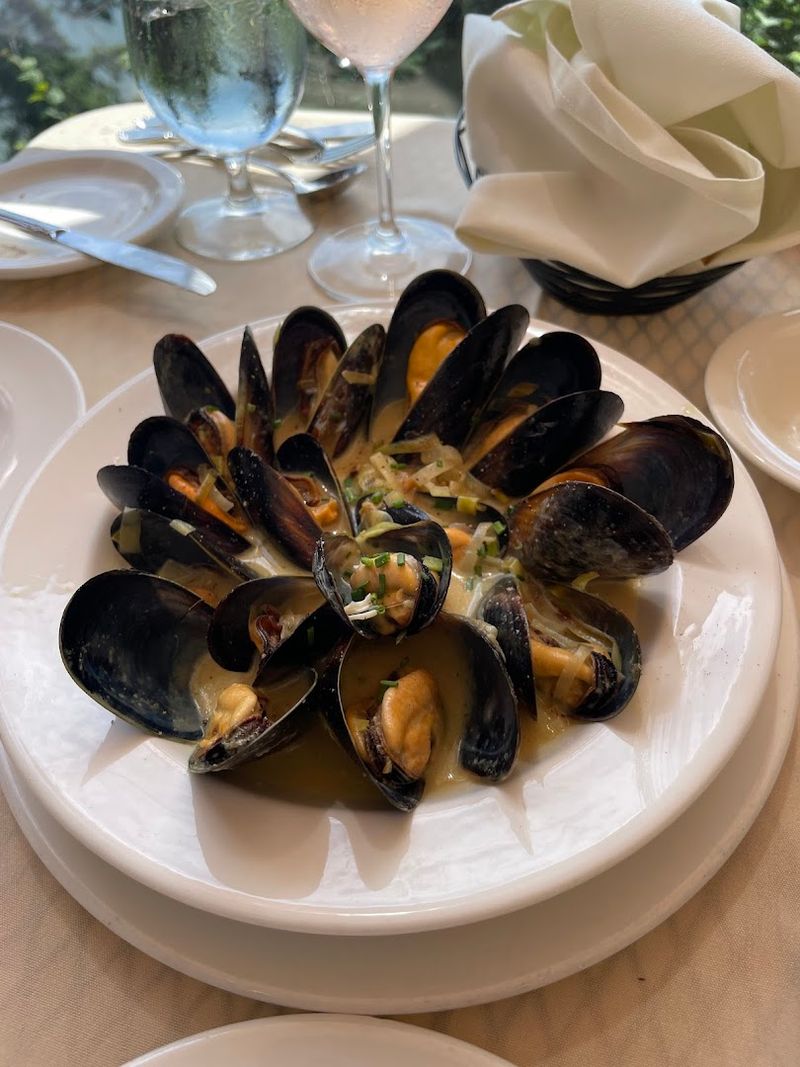
Mussels also appear on the menu, steamed and served in a savory broth. They are plump, tender, and consistent.
Scallops have drawn praise from diners who ordered them as an entree option.
The shellfish program here reflects the restaurant’s deep connection to the waters surrounding Bow, WA. Samish Bay is one of the most productive shellfish regions on the West Coast.
Having access to that bay, essentially next door, gives this kitchen a serious advantage over most seafood restaurants in the state.
Seafood Preparation Techniques
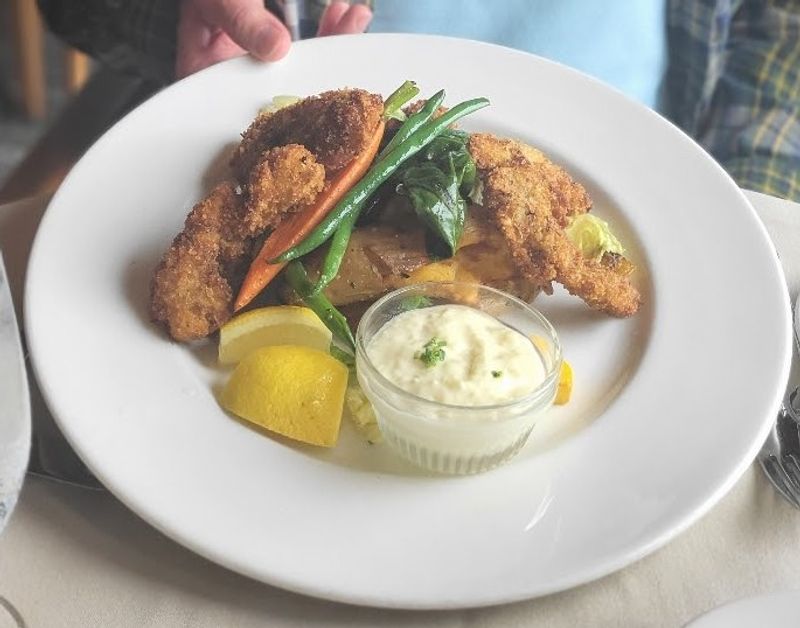
Preparation at The Oyster Bar respects the ingredient above everything else. Lingcod gets only light seasoning because the kitchen trusts the fish to carry the flavor on its own.
That restraint takes confidence and skill.
Oysters are served raw, baked, or grilled with garlic and butter, depending on the order. Each method highlights a different quality of the shellfish.
Baking brings out richness. Grilling adds a smoky edge.
Raw keeps everything clean and oceanic.
House-smoked salmon shows up in appetizers and sandwiches. Smoking salmon is a Pacific Northwest tradition that dates back centuries.
Getting it right requires patience and an understanding of how smoke interacts with fat and moisture in the fish.
The gnocchi served here has been described as nostalgic and precise. Making good gnocchi is harder than it looks.
Getting the texture right requires a light hand and consistent practice. The kitchen clearly has both.
Duck breast and steak with lobster have also appeared on the menu, showing that the culinary range extends well beyond shellfish. Each protein gets prepared with the same attention to doneness and seasoning.
Nothing overcooked. Nothing underseasoned.
The technique throughout the kitchen reflects years of consistent, focused cooking that shows up on every single plate.
Seasonal Catch And Specials
The menu at The Oyster Bar shifts with the seasons, which keeps things interesting for repeat visitors. Wild boar specials and salmon gravlax have appeared as limited offerings that disappear when the season ends.
That scarcity makes ordering them feel like good timing.
Washington King Salmon earns strong praise when it shows up in season. It has a richness that farmed salmon simply cannot replicate.
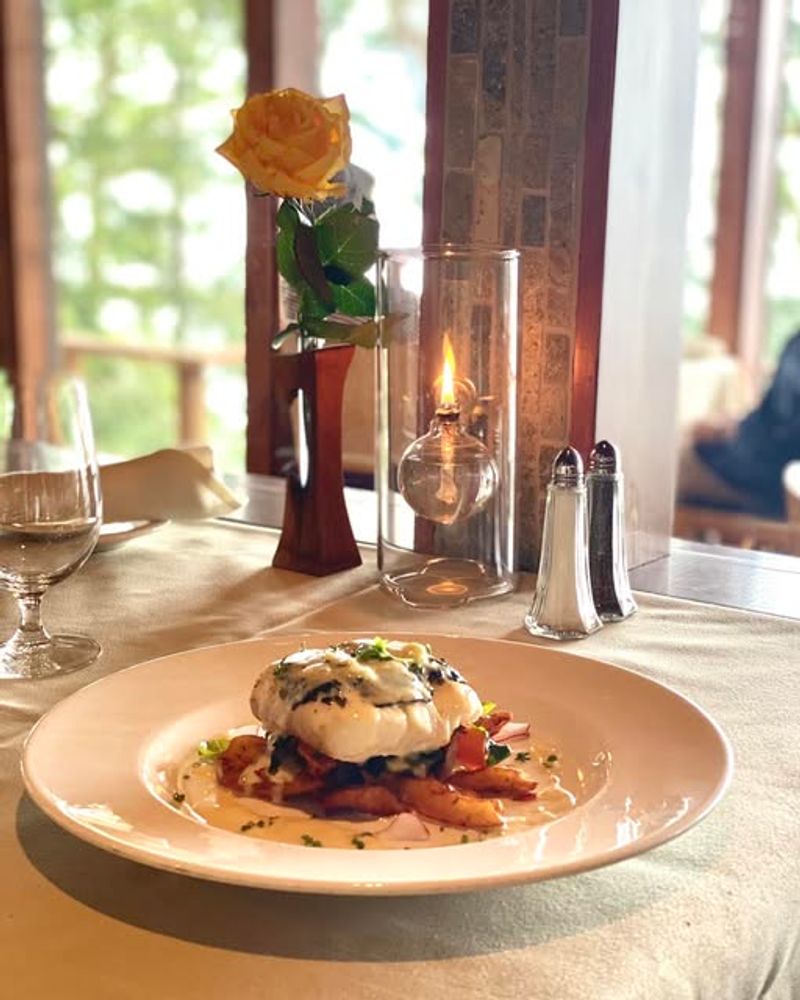
Halibut also cycles through the menu and has been ordered by many diners as a reliable seasonal choice.
Chanterelle mushrooms arrive in fall and get folded into soups and sides that taste unmistakably autumnal. The butternut squash soup is a seasonal standby that pairs naturally with the briny shellfish offerings.
It shows how a kitchen can use land-grown ingredients to balance ocean flavors on the same table.
Specials are not just filler here. They reflect what is genuinely fresh and available that week.
The kitchen uses them to showcase ingredients at peak quality rather than stretch the standard menu further.
Checking the current menu before visiting is a smart move. Seasonal items rotate without much announcement.
Showing up ready to order whatever is fresh that day usually leads to the most satisfying meal. Flexibility is rewarded here consistently.
Health Benefits Of Eating Seafood
Seafood is one of the most nutrient-dense foods available, and eating it regularly comes with real health advantages. Oysters alone are packed with zinc, iron, and vitamin B12.
A single serving can cover a significant portion of daily nutritional needs.
Salmon is rich in omega-3 fatty acids, which support heart health and brain function. Wild-caught salmon, like the Washington King Salmon served seasonally at The Oyster Bar, tends to have higher omega-3 levels than farmed varieties.
That difference matters nutritionally.
Mussels and clams are high in protein and low in fat. They also contain selenium and manganese, minerals that support immune function and metabolism.
Shellfish in general tend to be lower in calories than red meat while delivering comparable protein content.
Halibut is a lean white fish that provides high-quality protein without excess saturated fat. It also contains magnesium and potassium, which support muscle and nerve function.
Eating white fish regularly is associated with lower risks of cardiovascular issues.
Eating seafood two or more times per week aligns with dietary guidelines from major health organizations. A meal at The Oyster Bar is not just a treat.
It is also a genuinely healthy choice. Enjoying food that tastes this good while also being good for you is a pretty solid deal.
Family Friendly Dining Environment
The Oyster Bar has a specific policy worth knowing before planning a visit with young children. The restaurant does not seat parties with children under 9 years of age unless the downstairs dining room is unoccupied.
This is not unusual for upscale dining spots aiming to maintain a calm atmosphere.
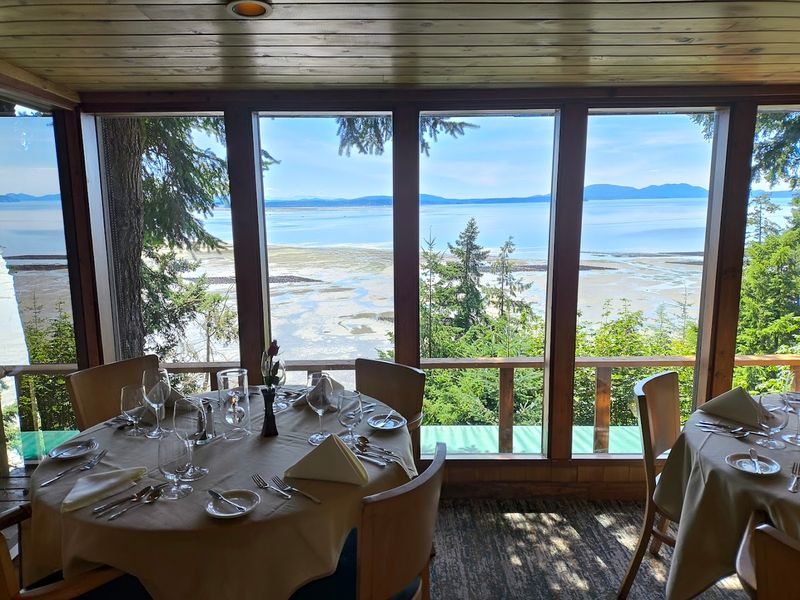
For families with older kids, the experience can be genuinely memorable. The multi-tiered dining rooms are designed so nearly every seat has a water view.
Watching the light shift over Samish Bay during a meal gives kids something to talk about long after dessert.
The outdoor patio area works well for a more relaxed setting. One visitor even noted it is suitable for travelers with pets, which adds a layer of flexibility for families on road trips along Chuckanut Drive.
Staff have been described as knowledgeable and patient, willing to walk first-time oyster eaters through what to expect. That kind of guidance makes the experience less intimidating for younger diners trying shellfish for the first time.
The restaurant has a cozy, lodge-style interior with a stone fireplace and floor-to-ceiling windows. It feels welcoming without being loud or chaotic.
For families who enjoy a sit-down meal with real conversation and a view, this place delivers on that promise consistently.
Sustainable Seafood Practices

The Oyster Bar has been operating since the 1920s, starting as the Rockpoint Oyster Company. That long history means the restaurant has deep roots in the local shellfish ecosystem.
Surviving that long in one place requires understanding how to work with the environment, not against it.
Sourcing oysters directly from Samish Bay supports local shellfish farmers who have a direct stake in keeping those waters clean and productive. Oysters are natural water filters.
A single oyster can filter up to 50 gallons of water per day. Supporting oyster farming is genuinely good for coastal ecosystems.
The seasonally inspired menu reflects a philosophy of using what is available rather than importing ingredients year-round from distant sources. That approach reduces the carbon footprint of each plate.
It also keeps the menu connected to what Pacific Northwest waters and farms actually produce.
Choosing restaurants that prioritize local sourcing sends a signal to the broader food industry. Every dollar spent on locally caught seafood supports fishing families and sustainable harvesting practices in the region.
The economic loop stays local and benefits the community directly.
The Oyster Bar represents what sustainable coastal dining can look like when it is done with care and consistency over decades.
The history, the sourcing, and the seasonal menu all point toward a restaurant that takes its relationship with the land and sea seriously.