
10 Nevada Adventures That Prove A Great Day Out Can Still Cost Less Than $20
A great day out does not have to come with a painful price tag. Beyond the casino lights and big-ticket shows, Nevada has desert art stops, dramatic canyons, quiet trails, strange roadside sights, and wide-open views that feel far more expensive than they are.
You can spend the day chasing colourful landscapes, walking through history, or finding places that make the desert feel completely unexpected, all without planning a pricey getaway. That is what makes the state so fun to explore.
A memorable adventure here does not always need a fancy resort, a show ticket, or a packed wallet. Sometimes, a little curiosity and a low entrance fee are more than enough.
1. Ethel M Chocolates Cactus Garden (Henderson)
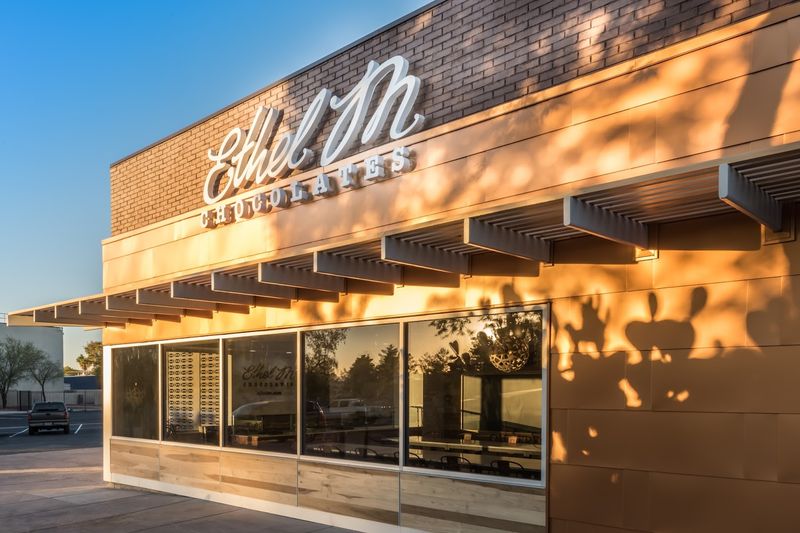
Walking through three acres of desert botanical beauty while chocolate aromas drift through the air sounds too good to be true. This living museum showcases over 300 cactus species from around the world, all thriving in the Nevada sun.
Winding pathways lead you past towering saguaros, prickly pears, and rare specimens you won’t see anywhere else.
The garden is completely free to explore, and you can tour the adjacent chocolate factory for no charge either. Self-guided tours let you peek into the candy-making process through viewing windows.
During December, thousands of holiday lights transform the garden into a glowing wonderland.
Informational plaques along the paths teach you about desert plant adaptations and survival strategies. Spring brings spectacular blooms in reds, yellows, and pinks that contrast beautifully with the green cacti.
The garden stays open until evening, making it perfect for sunset strolls when temperatures drop.
After exploring, you can browse the chocolate shop where samples are often available. The combination of botanical education and sweet treats makes this Henderson gem ideal for families.
Parking is free and plentiful right outside the entrance.
2. Valley Of Fire State Park (Overton)
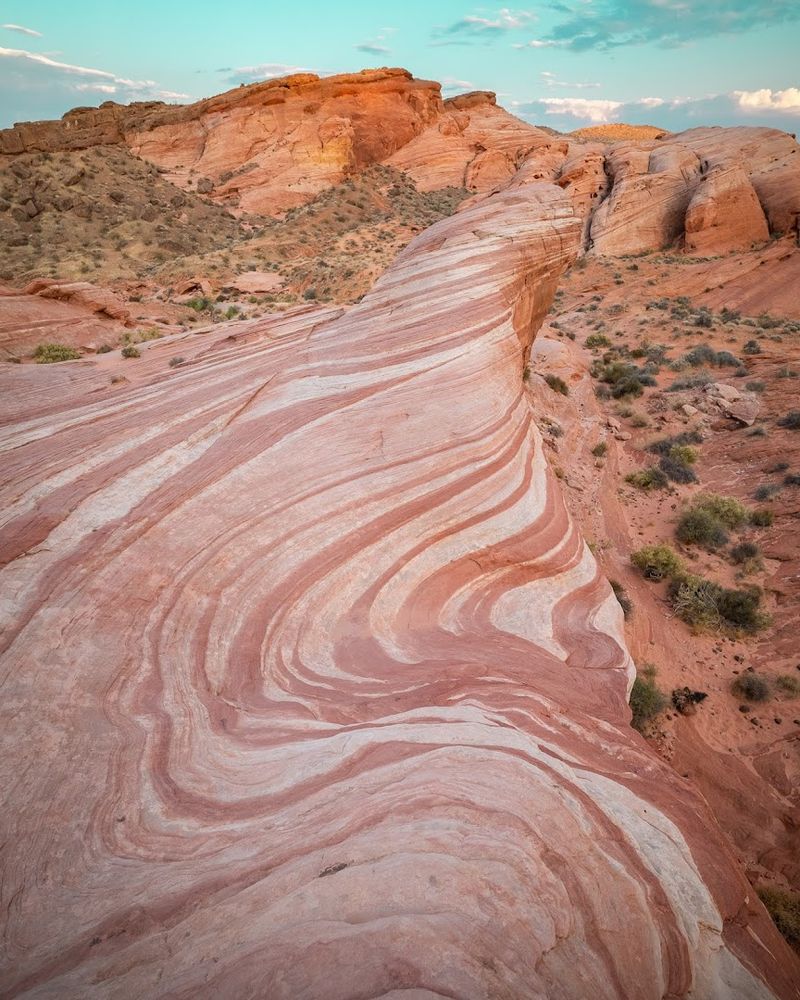
Flames seem to dance across the rocks when afternoon sun illuminates these ancient red sandstone formations. Valley of Fire earned its dramatic name from the way light transforms the landscape into shades of crimson, orange, and gold.
Located about an hour northeast of Las Vegas, Nevada’s oldest state park protects 40,000 acres of geological wonders.
The ten-dollar entrance fee per vehicle grants access to incredible hiking trails and scenic viewpoints. Petroglyphs etched into rock faces by ancestral Puebloan people tell stories from over 2,000 years ago.
The Fire Wave trail leads to swirling patterns in the stone that look like frozen ocean waves.
Bighorn sheep navigate the steep cliffs while lizards scurry across sun-baked boulders. Petrified logs scattered throughout the park are remnants of ancient forests that existed here millions of years ago.
Two campgrounds offer overnight stays for those wanting to catch the spectacular sunrise.
Visitor center displays explain how these formations developed over 150 million years through wind and water erosion. Bring plenty of water because summer temperatures regularly exceed 110 degrees.
The park’s otherworldly landscape has served as a backdrop for numerous science fiction films and television shows.
3. Great Basin National Park (Baker)
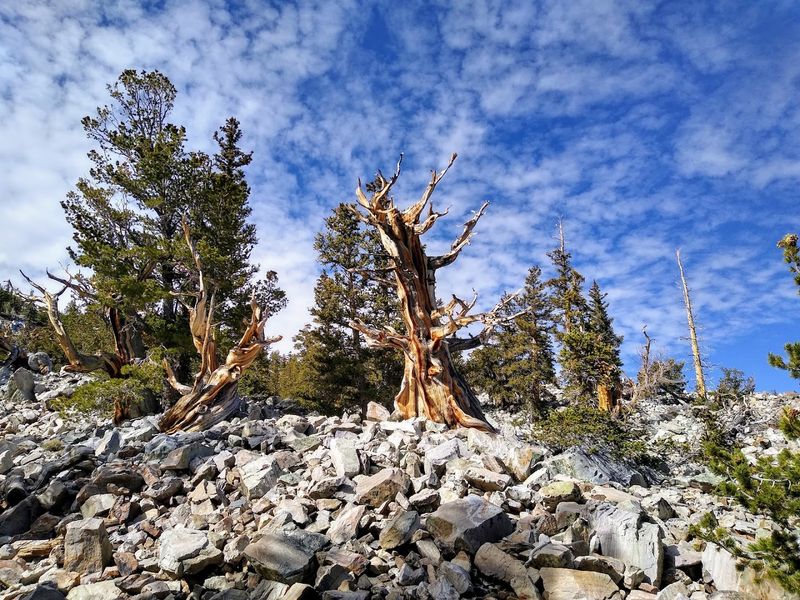
Ancient bristlecone pines that were alive when the pyramids were built still stand on these mountain slopes. Great Basin National Park near the Utah border offers some of Nevada’s most dramatic scenery without the entrance fee that most national parks charge.
Snow-capped Wheeler Peak towers over valleys filled with sagebrush and juniper trees.
Free ranger-led programs teach visitors about the park’s unique ecology and geology. The Lehman Caves tour does require a small fee, but hiking the mountain trails costs nothing.
Miles of paths wind through alpine forests where you might spot mule deer or mountain bluebirds.
At night, the park becomes one of the darkest places in America for stargazing. The Milky Way stretches across the sky in a brilliant band visible to the naked eye.
Astronomy programs help identify constellations and planets without any fancy equipment needed.
Pack layers because temperatures can swing dramatically between day and night at this elevation. The five-hour drive from Las Vegas feels worth it when you’re standing among trees older than recorded history.
Primitive camping is free in designated areas if you want to extend your adventure.
4. Spring Mountain Ranch State Park (Blue Diamond)
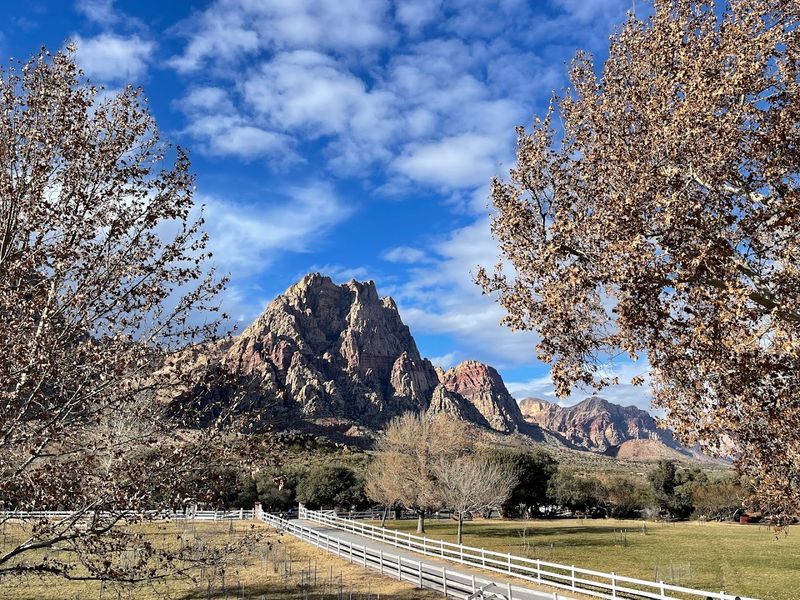
Green grass and towering cottonwood trees create an oasis against the backdrop of red rock mountains. This historic ranch once hosted Hollywood celebrities and even billionaire Howard Hughes as owner.
Now a state park, the property preserves over a century of Nevada ranching history just thirty minutes from downtown Las Vegas.
Entrance costs ten dollars per vehicle for access to shaded picnic areas and hiking trails. The main ranch house offers free guided tours on weekends, revealing stories of famous former residents.
Walking paths wind past original buildings including a blacksmith shop and sandstone cabin from the 1860s.
Peacocks strut across the lawn while rabbits nibble grass in the early morning hours. The ranch sits at the base of the Wilson Cliffs, providing cooler temperatures than the Las Vegas valley below.
Summer theater productions take place in the outdoor amphitheater under the stars.
Pack a picnic lunch to enjoy under the massive trees that shade the main lawn area. Several easy trails explore the surrounding foothills and offer views back toward the ranch buildings.
The combination of natural beauty and fascinating history makes this spot perfect for a relaxing afternoon away from city noise.
5. Red Rock Canyon Scenic Drive (Las Vegas)
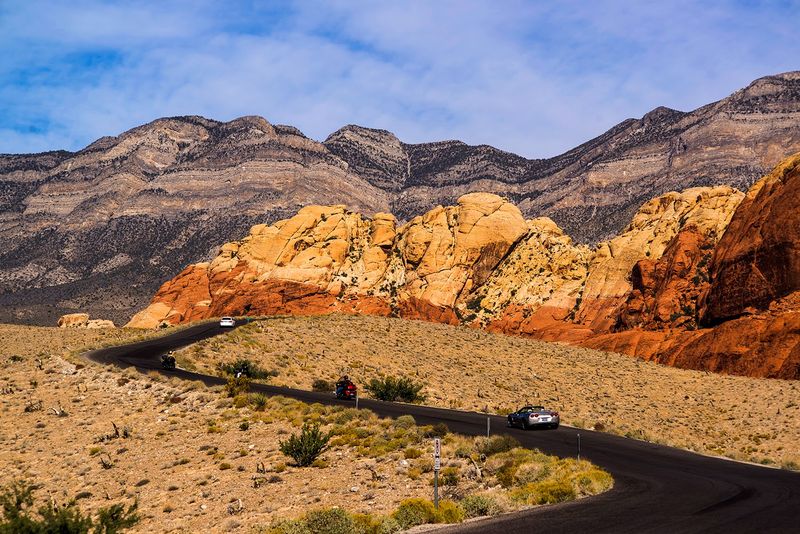
Crimson sandstone cliffs glow like fire when sunlight hits them just right. Just fifteen miles west of the Las Vegas Strip, Red Rock Canyon feels like another planet entirely.
The thirteen-mile scenic loop winds past towering formations with names like Calico Hills and Keystone Thrust.
A day pass costs only fifteen dollars per vehicle, easily accommodating a carload of friends or family. Numerous pullouts along the one-way road let you stop for photos without blocking traffic.
Short trails lead to petroglyphs left by ancient peoples thousands of years ago.
Rock climbers scale the vertical faces while hikers explore slot canyons in the backcountry. Wild burros sometimes wander near the road, descendants of animals brought by miners long ago.
The visitor center offers free exhibits about desert ecology and geology.
Cyclists love pedaling the loop early in the morning before car traffic picks up. Spring wildflowers carpet the desert floor in purple, yellow, and orange blooms.
Arrive before 10 AM during peak season to avoid the entrance line.
The entire drive takes about an hour without stops, but plan for three to fully appreciate the scenery and trails.
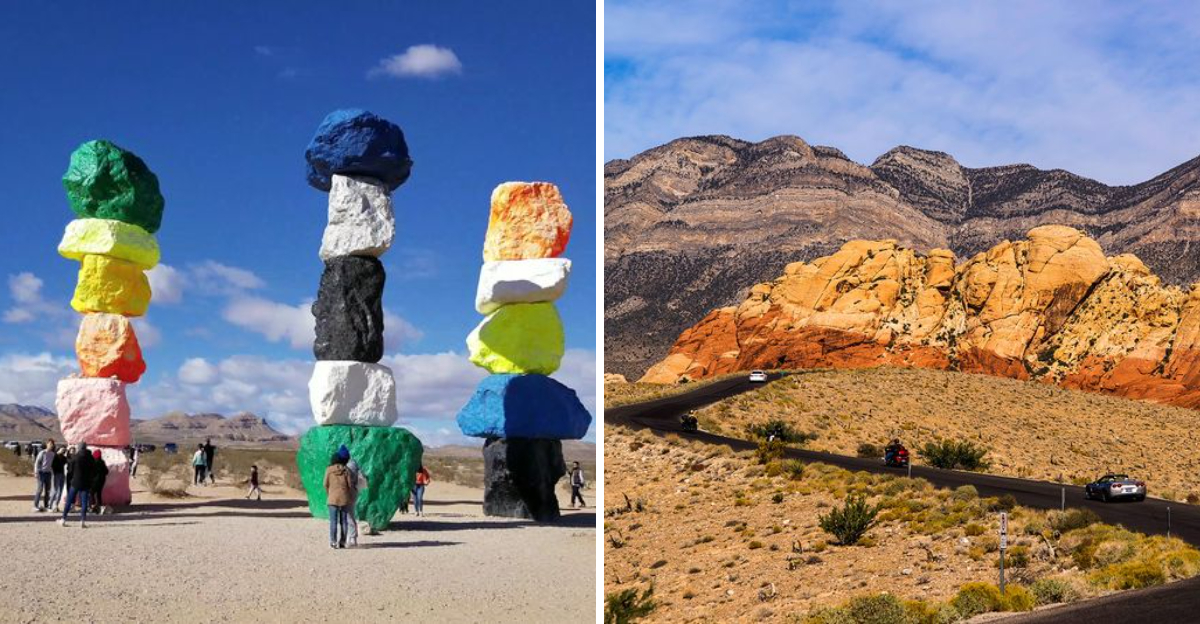
6. Seven Magic Mountains (Las Vegas)
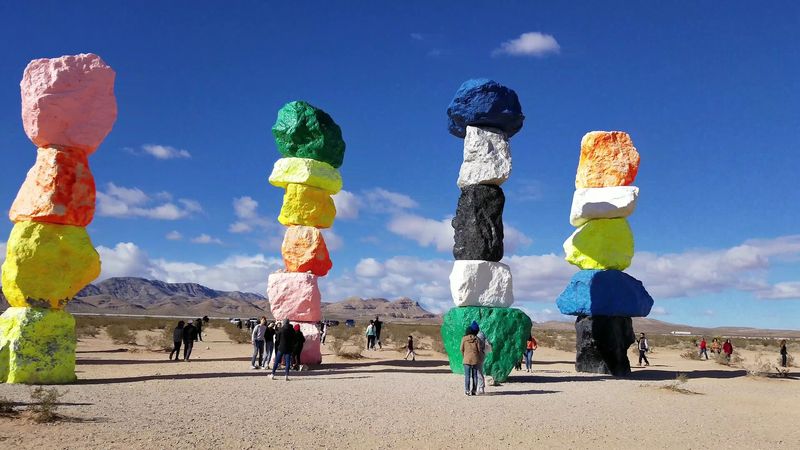
Bright neon towers of stacked boulders rise from the desert floor like something out of a dream. Artist Ugo Rondinone created this public art installation to contrast the natural and artificial worlds that define Nevada.
Seven totems painted in electric blues, yellows, pinks, and oranges stand over thirty feet tall against the tan desert backdrop.
Located about ten miles south of Las Vegas along Interstate 15, this free attraction draws photographers and art lovers from around the globe. The best time to visit is early morning or late afternoon when the light makes those colors absolutely pop.
Bring water and sunscreen because shade is nonexistent out here.
Kids love climbing on the smaller rocks nearby while adults snap photos from every angle. The installation sits on public land managed by the Bureau of Land Management, so access is completely free.
Park in the designated lot and take a short walk to reach the sculptures.
Plan for about an hour to explore and photograph this unique desert landmark. The contrast between vivid human-made colors and the muted natural environment creates an unforgettable visual experience that costs absolutely nothing.
7. Spooner Lake State Park (Incline Village)
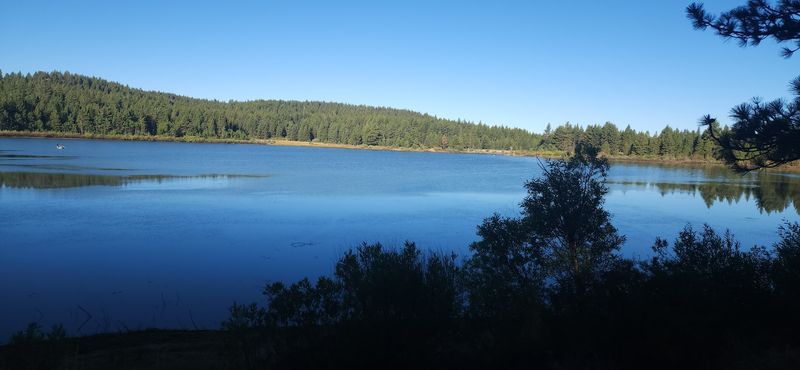
Pine-scented air and crystal-clear water await at this alpine lake near the eastern shore of Lake Tahoe. Spooner Lake sits at 7,000 feet elevation where cooler mountain temperatures provide relief from desert heat.
The easy trail circling the lake spans just two miles, perfect for families with small children or anyone seeking a gentle walk.
Day use costs ten dollars per vehicle, granting access to fishing, hiking, and picnicking spots. Wildflowers bloom along the shoreline in summer while aspen trees turn golden in autumn.
The lake rarely gets crowded despite its proximity to busy Tahoe tourist areas.
Anglers cast lines hoping to catch rainbow or brown trout stocked regularly by wildlife officials. Cross-country ski trails crisscross the area in winter when snow blankets the forest.
Historic markers along the paths explain the lake’s role as a water source for Virginia City’s silver mines.
Bring binoculars to spot ospreys diving for fish or woodpeckers hammering on dead snags. The backcountry Flume Trail starts here for mountain bikers seeking more adventure.
Parking fills quickly on summer weekends, so arrive before 9 AM.
Pack layers because mountain weather changes rapidly even in summer months.
8. Cathedral Gorge State Park (Panaca)
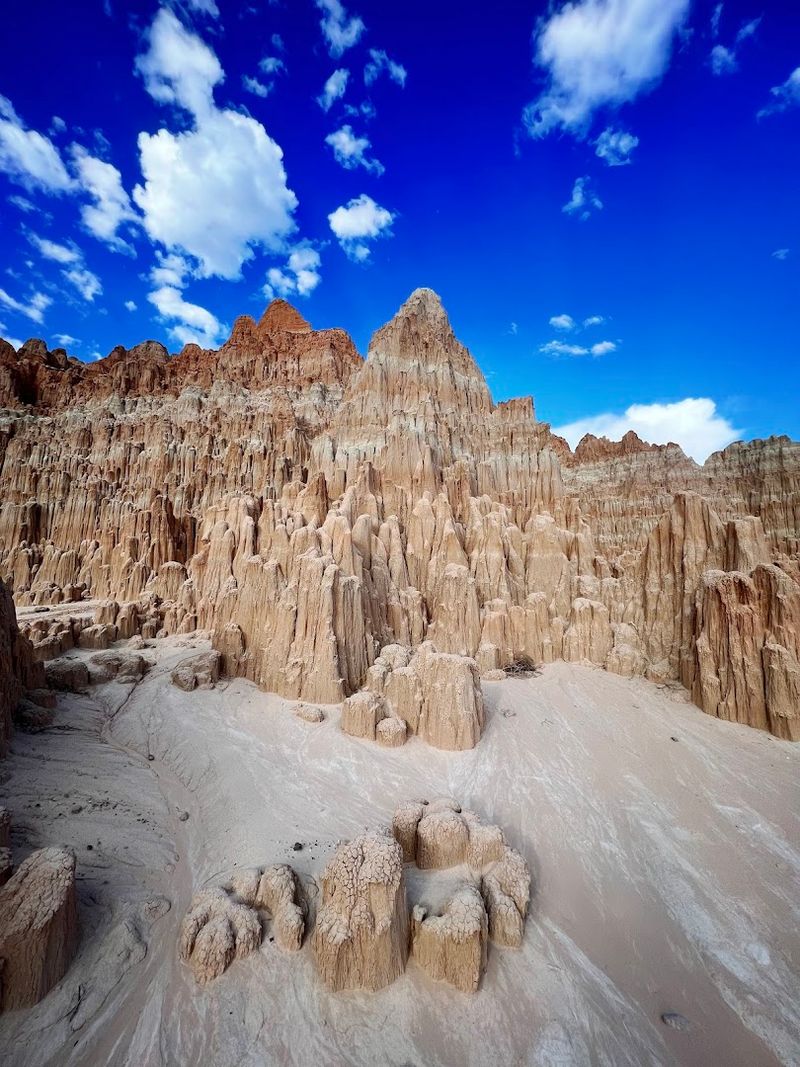
Narrow slot canyons and towering spires carved from soft bentonite clay create an otherworldly maze. Cathedral Gorge formed over millions of years as a freshwater lake deposited layers of sediment that erosion later sculpted into fantastic shapes.
Located in remote eastern Nevada near the town of Panaca, this park sees far fewer visitors than more famous destinations.
The ten-dollar vehicle entrance fee gives you access to trails weaving through cathedral-like formations. Kids love exploring the narrow passages between clay walls that sometimes tower forty feet overhead.
Miller Point Trail climbs to an overlook where the entire gorge spreads out below like a miniature Grand Canyon.
Full moon hikes organized by park rangers let you experience the gorge bathed in silver light. The soft clay erodes quickly, so the landscape constantly changes with each rainstorm.
Camping costs extra but day use provides plenty of time to explore the main features.
Avoid visiting after heavy rains when flash floods can make the canyons dangerous. The park’s isolation means cell phone service is nonexistent, so download maps beforehand.
Spring and fall offer the most comfortable temperatures for hiking through the narrow passages between formations.
9. Fountains Of Bellagio (Las Vegas)
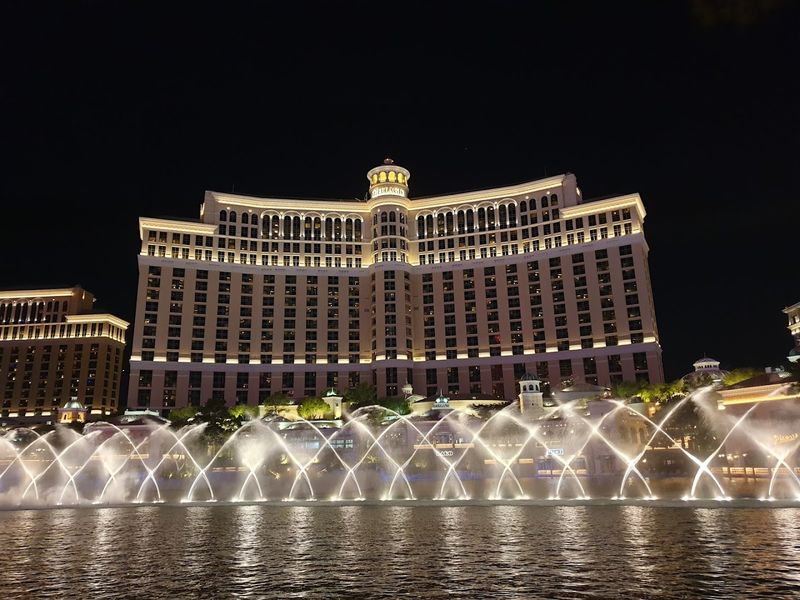
Water dances to classical music and contemporary hits in a choreographed spectacle that rivals any paid show. The Bellagio fountains shoot jets of water up to 460 feet into the air, perfectly synchronized with lighting and music.
This completely free attraction performs every thirty minutes in the afternoons and every fifteen minutes after dark.
More than 1,200 individual water nozzles create patterns that seem to defy physics. Songs range from Sinatra classics to modern pop hits, each with its own unique choreography.
The best viewing spots are directly across the street at the sidewalk railing or from nearby restaurant patios.
Performances last about four minutes, giving you time to catch multiple shows with different songs. The fountain system holds 22 million gallons of water drawn from a private well beneath the property.
Engineers spent years perfecting the computer systems that control every movement.
Crowds gather thick on weekend evenings, so arrive early to claim a good viewing position. The fountains operate year-round in nearly all weather conditions.
Watching the water dance against the backdrop of the illuminated Strip creates a magical Vegas moment that costs absolutely nothing.
Time your visit to catch sunset when natural and artificial light combine beautifully.
10. Historic Railroad Trail (Boulder City)
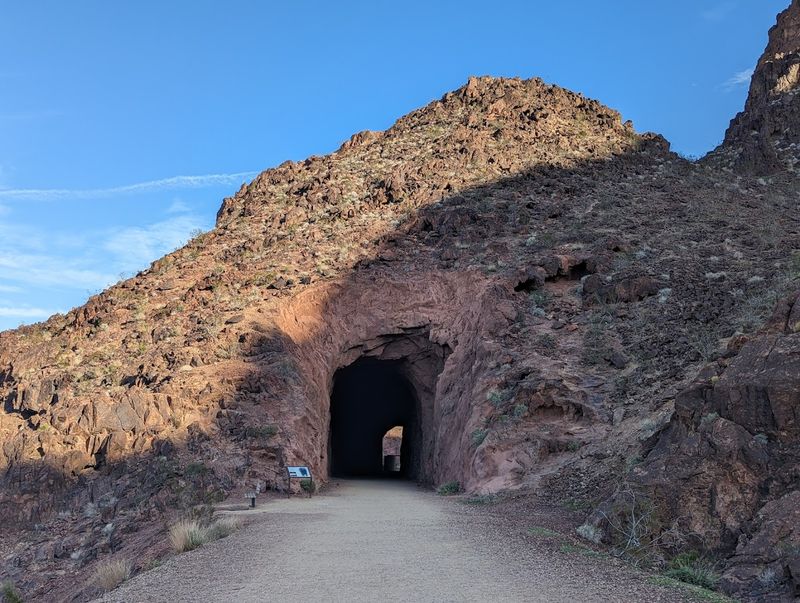
Five massive tunnels carved through solid rock during the 1930s now form part of a scenic hiking trail. Workers blasted these passages to transport materials for building Hoover Dam, one of America’s greatest engineering achievements.
The flat, well-maintained path stretches 3.7 miles from the Lake Mead Visitor Center toward the dam itself.
Access is completely free with no parking fees at either trailhead. The wide gravel surface accommodates wheelchairs, strollers, and bicycles alongside hikers.
Each tunnel provides welcome shade and cool air as you pass through the mountain.
Interpretive signs along the route explain the dam’s construction and the challenges workers faced in the brutal desert heat. Views of Lake Mead shimmer in the distance, showing how the Colorado River was transformed.
The trail connects to other paths for those wanting a longer adventure.
Early morning walks offer the best chance to spot desert bighorn sheep on nearby slopes. Sunset paints the rocky landscape in shades of pink and gold worth capturing on camera.
The gentle grade makes this trail accessible to almost any fitness level.
Bring water and sun protection because shade exists only inside the tunnels. The trail’s historical significance and natural beauty combine for an unforgettable free experience.