
This Small Missouri BBQ Restaurant Is Known For Smoky Burnt Ends That Stand Out
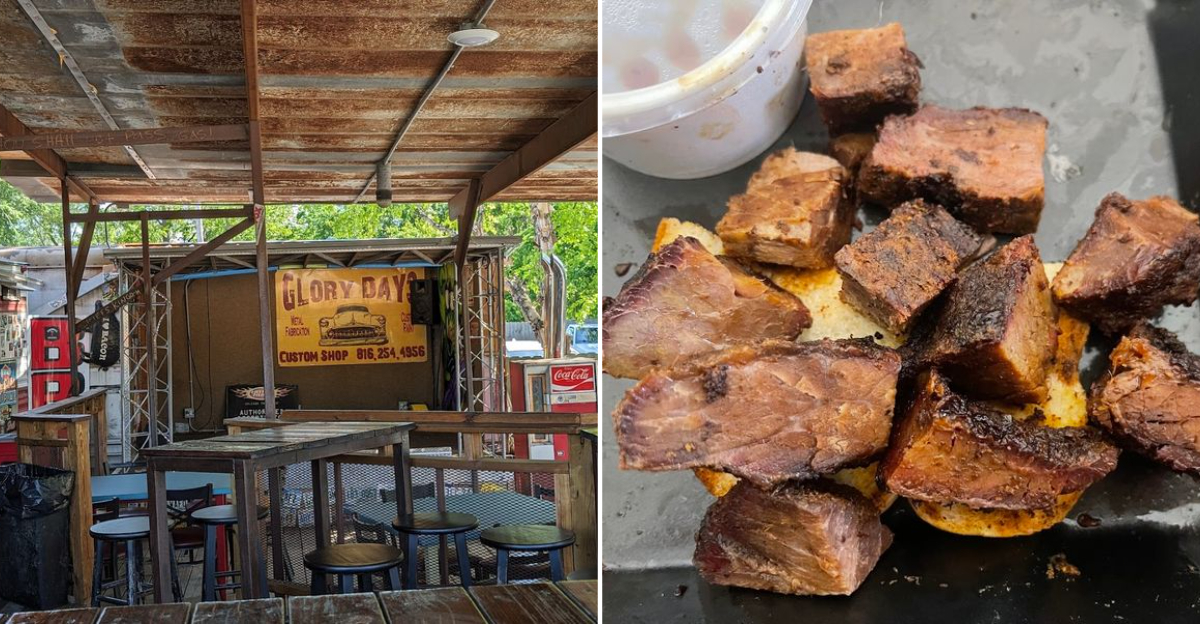
The best burnt ends in Missouri are not coming from a famous pitmaster or a celebrated chef. They are coming from a small restaurant that most people drive right past.
BBQ in this state is serious business. Everyone has an opinion, everyone has a favorite spot, and nobody agrees on anything except that the meat has to be right.
That is a high bar to clear for any restaurant, let alone a small one with no national recognition. But this place clears it every single time.
The burnt ends here are smoky, tender, and packed with a depth of flavor that takes hours of patience to build. Each piece has that perfect caramelized crust on the outside with melt-in-your-mouth meat on the inside.
Nothing is rushed. Nothing is cut short.
Small BBQ restaurants like this one survive on consistency and craft alone. No shortcuts.
No gimmicks. Just a pitmaster who knows exactly what they are doing and does it the same way every single day.
The locals already know. Now the rest of Missouri is catching up.
Understanding The Anatomy Of Burnt Ends
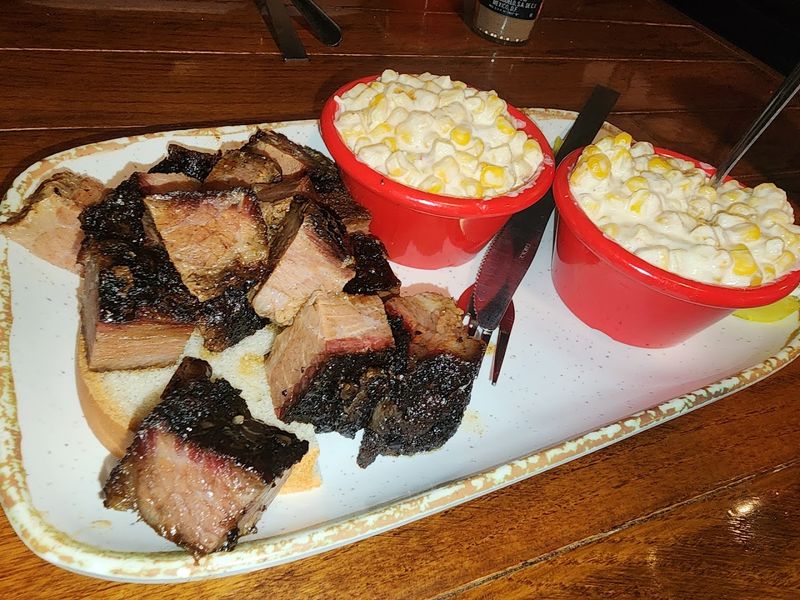
Burnt ends are not an accident. They come from the point end of a beef brisket, which is the fattier, thicker section.
At A Little BBQ Joint, this cut gets smoked low and slow until it develops a dark, spice-crusted exterior called the bark.
That bark is everything. It locks in moisture while adding a bold, almost grilled flavor on the outside.
The inside stays tender and pulls apart without much effort. The contrast between the crust and the soft meat is what makes burnt ends worth ordering.
The burnt ends here are served on a plate with two sides. They arrive looking like smoky, dark cubes with serious density.
The flavor is full-bodied and rich without feeling heavy. You can find A Little BBQ Joint at 1101 W US Hwy 24, Independence, MO 64050, United States.
It is open most days starting at 11 AM. The burnt end plate is the most popular item on the menu, and once you try one, the reason becomes very clear.
Techniques For Achieving Perfect Smoke Flavor
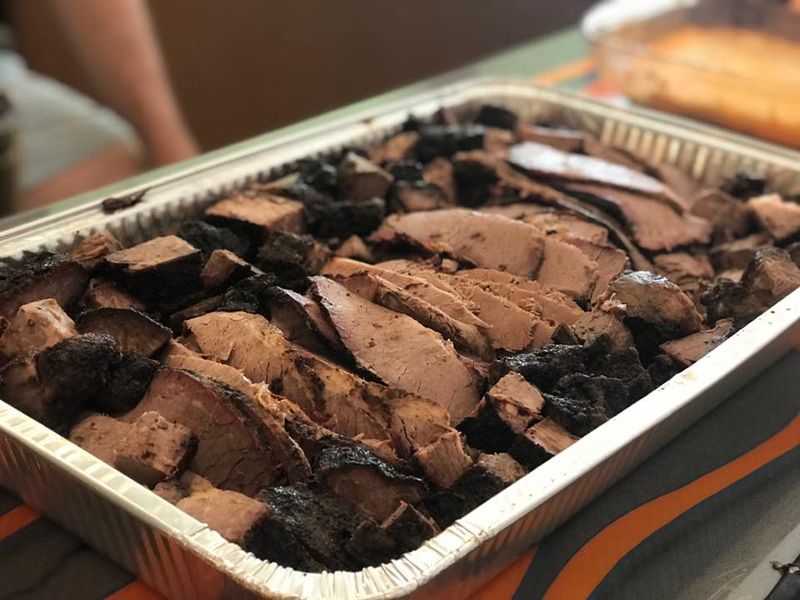
Getting smoke flavor right takes patience. At A Little BBQ Joint, the process is not rushed.
The meat goes into the smoker and stays there for hours. That slow cooking time allows the smoke to work its way deep into the brisket point.
Temperature control matters a lot during this process. Too hot and the meat dries out fast.
Too cool, and the bark never forms properly. The team at this Independence spot has figured out the balance that keeps the meat tender while still building that signature crust on the outside.
The result is a burnt end with what fans describe as an almost-grilled taste. That flavor is not just on the surface.
It runs through every bite. The smoke does not overpower the meat.
It works with it instead. That restraint is actually a skill.
Many BBQ spots pile on seasoning to cover up weak smoke flavor. A Little BBQ Joint lets the smoke do its job honestly, and the meat speaks for itself without needing to shout.
Common Wood Types Used In Missouri
Wood choice shapes everything about BBQ flavor. Missouri pitmasters tend to reach for hickory and oak as their go-to options.
Hickory burns hot and clean, and it delivers a bold, sharp smoke flavor that pairs well with beef. Oak burns slower and produces a milder, more balanced smoke.
Apple and cherry wood sometimes make appearances, too. These fruitwoods add a slight sweetness to the smoke without making the meat taste fruity.
They work especially well when blended with hickory. The combination softens the sharpness while keeping the smoke flavor present and interesting.
At a place like A Little BBQ Joint, the wood selection is part of the craft. The smoke flavor on their burnt ends has been described as full-bodied and consistent.
That kind of consistency does not happen by accident. It comes from knowing which wood produces which result and sticking with what works.
Missouri BBQ has a long tradition of wood-fired smoking, and the best spots in the state carry that tradition forward with real intention rather than just habit.
Balancing Smokiness With Tenderness In Meat
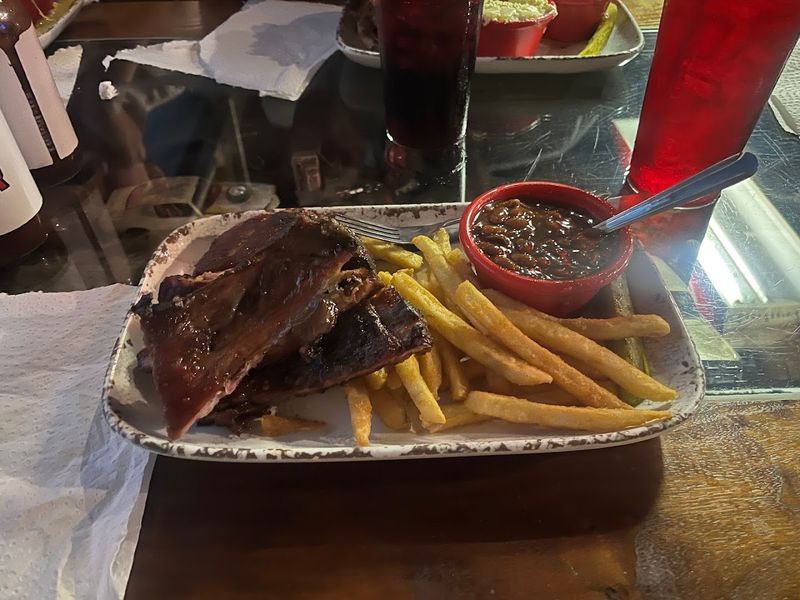
Smokiness and tenderness can work against each other if the process goes wrong. Too much smoke time and the meat tightens up and loses its juice.
Not enough, and the texture stays soft, but the flavor falls flat. Finding the middle ground is what separates average BBQ from the kind people drive across town to eat.
The burnt ends at A Little BBQ Joint hit that balance in a way that stands out. The exterior develops a firm, spiced bark while the interior stays soft enough to pull apart easily.
That density is real and noticeable. Some burnt ends around the region feel more like braised beef cubes.
These feel like they were actually smoked.
The key is resting the meat after it comes out of the smoker. Resting allows the juices to redistribute evenly.
Cutting too early sends all that moisture running out onto the cutting board instead of staying in the meat. The result of doing it right is a bite that delivers both texture and juice at the same time, which is exactly what makes burnt ends worth the wait.
Secrets Behind Signature Sauce Variations
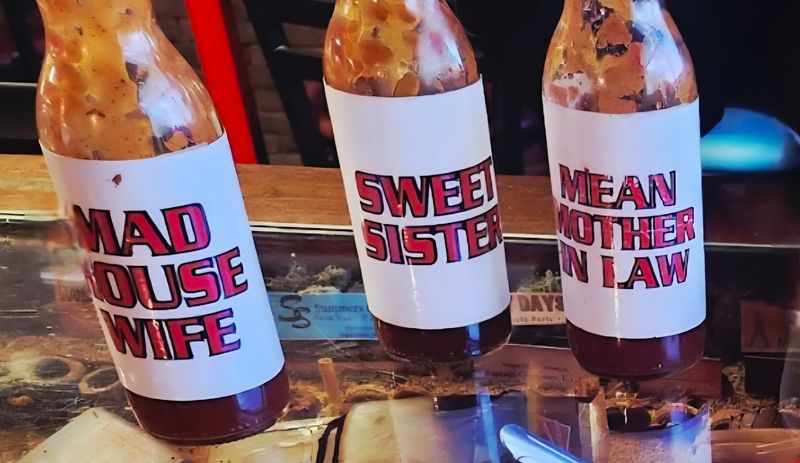
A Little BBQ Joint makes three house sauces in-house, and each one has its own personality. Sweet Sister is the mild option.
It works well for people who want a little sweetness without any heat. Mad Housewife sits in the middle with a sweet and spicy combination that has some real kick to it.
Mean Mother-in-Law is the spicy one. The name says enough.
It is not a joke sauce meant to look tough on the menu. It actually delivers heat in a way that builds as you eat.
All three sauces sit on the table so you can try them freely without asking.
What makes these sauces worth noting is that they are made in-house rather than poured from a commercial bottle. The flavor profiles are distinct enough that choosing one actually matters.
Some BBQ spots offer sauces that all taste roughly the same with minor differences. Here, each option has a clear identity.
The Sweet Sister works great with the burnt ends on its own. The Mean Mother-in-Law pairs well if you want the smoke flavor to compete with a little fire.
The Role Of Rubs And Marinades In Flavor Development
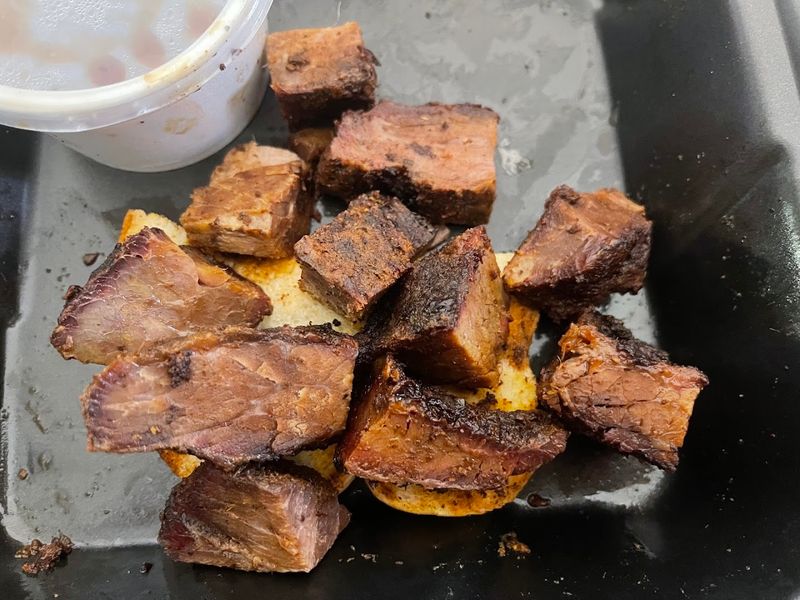
Before any smoke touches the meat, the rub goes on first. A dry rub is a blend of spices pressed into the surface of the brisket before it enters the smoker.
At A Little BBQ Joint, the bark on the burnt ends shows clear evidence of a well-applied rub. That dark crust is the rub caramelizing over hours of heat.
Rubs typically include salt, black pepper, garlic powder, and paprika as a base. From there, each pitmaster adds their own twist.
Some go heavier on pepper for a peppery crust. Others lean into sweetness with brown sugar or smoked paprika.
The combination creates layers of flavor that build as the meat cooks.
Marinades work differently from rubs. They penetrate the meat before cooking and add moisture from the inside.
Most serious brisket operations skip liquid marinades in favor of dry rubs because the fat content in the brisket point already provides enough internal moisture. The rub does the flavor work on the outside while the fat melts slowly through the meat during the long smoke.
That process is what gives burnt ends their signature richness.
Serving Suggestions For An Enhanced Dining Experience
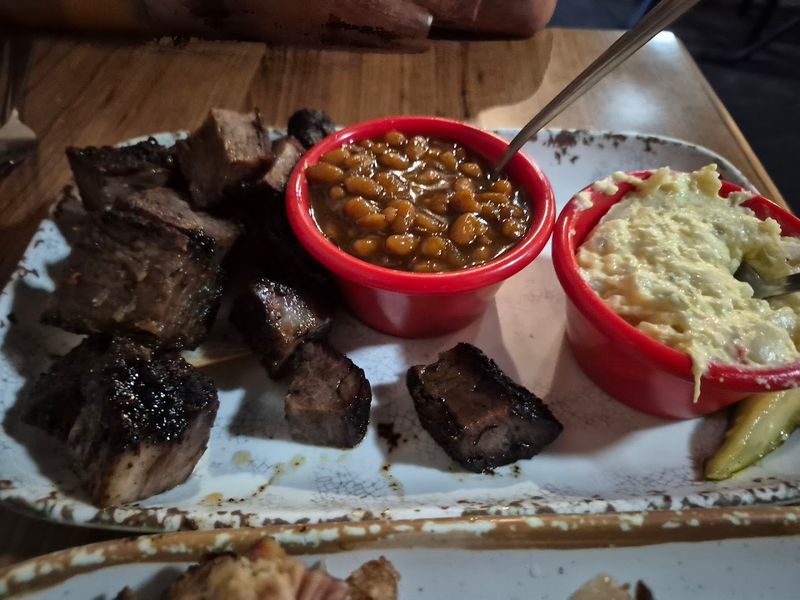
Ordering the burnt end plate at A Little BBQ Joint comes with two sides. Hot potato salad shows up as a popular choice.
The baked beans are also a solid pick. Both sides add something to the meal without trying to compete with the main event on the tray.
If you want something handheld, the burnt end melt sandwich is worth considering. It takes the same smoky meat and puts it between bread in a format that is easier to eat on the go.
The sandwich version still delivers the bark and tender interior that makes the plate so popular.
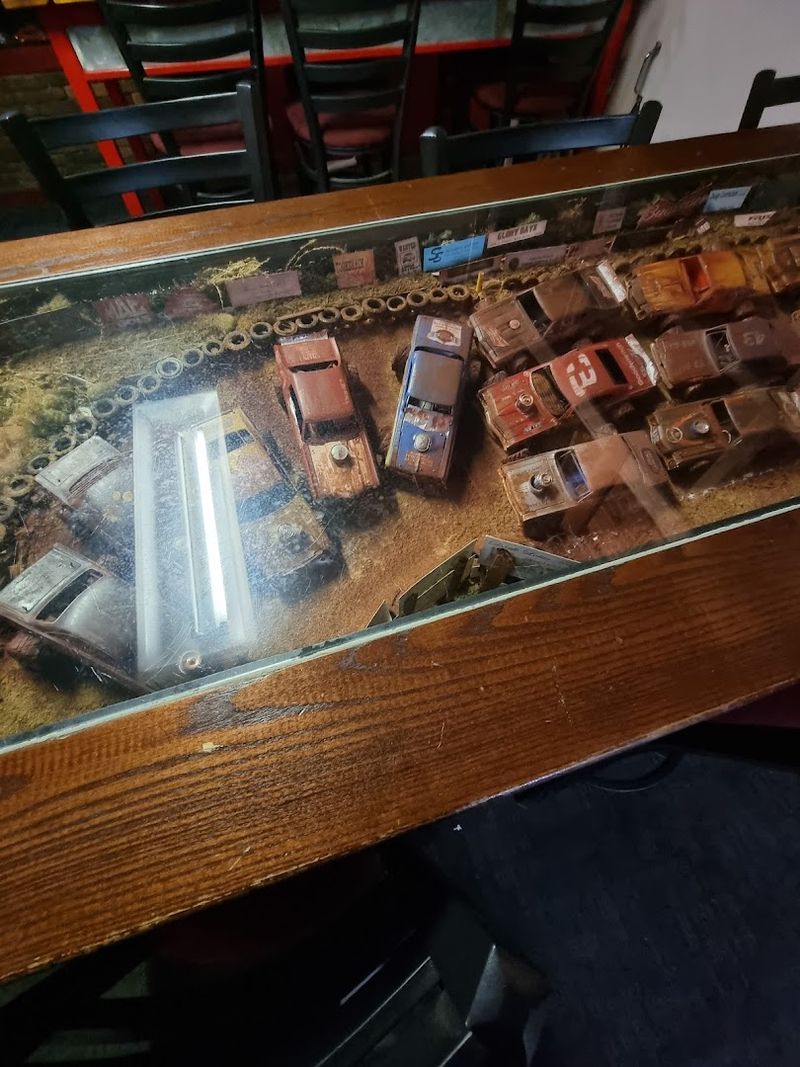
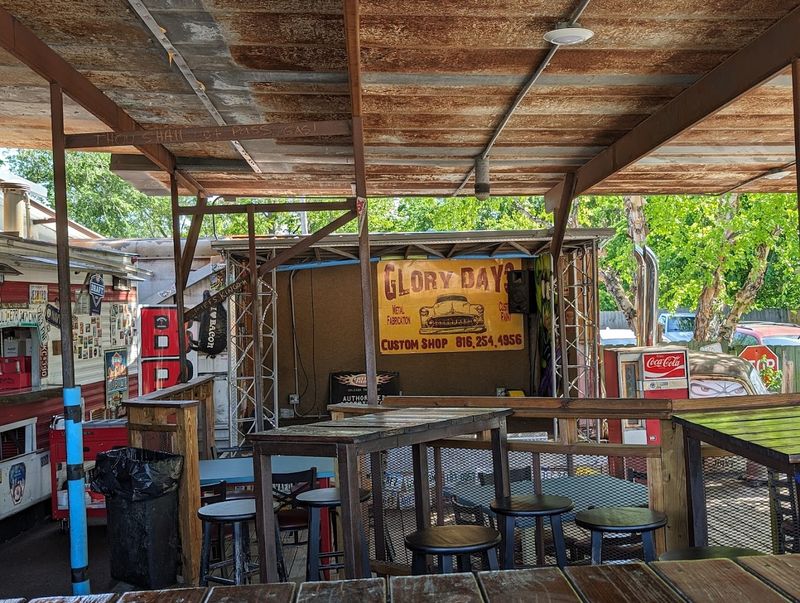
The car-themed dining room adds something to the experience that you do not expect when walking in. The bar is made from the front end of a 1965 Chevy Impala.
Booth seats come from vintage Fords, Chevys, and Cadillacs. Eating BBQ surrounded by old auto parts sounds odd until you are actually sitting there.
The atmosphere is casual and comfortable. Bring the three sauces into the mix as you eat and work through them one at a time.
The Sweet Sister pairs especially well if you want to keep things simple and just enjoy the meat.
Historical Origins Of Burnt Ends In Missouri Cuisine
Burnt ends have a history rooted in Kansas City BBQ culture, and Independence sits right in that orbit. The story goes back to old BBQ joints that smoked whole briskets and sliced them for customers.
The pointed end of the brisket cooked longer and developed a tougher, darker crust.
Early pitmasters used to give away these end pieces for free while customers waited for their orders. The ends were considered scraps at first.
Then people started realizing those dark, chewy pieces had more flavor than the slices. Word spread fast.
What started as a throwaway cut became the most requested item.
Kansas City writer Calvin Trillin is often credited with bringing national attention to burnt ends after writing about them in the 1970s. His writing pointed people toward the point end of the brisket and changed how the BBQ world thought about that cut.
Missouri carried that tradition forward, and places like A Little BBQ Joint continue to honor it. Opened in 2013 by Don and Fabian Bauer, this Independence spot represents a newer chapter in a long story.
The burnt ends here carry that history in every bite without needing to announce it.