
Why Outdoor Lovers Say This Wyoming Thermal Spring Is A Must-Visit Destination
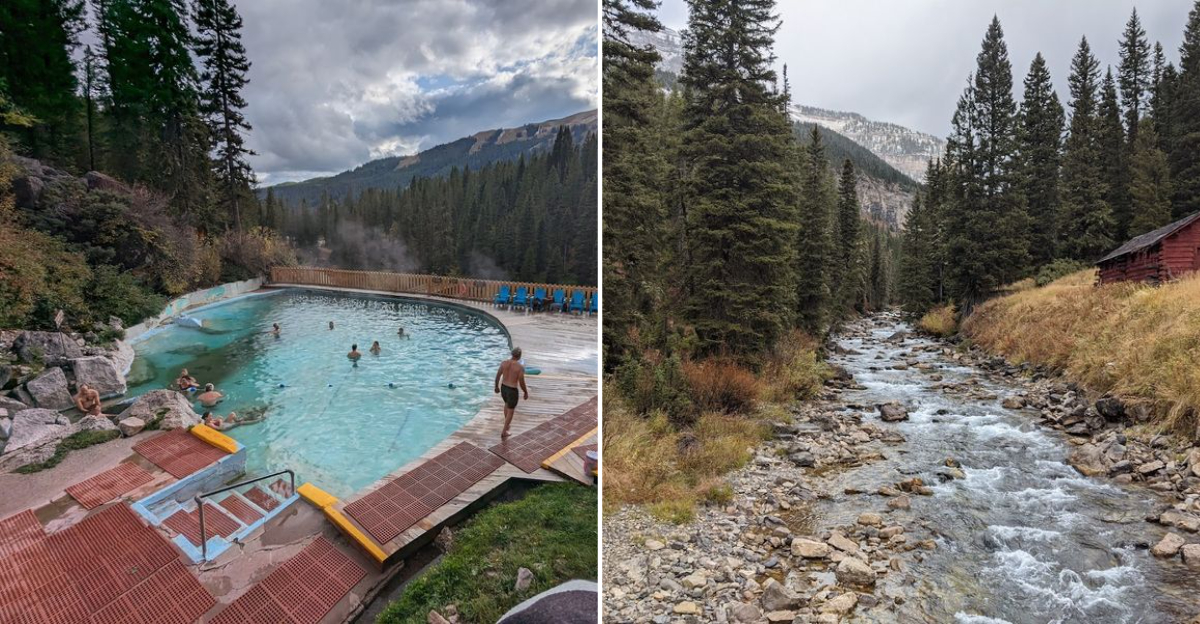
Picture this. Snow is falling outside. The temperature has dropped well below freezing and your breath hangs in the air like smoke. Yet you are floating in warm water, completely still, completely comfortable.
It sounds like a contradiction. It is not.
Wyoming holds secrets beneath its surface. Thermal springs have been pushing warm water up through the earth here long before anyone thought to build a road nearby.
The cold air bites at your face while the water wraps around everything else. That contrast is not uncomfortable.
It becomes the whole point. There are experiences that no photograph fully captures.
This is one of them. You have to feel the snow landing on your shoulders while warmth holds you from below.
Once you do, you understand why people return here every winter without needing much convincing.
Thermal Spring Formation And Geology Insights
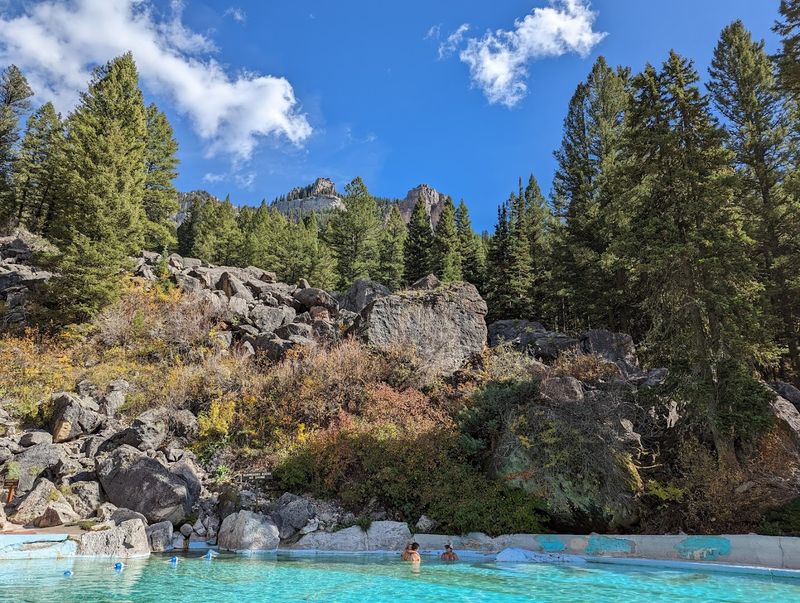
Hot springs do not just appear out of nowhere. Granite Hot Springs formed through a fascinating geological process deep beneath the Earth.
Rainwater and snowmelt seep down through cracks in the granite rock. The water gets heated by geothermal energy before rising back up to the surface.
The Gros Ventre Mountains surrounding this area are part of a much older geological story. These mountains were shaped by tectonic forces millions of years ago.
That ancient pressure created the fractures that now channel heated water upward. The mineral content in the water comes directly from the granite and other rock layers it passes through.
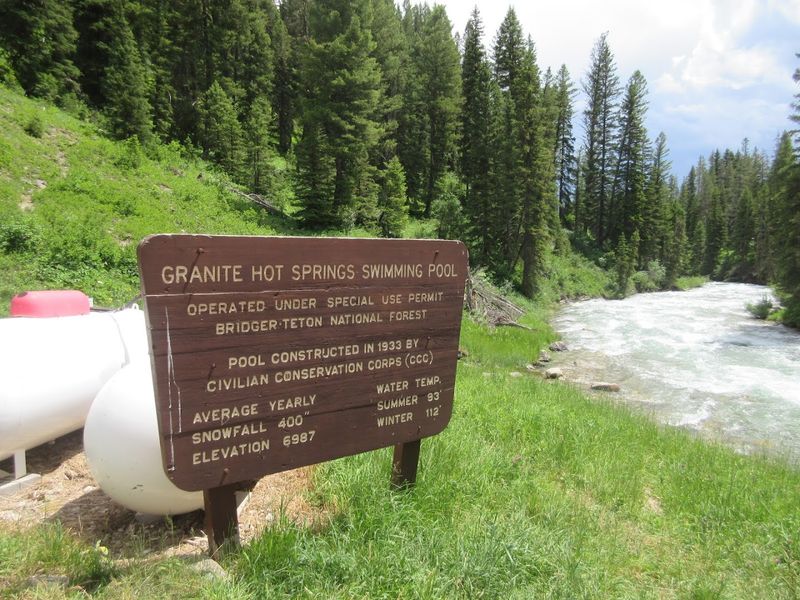
The pool itself has a cool history. The Civilian Conservation Corps built the concrete soaking pool back in 1933 during the Great Depression.
That structure still stands today and channels the natural thermal water for visitors. Water temperatures range from 93 degrees Fahrenheit in summer to around 112 degrees in winter.
This temperature shift happens because snowmelt cools the incoming water supply during warmer months. You can feel the difference depending on the season you visit.
The site sits at Granite Creek Rd, Jackson, WY 83001, deep inside national forest land. It is a genuine geological wonder hiding in plain sight.
Health Benefits Of Soaking In Mineral-Rich Waters
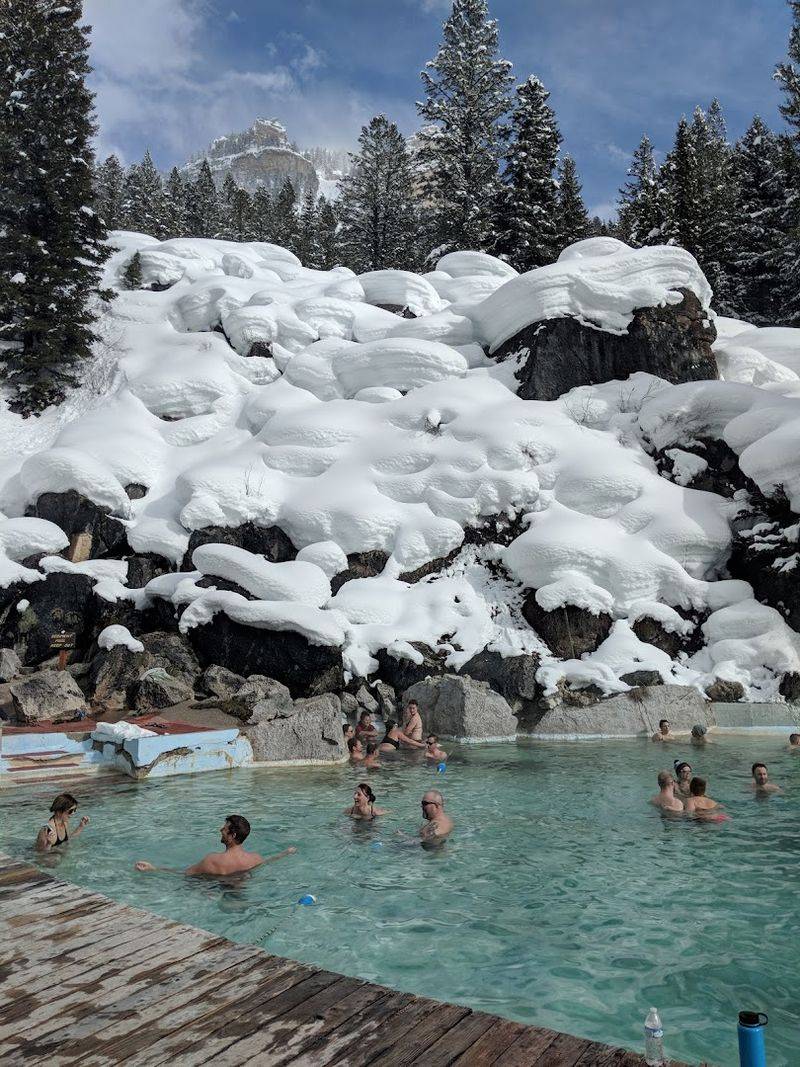
Soaking in mineral-rich water is not just relaxing. Your body actually absorbs beneficial minerals through the skin during a soak.
Granite Hot Springs contains calcium, magnesium, and silica, among other natural compounds. These minerals can support muscle recovery and ease joint stiffness.
Outdoor lovers who spend days hiking, skiing, or snowmobiling absolutely love this spot. Sore legs and tired backs respond well to the warm water and mineral content.
The heat alone increases circulation throughout your body. Better blood flow means faster muscle repair after a long day on the trails.
The water here is chlorine-free, which is a big deal. Chlorinated pools can dry out your skin and irritate your eyes.
Natural spring water feels noticeably softer and gentler on the body. Many visitors report feeling genuinely refreshed after just one soak.
Water temperatures hover around 93 degrees Fahrenheit in summer. In winter, they climb between 104 and 112 degrees Fahrenheit.
That warmer winter temperature is especially therapeutic in cold mountain air. The contrast between freezing outdoor temperatures and hot spring water creates a unique physical sensation.
Your muscles unwind almost immediately. It is a full-body reset without a gym membership or a doctor’s visit required.
Varied Wildlife Encounters Near Natural
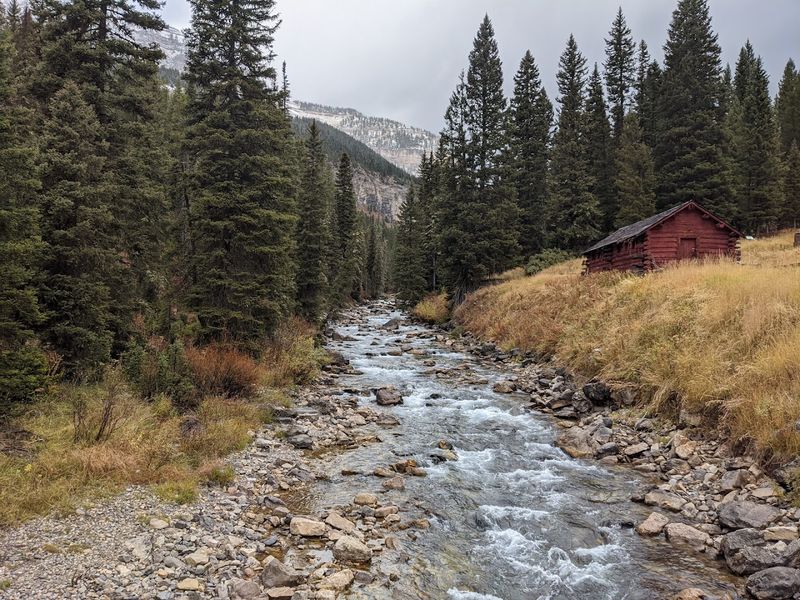
Wildlife around Granite Hot Springs is no joke. The Bridger-Teton National Forest is home to some of the most impressive animals in North America.
Moose are spotted regularly near Granite Creek. Elk herds move through the area depending on the season.
Bald eagles patrol the skies above the creek corridor. Red-tailed hawks are common, too, especially in the warmer months.
If you pay attention along the gravel road, you might spot mule deer grazing near the tree line. Bears are also present in this region, so awareness is key when exploring.
The creek itself supports a healthy population of cutthroat trout. Anglers who fish Granite Creek often spot river otters and great blue herons working the same water.
The ecosystem here is rich and layered. Every visitor sees something different depending on the time of day and season.
Winter wildlife encounters are uniquely memorable. Snowshoe hares leave tracks across fresh snow near the hot spring area.
Coyotes are occasionally seen crossing open meadows. The remote location of this site means animals behave naturally without heavy human pressure.
Bring binoculars and a camera with a good zoom lens. Wildlife sightings here feel personal and unscripted.
That is what makes each visit feel like a completely new experience.
Seasonal Outdoor Activities Available Around
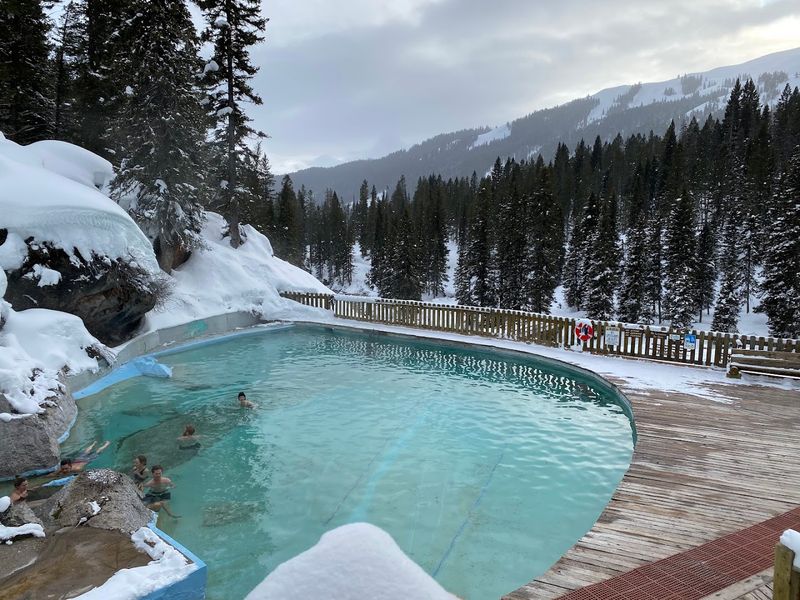
No matter what time of year you visit, there is always something exciting to do around Granite Hot Springs. Summer brings hiking, fishing, swimming, and camping all in one location.
The trail to Granite Falls is a crowd favorite. That one-mile hike rewards you with a genuinely spectacular waterfall view.
Camping at Granite Creek Campground puts you right in the heart of the action. The campground sits about a mile from the hot springs along the creek.
Fire pits, picnic tables, and basic restrooms are available on a first-come, first-served basis. Mornings at camp with mountain views and fresh air are hard to beat.
Winter flips the whole experience into something magical. The access road is closed to regular vehicles from early December through mid-March.
That means reaching the springs requires a snowmobile, fat bike, cross-country skis, or a dog sled tour. Yes, dog sled tours are a real option here, and they are fantastic.
Soaking in 110-degree water while snow falls around you is a memory that sticks. The contrast of cold air and hot water creates a sensory experience unlike anything else.
Spring and fall offer quieter visits with fewer crowds. Every season brings its own version of adventure to this Wyoming destination.
There is genuinely no bad time to show up.
Safety Tips For Enjoying Geothermal Water Sources
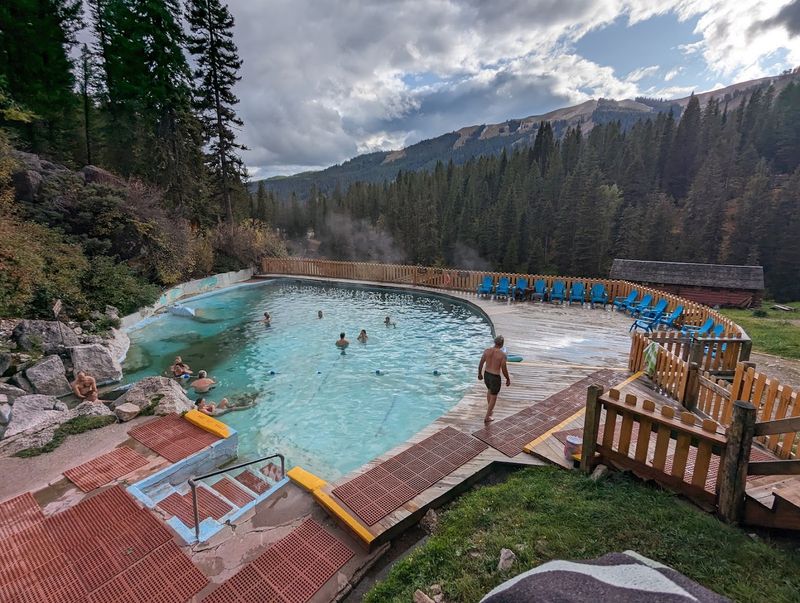
Geothermal water sources are incredible, but they come with real safety considerations. Knowing the basics before you arrive makes your visit smoother and safer.
Water temperatures at Granite Hot Springs can reach up to 112 degrees Fahrenheit in winter. That is hot enough to cause burns if you enter too quickly without testing the water first.
Always ease into the water gradually. Give your body a few minutes to adjust to the heat.
If you feel dizzy or lightheaded, get out immediately and cool down in the fresh air. Staying hydrated is critical because hot water causes your body to sweat even when submerged.
There is no lifeguard on duty at this location. Parents need to keep close watch over young children near the pool and creek areas.
The pool floor and surrounding rocks can be slippery, especially near the natural spring entry points. Wearing water shoes adds an extra layer of grip and protection.
Limit your soaking sessions to around 15 to 20 minutes at a time. Taking breaks between soaks helps regulate your core body temperature.
Avoid soaking if you have certain heart conditions or are pregnant without consulting a doctor first. Bringing a friend is always a smart move at remote outdoor sites.
This place rewards prepared visitors with an unforgettable and safe experience every single time.
Local Plant Species Thriving In Warm Spring Ecosystems
The plant life around Granite Hot Springs is genuinely fascinating. Warm water ecosystems create microclimates that support species you would not normally find at high elevations.
Thermophilic algae, which thrive in hot water, coat the rocks near the natural spring outflows. Their colors range from yellow-green to deep orange, depending on the temperature zone.
Away from the immediate spring area, dense forests of Engelmann spruce, subalpine fir, and lodgepole pine dominate the landscape. These trees form a thick canopy that keeps the forest floor cool and shaded.
Wildflowers push through the undergrowth during the summer months. Sticky geranium, arrowleaf balsamroot, and lupine add bursts of color to the trail edges.
Riparian vegetation lines Granite Creek throughout the valley. Willows and red-osier dogwood grow thick along the water’s edge.
These shrubs provide critical habitat and food for the wildlife that frequents the area. The plant community here directly supports the broader ecosystem.
Mosses and ferns grow unusually lush near the warm water outflows. The elevated moisture and warmth create ideal growing conditions for these species.
Botanists and nature lovers find this area worth exploring beyond just the soaking pool. Every square foot near the spring tells a story about how life adapts to unusual conditions.
It is a biology lesson you can actually walk through.
Guided Tours And Educational Programs Offered
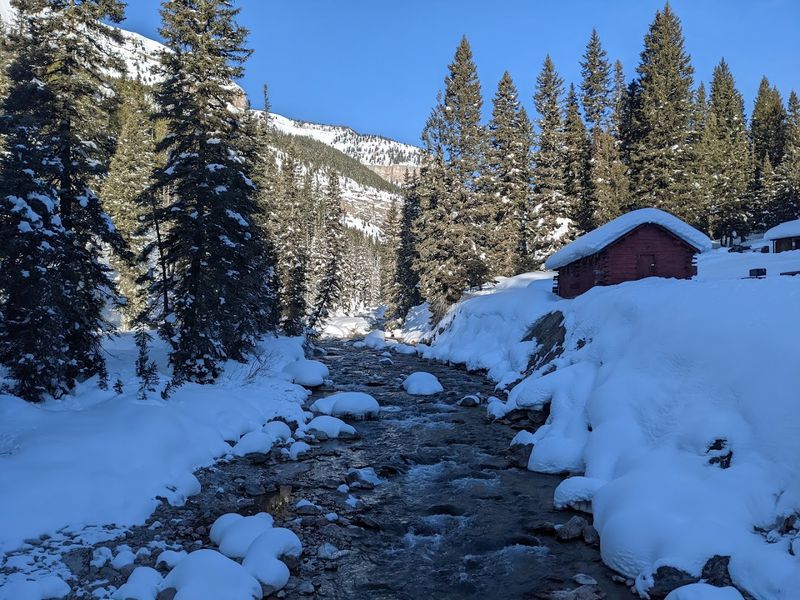
Granite Hot Springs sits within Bridger-Teton National Forest, which means educational resources and guided experiences are part of the broader offering. Dog sled tours are one of the most popular guided activities during the winter months.
These tours travel the 10-mile Granite Creek Road to reach the springs. Riders get a full wilderness experience along with a hot spring soak at the end.
Local outfitters based out of Jackson Hole offer snowmobile tours that include a stop at the springs. These guided rides are perfect for first-time snowmobilers who want a safe introduction to the terrain.
Guides know the road conditions, wildlife activity, and best stopping points along the route. That local knowledge genuinely adds value to the trip.
Summer brings opportunities for guided fishing trips along Granite Creek. Fly fishing guides familiar with the Gros Ventre drainage can help beginners learn the basics in a stunning setting.
Hiking guide services also operate in the area, covering trails that connect to the broader Gros Ventre Wilderness.
Families with kids benefit most from guided programming. Having an expert explain the geology, wildlife, and plant life turns a fun outing into a real learning experience.
The Bridger-Teton National Forest website provides updated information on permitted operators and seasonal programs. Booking in advance during peak summer months is strongly recommended.
Photography Opportunities At Natural Thermal Sites
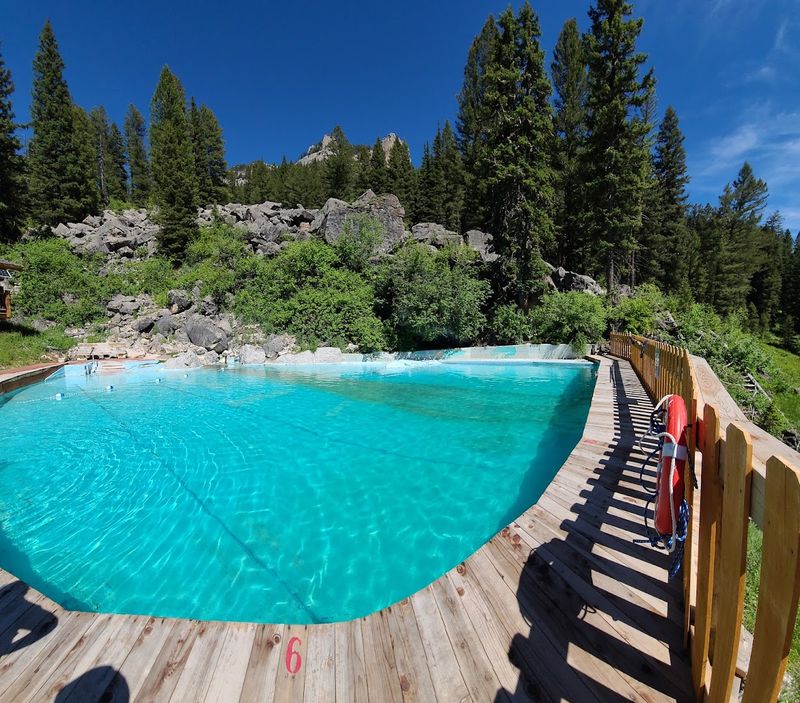
Photographers absolutely love Granite Hot Springs for good reason. The combination of steam, mountain reflections, and dramatic rock formations creates naturally cinematic scenes.
Early morning light hits the water at an angle that makes the steam glow. That golden hour window is short, so arriving before the pool opens at 10 AM is a smart move.
Winter visits offer some of the most striking photography conditions possible. Fresh snow on pine branches, steam clouds rising above the pool, and frozen creek edges create a contrast that looks almost unreal in photos.
Wide-angle lenses work beautifully for capturing the full mountain backdrop behind the pool. Telephoto lenses are useful for catching wildlife along the creek corridor.
The waterfall near the end of Granite Creek Road is another major photography target. Water cascading over granite rock with forest framing the scene makes for a compelling natural composition.
The hike to the falls is about one mile, and the lighting in the afternoon is particularly flattering.
Drone photography requires proper permits within national forest boundaries. Always check current regulations before flying.
Ground-level photography needs no special permissions. The road itself offers rolling mountain meadow shots, creek reflections, and forest canopy frames at nearly every turn.
Bring extra memory cards and a fully charged battery. You will use both before you reach the pool.
This place photographs itself.