
This Overlooked Car Museum In Massachusetts Is A Dream Come True For Automobile Fans
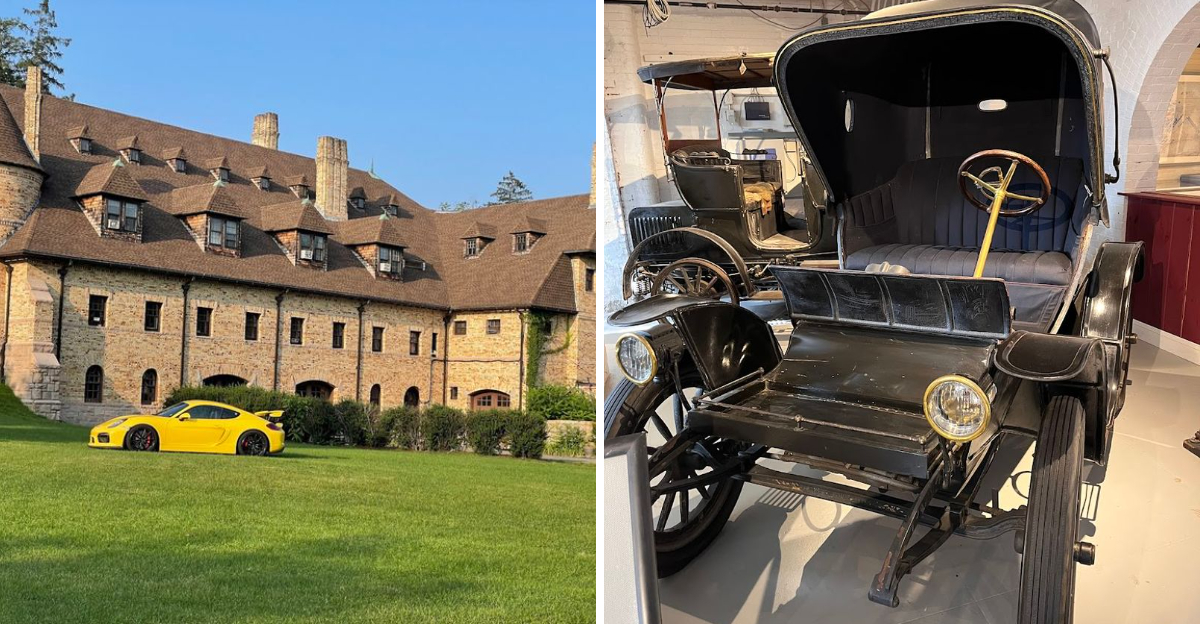
Most people drive right past it. Literally.
There is a car museum in Massachusetts that automobile fans would lose their minds over and yet, hardly anyone talks about it. How is that even possible?
It is not some small roadside display with a few dusty vehicles behind a rope. This place is the real deal.
Gleaming classics, rare finds, and a collection that tells the story of automotive history in a way that actually gives you chills. Massachusetts is not exactly the first state that comes to mind when you think cars.
But this museum might just change that forever. Gearheads, casual fans, history lovers – they all walk out saying the same thing.
Why did nobody tell me about this sooner? Consider this your sign to finally go.
America’s Oldest Car Collection Lives Right Here
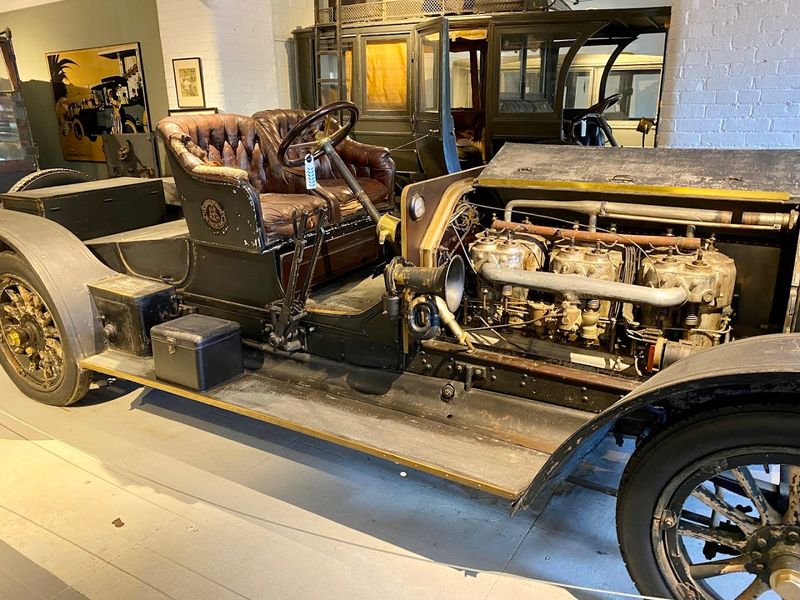
Most car museums fill their floors with polished restorations and gleaming paint jobs. This museum takes a different approach, and that difference is exactly what makes it extraordinary.
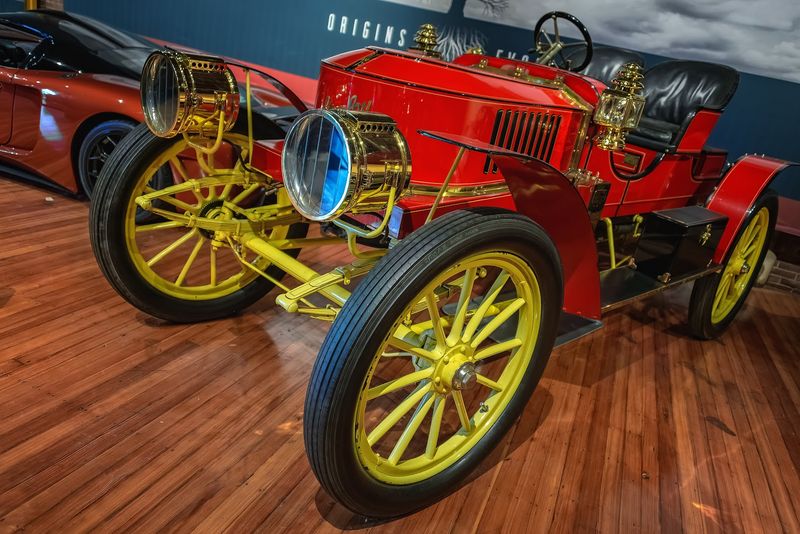
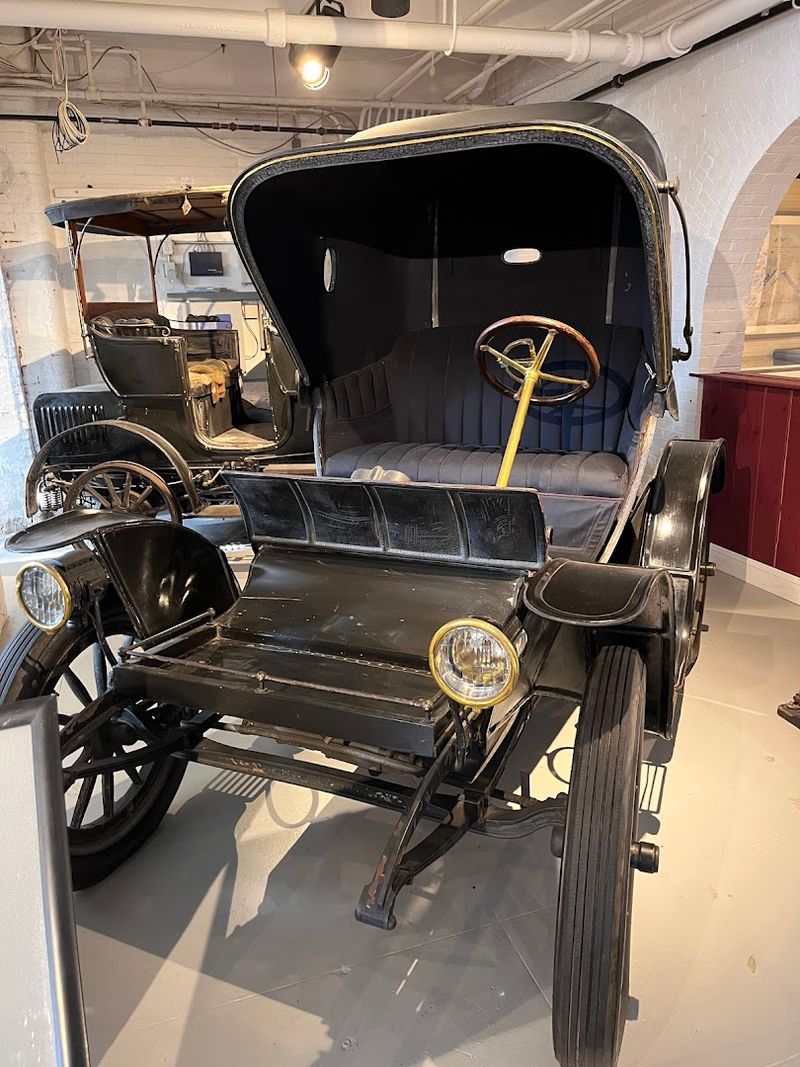
The collection here is widely recognized as America’s oldest, and the cars are largely unrestored, meaning what you see is what history actually looked like.
Larz and Isabel Anderson began collecting automobiles in 1899, starting with an 1899 Winton 4-hp Runabout that still sits on permanent display today. Between 1899 and 1948, the couple acquired at least 32 motorcars.
As each vehicle became outdated, it was retired to the Carriage House rather than sold or discarded.
Fourteen of those original vehicles remain in the collection, which is a remarkable survival rate for machines that are well over a century old.
Seeing them in their original condition, with original finishes and untouched mechanical components, delivers a sense of time travel that no restoration could replicate.
This is automotive history preserved with honesty and intention.
The Building Itself Is Worth The Trip
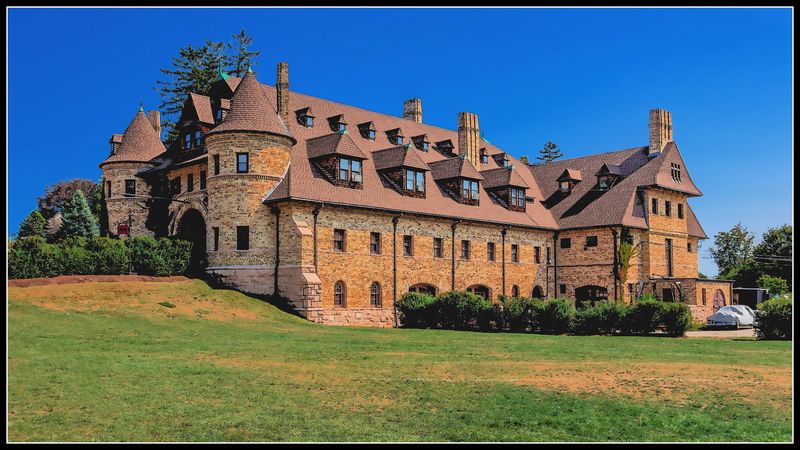
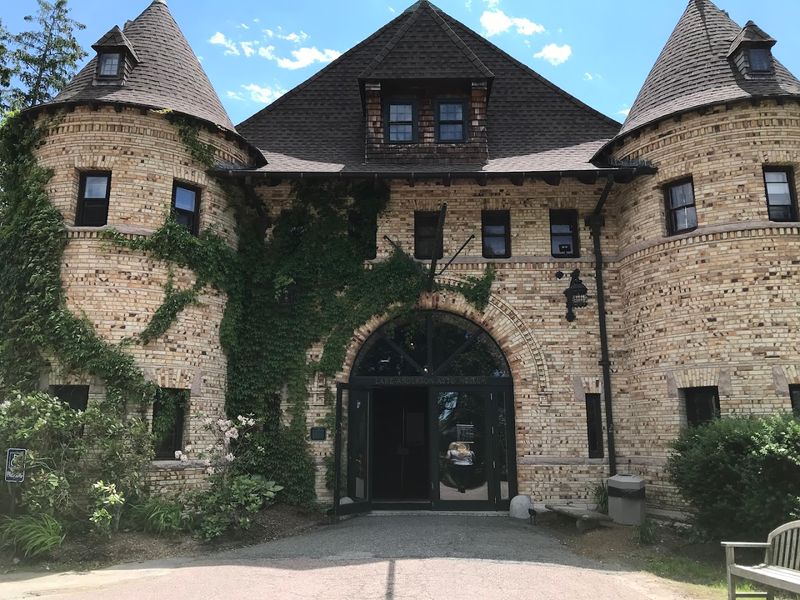
Before you even glance at a single car, the building stops you in your tracks. The Anderson Carriage House was constructed in 1888 and designed by Edmund M.
Wheelwright, who served as Boston’s city architect.
His inspiration came directly from the Chateau de Chaumont-sur-Loire in France, and the result is the largest carriage house in all of New England.
The stone facade, arched openings, and French chateau proportions create an atmosphere unlike any typical museum. Walking through the entrance feels more like arriving at a European estate than visiting a roadside attraction.
The architecture alone justifies the admission price for anyone who appreciates historic craftsmanship.
Inside, the soaring ceilings and original structural elements provide a dramatic backdrop for the vehicles on display. Natural light filters through tall windows, catching the aged metal and worn leather of machines that predate most living great-grandparents.
Visitors consistently mention the building in their reviews, often describing it as just as impressive as the cars themselves. At 15 Newton St, Brookline, MA 02445, the structure stands as a monument to both automotive and architectural history.
The Anderson Collection Tells A Personal Story
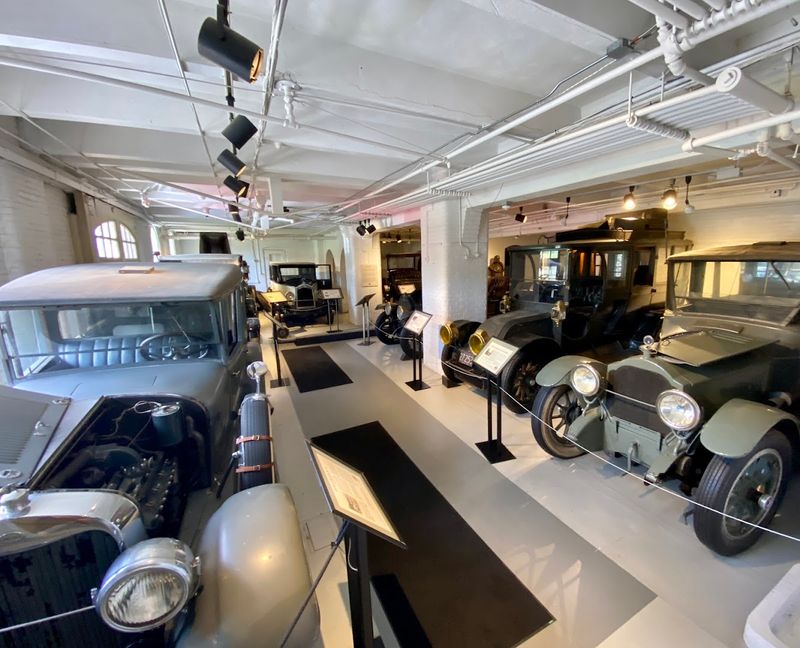
There is something unusually personal about the permanent exhibit called The Anderson Collection. Unlike most automotive displays that organize cars by era or manufacturer, this one traces the actual lives of two real people.
Larz Anderson was a diplomat and socialite, and Isabel was an author and adventurer. Their cars were not just transportation but expressions of who they were.
Each vehicle in the collection connects to a chapter of their story. The exhibit combines text panels, video presentations, and authentic artifacts to place the automobiles in social and historical context.
You come away understanding not just how the cars worked but why the Andersons chose them and what those choices meant in their time.
The collection is also singular in a way that most museums cannot claim. These cars were owned by one family, kept in one location, and never scattered across auction houses or private garages.
That continuity gives the exhibit a coherence and intimacy that resonates long after your visit ends. For anyone curious about how wealth, technology, and personal identity intersected in early twentieth-century America, this collection offers a genuinely compelling window.
Lawn Events Turn The Grounds Into A Celebration
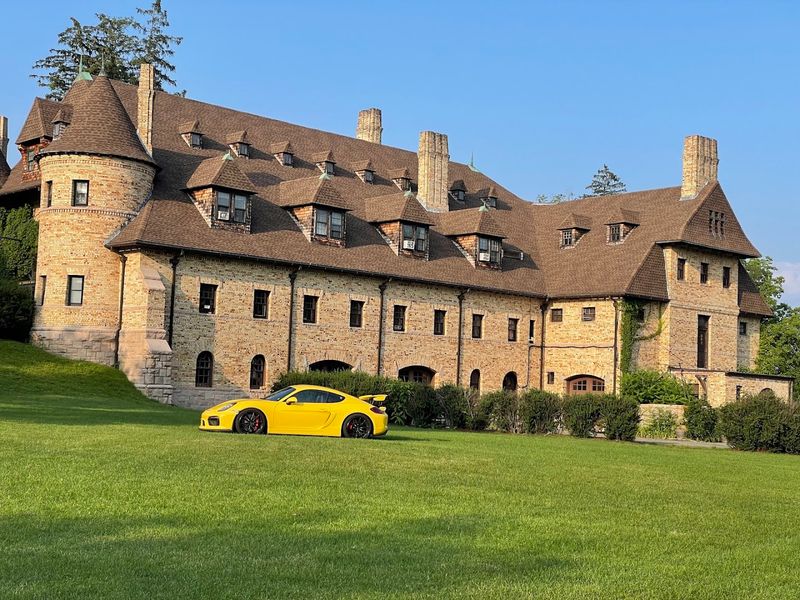
Every Sunday from May through October, the museum’s 64-acre grounds transform into one of the most enjoyable automotive gatherings in the Northeast.
The Lawn Events tradition actually began with the Anderson family, who opened their estate for informal Sunday afternoon car viewings.
The museum has carried that spirit forward in a way that feels organic rather than commercial.
Each event carries a specific theme, rotating through Italian, German, British, American, and Japanese marques, as well as motorcycles and specific model celebrations like Corvette Day. The scale varies from intimate gatherings to large festivals.
Tutto Italiano, for instance, is recognized as the largest Italian Car Festival in the entire Northeast, drawing hundreds of vehicles and thousands of visitors.
Food and beverages from Putterham Grille are available on-site, and visitors are welcome to bring their own picnic food. The atmosphere is relaxed and welcoming, drawing both dedicated enthusiasts and families who simply enjoy a beautiful afternoon outdoors.
The Boston skyline is visible from the hill, adding a scenic backdrop that few car shows anywhere can match. Checking the event calendar before your visit is strongly recommended.
Japanese Cars Get The Spotlight They Deserve
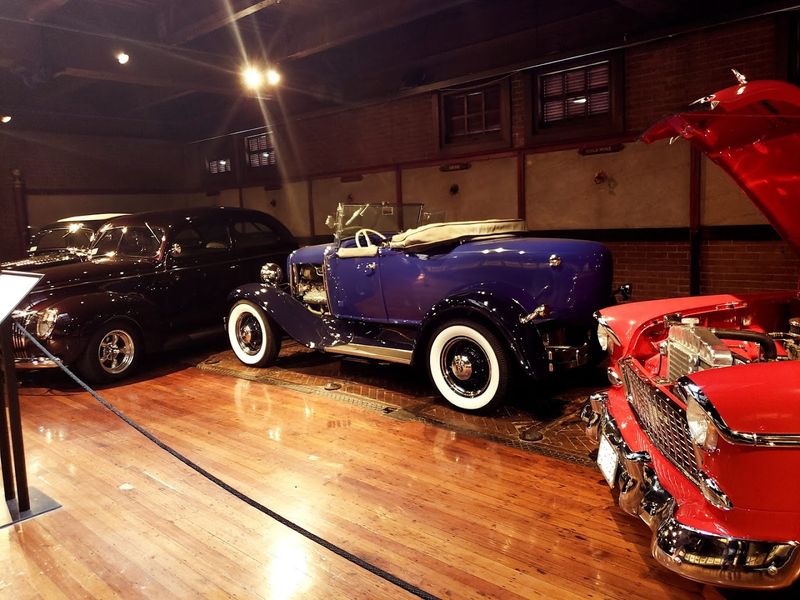
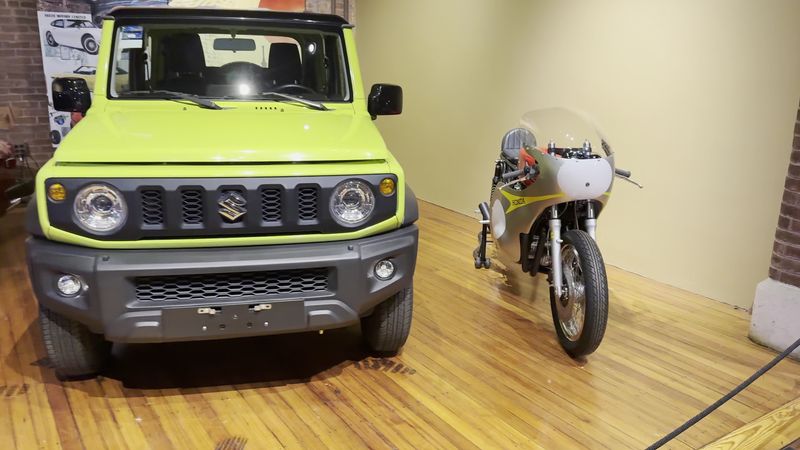
Car museums in America have a long history of favoring domestic marques, which makes the Larz Anderson Auto Museum’s commitment to Japanese automotive history genuinely refreshing. The rotating exhibit titled Shifting Perspectives: The Japanese Car Revolution has drawn enthusiastic responses from visitors who grew up reading about these cars in magazines and finally get to see them in person.
Reviewers have specifically called out the Japanese car collection as a standout feature, with one visitor noting it earned the museum a five-star rating on its own.
Seeing iconic imports from the 1970s and 1980s up close delivers a different kind of appreciation than a parking lot encounter ever could.
The exhibit also explores the broader cultural and economic story behind Japan’s rise as an automotive powerhouse. It frames these vehicles not just as machines but as symbols of a global shift in manufacturing, design philosophy, and consumer expectations.
For enthusiasts who grew up in that era, the experience carries real emotional weight.
For younger visitors, it offers a clear and engaging history lesson delivered through objects rather than textbooks.
Cars And Coffee Brings The Community Together
Not every great automotive experience requires a ticket and a formal exhibit.
The Cars and Coffee events at Larz Anderson offer something more spontaneous, a morning gathering where owners drive in and conversations happen naturally over coffee.
The format is familiar to car enthusiasts worldwide, but the setting here elevates it considerably.
The backdrop of the historic Carriage House and the rolling parkland of Larz Anderson Park gives these mornings a character that parking-lot versions simply cannot replicate.
Visitors have described the atmosphere as serene, with the surrounding park offering walking paths that make the experience feel like a genuine outing rather than just a car show.
These events are often free or low-cost, making them accessible to a wide range of visitors. Families with children, solo enthusiasts, and groups of friends all find something to enjoy.
The museum staff and regular attendees tend to be knowledgeable and approachable.
Checking the museum website at larzanderson.org for the current schedule is the best way to plan your visit around one of these mornings.
The Library And Archives Are A Researcher’s Resource
Beyond the cars and the events, this place maintains a library and archives that represent one of the most focused collections of automotive research materials in the region.
The holdings cover automobile history, racing history, and motor transportation broadly, with particular depth in materials related to the Packard Motor Company.
For historians, writers, students, and serious enthusiasts, this resource is genuinely valuable. Primary source materials, vintage photographs, technical documents, and publications that exist nowhere else in accessible form can be found here.
The museum’s commitment to preservation extends well beyond the physical vehicles on the floor.
Most casual visitors may walk past the library without a second thought, focused as they are on the cars themselves. That is entirely understandable.
But knowing the archive exists adds another dimension to the institution’s identity. This is not simply a place to look at old machines.
It is an educational organization with a serious scholarly mission. Groups interested in arranging research visits can contact the museum directly at the number listed on their website.
Admission Pricing Makes It An Easy Choice
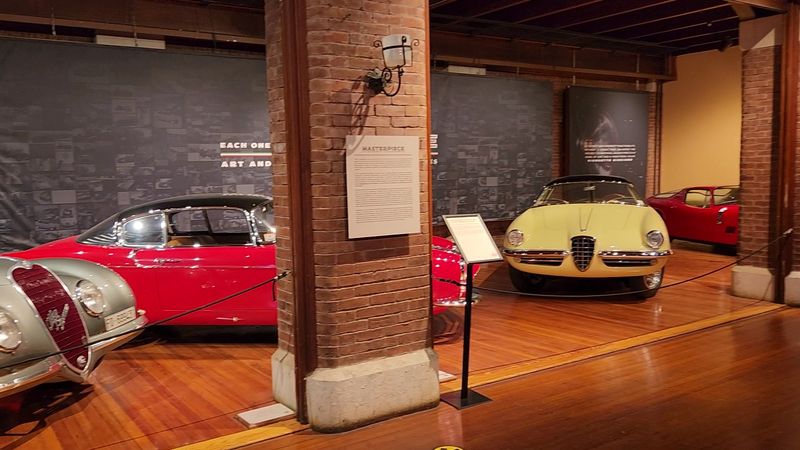
One practical concern that often keeps people from visiting museums is the cost, and the Larz Anderson Auto Museum addresses that concern with reasonable, transparent pricing.
Adult admission runs $15, while seniors aged 60 and older, college students, and children between 6 and 12 pay $10.
Children under 6 enter free, and museum members are always admitted without charge. For a museum of this historical significance and quality, those prices reflect genuine value.
A family can spend a meaningful afternoon here without the financial strain that larger institutions sometimes impose.
The military discount mentioned by visitors adds another layer of accessibility that speaks well of the museum’s priorities.
The museum is open Tuesday through Sunday from 10 AM to 3 PM year-round, which makes planning a visit straightforward. Monday closures are standard for many museums of this size, so checking the schedule before driving out is always wise.
The phone number is +1 617-522-6547 for anyone who wants to confirm hours or ask about upcoming exhibits. Given the 4.7-star rating across nearly a thousand reviews, the consensus is clear: the experience consistently delivers more than the admission price suggests.
The Park Setting Adds A Whole Other Layer
The museum does not exist in isolation.
It sits within Larz Anderson Park, a 64-acre public green space in Brookline that offers walking paths, open hillsides, and a panoramic view of the Boston skyline.
Arriving at the museum means arriving at a destination that rewards time beyond the exhibit walls.
On event days, the park becomes an extension of the experience, with cars parked across the grass and visitors wandering between vehicles and scenic overlooks. On quieter days, the grounds offer a peaceful contrast to the urban density of nearby Boston.
Families with children find the open space particularly welcome after spending time inside the Carriage House.
The combination of museum, park, and historic architecture in one location makes for an afternoon that satisfies multiple interests simultaneously. Someone who cares deeply about cars and someone who simply enjoys a walk in a well-maintained park can both leave happy.
Parking at the museum is limited, so arriving early during events is a practical strategy.
For large gatherings like Tutto Italiano, off-site parking with a shuttle service is typically provided, and details are posted in advance on the museum website.
Educational Programs Bring The History To Life
A visit to this Massachusetts museum can be more than a self-guided walk through a collection. The museum offers structured educational programs and guided tours designed for groups of all ages.
These programs take the objects on display and connect them to broader themes in American history, technology, and social change.
For school groups in particular, the museum presents an opportunity to engage with primary source objects in a way that classroom instruction rarely allows.
Standing next to a 125-year-old automobile and hearing about the world that produced it creates a different kind of understanding than reading about it in a textbook.
The staff members who lead these sessions are consistently praised in visitor reviews for their knowledge and enthusiasm.
Corporate groups have also used the museum for events and team gatherings, drawn by the unique atmosphere and the flexibility of the grounds. The museum’s educational mission, as a non-profit institution, shapes everything from exhibit design to community programming.
Groups interested in arranging a guided experience can reach the museum at +1 617-522-6547 or through the website at larzanderson.org to discuss available options and scheduling.