
This Dreamy State Park In Tennessee Feels Like Wandering Through A Real-Life Painting
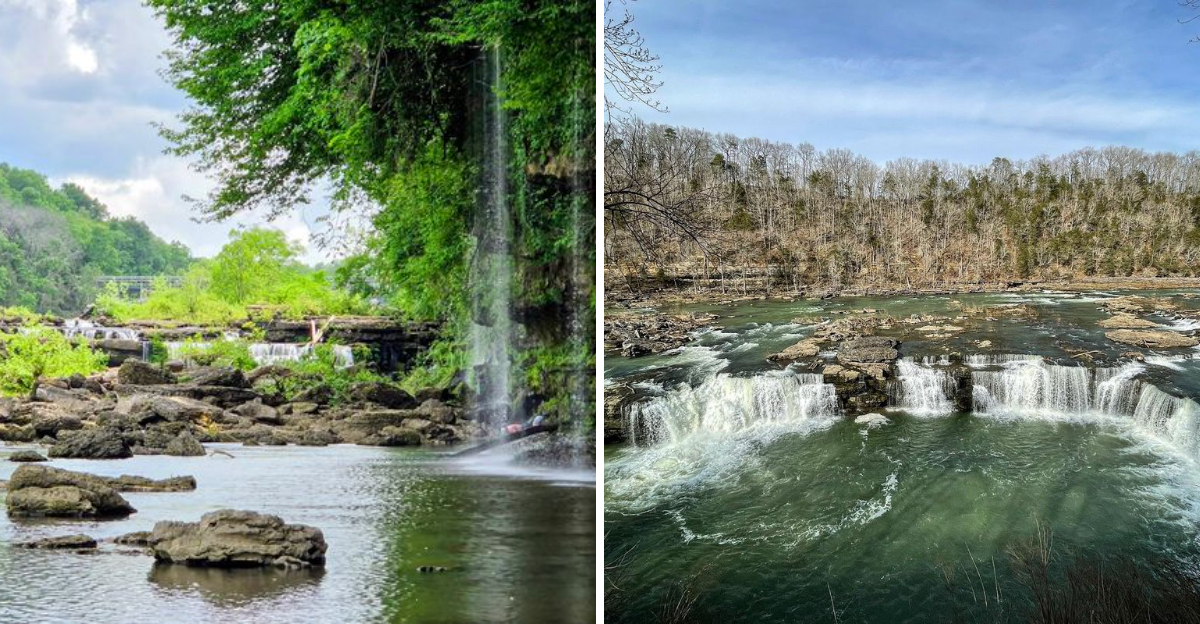
Some places don’t look planned. They look painted.
Tennessee has a state park that feels almost unreal, with wild water, stone walls, forest paths, and views that seem made for slow wandering. One minute, everything feels calm.
The next, the landscape turns bold and dramatic.
That is part of the magic.
You hear rushing falls before you see them. You follow trails that open into scenes full of texture, colour, and movement.
Even the quiet corners feel special, like nature added one more brushstroke just for fun.
It’s a place for cameras, muddy shoes, picnic breaks, and those little pauses where nobody says much because the view is doing all the talking. If a real-life painting existed in Tennessee, this dreamy park would make a strong case for it.
Great Falls And The Historic Cotton Mill
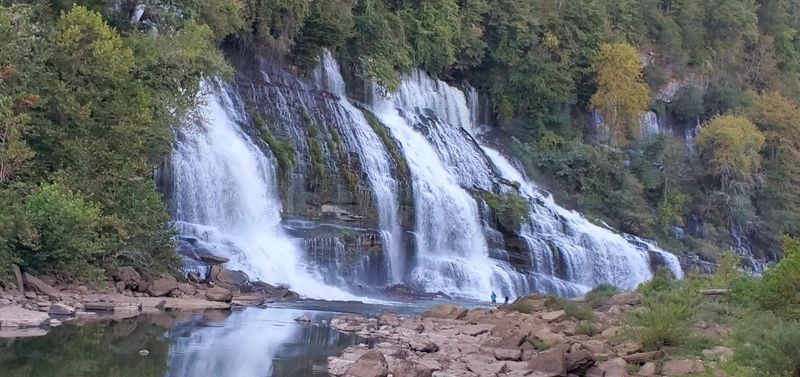
Standing at the edge of Great Falls feels like stumbling onto a film set that nobody bothered to clean up after production.
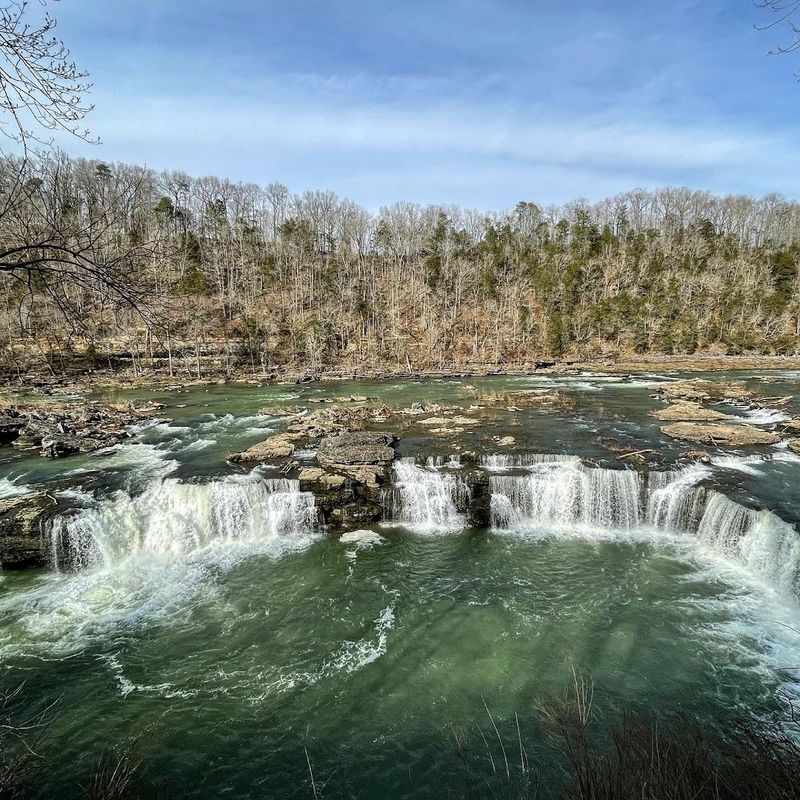
The waterfall drops roughly 30 feet in a wide horseshoe arc, and the sheer volume of water rushing over the limestone ledge creates a constant, low roar that you feel as much as hear.
What makes this spot genuinely remarkable is the company it keeps.
Just above the falls, the ruins of a 19th-century cotton textile mill stand as a quiet reminder that this river once powered an entire community.
The mill operated in the 1800s, and the stone foundations remain largely intact, giving the area a layered quality that goes beyond simple scenery.
Visitors should know that the trail down to the falls can be wet and slippery, especially near the bottom. Sturdy footwear with good grip is a practical necessity, not an optional suggestion.
Water from the TVA Great Falls Dam also affects river access on certain days, so checking release schedules before heading out saves a lot of frustration. The visitor center staff can point you toward the correct trail fork on the right side for the best views.
Twin Falls And The Gorge Wall Cascades
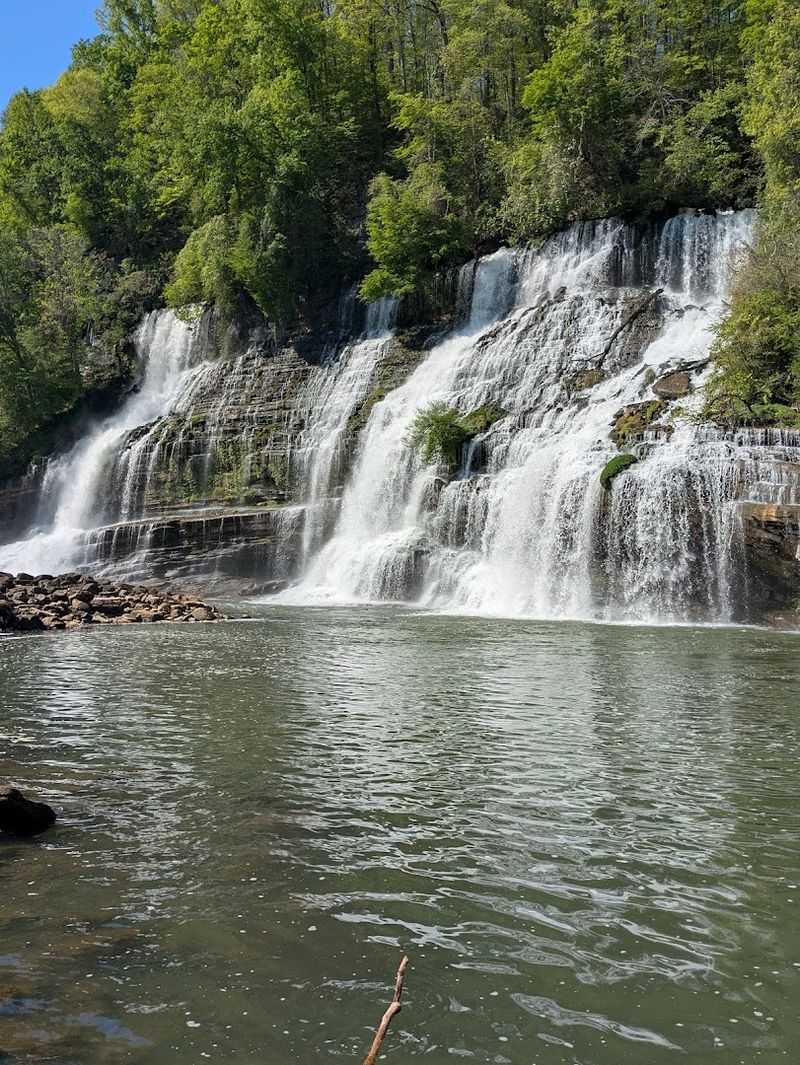
Twin Falls has a quality that most waterfalls simply cannot claim.
Rather than tumbling from a ridge or cliff face, the water pours directly from a cavern opening in the gorge wall and drops straight into the Caney Fork River below.
The effect is genuinely unusual, and photographs rarely do it full justice.
The Downstream Trail at Twin Falls is one of the park’s most popular routes, and for good reason. As you hike along the gorge, additional cascades spill from the overhanging rock walls whenever the ground is wet.
Two shallow stream crossings exist along the path, but stepping stones keep most hikers reasonably dry. The trail includes a small loop at its far end before returning along the same path.
Elevation changes are moderate but present, enough to engage your legs without exhausting your patience. Several visitors who reviewed the park noted that the gorge views from this trail were among the most scenic they encountered anywhere in Tennessee.
Morning visits tend to offer quieter conditions and better light for photography, particularly when mist lingers near the cavern opening where the falls emerge.
The Caney Fork River Gorge Overlooks
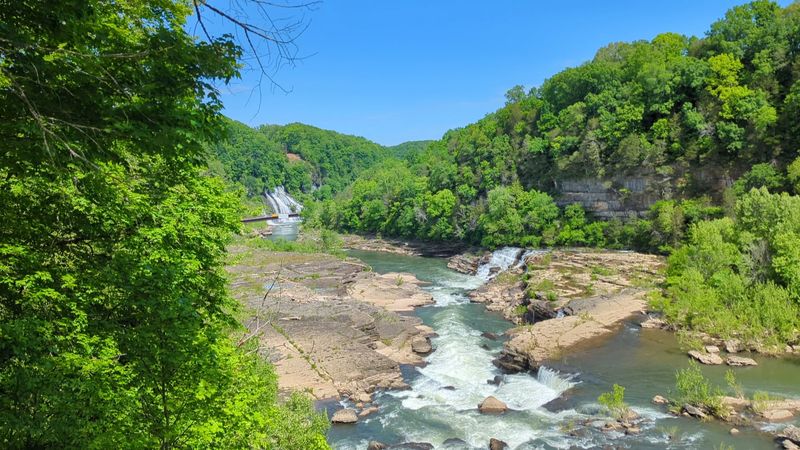
Few experiences at this park match the quiet satisfaction of reaching a gorge overlook and taking in the full sweep of the Caney Fork River below.
The river has carved its way through slick limestone bedrock over countless years, and the result is a corridor of rock and water that reads almost like a natural canyon in miniature.
The overlooks are accessible from multiple points along the park’s trail network, each offering a slightly different angle on the same dramatic landscape. Some perches sit close enough to the edge that you instinctively step back before you realize you already have a guardrail nearby.
Others require a short but steep climb that rewards the effort with an unobstructed panorama.
Water levels in the gorge shift depending on releases from the TVA Great Falls Dam upstream, which means the river can transform from a calm surface to a rushing torrent within hours. This unpredictability is part of what makes the gorge so compelling to return to.
Photographers in particular find value in visiting at different times of day and different seasons, as the limestone walls change color dramatically between morning and afternoon light.
The park spans over 2,000 acres, and the gorge overlooks represent some of its most rewarding real estate. The address is 82 Beach Rd, Rock Island, TN 38581.
Blue Hole Trail And Its Rewarding Solitude
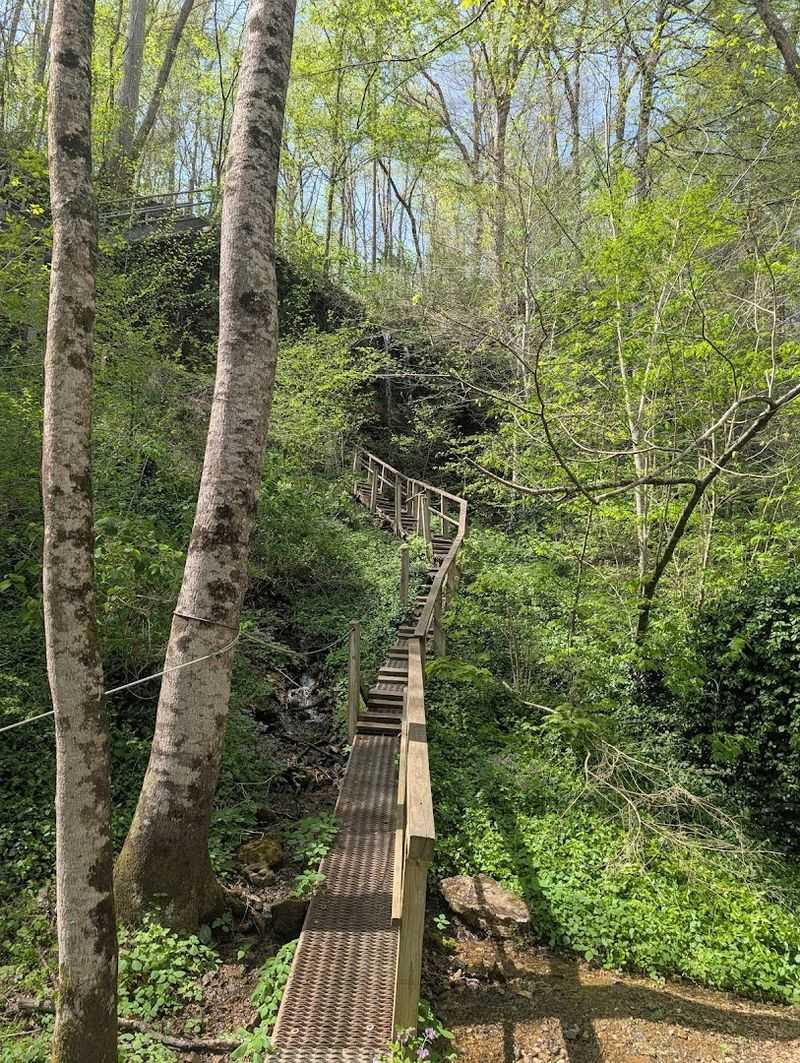
Ask a seasoned visitor which trail surprised them most at Rock Island, and there is a reasonable chance they mention the Blue Hole.
The hike down is challenging in sections, with uneven terrain and enough elevation change to remind you that your legs exist, but the destination more than justifies the effort.
The Blue Hole itself is a fishing area and natural pool known for its clear, cool water and the sense of genuine remoteness it projects despite being within the park boundaries.
One reviewer described arriving at 8 a.m. to find the place entirely to herself, calling it peaceful and beautiful in a way that felt almost accidental.
That kind of solitude is increasingly rare in popular state parks.
The trail requires attentive footing throughout, particularly on wet rock surfaces near the water. Shoes with solid traction are strongly advised, and the park recommends staying aware of posted safety signs near the Caney Fork power station and dam.
Wildlife sightings along this route are common, including white-tailed deer and various bird species such as scarlet tanagers and Acadian flycatchers.
The Blue Hole trail rewards those who take their time rather than rushing toward the destination, since the forest along the approach has its own quiet character worth paying attention to.
Center Hill Lake And The Natural Sand Beach
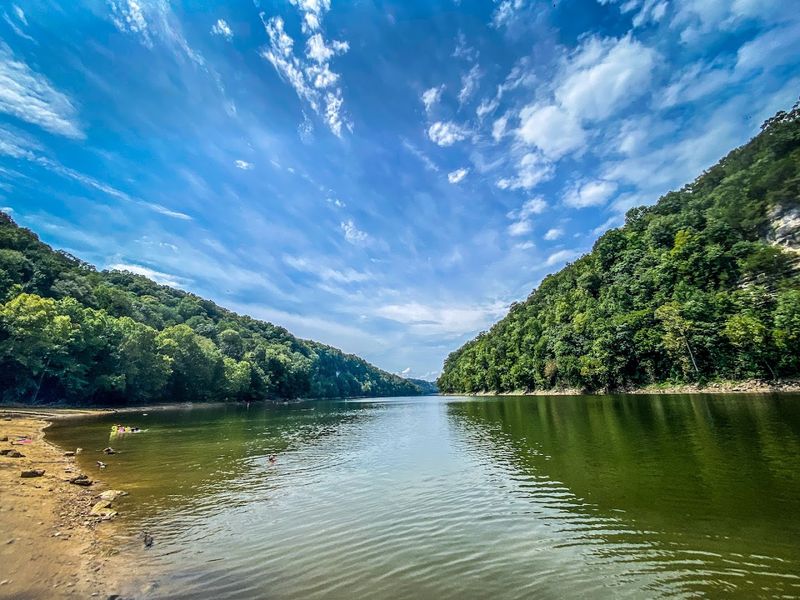
Most people arrive at Rock Island expecting waterfalls and gorges, which means the natural sand beach on Center Hill Lake often catches first-time visitors off guard in the best possible way.
The beach sits against a backdrop of imposing limestone cliffs that rise directly from the water, creating a visual contrast that feels almost theatrical without trying to be.
Swimming is permitted in designated areas, and the beach draws families, couples, and solo travelers looking for a more relaxed pace than the hiking trails demand.
The water temperature varies by season, but the summer months bring reliable crowds who come specifically for the swimming and the scenery in equal measure.
Center Hill Lake itself was formed by the impoundment of the Caney Fork River, and the park sits at the headwaters where the Caney Fork, Collins, and Rocky Rivers all converge. That convergence gives the lake a particular richness in terms of fish populations.
Anglers and swimmers coexist fairly comfortably across the park’s designated zones.
The beach area offers parking, and the park’s phone number is available at 888-867-2757 for questions about seasonal hours and water conditions before you make the drive.
Kayaking And Whitewater On The Caney Fork
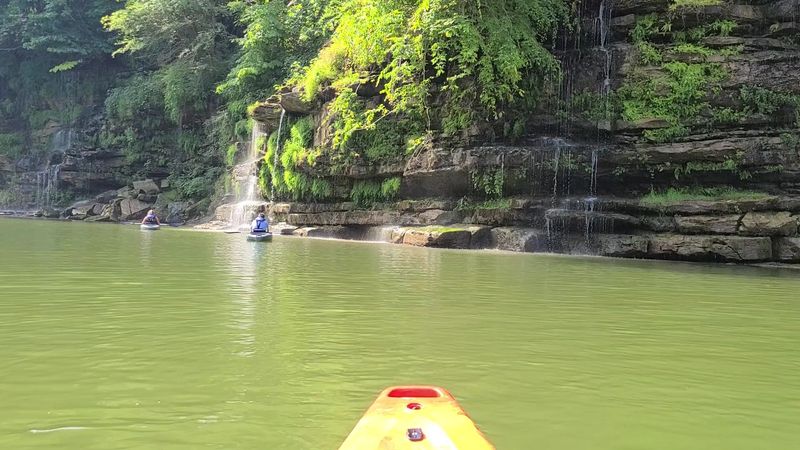
The Caney Fork River does not offer the same experience twice.
Because the TVA Great Falls Dam controls water flow upstream, river conditions at Rock Island shift depending on scheduled releases.
On some days the water runs calm and reflective. On others, genuine whitewater rapids appear, turning the gorge into a fast-moving challenge that kayakers plan their trips around specifically.
This variability is not a drawback. Regular visitors describe it as one of the park’s most compelling qualities, since it means every trip carries a degree of uncertainty that keeps the experience fresh.
Kayaking through the gorge when the water is running high puts you inside the landscape in a way that no overlook or trail can replicate.
For those new to paddling, checking water release schedules from the TVA before launching is an essential first step rather than an optional precaution. The park’s website at tnstateparks.com/parks/rock-island provides updated information on river conditions.
Experienced paddlers tend to seek out the higher-water release days for the rapids, while those who prefer a gentler float aim for calmer periods. Either way, the gorge walls rising on both sides while you move through the water create an amazing sense of scale and immersion.
Wildflowers, Ferns, And The Park’s Living Landscape
Rock Island is not only a park of dramatic geology.
The living landscape that fills the space between the rock faces and river banks carries its own quiet complexity worth slowing down to notice.
Ferns carpet the gorge floors in dense, overlapping layers, and mosses cling to limestone surfaces in patterns that look almost deliberately arranged.
Wildflowers appear throughout the park in seasonal rotations, with spring bringing some of the most vibrant displays along the trail edges and forest clearings.
The diversity of plant life reflects the varied moisture levels across the park, from the dry ridge tops to the perpetually damp gorge floors where water seeps through the rock year-round.
Bird life adds another dimension entirely. Yellow-throated warblers, Acadian flycatchers, and scarlet tanagers are all documented species within the park.
White-tailed deer move through the wooded sections with enough regularity that morning hikers frequently encounter them along the Collins River trail.
The park’s ecological richness is one reason photographers return across multiple seasons, finding new compositions in the same places they visited months before.
The Old Mill Gorge And Its Atmospheric Depth
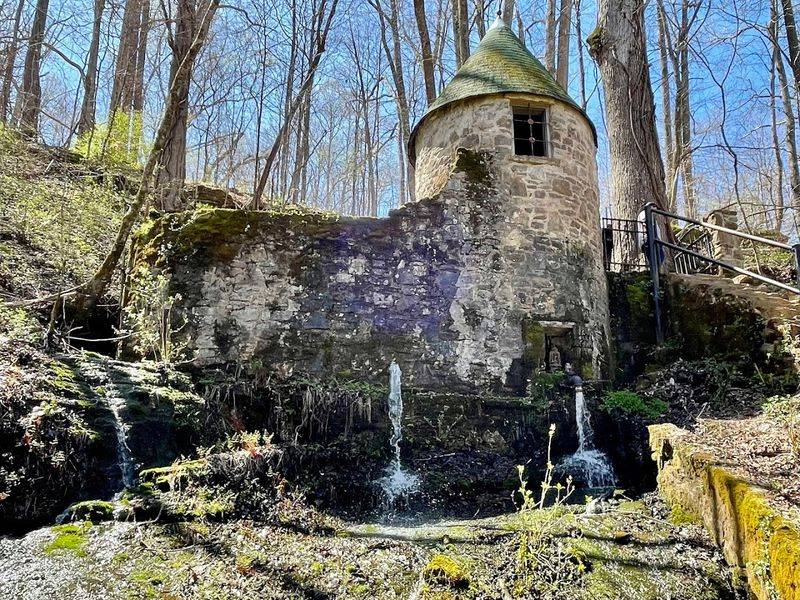
The Old Mill Gorge section of Rock Island carries a mood that is harder to describe than it is to feel.
Walking down into the gorge below the cotton mill ruins, the temperature drops noticeably, and the sound of the river fills the space.
Several visitors have identified this as their favorite area of the entire park. The trail leading down requires careful footing, especially when wet.
Water flowing over the steps is a common condition rather than an exception.
The mill itself dates to the 19th century, and its stone foundations remain visible above the gorge, giving the area a historical weight that purely natural landscapes sometimes lack.
Standing in the gorge and looking up at those ruins while the river rushes past creates a layered experience that combines natural drama with human history in an unusually direct way.
The Spring Castle, a structure that once served as a refrigeration house, also stands nearby and adds another thread to the area’s historical fabric worth following on a longer visit.
Cabins And Camping For An Overnight Stay
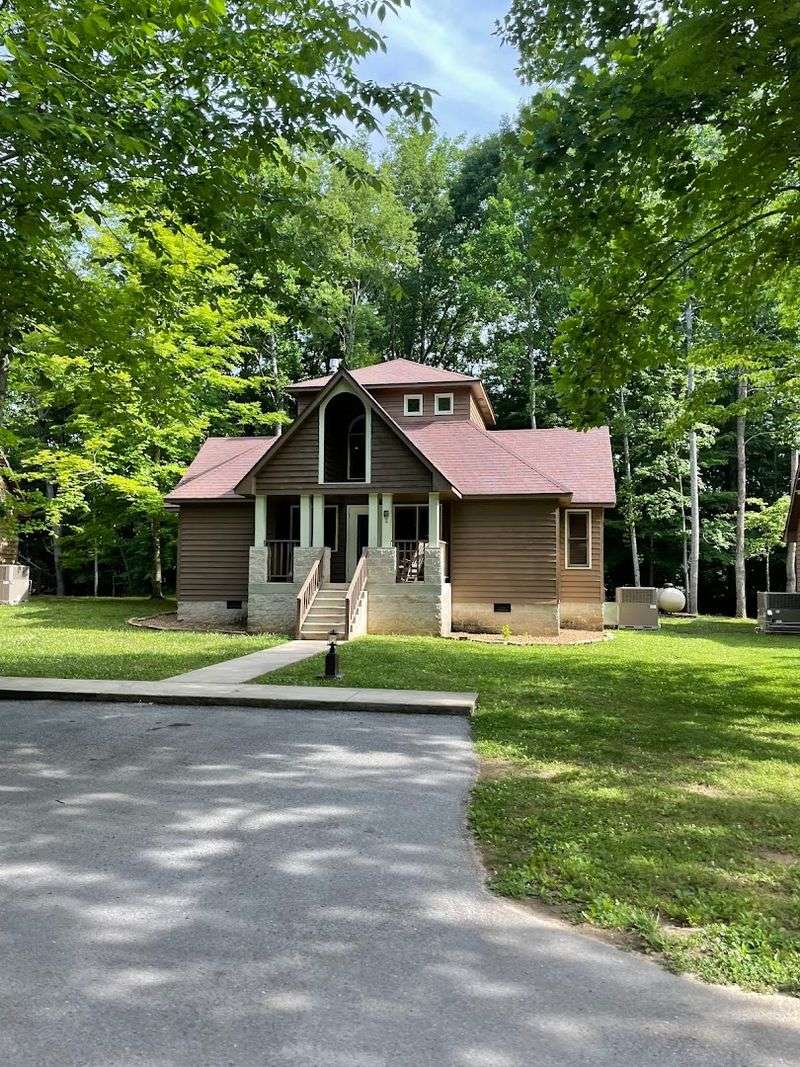
Staying overnight at Rock Island changes the experience in ways that a day trip simply cannot replicate.
The park offers year-round cabins that range in character from comfortable to genuinely impressive. Waking up inside the park before other visitors arrive means access to the trails and overlooks in their quietest, most atmospheric state.
The campground also includes an RV section with full hookups, a playground, bath house, volleyball courts, basketball, tennis, and horseshoe areas. Wooded sites provide reasonable shade and privacy, though some sites sit fairly close to neighboring spots.
Cell service is limited in parts of the park, which for many visitors is less a problem than a feature.
Pet-friendly accommodations are available, making Rock Island a workable destination for travelers with dogs. Some reviewers noted that trail surfaces can be uneven and rough in sections, so dogs should be kept on leash and monitored on steeper paths.
Reservations for cabins are advisable well in advance, particularly for summer weekends when demand runs high.
Photography Opportunities Across Every Season
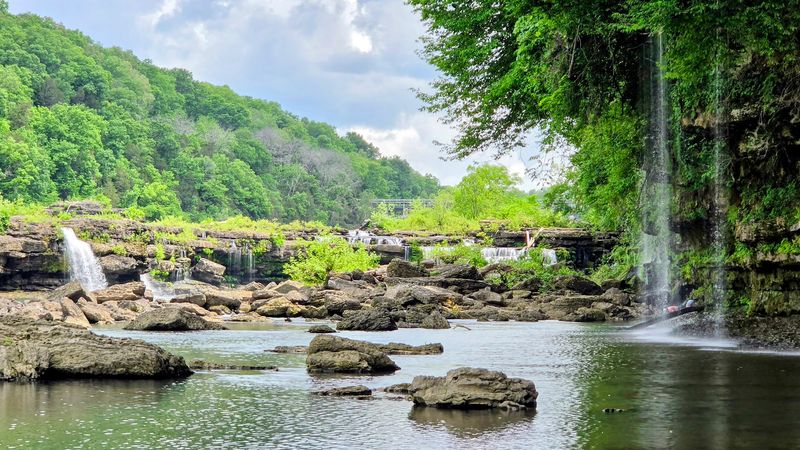
Rock Island earns consistent praise from photographers, and the reasons become obvious within the first hour of exploring the park.
The combination of moving water, textured limestone, dense forest canopy, and open lake views means that the light behaves differently in almost every corner of the park.
No single angle covers everything, which is precisely what keeps photographers returning across multiple visits.
Autumn transforms the park’s color palette entirely.
The deciduous trees along the gorge and river corridors shift through amber, rust, and gold, and their reflections in the slower sections of the Caney Fork add a second layer of color.
Winter visits, which some reviewers found surprisingly rewarding, strip the trees back and reveal the limestone architecture of the gorge in starker, more graphic terms.
Spring and early summer bring the wildflower displays and the highest water volumes through the falls, producing the most dramatic mist and sound. Late afternoon light tends to reach the gorge floor during summer months.
Visitors who plan their timing around the light rather than simply arriving at midday consistently report more satisfying results, both visually and in terms of avoiding the largest crowds.