
The Hidden Northern Montana Glacier Park That Feels Like A Secret Wilderness Escape
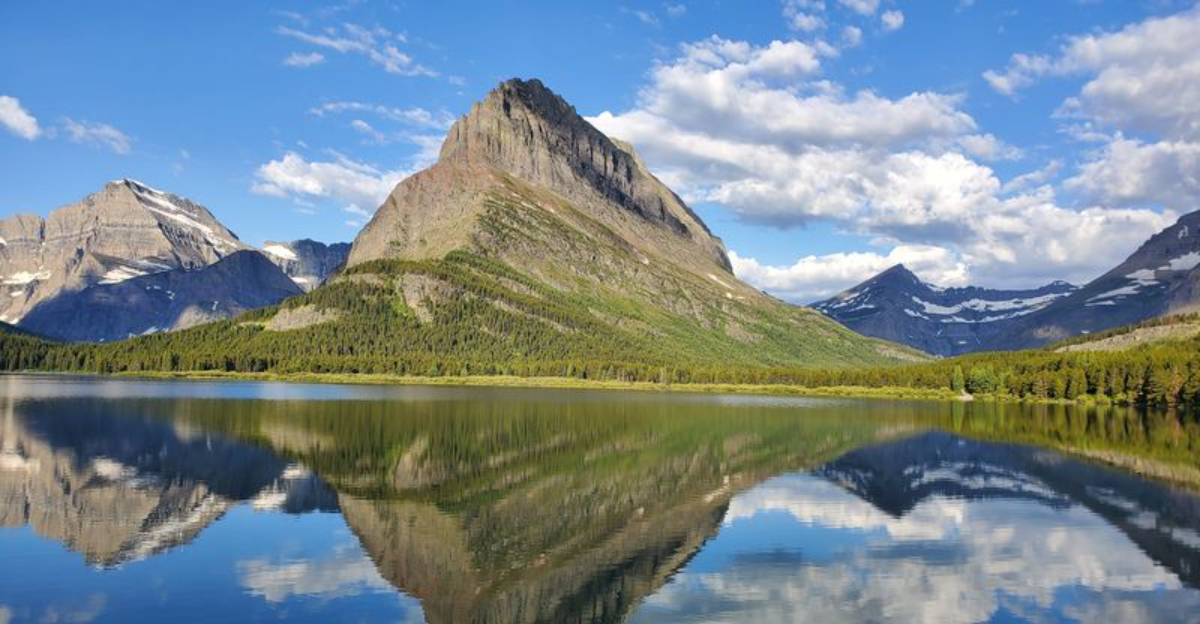
Some parks have waiting lists, packed trails, and ranger stations that run out of maps by 9 AM. This one just has wilderness.
Buried in the far northern corner of Montana, this glacier park operates on a different frequency than the famous ones. No shuttle queues.
No influencers are blocking the viewpoints. Just raw subalpine terrain, ice-carved valleys, and the kind of quiet that makes you realize how loud your regular life actually is.
The trails here do not lead to crowded overlooks with designated photo spots. They lead deeper into forests where the only thing waiting at the end is more mountains.
This is the part of Montana that never made it onto the mood boards and the travel magazines. Not because it is not spectacular.
Because the people who found it stopped telling others about it. You can understand why the moment you arrive.
Unique Formations And Their History
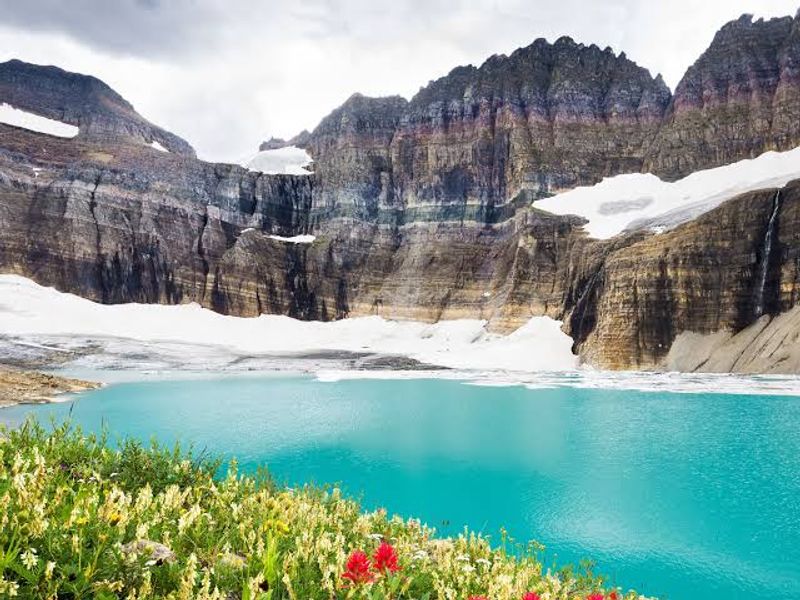
This national park sits on some of the oldest exposed rock on Earth. The Belt Supergroup formations here are roughly 1.5 billion years old.
That is not a typo. Billion with a B.
The park owes its dramatic landscape to ancient glaciers that carved deep U-shaped valleys. Those glaciers also left behind features like hanging valleys and cirques.
You can see the evidence everywhere you look.
Lewis Overthrust is one of the most fascinating geological stories in the park. Ancient rock was pushed eastward over younger rock during a massive tectonic event.
The result is a landscape that geologists travel from around the world to study.
The Going-to-the-Sun Road cuts through some of these formations in a way that feels almost theatrical. Red and green argillite rock layers line the roadside in bold stripes.
It looks painted, but it is completely natural.
Ripple marks from ancient shallow seas are preserved in the rock surfaces along several trails. Stromatolite fossils, formed by ancient microorganisms, appear in cliff faces near the park’s core.
These are quiet reminders that this land has been alive for an almost unimaginable stretch of time.
The park is located in Montana, United States, and preserves both geological and human history. Historic homesteads like the Jeremiah McCarthy cabin in the North Fork area add a human layer to the story.
Rare Wildlife Species Found In The Park
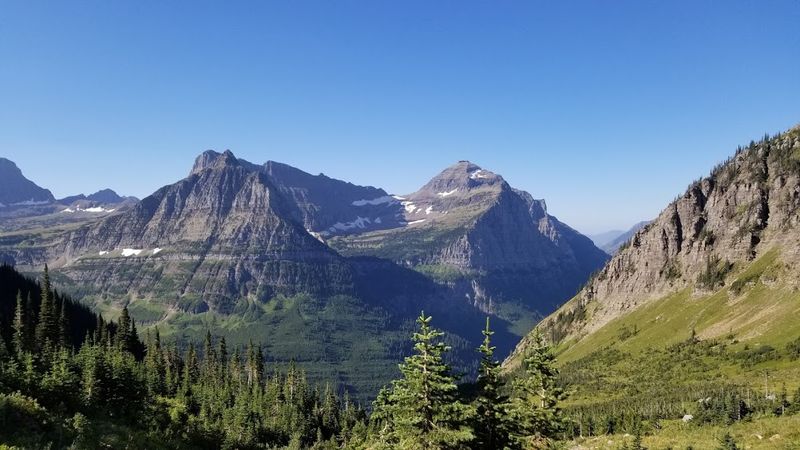
Glacier National Park is one of the last places in the lower 48 states where grizzly bears roam freely. The North Fork area gives you a higher chance of spotting one.
Bring bear spray. No exceptions.
Gray wolves were reintroduced to the region and have maintained a presence here. Spotting one is rare, but it happens.
The North Fork’s open prairie grasslands make wolf sightings more likely than in forested sections.
Mountain goats are basically the park’s mascots. They hang out on impossibly high cliffs like it is completely normal.
Hidden Lake Overlook near Logan Pass is one of the best spots to find them.
Bighorn sheep appear regularly along rocky ridgelines. Moose prefer wetland areas and are often spotted near Bowman Lake and Kintla Lake in the early morning hours.
Both animals are large and worth keeping a respectful distance from.
The park also supports black bears, wolverines, lynx, and over 270 bird species. Bald eagles and osprey patrol the lakes.
Harlequin ducks nest along fast-moving streams in spring and early summer.
Wildlife viewing in Glacier feels genuinely wild. Animals here are not habituated to crowds the way they can be in more visited parks.
That rawness is exactly what makes each sighting feel like a real reward rather than a scheduled event.
Seasonal Hiking Trails For Different Skill Levels
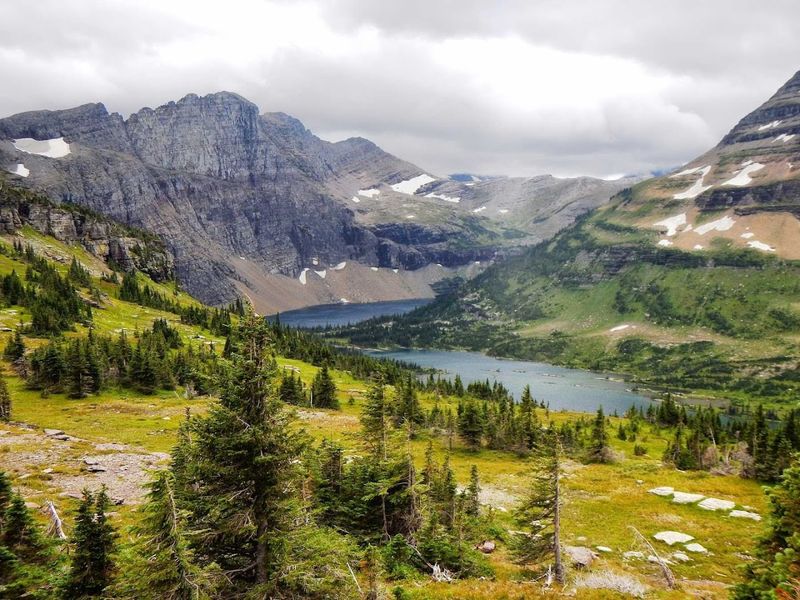
Glacier has trails for every type of hiker, from someone on their first outdoor adventure to seasoned backpackers. The trail network spans over 700 miles.
There is genuinely no shortage of options here.
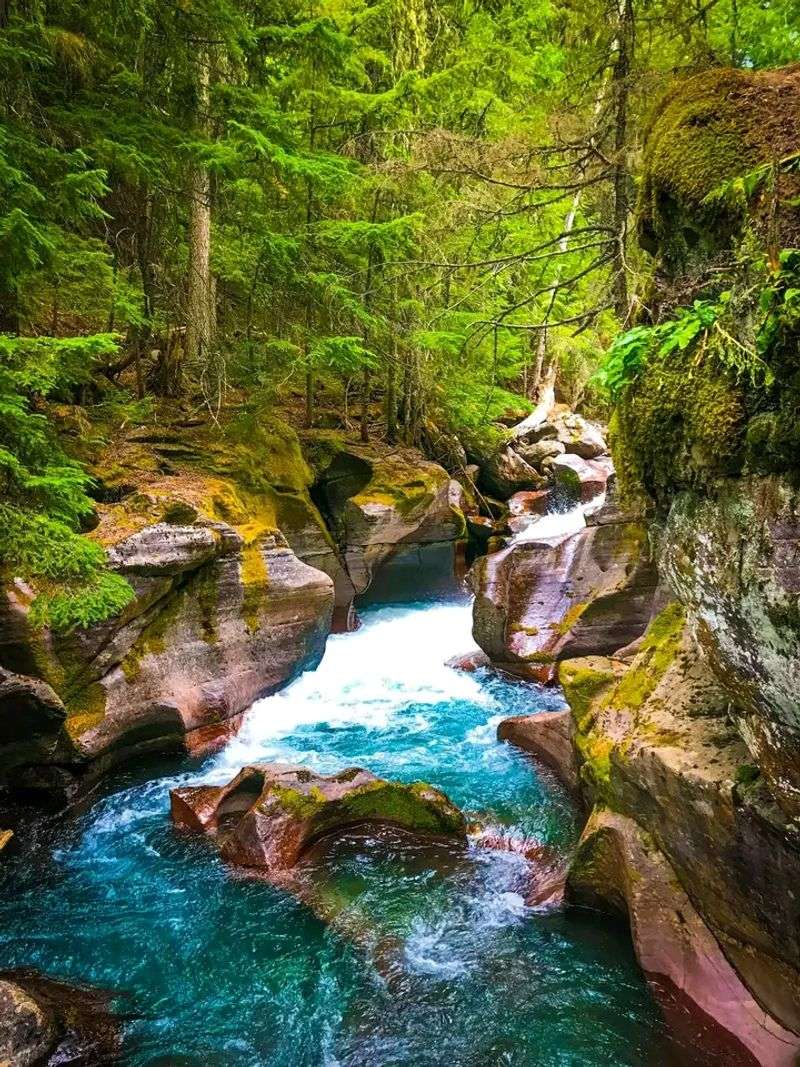
Beginners love the Trail of the Cedars near Avalanche Creek. It is a short, flat loop through an ancient cedar and hemlock forest.
The mossy, cathedral-like atmosphere makes it feel magical without demanding much effort.
Intermediate hikers often head to Avalanche Lake, a 4.6-mile round trip with a moderate elevation gain. The payoff is a stunning glacially-fed lake surrounded by waterfalls.
It is one of the most rewarding hikes in the park for the effort required.
The Highline Trail is the crown jewel for experienced hikers. It runs along the Continental Divide with sweeping panoramic views.
At certain points, the trail is literally carved into the side of a cliff face.
The North Fork area offers remote wilderness trails like the Boulder Pass Trail. These routes see far fewer visitors and demand solid navigation skills.
The solitude out there is the kind you genuinely cannot find anywhere else in the park.
Snow covers many high-elevation trails well into July. Always check trail conditions before heading out.
The park’s website and ranger stations provide updated information that can save you a lot of frustration on the trail.
Camping Tips For A Safe Wilderness Experience
Camping in Glacier is one of those experiences that sounds simple until you realize how much planning it actually requires. Campgrounds fill up fast.
Reserve your site months in advance through Recreation.gov or risk showing up with nowhere to stay.
Bowman Lake Campground in the North Fork area is a favorite for those seeking real solitude. The road to get there is rough and unpaved.
Large RVs and buses cannot make the trip, which keeps the crowd size naturally small.
Bear canisters or bear boxes are mandatory for food storage throughout the park. Grizzlies are active and intelligent.
Leaving food unsecured is not just a rule violation; it is genuinely dangerous for both you and the bear.
Camp stoves are allowed, but campfires are subject to seasonal restrictions. Check current fire conditions before your trip.
Dry summers can result in full fire bans across the park.
Many campgrounds have basic amenities like flush toilets and picnic tables. Some sites even have fire rings with access to water.
Backcountry sites are more primitive and require a separate backcountry permit.
Nights in the park get cold even in summer. Pack layers regardless of what the daytime forecast says.
Temperatures near the lakes and at elevation can drop significantly after sunset, catching unprepared campers off guard every single season.
Photography Spots To Capture Natural Landscapes
Glacier National Park is a photographer’s dream, and that is not an exaggeration. Every angle seems to produce a frame-worthy shot.
The challenge is actually choosing where to point your camera first.
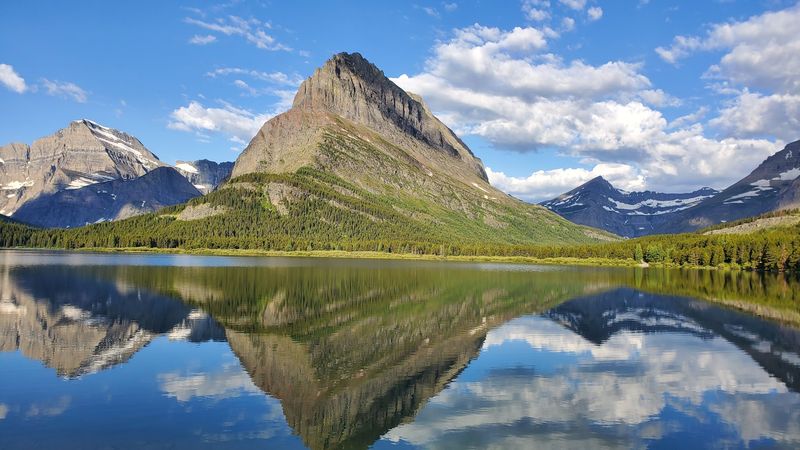
Lake McDonald is famous for its colorful, smooth stones visible through crystal-clear water. Early morning light turns the lake surface into a mirror.
The reflection of surrounding peaks makes even a phone camera look professional.
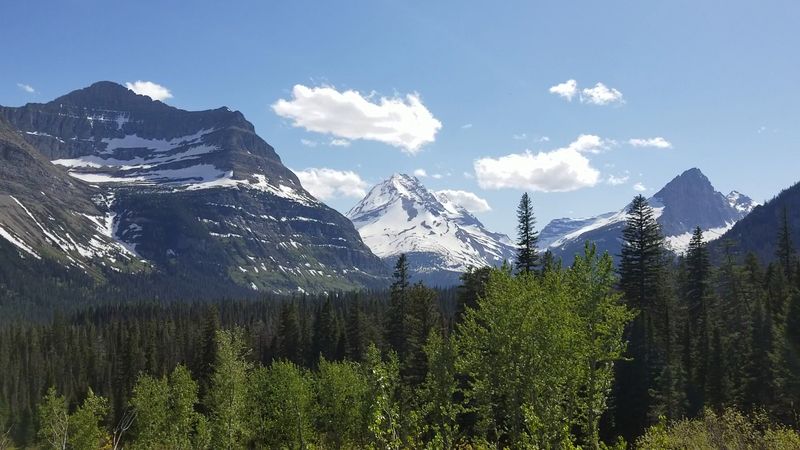
Logan Pass offers sweeping views of the Continental Divide. Wildflower meadows bloom here in July and early August.
Mountain goats frequently wander through the frame without any invitation, which is a bonus.
St. Mary Lake with Wild Goose Island is one of the most photographed spots in the entire park. A small island sits in the middle of a massive blue lake.
Dramatic clouds and shifting light make every visit look completely different from the last.
Bowman Lake in the North Fork area rewards photographers willing to make the bumpy drive. The remote setting means fewer people in your shots.
Sunrise here produces some of the most peaceful and untouched landscape images in Montana.
The Going-to-the-Sun Road offers dozens of pullouts with stunning vantage points. Weeping Wall, Bird Woman Falls, and the Jackson Glacier Overlook are all worth stopping for.
Bring extra memory cards because you will use them faster than you expect.
Flora Diversity And Conservation Efforts
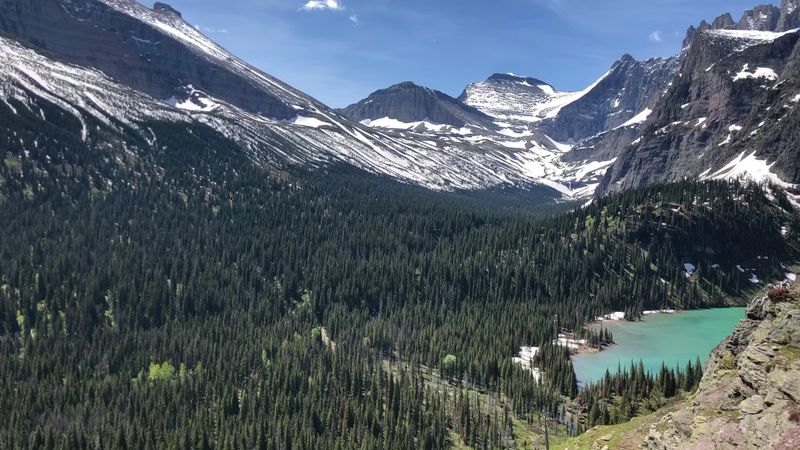
Glacier National Park supports over 1,000 species of plants, from dense valley forests to exposed alpine tundra. The diversity is remarkable considering how different the ecosystems are within a single park boundary.
Elevation changes everything here.
Beargrass is the park’s iconic wildflower. It sends up tall white plumes in summer and covers entire hillsides in good bloom years.
It only blooms every five to seven years on each individual plant, so a strong beargrass year feels like a real event.
Indian paintbrush, glacier lilies, and purple aster color the meadows around Logan Pass in mid-summer. These blooms attract pollinators and provide critical food sources for wildlife.
The timing of peak bloom shifts each year depending on snowpack and temperature.
The western valleys support lush cedar and hemlock forests that feel more Pacific Northwest than Rocky Mountain. The Trail of the Cedars showcases ancient trees draped in moss.
Some of these trees have been standing for several hundred years.
Conservation efforts in the park focus heavily on monitoring the retreat of named glaciers. Scientists track plant community shifts as climate patterns change.
Native plant restoration projects help stabilize disturbed areas along trail corridors and roadsides.
Invasive species management is an ongoing priority for park staff. Non-native plants compete aggressively with native flora.
Volunteer programs allow visitors to contribute directly to restoration work during organized events throughout the summer season.
Guided Tours And Ranger Programs Available
Ranger-led programs at Glacier are genuinely worth building your schedule around. These programs are free with park admission and cover everything from geology to bear safety.
Rangers here know the park at a level that no guidebook can match.
Evening campfire talks happen at several campgrounds throughout the summer. Topics rotate regularly, covering wildlife behavior, park history, and conservation science.
Families with kids find these especially engaging because rangers are skilled at making complex topics accessible.
The historic boat tour on Two Medicine Lake is one of the park’s most beloved experiences. A classic wooden boat carries visitors across the lake to trailheads that are otherwise a long walk away.
The narrated ride adds historical and ecological context that enriches the entire visit.
Guided hikes led by rangers depart from Logan Pass and other trailheads during peak season. Group sizes are limited, which keeps the experience personal.
These hikes are ideal for first-time visitors who want expert insight without hiring a private guide.
Private guiding companies operate within and around the park as well. They offer horseback riding, fly fishing, photography tours, and multi-day backpacking trips.
Booking in advance is strongly recommended since spots fill up quickly during July and August.
The North Fork area occasionally has ranger presence at Polebridge Ranger Station. Stopping there before heading deeper into the wilderness is always a smart move for current trail and wildlife conditions.
Best Times To Visit For Quiet Exploration
Summer is peak season at Glacier, and the crowds that come with it are real. July and August bring the most visitors, the most traffic, and the most competition for parking.
Going-to-the-Sun Road can feel like a highway on a bad day.
Late September and October are genuinely underrated for visiting the park. Crowds thin out dramatically after Labor Day.
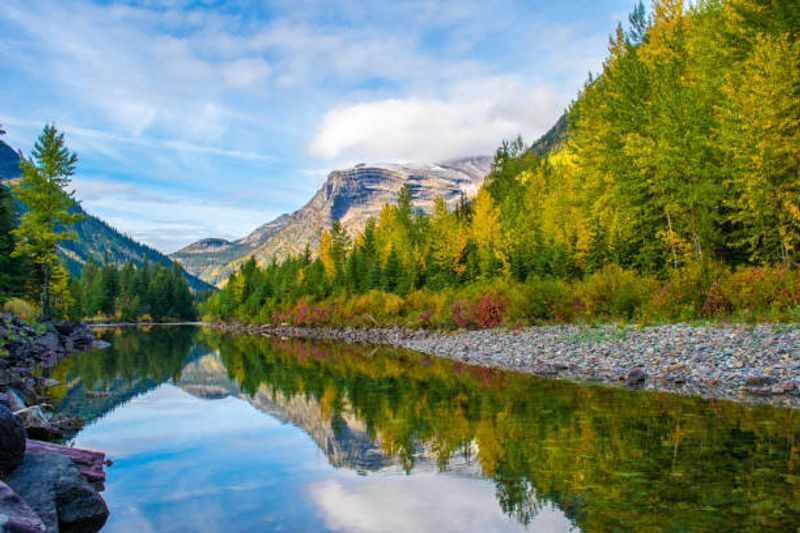
Larch trees turn gold, peaks get their first dusty coatings of snow, and the whole park takes on a quieter, more contemplative mood.
Early June offers a different kind of reward. Snowmelt fills waterfalls to their maximum roar.
Some high-elevation roads are still closed, which actually pushes fewer people into the park overall. Wildlife is active, and wildflowers begin their first push through the soil.
The North Fork area stays relatively quiet all season long. Rough road access keeps casual visitors away naturally.
If solitude is your primary goal, this corner of the park delivers it even during the busiest weeks of summer.
Mid-October visits require flexibility since some facilities close for the season. Visitor centers and certain lodges shut down.
Roads and overlooks often remain accessible, and the reduced services actually add to the feeling of having the park to yourself.
Arriving early in the morning on any given day dramatically improves your experience. Parking fills up by 9 a.m. at popular trailheads.
Being on the trail by 7 a.m. means wildlife, light, and solitude all line up in your favor.