
This Remote Coastal Island Town In Maine Serves Lobster That Draws Visitors From Far Away
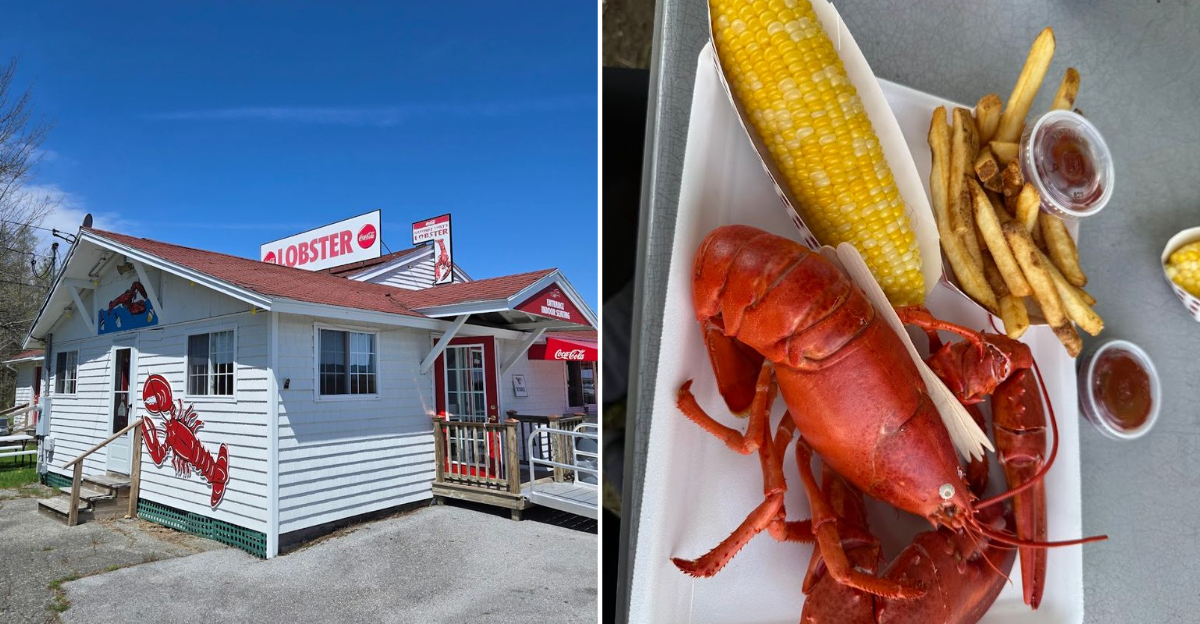
Maine has been serving lobster since before it was cool, expensive, or both. This island town has been doing it longer and better than almost anyone.
Getting here requires intention. There is no accidental drive-through, no highway exit that drops you at the dock.
You have to want it. And the people who make that effort arrive to find a place that operates almost entirely on its own terms.
The fishing boats go out before dawn the same way they always have. The lobster comes off those boats and into the pot within hours.
No supply chain, no middleman, no restaurant group with locations in four cities deciding what the menu should look like. Just Maine coastline, cold Atlantic water, and the kind of seafood that makes every other version of it feel like an approximation.
People come from far away for a meal here and leave wondering why they do not live closer. Some of them eventually do something about that.
Unique Harvesting Techniques
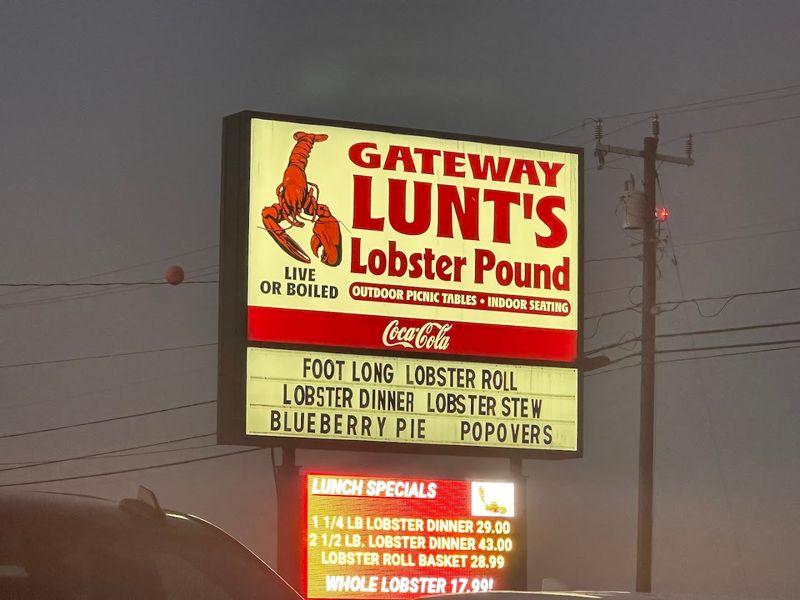
A spot like this has been connected to Frenchman’s Bay lobstering since the 1930s. That is not a marketing line.
That is nearly a century of hands-on harvesting knowledge. The Harding family built this place on real fishing roots, not just a love of seafood.
Lobsters here are pulled from cold Maine waters by local fishermen. The traps go out early.
The catch comes back fresh. There is no long supply chain between the ocean and your plate.
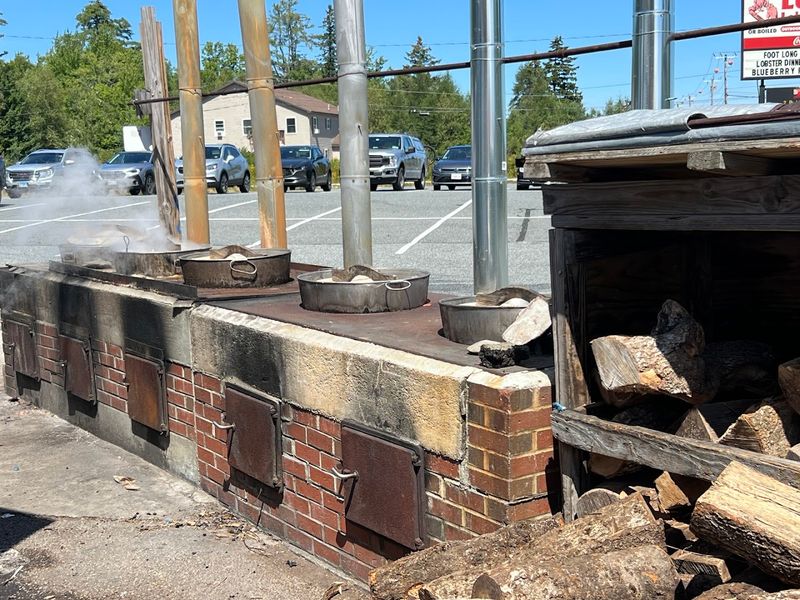
The pound uses outdoor wood-fired brick steamers to cook the lobsters. This is old-school Maine cooking at its most honest.
The wood fire gives the steam a character that electric cookers simply cannot replicate.
Lobsters, clams, and corn all go into those steamers together. The result is a meal that tastes as the coast smells.
It is direct, simple, and completely satisfying.
The restaurant holds up to 1,800 pounds of live lobster in its tank at any time. That kind of capacity means they are always working with fresh stock.
You will find Gateway Lunts Lobster Pound at 1133 Bar Harbor Rd, Trenton, ME 04605.
Seasonal Variations In Quality
Lobster quality in Maine shifts with the seasons, and knowing that makes a real difference. Summer lobsters tend to be softer-shelled after molting.
Fall lobsters are harder-shelled and packed with meat. Both have their fans, and both show up at Gateway Lunts.
The pound has been operating since the merger of two historic businesses in 2007. Before that, Lunt’s Lobster Pound ran since 1930, and Gateway Lobster Pound since 1970.
That combined experience means the team knows exactly what each season brings.
When you visit in late summer or early fall, the lobsters are at their heaviest. The claws fill out.
The tails get firm. The flavor deepens in a way that early-season lobster just does not match.
Gateway Lunts is open daily from 11 AM to 7 PM during the season. Timing your visit around peak lobster season is worth planning for.
The difference between a June lobster and an October lobster is genuinely noticeable.
The staff here has watched these seasonal patterns for years. They can tell you which weeks tend to bring the best hauls.
That insider knowledge is part of what makes stopping here smarter than just picking any seafood spot on the road.
Sustainable Fishing Practices On The Coast
Maine lobster fishing has some of the strictest rules in the world. Fishermen must throw back egg-bearing females.
They must also return undersized lobsters to the water. These rules exist to protect the population for future generations.
Gateway Lunts sources from local fishermen who follow these practices every single day. The connection between the pound and the bay is personal, not just commercial.
The Harding family’s history in Frenchman’s Bay goes back to the 1930s.
That long relationship with the water means they understand sustainability as a survival issue. If the lobster population drops, the business suffers.
Local fishermen here are not cutting corners because they cannot afford to.
The wood-fired outdoor cooking method also avoids unnecessary energy waste. It is a low-tech approach that has worked for generations.
Sometimes the old way is the right way.
Visitors who care about where their food comes from will appreciate this context. Eating at Gateway Lunts is not just about a good meal.
It connects you to a fishing tradition that has been carefully maintained along this stretch of Maine coast for nearly a century. That history sits in every bite.
Local Seafood Preparation Styles
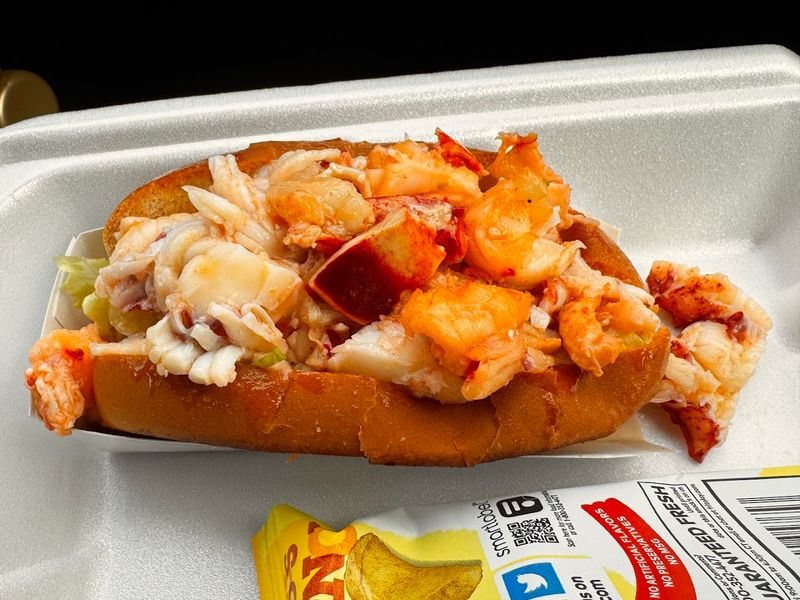
The menu at Gateway Lunts reads like a love letter to traditional Maine seafood. Steamed lobster is the centerpiece, but the supporting cast is just as strong.
Fried clams, lobster stew, lobster rolls, crab cakes, and clam chowder all make appearances.
The lobster roll comes in both hot and cold versions. The hot roll arrives buttered and warm, which is the classic Maine style.
The cold roll is dressed lightly, letting the lobster flavor carry the whole thing.
Lobster stew is one of the most talked-about items on the menu. It is rich and deeply flavored, built from a base that takes time to develop properly.
People drive across the state specifically for a bowl of it.
The homemade pies deserve attention, too. Blueberry pie made with Maine blueberries is a seasonal highlight.
It pairs naturally with the savory seafood dishes and gives the meal a proper local ending.
Maine blueberry soda is also on the menu, which is a fun regional touch. Everything here is prepared with straightforward technique and quality ingredients.
There are no elaborate sauces or complicated presentations. The food is honest, filling, and built around what Maine does best.
Impact Of Ocean Conditions On Flavor
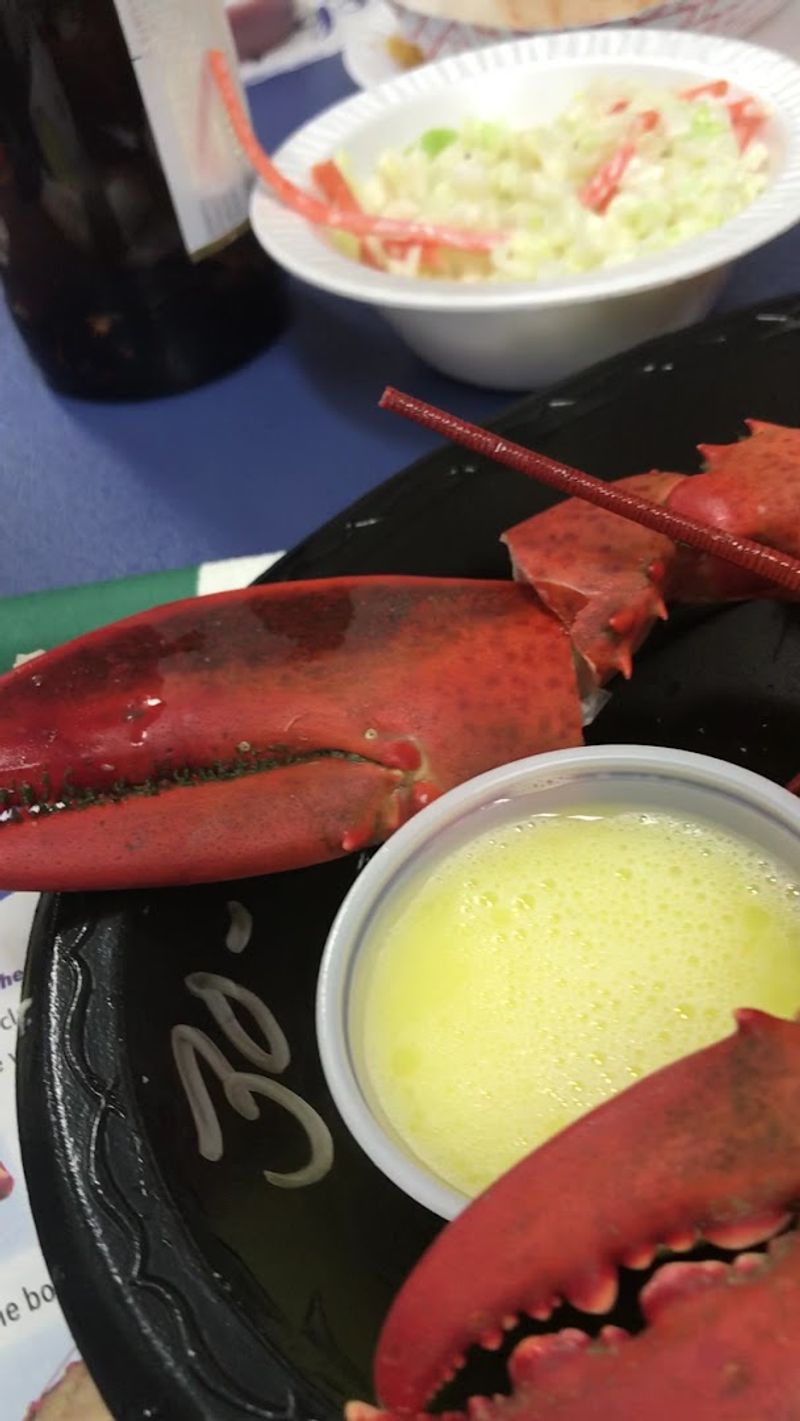
Cold water makes better lobster. That is not just a preference.
It is biology. Lobsters in colder water grow more slowly, which produces denser, sweeter meat.
Maine’s coastal waters are famously cold, and Frenchman’s Bay is no exception.
The salinity of the water also plays a role in flavor. Lobsters absorb the minerals and characteristics of their environment over time.
Maine bay lobsters carry a clean, briny sweetness that warmer-water species simply do not develop.
Gateway Lunts sources directly from local fishermen working in Frenchman’s Bay. That specific body of water has a flavor profile that regulars claim they can identify.
The cold, clean conditions there produce lobster with a distinct texture and taste.
Water temperature shifts between seasons also affect the meat. Fall lobsters, pulled from colder water after summer temperatures drop, tend to be firmer and more flavorful.
Many regulars plan their annual visit specifically for that window.
The outdoor wood-fired steaming method preserves these natural flavors well. There is no heavy seasoning involved.
The lobster is allowed to taste like what it is. That simplicity only works when the raw ingredient is genuinely excellent, which the bay conditions here help ensure.
Community Traditions Around Dining
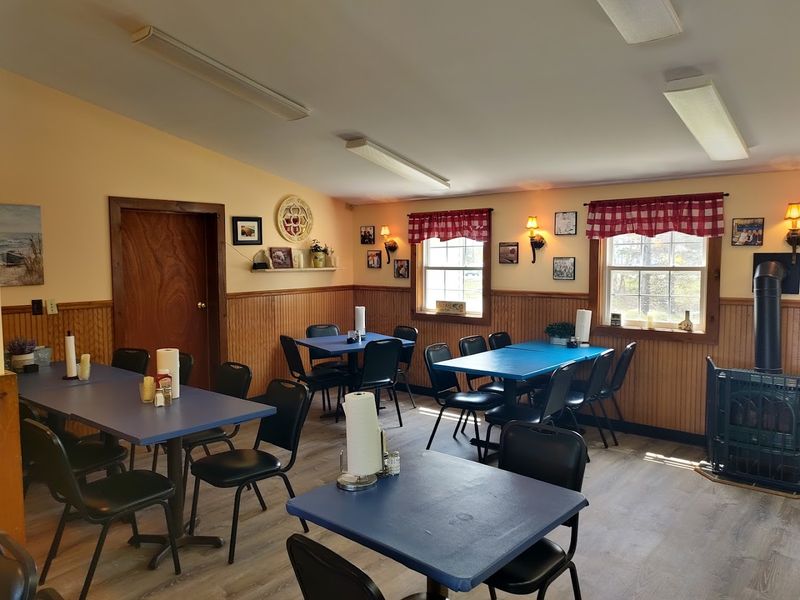
Eating lobster in Maine is not just a meal. It is a ritual.
You get a bib. You get a cracker.
You get a little confused about which part to eat first. And then someone at the table figures it out and helps everyone else.
Gateway Lunts leans into this communal experience fully. The staff, including the owners themselves, will walk first-timers through the process of eating a whole lobster.
Nobody here makes you feel awkward for not knowing what to do.
The restaurant draws both locals and visitors, which creates an interesting mix at the tables. You might sit near a family from Maine who has been coming here since the 1990s.
The next table over might be tourists who smelled the wood fire from the road and pulled over.
The outdoor seating area with its gazebo and wildflowers gives the place a relaxed, community-gathering feel. People linger here.
They talk to strangers. They compare lobster sizes across tables.
This tradition of shared dining goes back generations in Maine coastal towns. Gateway Lunts preserves that culture without making it feel like a performance.
It is just how things work here, and it makes the whole experience warmer than a meal at any ordinary restaurant.
Pairing With Fresh Local Ingredients
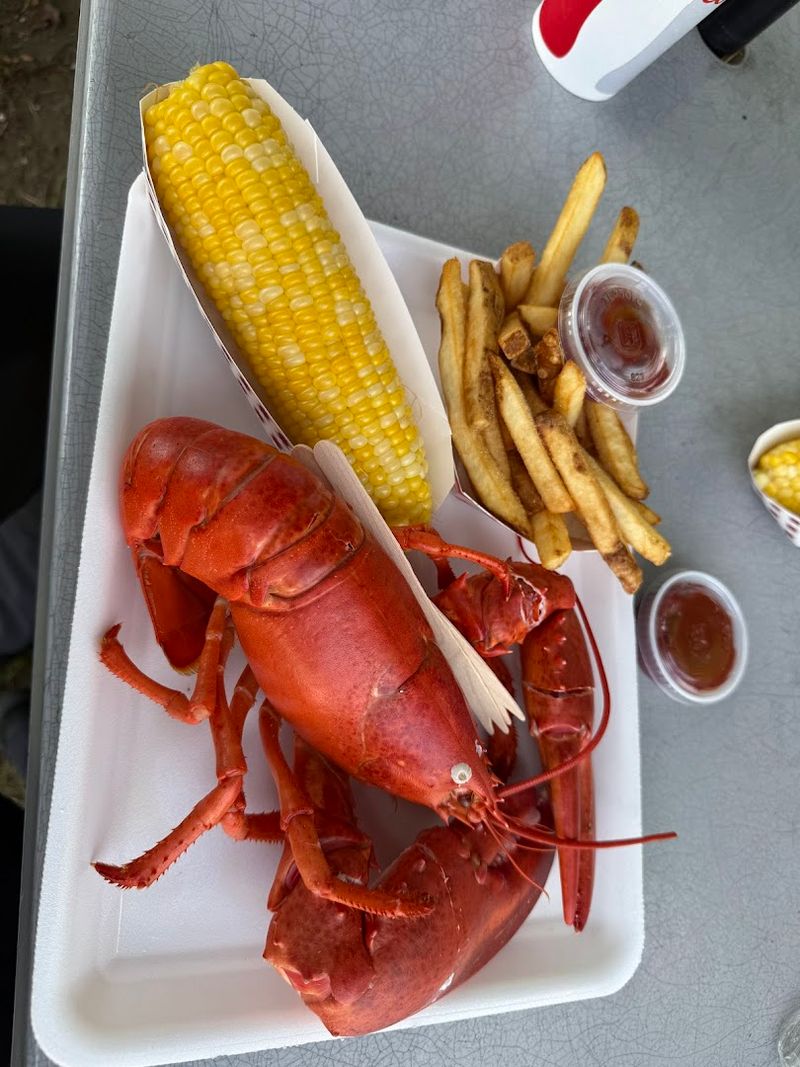
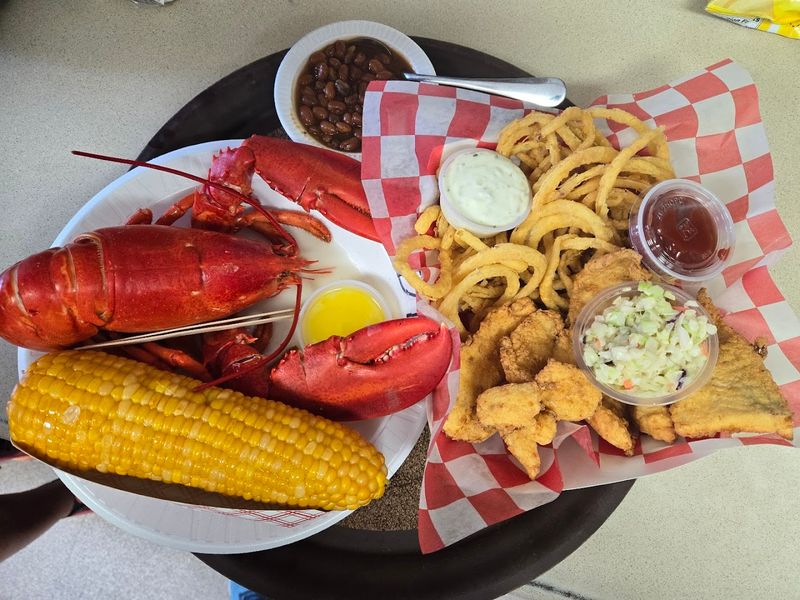
A lobster dinner at Gateway Lunts does not arrive alone. Corn on the cob is a classic pairing, and it gets cooked right alongside the lobster in the wood-fired steamers.
The corn picks up a subtle smokiness that makes it far better than boiled corn from a pot.
Blueberry pie made with Maine blueberries is one of the most locally specific things on the menu. Maine produces some of the best wild blueberries in the country.
Getting a slice after a lobster dinner is the kind of ending that makes a meal memorable.
Maine blueberry soda is another regional ingredient that shows up here. It is a small touch, but it signals that the menu is built around local sourcing.
These are not generic sodas from a distributor. They are a nod to Maine’s agricultural identity.
Fried clams and crab cakes round out the seafood side of the menu. Both are made with local catch when available.
The clams in particular are consistently praised for being fresh and tender rather than rubbery.
Pairing local ingredients together creates a meal that could only exist in this specific place. You cannot replicate a Gateway Lunts dinner somewhere else.
The ingredients, the cooking method, and the setting are all tied to this stretch of Maine coastline.
Tourism And Industry Connection
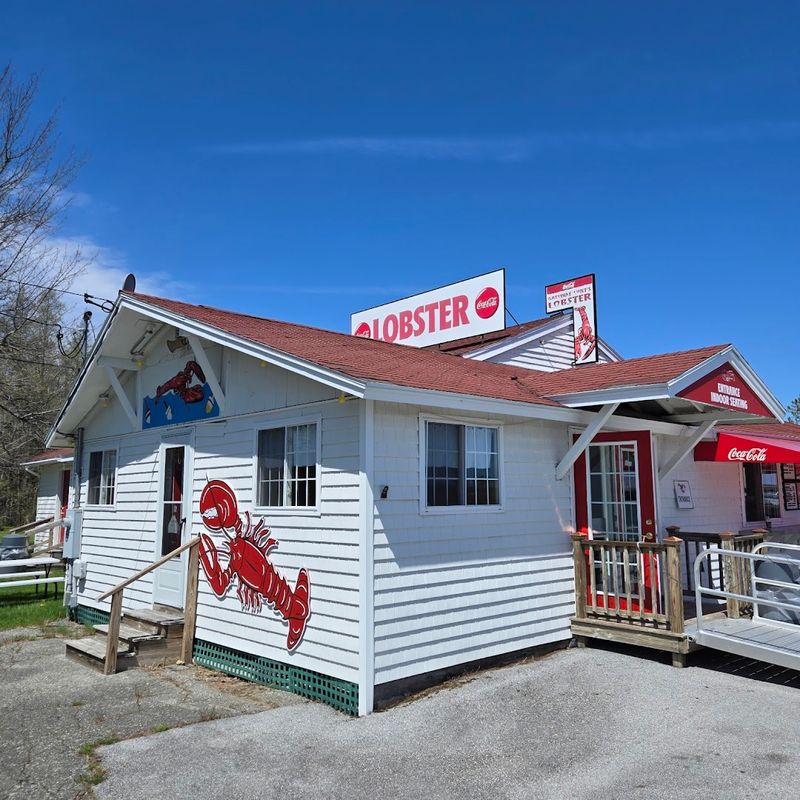
Trenton sits right at the gateway to Acadia National Park and Mount Desert Island. Millions of visitors pass through on their way to Bar Harbor every year.
Gateway Lunts is positioned directly on that route at 1133 Bar Harbor Road.
The location is not an accident. The original Gateway Lobster Pound opened in 1970, knowing that traffic would flow through this corridor.
Lunt’s Lobster Pound had been operating since 1930 nearby. When the two merged in 2007, the combined operation became one of the most visible seafood stops in the region.
Private pilots have been known to stop in specifically for a meal. That detail says a lot about how far the reputation of this place travels.
People are not just stopping because it is convenient. They are planning their routes around it.
The tourism connection supports the local fishing industry in a direct way. When visitors spend money at a place like Gateway Lunts, it flows back to the local lobstermen, the family that runs the operation, and the broader Trenton community.
That economic loop is important in small coastal towns with populations under 2,000.
Maine’s lobster industry and its tourism industry are deeply linked. Places like Gateway Lunts are where those two worlds meet most naturally and most deliciously.