
This Small Florida Keys Town Remains One Of The Quietest Spots In The Islands
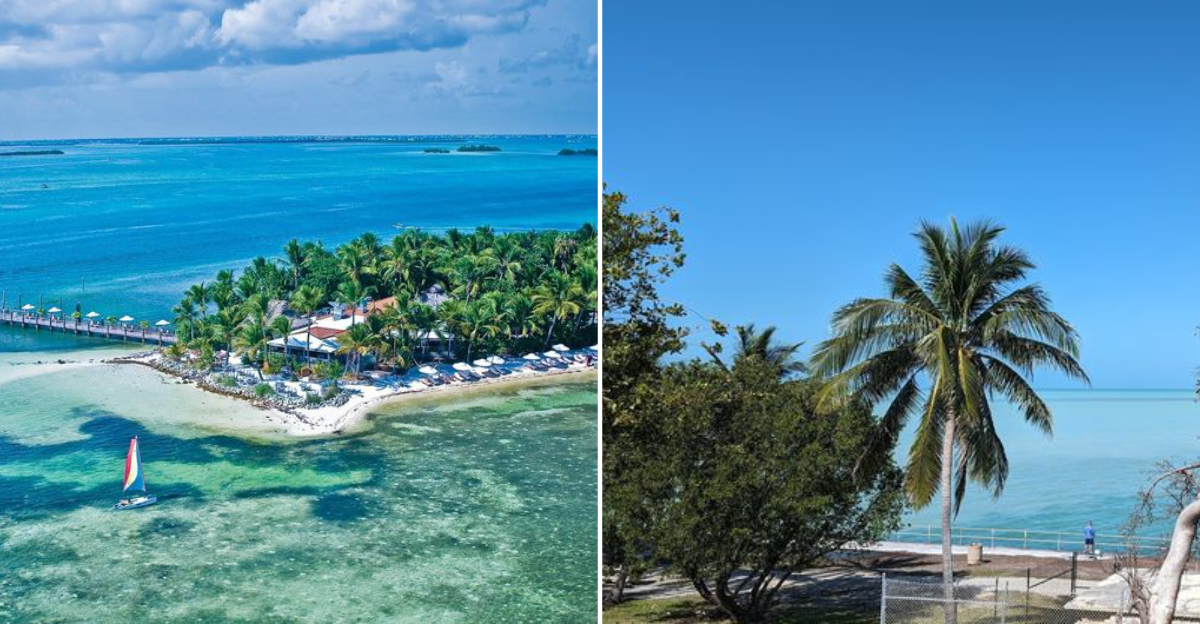
Somewhere between Key Largo and Key West, the Florida Keys remember what they used to be. This small town is where that memory lives.
The water here is the same impossible shade of green it has always been. The fishing boats still go out at first light and come back when the work is done.
Nobody is rushing. Nobody is performing.
The bars exist, but they close at a reasonable hour, and the people inside them are mostly locals who have been sitting on the same stools for years.
Florida has perfected the art of taking something beautiful and surrounding it with enough noise and commerce that the beauty becomes hard to find. This corner of the Keys never lets that happen.
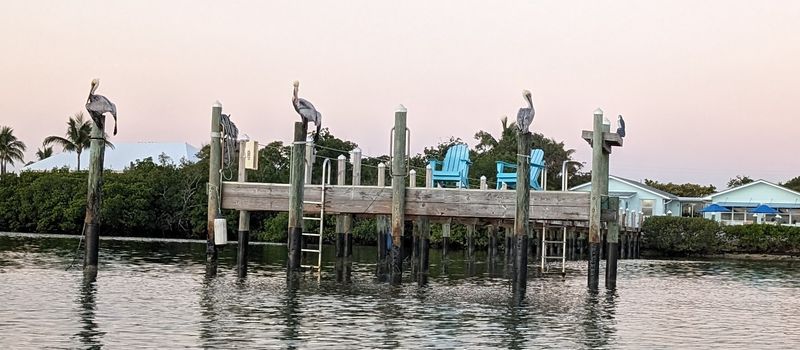
The roads are narrow, the crowds are thin, and the kind of afternoon where you sit on a dock and watch pelicans work the water is not a rare event here. It is just a Tuesday.
The tourists who find this place tend to get very quiet very quickly. The island does that.
Natural Wildlife Habitats In Remote Locations
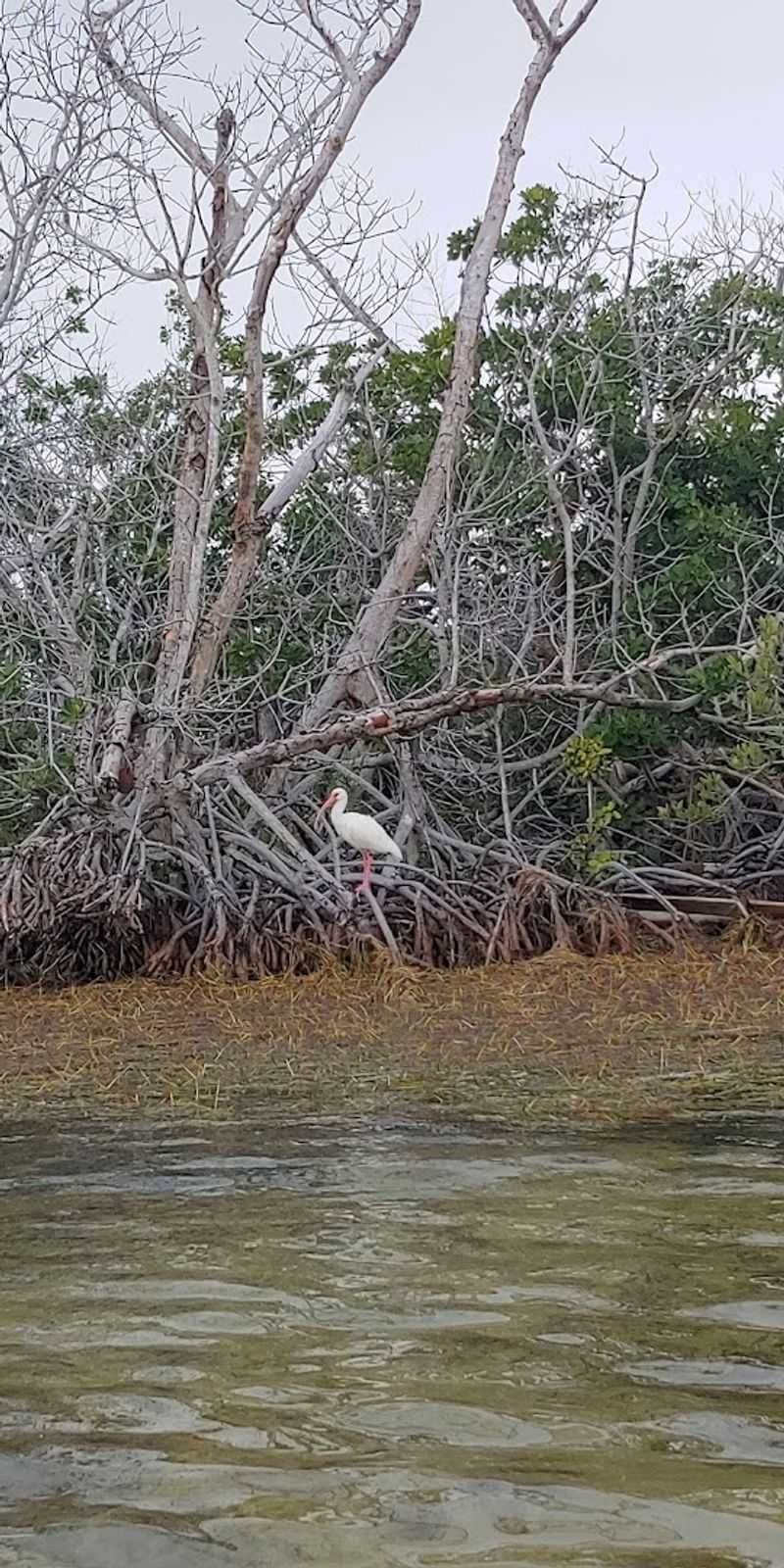
A place like this is not just an island. It is a living, breathing wildlife zone that most tourists never even notice.
Mangrove forests line much of the shoreline here. These dense, tangled trees create safe nurseries for fish, crabs, and birds that depend on them to survive.
The nearby National Key Deer Refuge adds another layer of wild character to the area. Key deer, a miniature subspecies of white-tailed deer, roam freely through the pinelands and wetlands close by.
Wading birds like great blue herons and roseate spoonbills are common sights along the water’s edge. Watching them hunt in the shallows at sunrise is honestly one of the best free shows in Florida.
The remote feel of this island is not accidental. Low development and strict environmental protections have kept natural corridors intact for decades.
Ospreys nest on channel markers. Manatees drift through the canals.
Brown pelicans cruise low over the water, looking unbothered by everything around them.
This island reminds you that Florida was wild long before condos showed up. Spending time here feels like getting a small peek at what the Keys used to look like everywhere.
Local Marine Life And Coral Reef Conservation
Looe Key Reef sits just a few miles offshore from Little Torch Key. It is one of the most celebrated coral reef systems in the entire Florida Keys National Marine Sanctuary.
The reef is named after a British warship that sank here back in 1744. Today, it hosts an extraordinary range of marine life that draws snorkelers and divers from all over the world.
Parrotfish, angelfish, moray eels, and sea turtles all call this reef home. The water clarity around Looe Key is often remarkable, especially in the calmer months of the year.
Conservation efforts here are serious and ongoing. The Florida Keys National Marine Sanctuary enforces strict rules about anchoring, fishing zones, and coral contact to protect what remains of the reef ecosystem.
Reef restoration projects have been active in this region for years. Coral fragments are grown in underwater nurseries and then transplanted back onto damaged reef sections.
Visiting this reef responsibly matters more than most people realize. Even sunscreen chemicals can harm coral, so reef-safe products are strongly encouraged before entering the water.
Little Torch Key gives you easy access to this underwater world without the crowds. Getting out to Looe Key from here is straightforward, and the experience is genuinely hard to forget.
Unique Flora Found Only In Tropical Island Areas
Florida Keys plants are not like mainland Florida plants. The tropical hardwood hammocks on and near Little Torch Key contain species found almost nowhere else in the continental United States.
Silver palms grow here. Thatch palms line old pathways.
Wild orchids bloom quietly in shaded spots without asking anyone for attention.
The Keys cactus, also called the semaphore cactus, grows in rocky coastal areas nearby. It is a threatened species and a striking one, with flat paddle-shaped segments that look almost sculptural.
Gumbo limbo trees are everywhere on this island. Locals call them tourist trees because their red, peeling bark looks suspiciously like a sunburned visitor fresh off the plane.
Poisonwood trees also grow here, and they are worth knowing about before you go hiking. The sap causes a rash similar to poison ivy, so learning to identify it early is genuinely useful.
The native vegetation on Little Torch Key plays a huge role in supporting the local wildlife. Birds use these trees for nesting.
Insects pollinate the flowers. Everything here is connected in ways that feel almost deliberately designed.
Walking through the natural areas near the island feels more like exploring a botanical curiosity than a typical Florida roadside stop. The plant life alone makes this place worth a slower look.
Quiet Beaches Suitable For Relaxation And Meditation
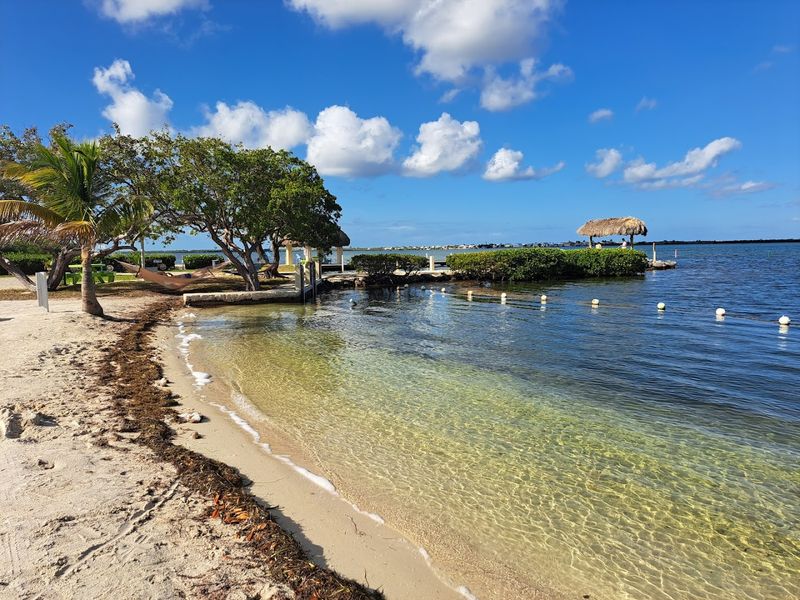
Beaches on Little Torch Key are not the loud, umbrella-packed kind. They are the kind where you might be the only person there for an entire afternoon.
That is not a complaint.
The shoreline here tends to be calm and flat. The water stays shallow for a good distance out, which makes it easy to wade around without any strong current pulling at you.
Sunrise on the Atlantic side is genuinely stunning. The sky turns orange, pink, and gold over the water while the island stays almost completely silent around you.
Sunset on the Gulf side matches it perfectly. The colors reflect off the calm backcountry flats and create a mirror effect that photographers absolutely love chasing.
Bringing a yoga mat or a hammock to one of the quieter spots here is a completely reasonable plan. Nobody is going to bother you.
That is basically the whole point of this island.
The lack of commercial beach development keeps these spots feeling natural and undisturbed. No food vendors, no loud music, no lines for chairs.
Just water, sky, and the occasional pelican.
If meditation or simple stillness is what you are after, Little Torch Key delivers it without any effort on your part. The environment does all the work.
You just have to show up and breathe.
Small Community Traditions And Local Events
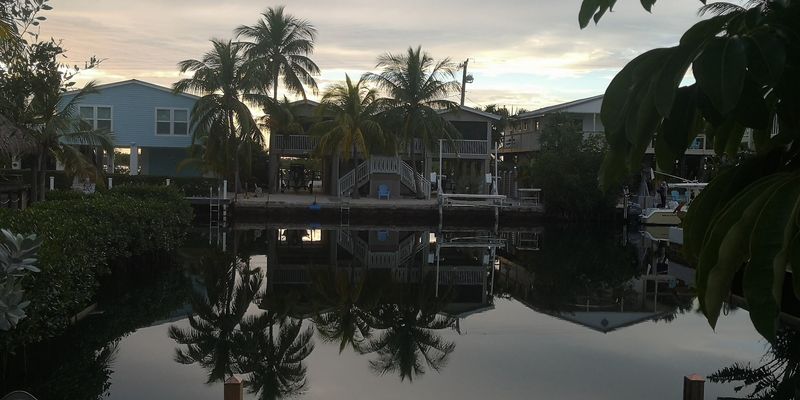
Little Torch Key has a population under 6,000 people. That small number means community life here feels personal in a way that bigger towns simply cannot replicate.
Neighbors actually know each other here. Long-term residents describe the island as a place where people look out for one another without making a big deal about it.
The island has a historical connection that locals are proud of. President Harry S.
Truman was known to fish these waters during his time in the Keys. That is a fun piece of history that does not get mentioned nearly enough.
Local fishing traditions run deep here. Seasonal lobster hunting is a community event that brings residents together every year with real excitement and competitive energy.
Kiki’s Sandbar has long been a gathering spot for both locals and visitors. Live music and casual waterfront hangs have made it a social anchor for the island’s small but loyal community.
Community events here tend to stay low-key and genuine. There are no massive festivals designed to attract bus tours or Instagram influencers.
The locals prefer it that way, and honestly, so do most visitors.
Being part of even a brief moment in this community feels different from typical tourist experiences. The island’s small size creates a social warmth that larger Florida Keys destinations have mostly traded away for foot traffic.
Best Times Of Year To Visit For A Peaceful Atmosphere
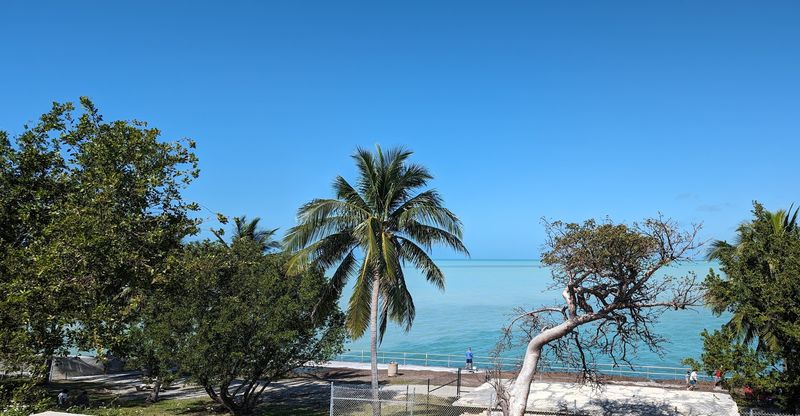
Timing your visit to Little Torch Key makes a real difference in what you experience. The island is calm year-round, but some months are noticeably better for those chasing maximum peace.
Late spring, from mid-April through early June, is widely considered a sweet spot. The weather is warm, the humidity is manageable, and the summer crowd has not fully arrived yet.
Fall is another underrated window. September and October bring fewer visitors across the entire Keys region.
Prices drop, roads clear out, and the island returns to its natural rhythm.
The winter months from December through February are popular with snowbirds escaping cold northern states. The weather is genuinely pleasant, but expect slightly more activity around the island than in the shoulder seasons.
Summer in the Keys means heat, humidity, and afternoon thunderstorms almost daily. The island stays relatively quiet even then, but the weather demands more planning and flexibility from visitors.
Hurricane season officially runs from June through November. Watching weather forecasts during that window is smart before committing to travel dates.
The island’s low-traffic nature means even the busiest months here feel quieter than a typical tourist destination. Choosing wisely just amplifies an experience that is already pretty hard to ruin.
Come in the shoulder seasons, and you might feel like you have the whole island to yourself.
Water-Based Activities That Avoid Crowds
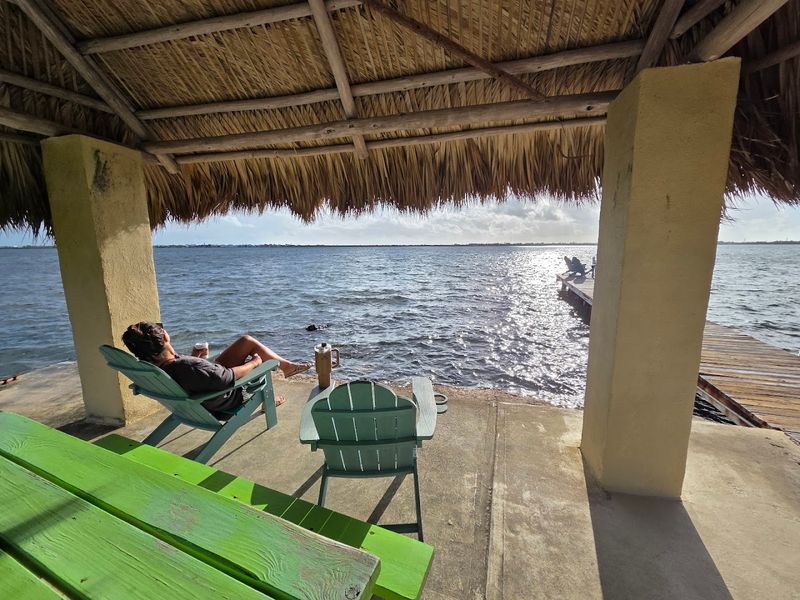
The water around Little Torch Key is basically a playground for anyone who prefers their outdoor adventures without an audience. Kayaking through the backcountry flats here is a completely different experience from paddling a busy canal in a tourist town.
The shallow grass flats are full of life. Stingrays glide silently beneath your paddleboard.
Bonefish dart through the clear water so fast they almost look like shadows.
Paddleboarding is popular here for good reason. The water stays calm on most mornings, and the scenery changes constantly as you move between mangrove channels and open flats.
Fishing from a kayak or small skiff is a favorite local activity. The backcountry around Little Torch Key holds tarpon, permit, and redfish throughout much of the year.
Snorkeling near Looe Key Reef is easy to arrange from here. Several small charter operations offer trips out to the reef without the large group sizes that dominate busier launch points.
Swimming off a quiet stretch of shoreline in the late afternoon is also completely free and completely excellent. The water temperature in the Keys stays comfortable for most of the year.
What makes water activities here special is the absence of noise and competition for space. You are not fighting for a parking spot at a public boat ramp.
You are just out there, moving quietly through one of Florida’s most beautiful water environments.
Ecotourism Opportunities That Promote Preservation
Ecotourism around Little Torch Key is not a buzzword. It is a genuine approach to visiting that the island’s natural setting practically demands from anyone paying attention.
The proximity to the National Key Deer Refuge creates excellent opportunities for guided wildlife walks and nature observation. Learning about Key deer conservation while actually seeing the deer in their habitat is a memorable combination.
Guided kayak tours through the backcountry mangrove systems are one of the best ways to understand what makes this ecosystem so fragile and so valuable. A good guide turns a paddle trip into a real education.
Birding tours in this area attract serious bird enthusiasts from across the country. The lower Keys sit along important migratory routes, making fall and spring particularly rich for sightings.
Supporting local, small-scale tour operators here directly benefits preservation efforts. Many of these guides are deeply invested in protecting the environment in which they work every single day.
The Florida Keys National Marine Sanctuary offers programs and resources for visitors who want to learn more about reef conservation and responsible water recreation. Taking advantage of those resources is worth the time.
Little Torch Key rewards visitors who come with curiosity rather than just a checklist. The island does not need more foot traffic.
It needs thoughtful visitors who care about leaving it exactly as they found it, or better. That mindset fits perfectly here.