
This Tiny But Mighty State Park In Massachusetts Is Too Beautiful To Keep Secret
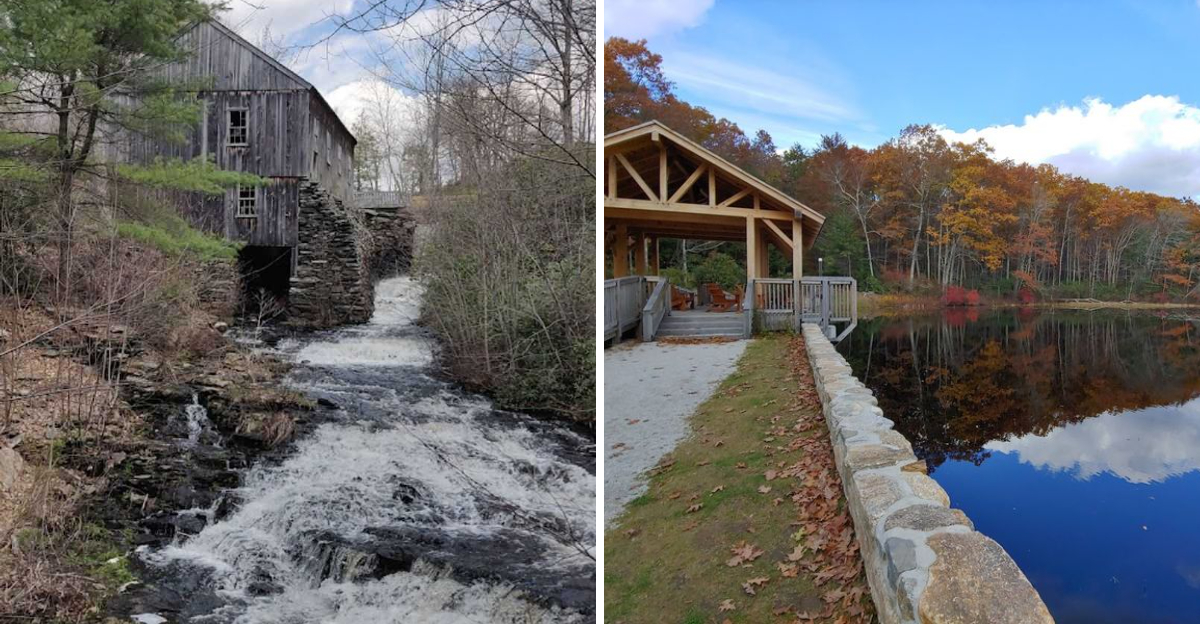
Small parks can still deliver big surprises.
In Massachusetts, one quiet green space packs in waterfalls, woodland paths, old stone features, and peaceful pond views without feeling overwhelming.
It is the kind of place that rewards slow wandering. One turn brings the sound of rushing water.
Another leads to flowering trees, mossy walls, and little scenes that feel almost storybook. Need a quick reset without committing to a full-day hike?
This spot makes it easy. Families can stroll, photographers can linger, and nature lovers can enjoy plenty of beauty in a compact space.
It proves that a park does not need huge acreage to leave a lasting impression. Sometimes, the smallest escapes are the ones you remember most.
The Historic Mill Village That Feels Like A Living Museum
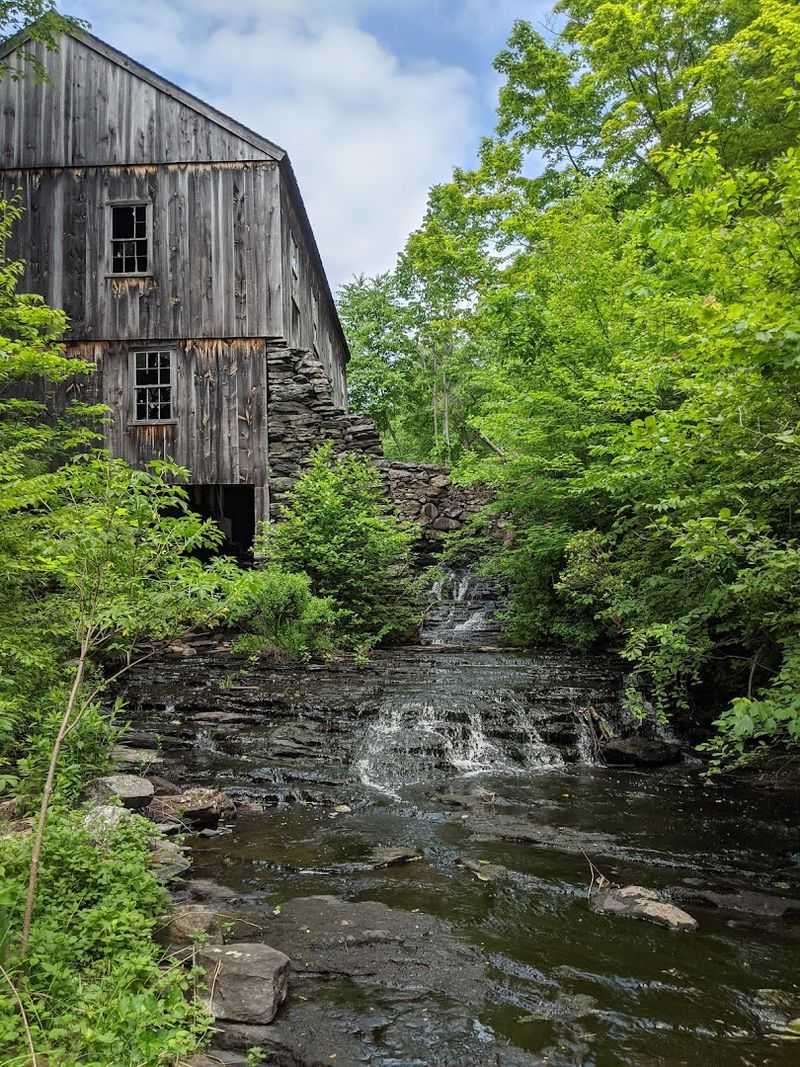
Walking into the mill village at this park feels less like a page of early American history.
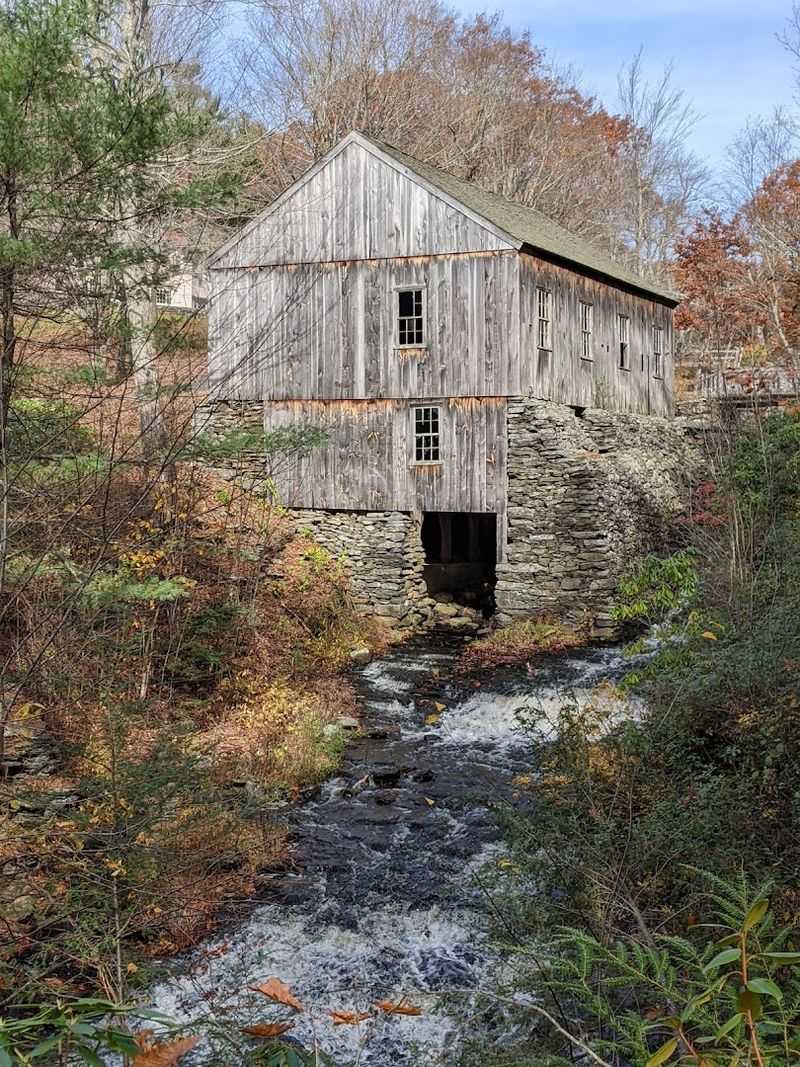
The park preserves the remnants of at least five watermills that operated here during the 18th and 19th centuries.
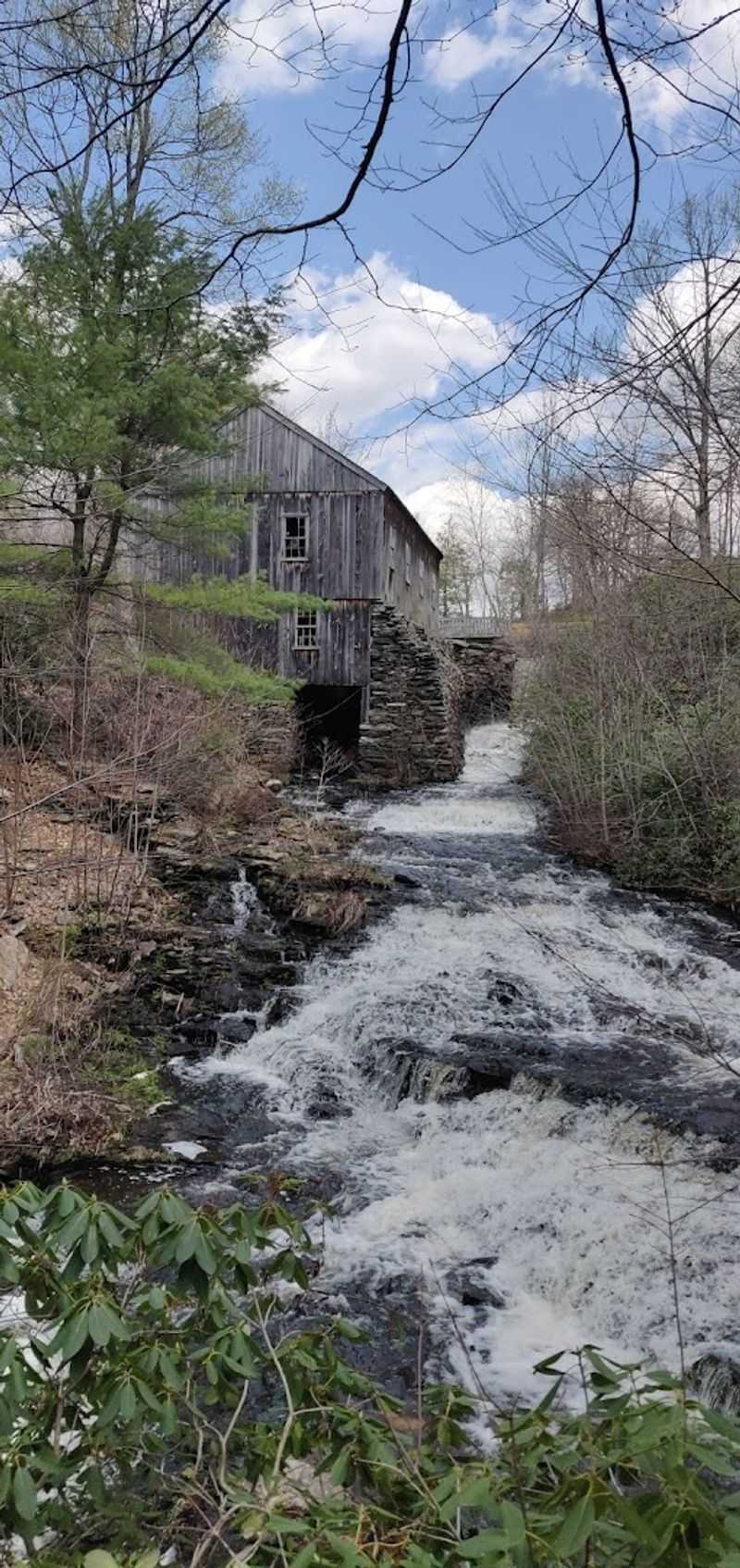
Grist mills, sawmills, and a triphammer forge all drew power from Turkey Hill Brook, which still runs through the property today.
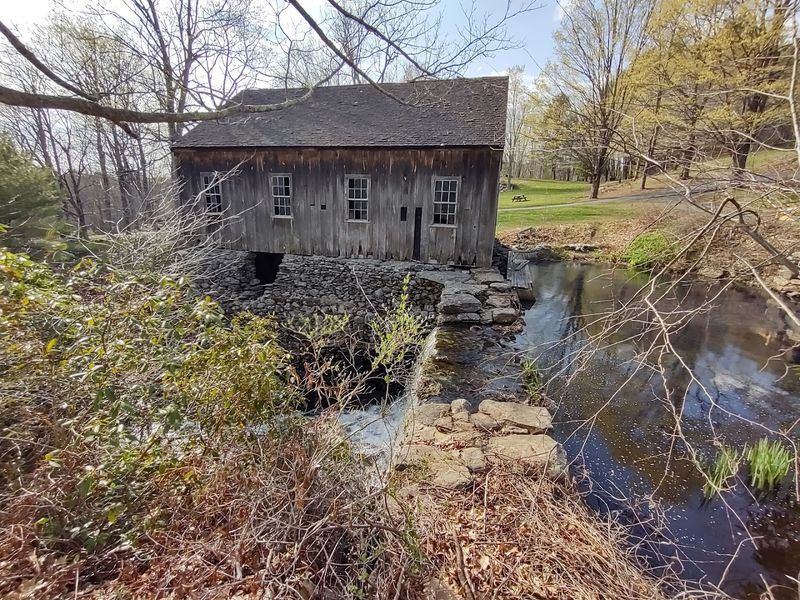
This park’s Historic District was officially listed on the National Register of Historic Places in 2004, recognizing the cultural weight this small parcel carries. Visitors can walk past stone foundations, peer into the restored sawmill, and imagine the daily rhythms of a working mill community.
A schoolhouse and tavern remnants round out the picture nicely.
What makes this spot particularly satisfying is how the history does not feel staged or sanitized. The structures are weathered, the stones are mossy, and the brook keeps moving as it always has.
Park rangers and interpretive signage help fill in the gaps. For anyone curious about early New England industry, this mill village is a genuinely rewarding stop.
Turkey Hill Brook And Its Cascading Waterfalls
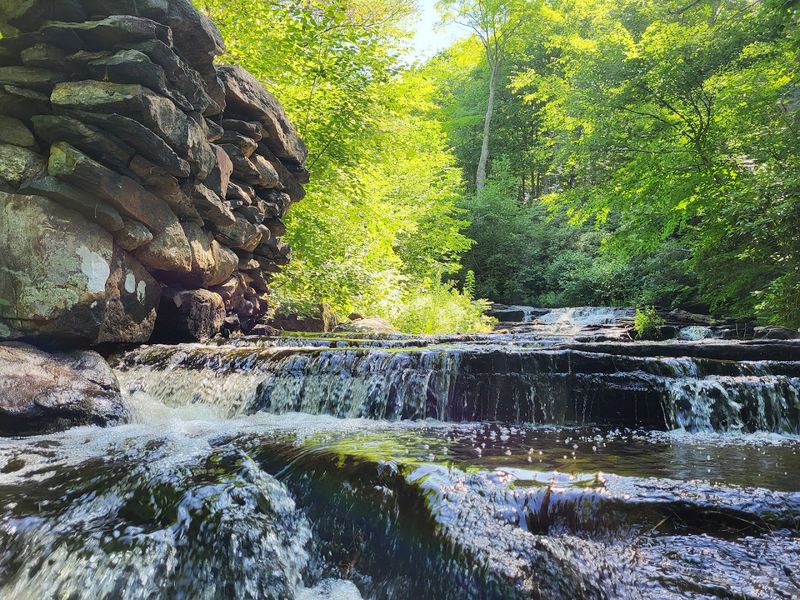
There is something immediately calming about the sound of moving water in a forest, and Turkey Hill Brook delivers that experience with real force.
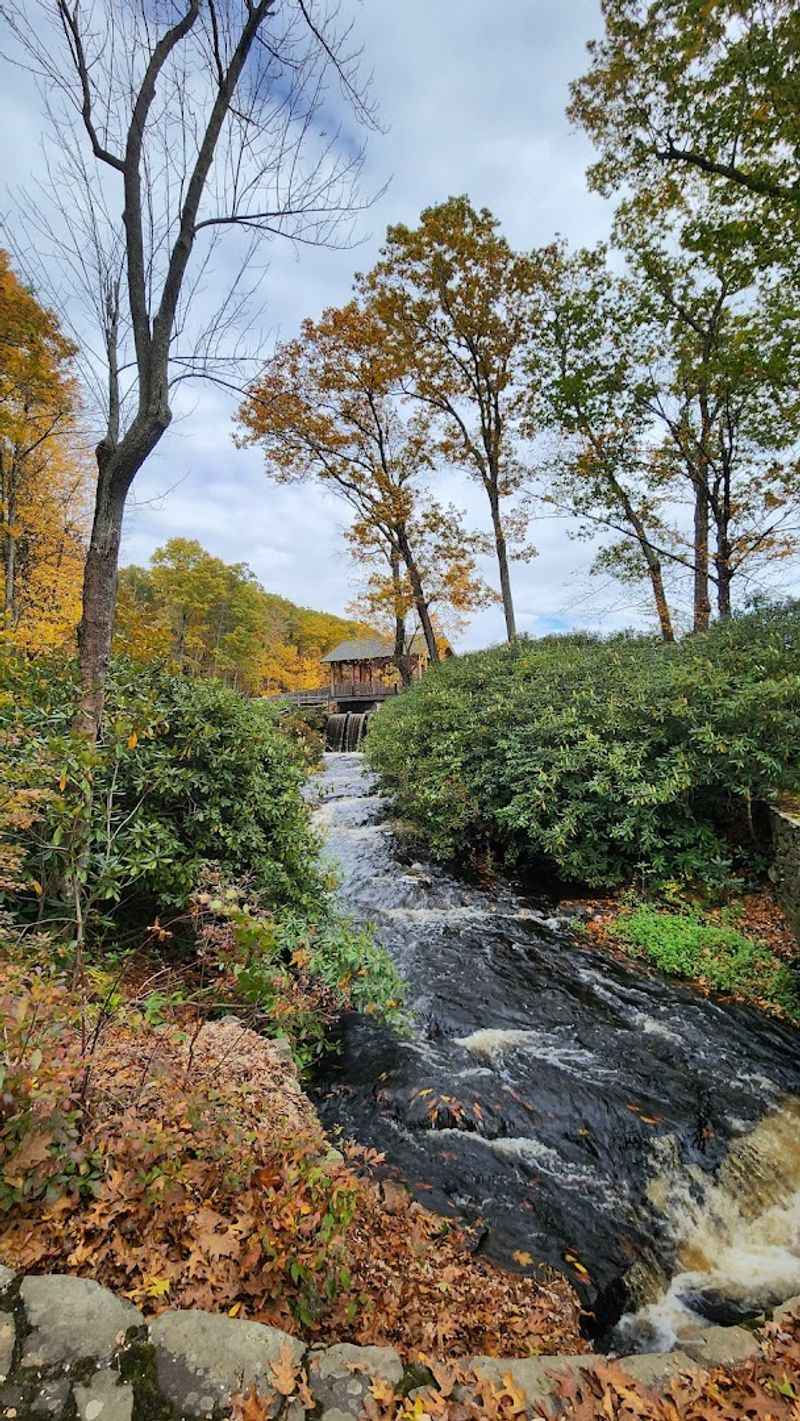
The brook drops approximately 90 feet over a 400-foot run, creating a series of waterfalls and mill chutes that have drawn visitors to this park for generations.
The water is clear, quick, and remarkably photogenic at almost any time of year.
The falls are accessible via paved paths, which means most visitors can reach them without any serious hiking effort.
Photographers especially appreciate the variety of angles available along the brook, from wide shots of the full cascade to close-up frames of water threading between rocks.
During spring snowmelt and after heavy rains, the flow intensifies dramatically.
One visitor noted that even during a drought year, the trails and surroundings remained beautiful and worth the trip. The brook does not need to be at full volume to impress.
Its path through the park connects several key features, including the mill ruins and Eames Pond, making it something of a natural spine running through the entire landscape. Following the water is genuinely one of the best ways to explore Moore State Park.
Eames Pond And The Covered Bridge With Adirondack Chairs
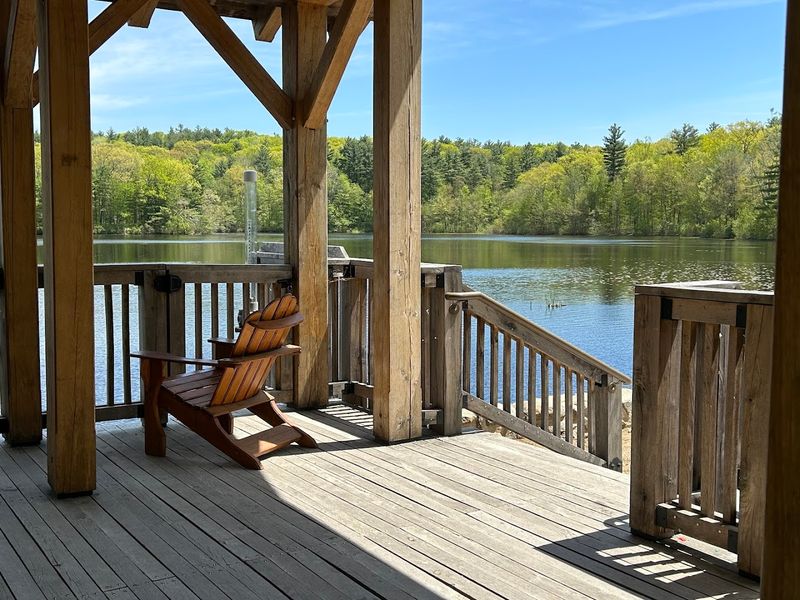
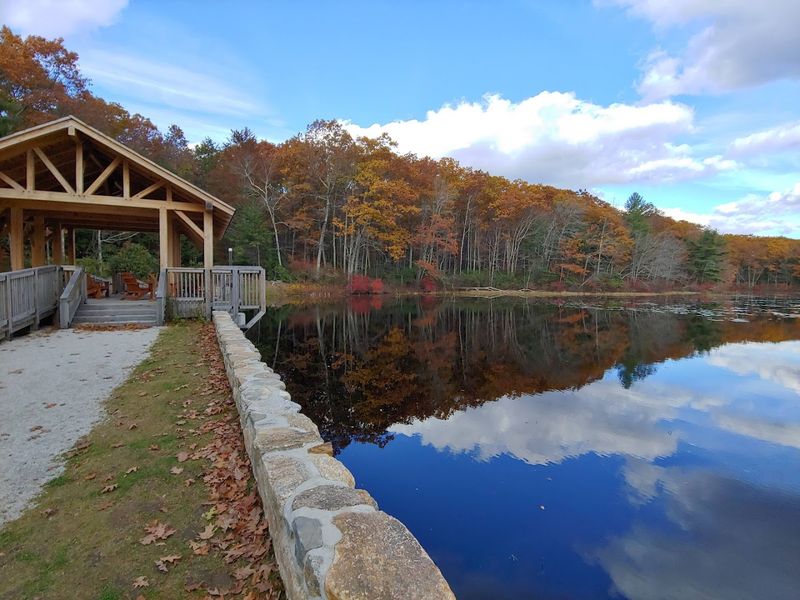
Eames Pond sits at the heart of Moore State Park with a quiet confidence that invites visitors to slow down and simply look around. The water reflects the surrounding trees with mirror-like clarity on calm days, and the covered bridge nearby adds a storybook quality to the whole scene.
Adirondack chairs are positioned on and near the bridge, offering a rare invitation to just sit and absorb the view.
The covered bridge is fully accessible for visitors with mobility considerations, and the paved path leading to the pond makes the journey manageable for strollers, rollators, and wheelchairs alike. That level of accessibility is not always common in New England state parks.
On a weekday morning, the pond area can feel almost private. Geese often glide across the surface, and the surrounding vegetation creates a natural frame that changes with every season.
Autumn turns the scene into something almost too picturesque to believe.
Bringing a book or a thermos of coffee and claiming one of those Adirondack chairs for an hour is not a bad way to spend a Tuesday at all.
The Spectacular Azalea And Rhododendron Blooms In Late Spring
Few things in New England compare to the floral display that unfolds at Moore State Park each late spring.
The park is famous for its extraordinary collection of azaleas, rhododendrons, and mountain laurel, many of which were planted by a previous private owner of the estate.
Her passion for flowering plants left behind a living legacy that draws visitors from across the region every May and June.
The variety is genuinely impressive. Old-growth rhododendrons of multiple species line paths like the Azalea Way, with blooms ranging from soft pinks and whites to deep purples.
One enthusiastic visitor described identifying Carolina rhododendrons, Rhododendron Maximum, Nova Zembla, and Catawba varieties all within a single walk. The visual effect when multiple species bloom simultaneously is hard to overstate.
Timing matters here. The blooms typically peak in late May through mid-June, though mountain laurel tends to follow a bit later.
Arriving on a clear morning when the light filters through the canopy and catches the flowers at their brightest is an experience worth planning around. Parking fills up fast on weekends during peak bloom season, so arriving early is a practical strategy worth keeping in mind.
Hiking Trails For Every Skill Level And Every Mood
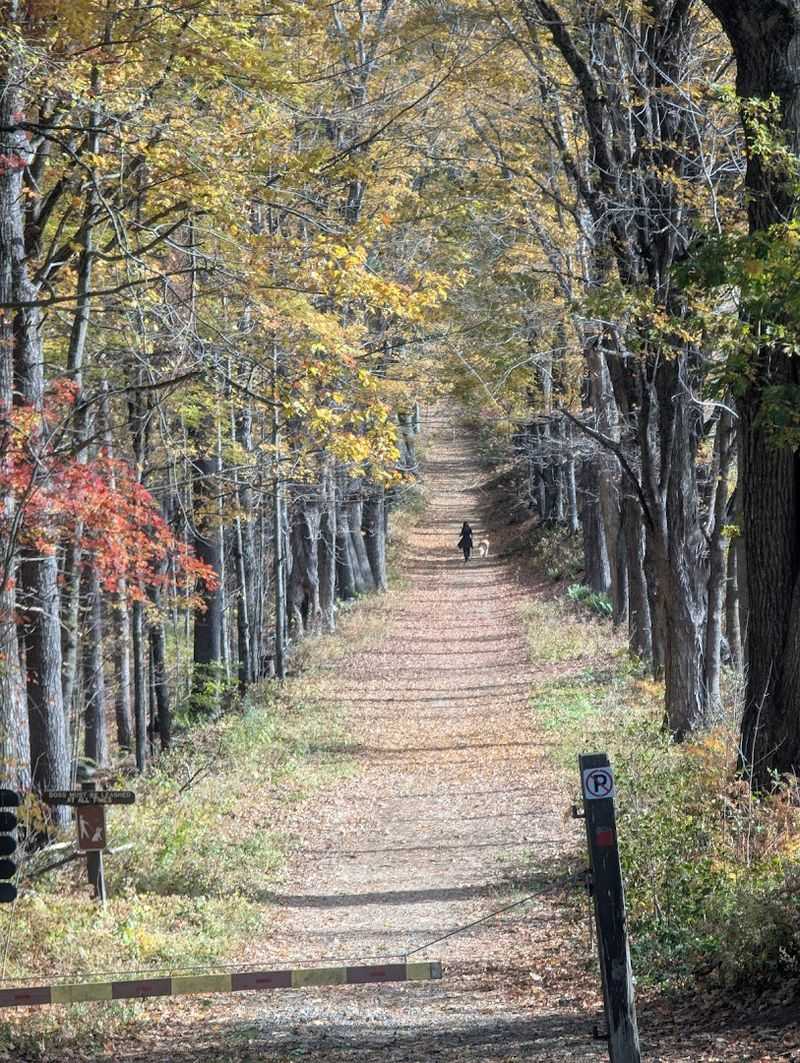
Moore State Park at 1 Sawmill Rd in Paxton punches well above its weight when it comes to trail variety. Within its 737 acres, the park offers a network of wooded paths that range from flat, paved routes to more rugged dirt trails with gradual elevation changes.
Popular options include the Judy’s Secret Garden Loop Trail, the Stairway Loop Trail, the Azalea Path, and the Davis Hill Field Trail, each offering a distinct experience of the landscape.
The Laurel Hill Loop, at roughly 0.6 miles, is a favorite for visitors who want a quick but satisfying outing. It transitions from open fields to forested terrain alongside water in a compact stretch that feels surprisingly varied.
Families with children find most trails manageable, and the main paved path to the pond is stroller-friendly, which is a genuine convenience for parents.
For those who prefer a bit more effort, the Staircase Trail climbs to a natural ridge that offers views unique to central Massachusetts. Regardless of which trail a visitor chooses, the overall atmosphere is consistent: quiet, well-maintained, and genuinely restorative.
Wearing long sleeves and applying insect repellent during warmer months is strongly recommended, as mosquitoes and ticks are present throughout the wooded sections.
The American Chestnut Restoration Plantation
One of the quieter but more meaningful stories unfolding inside Moore State Park involves trees most Americans have never seen in the wild. The park hosts a plantation of experimentally bred, blight-resistant American chestnut trees as part of an ongoing restoration effort.
The American chestnut was once one of the most dominant trees in eastern North America before a fungal blight wiped out billions of them in the early 20th century.
Scientists and conservationists have spent decades developing chestnut varieties that can resist the blight through careful cross-breeding with Chinese chestnut trees.
The grove at Moore State Park represents a living experiment in ecological recovery, and visiting it carries a certain weight for anyone who appreciates the complexity of forest ecosystems.
The trees are not towering giants yet, but their presence here is a statement of long-term commitment to restoration.
Most visitors walk past the grove without fully realizing what they are looking at, which makes it one of the park’s more underappreciated features. A little background research before the visit transforms the experience considerably.
For students, naturalists, or anyone interested in conservation biology, this small plantation offers a compelling reason to look more closely at the landscape around them.
Wildlife Watching Along The Water And Through The Meadows
The combination of open meadows, dense woodland, and active waterways at Moore State Park creates an environment where wildlife observation happens almost by accident.
Visitors have reported spotting loons, families of Canada geese, scarlet tanagers, and bluebirds all within a single outing.
The variety of habitat types within a relatively compact area supports a surprisingly broad range of bird and animal species throughout the year.
Turkey Hill Brook and Eames Pond are particularly productive spots for watching waterbirds. Herons are frequent visitors, and the stillness of early morning amplifies every movement on the water’s surface.
Bringing binoculars adds a layer of engagement to any walk, especially along the brook corridor where the vegetation creates natural cover for smaller songbirds.
The meadow sections of the park, including the Davis Hill Field area, attract different species than the forested trails. Ground-nesting birds are present in certain areas, which is why dogs are restricted from the native plant wildscape field.
That protection policy reflects a thoughtful approach to managing recreation alongside genuine conservation goals. For a casual naturalist or a birder with a life list to fill, Moore State Park offers consistent rewards across multiple visits and seasons.
Year-Round Recreation From Canoeing To Cross-Country Skiing
Moore State Park is not a one-season destination. The range of activities available across the calendar year is one of the park’s most practical advantages for local residents and returning visitors.
Summer brings canoeing and fishing on Eames Pond, while the trails shift to cross-country skiing and snowshoeing routes once winter settles in. The park does not close when the temperature drops; it simply changes its character.
Fishing is permitted in the pond, and non-motorized boats are allowed on the water.
The stillness of paddling across Eames Pond on a calm autumn morning, with the foliage reflected in the surface, is the kind of experience that earns a park a loyal following over time.
The interpretive programs and seasonal concerts held in warmer months add a community dimension that goes beyond standard outdoor recreation.
Picnic areas near the old sawmill provide a natural gathering spot for families and groups.
The park is free to enter, with no admission or parking fee, which removes one of the most common barriers to outdoor recreation.
Operating hours run from 6:30 AM to 6:30 PM daily, according to current park information. Planning around those hours ensures the full experience without arriving to a locked gate.
The Autumn Foliage Experience That Rivals Anywhere In New England
Central Massachusetts does not always get the same attention as the Berkshires or Vermont when fall foliage season arrives, but Moore State Park makes a compelling argument for a closer look.
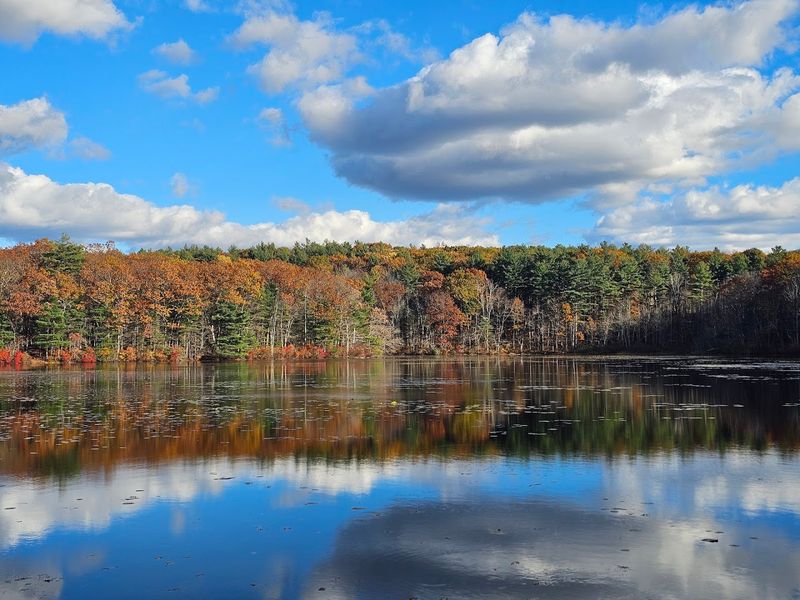
The mix of deciduous trees surrounding Eames Pond and lining the trails creates a color palette in October that photographers and casual walkers find equally compelling.
The reflections on the pond during peak foliage are particularly striking.
Visitors have mentioned autumn as their preferred time, noting that the visual transformation of the landscape adds a dimension that spring and summer cannot quite replicate.
The light in October, lower and warmer in tone, plays across the mill ruins and covered bridge in a way that feels almost cinematic without any effort on the visitor’s part.
Parking fills up faster on autumn weekends than at almost any other time of year, so arriving before 9 AM is a practical suggestion worth taking seriously. The upper parking lot at the Sawmill Road entrance tends to reach capacity first.
Overflow parking is available along Brigham Road, and the walk from there into the park is manageable for most visitors. The foliage season at Moore State Park is short, vivid, and genuinely worth adjusting a schedule to catch.
The Story Of General Willard Moore And The Park’s Revolutionary Roots
Behind the trails and the flower paths and the cascading brook, Moore State Park carries a name with genuine historical weight.
The park honors General Willard Moore, a Paxton native who served during the American Revolutionary War.
That connection to the founding era of the country adds a layer of meaning to the landscape that goes beyond its natural beauty and recreational value.
The land itself has passed through several chapters of American history.
What began as mill-powered industry in the 18th century transitioned into a private estate in the early 20th century, before eventually becoming public land.
Each phase left something behind, whether in the form of stone foundations, planted gardens, or restored structures.
Visitors who take the time to read the available interpretive materials come away with a richer appreciation of what the park represents. The history is not always loudly advertised, and one past reviewer noted that more on-site signage would help convey the full story to casual visitors.
That feedback is fair. Still, what is present at Moore State Park is already enough to make any visit feel meaningfully connected to the broader arc of New England history.