
This Adirondack Town In New York Comes Alive This Season With Rushing Rivers And Crisp Mountain Air
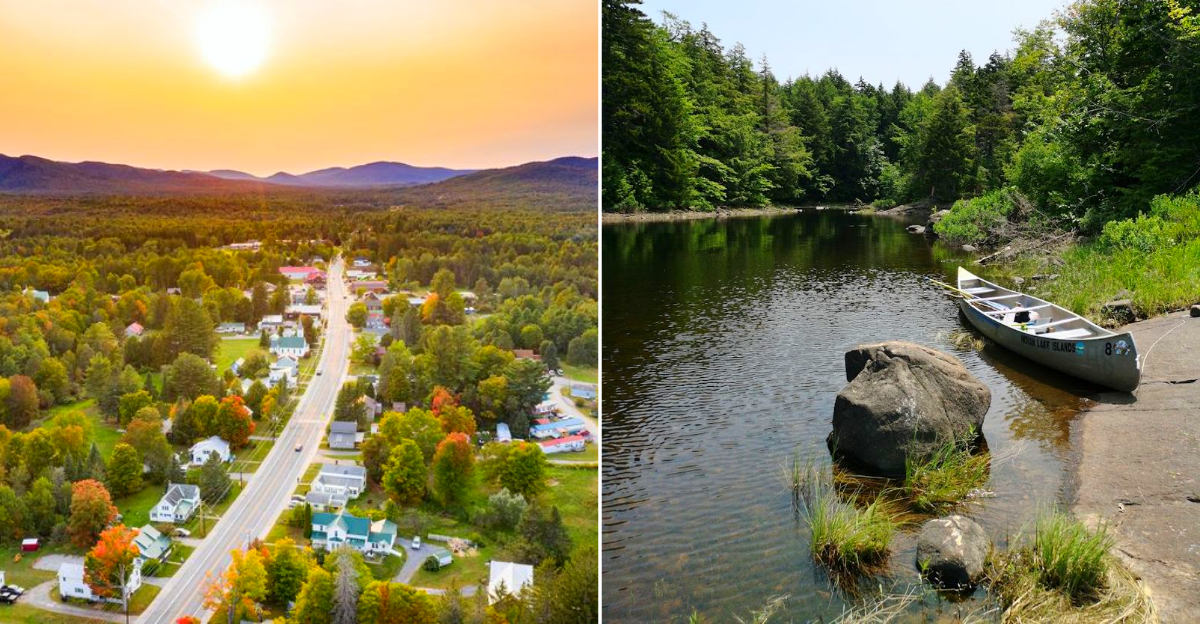
The Adirondacks have a spring mode that most people never see and this New York town is where it shows up most spectacularly. Here, the mountain air is so clean that it makes city lungs feel like they just remembered what they were designed for.
Spring and summer here is not a gentle transition. It is an event.
The town comes alive with a momentum that carries everything along with it. And the experience of being there during that window?
It’s truly one of the most genuinely invigorating things New York has going right now. Find time and visit before the rivers settle, and the mountain air warms.
A Town That Earns Its Reputation Before You Even Unpack
Not every small town carries a title that actually holds up when you arrive, but Indian Lake manages to justify its reputation the moment the season shifts.
Known officially as the Whitewater Rafting Capital of New York State, this town sits at an elevation where spring arrives with force rather than subtlety.
The surrounding Adirondack peaks still wear patches of snow well into April while the valleys below are already green and buzzing with energy.
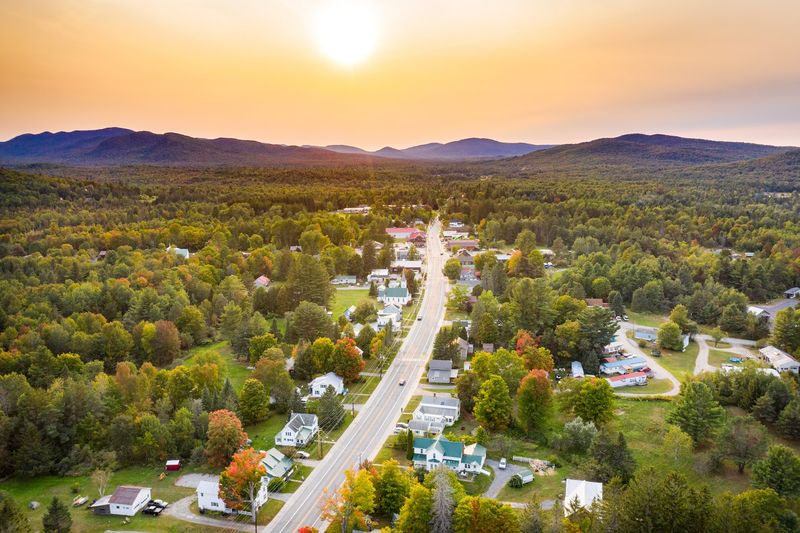
The town has no permanent traffic lights, a detail that tells you something honest about its pace and scale. Roads curve through dense forest and open onto lake views that feel genuinely unhurried.
Local businesses, outfitters, and trail access points are distributed naturally throughout the area, never crowded into a manufactured district.
The combination of snowmelt, mountain terrain, and river access creates conditions that outdoor enthusiasts plan months in advance to experience.
For anyone seeking a place where nature sets the agenda and the town simply keeps up, Indian Lake delivers that arrangement with quiet confidence and no need for fanfare.
Indian Lake And The Hudson River Gorge Whitewater Experience
The Hudson River Gorge run near Indian Lake is widely considered one of the finest whitewater experiences in the entire northeastern United States.
Each spring, snowmelt from the Adirondack peaks swells the Upper Hudson River enough to create Class IV rapids through a gorge that stretches roughly seventeen miles of wilderness.
There are no roads through this section, which means once you launch, the river is your only path forward.
Rafting outfitters based in and around Indian Lake offer guided trips through the gorge, typically running from mid-April through early June depending on water levels.
Groups range from complete beginners to experienced paddlers, and the guides who work this stretch know the river with a familiarity that only years on the water can build.
The cold spring water and steep canyon walls give the experience a raw, unfiltered quality that indoor recreation simply cannot replicate.
Beyond the adrenaline, the gorge itself is a remarkable natural corridor. Peregrine falcons nest on the rock faces above, and the forest canopy on either side remains largely untouched.
Few outdoor experiences in New York State combine wilderness immersion and physical challenge at this level, and the gorge earns every bit of its legendary status.
Hiking Trails That Open Up As The Snow Retreats
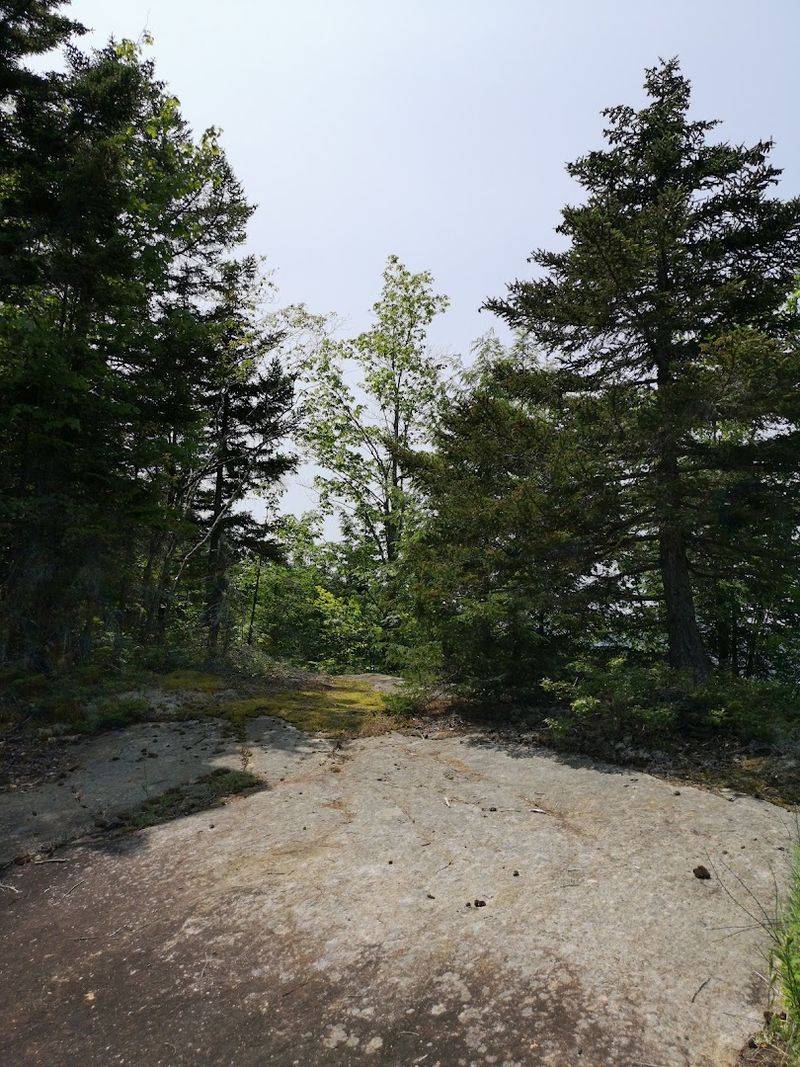
Spring hiking in the Indian Lake area rewards patience and timing in equal measure.
As snowpack recedes from the lower elevations, trails that were inaccessible or icy for months become walkable again, revealing terrain that feels freshly assembled by the season.
The Adirondack Park surrounding the town contains hundreds of miles of marked trails, and several of the most rewarding ones begin within a short drive of the town center.
Snowy Mountain, located just south of Indian Lake, is one of the most satisfying hikes in the southern Adirondacks.
The summit at roughly 3,899 feet offers a fire tower with unobstructed views across a landscape that in spring looks like a patchwork of dark conifers and green hardwoods slowly coming back to life.
The trail gains elevation steadily and gives hikers a genuine sense of accomplishment without requiring technical gear.
Crane Mountain and Puffer Pond are also popular spring destinations nearby, each offering a different character of terrain and scenery. Mud season is a real consideration in April, and hikers are strongly encouraged to stay on marked paths to protect the fragile trail surfaces.
Good waterproof footwear is less of a suggestion and more of a practical necessity during this particular window of the year.
Indian Lake Itself And The Shoreline That Changes With The Season
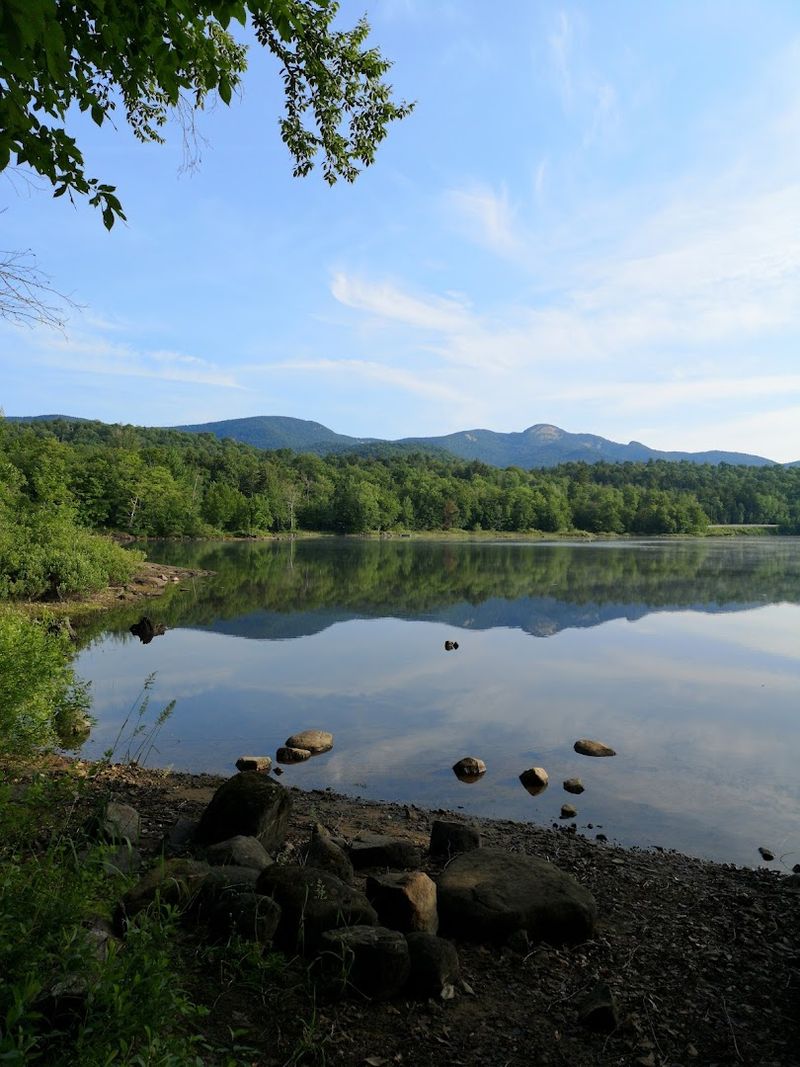
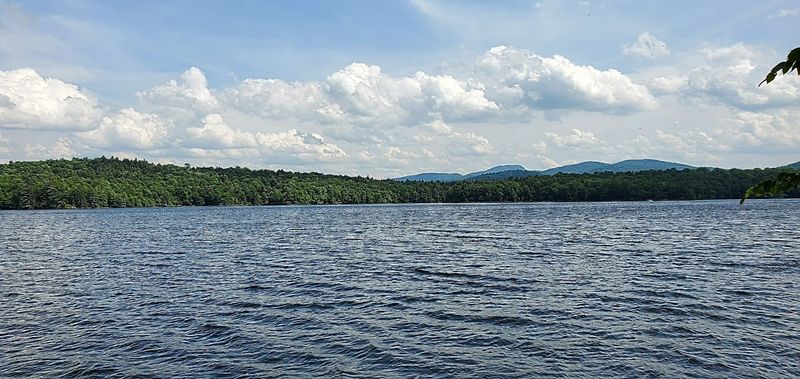
The lake that gives the town its name covers four thousand acres and sits in a setting that earns attention across every season, though spring offers a version of it that feels unguarded.
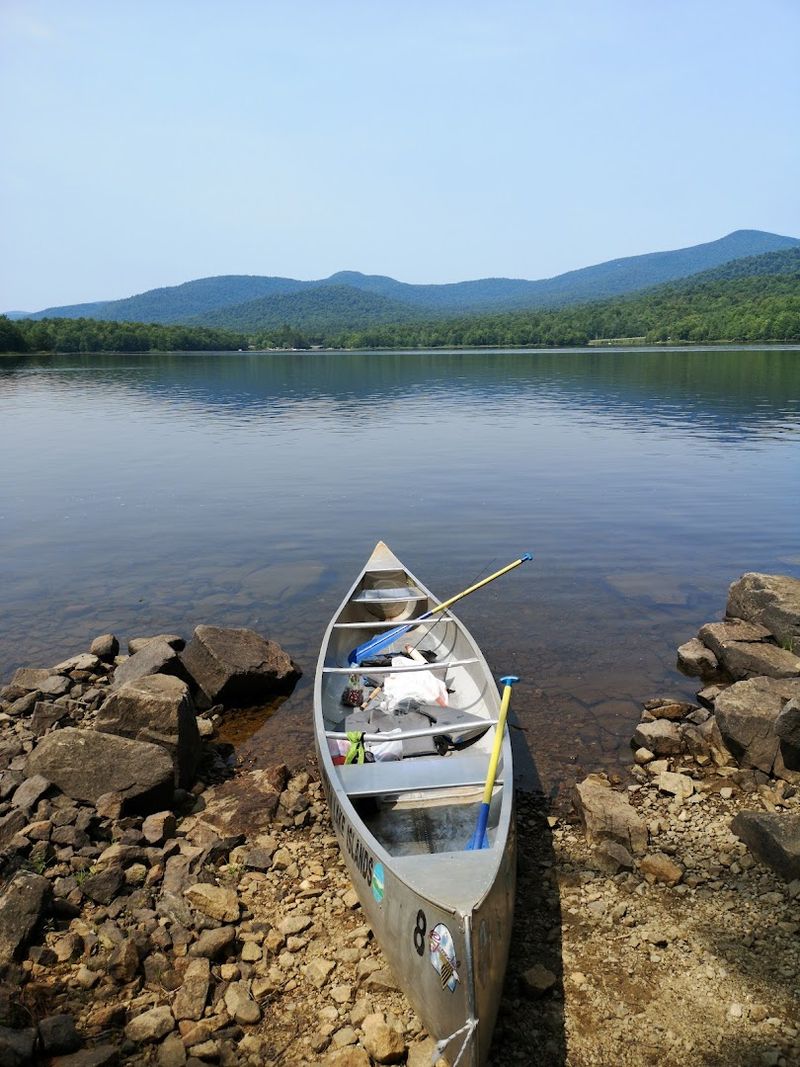
Ice-out on Indian Lake typically occurs in April, and the days immediately following that transition produce a stillness on the water that is almost theatrical in quality.
The surrounding hills mirror themselves in the glassy surface before wind patterns return and break the reflection.
Fishing activity picks up quickly after ice-out, with anglers targeting northern pike, bass, and various panfish species that become more active as water temperatures climb.
Kayaking and canoeing are popular ways to explore the lake’s many coves and inlets, and the relative quiet of the shoulder season means paddlers often have large stretches of shoreline entirely to themselves.
The town beach and public access points provide easy entry for visitors who want to experience the lake without a private dock.
Surrounding the water, the Adirondack forest fills in rapidly through May, and the combination of fresh foliage, cool air, and open water creates an atmosphere that feels genuinely restorative.
For a lake that sees far less tourist traffic than its neighbors, Indian Lake offers a quality of experience that consistently surprises first-time visitors.
Wildlife Watching When The Forest Floor Wakes Up
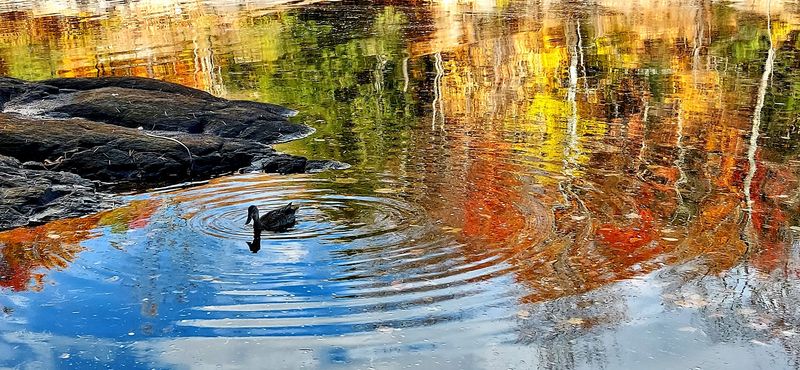
Spring in the Adirondacks is a season of movement and return, and the forests surrounding Indian Lake reflect that biological urgency with remarkable visibility.
White-tailed deer become more active and easier to spot as they move through regenerating vegetation.
Black bears emerge from their winter dens in April and May, often appearing along roadsides and forest edges as they search for early food sources.
Spotting one from a respectful distance is a genuine thrill that requires no special equipment beyond patience and attentiveness.
Bird activity reaches a peak during spring migration, and the variety of species passing through or returning to nest in the area is impressive by any standard. Loons return to Indian Lake and neighboring ponds and fill the evenings with their distinctive calls.
Warblers, thrushes, and woodpeckers move through the forest canopy in numbers that reward anyone carrying a pair of binoculars.
The Adirondack Park, which encompasses Indian Lake and the surrounding region, provides protected habitat that supports this biodiversity year-round but makes it especially vivid in spring.
Wildlife observation here does not require a guided tour or a remote wilderness permit.
A slow drive along Route 28 through town or a morning walk near the lake access points can produce sightings that would impress even experienced naturalists.
The Crisp Mountain Air And What It Actually Does To You
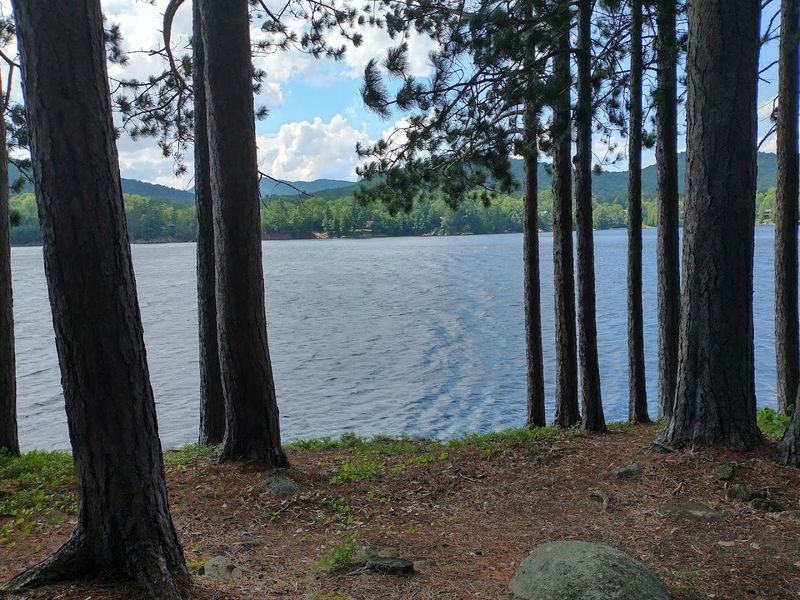
There is a specific quality to mountain air at elevation that is difficult to describe accurately and nearly impossible to replicate elsewhere, and the region around Indian Lake offers it in abundance every spring.
The air carries a cool clarity that makes even simple activities feel more deliberate.
A morning walk along a forest road, a cup of coffee on a cabin porch, or a quiet moment beside the river all seem to register more completely when the air itself is this clean and unencumbered.
Elevation plays a role, but so does the sheer density of the surrounding forest.
The Adirondack Park contains approximately six million acres of land, making it the largest publicly protected area in the contiguous United States.
That scale of preserved wilderness produces an atmospheric quality that urban and suburban environments simply do not generate, regardless of season.
The town sits far enough from major population centers that light pollution is minimal and noise is largely natural in origin. For anyone carrying the accumulated fatigue of a long winter, the mountain air around Indian Lake functions as a reliable and uncomplicated remedy.
Local Character And The Small Town Fabric Of Indian Lake
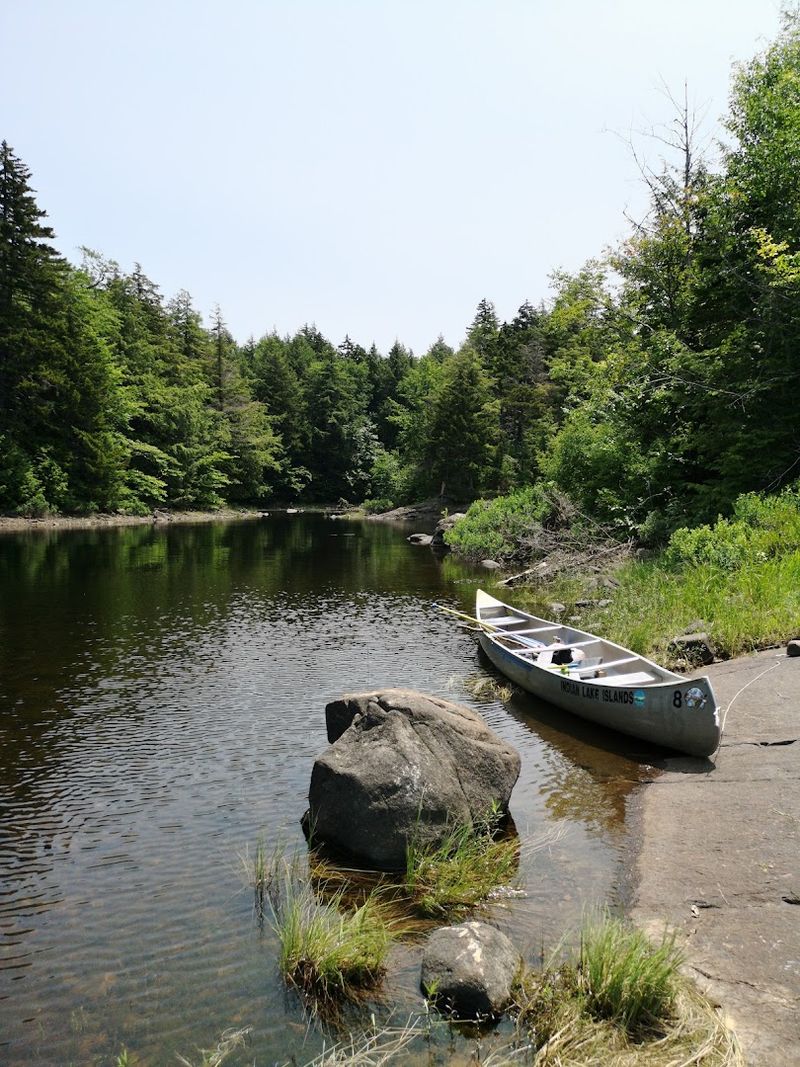
A town of just over 1,300 people does not sustain itself on tourism alone, and the texture of daily life in Indian Lake reflects a community that has its own rhythms independent of visitor seasons.
Local businesses along Route 28 carry the practical and personal character of places that serve residents first and welcome guests warmly but without performance.
The hardware store, the diner, and the general outfitter all operate with a directness that larger resort towns have largely lost.
Indian Lake sits northeast of Utica and is positioned along the eastern border of Hamilton County, a county notable for being one of the least densely populated in the entire state.
That geographic reality shapes the town’s identity in ways that feel increasingly rare.
Conversations with locals tend to be substantive and honest, rooted in a genuine knowledge of the land and the seasons rather than curated talking points.
Spring brings a gradual reawakening to the town’s social fabric as well. Outfitters reopen, seasonal staff return, and the general energy shifts from the deep quiet of winter to something more animated and purposeful.
The community events and informal gatherings that mark the start of the outdoor season carry a warmth that no marketing campaign could manufacture.
Indian Lake is the kind of place that grows on you honestly, which is the best way for a place to grow on anyone.
Planning Your Spring Visit To Indian Lake New York
Timing a spring visit to Indian Lake requires some attention to the seasonal calendar, because the window of peak conditions is real and worth planning around.
Whitewater rafting on the Hudson River Gorge typically runs at its best from mid-April through late May, depending on snowpack and rainfall levels for that particular year.
Checking with local outfitters in advance gives visitors a reliable read on current river conditions and availability for guided trips.
Accommodations in the area range from rustic Adirondack camps and cabin rentals to small inns and bed-and-breakfast properties that offer a more personal experience than chain lodging. The town itself is located along Route 28 in Hamilton County, making it accessible by car from Albany in under two hours.
Packing for a spring visit should account for variable conditions. Mornings and evenings remain cold well into May, and afternoon temperatures can shift quickly with changes in cloud cover or elevation.
Layering is genuinely useful rather than just a suggestion, and waterproof footwear will serve any visitor well across nearly every planned activity.
Indian Lake rewards visitors who arrive prepared and leave room in their schedule for the unexpected, because the unexpected here tends to be worth it.