
This Quiet New York State Park Is One Of The Most Peaceful Places In The Northeast
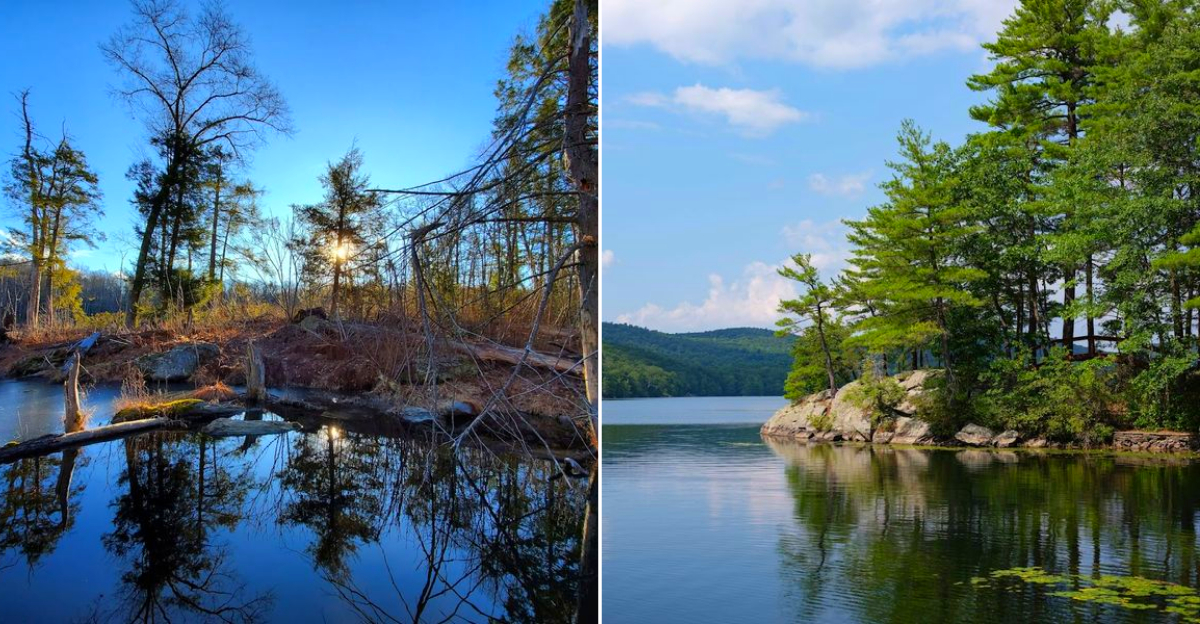
The most peaceful place in the Northeast is a strong claim and this New York state park makes it without flinching. There are no crowds competing for the good spots.
No noise is arriving from the parking lot and no selfie moment to be ruined. Absolute.
Perfection. That combination is genuinely rare in 2026 and this park has it completely intact. New York has state parks worth making plans around and this one earns a visit not through real stillness.
Oh, and let’s not forget the specific satisfaction of spending time somewhere that asks nothing of you except to show up.
A Forest That Feels Like It Was Kept Just For You
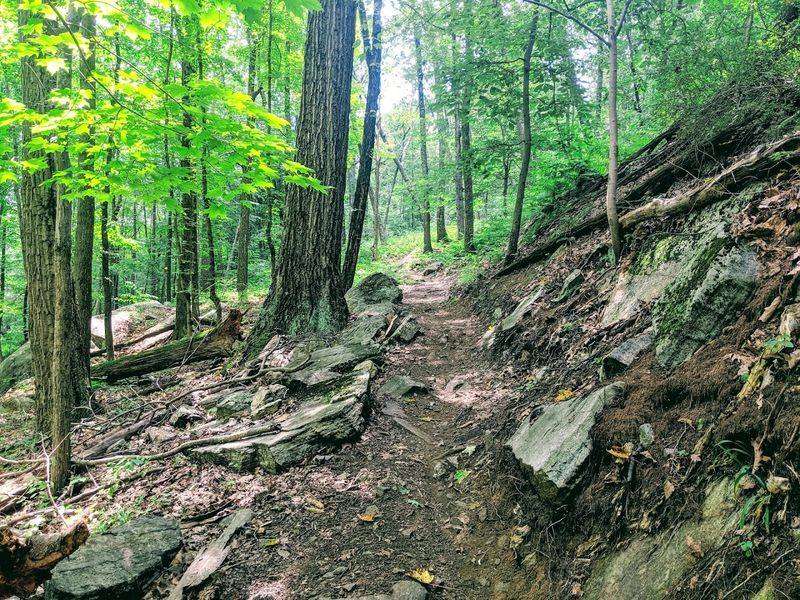
Most parks near major metropolitan areas carry a certain restlessness with them, a background hum of too many people and not enough space. Sterling Forest State Park operates on an entirely different frequency.
The forest here feels genuinely undisturbed, with hardwood canopies stretching overhead and trails that go quiet within minutes of leaving the trailhead.
The park covers nearly 22,180 acres in the Hudson Highlands, making it one of the largest conservation purchases in New York State’s recent history.
Established in 1998, the preserve was protected after years of advocacy from environmental groups who recognized its ecological value.
That effort shows in every corner of the landscape.
Over 50 distinct ecological communities thrive within its boundaries, from forested ridges to freshwater wetlands and rocky outcrops. Sterling Lake, Blue Lake, and Little Sterling Lake each offer their own quiet character.
The park also serves as a critical watershed, filtering clean drinking water for communities downstream.
Getting here is straightforward. The main entrance sits at 116 Old Forge Rd, Tuxedo Park, NY 10987, and the Frank R.
Lautenberg Visitor Center provides an excellent starting point with exhibits, trail maps, and knowledgeable staff ready to point you in the right direction.
More Than 60 Miles Of Trails Waiting To Be Explored
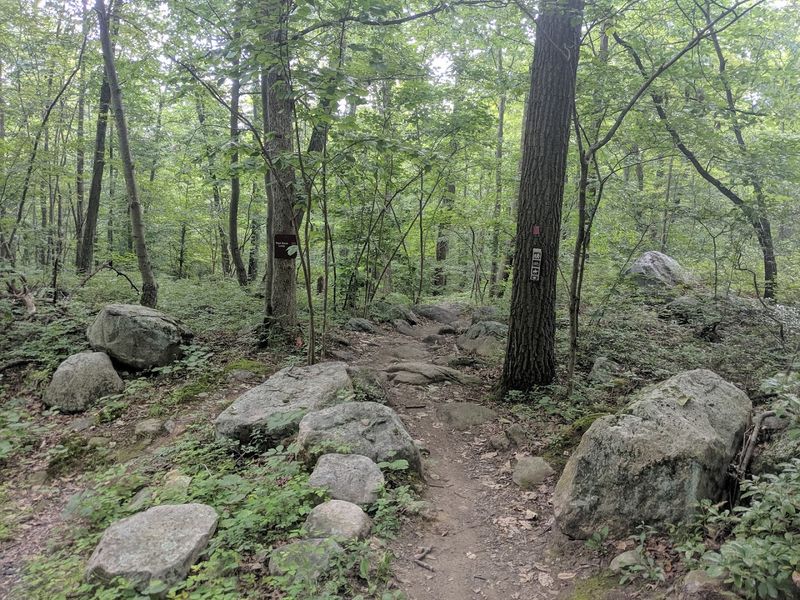
Sixty miles of trails sounds like a marketing figure until you actually start walking them and realize the number barely scratches the surface of what this park holds.
Sterling Forest offers routes ranging from flat lakeside loops to challenging ridge climbs, and each one carries its own personality depending on the season and the weather.
The Sterling Lake Loop is arguably the most photogenic trail in the park, circling the silvery lake through a mix of woodland, wetland edges, and open shoreline.
The four-mile flat circuit works well for families, casual hikers, and anyone who simply wants to move at a relaxed pace without scrambling over boulders.
For those who prefer elevation and reward, the Bare Rock Trail climbs to a sweeping viewpoint above Greenwood Lake, delivering one of the finest panoramas in the entire Hudson Valley.
The effort required is moderate to strenuous, but the view at the top makes the climb feel entirely reasonable.
A section of the Appalachian Trail also passes through the park, connecting Sterling Forest to a much larger network of trails throughout the Northeast.
Trail markings throughout the park are clear and consistent, with wooden signs at most intersections noting distances to key landmarks.
Wildlife Sightings That Catch You Completely Off Guard
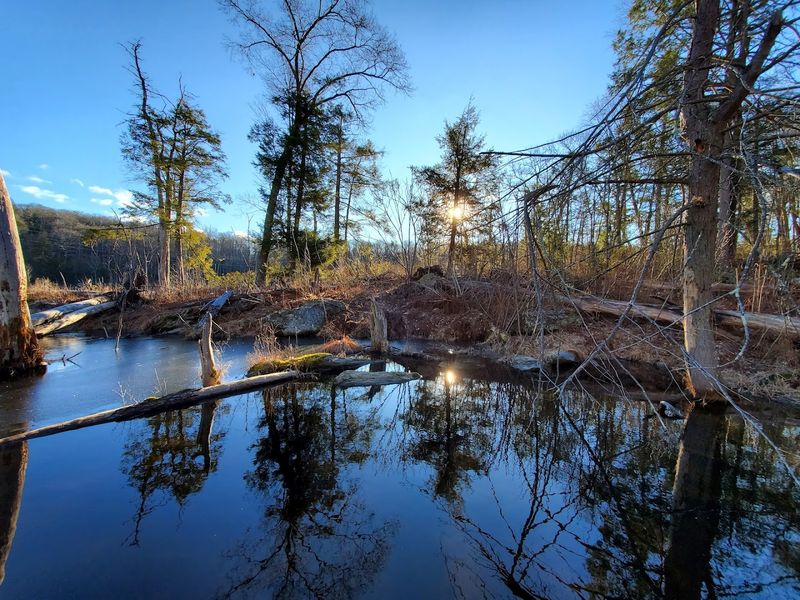
There is a particular satisfaction in encountering wildlife without having planned for it, and Sterling Forest has a way of delivering those moments with impressive regularity.
The park functions as a vital corridor in the larger Hudson Highlands ecosystem, which means the animals here are not occasional visitors but permanent residents with established territories and daily routines.
Approximately 125 bird species have been recorded within the park’s boundaries. This is including the Peregrine Falcon, Osprey, Red-shouldered Hawk, and Eastern Bluebird, several of which carry threatened or endangered status.
Sterling Forest also sits along the Atlantic Flyway, making it a meaningful stop for migratory birds each spring and fall.
Mammals are equally well represented. Black bears, white-tailed deer, beavers, river otters, muskrats, raccoons, and red foxes all call this forest home.
Patient visitors who move quietly along the trails will often spot beaver dams near wetland areas, particularly on longer ridge routes where ponds collect in natural depressions.
Over 80 butterfly species have been documented here as well, adding a layer of ecological richness that surprises even experienced naturalists.
Bringing a pair of binoculars and moving at a measured pace is the most reliable strategy for making the most of what the forest offers.
Mountain Biking Through Technical Terrain That Rewards Skill
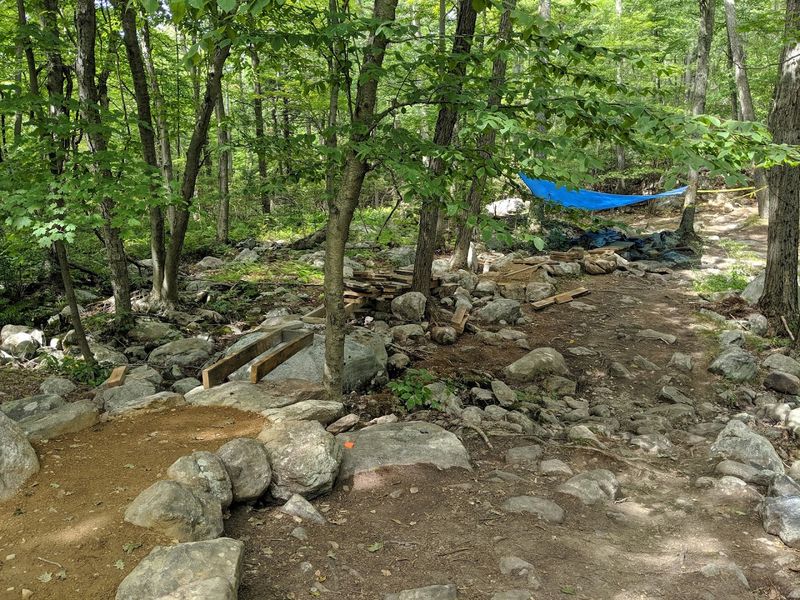
Not every visitor arrives at Sterling Forest with hiking boots.
A growing community of mountain bikers has discovered that the park’s varied terrain offers some of the most technically engaging riding in the Hudson Valley region.
Rock slabs, rooted singletrack, and natural rollers combine to create a trail network that keeps experienced riders fully occupied.
The mountain biking trails here range from moderate beginner-friendly loops to advanced sections with tight lines through boulder fields and exposed ledge crossings.
Riders who enjoy technical challenge without traveling hours to find it tend to return repeatedly, often exploring different combinations of trails on each visit.
One of the more appealing aspects of biking here is the relative quiet on the trails.
Even on weekends, the park’s size means that foot traffic and bike traffic spread out naturally, reducing the congestion that plagues smaller trail networks nearby.
On cooler days in autumn or early spring, having an entire section of trail to yourself is genuinely common.
The Visitor Center staff can provide current trail conditions and suggest routes based on ability level, which is particularly helpful after wet weather when certain sections become slick.
Helmets and appropriate footwear are strongly recommended given the rocky nature of many routes throughout the park.
Fishing And Boating Across Seven Quiet Lakes
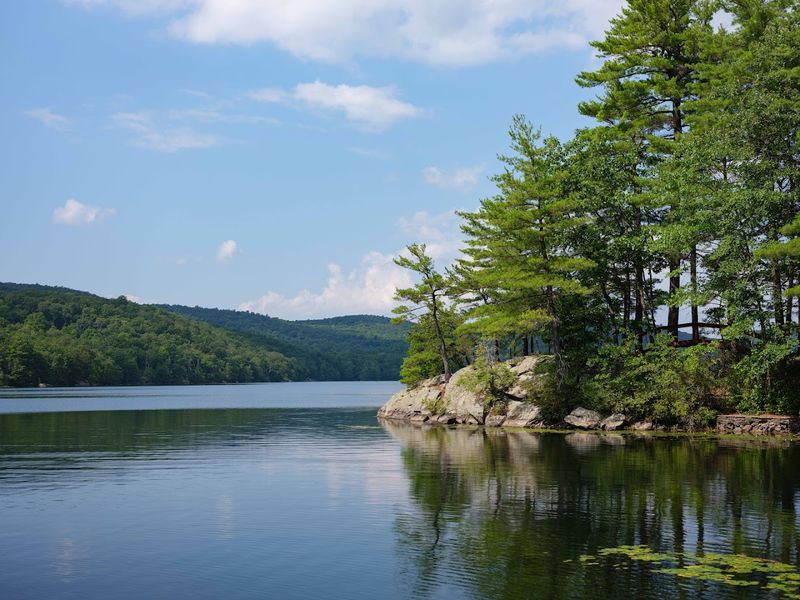
Seven lakes sit within Sterling Forest’s boundaries, and each one carries a different mood depending on the time of day and the season.
The fishing opportunities alone make the park worth the drive for anglers who prefer uncrowded water and genuine solitude over managed fishing ponds with predictable stocking schedules.
Species found in these lakes include pickerel, perch, sunfish, smallmouth and largemouth bass, trout, and walleye.
A valid New York State fishing license is required, and certain areas may have additional regulations worth checking before arrival.
Boating is permitted on the interior lakes with an appropriate permit, and Blue Lake offers the only designated boat launch within the park.
Kayaks and canoes work particularly well here given the intimate scale of most lakes, allowing paddlers to explore shoreline details that hikers on foot never see.
Sterling Lake itself is often described as the most visually striking of the group, with its forested banks and reflective surface creating an atmosphere of complete calm.
Early mornings before other visitors arrive offer the best conditions for both fishing and paddling, with mist sitting low over the water and the surrounding trees still holding the previous night’s quiet.
History Buried In The Bedrock And Waiting To Be Found
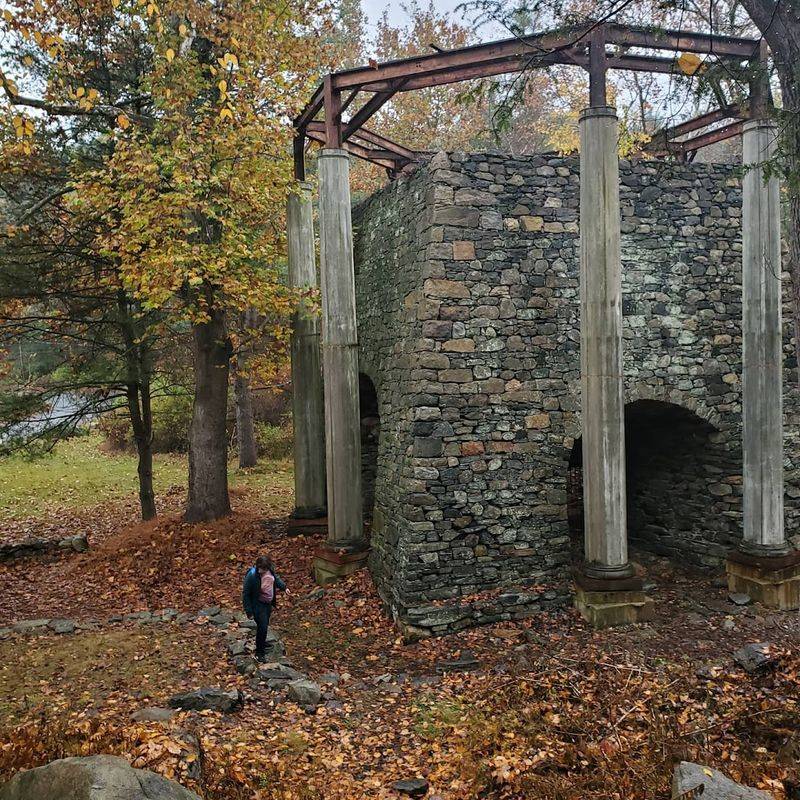
Long before the park became a protected natural area, this land carried enormous strategic and industrial significance.
Evidence of Native American habitation predates European contact by thousands of years, and the forest holds quiet remnants of that deep history in its soil and stonework.
Walking certain trails here feels less like recreation and more like moving through layered time.
The original furnace at Sterling Mine produced the iron links used to forge the great chain stretched across the Hudson River, an attempt to prevent the British from moving past West Point during the Revolution.
That single detail transforms a hike past crumbling stonework into something far more resonant.
Visitors can view a restored blast furnace near the Visitor Center along with remnants of later iron works operations that tell the story of industrial expansion through the nineteenth century.
The Visitor Center itself houses dioramas, mining artifacts, and a detailed topographical map that helps contextualize the landscape’s layered past.
The combination of natural beauty and historical depth gives Sterling Forest a character that purely recreational parks rarely achieve.
Knowing what happened here adds weight to every footstep, and the ruins scattered through the forest reward those who take the time to look closely.
Winter Transforms The Park Into Something Unexpectedly Beautiful
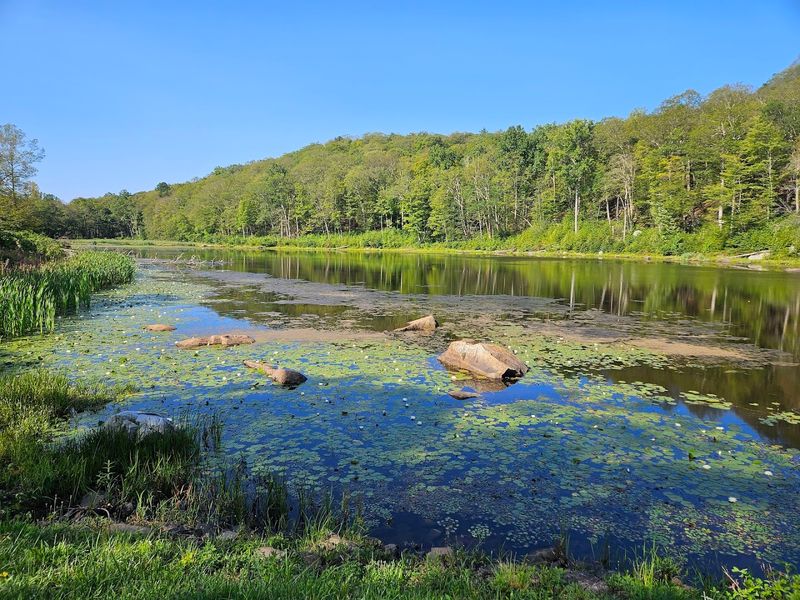
Many parks lose their appeal once the temperatures drop and the foliage disappears, but Sterling Forest shifts into a quieter, more contemplative version of itself in winter.
The bare canopy opens up sightlines that dense summer foliage conceals entirely, offering entirely new perspectives on familiar ridgelines and valley floors.
Designated trails remain open during winter months for cross-country skiing and snowshoeing, giving the park a secondary identity that most visitors never discover.
The combination of fresh snow and minimal foot traffic creates trail conditions that feel genuinely pristine, particularly on weekday mornings when the parking lot holds only a handful of vehicles.
Ice fishing is permitted on the lakes when conditions allow, and the park staff monitors frozen pond areas and posts safety markings to help visitors navigate winter water conditions responsibly.
That level of attentiveness to visitor safety reflects the overall character of the park’s management.
The Visitor Center remains open during winter months, offering warm respite between outdoor excursions and staffed by rangers who genuinely enjoy talking about the forest in all its seasonal moods.
Visiting Sterling Forest in January or February with a thermos and good footwear is one of those experiences that tends to permanently change how people think about winter hiking in the Northeast.