
The Charming Tennessee Mountain Town That Feels Frozen In Time
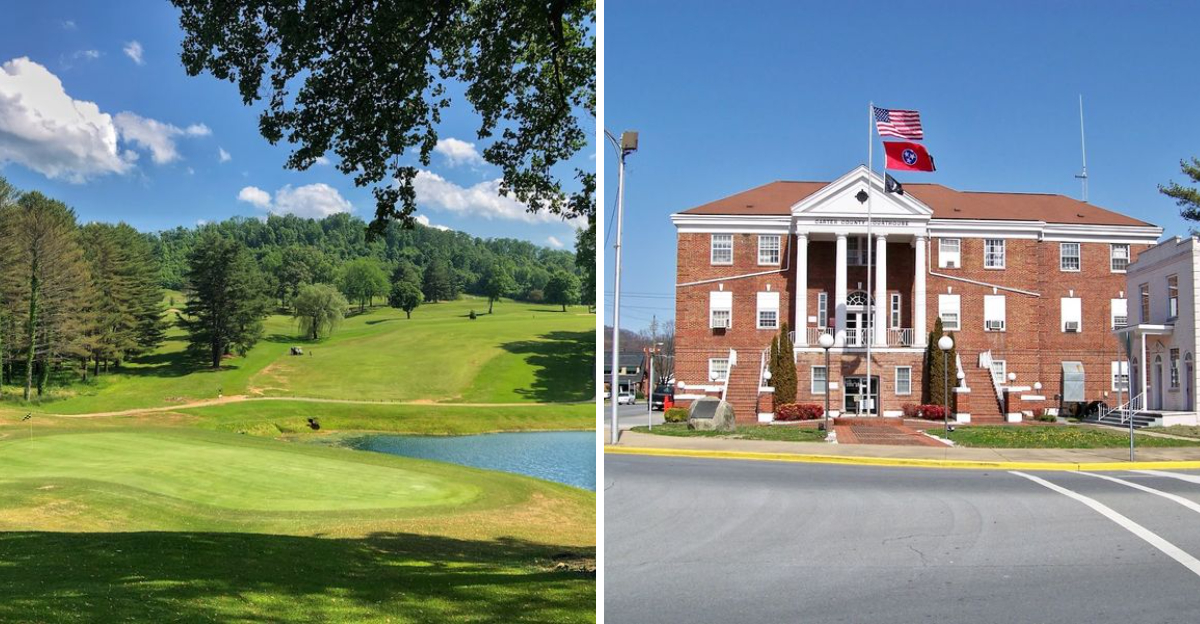
Some towns make you slow down before you even realize it.
One minute, you are driving through the mountains, and the next, you are staring at old storefronts, quiet streets, and views that look almost too peaceful to be real.
Tennessee still has places where life feels wonderfully unhurried, and this mountain town captures that feeling beautifully. There is a nostalgic rhythm here.
Porches invite lingering. Local shops feel personal.
The scenery adds drama without trying too hard. Could there be a better place for a relaxed weekend wander?
It feels like the calendar paused, leaving behind fresh mountain air, friendly faces, and small-town charm that never needed an update.
For travelers craving a break that feels simple, scenic, and a little bit magical, this Tennessee town is ready to surprise them.
The Covered Bridge And Its Timeless Doe River Crossing
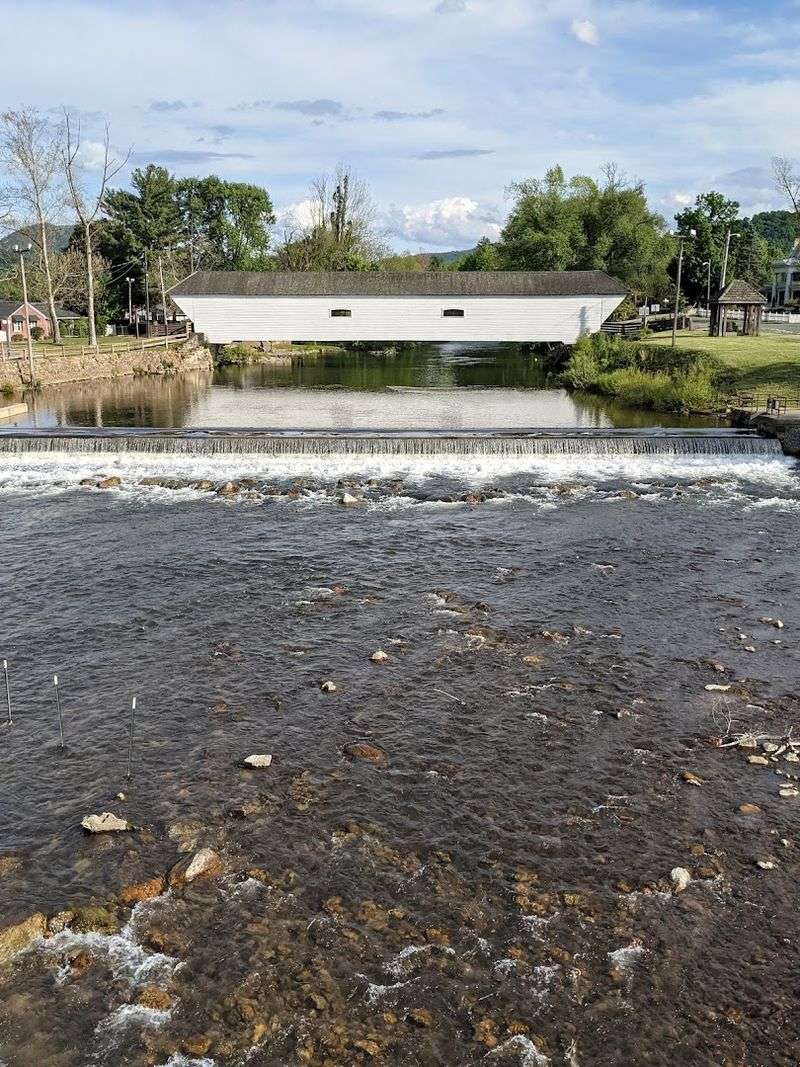
Built in 1882, this bridge is one of the few remaining covered bridges still standing in all of Tennessee. It crosses the Doe River with a quiet grace that seems almost defiant of the modern world rushing past it.
Visitors often stop mid-step just to take in the scene.
The bridge measures roughly 134 feet in length and features a lattice truss design that was common in 19th-century construction. The wooden planks creak just enough to remind you of its age.
The bridge draws photographers, couples, and curious travelers throughout the year. In autumn, the surrounding foliage turns gold and rust, making the view especially striking.
Spring brings a softer, greener backdrop that feels almost painted.
The bridge is not just a landmark. It functions as a daily reminder that some things are worth preserving simply because they are beautiful and true.
Few places in Tennessee offer a setting this honest, this unhurried, and this quietly magnificent for a simple afternoon walk.
Sycamore Shoals State Historic Park And The Birth Of American Self-Governance
Long before the United States existed as a nation, a group of settlers along the Watauga River decided to govern themselves.
In 1772, they formed the Watauga Association, recognized as the first independent constitutional government established by American-born citizens west of the Appalachian Mountains.
That act of self-determination happened right here.
Sycamore Shoals State Historic Park preserves and celebrates that legacy with remarkable care. The park features a museum filled with artifacts, maps, and detailed exhibits that explain the region’s outsized role in early American history.
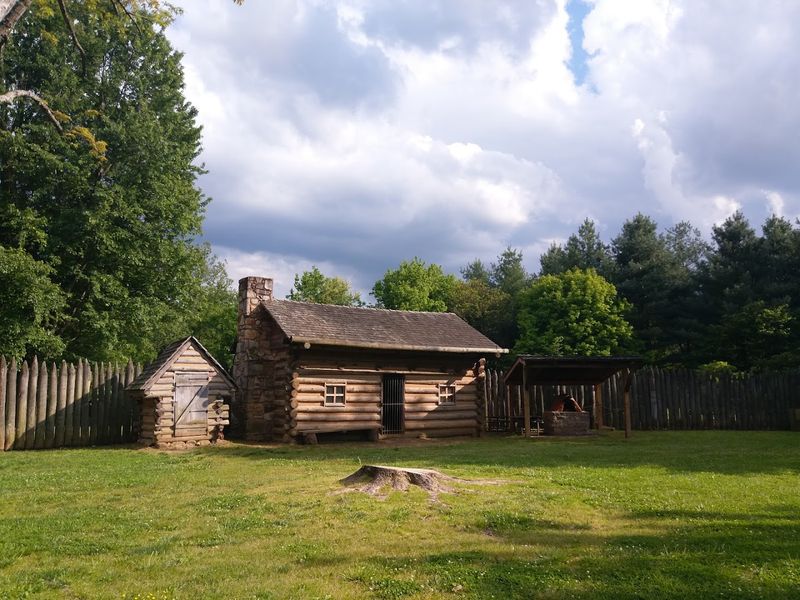
A full-scale replica of Fort Watauga stands on the grounds and gives visitors a physical sense of what frontier life actually looked like.
The park also served as a major muster point during the Revolutionary War.
In 1780, the Overmountain Men gathered at Sycamore Shoals before their march to the Battle of Kings Mountain, a turning point in the war’s southern campaign.
That story is told with clarity and respect throughout the site.
This park in Elizabethton welcomes visitors year-round. Admission is free, and the staff brings genuine enthusiasm to every guided tour they offer.
Carter Mansion And The Oldest Frame House In Tennessee
Most historic homes in America come with a plaque. Carter Mansion comes with a story that stretches back to the earliest days of European settlement in the southern Appalachians.
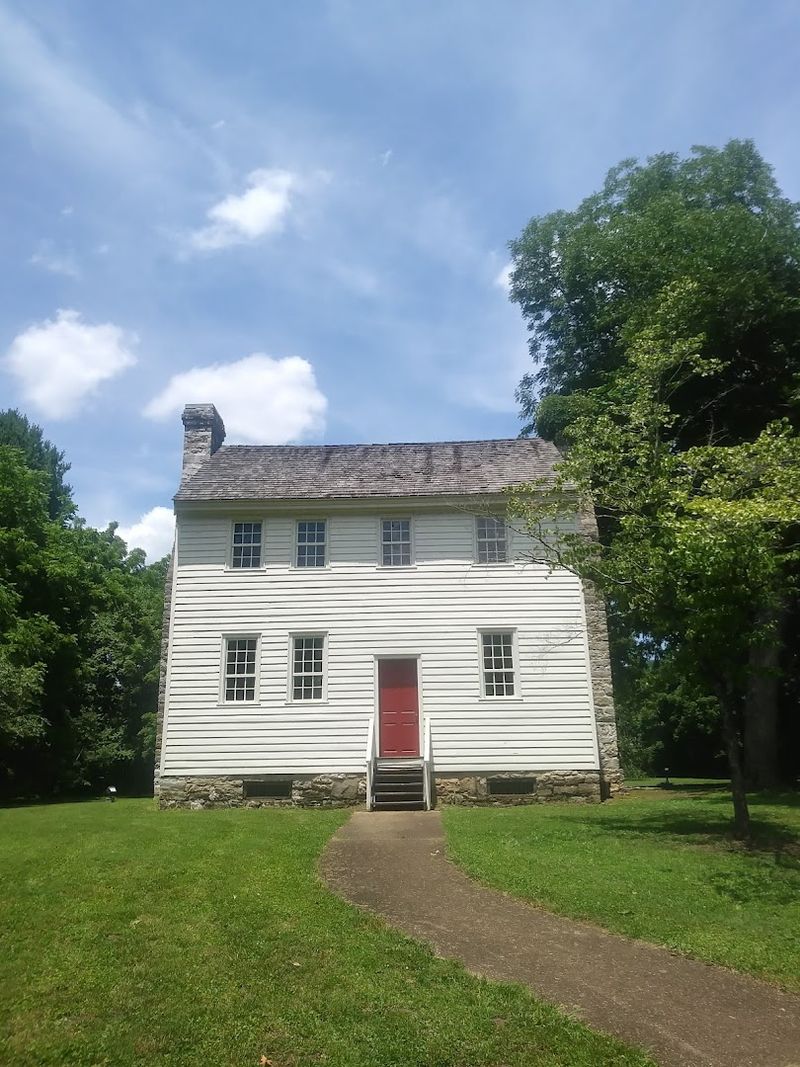
Built between 1775 and 1780 by John Carter and his son Landon Carter, it holds the distinction of being the oldest surviving frame house in all of Tennessee.
The architecture reflects the practical sensibility of the era.
Wide-plank floors, hand-hewn beams, and simple but carefully crafted woodwork speak to a time when building materials were earned through labor rather than ordered from a catalog.
The interior has been preserved with an eye toward accuracy rather than decoration.
John Carter was a prominent figure in the Watauga Association, which gives the mansion an additional layer of historical significance.
Visiting the home means standing in a space where early decisions about American frontier governance were likely discussed.
That connection to the broader national story is not incidental.
The mansion is located on Broad Street in Elizabethton and is part of the Tennessee State Parks system. Tours are available seasonally, and the site pairs naturally with a visit to Sycamore Shoals just a short distance away.
Together, they form a remarkably coherent portrait of colonial Tennessee.
Tweetsie Trail And The River Path That Replaced A Railroad
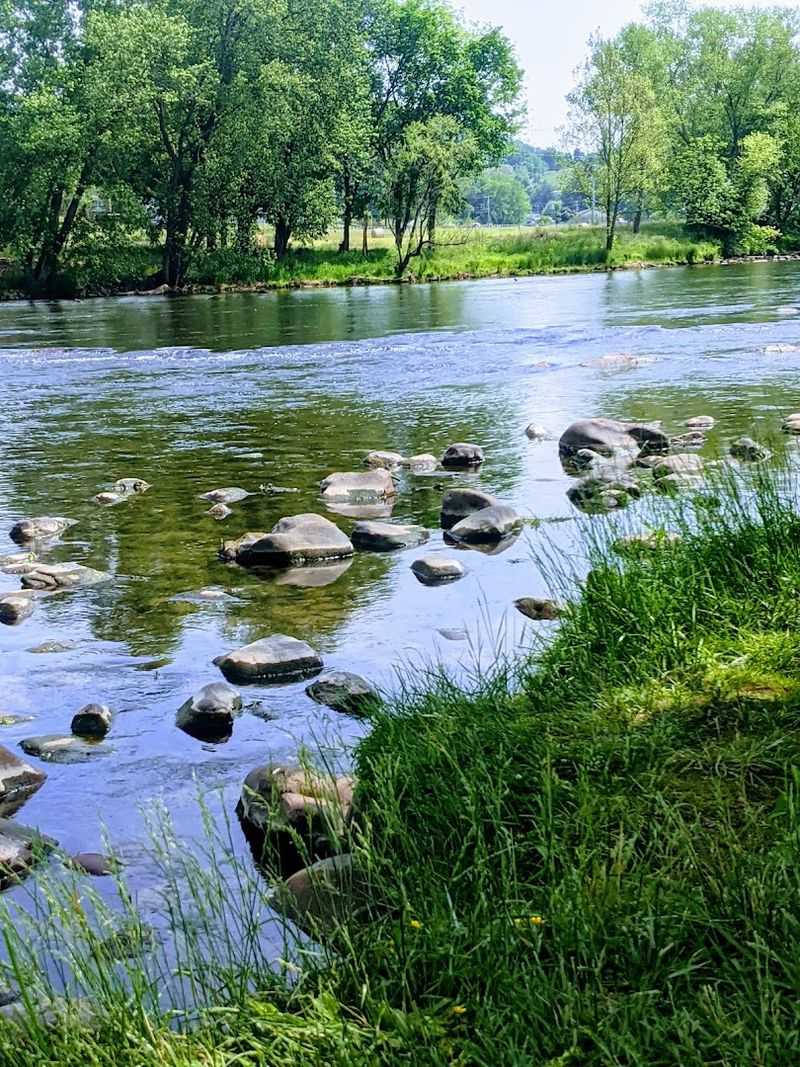
The Tweetsie Trail follows the old East Tennessee and Western North Carolina Railroad corridor for about ten miles between Elizabethton and Johnson City.
The railroad, affectionately nicknamed the Tweetsie for the sound of its narrow-gauge whistle, stopped running decades ago.
The trail that replaced it has become one of the most beloved outdoor spaces in the region.
The paved surface makes it accessible to cyclists, joggers, parents with strollers, and anyone who simply wants a long, unhurried walk through the natural landscape of Carter County.
The trail runs alongside the Doe River for much of its length, offering consistent views of moving water and wooded hillsides that change dramatically with the seasons.
In spring, wildflowers appear along the edges of the path. Summer brings full canopy shade that makes afternoon walks genuinely comfortable.
Fall turns the whole corridor into a slow-moving gallery of color, and winter strips the trees back enough to reveal ridgelines that are hidden the rest of the year.
Access points exist at both ends of the trail and at several points in between. The trail is free to use and open year-round.
It represents a thoughtful second life for a piece of infrastructure that once defined the region’s economy and identity.
Downtown Elizabethton Walking Tour And Its National Register Architecture
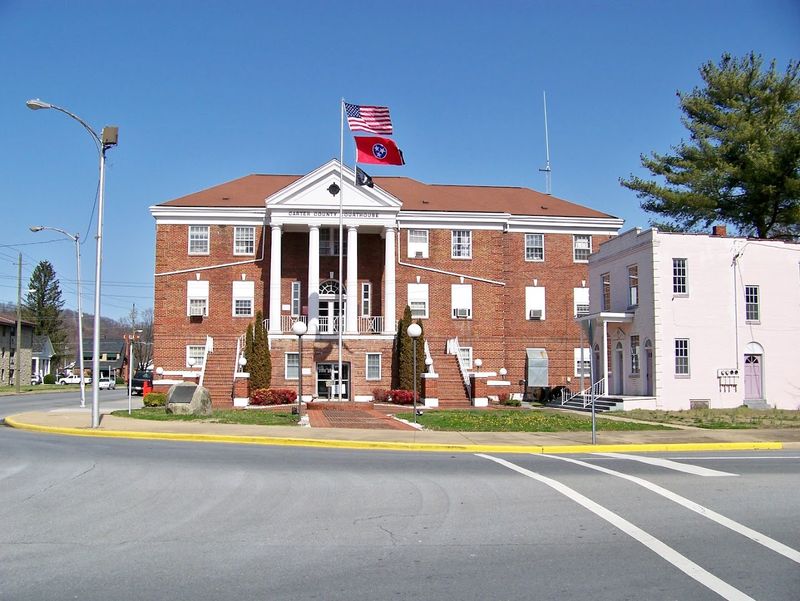
A self-guided walking tour through downtown Elizabethton reads less like a history lesson and more like a slow conversation with the town itself.
Most of the downtown district is listed on the National Register of Historic Places, with properties dating from the late 18th century through the 1930s still standing in respectable condition.
The architectural variety is part of what makes the walk so engaging.
Federal-style buildings sit alongside Craftsman storefronts and early commercial facades that recall the town’s growth during the early industrial period.
Nothing feels overly restored or artificially polished, which is precisely the point.
Elizabethton was Tennessee’s first incorporated town, a fact that gives the downtown streetscape an added sense of civic pride.
Local businesses, antique shops, and independent restaurants have moved into many of the historic buildings, keeping the district active without stripping away its character.
Printed walking tour maps are available at local visitor centers, and the route covers approximately a dozen significant structures within easy walking distance of one another.
Plan for at least an hour, though two is more realistic if you stop to read the markers and peek through the shop windows.
The downtown rewards slow movement and genuine curiosity in equal measure.
Roan Mountain State Park And The Rhododendron Gardens Above The Clouds
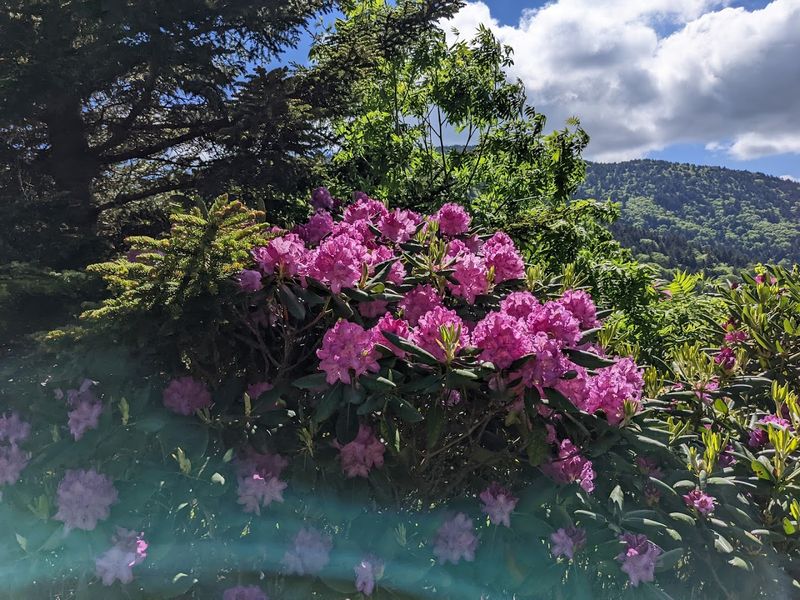
About 25 miles from downtown Elizabethton, Roan Mountain State Park rises to elevations above 6,000 feet and hosts one of the most spectacular natural displays in the entire Appalachian chain.
Every June, the Roan Mountain Rhododendron Gardens burst into bloom across the high balds, covering acres of open mountain terrain in deep pink and purple.
The gardens are part of a larger system of grassy and heath balds that are rare in this part of the world.
Scientists still debate exactly why these treeless mountaintop areas exist, which adds an element of mystery to the already dramatic scenery.
The Appalachian Trail passes directly through the area, drawing long-distance hikers alongside day visitors.
Beyond the rhododendron season, the park offers year-round camping, cabin rentals, and a network of hiking trails that range from easy forest walks to more demanding ridge climbs.
The visitor center provides good orientation for first-time guests, and the staff can point you toward trails suited to your pace and experience level.
Winter brings a different kind of beauty to Roan Mountain, with snow-covered balds and ice-glazed spruce trees creating scenes that feel genuinely remote.
For anyone based in Elizabethton, this park serves as an extraordinary natural extension of everything the region does well.
The Watauga Lake Shoreline And Its Quiet Mountain Water Recreation
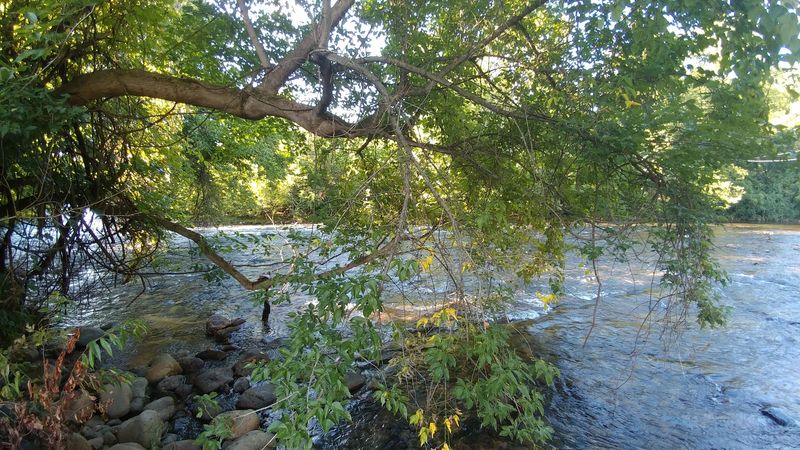
Watauga Lake sits at an elevation of roughly 1,959 feet in the Cherokee National Forest, making it one of the highest major lakes in the eastern United States.
The Tennessee Valley Authority created it in the 1940s by damming the Watauga River, and the result is a body of water so clear and cold that it has become a destination in its own right.
Boating, fishing, and swimming are the primary draws, but the lake also rewards those who simply want to sit near the water and watch the light shift across the surrounding ridges.
Smallmouth bass, walleye, and rainbow trout attract anglers from across the region throughout the year.
The shoreline is largely undeveloped, which keeps the experience feeling removed from ordinary tourist infrastructure.
Several boat ramps and small marinas provide access for visitors with their own watercraft. Kayaking and canoeing are popular options for those who prefer a quieter approach to the lake’s coves and inlets.
The water temperature stays cool even in summer, which makes swimming a refreshing rather than merely pleasant experience.
Watauga Lake is about a 30-minute drive from central Elizabethton.
Its combination of mountain scenery, clean water, and relative solitude makes it one of the most underappreciated recreational destinations in all of upper East Tennessee.
Sabine Hill And The Federal Architecture Of Early 19th-Century Tennessee
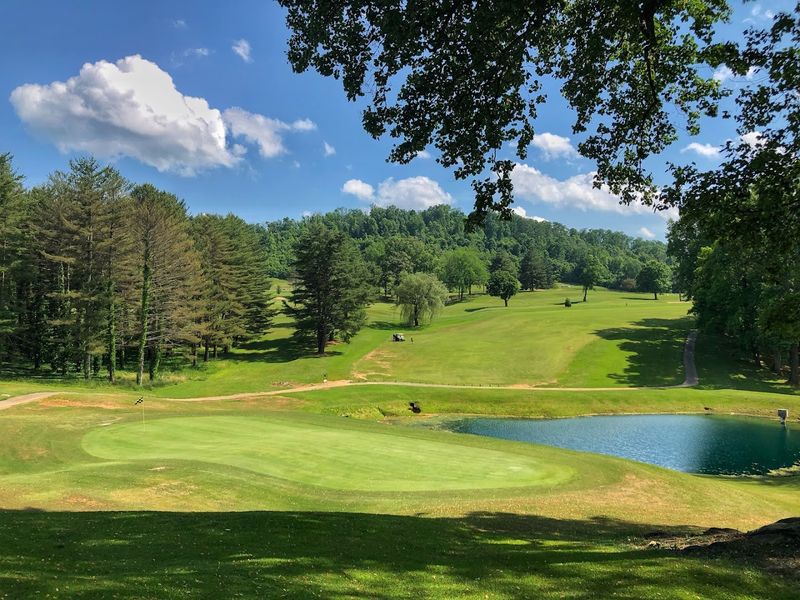
Sabine Hill was built around 1818 for John and Landon Carter II, and it represents one of the finest examples of Federal-style domestic architecture surviving in upper East Tennessee.
The structure’s symmetry, restrained ornamentation, and carefully proportioned windows reflect the design sensibilities that were fashionable in the early American republic.
The interior has undergone careful rehabilitation that prioritizes historical accuracy.
Original woodwork, period-appropriate color schemes, and documented furnishings help visitors understand how a prosperous family in early 19th-century Tennessee actually lived.
The attention to detail is evident without being overwhelming.
What makes Sabine Hill particularly interesting is its connection to the Carter family, whose influence on Elizabethton’s early development was substantial.
The same family associated with Carter Mansion, built decades earlier, continued to shape the town’s civic and cultural life well into the 1800s.
Visiting both properties on the same day creates a meaningful narrative arc.
The site is managed as a state historic property and is open for tours on a seasonal schedule. Calling ahead is recommended to confirm availability.
Sabine Hill doesn’t attract the same crowds as some of the region’s more publicized attractions.
This means visitors often have the space and quiet needed to absorb what they are seeing without distraction.
The Veterans Monument And The River Rock Memorial In Douglas Park
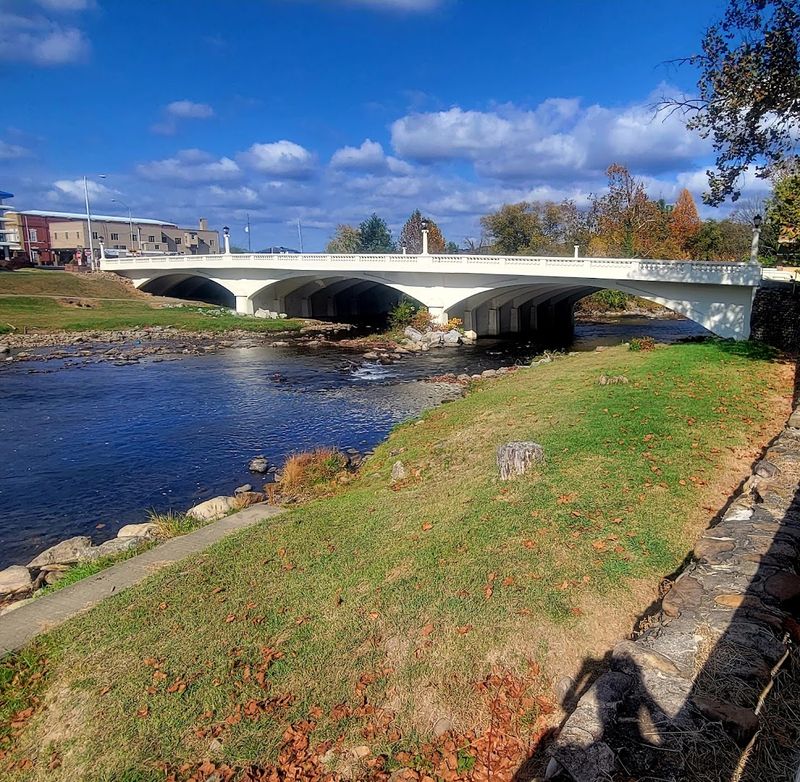
Standing at the edge of Douglas Park in Elizabethton, the Veterans Monument is one of those civic structures that earns its place in a town’s identity through sheer sincerity.
Originally dedicated in 1912 to honor the soldiers of Carter County who served from the Revolutionary War onward, it was built from river rock.
Two Civil War field cannons flank the monument, standing guard with the quiet authority of objects that have outlasted the conflicts they represent.
The inscription acknowledges veterans across multiple generations, which makes the memorial feel inclusive rather than narrowly commemorative.
It is a tribute to endurance as much as to service.
Douglas Park itself is a pleasant green space that invites lingering.
The park also contains Blue Grays Field, the historic home field of Elizabethton’s Black semiprofessional baseball team, the Blue Grays, who played there from 1935 to 1955.
That history adds a layer of cultural complexity to what might otherwise seem like a straightforward civic park.
Visiting the Veterans Monument requires no planning or admission fee. It sits in plain sight, open to anyone who walks through the park.
The simplicity of the experience is part of its appeal, and it rewards those who take a moment to actually read what is written on the stone.
The Small-Town Rhythm Of Elizabethton And Why It Still Draws Visitors
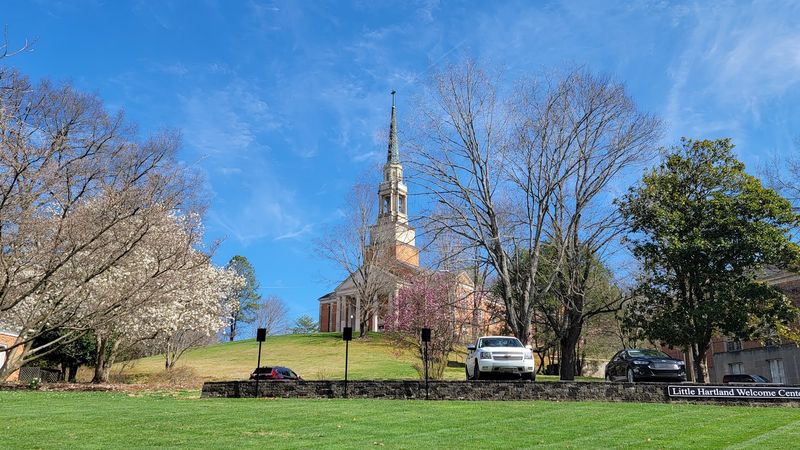
There is a particular quality to life in Elizabethton that is easier to feel than to describe. The pace is slower, but not because the town lacks energy.
It is more that the energy here runs at a frequency that does not demand your constant attention. Conversations last longer.
People hold doors open. Nobody seems to be in a hurry to be somewhere else.
The downtown area supports a collection of independent restaurants, antique dealers, and small boutiques that reflect local taste rather than national trends.
Eating lunch at a counter stool in one of the older diners feels like a genuinely local experience rather than a performance of one.
The food is honest, the portions are generous, and the coffee is reliably strong.
Elizabethton sits in Carter County at coordinates 36.3487 latitude, 82.2107 longitude, placing it squarely in the mountain corridor of upper East Tennessee.
The surrounding landscape of the Blue Ridge and Appalachian foothills shapes daily life in ways both practical and atmospheric.
Mountains are always visible from somewhere in town.
For travelers exhausted by destinations that perform their own charm, Elizabethton offers something more valuable: a place that simply is what it is. That quality, rare and increasingly difficult to find, may be the most compelling reason to visit at all.