
8 Hidden North Carolina Mountain Towns Where Living Costs Are Still Surprisingly Low
The Appalachian Mountains have a way of making everything feel more manageable. The pace slows, the views open up, and in parts of North Carolina, mountain towns still offer a slower, more affordable way of life.
That gap between the scenery and the price tag is worth finding. Most people who discover these towns do so by accident.
They were looking for something quieter than the well-known mountain destinations and drove a little further than planned. The roads narrowed.
The towns got smaller. The views did not get any less remarkable, and the rent did not reflect that at all.
North Carolina’s mountains run deeper than the popular stretches suggest. Past the weekend traffic and the familiar names, some communities have been living well at a reasonable cost for long enough that it feels like the natural order of things.
Neighbors who have been there for generations. Main streets that serve the people who live there, rather than the people passing through.
These towns still cost what mountain living used to cost. That will not be true forever.
1. Bryson City
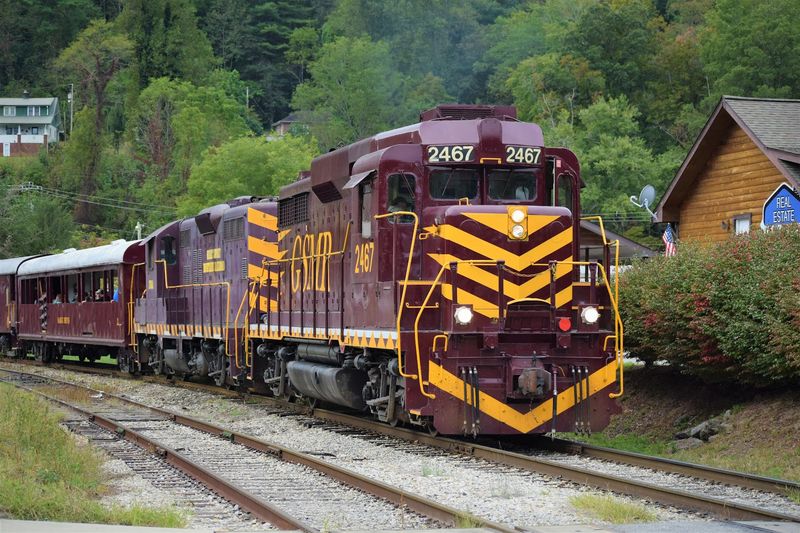
Bryson City sits right at the edge of Great Smoky Mountains National Park, and somehow it still flies under the radar. That’s good news for anyone watching their wallet.
Homes here are remarkably affordable, which is rare for any town with this kind of natural scenery.
Property taxes stay low, and you won’t find many HOA-heavy neighborhoods draining your bank account every month. The town has a genuine small-town feel.
Neighbors actually wave at each other, and the pace of life is refreshingly unhurried.
Outdoor activities are basically free here. Hiking, fishing, and exploring the national park are all part of daily life.
You don’t need a gym membership when the Appalachian Trail is practically in your backyard.
The downtown area has local shops, good food spots, and a growing arts scene. It’s not trying to be Asheville.
It’s just being itself, and honestly, that’s way more appealing to a lot of people.
If you work remotely, Bryson City has been quietly improving its internet infrastructure. More people are discovering this.
The community is welcoming to newcomers without losing its authentic mountain character.
Families, retirees, and young professionals are all finding their footing here. The school system is solid and improving.
For the price you pay, the quality of life is hard to beat anywhere in western North Carolina.
2. Marion
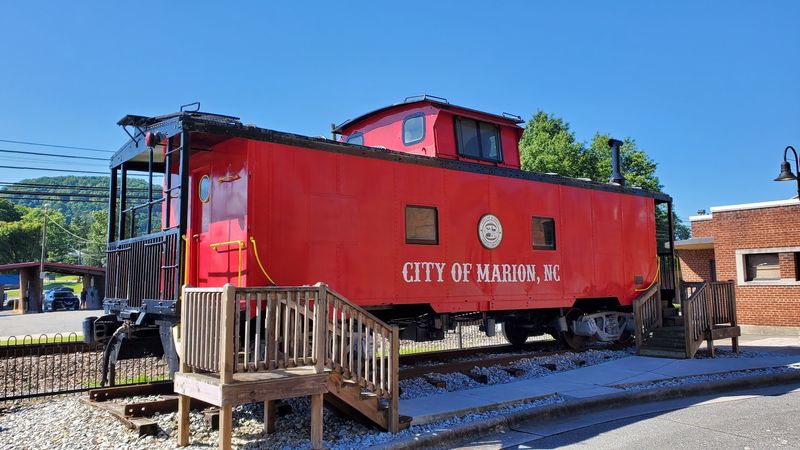
About 35 minutes east of Asheville, Marion offers nearly the same mountain atmosphere at a much more accessible price point.
Home prices here feel surprisingly reasonable, almost impossible to believe when you compare them to Asheville’s market.
Marion has been growing steadily without losing its working-class roots. The people here are real and straightforward.
You get mountain views, fresh air, and a community that hasn’t been priced out of its own town yet.
The local economy is diversifying, with new small businesses opening alongside established ones. Grocery costs and utilities stay below national averages.
That combination of affordable housing and low daily expenses adds up to meaningful monthly savings.
Lake James State Park is just minutes away. Swimming, kayaking, and camping are practically door-to-door activities.
On weekends, residents enjoy the outdoors without spending much at all.
The town has a historic downtown with murals, local diners, and community events that bring people together. It’s not flashy, but it’s genuine.
There’s a pride here that comes from people who actually built something together over generations.
Marion also has good highway access, making Asheville, Hickory, and even Charlotte reachable for work or weekend trips. You get the mountain lifestyle without being completely isolated.
For budget-conscious families or retirees wanting mountain scenery without the premium price tag, Marion delivers consistently.
3. Lenoir
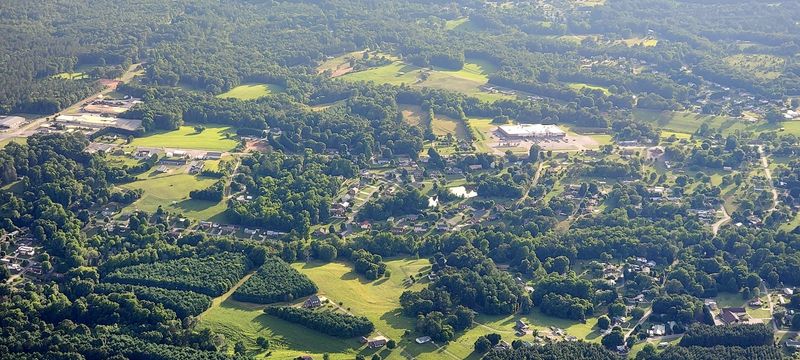
Lenoir often gets skipped over because Blowing Rock and Boone are so close and so well-known. But here’s the thing: housing in Lenoir runs significantly cheaper than those popular neighbors.
Rent here is remarkably budget-friendly, which is nearly unheard of in the North Carolina mountains.
The town sits in Caldwell County and has a real working-town energy. There’s history here in furniture manufacturing, and that industrial heritage shaped a community of hardworking, no-nonsense people.
The culture is warm but unpretentious.
Utility costs stay below national averages, and transportation costs follow the same pattern. Groceries are reasonably priced.
When you add all of that together, Lenoir becomes one of the most genuinely affordable mountain towns in the entire state.
Fort Defiance, a historic plantation turned museum, sits nearby and gives the area a sense of deep historical roots. The surrounding landscape is gorgeous, with rolling hills and mountain ridges framing the town beautifully in every season.
Lenoir has been investing in downtown revitalization. New murals, renovated storefronts, and community events are bringing fresh energy to the area.
It’s not trying to become Boone, but it is trying to become the best version of itself.
Families looking for affordability with mountain access will find Lenoir surprisingly practical. Schools are improving, and the community is invested in growth.
It’s a town on the upswing that still hasn’t lost its affordable edge.
4. Spruce Pine
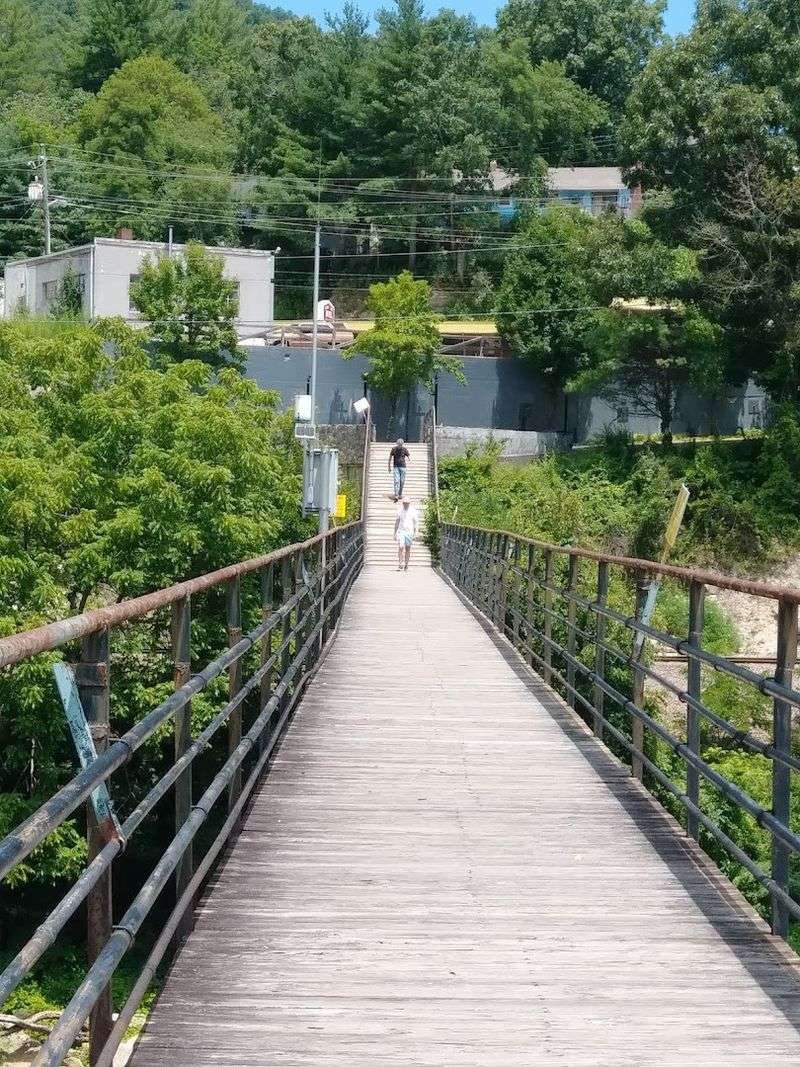
This spot is the kind of place where affordable homes are still a real and regular thing. That’s not a typo.
In a state where mountain real estate keeps climbing, this Mitchell County town has managed to stay genuinely budget-friendly without sacrificing its character.
The town sits along the North Toe River, surrounded by some of the most mineral-rich land in the eastern United States. Spruce Pine is actually world-famous in geology circles for its ultra-pure quartz deposits.
Not many small towns can say that.
There’s no big-city tax burden here. No heavy congestion, no overcrowded highways, and no HOA committees sending letters about your mailbox color.
Life moves at a human pace, and that’s exactly the appeal for people fleeing overpriced urban areas.
The arts community here is genuinely impressive for a town this size. The Penland School of Crafts sits just outside town and draws artists from around the world.
That creative energy spills into the local culture in really interesting ways.
Restaurants, coffee shops, and local galleries have been quietly popping up. The downtown area feels lived-in and real.
There’s a farmers’ market scene and community events that keep residents connected throughout the year.
For remote workers, retirees, or anyone craving mountain simplicity without a massive mortgage, Spruce Pine checks nearly every box. The scenery alone would justify a much steeper price.
The fact that it hasn’t gone that route yet makes it a genuine opportunity worth acting on soon.
5. Hickory s
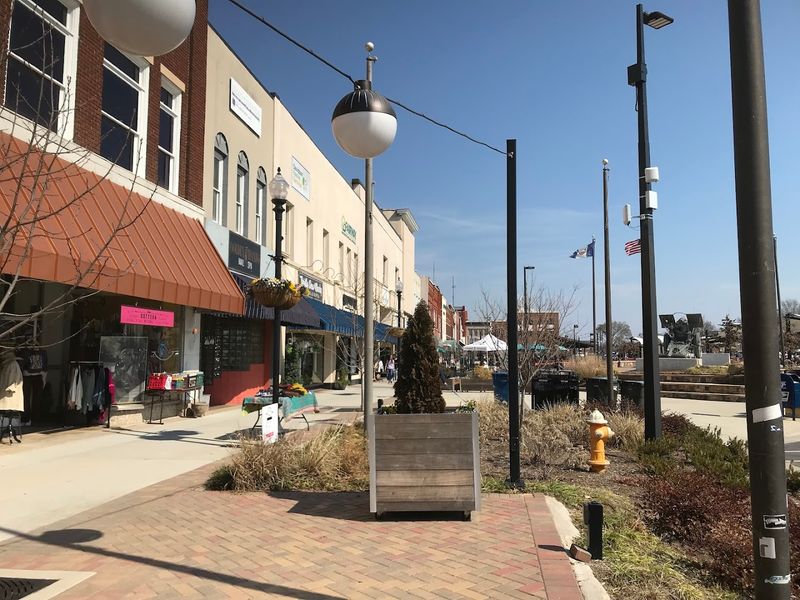
Hickory sits in the foothills of the Appalachian Mountains and consistently ranks among the most affordable mid-sized cities in North Carolina.
Home prices and rent here are genuinely low, the kind of numbers that make a lot of budget spreadsheets look very happy.
The city has real infrastructure. Good hospitals, solid schools, and an actual downtown with restaurants, breweries, and a performing arts center.
It’s not a tiny village, it’s a functioning city that just happens to be surprisingly affordable.
Hickory’s furniture industry roots run deep. The city was once the furniture capital of the world, and that legacy shows in the local economy’s resilience.
Manufacturing, healthcare, and technology sectors now provide diverse employment options for residents.
The Catawba Valley is gorgeous country. Lake Hickory offers boating and fishing right in the city’s backyard.
Surrounding trails and parks give outdoor lovers plenty to explore without driving hours to reach wilderness.
Lenoir Rhyne University adds a youthful energy to the city. There are cultural events, sports, and community activities tied to the campus throughout the year.
It keeps the town feeling alive and engaged.
Charlotte is about an hour south, and Asheville is roughly an hour west. Hickory works perfectly as a base for people who want mountain proximity with urban access.
The cost of living advantage over both of those cities is enormous. For families, young professionals, and retirees alike, Hickory makes a genuinely compelling case.
6. Morganton
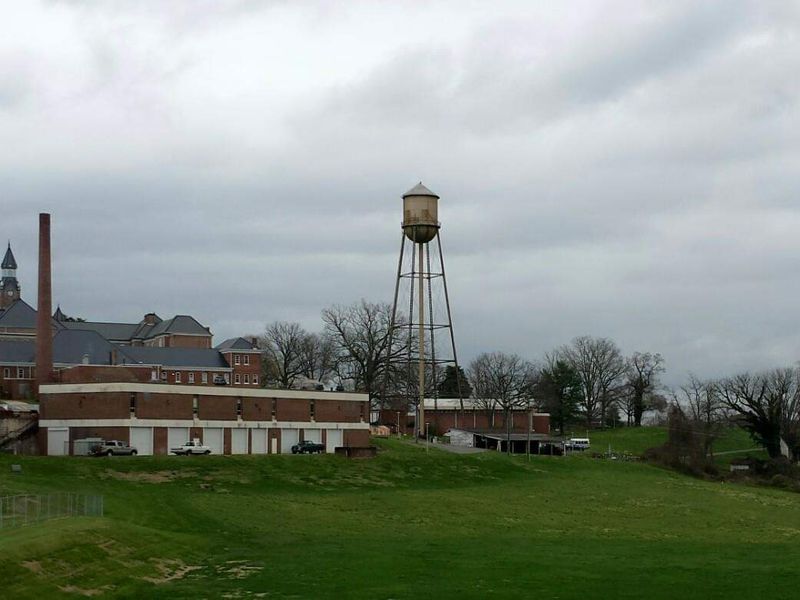
Morganton has been growing steadily for years, and somehow it’s still priced right. Sitting about 45 minutes east of Asheville at the foot of the Blue Ridge Mountains, this Burke County town offers a lifestyle that feels way more expensive than it actually is.
That’s a rare combination.
The downtown square is genuinely charming. Historic buildings, local restaurants, boutique shops, and a vibrant arts scene make it feel like a town that has its act together.
The Historic Morganton Festival draws thousands of visitors every year and showcases just how much community pride lives here.
Housing costs remain relatively modest compared to western North Carolina’s more famous destinations. You can find solid single-family homes at prices that would make Asheville buyers weep with envy.
Property taxes in Burke County are manageable, keeping ongoing costs reasonable.
Lake James is just a short drive away, offering swimming, camping, and water activities for residents. Linville Gorge, one of the most dramatic wilderness areas in the eastern United States, is practically a neighbor.
Outdoor recreation here is world-class and free.
Morganton has a strong healthcare presence, anchored by Carolinas HealthCare System Blue Ridge. That matters enormously for retirees and families evaluating long-term livability.
Having quality medical care close by without big-city prices is a genuine quality-of-life win.
The town’s restaurant scene has been quietly improving too. From barbecue joints to farm-to-table spots, there’s more culinary variety than most people expect.
Morganton is a town worth watching, and right now, it’s still very much worth moving to.
7. West Jefferson
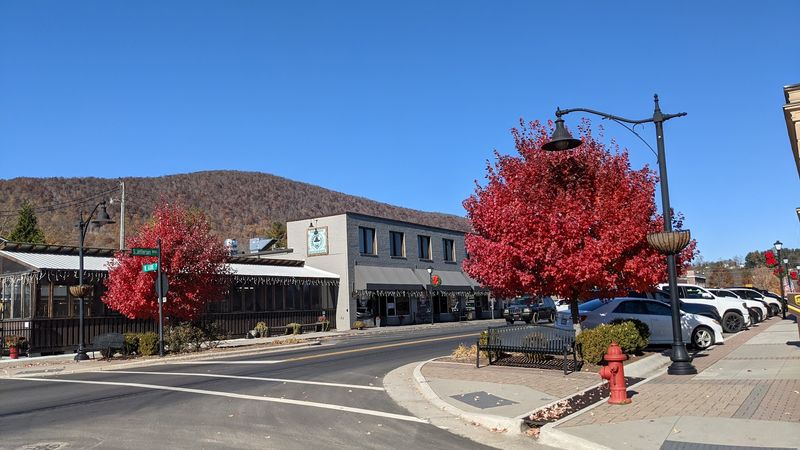
A place like this is one of those towns that makes you stop and ask why more people haven’t figured this out yet.
The home values here are excellent, the scenery is spectacular, and the community has developed a genuine arts identity that gives it a personality all its own. It’s charming without being precious about it.
Ashe County sits in the northernmost corner of North Carolina’s mountains, and West Jefferson is its heart. The New River, one of the oldest rivers in the world, flows right through the region.
Canoe trips, tubing, and fishing are just regular Tuesday activities for people who live here.
The downtown area has become a legitimate arts destination. Galleries, studios, and working artists have made West Jefferson a cultural hub that punches well above its weight.
The famous frescoes painted in the local Episcopal church draw visitors from across the country.
Grocery and utility costs stay low. The town is small enough that everything is close and accessible.
Traffic is essentially a non-issue, which is something that people coming from larger cities genuinely appreciate after a few weeks of mountain living.
Skiing at Appalachian Ski Mountain in nearby Blowing Rock is a short drive away. Hiking in the surrounding forests is immediate and accessible.
The four seasons here are vivid and distinct, making every month feel like a different postcard from the mountains.
For buyers seeking real value in a genuinely beautiful setting, West Jefferson delivers. The town has a strong community spirit that welcomes newcomers warmly.
8. Sylva
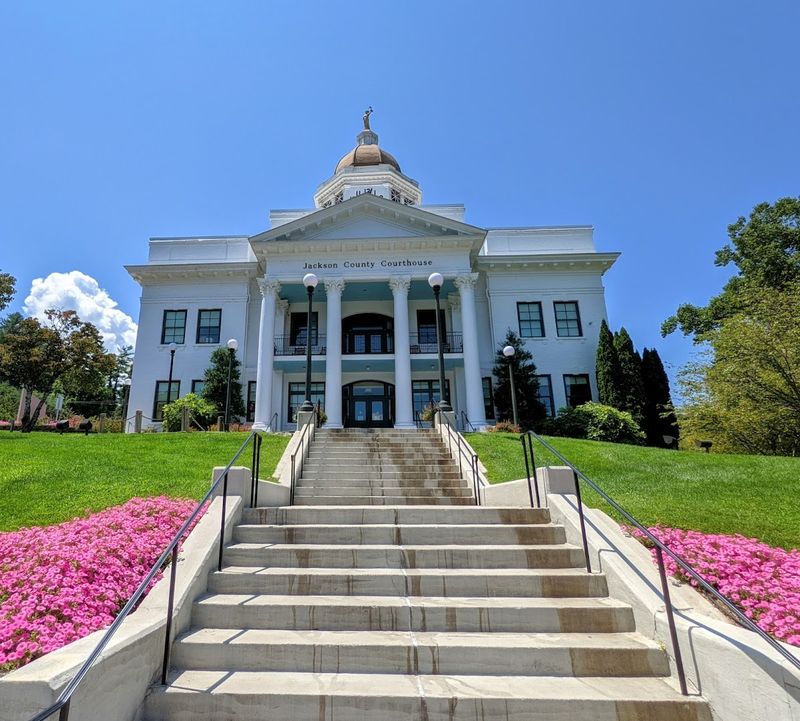
Sylva might be the most underrated affordable mountain town in all of North Carolina. Consistently praised for its accessibility and value, this Jackson County spot sits close to the Blue Ridge Parkway and within easy reach of the Great Smoky Mountains.
The scenery is legitimately stunning, and the cost of living hasn’t caught up to it yet.
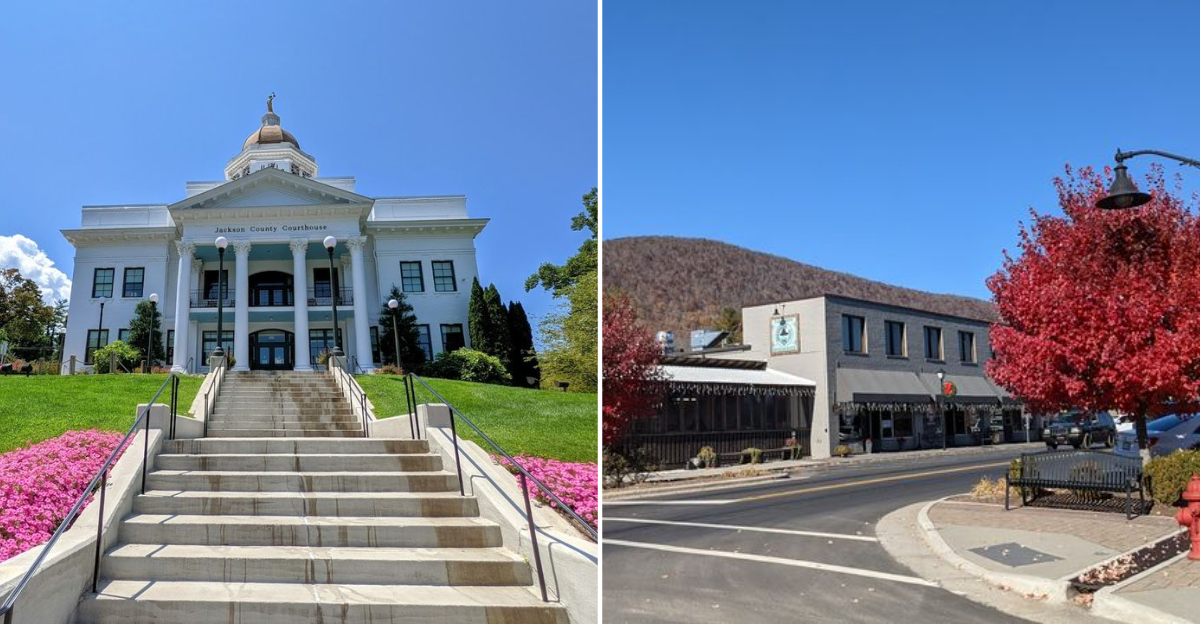
The iconic Jackson County Courthouse sits on a hill above downtown, making it one of the most photographed small-town landmarks in the state. Walking around Sylva’s compact downtown feels like exploring a place that actually cares about itself.
Local bookstores, coffee shops, and restaurants line the streets with real personality.
Western Carolina University is located in nearby Cullowhee, just minutes from Sylva. That university presence brings youth, culture, and economic activity to the area.
It also means the town has a surprisingly vibrant social calendar for its size.
Housing costs in Sylva remain well below what you’d find in comparable mountain destinations. Renters and buyers both benefit from a market that hasn’t been completely overtaken by vacation property investors.
That keeps the community feeling like a real place where real people live.
The Tuckasegee River runs through town and offers excellent fishing and kayaking. Trails into the surrounding national forests are accessible and free.
Living here means outdoor adventure is never more than a few minutes away.
Grocery prices, utilities, and everyday expenses all stay manageable. Sylva is the kind of place that feels like a discovery, even after you’ve been living there for years.
It rewards the people who choose it.