
9 Vermont Towns Combining Historic Charm With Surprisingly Affordable Living
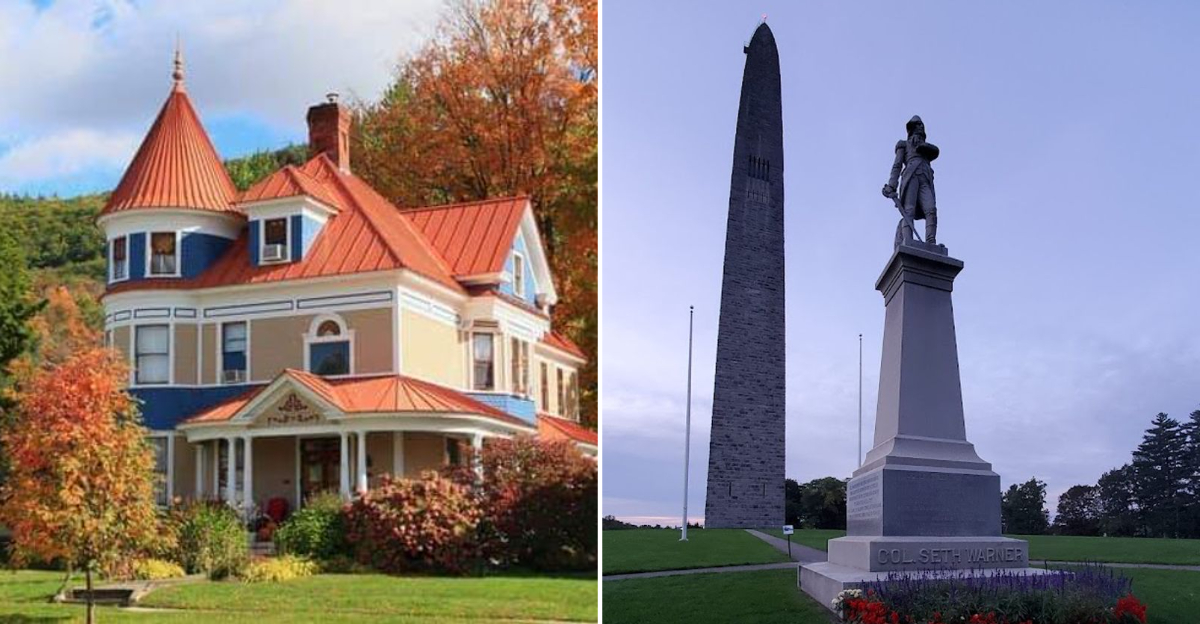
This state has a reputation for being beautiful and difficult to afford. That reputation is accurate for certain towns.
For the ones on this list, it has always been slightly beside the point. These are towns that built their identity around something older than the tourism economy that eventually found them.
The historic downtown was there long before the weekend visitors. The village green belongs to the people who live on it.
The architecture that stayed intact was not because anyone preserved it deliberately, but because nobody had a reason to tear it down. Vermont’s history sits closer to the surface in places like these.
You walk a main street, and the buildings tell you something about who was here before, what they were doing, and how long they stayed. That kind of depth does not require a high price tag to be worth experiencing.
These towns are not compromises. They are the version of Vermont that existed before certain zip codes became destinations.
The charm is genuine, and the cost is a pleasant surprise.
1. Barre
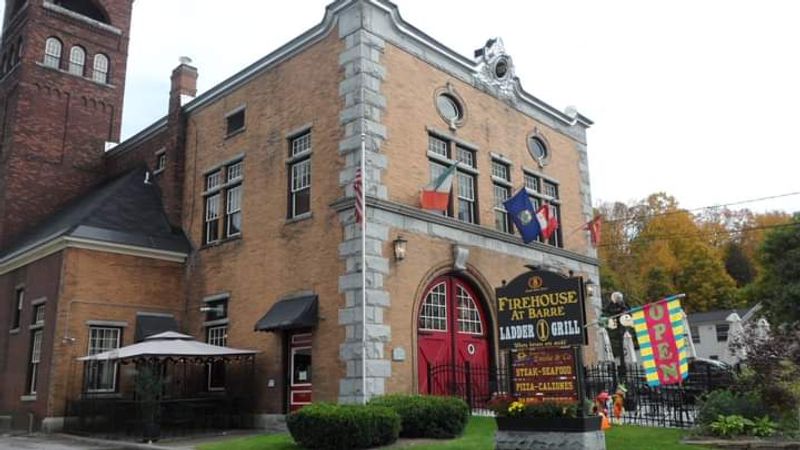
They call Barre the Granite Center of the World, and that title is not just for show. The town has been quarrying granite since the 1800s, and that industrial grit gave Barre a personality all its own.
The architecture downtown reflects that history beautifully.
Brick buildings line the streets with a confidence that newer developments just cannot fake. The historic Barre Opera House sits right in the heart of it all, hosting performances that surprise first-time visitors.
You honestly do not expect a town this size to have this much cultural depth.
Housing costs here are among the lowest in Vermont. Homes are genuinely affordable by state standards, which makes Barre a real find for buyers who appreciate character over cookie-cutter construction.
Historic homes with real craftsmanship are actually within reach here.
The downtown shopping scene is locally owned and community-driven. You will find independent shops, good food spots, and neighbors who actually know each other by name.
That community energy is something you cannot manufacture.
Rock of Ages Quarry is nearby and worth a visit. Watching workers extract massive slabs of granite is oddly mesmerizing.
It puts the whole town’s identity into sharp focus.
Barre also connects easily to Montpelier, Vermont’s small but lively capital city. The commute is short, and the access to additional amenities is a real bonus.
Living here means getting the best of both worlds.
2. Brattleboro
Brattleboro has an energy that catches you off guard in the best way. It sits in southeastern Vermont where the Connecticut River curves, and the town has built a reputation as one of the state’s most creative communities.
Artists, musicians, and writers have been gravitating here for decades.
The downtown is packed with independent bookstores, galleries, and restaurants that reflect genuine local personality. Victorian architecture lines the streets, giving the whole place a storybook quality.
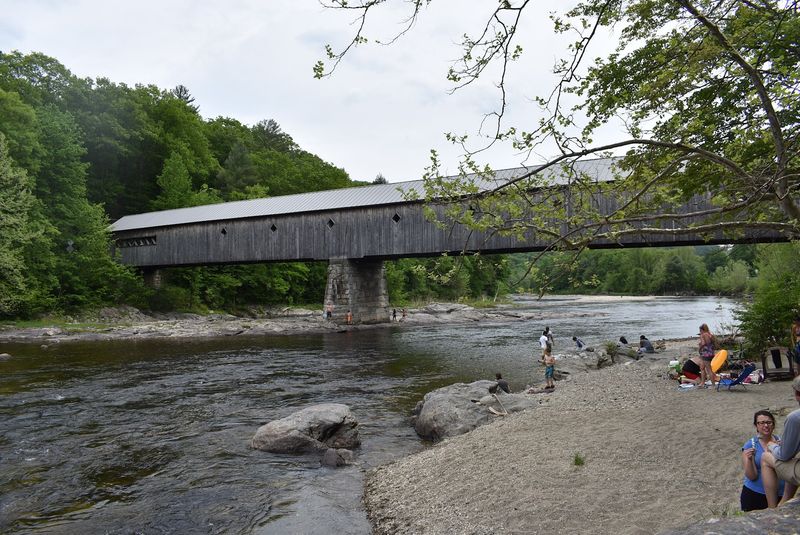
The Retreat Tower and Creamery Covered Bridge add layers of history that feel earned, not staged.
Here is the detail that really turns heads: Brattleboro remains noticeably more affordable than much of Vermont and even undercuts the national average. For a town with this much character and culture, that kind of value feels almost unfair to other markets.
The farmers’ market draws serious crowds on weekends. Local vendors bring produce, crafts, and food that reflect the community’s commitment to quality and independence.
It has become a genuine social hub for residents.
Outdoor access is excellent here. Hiking trails, river access, and nearby ski areas make weekends genuinely fun without requiring a long drive.
The surrounding landscape is classic Vermont at its most scenic.
Living in Brattleboro means being part of a community that takes both creativity and neighborliness seriously. That combination is rarer than it sounds.
3. Rutland
Rutland does not get enough credit, and that needs to change. As one of Vermont’s larger towns, it manages to blend small-town warmth with actual urban convenience.
You get the farmers market, the local coffee shop, and the historic opera house, but you also get a full-service hospital and real grocery options.
The downtown has been going through a quiet revival. New businesses are opening alongside long-established local favorites, creating a mix that feels organic rather than forced.
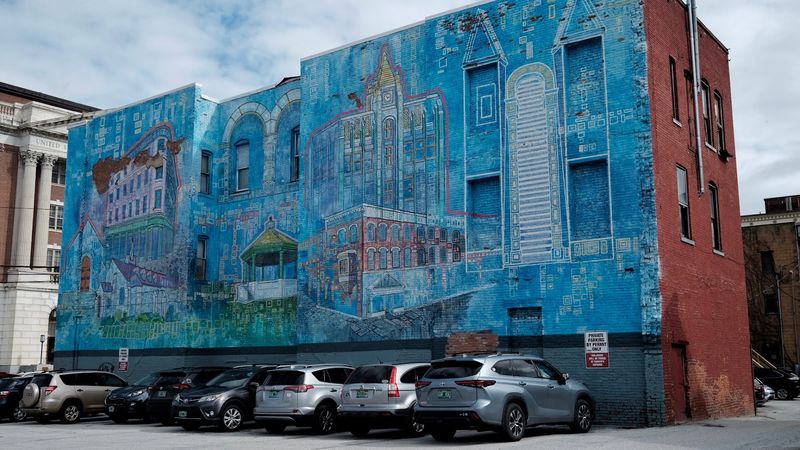
Historic buildings give the streetscape a grounded, authentic quality that newer developments cannot replicate.
Real estate in Rutland is genuinely competitive by Vermont standards. Homes here are remarkably well-priced for a town with this many amenities.
Historic homes with actual architectural detail are available at values that make buyers do a double-take.
Cultural festivals cycle through regularly, giving residents consistent reasons to gather. The Paramount Theatre is a crown jewel of the downtown, hosting everything from live music to film screenings.
It anchors the cultural life of the city in a meaningful way.
Outdoor recreation is practically at your doorstep. Killington Ski Resort is just a short drive away, and the surrounding Green Mountains offer trails for every fitness level.
Winter here is not something to endure but something to enjoy.
The cost of living in Rutland runs below the national average, which makes it one of Vermont’s smartest choices for budget-conscious buyers.
4. Bennington
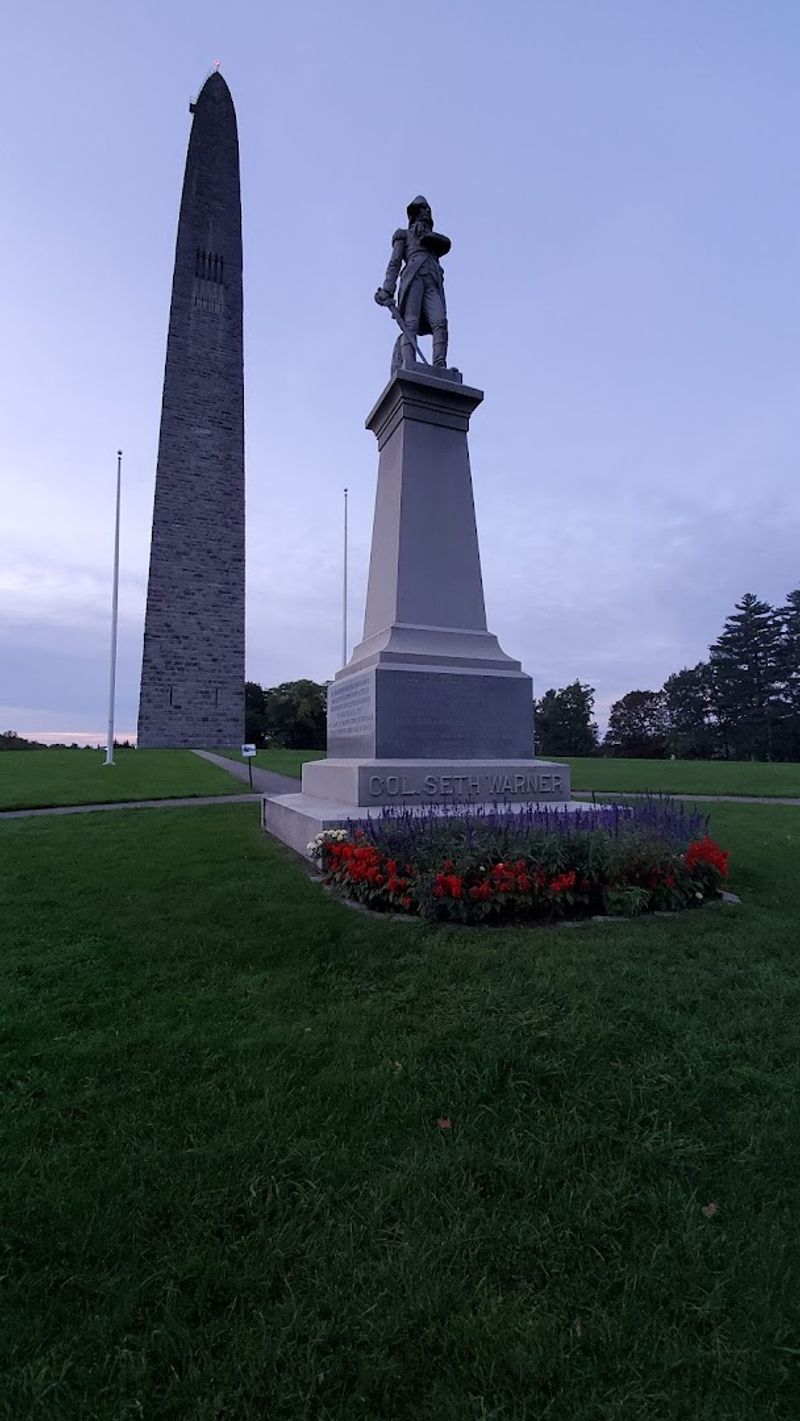
Bennington has a story that goes all the way back to the American Revolution. The Bennington Battle Monument towers over the town at 306 feet tall, and yes, you can ride an elevator to the top.
The views from up there are absolutely worth it.
The streets here are lined with homes that carry genuine history in their bones. Federal-style buildings, old New England churches, and preserved downtowns make it feel like stepping into a living history book.
The good kind, not the boring kind.
Affordability is one of Bennington’s strongest selling points. Homes here come in well below Vermont’s statewide median, which is already saying something.
For buyers who want historic character without the historic price tag, this town delivers consistently.
The Bennington Museum is a legitimate cultural anchor here. It holds one of the largest collections of Grandma Moses paintings in the world, which is both unexpected and genuinely impressive.
The museum draws visitors from across the region throughout the year.
Southwestern Vermont’s landscape surrounds the town with rolling hills and farmland that shift beautifully with the seasons. The fall foliage season here is practically legendary.
Locals seem to take the scenery for granted, which is honestly kind of charming.
The cost of living in Bennington runs lower than the national average across most categories. Combine that with the history, the community spirit, and the access to outdoor recreation, and the value becomes undeniable.
5. St. Albans
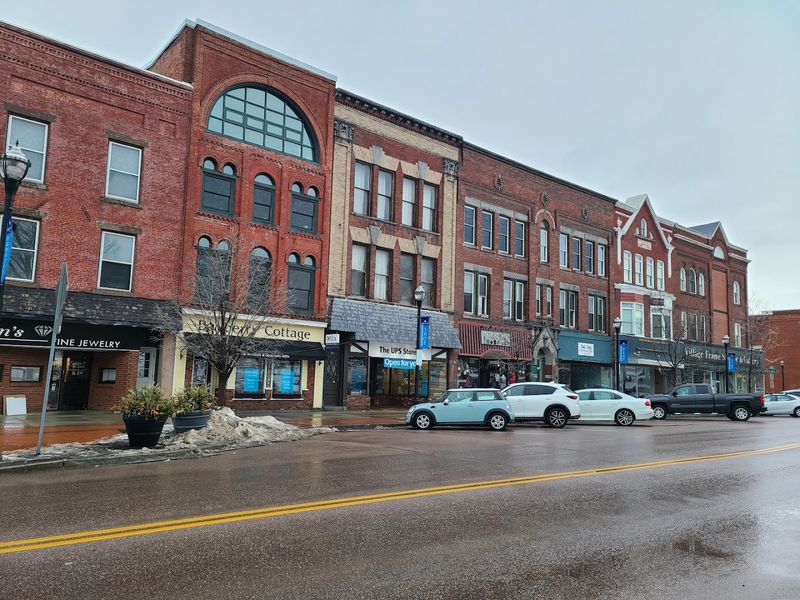
This spot sits in northwestern Vermont with a downtown that actually buzzes. Shops, cafes, and community events fill the calendar here with a regularity that speaks to genuine local investment.
This is not a town that rolled over when big-box retail showed up nearby.
The historic downtown has a warmth that comes from real community ownership. Local business owners know their customers, and the social fabric here is tight without being suffocating.
Newcomers tend to get folded into that community faster than they expect.
The cost of living in St. Albans runs noticeably below the national average. That matters more than it sounds when you calculate it across groceries, utilities, and everyday expenses over a full year.
The savings add up in ways that make a real difference in quality of life.
St. Albans is famous for its Vermont Maple Festival, one of the oldest and most beloved community events in the state. Every spring, the town fills with maple-related everything.
It is joyful, a little chaotic, and completely worth experiencing.
Lake Champlain is just a short drive west, offering boating, fishing, and waterfront access that residents genuinely use. The proximity to Burlington also means that city amenities are never far when you need them.
It is a strategic location for people who want small-town life without isolation.
Housing options here range from charming historic homes to newer developments, covering a variety of budgets and preferences.
6. Springfield
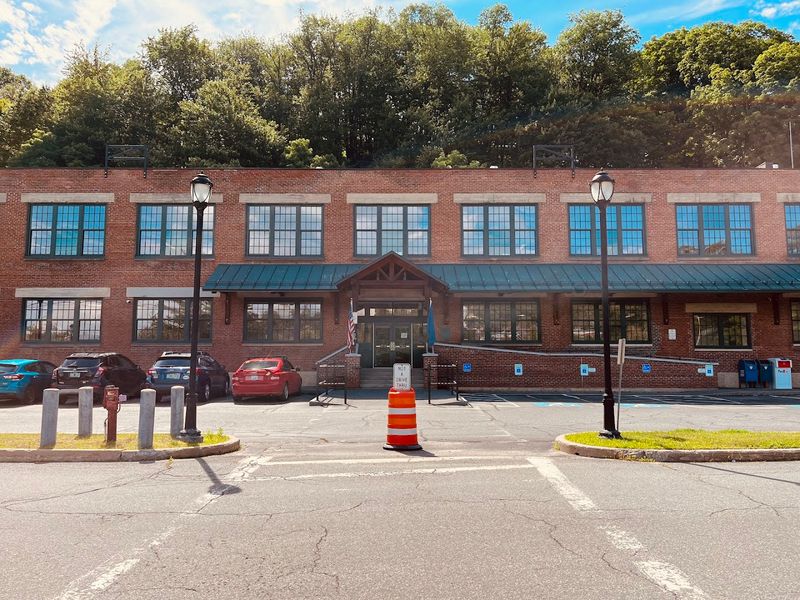
Springfield has a backstory that most people do not know, and it is genuinely fascinating. During the industrial era, this town along the Connecticut River became a precision manufacturing hub.
Machine tools built here helped shape American industry, and the architecture left behind reflects that ambitious era.
The downtown has a rugged, honest quality that you either love immediately or grow to love over time. Beautiful old mill buildings and historic commercial storefronts give Springfield a visual texture that newer towns simply cannot manufacture.
There is real substance here beneath the surface.
Real estate in Springfield remains among the more accessible entry points into Vermont’s housing market. Buyers looking for space and character consistently find options here that exceed their expectations.
The value-to-quality ratio is hard to beat.
The Connecticut River itself is a genuine asset. Fishing, kayaking, and riverside walks are part of everyday life for residents who take advantage of the natural setting.
The landscape around Springfield shifts dramatically with the seasons in ways that never get old.
Local shops and restaurants downtown offer a community-centered experience that feels authentic rather than curated. There is no attempt to be trendy here, and that honesty is refreshing.
People come to Springfield because they want real, not polished.
The surrounding region offers access to hiking, skiing, and outdoor recreation that makes weekends genuinely rewarding. Springfield punches above its weight in livability.
7. Newport
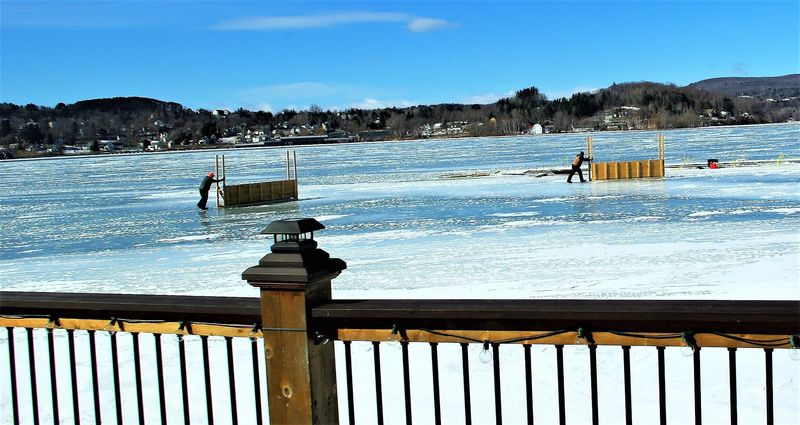
A place like this sits right on the southern shore of Lake Memphremagog, and that lake is not just a backdrop. It is a 31-mile stretch of water that extends all the way into Canada, and the views from downtown are genuinely stunning.
Not every small town can claim an international lake as its front yard.
The lakefront business district is compact and walkable, with restaurants and shops that have real personality. Historic buildings mix with practical modern amenities in a way that feels balanced rather than awkward.
The waterfront itself draws people outside in every season.
Housing costs in Newport run noticeably below the Vermont average, which makes a meaningful difference in monthly budgets. For buyers who want a lakeside lifestyle without a lakeside price tag, Newport consistently delivers.
That combination of water access and affordability is rare anywhere in New England.
Summer here is all about the lake. Boating, fishing, and swimming fill the warm months with activity.
The Jay Peak Resort is just a short drive north, making winter weekends equally rewarding for outdoor enthusiasts who do not hibernate.
The Northeast Kingdom region surrounding Newport has a rugged, unspoiled quality that draws people who want genuine wilderness access. It is not the polished Vermont of tourism brochures.
It is quieter, wilder, and honestly more interesting for people who look beneath the surface.
Newport is a town that rewards those willing to look past the obvious choices.
8. Bristol
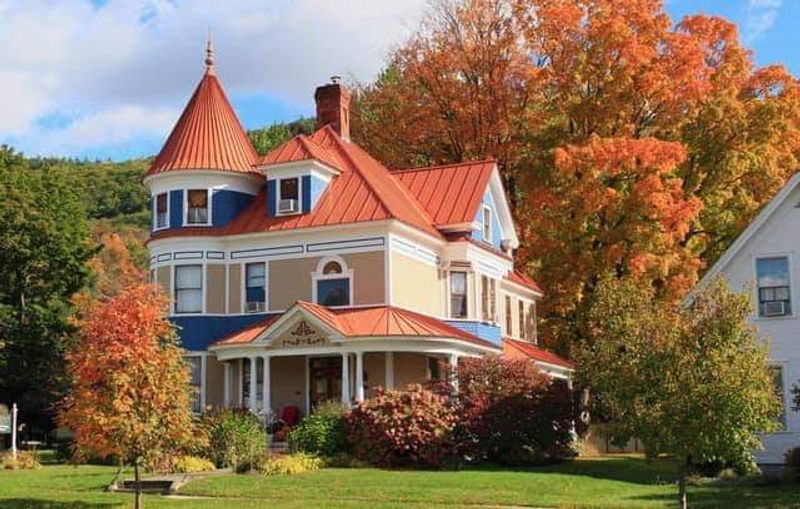
Bristol is located at the foot of the Green Mountains, as if it were placed there on purpose, and honestly, it feels that way. The downtown looks like someone pulled a New England calendar image and made it real.
Historic buildings, a proper town green, and mountain views that frame everything beautifully.
The community here has a tight-knit quality that you notice immediately. Neighbors show up for each other at town events, at the farmers market, and at the summer concerts held right on the town green.
It is the kind of social fabric that people spend years searching for in bigger cities.
Housing in Bristol runs meaningfully below Vermont’s average, which is a significant advantage for buyers entering the market.
The combination of scenic beauty, community character, and genuine affordability makes Bristol one of the state’s most underrated options. People who discover it tend to stay.
The surrounding landscape is perfect for hiking, mountain biking, and exploring. Bristol Cliffs Wilderness is nearby, offering trails that reward effort with views that make the climb completely worth it.
Outdoor access here is not just convenient, it is exceptional.
Local shops and restaurants on Main Street have that independent spirit that makes small-town commercial districts worth visiting. Nothing feels like a chain, and everything feels intentional.
That consistency of character across the whole town is what makes Bristol special.
It is a small town that earns your loyalty quickly.
9. Northfield
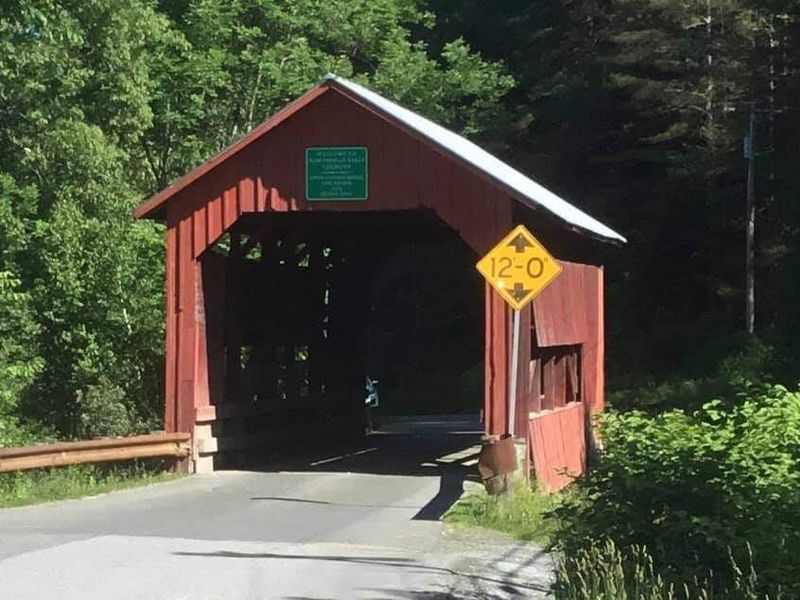
Northfield sits in a valley cradled by the Green Mountains, and that geography gives the whole town a cozy, protected feeling.
It is home to Norwich University, the oldest private military college in the United States, which adds a distinct energy and a steady stream of cultural programming.
Not bad for a small Vermont valley town.
The historic opera house here is a genuine spot. It hosts musical and theatrical performances that draw audiences from surrounding communities, proving that cultural ambition does not require a big-city address.
The building itself has architectural character worth appreciating on its own terms.
The town library features a stunning stained glass domed ceiling that stops first-time visitors in their tracks. It is the kind of detail that makes you wonder what else Northfield is hiding in plain sight.
Turns out, quite a bit.
Affordability here is real and consistent. The cost of living runs below state and national averages in ways that matter to everyday budgets.
Homes with genuine character are available at prices that make financial sense without requiring major compromises on quality or location.
Local shops, cafes, restaurants, and art galleries fill the downtown with a variety that feels generous for a town this size. The community supports local businesses with the kind of loyalty that keeps independent shops alive and thriving.
That commitment to local is something you feel immediately.
Northfield rewards people who want authenticity, affordability, and mountain scenery all in one address.