
This Incredible Arizona Drive Where Every Mile Feels Like A Painting
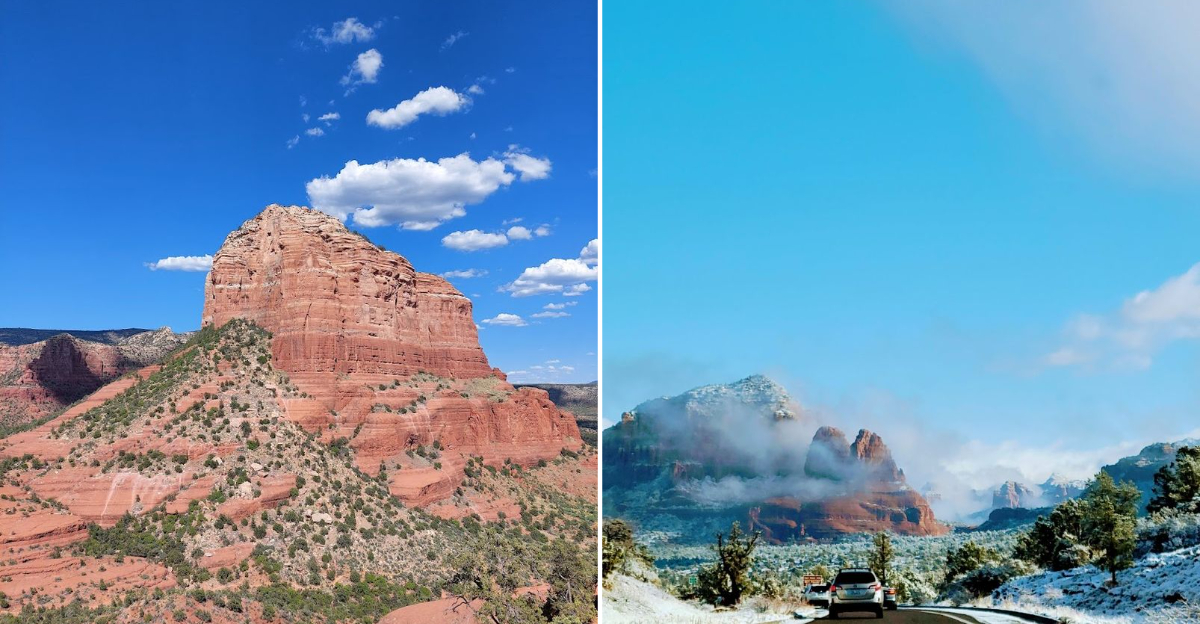
Most drives take you somewhere. This one in Arizona is somewhere.
The landscape changes every few miles in a way that makes you slow down, not because the road requires it but because your eyes do. That is not a thing that happens on most roads.
The desert here does not stay the same long enough to become background. Red rock gives way to something older and stranger.
The light shifts with the altitude and the hour and produces colors that photographers spend careers trying to capture and never quite manage.
You round a bend and the horizon rearranges itself into something you did not expect and could not have prepared for. Tourists come to this state with a short list of landmarks.
This drive is not on most of those lists. It does not have a single famous viewpoint or a name that shows up in guidebooks.
What it has is a hundred miles of landscape that builds on itself mile after mile until the cumulative effect becomes something genuinely difficult to describe to someone who has not been on it. Some roads deserve a full tank of gas, and this is one of them.
Scenic Vistas And Their Unique Features
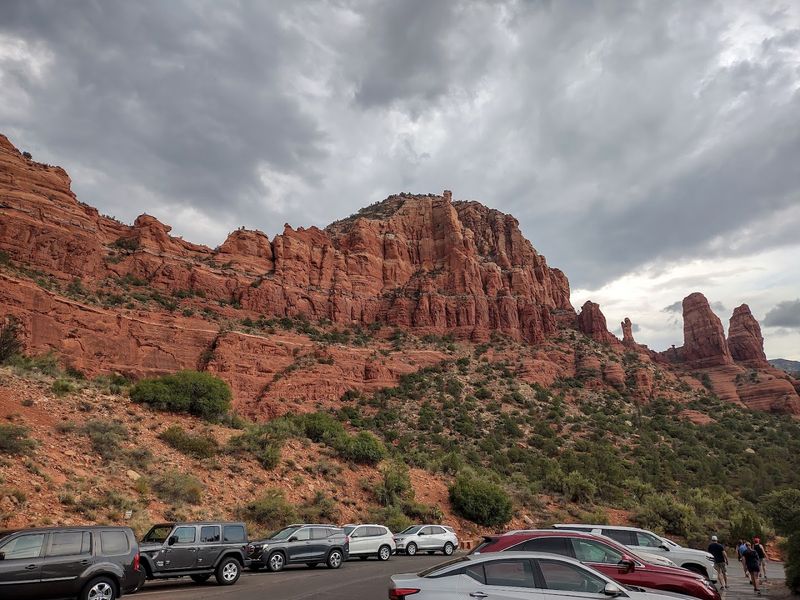
This road earns its nickname as a museum without walls. The views here are not background scenery.
They are the main event.
Bell Rock rises like a giant rust-colored bell on the east side of the road. Courthouse Butte stands tall beside it, commanding your full attention.
These two landmarks alone are worth pulling over for.
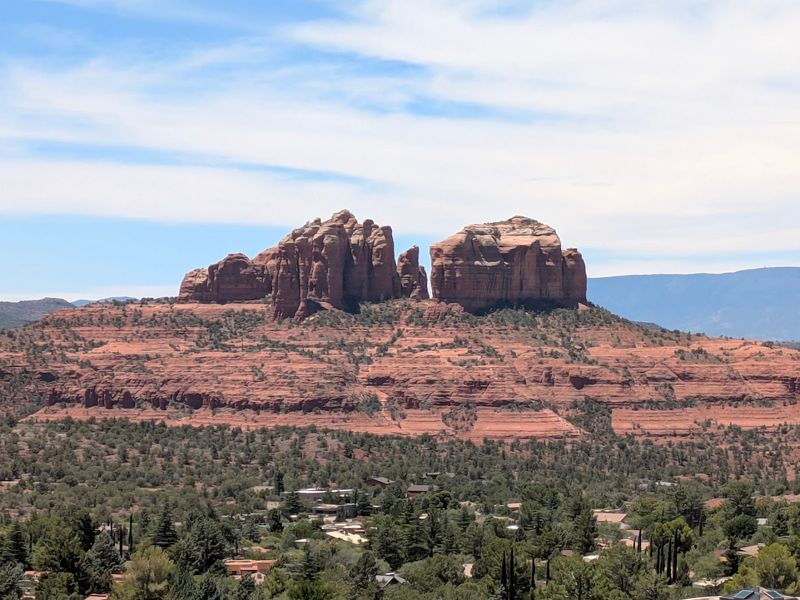
Cathedral Rock appears further north, reflected perfectly in Oak Creek on calm mornings. The sandstone spires catch sunlight differently at every hour.
No two passes along this road look the same.
The byway winds north through the Village of Oak Creek before climbing into Sedona proper. You get wide open desert views on one side and towering red walls on the other.
It feels like driving through two worlds at once.
Pullout areas are placed along the route so you can safely stop and stare. Use them often.
Trying to admire these vistas while driving is a bad plan.
The road itself is well-maintained and easy to navigate. Roundabouts replace most traffic lights, keeping the flow smooth.
The entire route covers roughly 15 miles, but plan for much longer because stopping is unavoidable. Located in Arizona, USA, this byway is one of the country’s most celebrated scenic roads.
Flora And Fauna Enchanting The Route
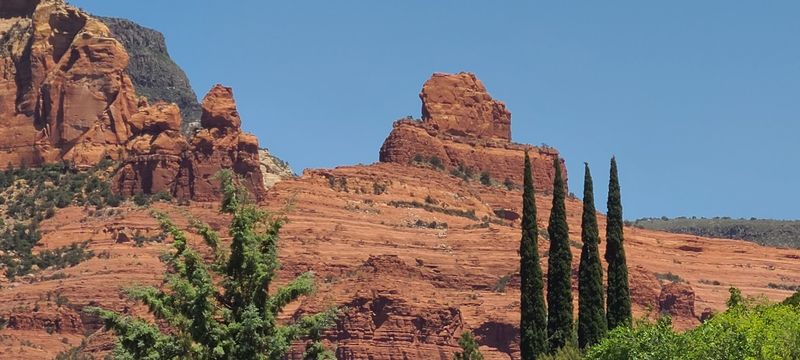
Nature along AZ-179 is not subtle. It shows up bold, colorful, and completely unapologetic about stealing the spotlight.
Prickly pear cactus lines the lower stretches of the byway. In spring, they burst into bright yellow and magenta blooms.
The contrast against the red rock is genuinely stunning.
Juniper and pinon pine trees grow thicker as you climb in elevation. By the time you reach Coconino National Forest territory, the air smells like pine and red dust.
It is a surprisingly refreshing combination.
Mule deer are common sightings along the roadside, especially at dawn and dusk. Javelinas sometimes wander close to the pavement in groups.
Keep your eyes open and your camera ready.
Red-tailed hawks circle overhead regularly, riding thermals above the buttes. Ravens are practically neighborhood residents in Sedona.
You will hear them before you see them.
Roadrunners occasionally dart across the road, which never stops being funny. The riparian zone near Oak Creek supports cottonwood trees and willows.
That strip of green feels like a surprise oasis tucked between all that red rock.
Biodiversity along this short corridor is remarkable. Elevation changes along the route create multiple micro-habitats.
Each zone brings a completely different cast of plants and wildlife to discover.
Geological Formations Telling Ancient Stories
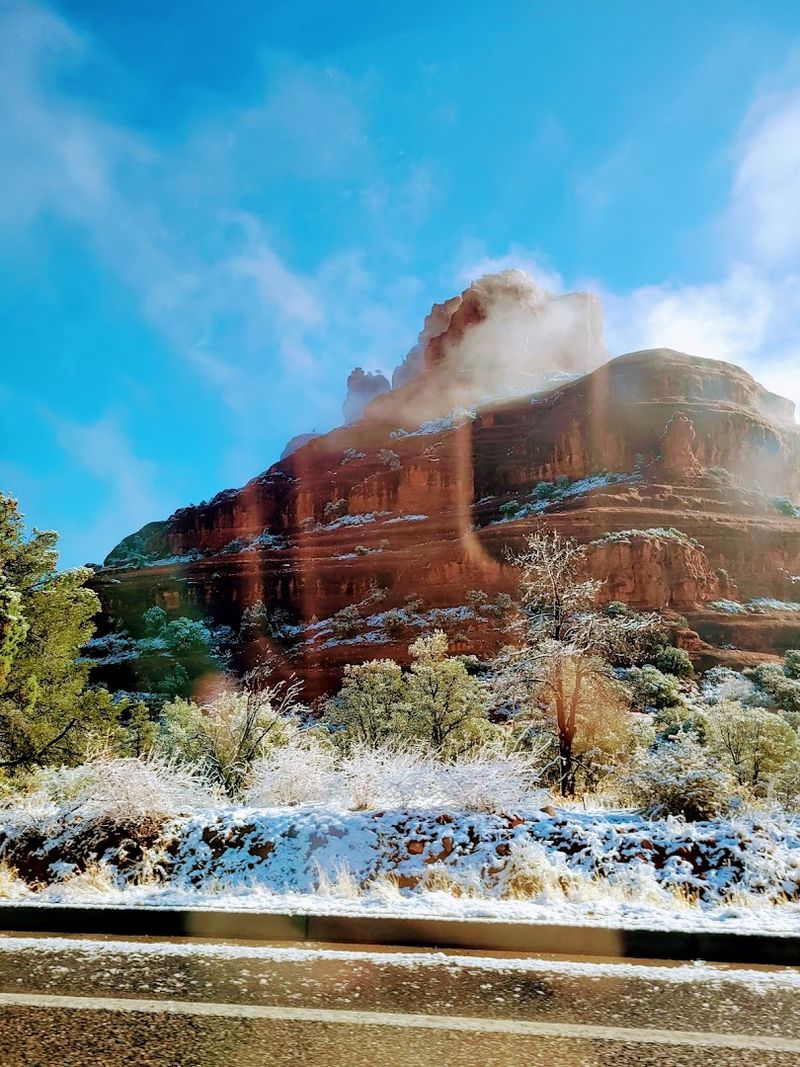
The rocks along AZ-179 are not just pretty. They are a 300-million-year geology lesson standing right beside the highway.
The red color comes from iron oxide, basically rust, baked into the sandstone over millions of years. Layers of sediment compressed under ancient seas and shifting desert dunes.
Each stripe of color in the rock face marks a different era of Earth’s history.
Geologists call the dominant formation here the Schnebly Hill Formation. It sits on top of older limestone layers from the Permian period.
Below that is even older sandstone from ancient river systems.
The buttes and spires formed through erosion over tens of millions of years. Wind, rain, and temperature changes carved the dramatic shapes you see today.
Soft rock eroded while harder caprock protected the tops of the formations.
Courthouse Butte shows especially clear horizontal banding. You can literally read time in those layers.
It is one of the most accessible geology lessons in the American Southwest.
The formations are still changing, just very slowly. A piece of rock falls here, a crack deepens there.
In another million years, the skyline will look completely different.
Standing next to these formations makes you feel appropriately small. That is not a bad feeling.
It is actually a pretty grounding one.
Sunrise And Sunset Effects On The Landscape
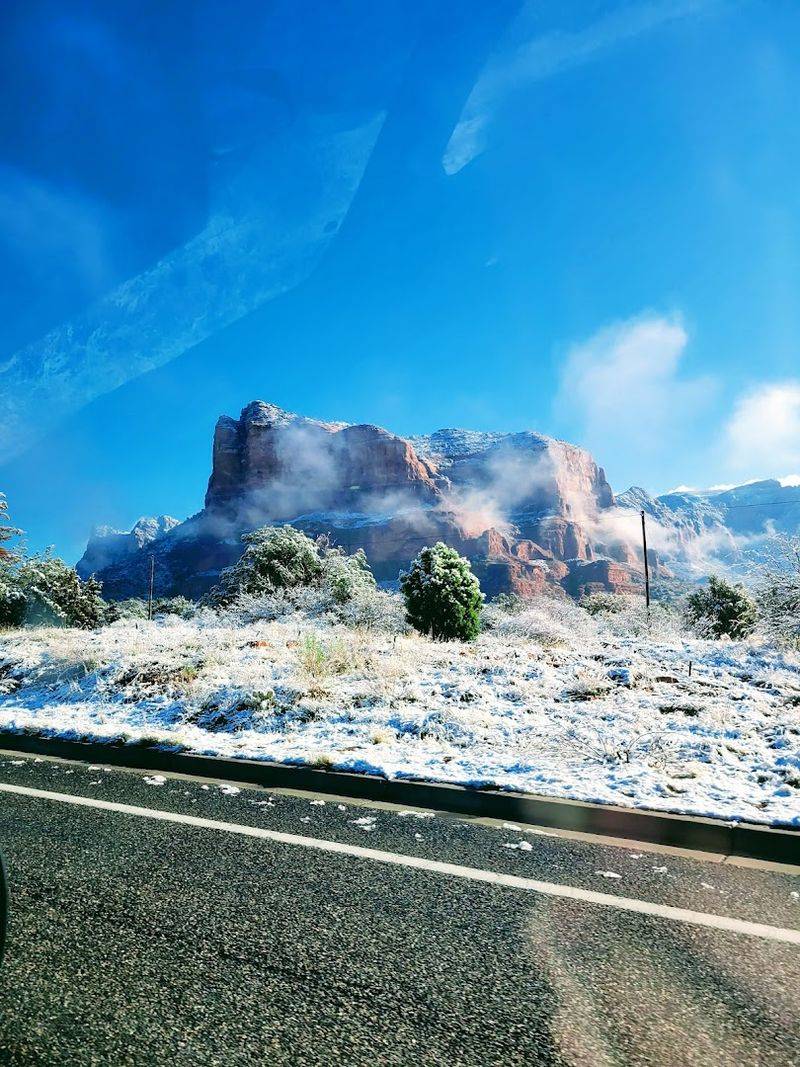
Sunrise on this road is the kind of thing that makes people dramatically reconsider their life choices. In a good way.
The red rock formations act like giant reflectors when the sun hits low on the horizon. Early morning light turns the sandstone from deep maroon to blazing orange within minutes.
The color shift happens fast, so being there early matters.
Photographers line up at known pullouts before dawn to catch the first light on Bell Rock. The rock glows like it is lit from inside during golden hour.
No filter needed, which is honestly embarrassing for everyone who uses filters.
Midday light flattens the landscape somewhat. Shadows shrink, and the intense Arizona sun washes out some of the depth.
It is still beautiful, just less dramatic than the bookend hours.
Sunset brings the second act. The western sky turns shades of pink, purple, and gold while the rocks absorb every warm tone available.
Cathedral Rock at sunset is a full sensory experience.
The sky after sunset often holds color for 20 to 30 minutes in Sedona. That afterglow is a bonus round most people miss by leaving too early.
Stay put. It keeps getting better.
Moonrise over the formations on clear nights adds yet another layer. The red rocks look silvery and surreal under full moonlight.
Plan a night visit at least once.
History Behind Arizona Roadways
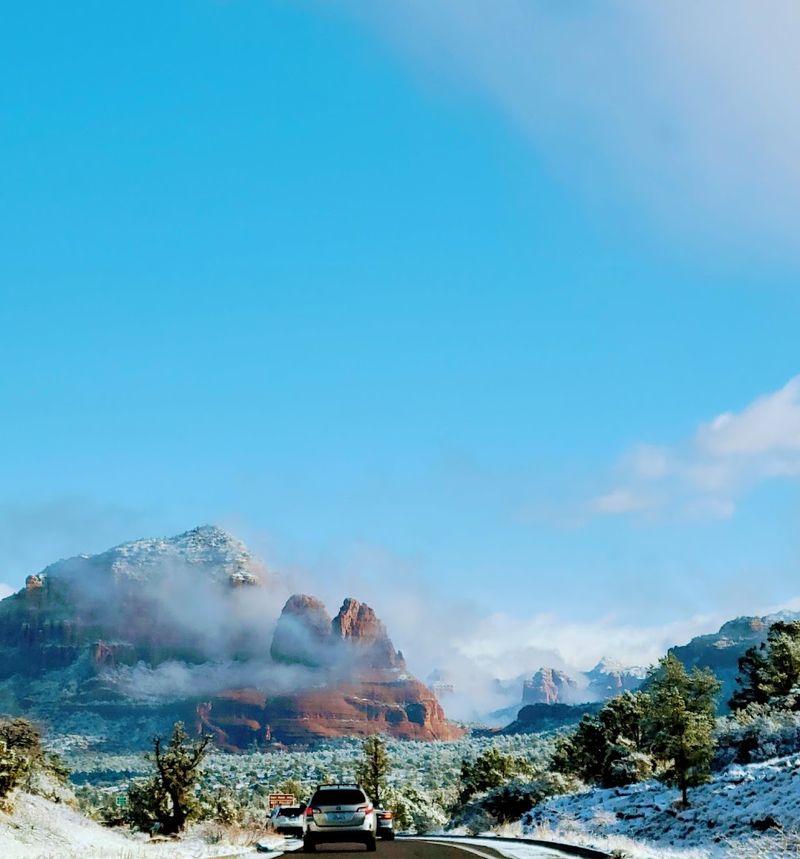
AZ-179 did not always look like the smooth, scenic byway it is today. Its history is tied directly to the growth of Sedona itself.
Sedona was not incorporated as a city until 1988, surprisingly late for a place this famous. Before that, the area developed slowly around farming, ranching, and small commerce.
The road connecting it to the outside world was basic at best.
The original route followed Indigenous and early settler trails through Oak Creek Canyon and the red rock country. As Sedona grew in reputation, the road needed serious upgrades.
Tourism became the economic engine that pushed improvements forward.
In 2006, the U.S. Department of Transportation gave SR 179 its highest honor in the National Scenic Byways Program.
The designation was All-American Road, meaning the route is a destination in itself. Only a small number of roads in the entire country hold that title.
The Red Rock Ranger District Visitor Center sits along the byway and serves as a historical and informational hub. Rangers there can tell you stories about the land’s past that no signage covers.
Stop in and ask questions.
Tlaquepaque Arts and Shopping Village, built directly along the byway, was designed to reflect traditional Mexican village architecture. It opened in 1971 and has been a cultural landmark ever since.
History here layers neatly on top of geology.
Photography Tips To Capture Perfect Shots
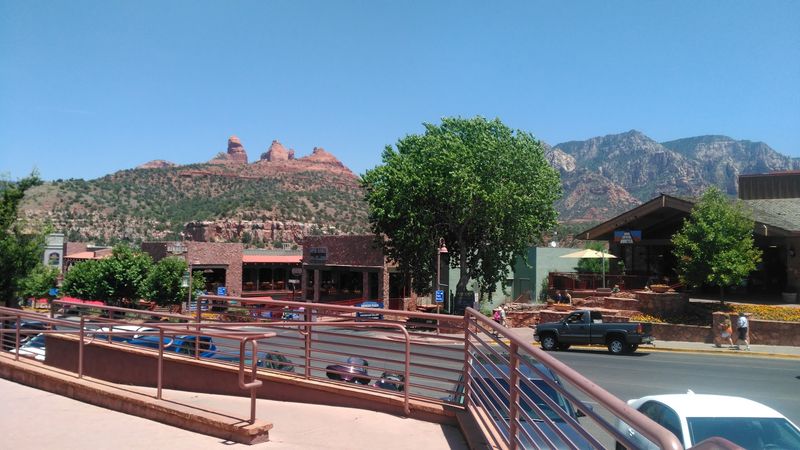
AZ-179 is basically a 15-mile-long photography studio. The lighting changes constantly and every angle reveals a different composition.
Golden hour is non-negotiable for serious shots. Arrive at your chosen pullout 30 minutes before sunrise or 45 minutes before sunset.
The light moves fast and waits for nobody.
Bell Rock and Courthouse Butte are best photographed from the south-facing pullouts in the early morning. The sun lights the front faces directly at that time.
By afternoon, those faces fall into partial shadow.
Cathedral Rock reflects in Oak Creek near the Red Rock Crossing area. A polarizing filter helps cut glare on the water surface.
That reflection shot is iconic and absolutely worth the effort.
Wide-angle lenses work well for capturing the full scale of the formations. A 16-35mm range gives you context and drama simultaneously.
Telephoto lenses are useful for compressing layers of buttes in the distance.
Composition tip: use the road itself as a leading line. The winding pavement draws the eye naturally toward the formations ahead.
That perspective also gives viewers a sense of scale.
Bring extra memory cards and batteries. You will shoot more frames here than you plan to.
The variety of subjects along this short route is genuinely surprising.
Drone photography requires permits in certain areas. Check regulations with the Red Rock Ranger District before flying.
Respect the rules and the landscape stays beautiful for everyone.
Local Legends Inspired By The Surroundings
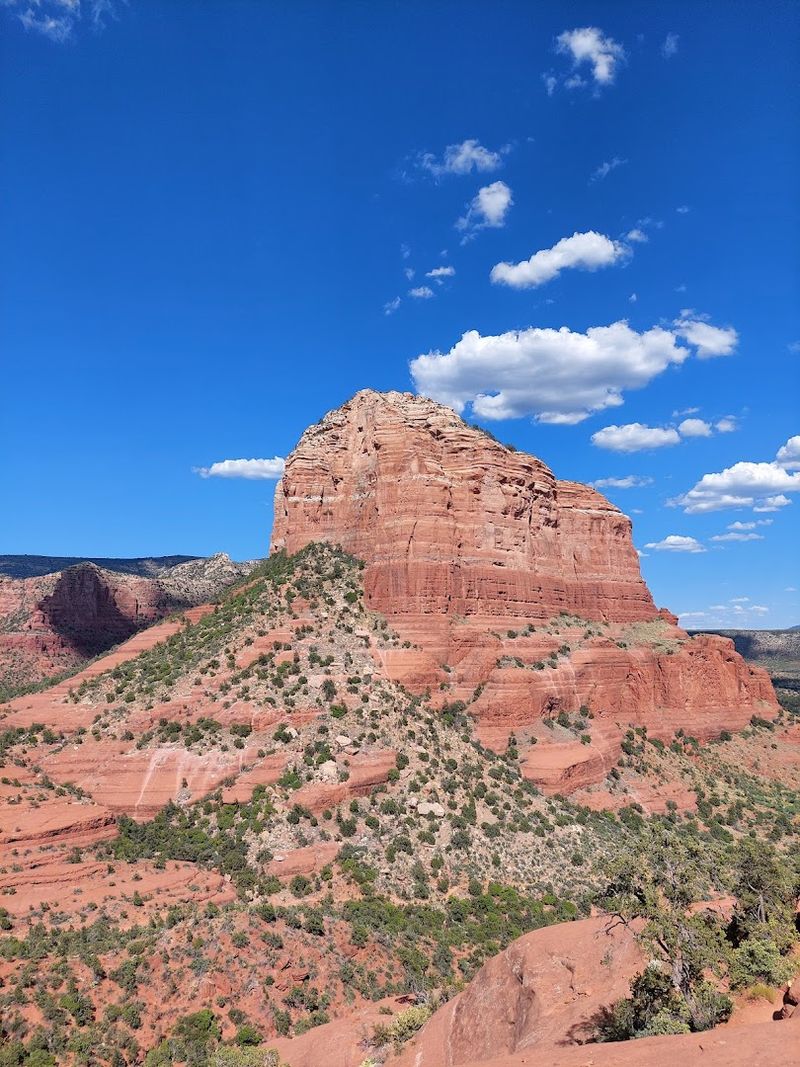
Sedona has more legends per square mile than almost anywhere in the American Southwest. The landscape practically demands it.
The most famous local lore involves energy vortexes, sites where the Earth supposedly emits powerful spiritual energy. Bell Rock is considered one of the strongest vortex locations in the region.
Visitors report feelings ranging from deep calm to outright emotional release.
Whether you believe in vortexes or not, the twisted juniper trees near these sites are genuinely strange. They spiral and lean in unusual directions that locals attribute to the energy fields.
Scientists point to wind and soil conditions. Both explanations are kind of interesting.
Indigenous peoples, including the Yavapai and Apache, have deep cultural connections to this landscape. The red rocks held ceremonial significance long before roads or tourism existed.
Their stories about the formations are far older and richer than any modern legend.
Sedona became a magnet for New Age culture starting in the 1980s. The combination of dramatic scenery and vortex mythology drew spiritual seekers from around the world.
That community is still very much present today.
There are also tales of UFO sightings in the Sedona area going back decades. The clear desert skies and remote terrain make it a favorite spot for sky-watchers.
Make of that what you will.
The legends add a layer of mystery to an already otherworldly place. You do not have to believe any of it to enjoy the atmosphere.
Seasonal Changes Enhancing The Drive Experience
AZ-179 is a year-round drive, but each season brings a completely different version of the same road. Picking the right time changes everything about the experience.
Spring runs from March through May and is widely considered peak season. Wildflowers bloom along the roadside and temperatures stay comfortable for hiking.
The crowds increase but the scenery more than compensates.
Summer brings intense heat, with temperatures regularly hitting 95 to 100 degrees in the lower elevations. Afternoon monsoon storms roll in from the southeast between July and September.
Those storms create dramatic cloud formations above the buttes that photographers absolutely love.
Autumn is a hidden spot on this route. Cottonwood trees along Oak Creek turn brilliant gold in October and November.
The contrast of yellow leaves against red rock is one of the most underrated color combinations in nature.
Winter brings occasional snow to the higher elevations and sometimes dusts the red rock formations with white. Snow on red sandstone looks surreal, almost like a holiday card designed by someone with exceptional taste.
Crowds thin out significantly in January and February.
Road conditions in winter are generally manageable but can get icy near shaded canyon sections. Check forecasts before heading out in December and January.
The Red Rock Ranger District posts updates regularly.
Each season rewards a return visit. Regulars to AZ-179 often plan multiple trips per year.
Once is never enough on this road.