
This Massachusetts Day Trip Feels Like A Mini Vacation Without The Long And Exhausting Drive
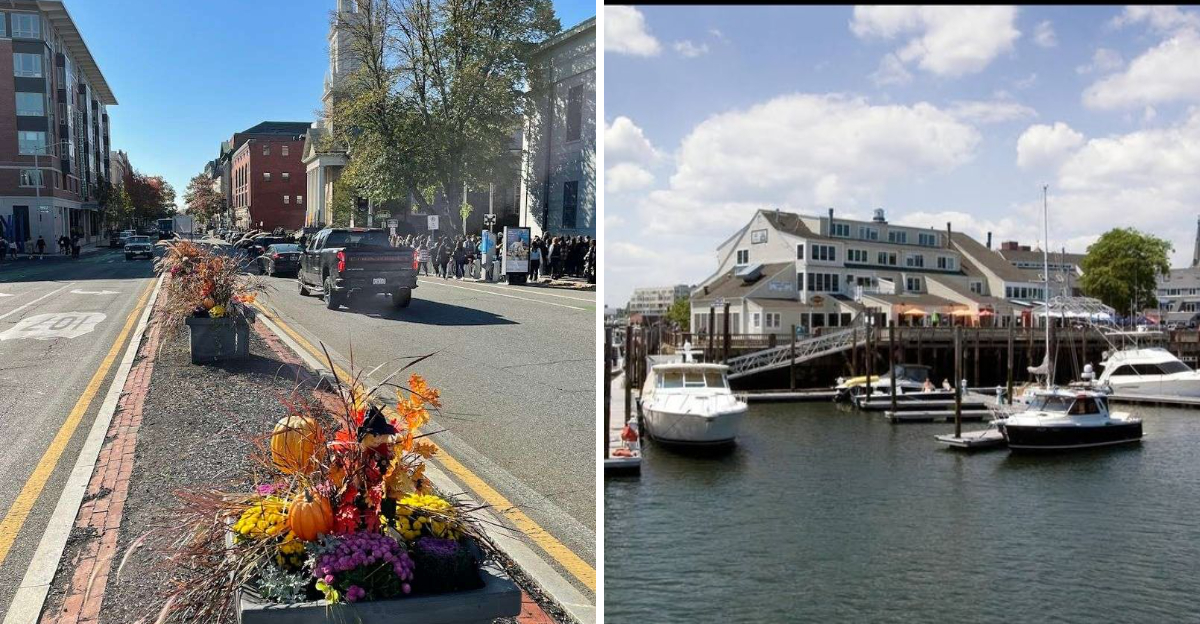
Some day trips ask for detailed planning, packed bags, and hours stuck on the highway. Others let you leave in the morning and feel completely somewhere else before lunchtime.
Massachusetts has one destination that pulls this off better than almost anywhere else in the state. The streets feel lively, the architecture tells stories around every corner, and the atmosphere changes the second you arrive.
One minute you’re grabbing coffee beside centuries-old buildings.
The next, you’re wandering waterfront paths, browsing quirky little shops, and stopping for seafood that tastes even better with ocean air nearby.
There’s history everywhere, but it never feels stiff or boring. The town balances energy, charm, and just enough mystery to make the entire visit memorable.
Best of all, it delivers that refreshing vacation feeling without turning the drive itself into part of the struggle.
The Heritage Trail Connects The Whole City On Foot
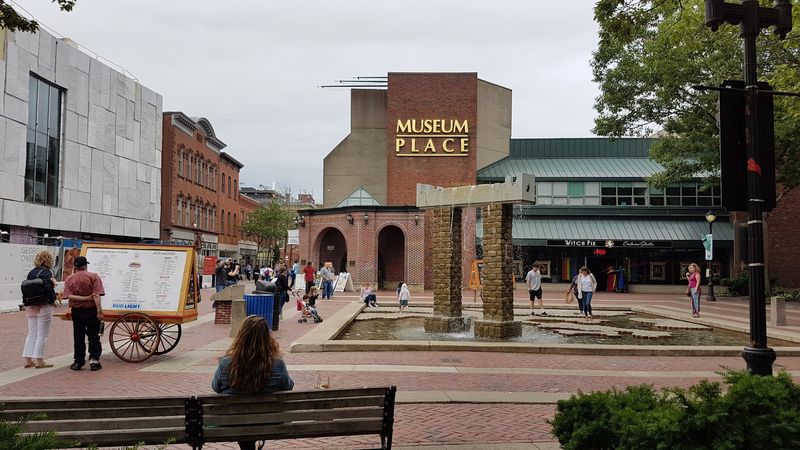
A red line painted on the sidewalk sounds simple, but in this town it functions as a quiet guide through three centuries of American history.
The trail stretches roughly 1.7 miles through the heart of the city, linking major landmarks in a logical and unhurried sequence that rewards walkers who take their time.
Starting near the Visitor Center on New Liberty Street, the trail passes the Salem Witch Museum, the Charter Street Cemetery, and Salem Common without requiring a single map app.
Informational signs appear at each stop, offering just enough context to make the history feel personal rather than academic.
Families with children find the trail particularly useful because the route is flat, manageable, and broken into natural pauses.
Adults who enjoy architecture will notice the shift from Federal-style homes to Georgian commercial buildings as the path moves from residential neighborhoods toward the waterfront.
The trail does not demand athleticism. It simply asks for comfortable shoes and a little patience.
Most visitors complete the full loop in about two hours, though stopping inside attractions along the way can easily extend that into a full and satisfying afternoon.
Salem Witch Museum Offers More Than A Spooky Story
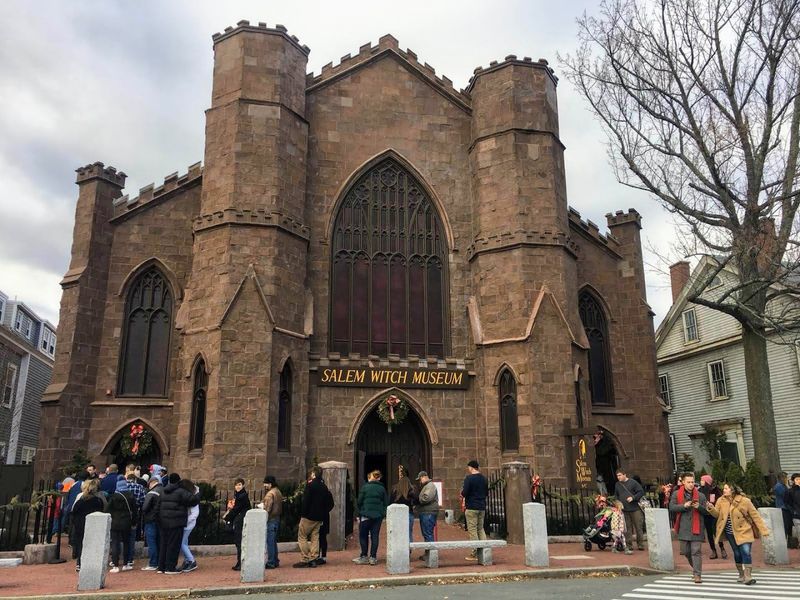
Standing at Washington Square North, the Salem Witch Museum draws more than half a million visitors each year, making it one of the most visited museums in all of New England. The building itself, a dark and imposing former church, sets a tone long before you walk through the door.
Inside, the main presentation uses life-size stage sets and recorded narration to reconstruct the events of 1692. The production is theatrical without being exploitative, and it handles the subject with a seriousness that leaves most visitors quietly reflective.
A second exhibit called Witches: Evolving Perceptions traces how the image of the witch has shifted across centuries, from feared outsider to cultural symbol to modern spiritual identity.
That exhibit tends to surprise people who expected only ghost stories.
The museum also maintains a gift shop with thoughtfully curated books on Salem history and New England folklore.
Tickets are reasonably priced, and the museum sits directly on Washington Square, so visitors can combine it with a walk around Salem Common without any additional travel.
Peabody Essex Museum Stands Among The Best In The Country
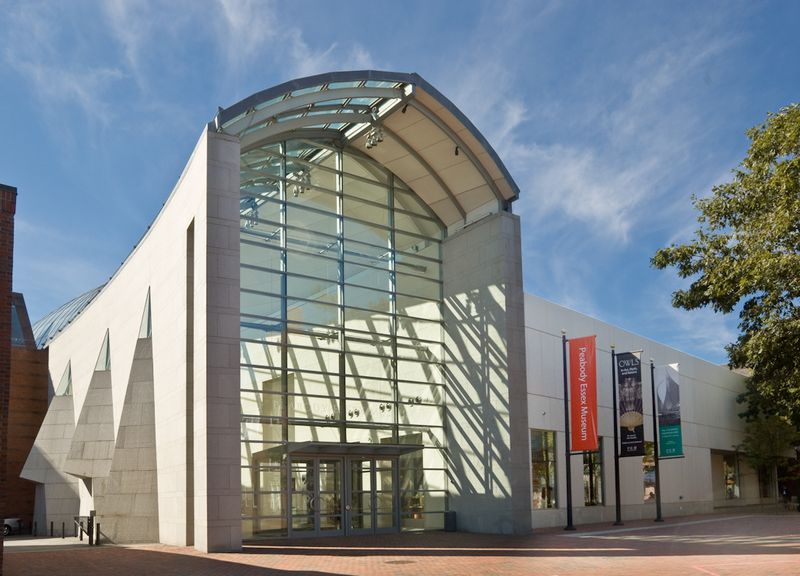
Few day-trip destinations in New England can claim a museum of this caliber.
The Peabody Essex Museum holds one of the most diverse and genuinely surprising collections of art and culture anywhere in the northeastern United States.
Founded in 1799 by sea captains who brought objects back from their voyages, the museum now houses more than two million works.
The crown exhibit is Yin Yu Tang, a fully reconstructed Qing dynasty merchant house transported from China’s Anhui province and reassembled inside the museum.
The museum’s newer wing, designed by architect Moshe Safdie and opened in 2003, floods galleries with natural light and connects seamlessly to the original historic structure.
Rotating exhibitions keep the experience fresh for repeat visitors, and the on-site restaurant offers quality food in a setting that feels more like a stylish urban eatery than a museum cafeteria.
Plan to spend at least three hours here. Many visitors find that a single afternoon is simply not enough.
The House Of The Seven Gables Tells A Story That Outlasted Its Era
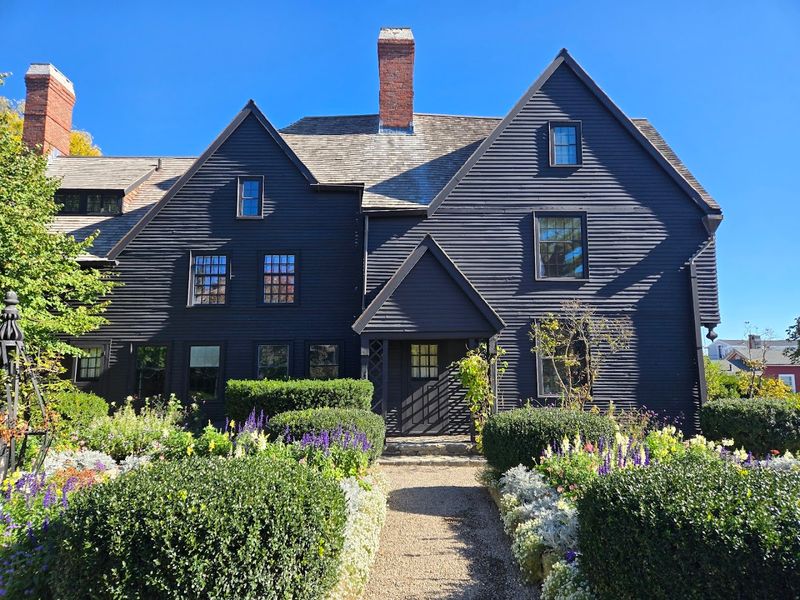
Nathaniel Hawthorne published his novel The House of the Seven Gables in 1851, and the building that inspired it still stands on Derby Street along Salem’s waterfront.
The structure dates to 1668, making it one of the oldest surviving wooden mansions in New England, and its silhouette against the harbor is exactly as brooding as the novel suggests.
Guided tours of the interior move through rooms furnished with period pieces and explain both the architectural history of the house and its literary significance.
A secret staircase discovered during a 1908 restoration adds an element of genuine intrigue that no amount of storytelling can quite replicate.
Hawthorne’s birthplace, a modest gambrel-roofed house originally located on Union Street, was relocated to the property in 1958 and is included in the tour.
The grounds overlook Salem Harbor, and the combination of coastal views, historic architecture, and literary connection makes this stop feel layered in a way that pure history museums sometimes do not.
The site is managed by a nonprofit and the entrance fee supports preservation efforts.
It sits within easy walking distance of Derby Wharf and the Salem Maritime National Historic Site, making it a natural part of any waterfront itinerary.
Salem Maritime National Historic Site Preserves A Forgotten Economic Empire
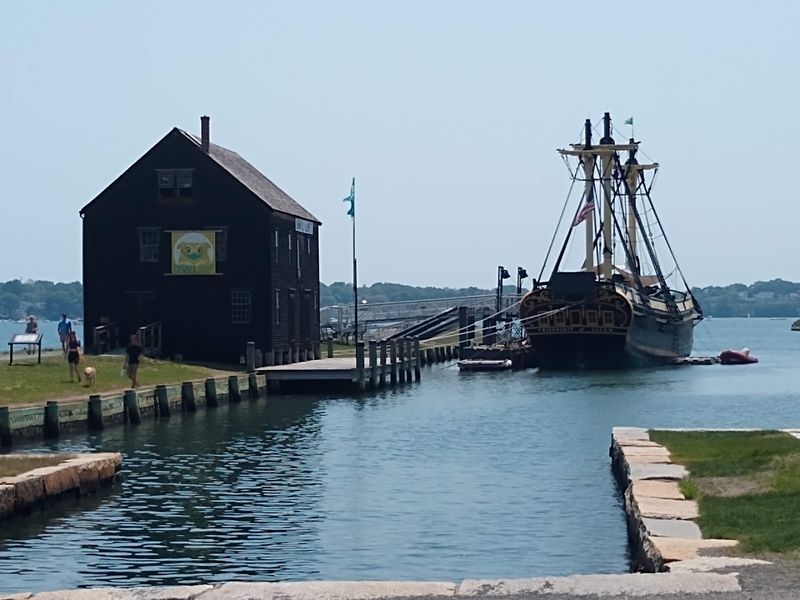
Before Salem became synonymous with witch trials, it was one of the most commercially powerful port cities in the young United States.
At its peak in the late 18th century, Salem’s merchant fleet reached ports in China, India, Africa, and the Pacific, generating wealth that shaped the economic identity of the entire region.
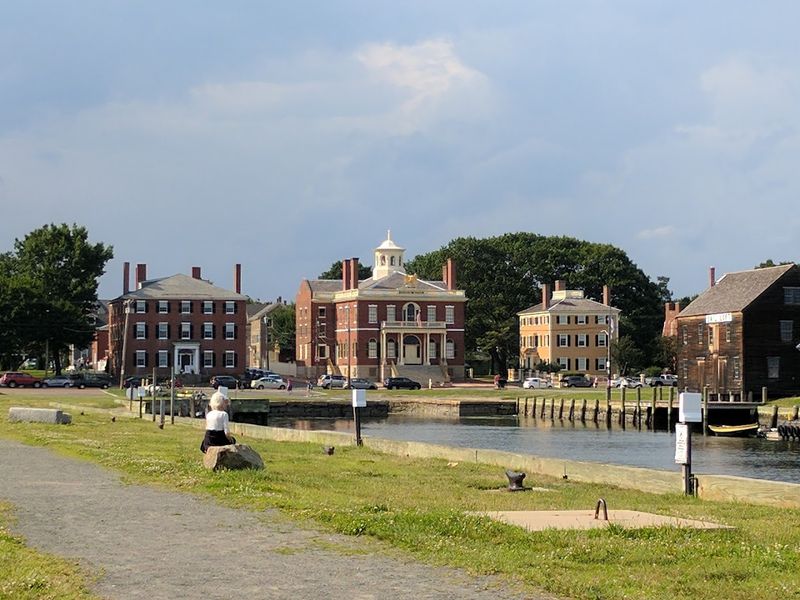
The Salem Maritime National Historic Site preserves the wharves, warehouses, and customs house that made this trade possible.
Derby Wharf stretches 2,100 feet into the harbor and remains the longest surviving colonial wharf in the country.
The Custom House, where Hawthorne once worked as a surveyor, is open for tours and contains original ledgers, navigational instruments, and period furnishings.
The tall ship Friendship of Salem, a full-scale replica of a 1797 East Indiaman merchant vessel, is docked at the site when not at sea and can be boarded during select hours. Admission to the grounds is free, though tours of certain buildings carry a small fee.
The site occupies a stretch of Derby Street that also includes several privately operated restaurants and shops, making it easy to combine a history visit with a relaxed waterfront lunch.
Charter Street Cemetery Carries Four Centuries Of Silence
Established in 1637, Charter Street Cemetery is one of the oldest burying grounds in the United States and one of the most atmospheric places in Salem.
It sits just off the Heritage Trail near the intersection of Charter and Liberty Streets, and its presence in the middle of a busy downtown creates a strange and affecting contrast.
The cemetery holds the graves of several judges who presided over the 1692 witch trials, including John Hathorne, an ancestor of Nathaniel Hawthorne. It also contains the grave of Richard More, a Mayflower passenger who lived to the remarkable age of 84.
Many of the original slate headstones survive intact, carved with winged skulls, hourglasses, and weeping willows that reflect the Puritan understanding of mortality.
A memorial to the victims of the 1692 trials sits adjacent to the cemetery and was dedicated in 1992, exactly three hundred years after the executions. Each victim’s name is inscribed on a stone bench, and the space is deliberately quiet and unornamented.
Visitors often linger longer than they expected. The cemetery is open during daylight hours and admission is free.
Even those who feel indifferent toward historical graveyards tend to find this one genuinely moving.
Salem’s Restaurant Scene Rewards Those Who Explore Beyond The Obvious
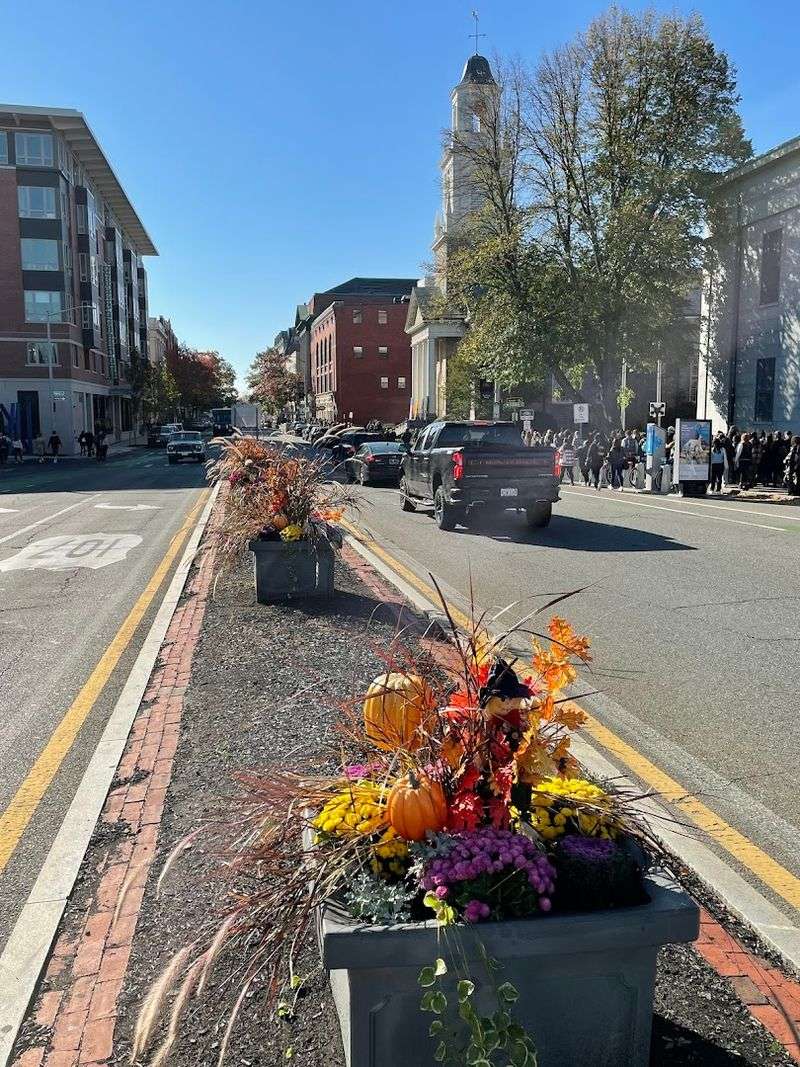
Salem’s food scene has matured considerably over the past decade.
Visitors who venture beyond the obvious tourist corridors will find a dining landscape that reflects the city’s multicultural history and genuine culinary ambition.
The range is broader than most day-trippers expect from a small coastal city.
Pickering Wharf offers several waterfront options where fresh local seafood arrives with harbor views included at no extra charge. Turner’s Seafood, with a location on Dodge Street, has earned a loyal following for its chowder and lobster rolls.
For something more international, the pedestrian mall along Essex Street features Thai, Indian, and Mediterranean options within a short walk of each other.
Breakfast and brunch spots fill up quickly on weekends, particularly in the warmer months, so arriving before 10 a.m. or planning a later lunch tends to avoid the longest waits.
Salem has a small but serious craft coffee culture, and independent cafes near Washington Street and Derby Square offer better options than the chain alternatives.
The city’s dining scene also reflects its year-round residential character, meaning quality does not disappear outside of October. Local chefs here cook for neighbors as much as for tourists, and that distinction tends to show on the plate.
Getting To Salem Is Genuinely Easy From Boston
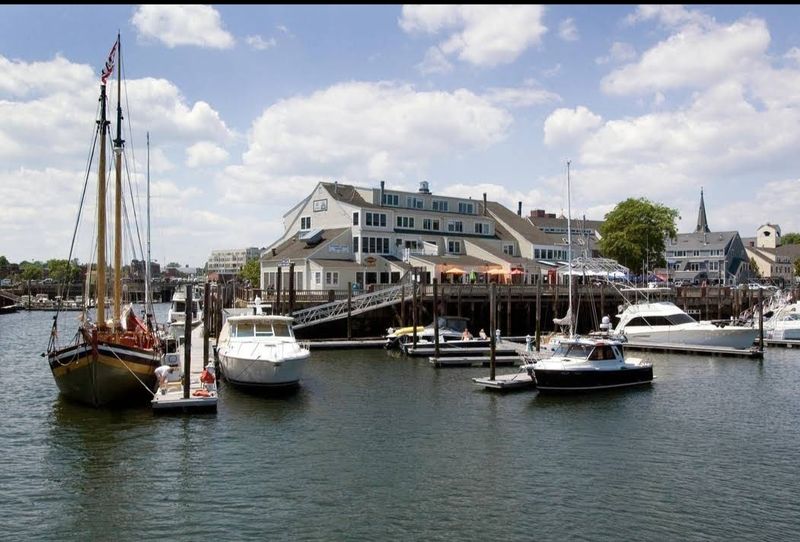
One of Salem’s most underappreciated qualities as a day-trip destination is how straightforward the journey actually is.
From downtown Boston, the commuter rail from North Station reaches Salem in approximately 35 minutes on the Newburyport/Rockport Line.
The Salem Ferry operates seasonal service from Long Wharf in Boston, delivering passengers to Pickering Wharf in Salem after a scenic 50-minute crossing of Massachusetts Bay.
The ferry runs from spring through fall and offers a genuinely pleasant start or end to the day, particularly on clear afternoons when the coastline is visible for much of the crossing.
Driving from Boston takes roughly 30 to 40 minutes via Route 128 North or Interstate 95 North to Route 114, depending on traffic. Parking in downtown Salem is available in several municipal lots and garages, with reasonable daily rates.
Because the downtown area is so walkable once you arrive, most visitors park once and spend the entire day on foot. The ease of the journey is part of what makes Salem feel like a genuine escape rather than simply another errand in a different zip code.
Salem Willows Park Offers A Slower And Quieter Side Of The City
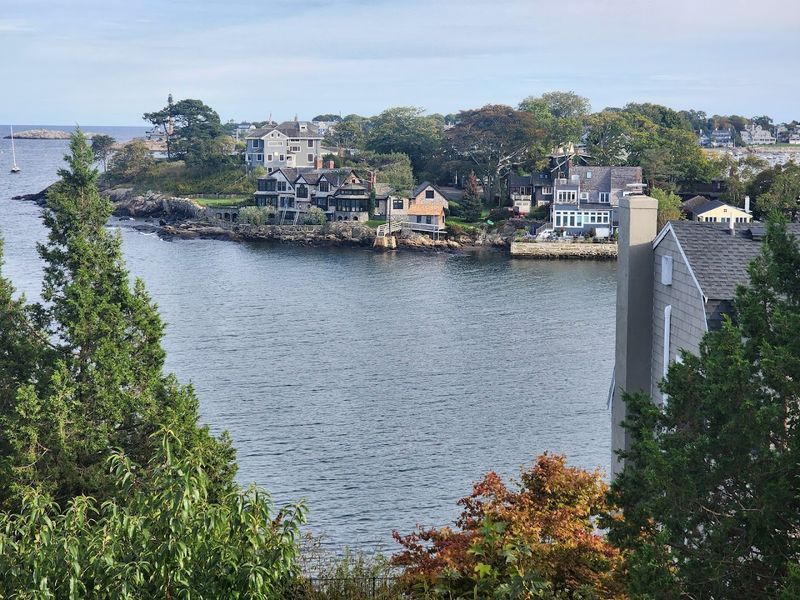
Not every visitor to Salem arrives for the witch trials or the museums. Some come simply to sit by the water, eat fried clams, and watch the light change over the harbor.
Salem Willows Park, located at the northern tip of a small peninsula about a mile from downtown, provides exactly that kind of afternoon.
The park takes its name from the willow trees planted there in 1801 to shelter smallpox patients recovering at a nearby hospital. Those original trees are long gone, but the area retains a quiet, old-fashioned character that feels distinct from the busier parts of the city.
A small arcade, a few food stands, and a modest beach make it popular with local families throughout the summer months.
The views across Salem Sound toward Marblehead are lovely, and the walking path along the waterfront gives visitors a chance to decompress after a morning of museums and historic sites.
Ice cream is available at the park, and the combination of shade, water, and relative calm makes it one of those places that feels like a reward at the end of a full day.
The park is free to enter and open year-round, though the food vendors operate seasonally.
Shopping In Salem Balances The Quirky With The Genuinely Interesting
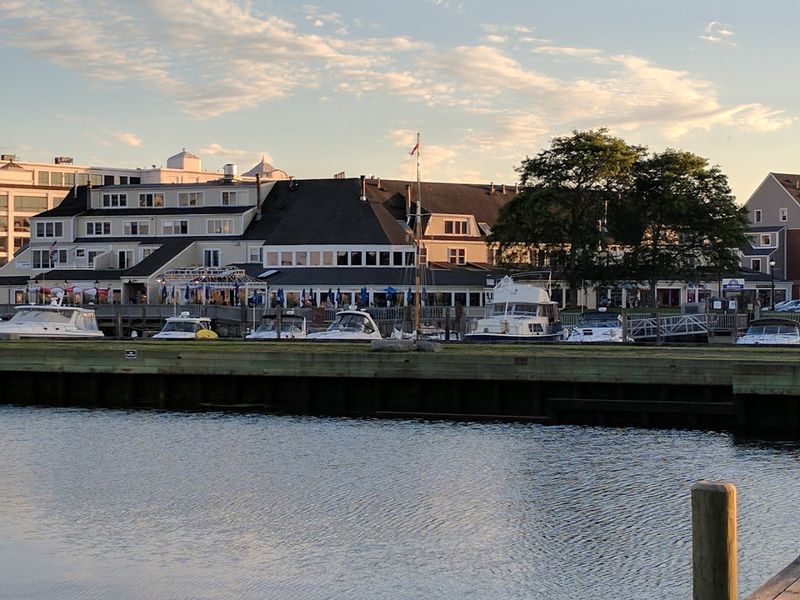
Salem’s shopping district has a personality that most retail corridors completely lack.
The pedestrian mall along Essex Street functions as the commercial heart of the city, and the mix of stores there reflects the full range of what Salem has chosen to be.
Occult supply shops sit beside fine art galleries. Independent bookstores share the block with handmade jewelry studios and vintage clothing dealers.
The witch-themed merchandise is unavoidable, but it ranges from genuinely well-made artisan goods to inexpensive novelty items, and experienced shoppers learn quickly to tell the difference.
Beyond Essex Street, Derby Street and Pickering Wharf host additional boutiques and specialty shops that feel less tourist-oriented and more reflective of the city’s residential community.
Several local artists maintain studio spaces that double as retail galleries, and purchasing directly from the maker adds a dimension to the shopping experience that chain stores cannot replicate.
Salem also hosts a regular farmers market and various seasonal craft fairs that bring additional vendors into the downtown area.
Visitors who treat shopping here as exploration rather than transaction tend to leave with things they did not expect to find and stories they did not expect to tell.