
This Beautiful Nevada State Park Is Perfect For A Peaceful Outdoor Escape
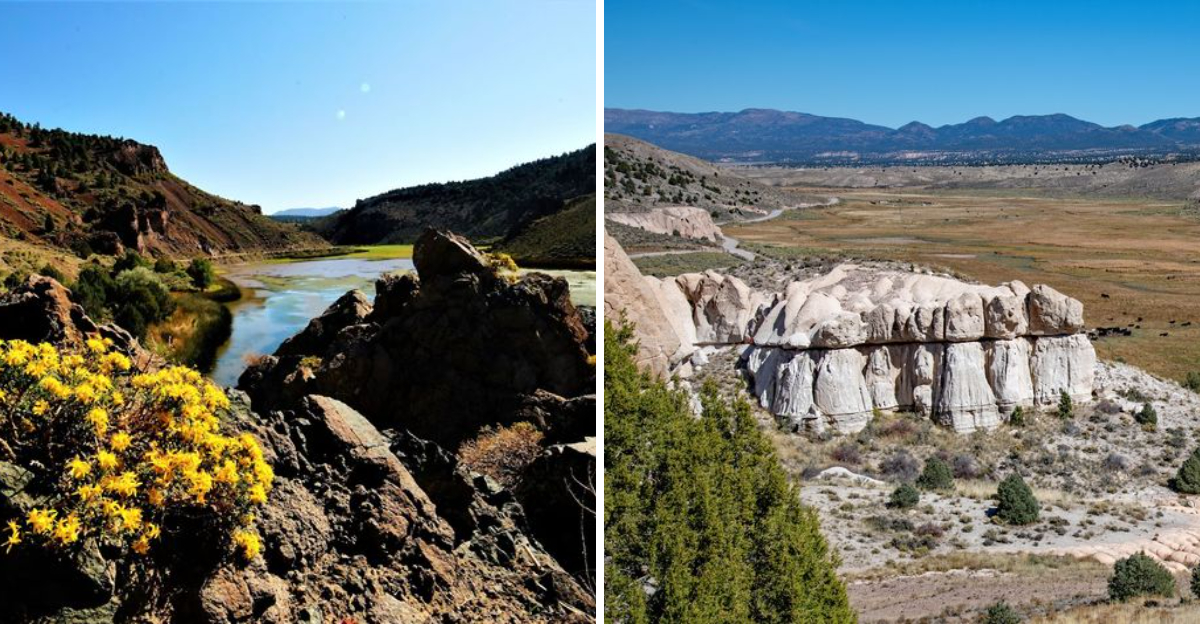
Some Nevada escapes feel best when the road gets quieter and the landscape starts doing all the talking. Out in the high desert, one peaceful state park trades crowds for wide valleys, rugged rock formations, and a calm reservoir that instantly slows the pace.
It is the kind of place where fishing, camping, easy walks, and open views feel like enough. No packed itinerary needed.
A few historic ranch remnants add character, giving visitors a glimpse of the people who once made a life in this remote corner of the state. Bring a camera, a picnic, and a little extra time.
The beauty here is simple, spacious, and exactly what makes a quiet outdoor escape so refreshing.
Eagle Valley Reservoir Is The Park’s Main Attraction
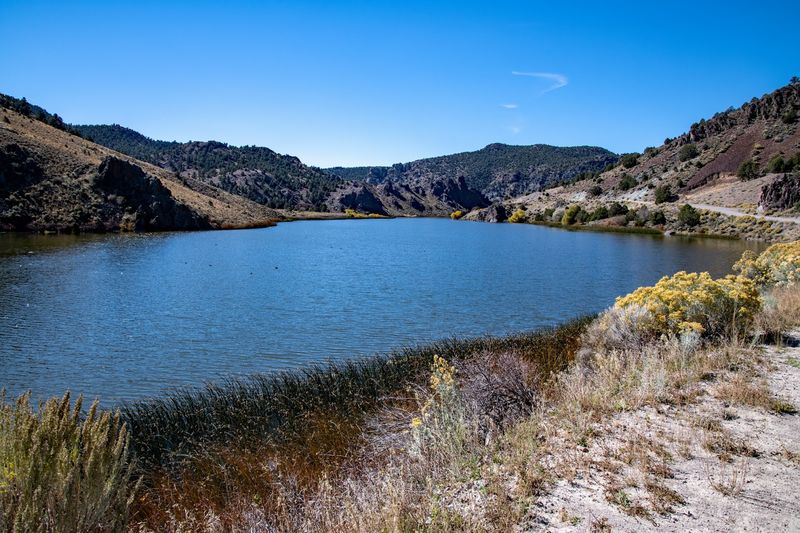
Eagle Valley Reservoir forms the heart of Spring Valley State Park and gives visitors a reason to drive the long dirt roads that lead here. The water sits calm most days, reflecting the sky and the ridges that frame the valley.
It was built decades ago to serve ranchers and wildlife, and now it serves anglers and campers who need a break from the noise of modern life.
The shoreline stretches wide enough to find solitude even on busy weekends. People bring small boats, kayaks, and fishing rods to spend hours on the water.
The surrounding landscape stays open and uncluttered, with sagebrush and grasses rolling toward distant peaks.
Spring Valley State Park is located near Pioche, Nevada, accessible via a network of graded dirt roads. The reservoir remains the central feature that draws people back year after year.
The 65-Acre Reservoir Is Popular For Fishing And Boating
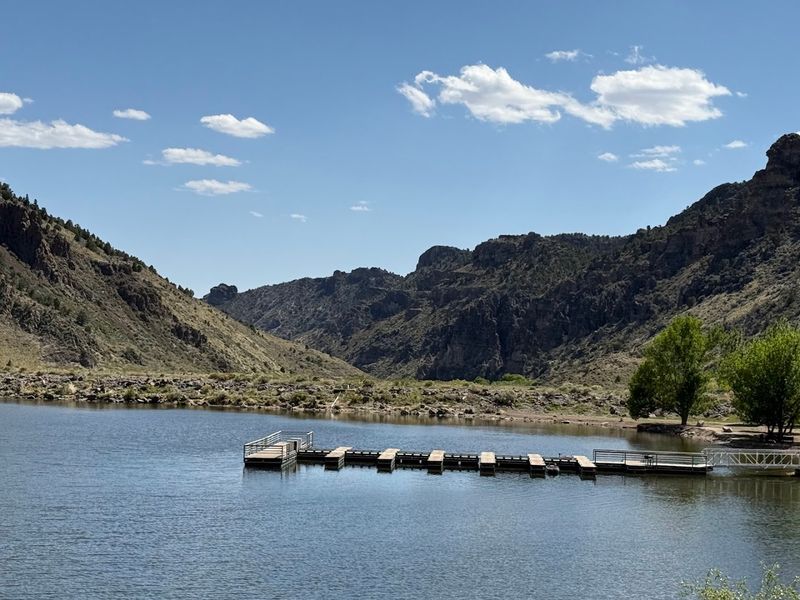
At 65 acres, Eagle Valley Reservoir offers enough space for fishing and small watercraft without feeling overcrowded. Anglers line the banks and launch small boats to reach deeper waters where fish gather.
The size suits those who prefer intimate settings over sprawling lakes packed with jet skis and speedboats.
Boating here stays simple and quiet. Kayaks and canoes glide across the surface while fishermen anchor near submerged structures.
The park provides a boat launch and dock access, though water levels can shift with seasonal changes and drought conditions.
Motorized boats are allowed, but the atmosphere encourages a slower pace. Families spread out along the shore with coolers and tackle boxes, and the water stays calm enough for beginners to practice casting.
The reservoir serves as both recreation hub and peaceful retreat.
Rainbow Trout Are The Primary Fish Here
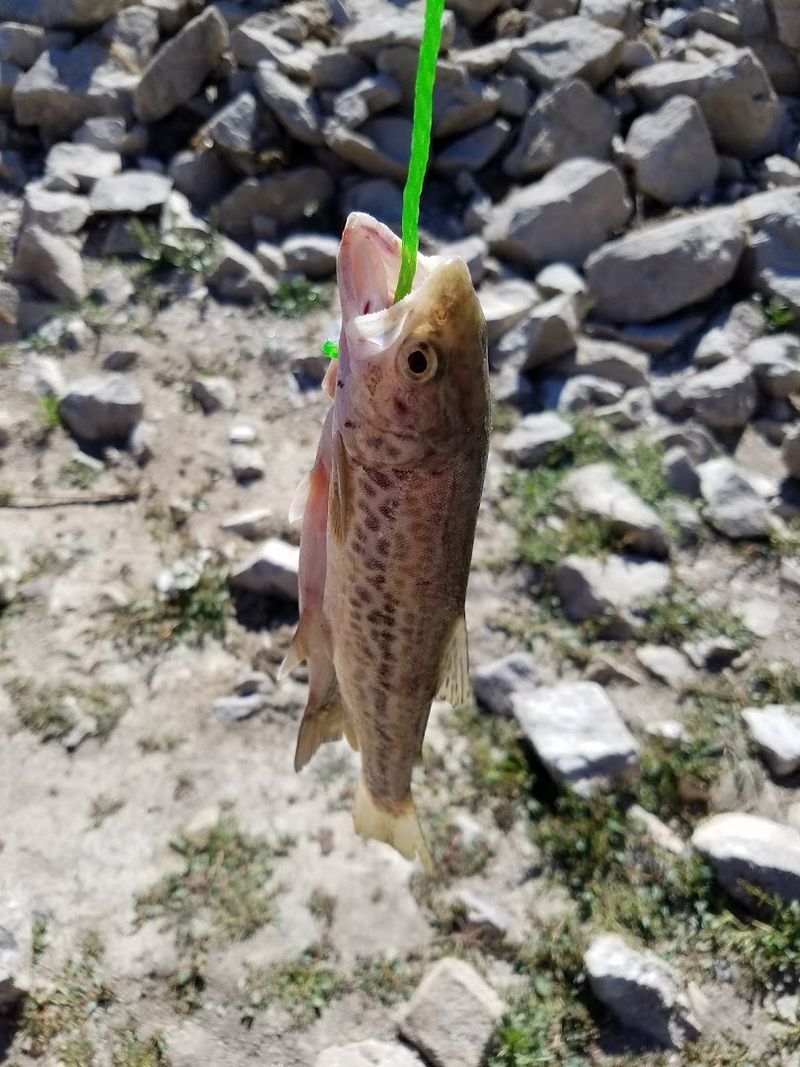
Rainbow trout dominate the fish population at Eagle Valley Reservoir, stocked regularly to maintain healthy numbers for anglers. These fish adapt well to the cool waters and provide reliable action throughout the year.
Catching them requires patience and basic technique, making the reservoir suitable for both experienced fishermen and those still learning the craft.
Trout here respond to a variety of baits and lures. PowerBait, worms, and small spinners all produce results depending on the season and time of day.
Early mornings and late afternoons tend to bring the most activity, with fish rising near the surface or holding close to the dam.
The park maintains a fish cleaning station for those who keep their catch. Some visitors practice catch and release, while others fill coolers to take home.
The trout population stays consistent thanks to ongoing management efforts.
The Park Sits In Eastern Nevada Near Pioche
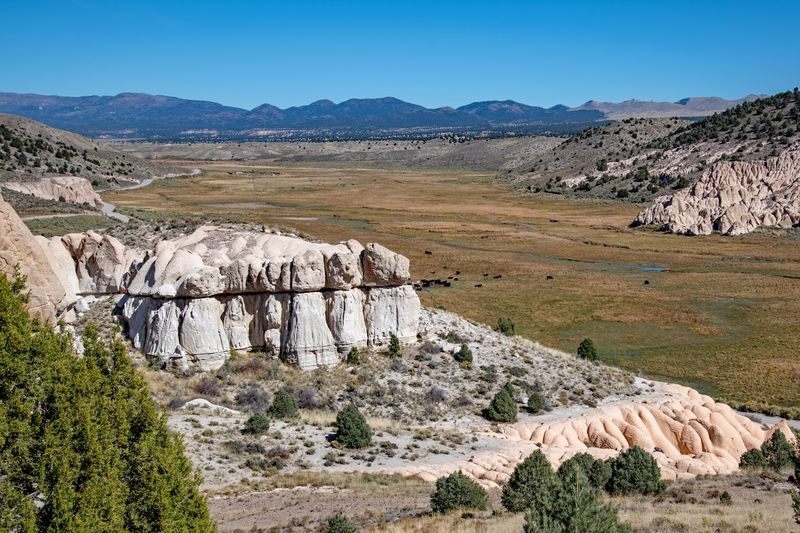
Spring Valley State Park occupies a remote section of eastern Nevada, roughly 20 miles east of Pioche. The drive requires patience and attention, as graded dirt roads wind through open rangeland and past historic mining areas.
Cell service disappears long before the park entrance, reinforcing the sense of distance from everyday distractions.
Pioche itself is a small mining town with a colorful past, and the park feels like a natural extension of the region’s rugged character. The elevation sits around 6,000 feet, bringing cooler temperatures than the lower deserts and occasional snow in winter months.
The landscape shifts between sagebrush flats and rocky outcrops as you approach the reservoir.
Getting here takes effort, but that effort filters out casual visitors and preserves the quiet atmosphere. The park address is simply Pioche, NV 89043, and the journey becomes part of the experience.
Rock Formations Give The Landscape Extra Drama
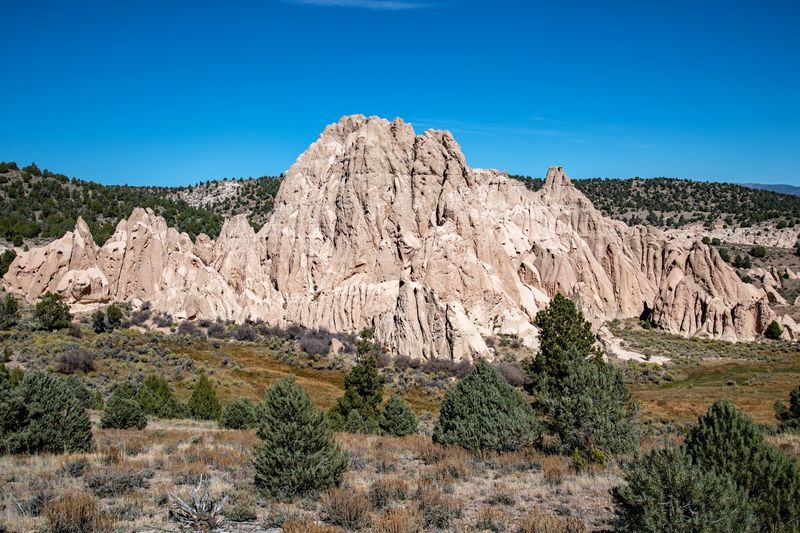
The geology around Spring Valley State Park adds visual interest to an already striking landscape. Rock formations rise along the valley edges, displaying layers of sediment deposited over millions of years.
These formations catch the light at different angles throughout the day, shifting from soft pastels at dawn to deep reds and browns by late afternoon.
Erosion has carved the rocks into varied shapes, creating natural sculptures that frame the reservoir and campground. Some formations stand tall and jagged, while others slope gently into the valley floor.
The contrast between the hard stone and the soft grasses below gives the park its distinctive character.
Photographers find endless subjects here, especially during golden hour when the rocks glow against the darkening sky. Hikers encounter these formations along the trails, and campers wake to views of stone walls rising behind their tents.
The geology tells a story of ancient seas and tectonic shifts.
Walks Around The Reservoir Offer Wide Valley Views
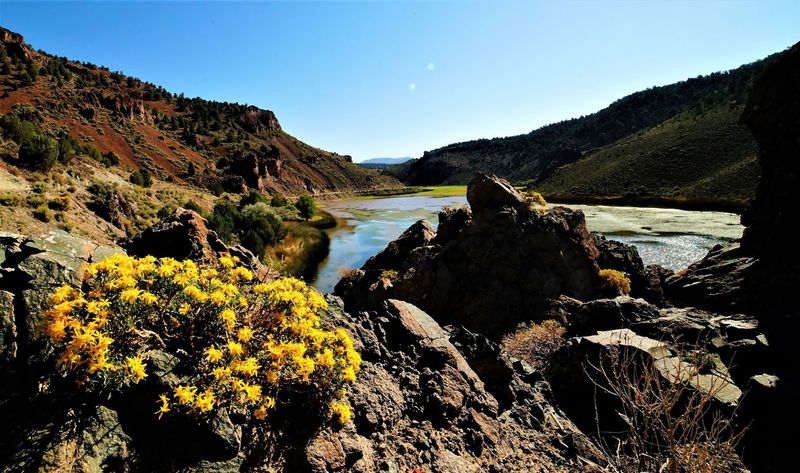
Walking the paths around Eagle Valley Reservoir provides a simple way to experience the park’s scale and openness. The trails stay relatively flat and easy, suitable for families and those who prefer gentle exercise over strenuous climbs.
Views extend across the water and out to the surrounding mountains, with little to obstruct the sightlines.
The reservoir loop takes about an hour at a relaxed pace, passing through areas of sagebrush and grasses that rustle in the constant breeze. Birds frequent the shoreline, and deer tracks often mark the soft earth near the water’s edge.
The path allows visitors to observe the park from different angles and notice details that blur together from a single viewpoint.
Some sections bring you close to the water, while others climb slightly to offer elevated perspectives. The walks feel meditative rather than challenging, perfect for clearing your head after a long drive.
The Stone Cabin Trail Adds A Historic Touch
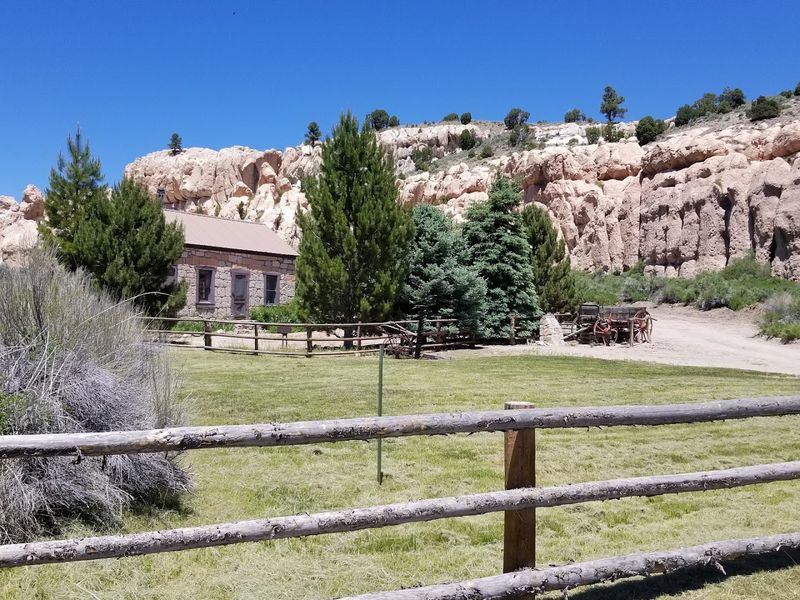
The Stone Cabin Trail leads visitors to the remains of structures built by early ranchers who worked this valley long before it became a state park. The trail stretches about 1.5 miles one way, passing through open terrain before reaching the cabin site.
Walking it feels like stepping into the past, where survival required resourcefulness and isolation was simply part of daily life.
The stone cabins and related structures sit weathered but recognizable, their walls still standing against the elements. You can imagine the people who lived here, tending livestock and enduring harsh winters with limited supplies.
The park has left these ruins largely untouched, allowing them to tell their own story without excessive interpretation.
Hikers often stop to explore the area around the cabins, noting the construction methods and imagining the view these ranchers had each morning. The trail adds historical context to the natural beauty surrounding it.
Old Cabins, Corrals, And Ranch Remnants Tell The Park’s Story
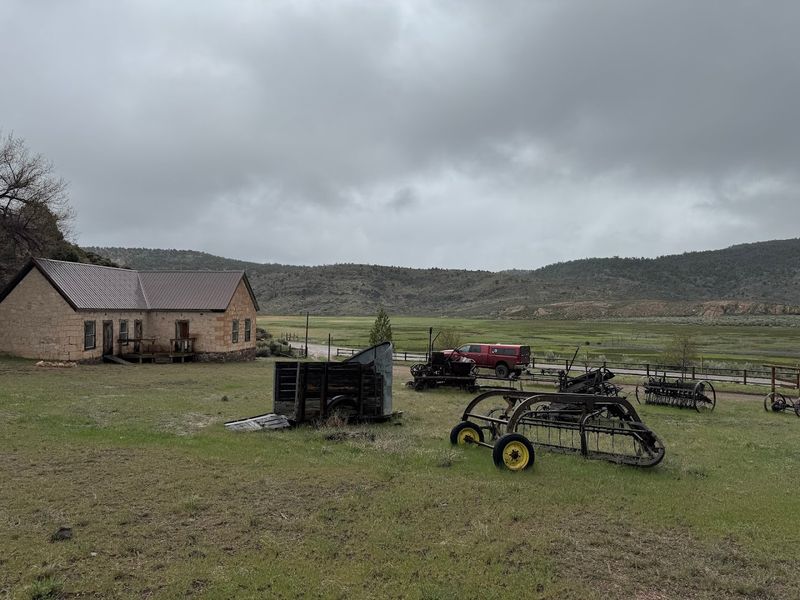
Scattered throughout Spring Valley State Park are the physical remnants of ranching operations that once dominated this valley. Old corrals, collapsed barns, and rusted equipment remain where they were abandoned decades ago.
These artifacts provide a tangible connection to the people who tried to make a living in this unforgiving landscape.
The ranch structures reveal construction techniques adapted to available materials and extreme conditions. Logs were hauled from distant forests, stones were stacked without mortar, and every building faced the challenge of wind and weather.
Some structures have collapsed entirely, while others stand defiantly against time.
Walking among these remnants, visitors gain appreciation for the hardships faced by early settlers. The park preserves these sites as educational resources, allowing people to understand the human history layered beneath the natural attractions.
The cabins and corrals become as much a part of the experience as the fishing and hiking.
Horsethief Gulch Campground Keeps Visitors Close To The Water
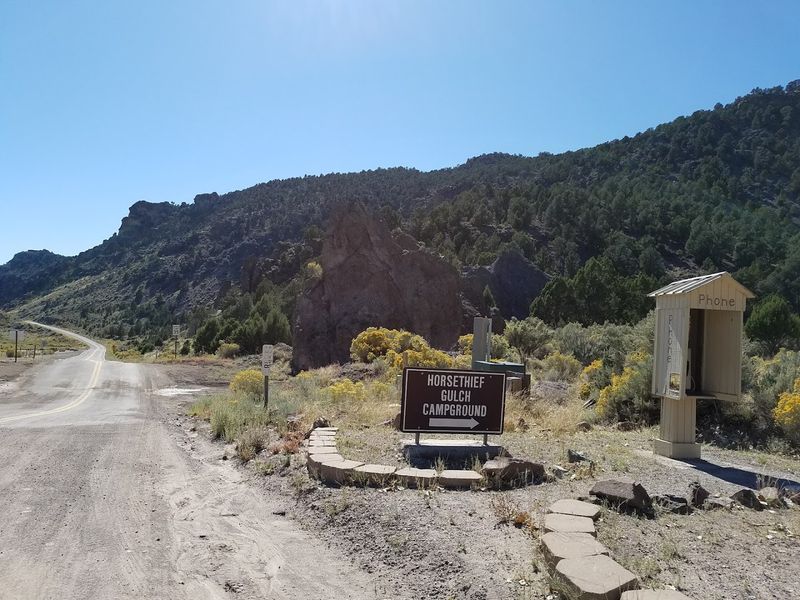
Horsethief Gulch Campground serves as the main camping area at Spring Valley State Park, offering sites with electrical hookups and easy access to the reservoir. The campground sits close enough to the water that campers can walk to the shore in minutes, making it convenient for anglers who want to fish at dawn or families who spend their days by the water.
Sites are spaced well apart, providing privacy despite the compact layout. Each includes a covered picnic table and fire ring, and the campground features clean restrooms with hot showers.
The facilities are simple but well maintained, and the park provides a dump station for RVs just outside the main camping area.
Cell service remains nonexistent, which some consider a blessing and others a challenge. The campground fills on holiday weekends but stays quiet most other times.
Nights bring impressive star displays and the sounds of wind moving through the valley.
The Park Is Open Year-Round For Outdoor Escapes
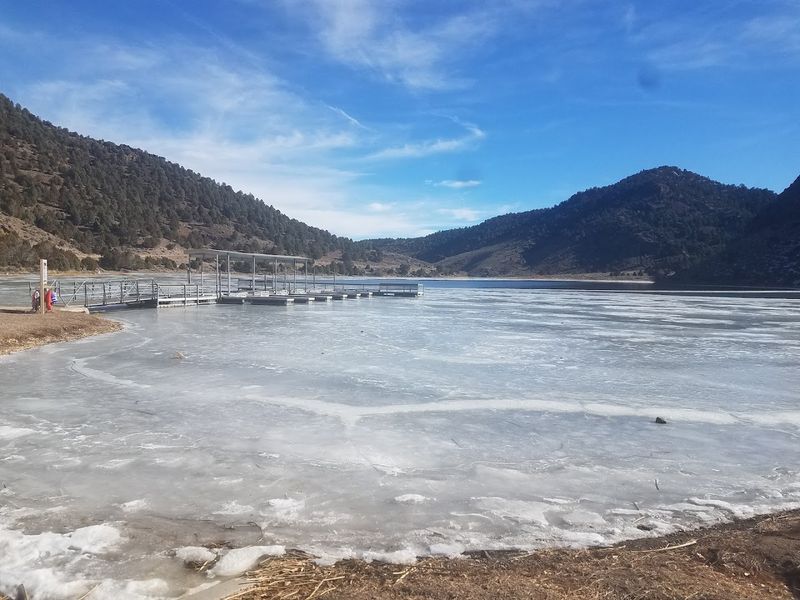
Spring Valley State Park welcomes visitors throughout the entire year, though each season brings different conditions and experiences. Summer offers warm days perfect for fishing and camping, while winter can bring snow and ice that transform the reservoir into a different kind of attraction.
The park never officially closes, allowing those who seek solitude to visit even during the coldest months.
Fall and spring provide the most comfortable temperatures and the best fishing conditions. Wildlife becomes more active during these transitional periods, and the light takes on a quality that photographers appreciate.
Winter visitors sometimes try ice fishing when conditions allow, though safety requires careful attention to ice thickness.
The remote location means visitors must prepare for self-sufficiency regardless of season. The park entrance fee is modest, and the experience of having this landscape largely to yourself makes any trip worthwhile.
Spring Valley State Park remains a refuge for those seeking peace away from crowds.