
This Nevada State Park Looks Like Mars With A Scenic Drive Through Fire-Red Rocks
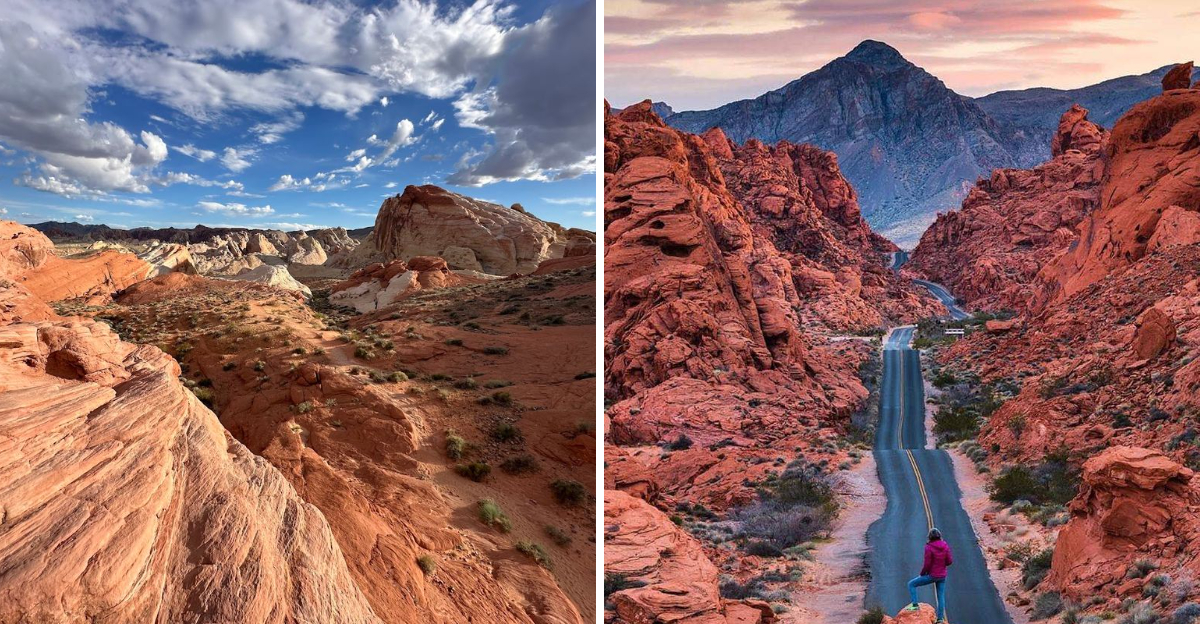
Just an hour outside Las Vegas, Nevada suddenly starts showing off in the strangest possible way. The road slips into a world of fiery sandstone, twisted formations, and desert colours so intense they almost look edited.
Red cliffs blaze in the sun. Orange rock walls rise beside the pavement.
Every turn feels bigger, brighter, and a little more unreal than the last. This is not just a pretty drive, either.
Ancient petroglyphs, dramatic viewpoints, short trails, and movie-worthy scenery give the whole place a sense of mystery. It feels wild without being hard to reach, which makes it perfect for a quick escape.
By the time you leave, ordinary desert views may feel completely ruined.
It Is Nevada’s Oldest State Park
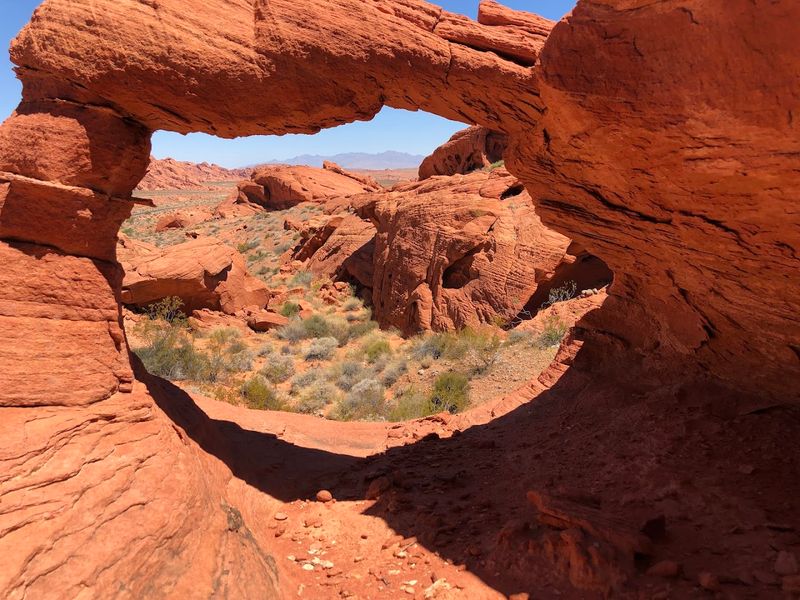
Valley Of Fire received its designation as a state park in 1935, making it the first piece of land Nevada set aside for preservation and public enjoyment. The decision came during a period when Americans were beginning to recognize the value of protecting natural wonders for future generations.
At the time, the park covered a smaller area than it does today, but officials understood that these formations deserved permanent protection from mining and development.
The park’s establishment predated the creation of Lake Mead National Recreation Area, which now borders Valley Of Fire to the south. Early visitors arrived on rough dirt roads that required sturdy vehicles and considerable determination.
Facilities were minimal, with few amenities beyond basic camping areas and footpaths worn by curious explorers.
The park has evolved significantly since those early years, adding proper roads, restrooms, and educational centers while maintaining the wild character that made it worth protecting in the first place.
The Scenic Drive Is The Star Of The Trip
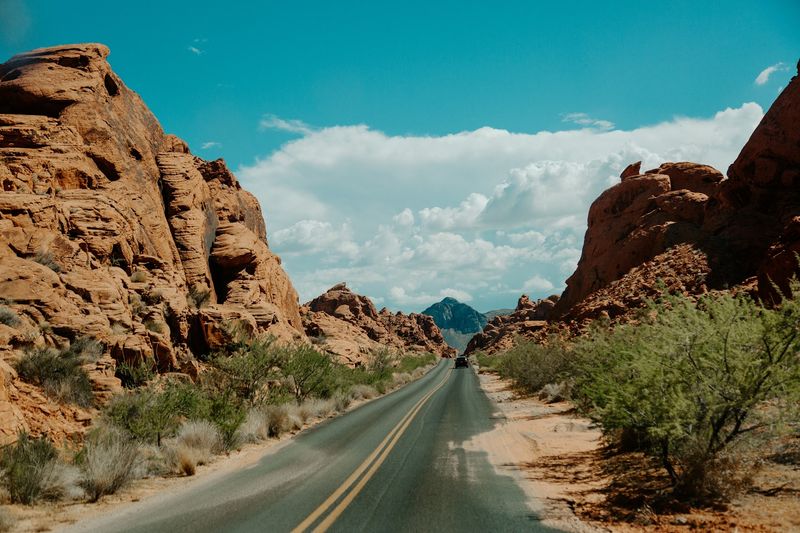
A paved road winds through the heart of Valley Of Fire, connecting the east and west entrances while passing nearly every major formation and trailhead the park contains. The drive stretches roughly ten miles from end to end, but most visitors take several hours to complete the journey because pull-offs and viewpoints appear every few minutes.
The road surface remains smooth enough for standard vehicles, making the park accessible to travelers who prefer experiencing landscapes from their cars.
The route climbs and descends through terrain that changes character with each turn. One moment the road passes between towering walls of striated sandstone, and the next it opens onto vistas that stretch toward distant mountain ranges.
Designated parking areas mark the locations of short walks to petroglyphs, balanced rocks, and natural arches.
Early morning drives offer the best chance to spot bighorn sheep near the roadside, while late afternoon light transforms the entire corridor into a gallery of changing colors and shadows.
The Aztec Sandstone Dates Back To The Jurassic Period
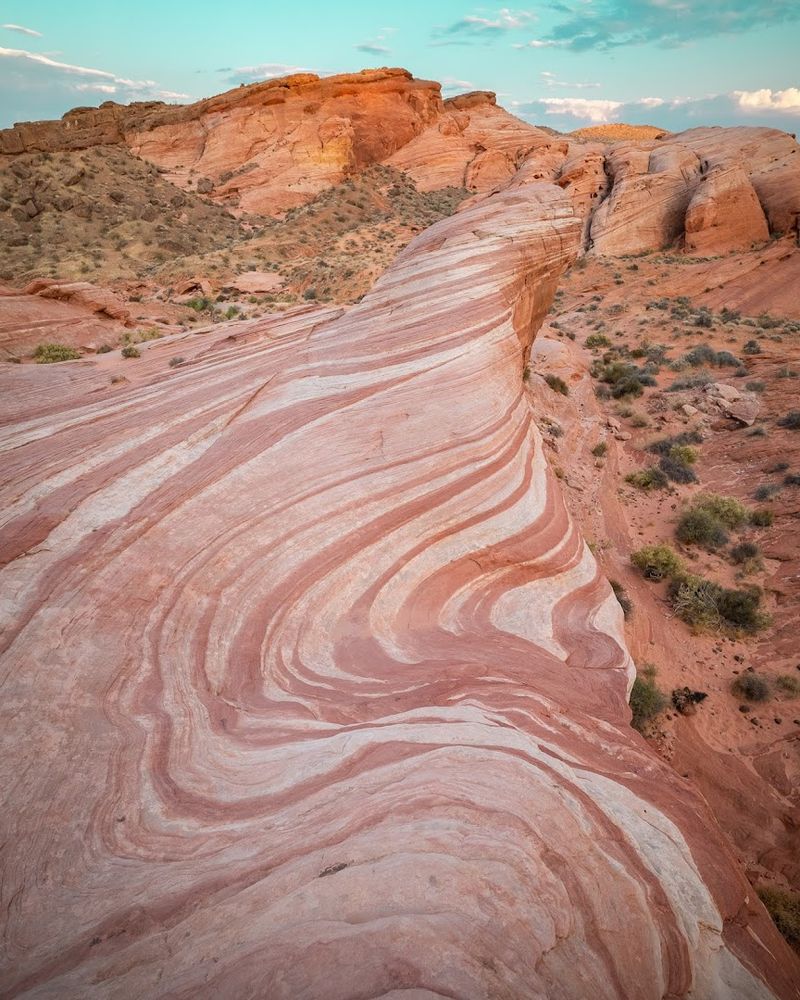
The sandstone formations that define Valley Of Fire began forming roughly 150 million years ago during the Jurassic Period, when this region sat beneath a vast desert of shifting sand dunes. Wind and time compressed these dunes into solid rock, preserving the crossbedding patterns that reveal the direction ancient winds once blew.
Geologists can read these stone layers like pages in a book, understanding climate patterns and environmental conditions that existed when dinosaurs walked the earth.
The rock contains no fossils of large animals, but it holds evidence of the invertebrates and plants that survived in that prehistoric desert. Iron oxide seeped through the sandstone over millions of years, creating the red and orange hues visible today.
Uplift and erosion eventually exposed these buried formations, carving them into the shapes visitors now explore.
Standing before these cliffs means touching stone that existed long before human civilization, before mammals dominated the planet, during an age almost impossible to comprehend.
The Park Covers Around 40,000 Acres
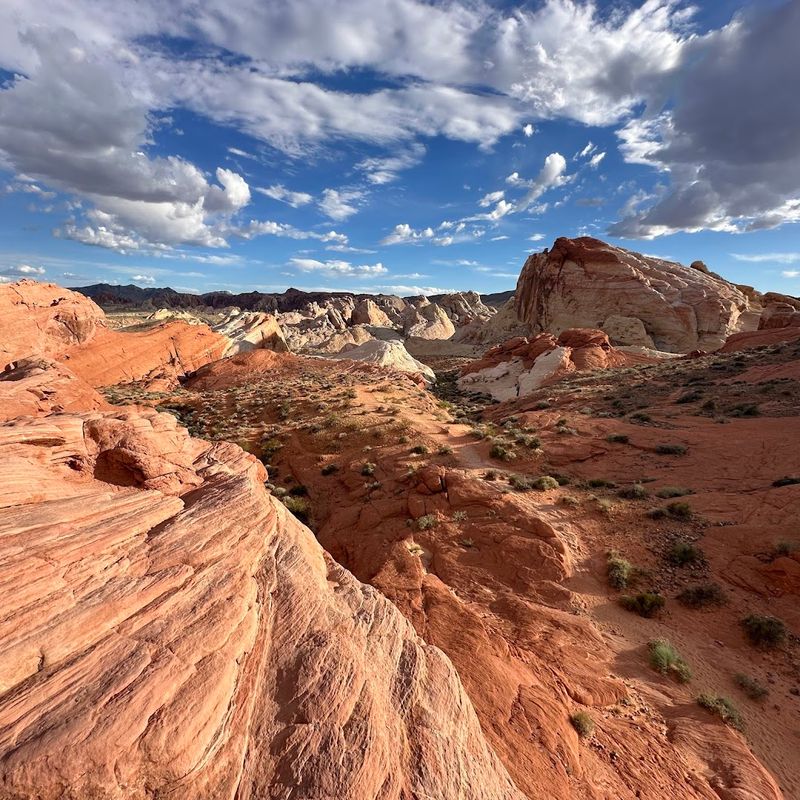
The park sprawls across approximately 40,000 acres of Mojave Desert terrain, creating a protected zone large enough to contain entire ecosystems and geological features that took millions of years to form. This substantial size means visitors can spend multiple days exploring without covering every trail, viewpoint, and hidden canyon the park contains.
The acreage includes everything from the easily accessible scenic drive to remote backcountry areas where solitude comes easily.
Different sections of the park offer distinct experiences based on elevation, rock formations, and vegetation patterns. The western entrance near the visitor center provides immediate access to some of the most photographed locations, while the eastern portions contain quieter zones where wildlife sightings become more common.
The sheer scale prevents the park from ever feeling truly crowded, even during peak visitation periods.
Land managers continue to study and protect these acres, balancing public access with conservation needs that ensure the formations remain intact for centuries to come.
The Red Rocks Really Do Look Like They Are On Fire
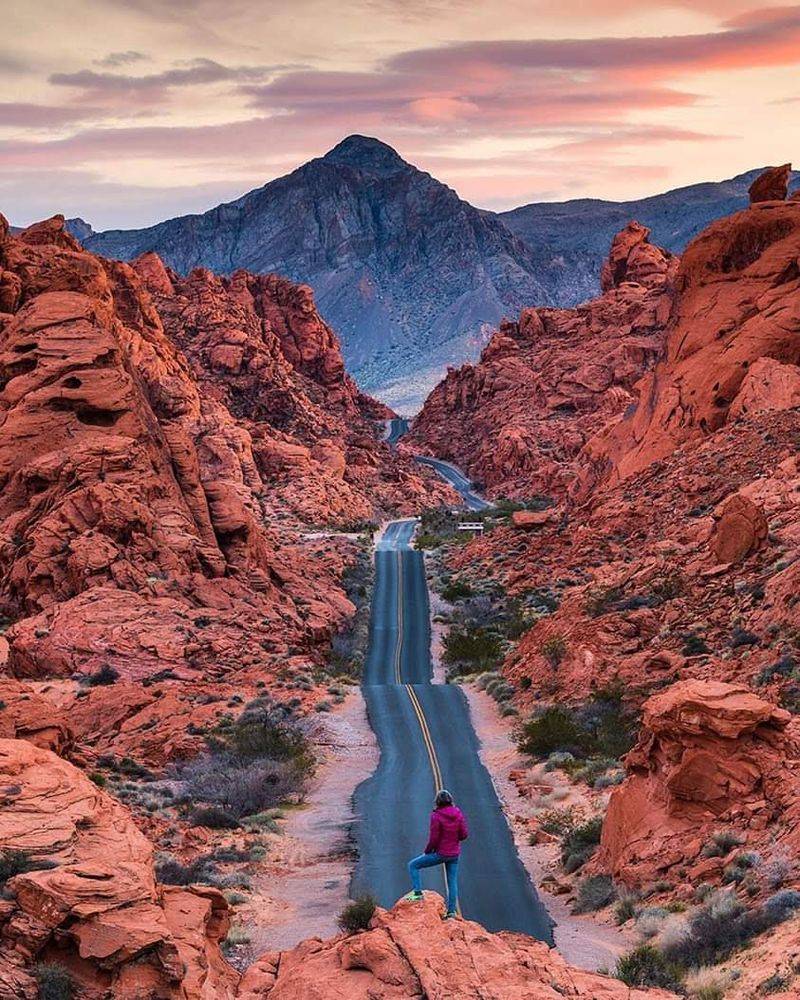
Sunlight strikes the Aztec sandstone at Valley Of Fire in ways that make the entire landscape appear to ignite. The rocks absorb and reflect light differently throughout the day, shifting from deep burgundy in early morning to blazing orange at midday and finally to molten copper as the sun drops toward the horizon.
Iron oxide within the sandstone creates these intense red hues that inspired the park’s name back when travelers first encountered this remarkable terrain.
The effect becomes most pronounced during the golden hours just after sunrise and before sunset. Photographers arrive before dawn to capture the moment when the first rays illuminate the formations, causing them to glow as though lit from within.
The contrast between the fiery rocks and the deep blue Nevada sky creates a visual experience that cameras struggle to fully capture.
Even on overcast days, the sandstone retains its warmth and intensity, proving that the color runs far deeper than surface reflection alone.
Ancient Petroglyphs Are Carved Into The Rocks
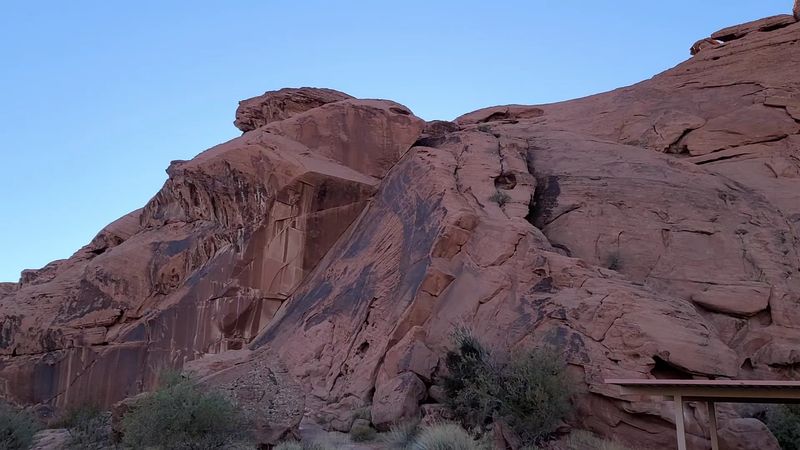
Human hands carved symbols, figures, and abstract designs into Valley Of Fire’s rock faces thousands of years ago, leaving messages that still puzzle and fascinate modern visitors. The petroglyphs appear throughout the park, with some of the most accessible examples located at Atlatl Rock and Mouse’s Tank.
These carvings were created by pecking through the dark desert varnish coating the sandstone, revealing the lighter stone beneath and creating images that have survived centuries of exposure.
The meanings behind many petroglyphs remain subjects of debate among archaeologists and tribal historians. Some clearly depict bighorn sheep, human figures, and geometric patterns, while others seem more abstract or ceremonial in nature.
The artists who created this work belonged to cultures that thrived in this harsh environment through deep knowledge of water sources, seasonal patterns, and survival techniques.
Viewing platforms and interpretive signs help visitors appreciate these carvings without damaging them, preserving fragile cultural resources for future generations to study and admire.
Some Rock Art Dates Back More Than 2,000 Years
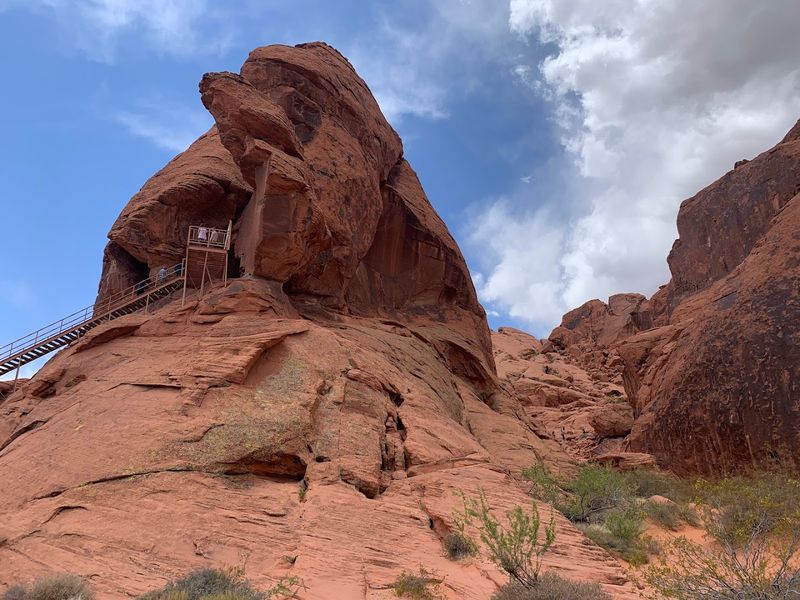
Archaeologists have determined that some of the petroglyphs visible at Valley Of Fire were created more than 2,000 years ago by people belonging to the Basketmaker culture and later groups. These early inhabitants of the Mojave Desert left their marks during a period when the climate differed slightly from today’s conditions, with perhaps more reliable water sources supporting small communities.
The age of these carvings becomes apparent in their weathering patterns and the techniques used to create them.
Dating rock art presents challenges since the stone itself cannot be carbon dated, but researchers use various methods including analysis of the desert varnish that reforms over pecked surfaces. The darkened coating that gives petroglyphs their contrast takes centuries to develop, providing clues about when the original artists worked.
Some panels show evidence of multiple creation periods, with newer images added near older ones.
The persistence of these images across millennia demonstrates both the durability of sandstone and the dry climate that has protected them from the erosion that would erase similar carvings in wetter regions.
Elephant Rock Is One Of The Most Famous Photo Stops
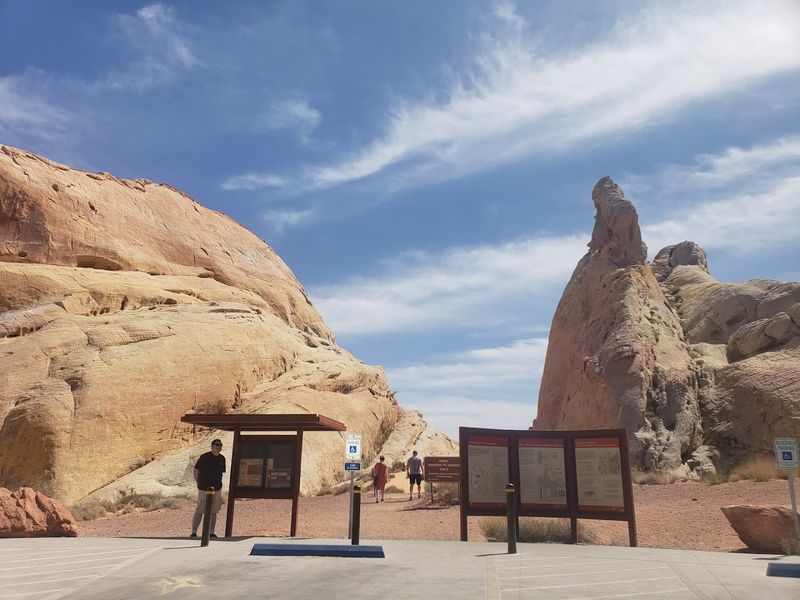
A sandstone formation near the park’s eastern entrance bears such a striking resemblance to an elephant that no other name would suit it. The rock sits close to the road, making it one of the easiest and most photographed features in Valley Of Fire.
Erosion carved the trunk, body, and even the suggestion of legs from a single piece of Aztec sandstone, creating a natural sculpture that delights children and adults equally.
The formation’s accessibility means it attracts crowds during peak hours, but arriving early or late in the day often provides opportunities for unobstructed photographs. The elephant faces south, which affects how light falls across its features throughout the day.
Morning light emphasizes the texture of the trunk and head, while afternoon sun brings out the rich red color of the entire formation.
Small trails around the base allow visitors to view the elephant from multiple angles, and the surrounding area contains other interesting formations that receive less attention but reward exploration with their own peculiar shapes and patterns.
The Visitor Centre Explains The Park’s Geology And History
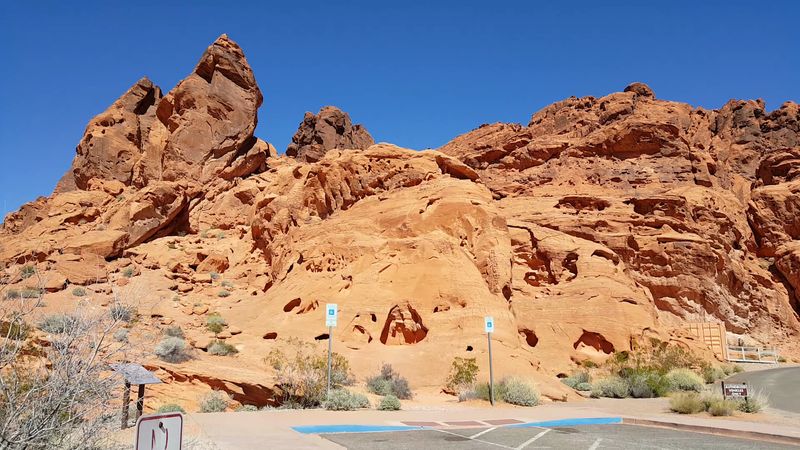
The park’s visitor center opened in a new location in recent years, providing expanded space for exhibits that explain the forces that created this landscape and the cultures that called it home. The building itself incorporates design elements that complement the surrounding terrain, using colors and materials that blend with the desert environment.
Inside, displays cover topics ranging from plate tectonics and erosion to the lives of prehistoric peoples and modern conservation efforts.
Staff members answer questions, provide trail recommendations based on visitor abilities and time constraints, and sell maps that prove useful given the limited cell phone reception throughout the park. The center stocks field guides about desert wildlife, geology, and archaeology for those who want to deepen their understanding.
A small theater shows films about the park’s natural and cultural history.
Restrooms and water fountains make the visitor center a practical stop before heading deeper into the park, and the shaded parking area offers relief from the intense summer sun that makes vehicles uncomfortably hot within minutes.
Spring Wildflowers Can Add Colour To The Desert Roadsides
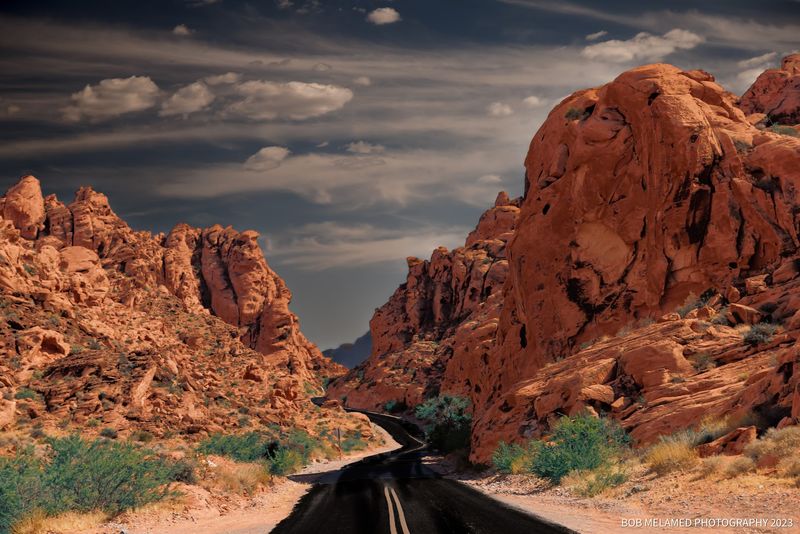
During favorable spring seasons when winter rains arrive in sufficient quantity, the desert floor at Valley Of Fire transforms with unexpected color as annual wildflowers germinate and bloom. The display typically peaks between March and early May, though timing varies based on rainfall patterns and temperatures.
Species like desert marigold, indigo bush, and various penstemon varieties paint the roadsides and valley floors with purple, yellow, and orange blooms that contrast beautifully against the red rocks.
These flowers live fast and complete their entire life cycle within weeks, producing seeds that lie dormant in the soil until conditions align again for germination. The blooms attract pollinators including bees, butterflies, and hummingbirds that add motion and life to the landscape.
Not every year produces a significant bloom, making successful wildflower seasons feel like special events worth celebrating.
Photographers time their visits to coincide with peak bloom periods, though predicting exact dates proves difficult since desert weather follows its own unpredictable patterns.
Camping Is Available Inside The Park
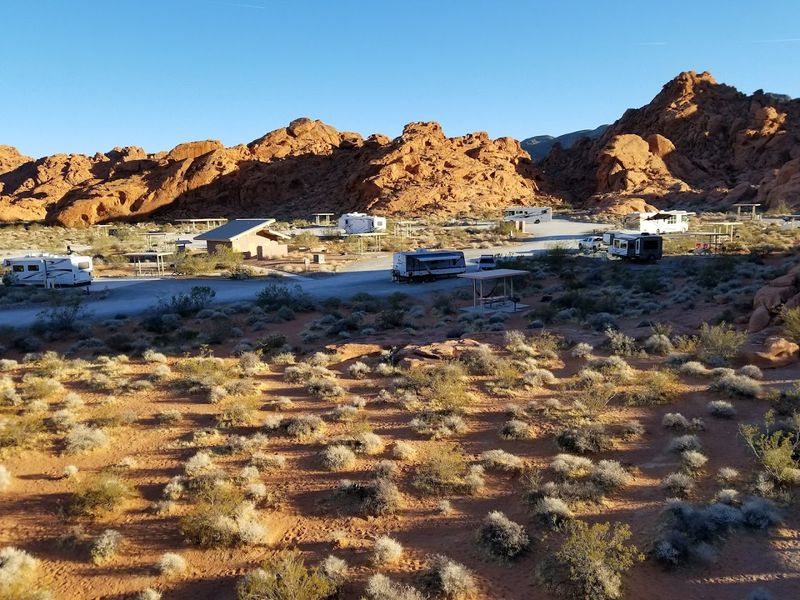
Two developed campgrounds within Valley Of Fire allow visitors to spend nights surrounded by the formations that glow in moonlight and reveal new character as darkness falls. The Atlatl Rock and Arch Rock campgrounds together provide roughly 70 sites equipped with shade structures, picnic tables, and fire rings.
The facilities include restrooms with running water, though no hookups exist for recreational vehicles. Sites can be reserved in advance through the state park system, a wise precaution during popular seasons when the campgrounds fill quickly.
Camping at the park means waking to sunrise light on the rocks and having immediate access to trails before day visitors arrive. The temperature drops significantly after sunset, making spring and fall the most comfortable seasons for overnight stays.
Summer camping requires tolerance for extreme heat that persists well into the night.
The campgrounds sit near the park’s western section, convenient to major trails and the visitor center, though far enough from the main road that traffic noise rarely disturbs the desert quiet.
Some Trails Close In Summer Because Of Extreme Heat
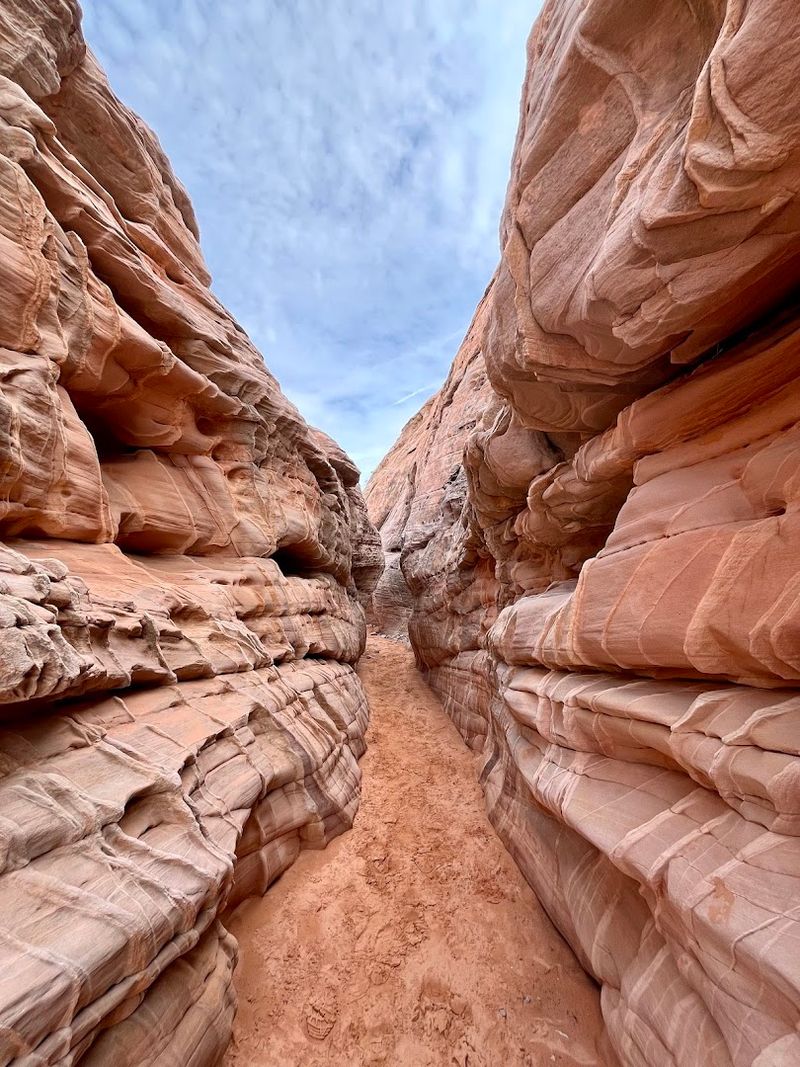
Park managers close certain trails during summer months when temperatures regularly exceed 110 degrees Fahrenheit, creating conditions dangerous even for experienced desert hikers. The closures typically affect trails with significant sun exposure and limited escape routes, protecting visitors from heat exhaustion and more serious medical emergencies.
Signs posted at trailheads warn about conditions, and rangers monitor weather forecasts to determine when restrictions should take effect.
The extreme heat that makes summer hiking hazardous also affects the rock surfaces, which absorb and radiate thermal energy that raises ambient temperatures even higher than air temperature alone. Dehydration occurs rapidly in these conditions, and the nearest medical facilities sit many miles from the park.
Even short walks become risky when the sun beats down without mercy.
Fall through spring offers safer and more pleasant hiking conditions, with temperatures ranging from comfortable to warm rather than dangerously hot. Visitors who arrive during summer can still enjoy the scenic drive and short walks near parking areas during early morning hours before heat becomes oppressive.