
12 Natural Wonders In Massachusetts That Feel Practically Unreal In Person
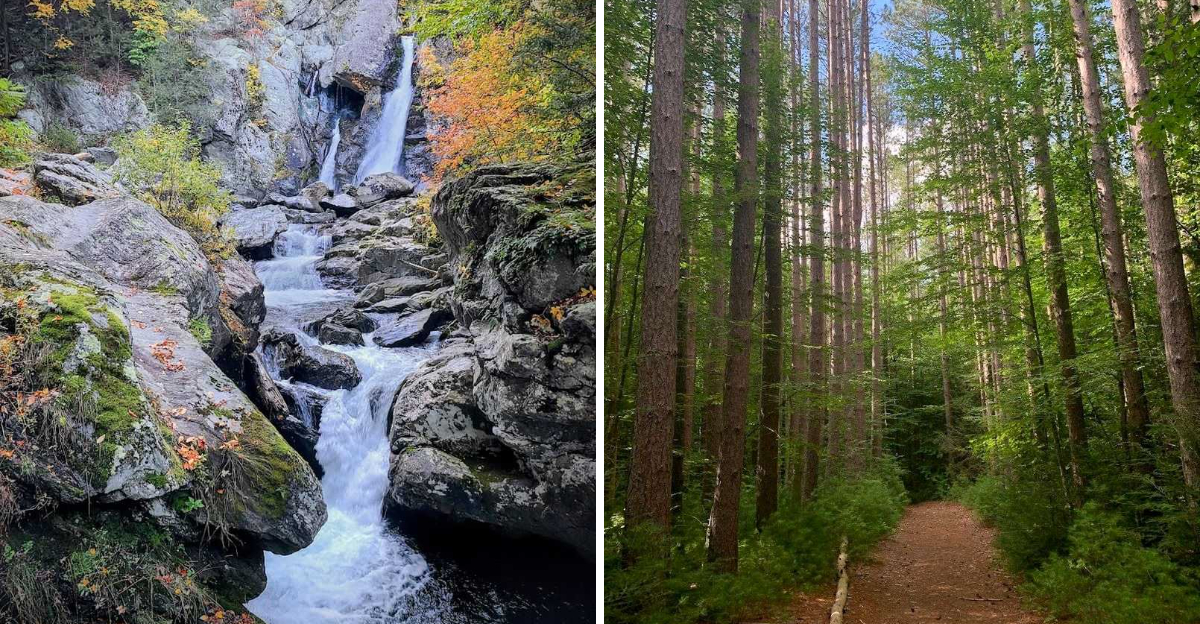
Massachusetts can look ordinary one moment and completely unreal the next. A quiet trail suddenly opens to ocean views.
A simple walk leads to ancient rocks, windswept dunes, or water crashing against the coast.
That is what makes the state so fun to explore. The scenery changes quickly, and some places feel almost impossible to believe until you are standing right there.
There are dramatic shorelines, strange stone formations, peaceful waterfalls, sandy stretches, and forested corners that feel far removed from daily life. Some are perfect for photos.
Others are better for slowing down and simply looking around.
By the end, these natural wonders may leave you wondering how one small state managed to pack in so much scenery.
1. Purgatory Chasm, Sutton
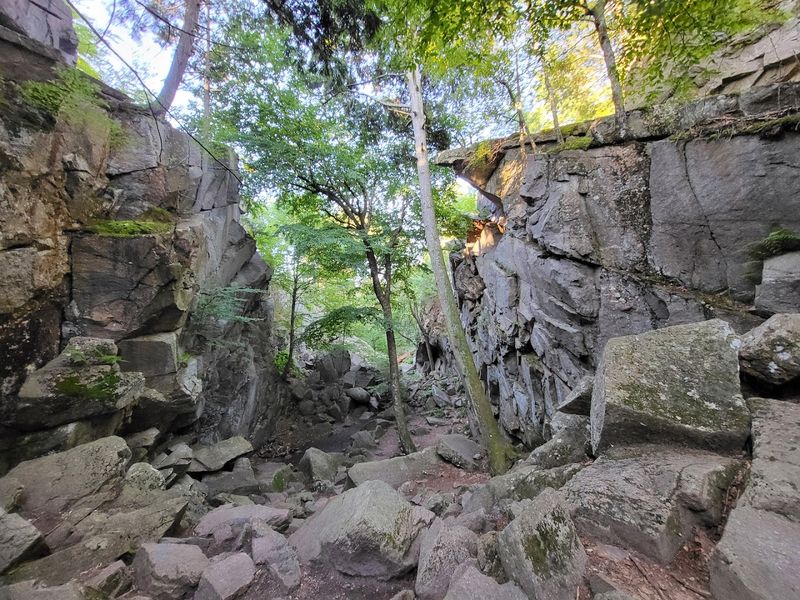
A quarter-mile crack in the earth with passages named things like “The Coffin” and “Lover’s Leap” does not exactly scream relaxing afternoon stroll, but Purgatory Chasm in Sutton, is one of the most unforgettable natural sites in all of New England.
The chasm was formed when a massive torrent of water blasted through a granite deposit, leaving behind towering walls, shadowy crevices, and boulders the size of small houses.
Walking through the chasm feels ancient in a way that is hard to put into words.
The granite walls rise up on both sides, blocking out the sky in spots, and the air inside is noticeably cooler even on warm days.
Kids especially love scrambling over the rocks and squeezing through the narrow passages.
The main trail through the chasm is about a quarter mile long, but there are additional paths on the rim for those who prefer a birds-eye view of the whole formation.
Early morning visits tend to be quieter and the light filtering down through the crevices creates a truly otherworldly atmosphere worth experiencing at least once.
2. Doane’s Falls, Royalston
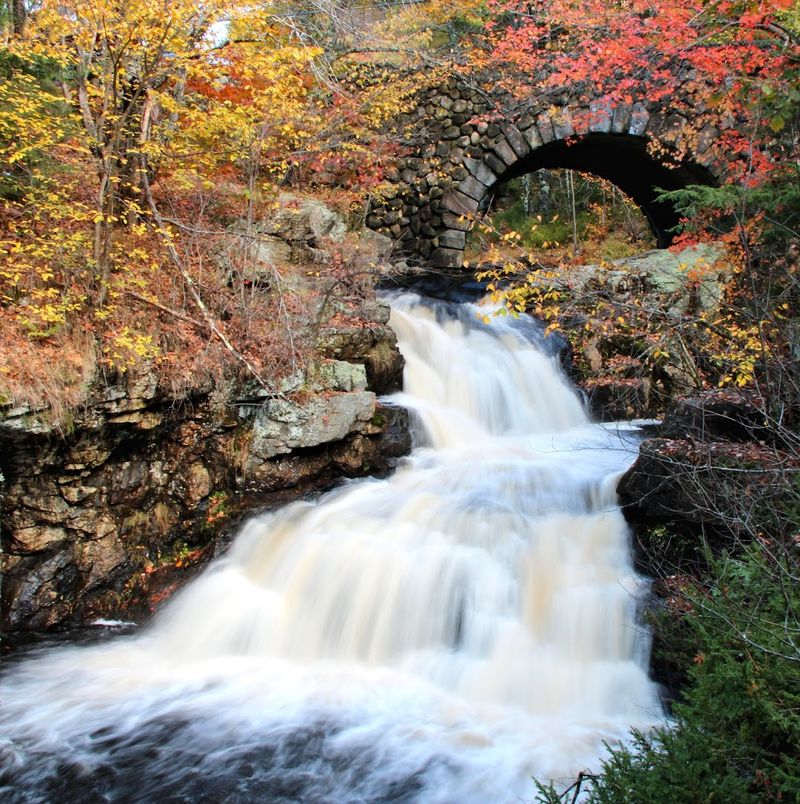
Some places seem almost too beautiful to be real, and Doane’s Falls in Royalston is firmly in that category.
Three separate waterfalls cascade one after another along Lawrence Brook, each one distinct in character, and together they create a stretch of scenery that looks like a movie set.
The area is quiet, shaded by tall trees, and laced with the kind of mossy, fern-covered rocks that make you feel like you’re in an enchanted forest. The trail itself is not especially long or difficult, which makes it accessible for most fitness levels, including families with younger kids.
Spring is arguably the best time to visit, when snowmelt pushes the water volume up and the falls roar with impressive force. Fall runs a close second, with foliage reflected in the pools between cascades.
Royalston is a small town in north-central Massachusetts, not far from the New Hampshire border, so pairing this stop with other nearby trails makes for a full and satisfying day outdoors. Honestly, the hardest part is leaving.
3. Natural Bridge State Park, North Adams
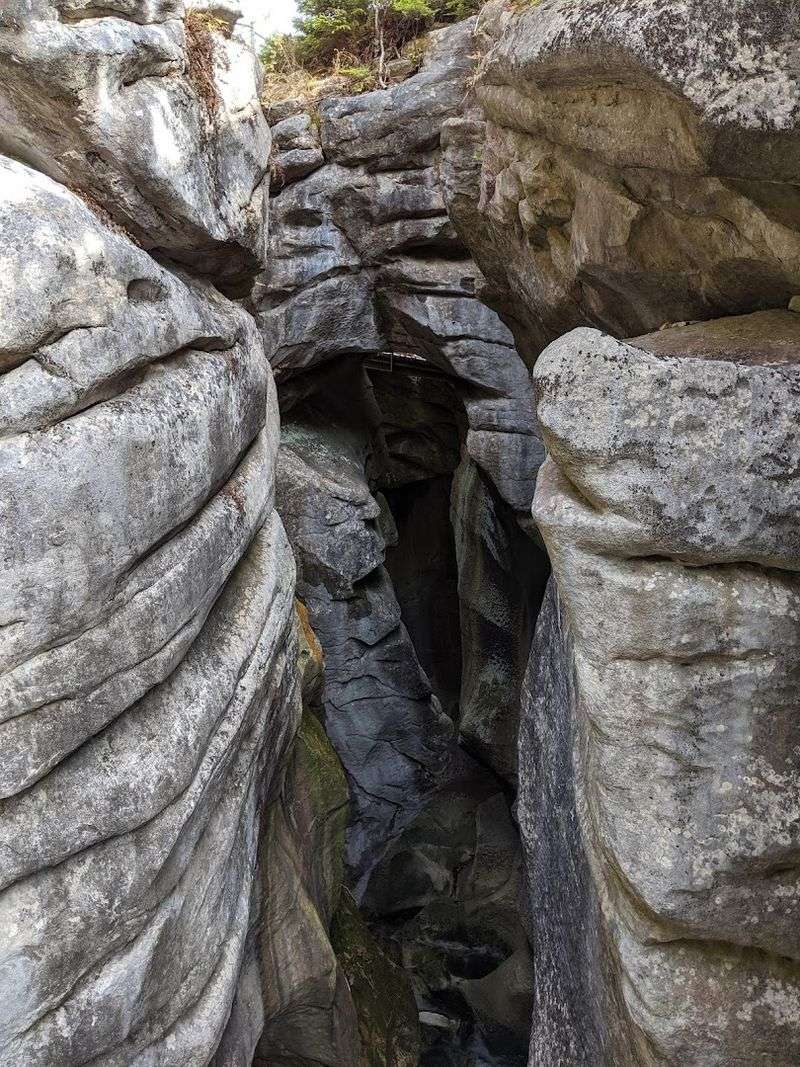
Thirteen thousand years of erosion carved something truly one-of-a-kind at Natural Bridge State Park in North Adams, Massachusetts.
The site is home to the only naturally formed white marble arch in North America.
Standing beneath it while looking down into the 60-foot gorge below is the kind of experience that makes your brain do a double-take.
The arch was shaped by Hudson Brook grinding through the marble bedrock over thousands of years, and the result is a geological feature so striking that it has drawn visitors since the 1800s.
Beyond the arch itself, the park also features an old quarry and a white marble dam, giving the whole area a layered sense of history that goes well beyond just the natural scenery.
The park is compact and easy to explore in a couple of hours, making it a great addition to any trip through the Berkshires region of western Massachusetts. Admission is minimal, and the paved walkways make it accessible for a wide range of visitors.
The contrast of bright white marble against the dark gorge walls is genuinely striking and unlike anything else in the state.
4. Chesterfield Gorge, Chesterfield
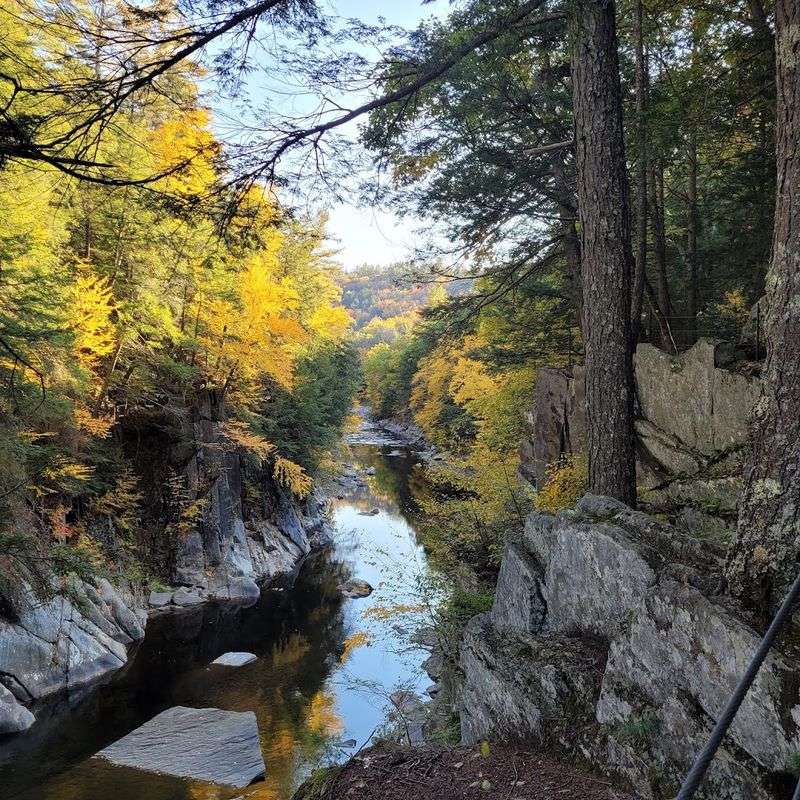
The Westfield River does not mess around.
At Chesterfield Gorge in western Massachusetts, the river has carved a deep, dramatic channel through the bedrock. The water running through it is so impossibly clear and colorful that first-time visitors often assume the photos they’ve seen online must be edited.
They are not.
The gorge sits in the town of Chesterfield, tucked into the hills of Hampshire County, and it is genuinely beautiful in every season. Summer brings out those vivid blue-green water tones that make the gorge look tropical.
Fall coats the surrounding trees in warm reds and oranges that reflect off the surface. Winter turns the rocky walls frosty and dramatic in a completely different way.
Trails run along the rim of the gorge and give you clear views down into the rushing water below. The area is managed by The Trustees of Reservations and has a small parking area and basic facilities on site.
It is not heavily crowded compared to more well-known spots, which means you often get to enjoy that surreal scenery almost entirely to yourself. That kind of quiet is rare and worth the drive.
5. Bash Bish Falls, Mount Washington
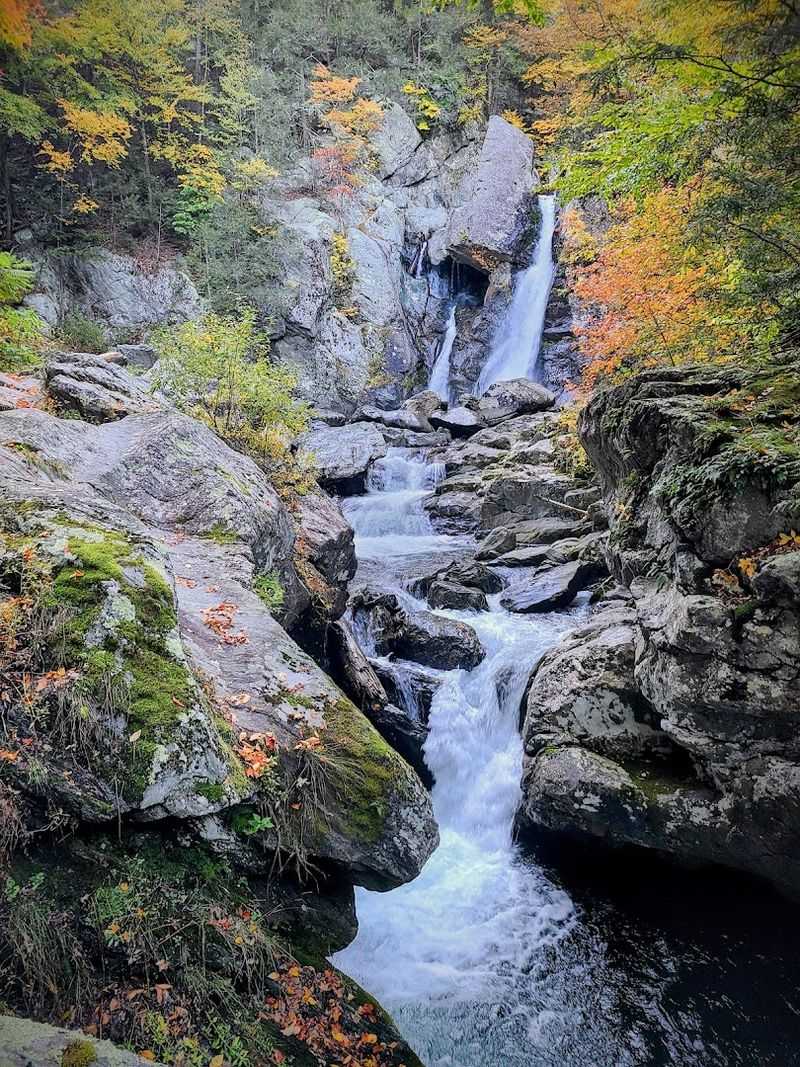
Water splitting in two mid-fall sounds like something from a nature documentary, but at Bash Bish Falls in Mount Washington, it’s just a regular Tuesday.
This is the tallest single-drop waterfall in the state, plunging more than 70 feet into a stunning emerald pool at the base of a rocky gorge.
The trail to reach the falls winds through dense forest.
As you get closer, the sound of rushing water grows louder until the view opens up and you’re standing in front of something that feels genuinely cinematic.
The water crashes around a large boulder on the way down, creating that signature split that photographers absolutely love.
Swimming in the pool is not permitted for safety reasons, but the viewing area gives you a clear, unobstructed look at the whole spectacle. Fall foliage season wraps the gorge in brilliant color, making it an especially popular time to visit.
Pack sturdy shoes and bring a camera, because no filter is needed here.
6. World’s End, Hingham
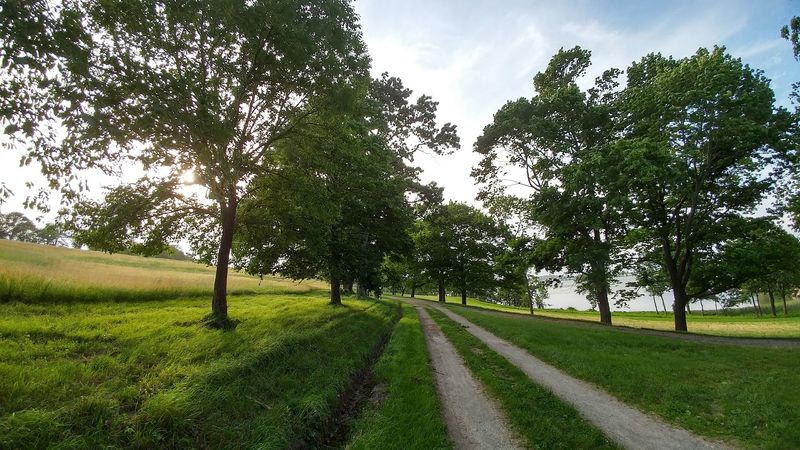
Frederick Law Olmsted, the landscape architect behind New York’s Central Park, had a hand in designing the carriage paths at World’s End in Hingham and it shows.
The rolling drumlin hills, the carefully placed tree lines, and the sweeping coastal views combine to create a landscape that looks so perfectly composed it genuinely resembles a painting.
On a clear day, the Boston skyline is visible across the water, creating a striking contrast between the city’s hard edges and the soft, grassy hills of the peninsula.
The reservation covers about 251 acres and includes rocky shorelines, woodlands, and open meadows, offering a surprisingly diverse range of scenery within a relatively compact area south of Boston.
The trails here are wide and well-maintained, making World’s End popular with walkers, joggers, and birdwatchers. Sunrise and sunset visits are particularly rewarding, when the light hits the water and the hills in a way that makes everything glow.
Managed by The Trustees of Reservations, the site requires a small entry fee. It is one of those rare places that earns every bit of its reputation and then some.
7. Bartholomew’s Cobble, Sheffield
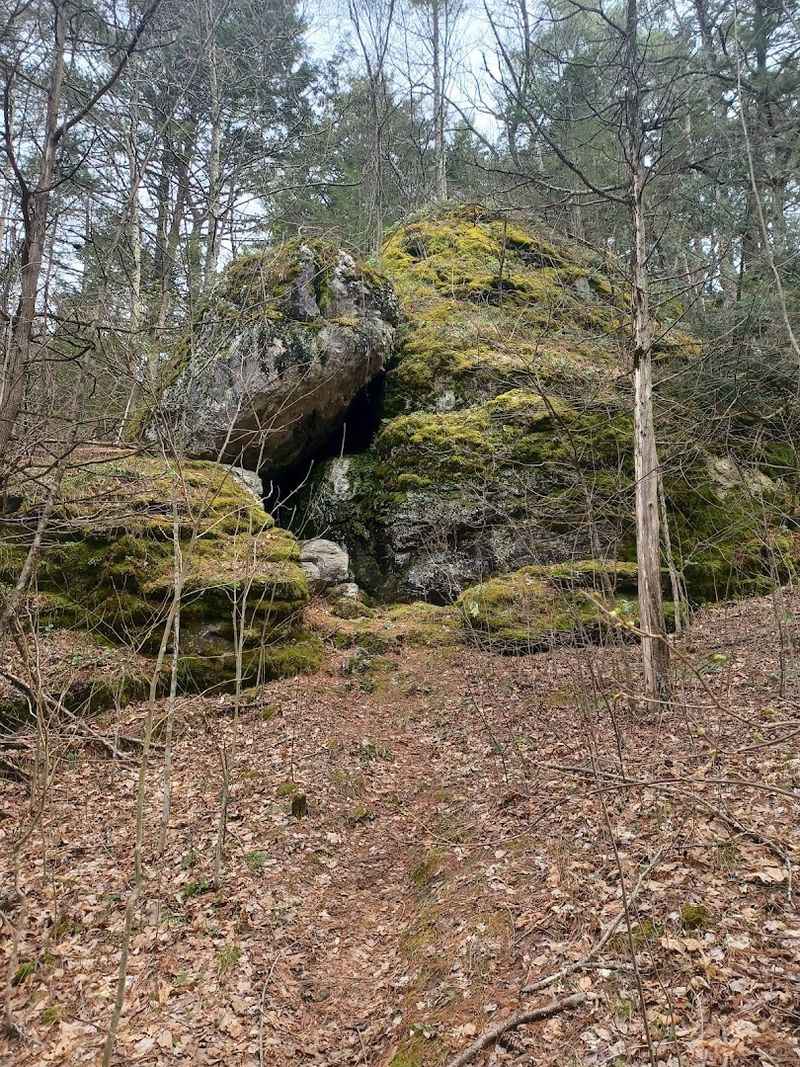
Rising above the Housatonic River floodplain in Sheffield, Bartholomew’s Cobble is one of the oldest and most ecologically rich natural areas in the entire state.
The “cobble” refers to the ancient quartzite and marble outcroppings that jut dramatically out of the surrounding landscape, creating a rocky, layered terrain.
This National Natural Landmark is home to an extraordinary variety of plant life, including over 500 species of plants and ferns, which thrive in the diverse microclimates created by the rock formations.
One of the largest cottonwood trees in Massachusetts grows here. Birdwatchers consistently rank the site among the best in the region for spotting a wide range of species throughout the year.
Trails wind through meadows, along the riverbank, and up over the cobble itself, offering views across the Housatonic River valley that feel timeless and unhurried.
The site is managed by The Trustees of Reservations and is located in the southern Berkshires, not far from the Connecticut border.
Spring and early summer bring wildflowers in full force, turning the whole area into something that feels almost impossibly lush.
8. Sunderland Caves, Sunderland
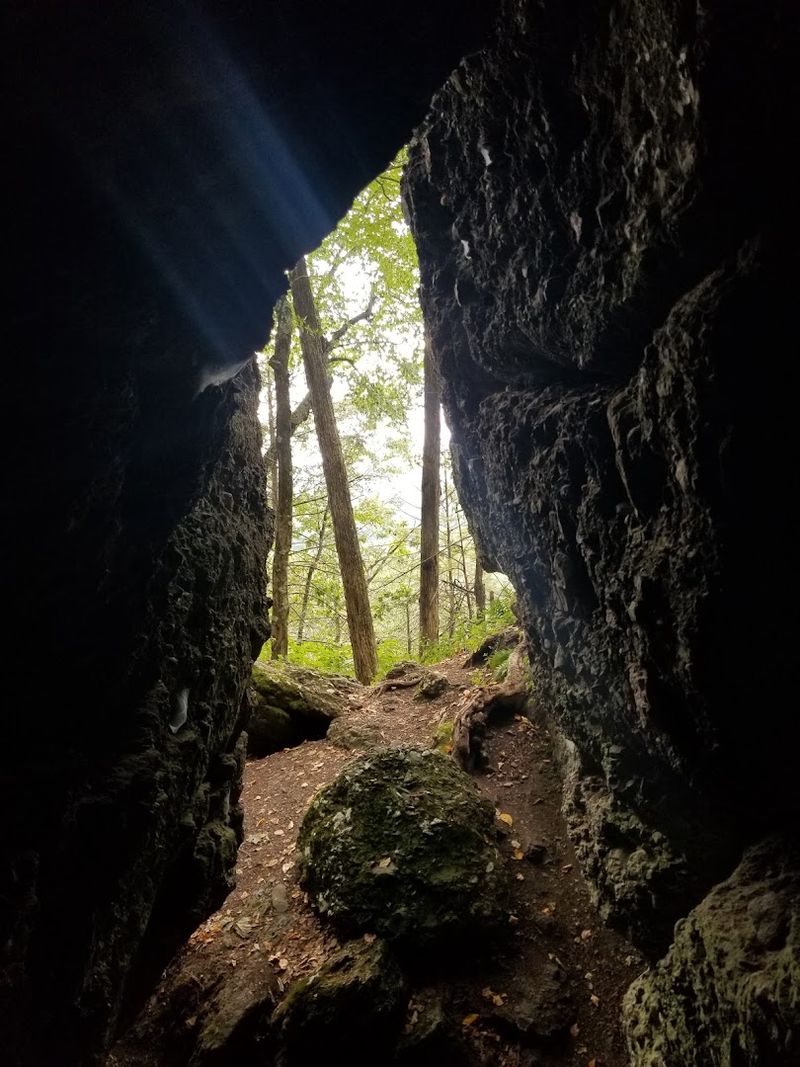
There is something surreal about finding a cluster of sandstone caves carved into a hillside in the middle of the Connecticut River Valley, and yet that is exactly what waits for you in Sunderland.
The Sunderland Caves are not enormous caverns, but their dark, moss-covered interiors and the eerie quiet inside them create an atmosphere that is hard to shake once you have experienced it.
The caves were formed by erosion working on the softer sandstone layers of the hillside over thousands of years. They are shallow enough to explore safely without specialized equipment, but deep enough to feel genuinely mysterious.
Ferns and mosses cling to the cave walls and entrances, softening the edges and adding to that sense of stumbling into somewhere ancient.
The area around the caves is part of a larger natural landscape that includes forested trails and views across the Pioneer Valley. It is a lesser-known spot compared to some of the state’s bigger attractions, which means the crowd factor is refreshingly low.
If you enjoy off-the-beaten-path discoveries that come with a side of atmospheric weirdness, Sunderland Caves will absolutely deliver on that promise.
9. Hawley Bog, Hawley
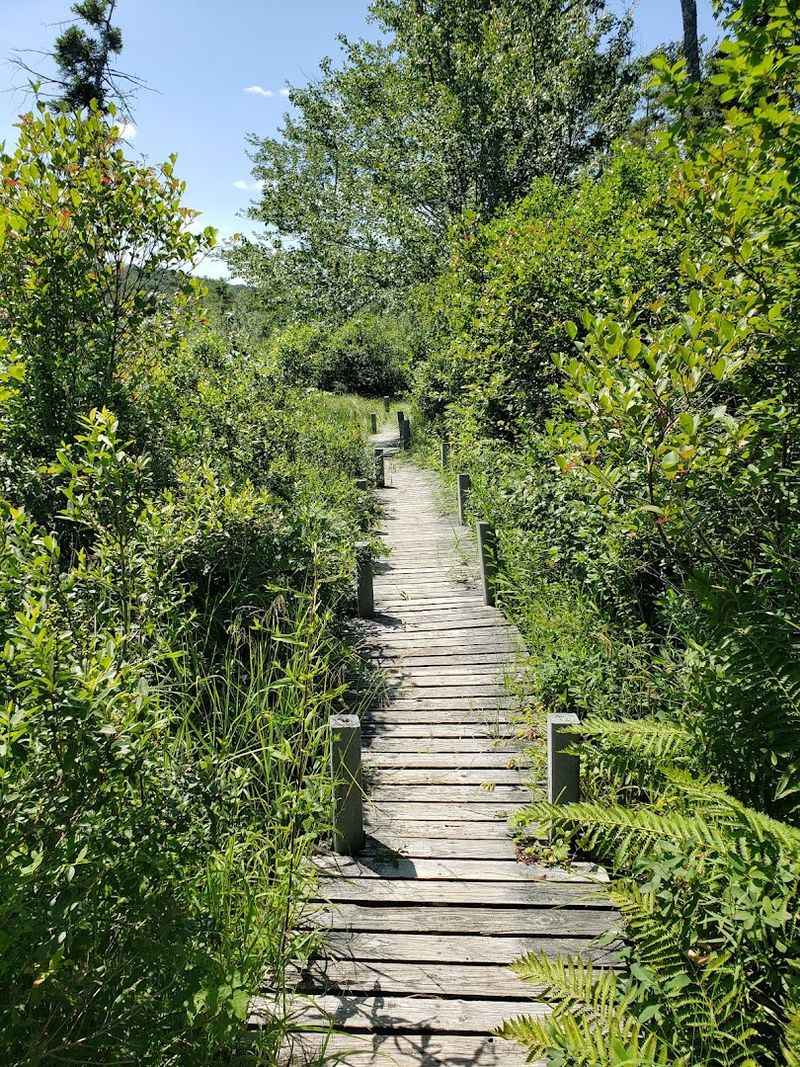
This rare Atlantic white cedar bog is home to carnivorous pitcher plants, wild orchids, and thick carpets of sphagnum moss, all wrapped in a silence so complete it almost has a physical weight to it.
A wooden boardwalk loops through the bog, keeping your feet dry while giving you an up-close look at one of the most unusual ecosystems in New England.
The bog formed thousands of years ago in a glacially carved depression.
The acidic, nutrient-poor conditions have created a very specific set of plant life that simply does not exist in most other environments.
The pitcher plants are especially fascinating, their red-veined cups filled with water that traps and digests insects.
Orchid species bloom here in late spring and early summer, adding unexpected bursts of color to the otherwise muted landscape.
Hawley is a small, rural town in western Massachusetts, and the bog sees relatively few visitors compared to its ecological significance. Early morning visits in summer, when mist hovers over the surface of the bog, produce a scene that looks like it was lifted straight from a science fiction film.
Bring bug spray and good walking shoes.
10. Mohawk Trail State Forest, Charlemont
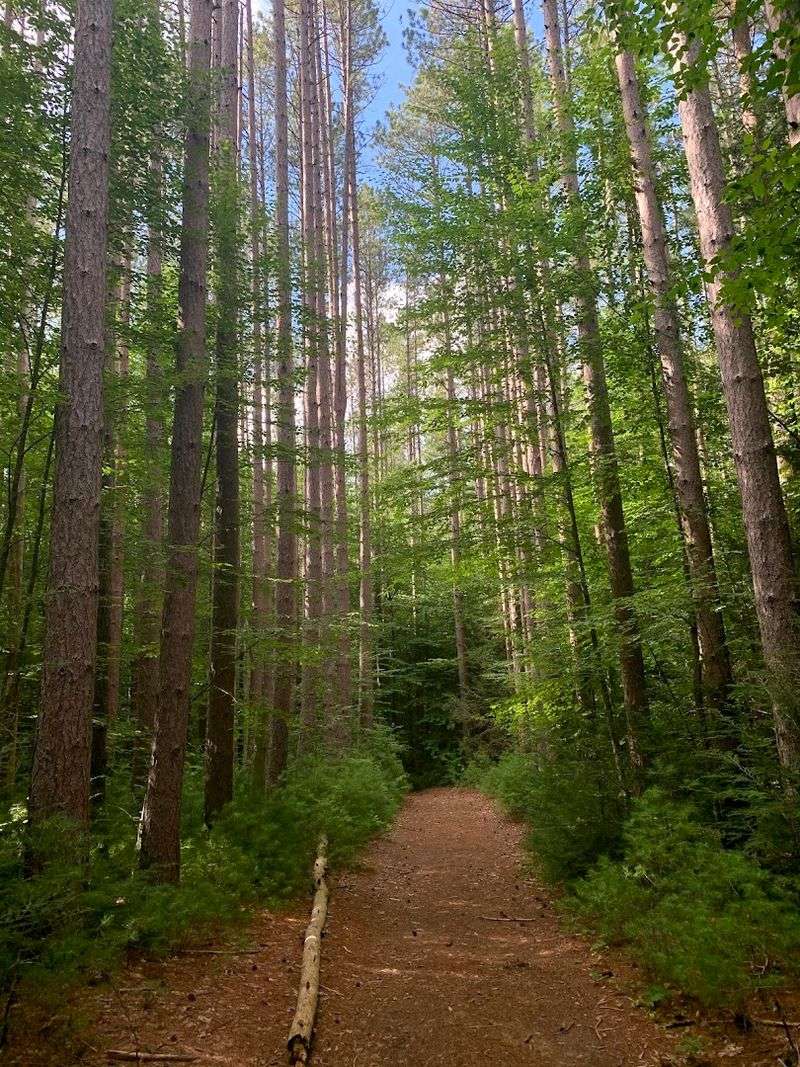
Standing inside the old-growth grove at Mohawk Trail State Forest in Charlemont, you realize quickly that most forests you have walked through before were just the warm-up act.
The trees here are enormous, some of the tallest in the entire Northeast, and the experience of being surrounded by them stops people mid-stride in a way that is hard to explain.
The forest includes towering white pines and hemlocks that have been growing undisturbed for centuries.
The Cold River runs through the forest, adding a soundtrack of moving water to the already impressive atmosphere.
Camping is available on-site, and spending a night here under those ancient trees is an experience that resets something in your brain.
Mohawk Trail State Forest also offers access to the famous Mohawk Trail scenic byway, one of the most beautiful drives in New England. Fall foliage along this corridor is legendary, drawing visitors from across the country every October.
The old-growth grove alone makes the trip worth it at any time of year.
11. Mount Greylock, Adams
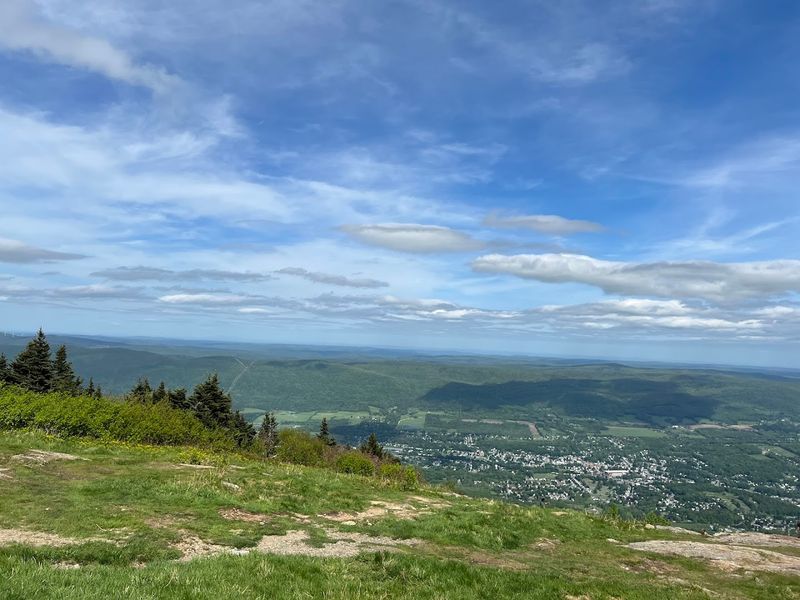
On a misty morning, standing on the summit of Mount Greylock in Adams feels like floating above the rest of the world. The clouds fill the valleys below while the peak rises clear and quiet above them, and the effect is so dramatic that it genuinely looks like a scene from a fantasy novel.
At 3,491 feet, this is the highest point in Massachusetts, and it earns that title with full commitment.
On clear days, the panoramic views stretch across five states, including Vermont, New York, Connecticut, and New Hampshire, making every step of the climb feel worthwhile.
The summit is accessible by car from June through October via Notch Road, which is a bonus for those who want the view without the full hike.
A historic lodge and the striking War Memorial Tower sit at the top, adding a human element to an otherwise wild and windswept landscape.
The mountain also contains old-growth red spruce stands that are rare in this part of the country, giving hikers and nature lovers an extra reason to explore beyond the summit. Herman Melville reportedly found inspiration for Moby Dick while gazing at Greylock from his home in Pittsfield.
That kind of creative gravity is hard to argue with.
12. Peaked Mountain, Monson
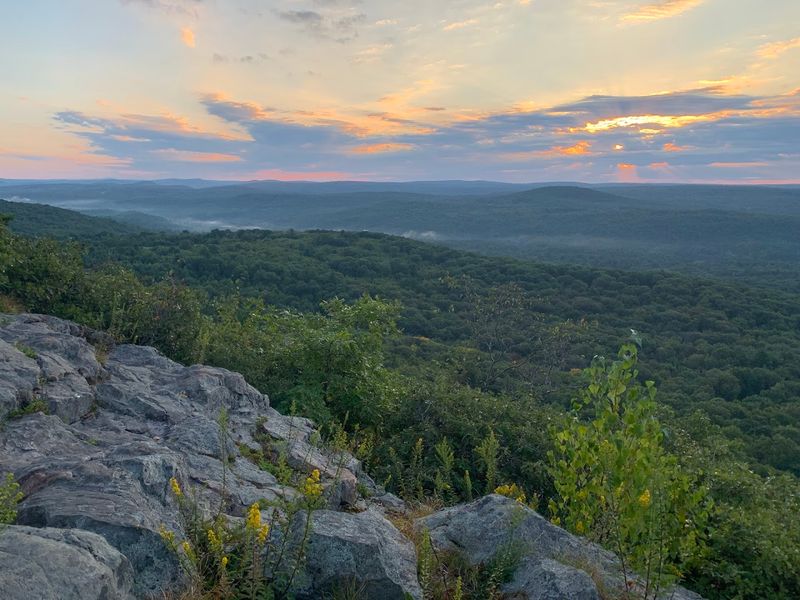
Not every rewarding summit requires a full-day expedition, and Peaked Mountain in Monson is proof of that. The trail is short but genuinely steep, and the rocky, open top delivers panoramic views that feel completely disproportionate to the effort involved.
It is the kind of payoff that makes you grin the whole way back down.
The summit is bare granite, which means unobstructed views in all directions over the forested hills and farmland of south-central Massachusetts.
On clear days, the landscape stretches out in a patchwork of greens and golds that reminds you just how rural and spacious this part of the state really is.
It is a far cry from the crowded coastal beaches and busy city parks that dominate most Massachusetts travel guides.
Peaked Mountain is a lesser-known spot, which keeps the trail relatively uncrowded even on weekends. The trailhead is located off Flynt Street in Monson, and the round trip takes most hikers about an hour and a half.
Sunrise hikes are especially popular among locals who know about it, when the light catches the rocky summit and the mist still clings to the valleys below. Find this one before everyone else does.