
Why This Secluded Texas State Park Feels Like A Secret Getaway Far From The Crowds
Texas has over ninety state parks, and most visitors cycle through the same handful every single season. This one has stayed off that rotation long enough to feel like something genuinely different.
The crowds that define more popular parks simply do not show up here, which changes the entire experience from the moment you arrive.
Trails feel personal, campsites offer real privacy, and the natural surroundings get to do their job without constant foot traffic interrupting the quiet.
Texas parks deliver dramatic landscapes and serious outdoor adventure, but solitude is harder to guarantee at the ones everyone already knows about.
This park offers that solitude consistently, across seasons, without requiring any insider knowledge to access.
You just have to be willing to drive a little further than most people bother to go.
Exploring Diverse Wildlife Habitats In Remote Parks
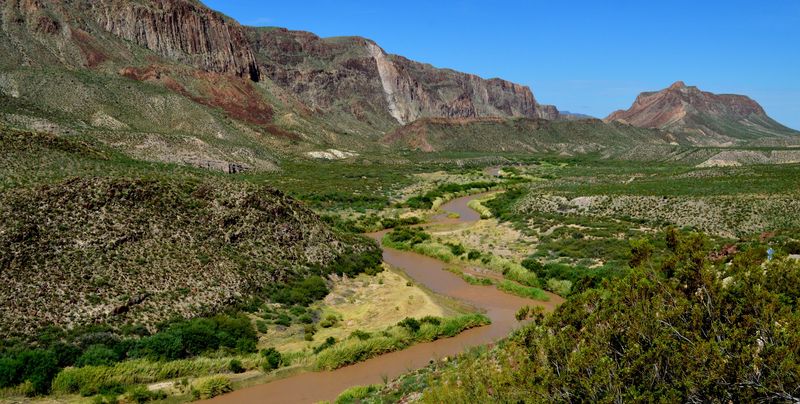
This park is home to one of the most varied wildlife habitats in all of Texas. The park covers over 300,000 acres of Chihuahuan Desert, mountain ranges, and Rio Grande floodplains.
That range of terrain means a huge variety of animals call this place home.
You might spot mule deer picking through desert brush in the early morning. Javelinas, those bristly pig-like animals, roam the rocky slopes without a care.
Coyotes, mountain lions, and even black bears have been documented within the park boundaries.
The Rio Grande corridor adds a whole other layer of habitat richness. Cottonwood groves and river cane along the banks attract species you would never expect to find in a desert.
Reptiles like the Texas horned lizard and western diamondback rattlesnake are common sightings, too.
What makes this park special is how undisturbed everything feels. Fewer than 50,000 people visit each year, which means wildlife encounters happen on the animals’ terms.
You are a guest in their world out here.
Bring binoculars and move slowly. The animals here are not used to crowds, so patience pays off big time.
Located at 21800 FM170, Terlingua, TX 79852, the park is open daily from 8 AM to 4:30 PM.
Enjoying Stargazing Opportunities Away From City Lights
Big Bend Ranch State Park has earned the official International Dark Sky Park designation. That is not a small deal.
It means the park meets strict standards for low light pollution and exceptional night sky quality.
Out here, the Milky Way does not just appear as a faint smear. It blazes across the sky like a river of light.
On clear nights, you can see thousands of individual stars with just your naked eye.
The park sits far from any major city. The nearest large town is hours away by car.
That distance from urban glow creates darkness that most Americans have simply never experienced in their lifetimes.
Rangers at the park occasionally lead stargazing programs. Omar the Ranger has been known to share stories about constellations and even help visitors capture the night sky with their phones.
Those programs fill up, so check the park website ahead of time.
The best stargazing happens between new moon phases when the sky is completely dark. Bring a blanket, lie flat on the ground, and just look up.
There is no app, no screen, and no notification that compares to that view.
Primitive campsites away from the highway offer the darkest skies. The further you get from FM 170, the better the experience.
A high-clearance vehicle gets you to those remote spots with ease.
Hiking Trails That Reveal Untouched Scenic Landscapes
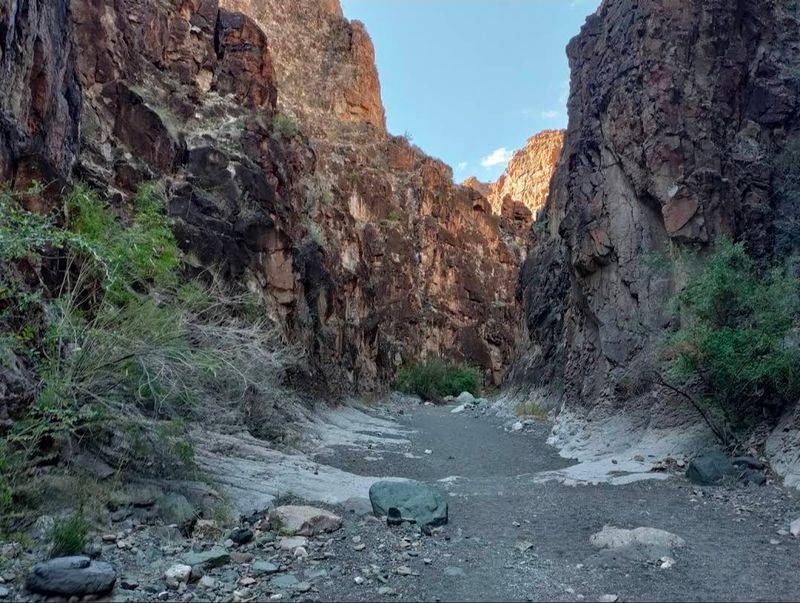
Closed Canyon Trail is one of the most talked-about hikes in the entire park. The trail leads you between towering canyon walls that rise so high they block out most of the sky.
It is dramatic in the best possible way.
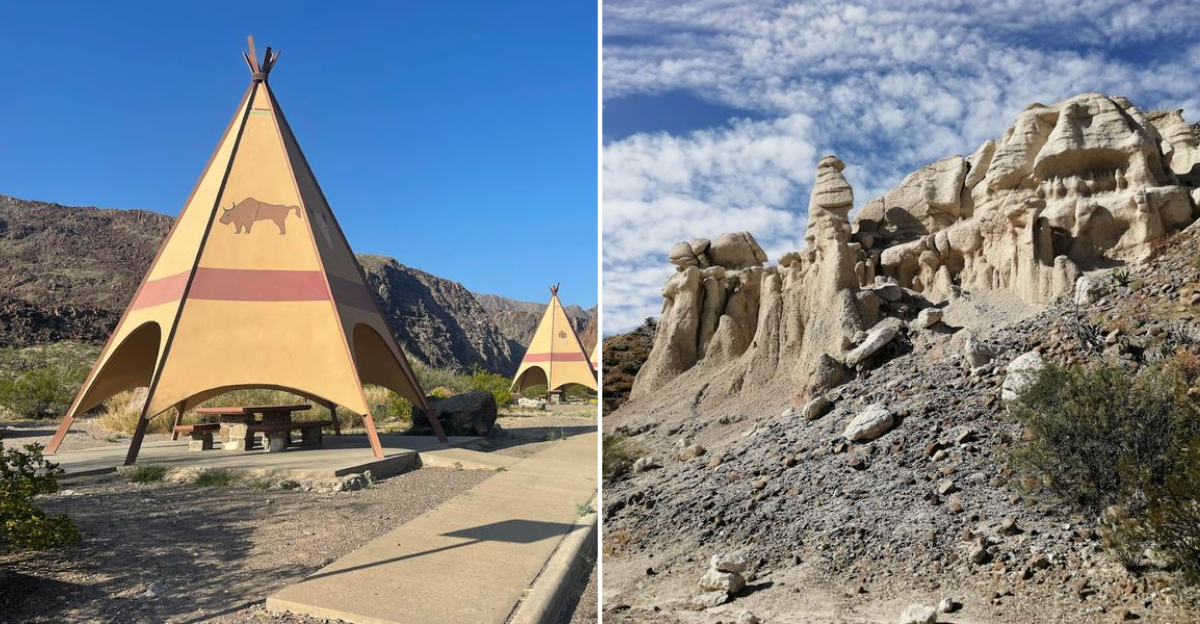
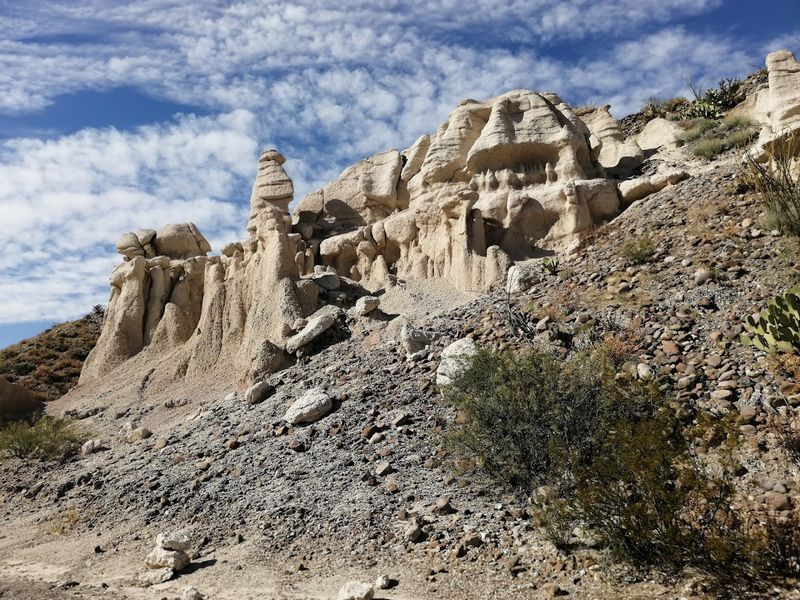
The Hoodoos area along River Road is another favorite. These unusual rock formations look like something from another planet.
The trail to reach them is manageable for most fitness levels, which makes it a solid choice for first-time visitors.
Deeper into the park, trails become less defined and far more challenging. Some routes require navigation skills and a solid map.
The terrain is deceptive and can box you in if you are not paying attention.
Always carry more water than you think you need. The desert heat in this part of Texas is no joke, and dehydration can happen fast.
Headlamps are also a smart addition to your pack, even for daytime hikes.
The reward for all that effort is scenery that most people will never see. You might hike for hours without passing another person.
That kind of solitude on a trail is genuinely rare in today’s world.
Spring and fall offer the most comfortable hiking temperatures. March through May brings cooler mornings and occasional wildflower blooms across the desert floor.
Plan your route using the detailed discovery map available on the park’s official website.
Camping In Peaceful Natural Environments
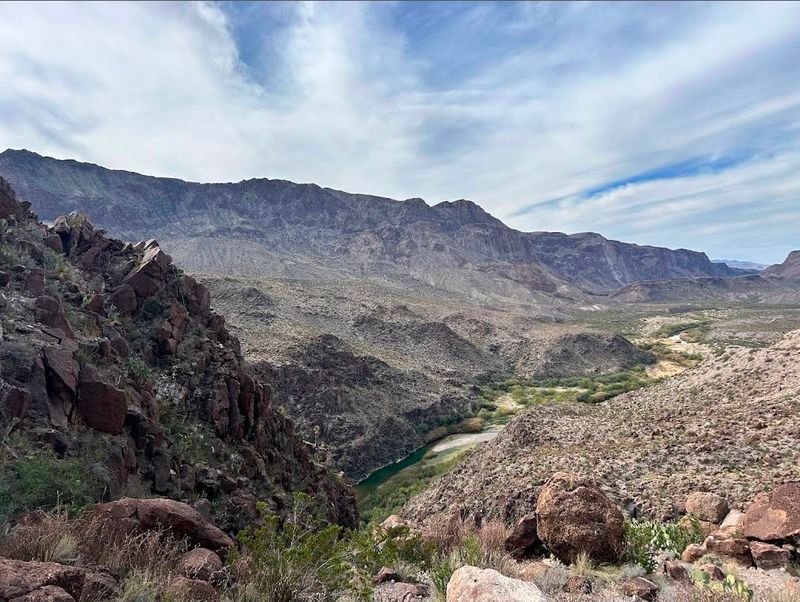
Camping at Big Bend Ranch State Park is as primitive as it gets. Most sites have no electrical hookups, no showers, and no running water.
That is exactly the point, and honestly, it is part of the charm.
Grassy Banks campground sits close to the Rio Grande and offers shaded sun shelters at some sites. It is a popular choice for those who want river access without venturing too far off the main road.
Dogs are welcome at many sites, too.
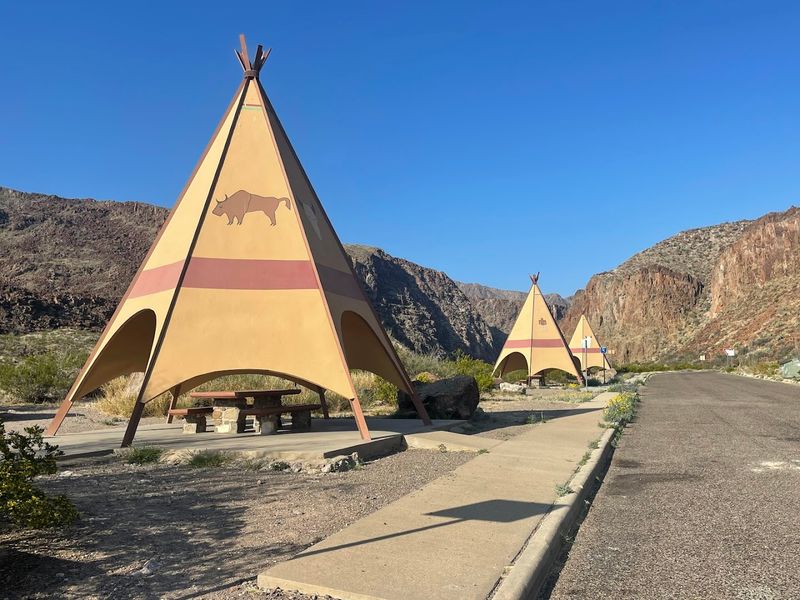
Upper Madera Campground sits higher in elevation and offers incredible canyon views. Sites there come with covered picnic tables and fire pits.
You will need to bring all your own water, which is non-negotiable at this park.
Primitive backcountry campsites are scattered throughout the interior. Reaching them requires a high-clearance or four-wheel-drive vehicle.
Some sites sit completely alone with views that stretch for miles in every direction.
Plan your campsite reservation well in advance, especially for weekend trips in fall and spring. Some interior sites are a full hour’s drive from the park entrance, even after you check in.
That distance is part of what makes the solitude feel so real.
Pack out everything you bring in. The park has very limited waste facilities, and keeping it clean is everyone’s responsibility.
A few extra trash bags take up almost no space but make a huge difference to the environment.
Photographing Unique Flora Found Only In Secluded Locations
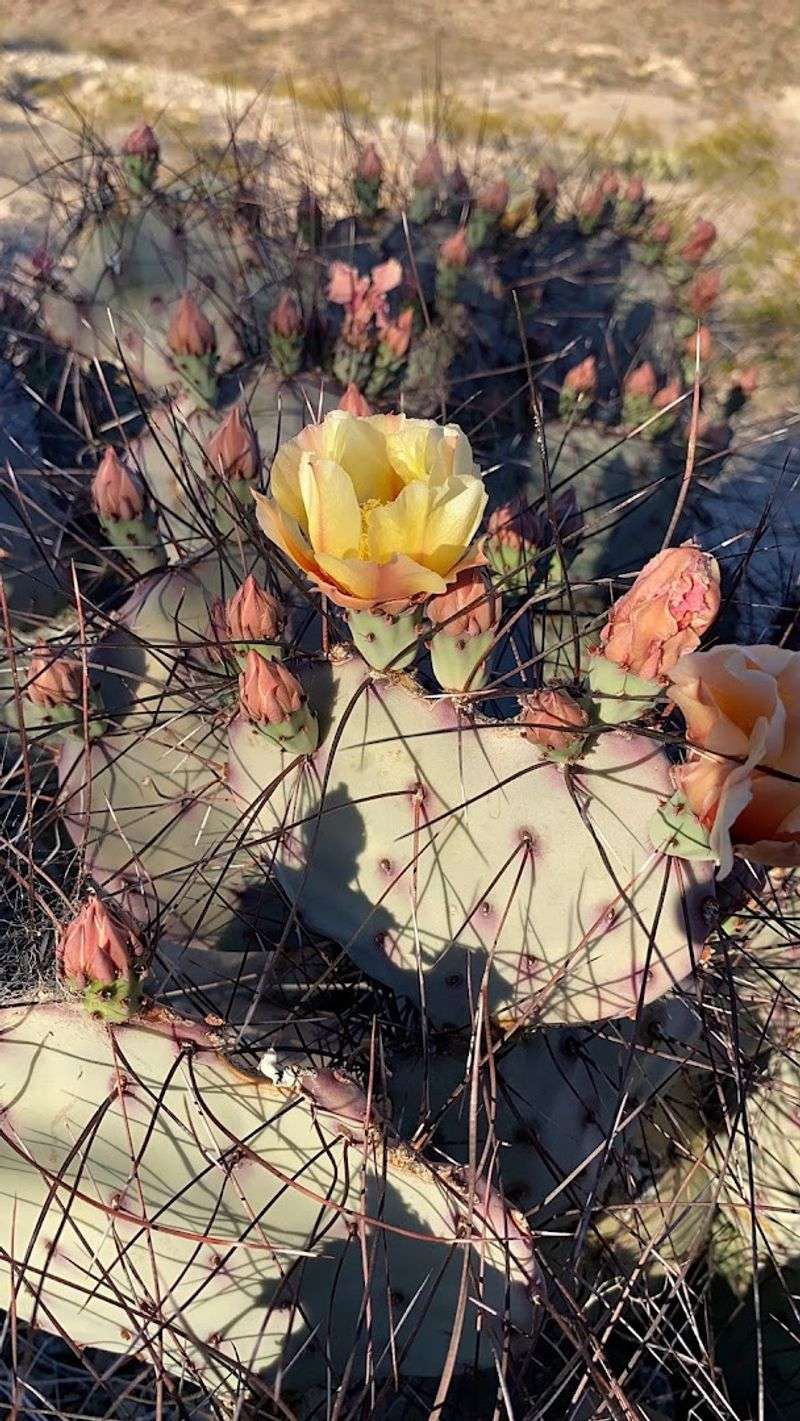
The plant life at Big Bend Ranch State Park is genuinely unlike anything most photographers have ever pointed a camera at. The Chihuahuan Desert supports hundreds of plant species adapted to extreme heat and limited rainfall.
Many of them look almost alien up close.
Lechuguilla is one of the defining plants of this desert. Its sharp, upward-pointing leaves form dramatic rosettes across rocky hillsides.
When it blooms, it sends up a towering stalk that can reach over ten feet tall.
Ocotillo plants are another favorite subject. After rain, they erupt with bright red flowers at the tips of their long cactus-like stems.
Catching them in bloom against a blue sky makes for a striking photo.
Candelilla, sotol, and various species of prickly pear cactus add texture and color throughout the landscape. Spring is the best time to catch wildflower blooms across the desert floor.
Even after dry winters, a surprising number of flowers manage to push through.
The lighting in far West Texas is exceptional for photography. Golden hour here stretches longer than in most places because the horizon is so wide and unobstructed.
Early morning light across the canyon walls is particularly dramatic.
Macro photography works especially well in this park. Getting close to individual plants reveals details that most visitors walk right past.
A wide-angle lens paired with a macro lens covers almost every photographic situation the park throws at you.
Fishing Spots Known For Tranquil Water Experiences
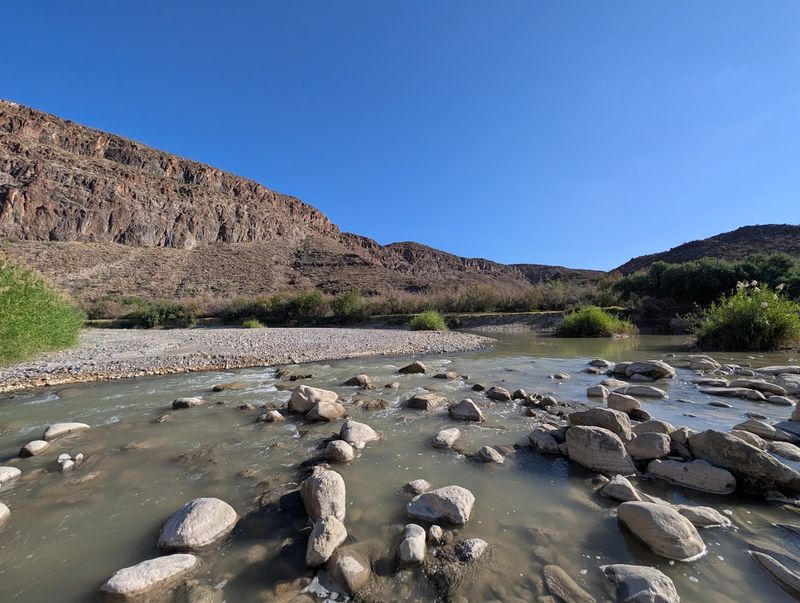
The Rio Grande runs along the southern boundary of Big Bend Ranch State Park for miles. That stretch of river is one of the most peaceful fishing spots in all of Texas.
Crowds are essentially nonexistent here.
Catfish are the most commonly caught species in this part of the Rio Grande. Anglers also report catching carp and various sunfish species depending on the season.
The fishing is not trophy-level, but the setting more than makes up for it.
Access to the river varies depending on where you enter the park. Some spots along FM 170 offer easy pull-off access to the water.
Other areas require a short hike down rocky slopes to reach the riverbank.
Early morning is the best time to fish here. The air is cool, the light is soft, and the river feels yours completely.
You might go hours without seeing another person, which is a rare and genuinely refreshing experience.
Texas fishing regulations apply within the park boundaries. Make sure your fishing license is current before you wet a line.
The Texas Parks and Wildlife Department website has all the current rules and season information.
Rafting tours also operate on the Rio Grande through sections of the park. The Dark Canyon stretch is a popular guided route.
Even if fishing is not your goal, spending time on the water here is calming in a way that is hard to put into words.
Bird Watching In Rare Undisturbed Ecosystems
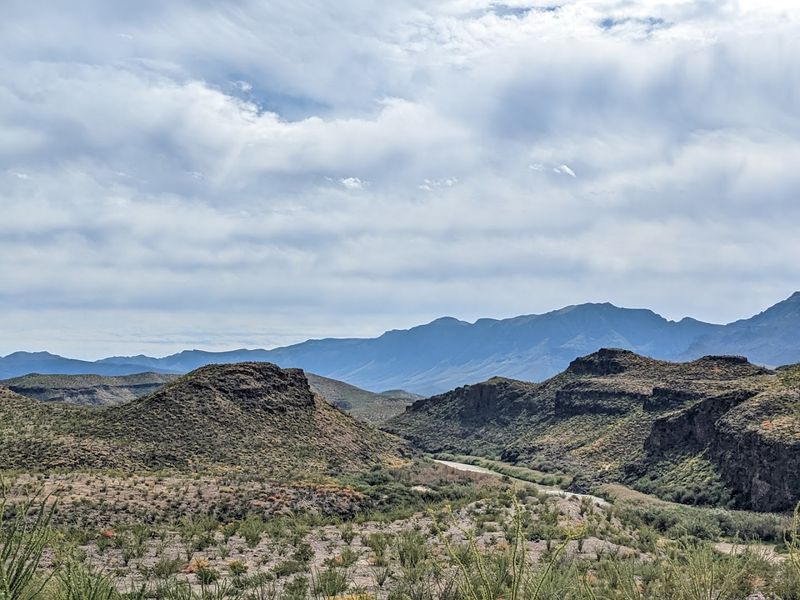
Bird watching at Big Bend Ranch State Park is a serious pursuit for serious birders. The park sits along a major migratory flyway and hosts an impressive variety of resident and seasonal species.
Over 200 bird species have been recorded within the park.
The Rio Grande corridor is the most productive area for bird watching. Cottonwood groves, tamarisk thickets, and open water attract species that would never survive in the desert interior.
Look for painted buntings, vermilion flycatchers, and various warbler species near the river.
Higher elevation areas within the park support a different mix of species. Zone-tailed hawks soar on thermals above the mesas.
Scaled quail pick through rocky arroyos in the early morning before the heat sets in.
Because the park sees so few visitors, bird behavior here is remarkably natural. Birds are not habituated to human presence the way they are in more popular parks.
That means they act normally, which makes observations more interesting and more accurate.
Spring migration brings the greatest diversity of species through the park. April and early May are peak months for catching rare and uncommon visitors passing through.
A good field guide specific to the Trans-Pecos region of Texas is worth bringing along.
Early morning walks along any of the river access trails yield the most sightings. Bring a quality pair of binoculars and move quietly.
The birds here reward patience with sightings that most birders only dream about.
Appreciating The Cultural History Of Texas Wilderness
Big Bend Ranch State Park carries centuries of human history within its boundaries. Indigenous peoples lived and traveled through this desert long before Spanish explorers arrived.
Evidence of their presence remains visible in rock art scattered across the landscape.
The Spanish called this region El Despoblado, meaning the uninhabited land. That name stuck because the terrain was so harsh that even colonial settlers struggled to maintain a foothold here.
The desert has always had the final say.
Fort Leaton State Historic Site sits nearby along FM 170. This massive adobe trading post was built in the 1840s and served as a private fort along the Chihuahuan trade route.
Walking through its thick-walled rooms gives you a real sense of frontier life in this brutal landscape.
Old ranch roads throughout the park tell their own story. The Los Burros Road leads to an adobe structure that dates back to early ranching operations in the region.
These remnants of past human activity are surprisingly moving when you find them alone in the desert.
The park’s location along the U.S.-Mexico border adds another layer of cultural depth. The Rio Grande has served as a boundary, a lifeline, and a meeting point for communities on both sides for generations.
That history is present in every canyon and crossing along the river.
Ranger-led history programs at the visitor center bring these stories to life. Check the park schedule at tpwd.texas.gov/state-parks/big-bend-ranch for upcoming programs and guided tours.