
This Humble Texas Diner Has Gumbo That Keeps Customers Coming Back Again And Again
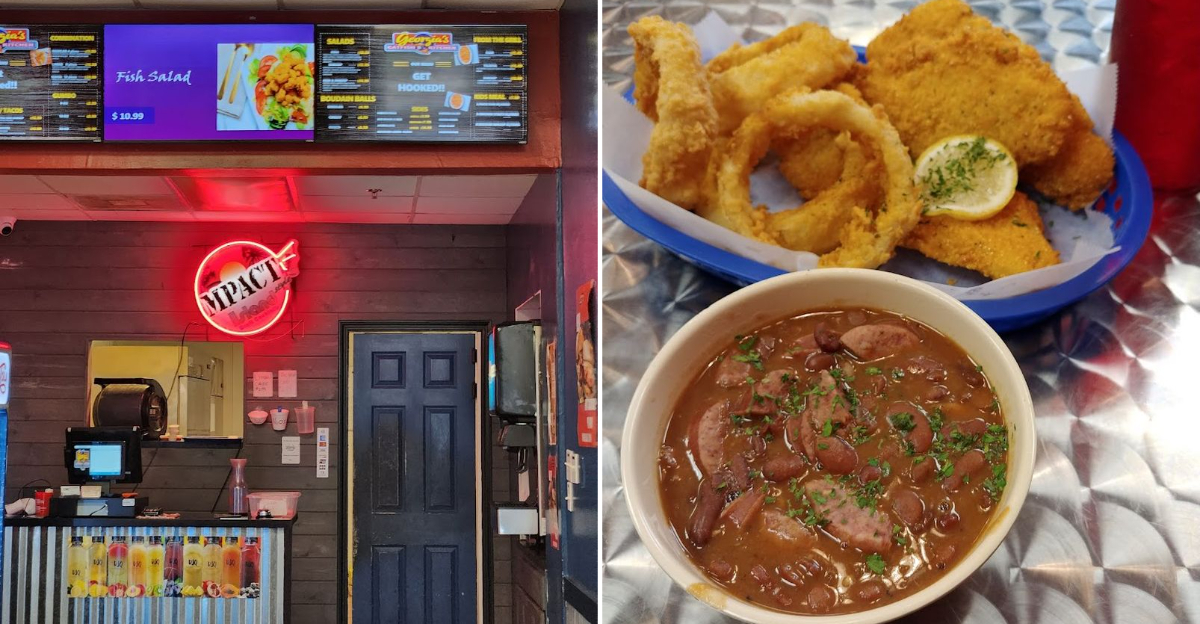
Great gumbo is not something you stumble into casually. When you find it, you remember exactly where it came from.
This humble diner in Texas has been that place for a loyal crowd that shows no sign of shrinking. The bowl arrives thick, deeply seasoned, and built on a roux that takes patience most kitchens are no longer willing to give it.
Nothing about the setting demands attention. Vinyl seats, simple tables, and a lunch counter that has seen better decades.
The gumbo does all the talking, and it has been making the same convincing argument since the day this place first opened its doors.
This state carries strong culinary influences from neighboring Louisiana, and this diner channels that tradition with more authenticity than most manage.
Customers come out of curiosity and keep coming back because nothing else quite fills the same spot.
Ingredients That Define Authentic Gumbo
Gumbo starts with one non-negotiable foundation: the roux. A roux is flour cooked slowly in fat until it turns deep brown.
That color brings a nutty, rich flavor that nothing else can replace.
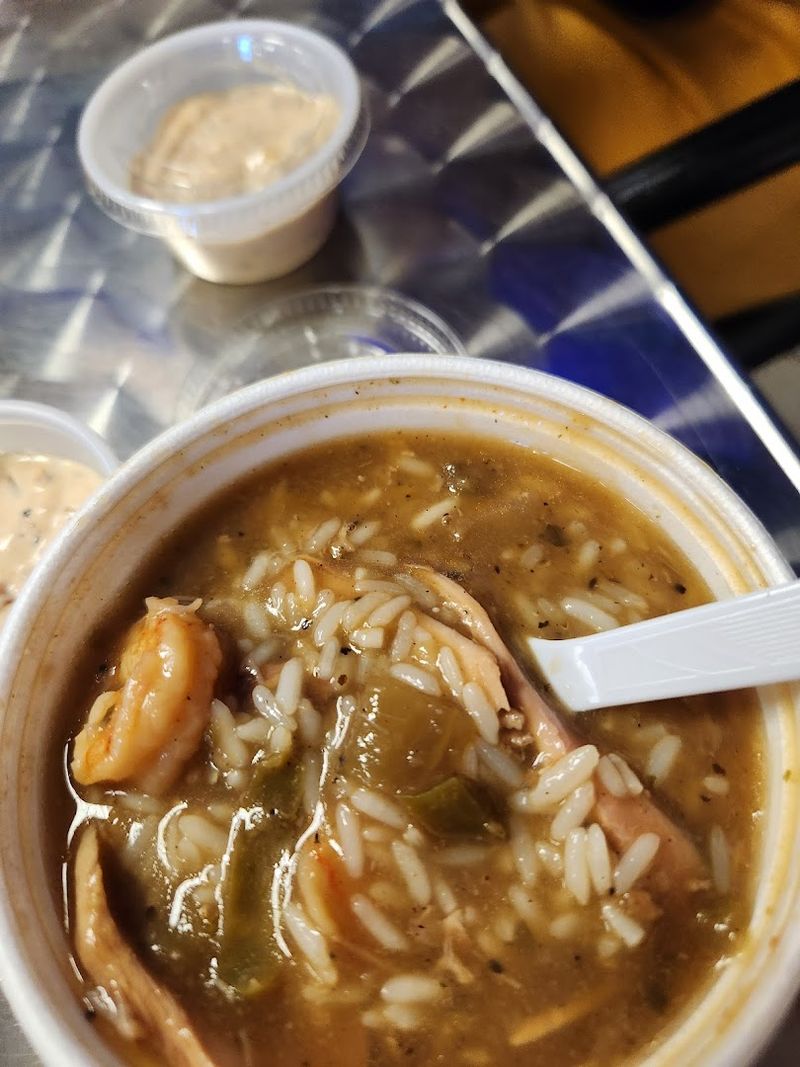
At Georgia’s Catfish Kitchen, the “Gumbo-ala-Nola” carries that Louisiana soul in every spoonful. It contains chicken, sausage, and shrimp all cooked together.
Those three proteins create layers of flavor that build with every bite.
Okra is another classic gumbo ingredient worth knowing. It thickens the broth naturally while adding a subtle earthiness.
Filé powder, made from dried sassafras leaves, is also a traditional thickener used in authentic recipes.
The holy trinity of Cajun cooking shows up here, too. That means onions, celery, and bell pepper.
These three vegetables form the flavor base of almost every authentic gumbo you will ever eat.
Spices like cayenne, thyme, and bay leaves round everything out. They add warmth without turning the dish into a fire challenge.
Georgia’s version has a little kick that most people handle just fine.
You can find Georgia’s Catfish Kitchen at 9441 FM 1960 #160, Humble, TX 77338. The gumbo comes in 8 oz, 16 oz, and 32 oz family sizes.
There is genuinely a size for every kind of hunger.
Cooking Techniques For Perfect Gumbo
Making great gumbo is mostly about patience. The roux alone can take 30 to 45 minutes of constant stirring over medium heat.
Rush it, and you burn it. Burn it, and you start over.
Georgia’s Catfish Kitchen understands this process deeply. Their “Gumbo-ala-Nola” reflects the kind of slow cooking that shortcuts simply cannot replicate.
The result is a broth that tastes like it has been working all day, because it has.
Once the roux reaches that perfect dark chocolate color, the holy trinity goes in next. Onions, celery, and bell pepper hit the hot roux and sizzle loudly.
That sound is basically the gumbo announcing itself.
Proteins are added in stages based on cook time. Chicken and sausage go in early.
Shrimp, which cooks fast, gets added near the end so it stays tender and does not turn rubbery.
Simmering low and slow after all ingredients are combined is the final key step. This is where the flavors stop being separate things and become one unified dish.
The longer it simmers, the more everything melds.
Serving gumbo over white rice is the classic move. The rice soaks up the broth and balances the bold seasoning.
Georgia’s serves it with crackers too, which is a nod to old-school Louisiana tradition that longtime gumbo fans will immediately recognize.
The History Of Gumbo In Texan Cuisine
Gumbo has roots that stretch back centuries. It blends West African, French, Spanish, and Native American cooking traditions into one pot.
That cultural mix is exactly what makes it so layered and fascinating.
The dish traveled west from Louisiana into Texas through migration and trade. East Texas especially absorbed Cajun and Creole influences early on.
Cities like Houston and Humble became natural landing spots for those bold Southern flavors.
Texas adapted gumbo without abandoning its soul. Local ingredients and preferences shaped regional versions over time.
Some cooks leaned toward seafood-heavy versions near the Gulf Coast. Others kept it meat-forward with chicken and smoked sausage.
Georgia’s Catfish Kitchen represents that Louisiana-to-Texas culinary pipeline perfectly. Their recipe stays true to New Orleans tradition while serving a Humble, TX crowd that clearly appreciates authenticity.
The name “Gumbo-ala-Nola” is a direct nod to New Orleans itself.
The word “gumbo” likely comes from the Bantu word “ki ngombo,” meaning okra. Okra was brought to America by enslaved Africans and became a defining ingredient in early gumbo recipes.
That history lives in every pot made the right way.
Today, gumbo is considered a cultural landmark of Southern cooking. It shows up at family gatherings, church events, and neighborhood spots alike.
Places like Georgia’s Catfish Kitchen keep that tradition alive and accessible for everyone.
Unique Flavor Profiles Around Gumbo Variations

Not all gumbo tastes the same, and that is actually a good thing. Regional variations across Louisiana and Texas produce wildly different flavor experiences.
Each version tells a story about where it came from and who made it.
Cajun gumbo tends to be darker, richer, and more rustic. It often skips tomatoes entirely and leans on a deeply cooked roux.
Creole gumbo, by contrast, sometimes includes tomatoes and has a slightly brighter flavor profile.
Georgia’s “Gumbo-ala-Nola” sits in the Louisiana Creole lane. Chicken, sausage, and shrimp create a savory, smoky, and slightly briny combination.
Each protein adds something different to the overall flavor equation.
The sausage brings smokiness and a little heat. Shrimp adds a natural sweetness from the sea.
Chicken provides body and absorbs the surrounding spices beautifully throughout the long cooking process.
Some gumbo variations use crab, oysters, or even duck. Coastal Texas versions sometimes go heavy on Gulf shrimp and blue crab.
These seafood-forward versions have a lighter, more oceanic quality compared to meat-based ones.
The spice level in gumbo can range from mild warmth to serious heat. Georgia’s version has what fans describe as a pleasant little kick.
It is bold enough to feel authentic but approachable enough for people who do not normally handle spicy food well.
Seasonal Produce Used In Gumbo Recipes
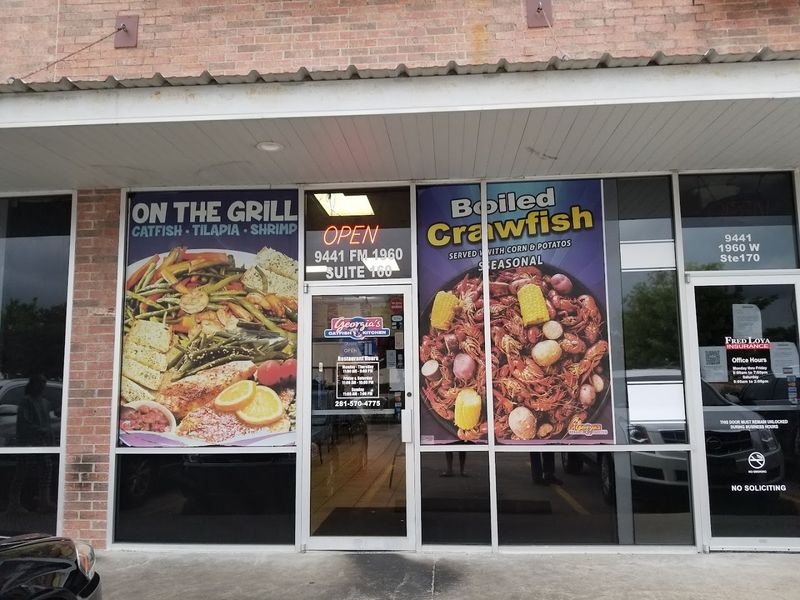
Gumbo is one of those dishes that changes slightly with the seasons. The produce available at different times of year can shift the flavor and texture in noticeable ways.
That flexibility is part of what has kept gumbo relevant for so long.
Okra is the most iconic seasonal vegetable in gumbo. It peaks in summer across the South and Gulf Coast region.
Fresh okra thickens the gumbo naturally and adds a mild, green flavor that dried or frozen versions just cannot match.
Bell peppers come in all colors depending on the season. Green peppers are sharper and more bitter.
Red and yellow peppers are sweeter and add a subtle brightness to the base of the dish when cooked down slowly.
Tomatoes sometimes appear in Creole-style gumbo during peak summer months. Fresh Gulf Coast tomatoes are particularly sweet and acidic.
They balance the richness of a dark roux in ways that canned tomatoes rarely achieve.
Fresh herbs like thyme and flat-leaf parsley also shift in quality by season. Spring thyme has a more delicate flavor.
Summer parsley is more robust and adds a clean, fresh finish when scattered over a hot bowl of gumbo right before serving.
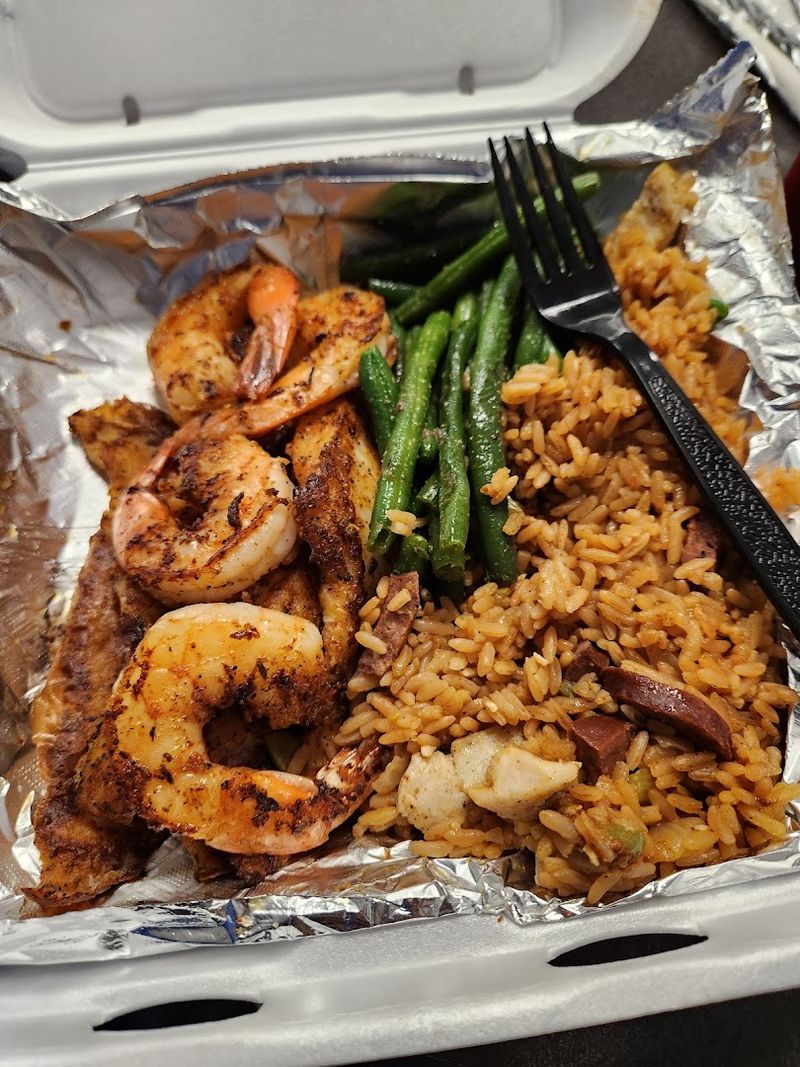
Georgia’s Catfish Kitchen focuses on fresh, quality ingredients throughout its menu. Their green beans are noted for being genuinely fresh.
That same attention to produce quality likely carries over into their celebrated gumbo preparation as well.
Customer Favorites Beyond The Gumbo Bowl
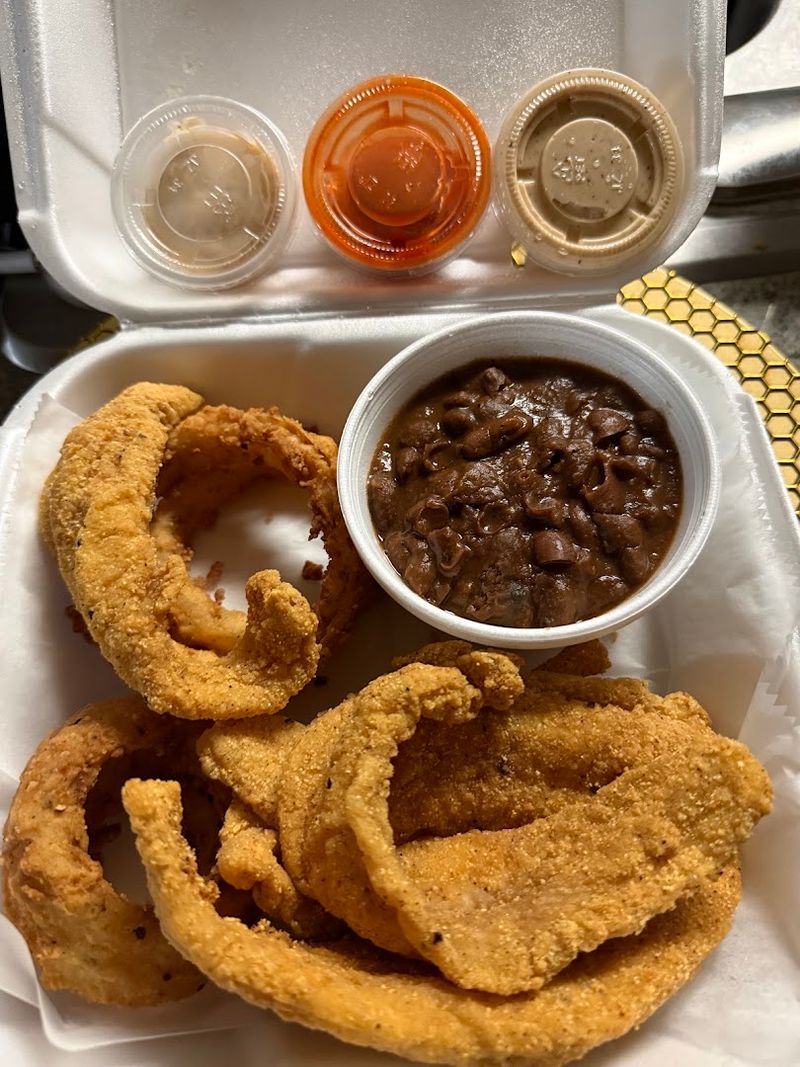
The gumbo gets all the headlines, but Georgia’s Catfish Kitchen has plenty more going on. The menu is packed with Southern and Cajun options that hold their own against any competition in the Houston area.
Fried catfish is the name in the restaurant’s title for a reason. It comes out hot, crispy, and seasoned just right.
The crust has real crunch without being greasy, which is harder to pull off than most people realize.
Boudin balls are a serious crowd-pleaser here. Customers who try them often say they steal the whole meal.
The cheesy version especially gets people talking and ordering doubles without much hesitation.
Onion rings at Georgia’s have developed their own fan base. They come out huge, crunchy, and full of flavor.
More than one person has called them the best onion rings they have ever had, which is a bold claim that seems to hold up.
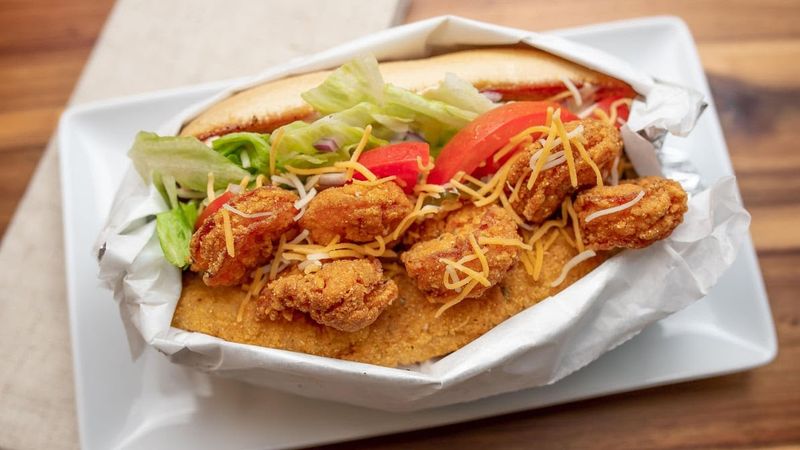
The hot sausage po’boy uses authentic New Orleans-style hot sausage. That detail matters to people who grew up eating the real thing.
The house sauce on top ties everything together in a way that makes the sandwich memorable.
Banana pudding rounds out the meal on a sweet note. It has earned genuine praise from people who do not normally get excited about dessert.
Jambalaya, red beans and rice, and seasoned green beans also rank high among the sides people keep reordering.
Tips For Serving And Enjoying Gumbo
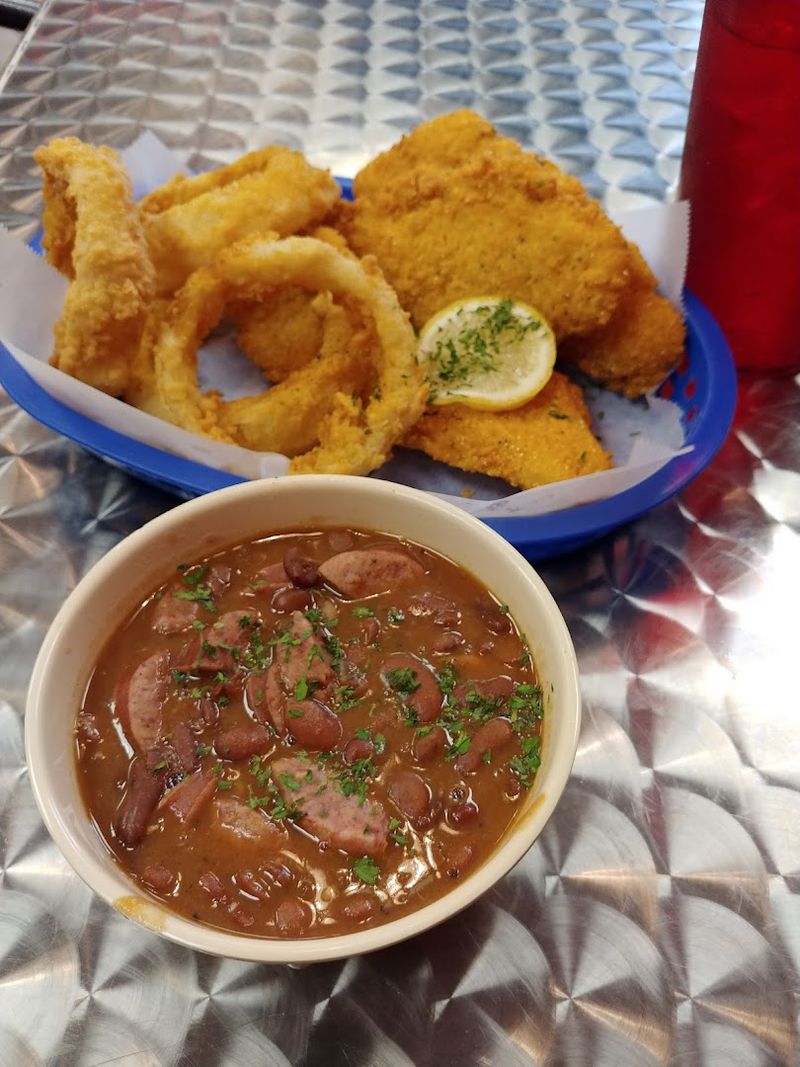
Gumbo deserves to be served hot. Not warm, not room temperature, but genuinely steaming hot.
The heat activates the aromas and makes every spoonful smell as good as it tastes.
White rice is the traditional base for gumbo, and there is a reason that tradition stuck around. The rice absorbs the broth and creates a balance between the thick, spiced liquid and something mild and filling.
Georgia’s serves their gumbo with rice and crackers, which is the classic Louisiana presentation.
The crackers are not just decoration. Crumbling a few into the bowl adds a subtle crunch that contrasts nicely with the soft rice and tender proteins.
It is a small detail that makes a real difference in the overall eating experience.
Sizing matters when ordering gumbo. Georgia’s offers 8 oz, 16 oz, and 32 oz options.
The 8 oz cup is a great starting point for first-timers. The 32-oz family size is ideal for groups or for anyone who already knows they are going to want more before finishing the first bowl.
Let the gumbo rest for a minute before eating. The broth stays extremely hot for longer than expected.
Rushing it means burning your mouth before you even get to appreciate the flavor, which would be a genuine shame.
Pair gumbo with a side of red beans and rice or seasoned green beans for a full Southern meal. That combination covers all the flavor and texture bases without overcomplicating things.
Health Benefits Of Ingredients In Gumbo
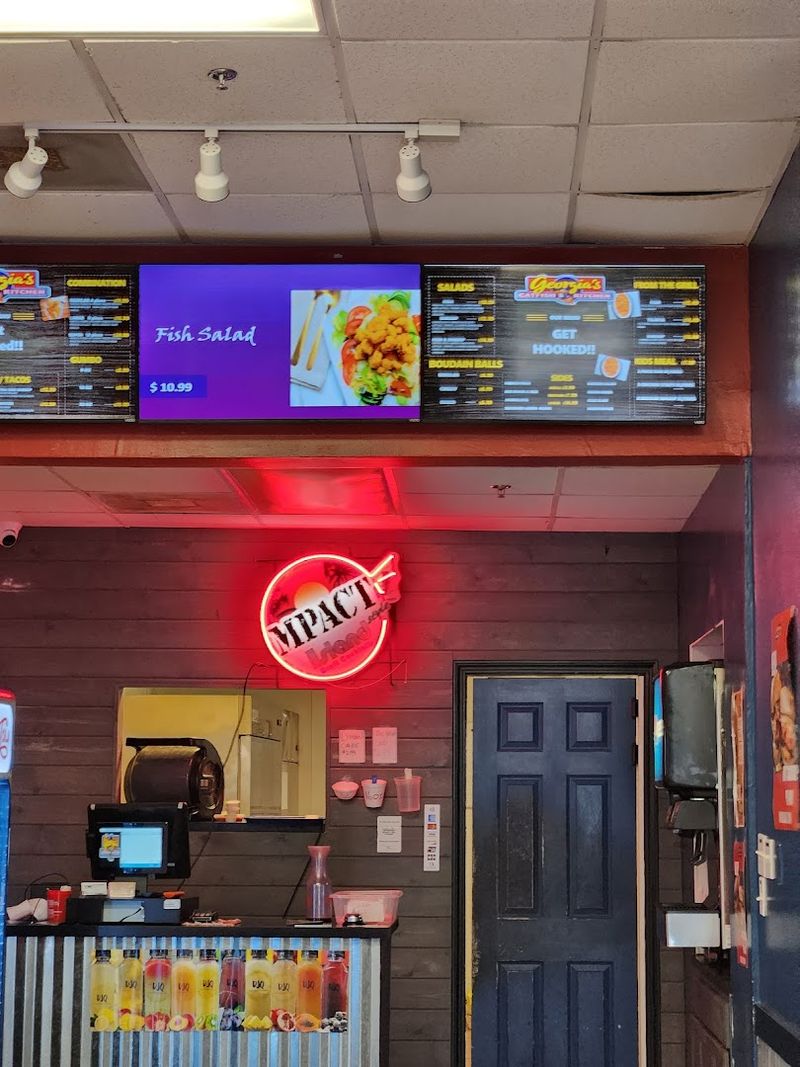
Gumbo is not just delicious. When made with quality ingredients, it actually carries some solid nutritional value.
The combination of proteins, vegetables, and spices creates a dish that does more than just taste good.
Shrimp is one of the leanest proteins available. It is high in protein and low in calories, which makes it a smart choice for people watching their intake.
Shrimp also contains selenium, iodine, and B vitamins that support overall body function.
Chicken adds more protein to the bowl along with essential amino acids. When cooked in broth rather than fried, chicken retains its nutritional value well.
The long simmer in gumbo keeps it tender while preserving those benefits.
Okra is genuinely impressive from a nutrition standpoint. It is high in fiber, vitamin C, and vitamin K.
The soluble fiber in okra also supports digestive health, which is a bonus most people do not think about when they are just trying to enjoy a good meal.
The holy trinity vegetables, meaning onions, celery, and bell pepper, all contribute antioxidants and vitamins to the dish. Garlic, often used in gumbo bases, has long been associated with immune support.
These vegetables do real work in the background of every bowl.
Cayenne pepper and other spices used in gumbo contain capsaicin. Capsaicin has been studied for its potential to support metabolism and circulation.
Georgia’s gumbo has just enough spice to get those benefits without overwhelming anyone at the table.