
This Storybook Castle In Massachusetts Is Too Beautiful To Keep Secret
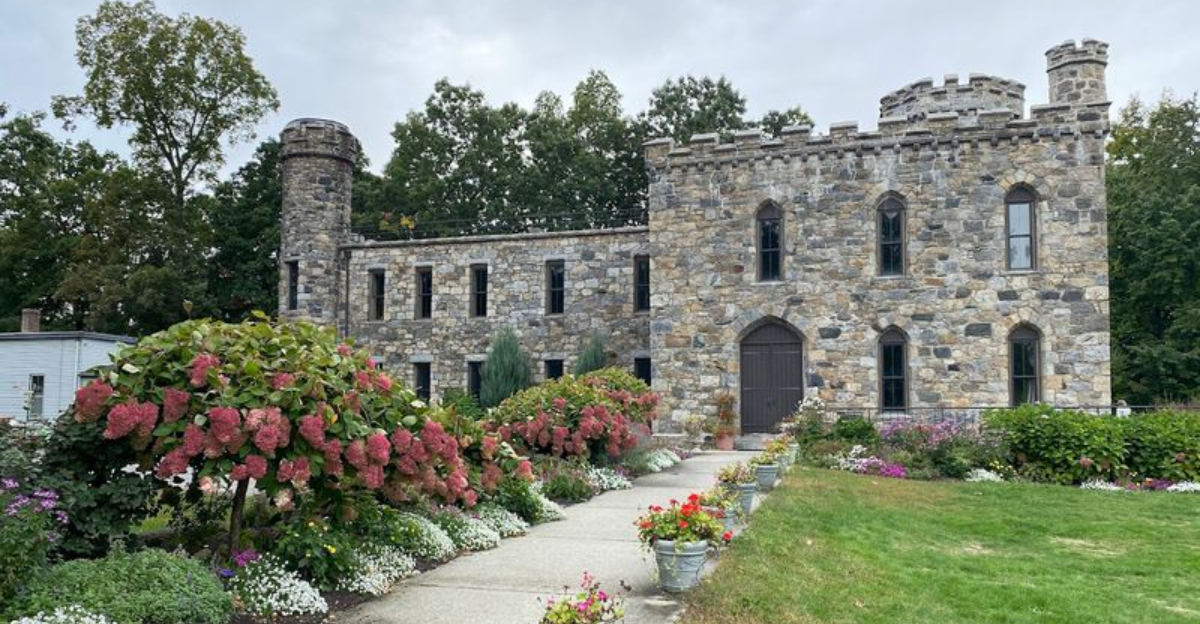
Some castles feel like they belong in old books, not beside everyday roads and wooded trails. Massachusetts has one of those places, with stone walls, romantic towers, and a setting that makes an ordinary afternoon feel oddly cinematic.
How does a place this beautiful stay so easy to miss?
The charm starts before you even reach the entrance. Trees frame the view, the grounds invite slow wandering, and the building itself looks ready for a fairy-tale scene.
It is historic, photogenic, and surprisingly peaceful without feeling too polished.
You do not need a plane ticket to Europe to find castle magic.
This Massachusetts landmark offers just enough drama, history, and quiet beauty to make you wonder why more people are not talking about it.
The Remarkable Origins Of A Chemist Who Built His Dream In Stone
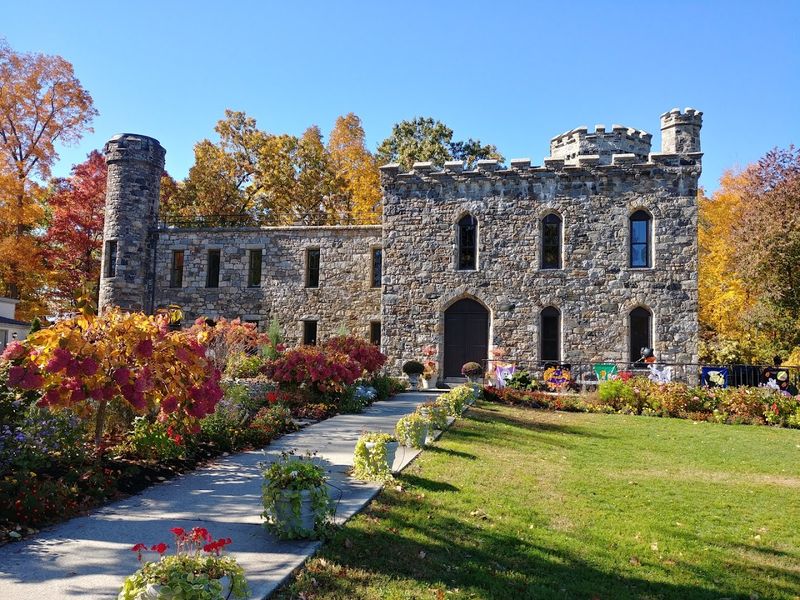
Not every castle begins with a king. This one owes its existence to a chemist named Dr. James R.
Nichols, a man whose curiosity extended well beyond the laboratory.
After traveling through England in 1872, he returned home with a clear vision: he wanted to build something permanent, something that would prove glacial boulders and local stone could serve as serious construction material.
Between 1873 and 1875, that vision became reality. Workers hauled stone from the surrounding grounds, and slowly a Gothic-style structure rose above Lake Kenoza.
The walls grew thick, reaching up to four feet in places, giving the building a solidity that has outlasted generations.
Architect C. Willis Damon of Haverhill designed the structure as an identical replica of Moulton Castle in Newburyport.
Nichols intended it as his summer home, a private retreat perched roughly 250 feet above the lake. The name he chose for the property came from an Algonquin word meaning “very beautiful,” a description that still holds up without any argument today.
Gothic Architecture That Refuses To Blend Into The Background
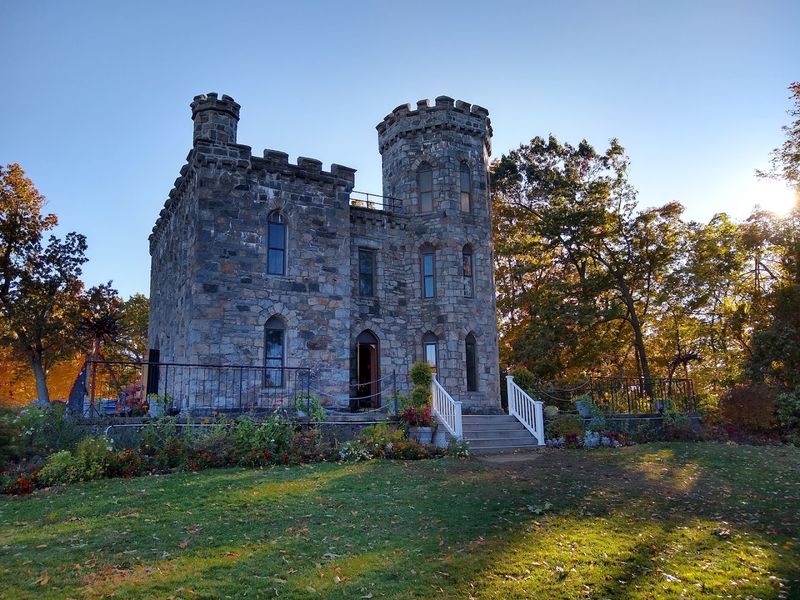
Standing in front of this building, the first thing a visitor notices is that it does not apologize for its presence. The Gothic exterior commands attention with its rough-hewn stone walls, pointed architectural details, and four towers that frame the structure at each corner.
There is nothing delicate about the construction, yet the overall effect carries a quiet elegance that feels earned rather than imposed.
The walls, built from glacial boulders gathered directly from the grounds, give the facade a textured, almost organic quality. Each stone sits differently from the next, creating a surface that changes character depending on the light and season.
Morning sun brings out warm amber tones, while overcast days shift the palette toward a cooler, more austere gray.
Four towers with roof access once allowed visitors to survey a landscape that reportedly encompassed 17 towns, three counties, and three states on a clear day.
Mount Monadnock in New Hampshire and Mount Agamenticus in Maine were both visible from the upper levels.
That kind of panoramic reach, built into a private summer home, says a great deal about the ambitions of the man who commissioned it.
A Victorian Interior That Once Rivaled The Finest Homes In New England
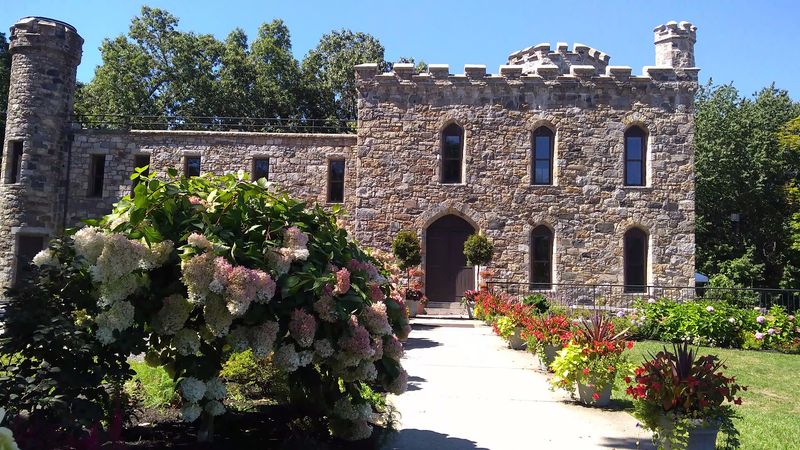
Before a fire changed everything, the interior of Winnekenni Castle was genuinely extraordinary. Dr. Nichols filled the rooms with a layered mix of historical styles that reflected both his education and his travels.
A Gothic door served as the entry point into a world that shifted in character from room to room, each space drawing from a different cultural tradition.
The Grecian Drawing Room offered a refined, classical atmosphere, while the Pompeian-style dining room brought Mediterranean warmth to a Massachusetts hillside.
Perhaps most impressive was the library, finished in Roman tile and black walnut, a combination that suggested both scholarship and luxury in equal measure.
Nine bedrooms and four towers with roof access completed the layout of what was clearly a home built to impress.
A fire in the late 1960s destroyed the elaborate Victorian interior, leaving behind the stone shell that visitors see today. The loss was significant, but the Winnekenni Foundation, Inc., established in 1968, stepped in to manage renovation and ongoing maintenance.
What remains is a striking exterior with a history rich enough to fill every empty room with imagination, even now.
How A Private Retreat Became Haverhill’s First Public Park
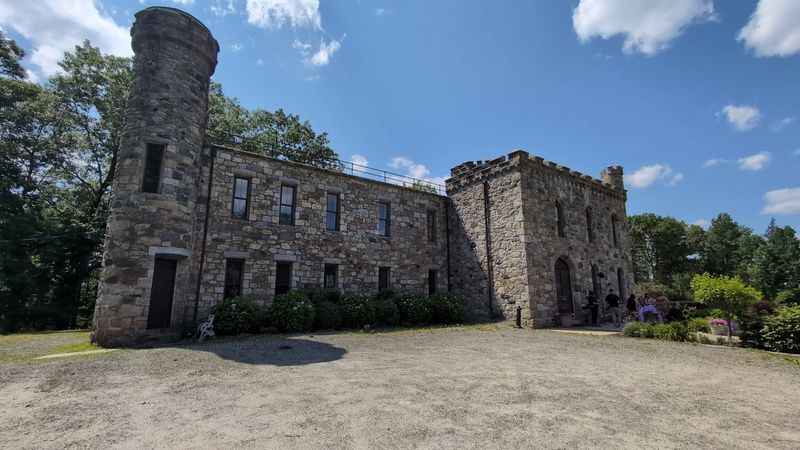
In 1895, the City of Haverhill purchased the property, and Winnekenni Castle shifted from private summer retreat to public landmark.
It became the area’s first public park, a transition that opened the grounds to ordinary residents who had previously only admired the structure from a distance.
That change in ownership set the tone for everything the site would become over the following century.
The surrounding land gradually expanded into what is now the Winnekenni Park Conservation Area, a stretch of protected open space covering somewhere between 200 and 700 acres.
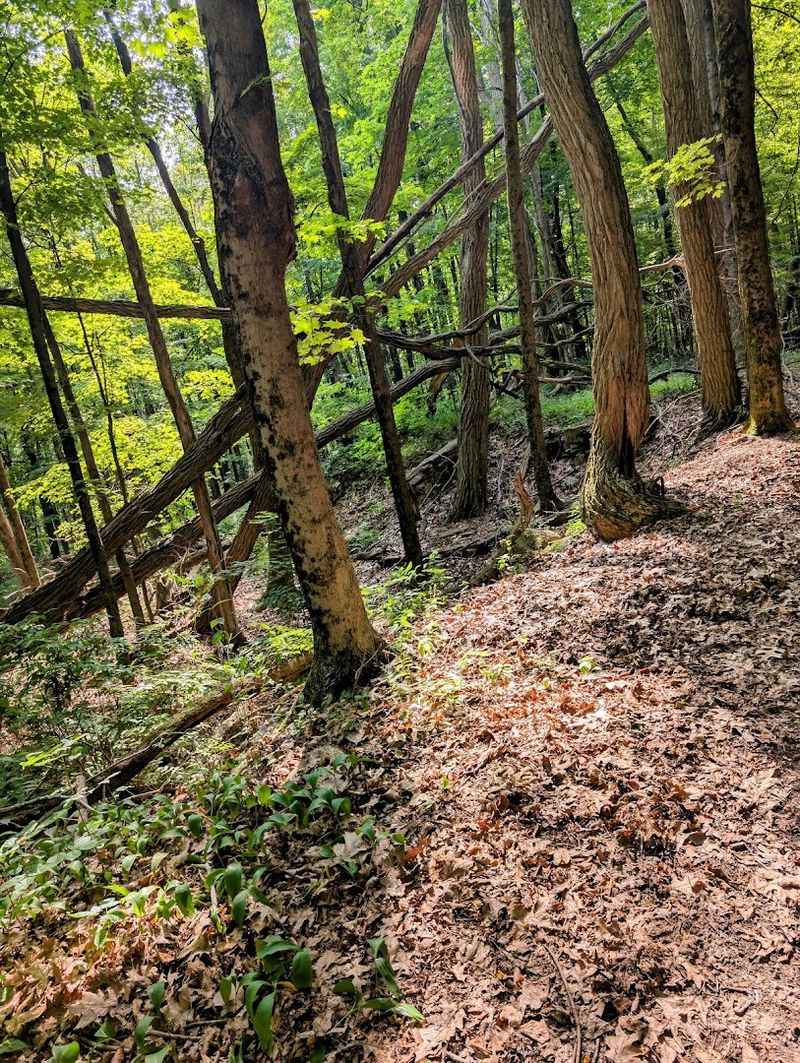
Nine miles of hiking trails wind through the property, connecting the castle grounds to Lake Kenoza and the broader natural landscape.
The public has responded warmly. Visitors arrive for picnics on the lawn, trail runs through the woods, mountain biking sessions, and quiet afternoon walks with leashed dogs.
The space accommodates all of these activities without feeling crowded or overused. Ample free parking and well-maintained restroom facilities make the logistics comfortable.
For a historic site of this character, the accessibility is genuinely refreshing and worth noting for anyone planning a first visit.
Nine Miles Of Trails That Reward Every Level Of Hiker
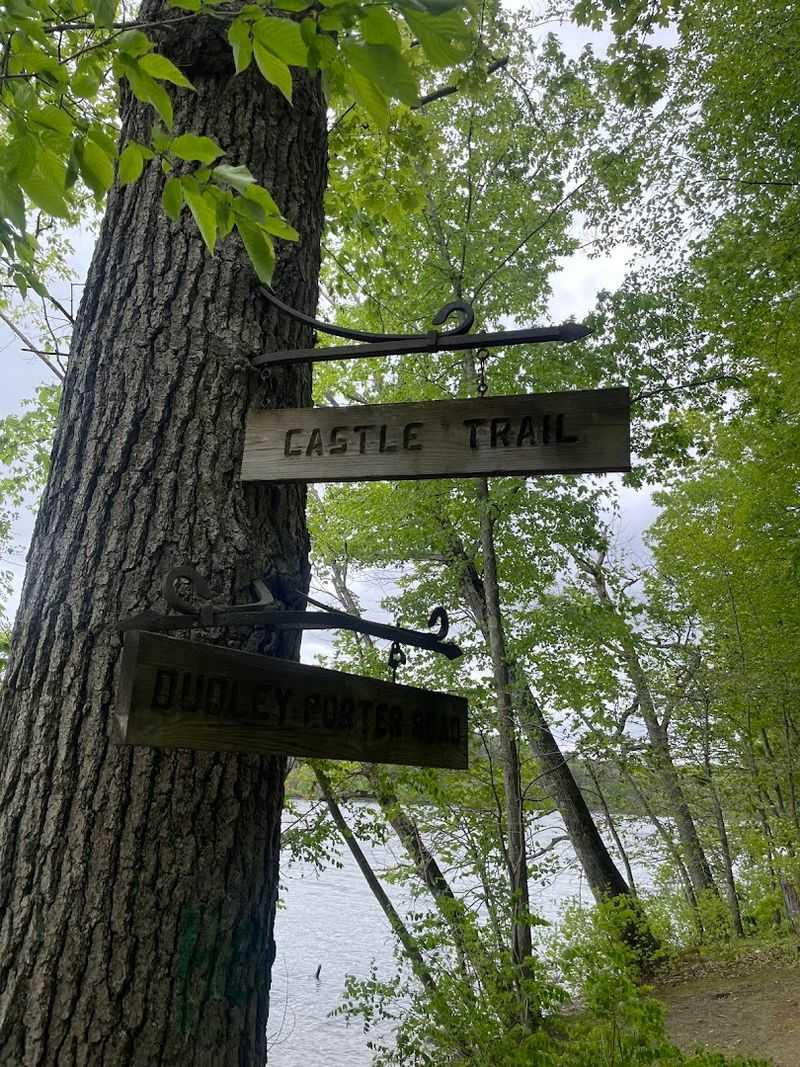
The trail network at Winnekenni is one of those quiet rewards that a visitor discovers only after stepping away from the castle itself.
Nine miles of paths cover a range of terrain, from paved flat stretches suitable for strollers and casual walkers to packed dirt routes that wind through dense woodland.
The variety keeps the experience interesting across multiple visits.
Hikers who prefer a gradual ascent can take the walking trail up the hill to the castle, a journey that takes roughly ten minutes at a comfortable pace. Those arriving by car can drive directly to the upper parking area and begin exploring from the castle grounds.
Both options have their appeal, though the trail approach adds a sense of arrival that the drive cannot quite replicate.
Mountain bikers also use the network regularly, and the trails are noted for being well-maintained throughout the active season.
Informational plaques are placed along various routes, offering facts about the property, native plant species, and trees like the Cucumber Magnolia and Japanese Maple found on the grounds.
Bringing insect repellent during warmer months is practical advice that frequent visitors have learned from experience.
The Spectacular Views Over Lake Kenoza That Make The Climb Worth It
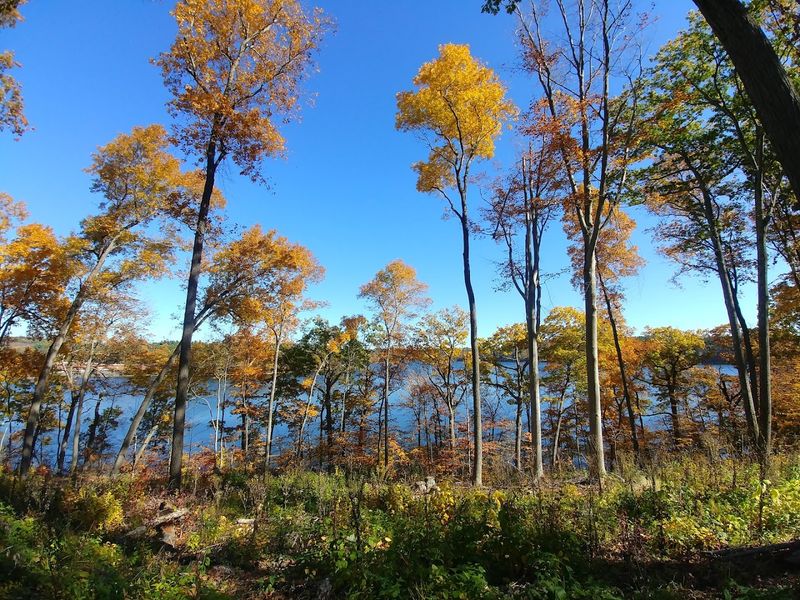
Arriving at the castle after the uphill walk, a visitor turns around and understands immediately why Dr. Nichols chose this particular spot.
Lake Kenoza spreads out below in full view, its surface catching the sky and the surrounding treeline in a reflection that shifts with every change in weather.
The elevation, roughly 250 feet above the lake, is enough to open up the landscape without requiring any real athletic effort to reach.
In the original years of the castle, the uppermost towers reportedly offered sightlines reaching 17 towns, three counties, and three states.
Mount Monadnock in New Hampshire and Mount Agamenticus in Maine were both identifiable on clear days, along with a distant glimpse of the Atlantic Ocean.
That kind of reach from a private hilltop in Massachusetts carries a certain quiet drama.
Visitors today still find the lake view compelling enough to prompt photography sessions at golden hour, when the light softens and the stone walls take on a warmer tone.
Several reviewers have specifically called out the lake panorama as the highlight of the visit. It is the kind of view that earns a return trip without needing any other justification beyond itself.
Events And Celebrations That Bring The Castle Back To Life
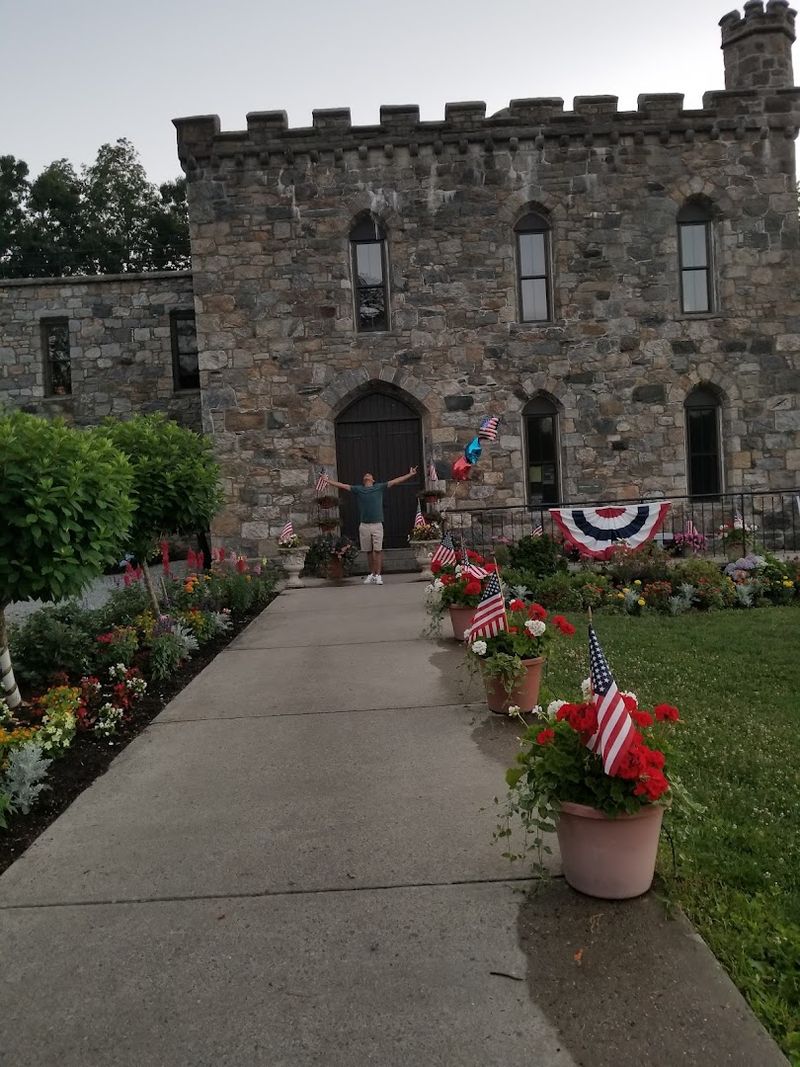
A building this distinctive does not sit idle.
Winnekenni Castle operates as an active cultural center and event venue, hosting weddings, receptions, private parties, concerts, and community workshops throughout its open season.
The rental calendar runs from mid-April through late September, then resumes from early November through mid-December, with October and the winter months reserved as a quiet period.
The castle grounds provide a backdrop that requires very little additional decoration.
Stone walls, mature trees, hydrangea plantings, and a broad open lawn create a setting that photographers and event planners find immediately workable.
Multiple reviewers have noted the property as an ideal location for photo sessions, including quinceañeras, car shows, and professional videography projects.
Community events have included jazz band performances and seasonal celebrations like the Haunted Castle Children’s Halloween, which draws families from across the Haverhill area.
The groundskeeping staff has received consistent praise for their responsiveness and willingness to help event organizers navigate the space.
The castle at Castle Rd, Haverhill, MA 01830 offers something that a conventional venue simply cannot replicate.
Native American History Woven Into The Grounds
The history at Winnekenni runs deeper than the 19th century.
Among the details that attentive visitors discover while walking the grounds is a Native American grinding stone, a remnant of the Algonquin-speaking peoples who inhabited this landscape long before any European settler arrived.
The stone sits quietly among the plantings, easy to miss unless a visitor slows down and reads the informational plaques scattered throughout the property.
The very name of the castle reflects this deeper history.
“Winnekenni” derives from an Algonquin word meaning “very beautiful”.
That choice of name, whether intentional or casual, connects the Victorian construction to a much older relationship between people and this particular landscape.
Several visitor accounts mention the grinding stone as an unexpected and genuinely fascinating discovery during an otherwise straightforward walk.
It serves as a quiet reminder that the land beneath the castle’s stone walls carries layers of meaning that extend far beyond the building’s construction date.
Pausing at these markers adds a dimension to the visit that purely architectural appreciation cannot provide on its own.
Photography Opportunities That Attract Visitors Year Round
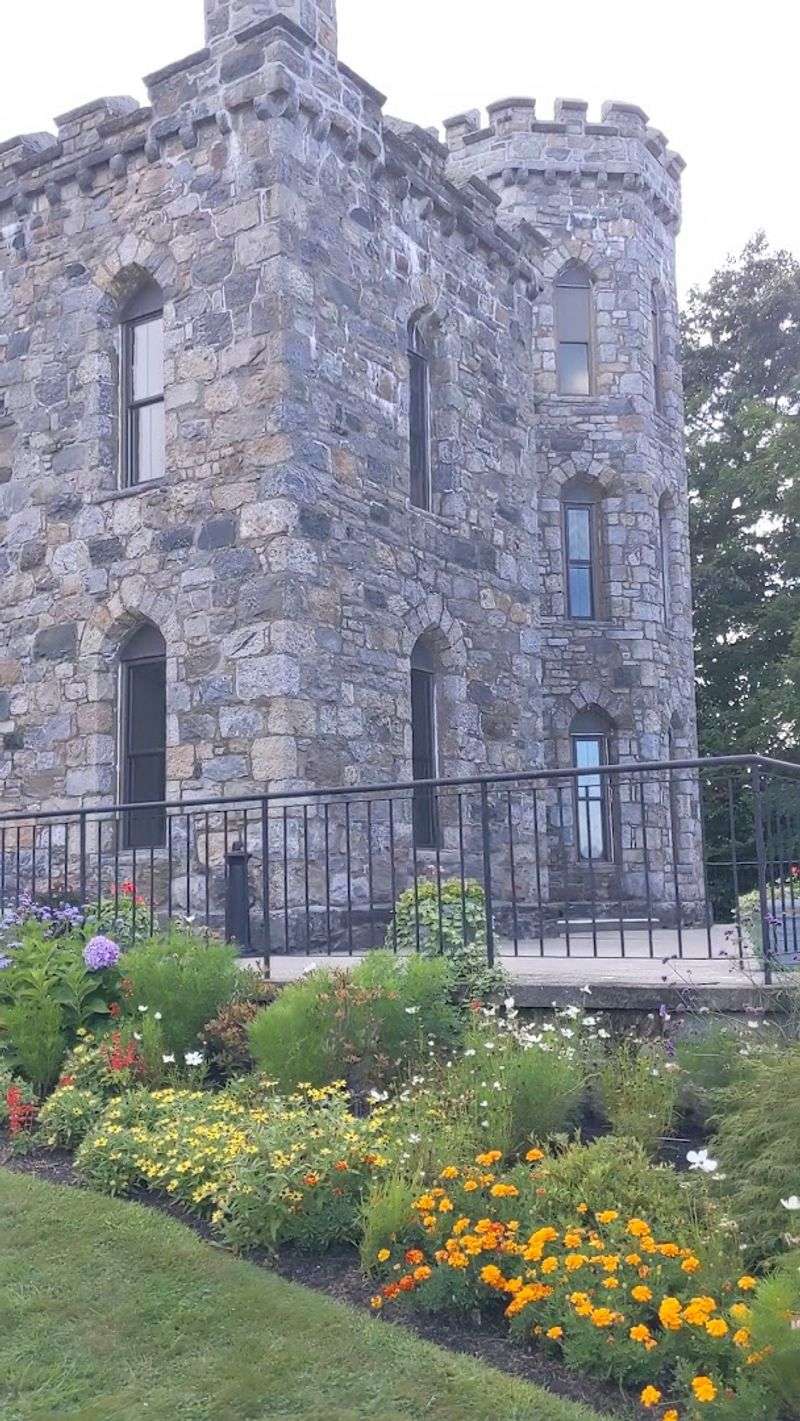
Few locations in Massachusetts offer this particular combination of architectural drama and natural setting within a free, publicly accessible space.
Winnekenni Castle has become a recognized destination for photographers of all skill levels.
The stone facade, the surrounding hydrangeas, and the open lawn create a range of compositional possibilities that change with the seasons.
Golden hour visits draw consistent praise from those who have timed their arrivals carefully.
The warm late-afternoon light softens the roughness of the stone and casts long shadows across the lawn, producing images that require minimal editing.
Autumn brings an additional layer of visual interest, when fall foliage surrounds the castle in deep reds and oranges that contrast sharply with the gray stone walls.
Winter visits are less common given the seasonal closure, but the property reopens in mid-April, which coincides with the first reliable stretch of spring light in New England.
Visitors have used the castle as a backdrop for quinceañeras, wedding portraits, car shows with dozens of vehicles, and nature photography along the trail network.
The setting is versatile enough to serve all of these purposes without feeling overexposed or worn.
Practical Details Every Visitor Should Know Before Arriving
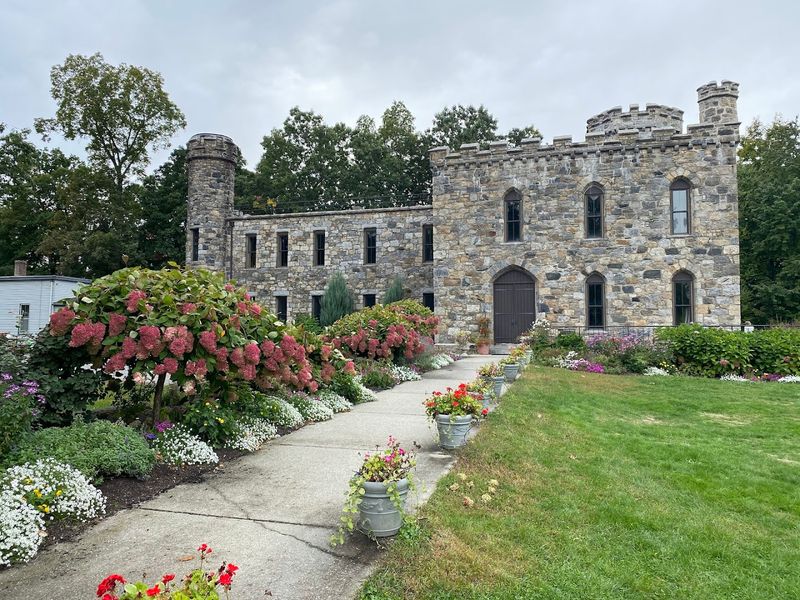
Visiting Winnekenni Castle is free of charge, which places it in a rare category of significant historical sites that ask nothing at the gate. The castle itself is not open for interior tours, a point worth knowing before arrival so expectations align with the experience on offer.
What the grounds provide instead is generous: open lawn, picnic tables, well-maintained trails, and a castle exterior that rewards extended exploration.
Parking is available directly at the castle for those who prefer to drive up the hill, and an additional lot sits at the lower trailhead for visitors who want to approach on foot. Dogs are welcome throughout the park but must remain on a leash at all times.
Restroom facilities, including at least one portable option on the property, are available during the open season.
The castle is located at Castle Rd, Haverhill, MA 01830, with a Google Maps rating of 4.6 stars from over 770 reviews. The active season runs mid-April through late September, with a second window from early November through mid-December.
Insect repellent is a practical addition to any warm-weather visit, particularly on the wooded trail sections where bugs can be persistent during humid stretches of summer.