
This Beloved Alabama Bakery Serves Pecan Pie That Food Lovers Say Is Unforgettable
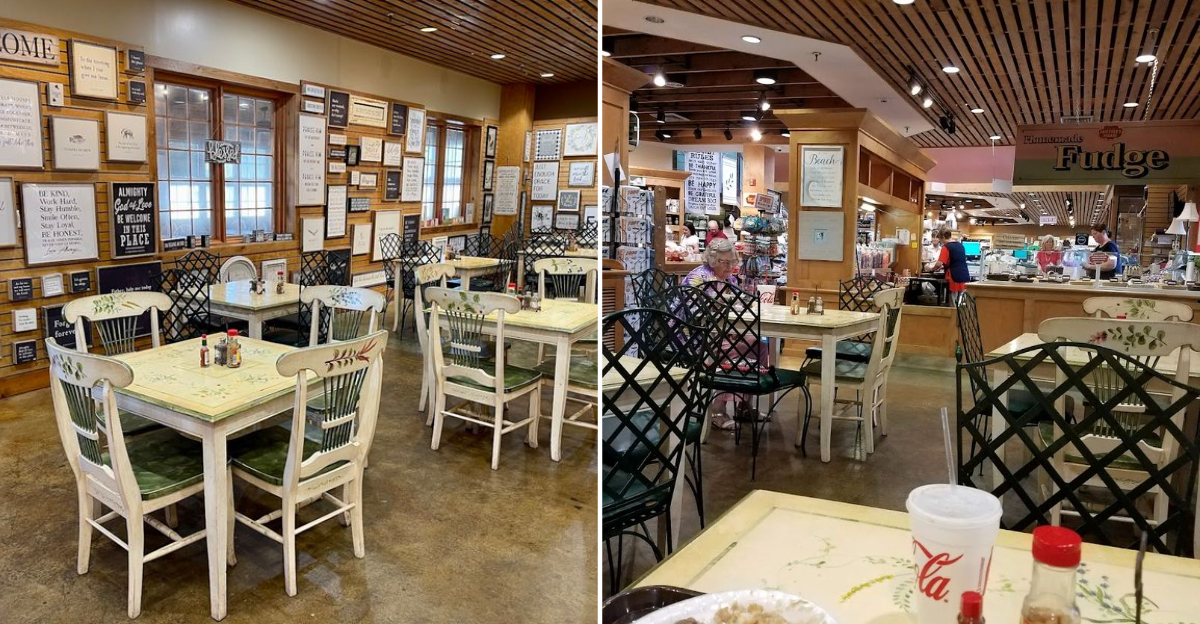
Pecan pie has deep roots in Southern baking. This Alabama bakery has spent years perfecting a version that stops people mid-bite.
The filling hits the right balance between rich and set, the crust holds without crumbling, and the pecans stay toasted throughout. Food lovers who grew up eating pecan pie say this one resets the standard entirely.
Alabama takes its baked goods seriously, and this bakery carries that tradition without cutting corners or outsourcing a single step.
Everything here is made on site, which means the smell alone tends to make the decision before the display case comes into view.
Regulars place orders ahead of time because walking in without a plan during peak hours rarely ends the way you hope. The pie has earned its reputation one slice at a time, and the line out front most mornings tells you everything you need to know.
Origins Of Pecan Pie Traditions
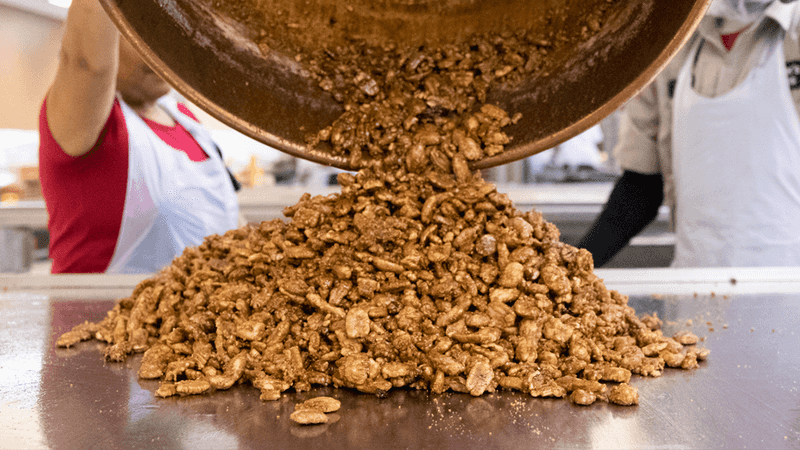
Pecan pie did not always come in a fancy box. It started as a humble Southern staple, born from the land and the people who worked it.
Pecans grew wild across the South, and cooks found clever ways to use every single one.
Priester’s Pecans carries that same spirit. Lee C.
Priester started the business in 1935, selling pecans right out of a Texaco station in Fort Deposit, Alabama. Travelers would stop for gas and leave with bags of fresh pecans instead.
From those simple beginnings, the operation grew into something much bigger. Cracking, shelling, candying, and baking became part of the daily rhythm at Priester’s.
The pecan pie tradition was not invented here, but it was absolutely perfected here.
Southern pecan pie traditions are rooted in using what the land gives you. That philosophy never left Priester’s, even after nearly 90 years in business.
Every pie still feels like it came from that original roadside spirit.
You can find Priester’s Pecans at 80 Bishop Bottom Rd, Fort Deposit, AL 36032. The story started on a highway, and it is still best experienced by pulling off one and walking through the front door yourself.
Ingredients That Define Pecan Pie
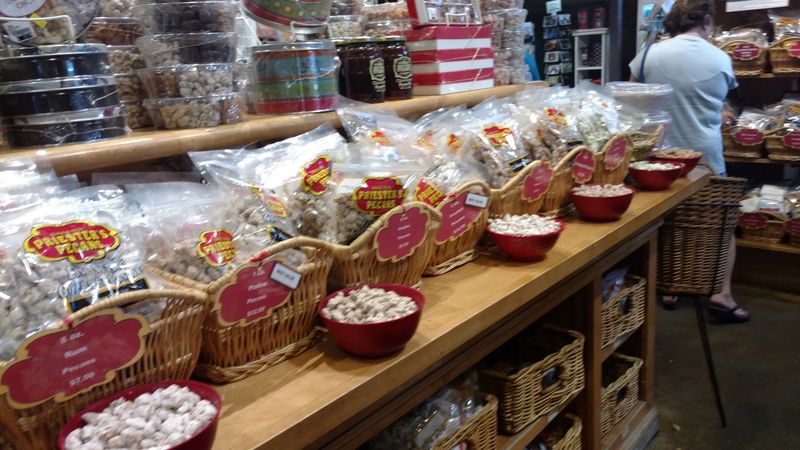
A pecan pie is only as good as what goes into it. The filling needs the right balance of eggs, sugar, and butter to set properly.
Skip quality on any one ingredient, and the whole pie tells on you immediately.
At Priester’s, the ingredients follow a decades-old family recipe that has not changed much since the early days. Fresh pecans are the obvious star, and Priester’s sources them with care.
You can actually taste the difference when pecans are truly fresh versus sitting in a warehouse for months.
The sweetener matters just as much. A classic pecan pie filling uses corn syrup and brown sugar together.
That combination creates the deep, rich, slightly caramel flavor that makes every bite feel like a reward.
Butter rounds out the filling and gives it that smooth, glossy texture you see when a slice is cut cleanly. Eggs hold everything together and create that satisfying, slightly firm chew.
Nothing fancy, nothing trendy, just honest ingredients doing exactly what they are supposed to do.
Priester’s also offers a variety beyond the classic. Chocolate Pecan Pie adds cocoa depth to the mix.
Each version uses the same commitment to quality ingredients, which is why the pies have earned a loyal following across Alabama and well beyond the state line.
Techniques For Achieving The Perfect Crust
The crust is where most homemade pecan pies fall apart, literally. A soggy bottom or crumbly edge ruins the whole experience.
Getting the crust right takes practice, patience, and knowing when to stop handling the dough.
Cold butter is the first rule. Warm butter melts into the flour too quickly, leaving you with a dense, tough crust instead of a flaky one.
Keep everything cold, work fast, and do not overwork the dough once it comes together.
Blind baking is another technique worth knowing. Pre-baking the crust before adding the filling helps prevent that dreaded soggy layer underneath the pecan filling.
A few minutes in a hot oven with pie weights does the job nicely.
At Priester’s, the bakers have been perfecting this process for generations. Watching them work from the store’s viewing gallery gives you a real appreciation for how much skill goes into each pie.
It is not automated or rushed. It looks deliberate and practiced.
The crimped edges you see on a well-made pecan pie are not just for looks. They seal the crust and help it hold its shape during baking.
A properly crimped edge also browns evenly, which adds to both the flavor and the visual appeal of the finished pie.
Varieties Of Pecan Pie Used In Baking
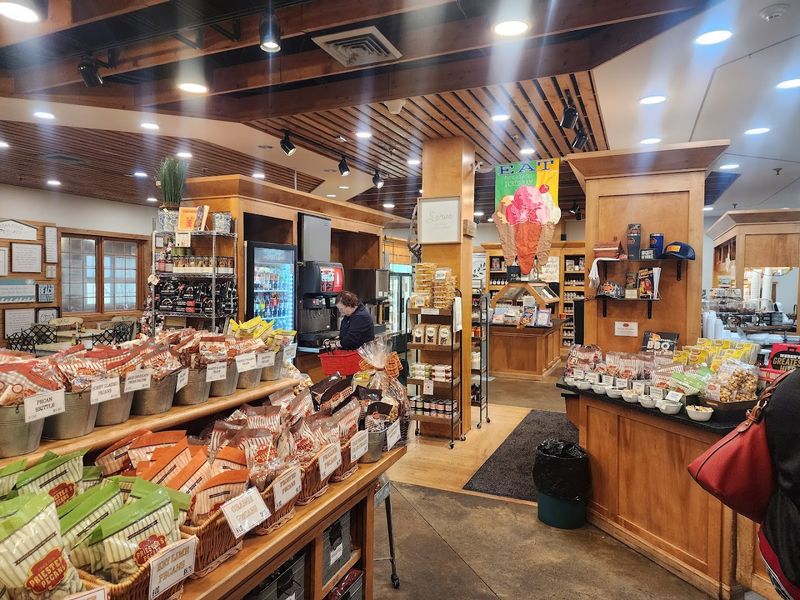
Not all pecan pies taste the same, and that is a very good thing. The classic Old-Fashioned Pecan Pie is the one most people picture first.
It has that golden, sticky filling packed with whole pecans and a buttery crust that holds everything in place.
Priester’s also makes a Chocolate Pecan Pie, which takes the classic formula and layers in rich cocoa flavor. The chocolate does not overpower the pecans.
It works alongside them, adding a slightly bitter depth that balances the sweetness beautifully.
Then there is the Bourbon Pecan Pie, which brings a warm, smoky note to the filling. The bourbon cooks off during baking, leaving behind a complex flavor that serious pie fans absolutely love.
It is bold without being overwhelming.
Mini pies are also available at Priester’s, which is perfect if you want to try more than one variety without committing to a full pie. Slices are sold too, so first-timers can sample before buying a whole one to take home.
Having multiple varieties under one roof is part of what makes Priester’s stand out. You do not have to choose between classic and creative.
You can have both, maybe even all three, and nobody is going to judge you for it at all.
Balancing Sweetness And Texture

Getting the sweetness right in a pecan pie is genuinely tricky. Too much sugar and the filling becomes cloying.
Too little and the pie tastes flat, like it forgot what it was supposed to be. The goal is a filling that tastes sweet but does not make your teeth hurt.
Texture plays an equally important role. The pecans on top should have a slight crunch.
The filling underneath should be set but still have a soft, yielding quality when you press a fork through it. That contrast is what makes each bite interesting.
Priester’s has nailed this balance over decades of practice. People consistently describe their pies as not too sweet, which is high praise in the world of Southern desserts.
Achieving that level of restraint with a pie that is fundamentally built on sugar takes real skill and experience.
The type of sugar used also affects texture. Brown sugar adds moisture and a fudgy quality.
Granulated sugar creates a cleaner, lighter sweetness. Most great pecan pie recipes use a combination of both, which gives the filling its layered, complex character.
Toasting the pecans before baking is another way to deepen flavor without adding more sweetness. Toasted pecans bring out natural oils and create a nuttier, more robust taste that holds its own against the rich filling surrounding them.
Pairing Pecan Pie With Non-Alcoholic Beverages
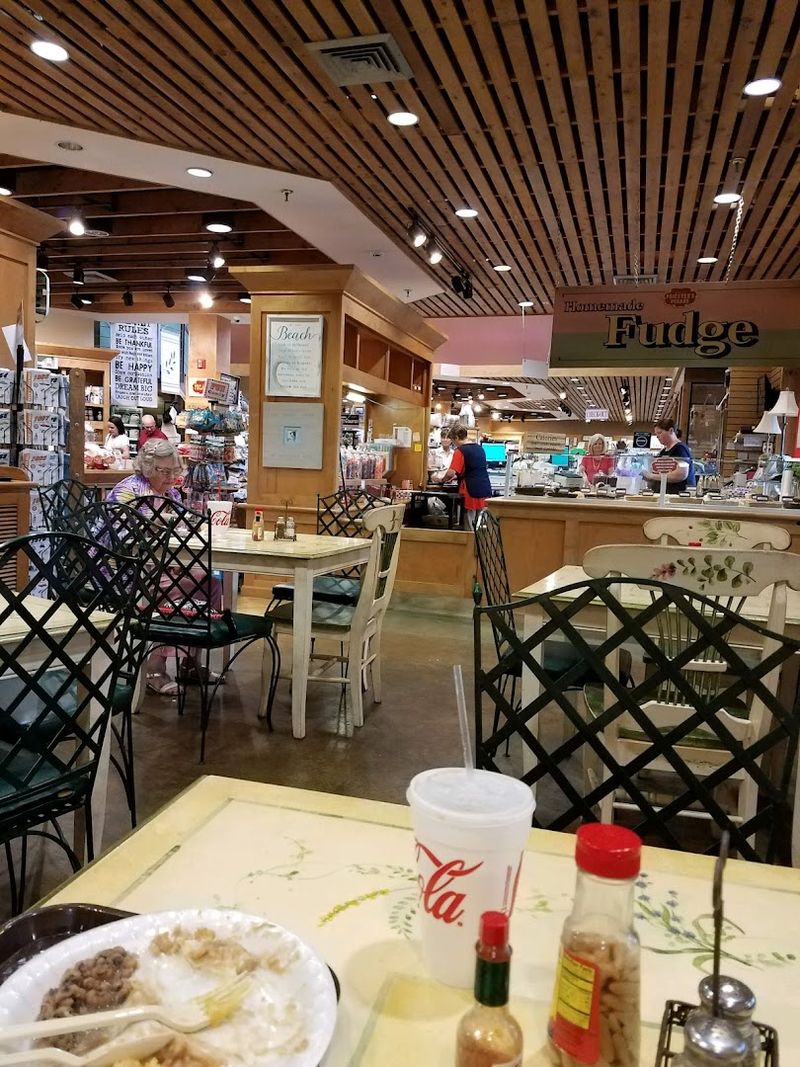
Pecan pie pairs surprisingly well with a range of non-alcoholic drinks. The right beverage can cut through the richness of the filling and reset your palate between bites.
It makes the whole experience feel more balanced and satisfying.
Coffee is the obvious first choice. A strong, black cup of coffee works especially well with the classic Old-Fashioned Pecan Pie.
The bitterness of the coffee plays off the sweetness of the filling in a way that feels almost effortless. Priester’s is known for having great coffee, which makes this pairing very easy to enjoy on-site.
Cold milk is another classic companion. It coats the mouth gently and tempers the richness of the butter and sugar in the filling.
Kids love this combination, and honestly, adults do too once they remember it exists.
Sweet tea is a natural Alabama choice. The tannins in the tea add a slight dryness that contrasts nicely with the sticky sweetness of pecan pie.
It is a very Southern pairing and feels completely at home at a place like Priester’s.
Apple cider, served cold or warm, also works beautifully. The fruity tartness of cider brightens the flavors of the pie without competing with them.
It is a seasonal option worth trying in the fall when cider is at its freshest and most flavorful.
Seasonal Influences On Recipe Variations
Seasons change the way bakers think about pecan pie. Fall is the most obvious season for pecans, since harvest happens between October and December across much of the South.
Fresh-crop pecans have a higher moisture content and a more vibrant, buttery flavor than older stock.
Priester’s operates year-round, but the fall season brings a special energy to the store. The pecans are at their freshest, and the pies reflect that.
There is a noticeable difference in flavor when you are working with freshly harvested nuts versus those that have been stored for months.
Winter holidays push demand for pecan pies significantly. Thanksgiving and Christmas tables across Alabama and beyond often feature a Priester’s pie as the centerpiece dessert.
The shop ships fresh pies nationwide, which means the holiday tradition travels far outside Fort Deposit.
Spring and summer bring lighter cravings, but pecan pie never really goes out of season. Some bakers experiment with citrus zest or warm spices like cinnamon and nutmeg during colder months to add seasonal warmth to the filling.
These small adjustments keep the recipe feeling fresh without abandoning what makes it work.
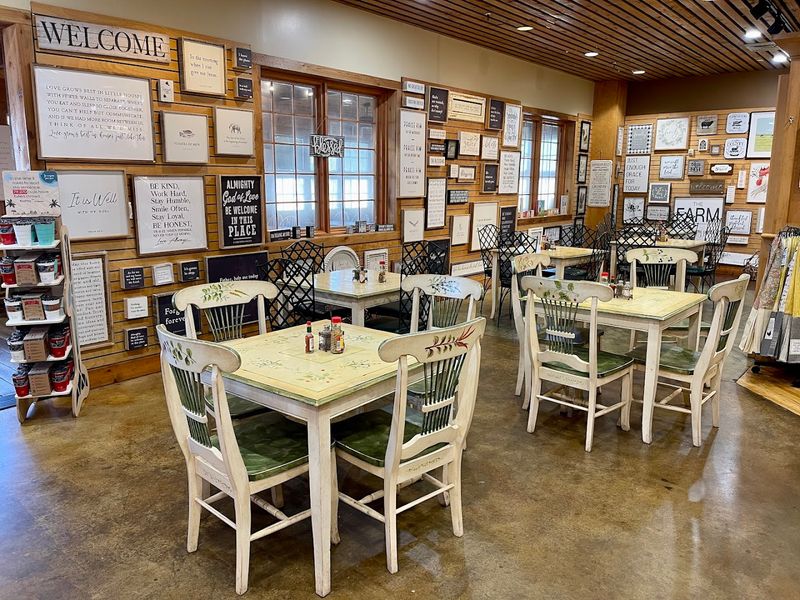
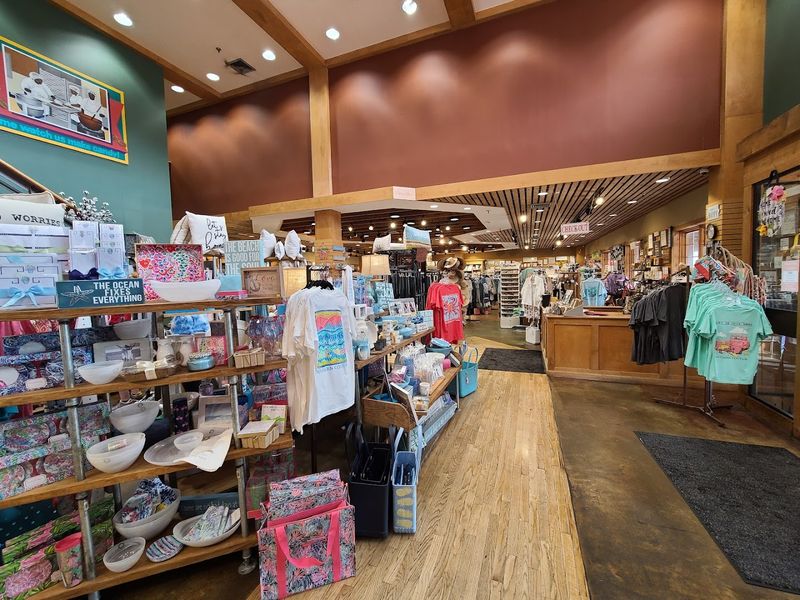
Seasonal home goods and decorations also fill the Priester’s store throughout the year. The place shifts its personality with the calendar, which gives repeat visitors something new to notice every single time they stop by.
Presentation Tips For Show Stopping Desserts
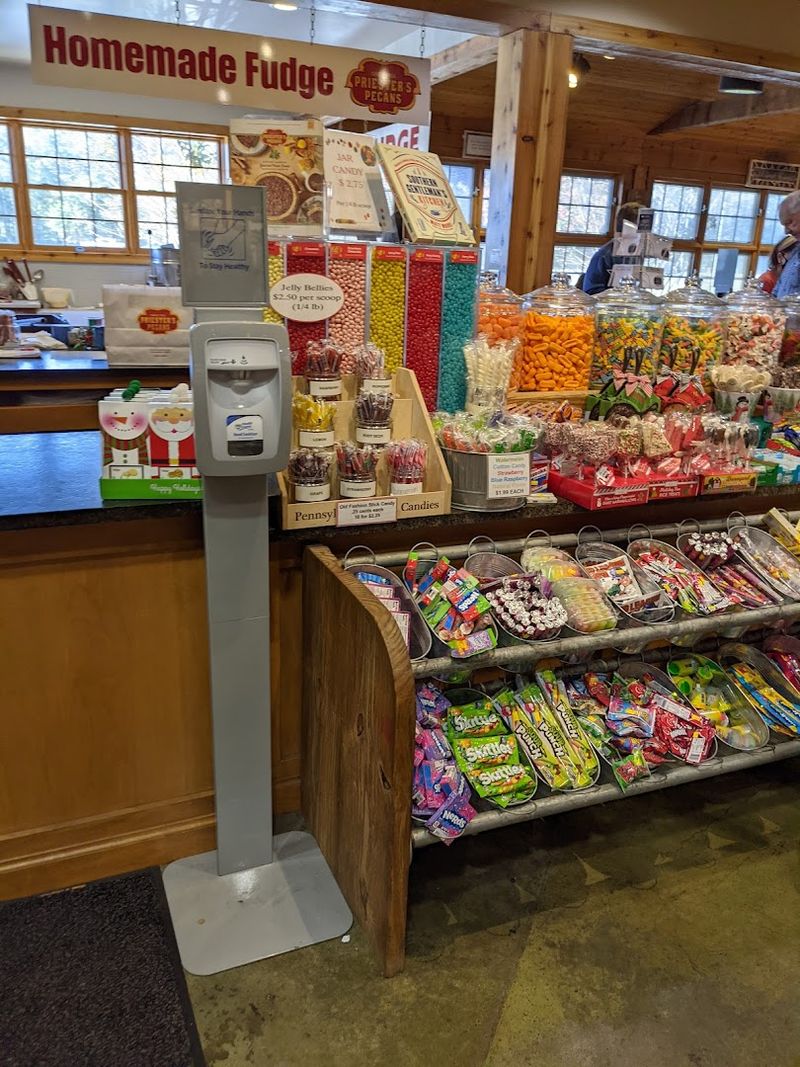
Presentation matters more than most people admit. A pecan pie that looks stunning before anyone takes a bite creates anticipation.
That anticipation actually makes the pie taste better, which sounds like a trick but is backed by real food psychology.
Arranging the pecan halves on top of the filling before baking is the easiest way to elevate the look of any pecan pie. Whole, uniform pecans laid in a circular pattern create a polished, professional appearance.
It signals care and attention before a single forkful is taken.
At Priester’s, the pies look as good as they taste. The viewing gallery above the kitchen lets visitors watch bakers work, and the attention to detail in how the pies are assembled is visible even from above.
These are not rushed products. They look intentional and crafted.
Serving temperature also affects presentation. A pecan pie served at room temperature holds its shape when sliced.
A pie served too warm will be runny and messy, which makes it harder to plate attractively. Let the pie cool fully before cutting for clean, picture-ready slices.
A light dusting of powdered sugar or a small sprig of fresh rosemary can add a finishing touch for special occasions. Simple garnishes go a long way without competing with the pie itself.
The best presentations always let the star ingredient, in this case the pecan, speak loudest.