
The Quiet Delaware Coastal Town Where Visitors Often Feel Like They Have The Whole Place To Themselves
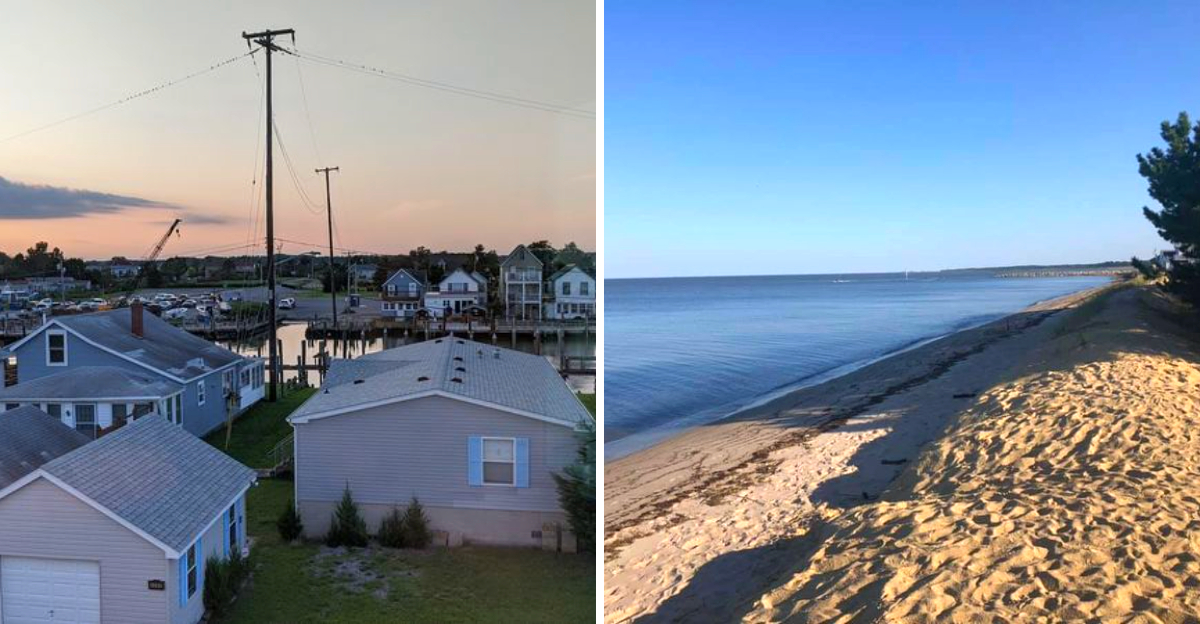
Crowded beaches have a way of turning relaxation into a group project. In this Delaware coastal town, the shoreline still gives visitors room to hear the water before anything else.
The pace changes almost as soon as the road opens toward the coast. Houses sit low behind the dunes, beach paths stay quiet, and the day seems to stretch farther than it should.
Visitors arrive expecting a simple seaside break, then realize the best part may be how little they have to share it.
No big distractions are fighting for attention.
Just open sand, salt air, slow mornings, and evenings that settle in gently over the water. For anyone tired of beach towns that feel too crowded before noon, this place offers a rare kind of quiet.
Serene Beaches Away From Busy Crowds
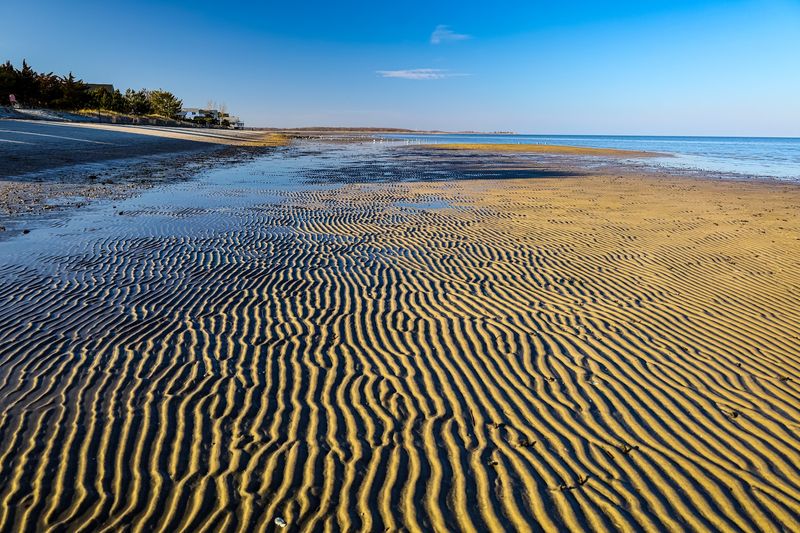
Here, you won’t find umbrella rentals or volleyball nets. Just open shoreline and soft bay water stretching out ahead of you.
The Delaware Bay moves more slowly here than ocean beaches farther south. The water stays calm most days, which makes it easy for families to wade in without worry.
Kids can splash around without getting knocked over by big waves.
The beach itself is modest in size, but that is part of the appeal. You will not fight for space on the sand.
Most days, you might count the visitors on one hand.
Morning walks here feel completely different from a typical beach day. The air is clean, the light is soft, and no one is rushing anywhere.
It is genuinely quiet in the best way.
The shoreline also collects interesting debris from the bay. Shells, sea glass, and driftwood show up regularly.
There is always something worth picking up and looking at closely.
Bowers is not trying to compete with Rehoboth or Bethany. It is not interested in that race.
The beach here exists on its own terms, and visitors who find it tend to come back every single year.
Local Wildlife Protecting Coastal Habitats
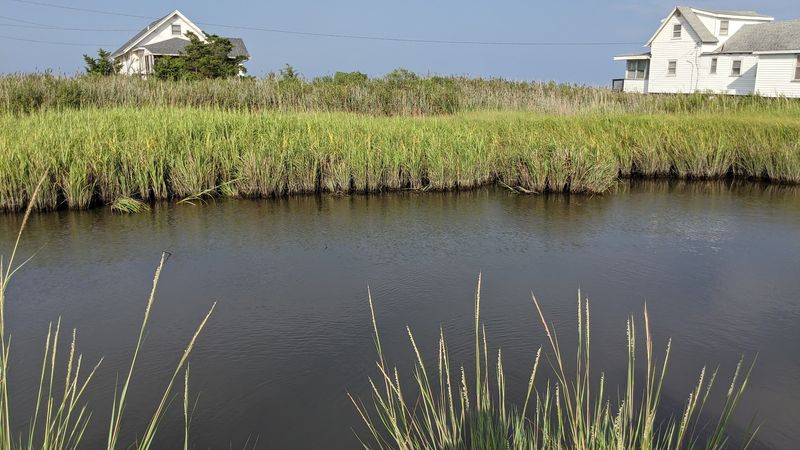
Wildlife is not hiding in Bowers. It is right there in front of you.
The coastal habitat here supports a surprisingly wide variety of birds and marine animals year-round.
Every spring, horseshoe crabs crawl up onto the beach in large numbers. This is one of the oldest natural events on the East Coast.
Scientists and birdwatchers travel from all over just to witness it.
Red knots and other migratory shorebirds stop here during their long journeys north. They depend on horseshoe crab eggs as a critical food source.
Watching thousands of birds feed along the waterline is honestly hard to describe.
The rivers near town also support healthy populations of fish, turtles, and waterfowl. Great blue herons are a common sight along the banks.
Ospreys circle overhead regularly throughout warmer months.
Conservation efforts in the region help protect these habitats from overdevelopment. The lack of large commercial buildings along the shore has kept the ecosystem relatively undisturbed.
That matters a lot for the animals that call this place home.
Visitors who bring binoculars are rarely disappointed. There is almost always something moving along the water or in the marsh grass.
Bowers quietly earns its reputation as a wildlife-rich destination without even trying to advertise it.
Quiet Nature Trails And Scenic Views
Bowers is the place where you won’t need a trail map or hiking boots. The paths here are easygoing and wide open to anyone who shows up curious.
The scenery does most of the heavy lifting.
The area around the Murderkill River offers some beautiful walking routes. Marsh grass lines the banks, and the water reflects the sky in a way that looks almost painted.
Early morning is the best time to go.
Views of the Delaware Bay open up at several points along the waterfront. You can see the far shore on clear days.
The horizon feels enormous out here compared to inland landscapes.
Birdwatching from the trails is effortless. You do not need to seek anything out.
The wildlife simply appears as you walk, which makes every outing feel a little like a surprise.
No crowds are jostling for the best viewpoint. No lines for a scenic overlook.
Just open air and quiet paths that let you move at whatever pace feels right.
The trails around Bowers are not famous or heavily promoted. That works in every visitor’s favor.
The experience stays personal and unhurried, which is exactly what makes this corner of Delaware worth seeking out in the first place.
Unique Shell Collecting Opportunities
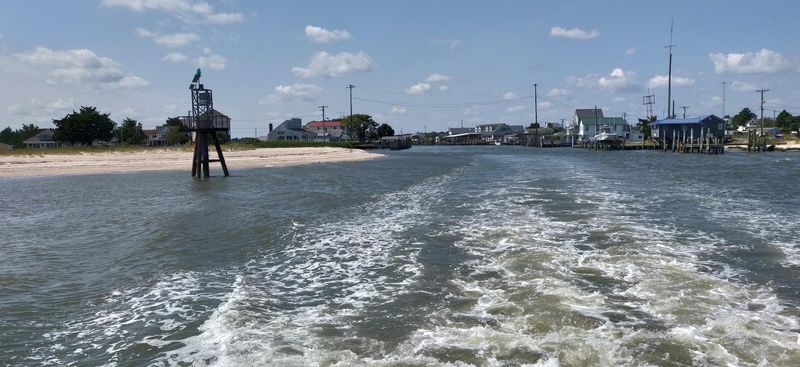
Shell collecting at Bowers is genuinely rewarding. The Delaware Bay delivers a steady mix of shells, sea glass, and smooth stones to the shoreline.
You never know exactly what you will find on any given walk.
Oyster shells are especially common here. That makes sense given the town’s deep oyster harvesting history.
Some shells are worn smooth from years in the water, while others arrive almost intact.
Sea glass shows up in green, brown, and occasionally rare blue shades. Collectors who visit regularly say the beach here gives up good finds more often than busier tourist beaches.
Less foot traffic means fewer people picking through the same spots.
Moon snail shells and channeled whelks are among the more exciting finds. Both are native to bay environments and wash ashore often.
Kids especially love hunting for the larger ones.
The best collecting happens after a storm or during low tide. The water pulls back and exposes sections of the beach that are usually submerged.
That is when the real treasures show up.
No special gear is required. A small bag and a sharp eye are enough.
Bowers rewards patience, and the quiet setting makes every find feel like a personal discovery rather than a competitive sport.
Peaceful Fishing Spots Along The Coast
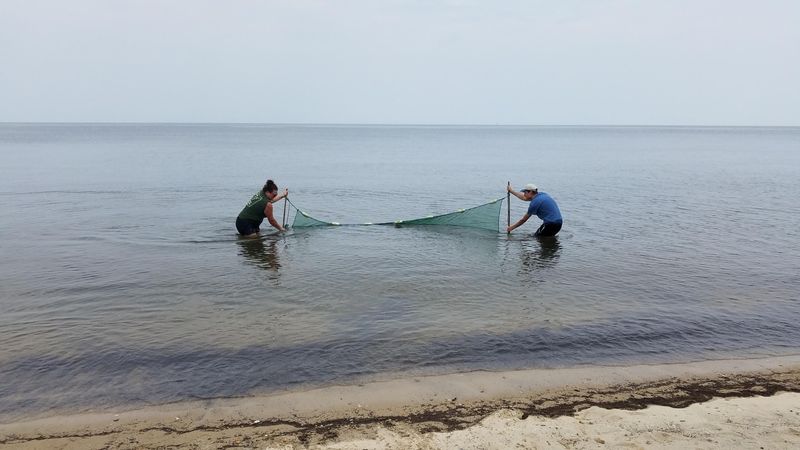
Fishing in Bowers has been a way of life for generations. The jetty at the end of the beach is one of the most popular casting spots in the area.
Locals and visitors share it without any fuss.
The Delaware Bay supports a wide range of fish species. Weakfish, flounder, striped bass, and bluefish are common catches depending on the season.
The bay is productive, and the fishing pressure here is low compared to larger resort towns.
Charter boats operate out of Bowers and take groups out onto the bay for longer trips. These are small operations run by people who actually know these waters well.
They are not running factory-style fishing tours.
Kayak fishing has grown popular along the calmer stretches of the Murderkill River. The water is protected from bay winds, which makes paddling and casting much easier.
It is a relaxed way to spend a morning.
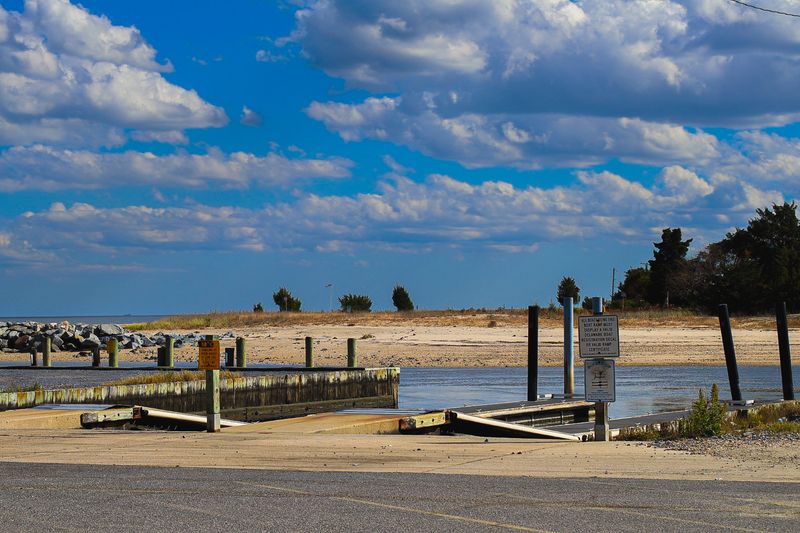
The boat ramp near the beach provides easy water access for anyone with their own vessel. Public parking is available nearby.
No reservations, no complicated logistics.
Fishing at Bowers is not about catching the biggest haul. It is about standing at the water’s edge with time to spare.
The pace here matches the bay itself, which is slow, steady, and unhurried.
Small Town Charm And Friendly Atmosphere
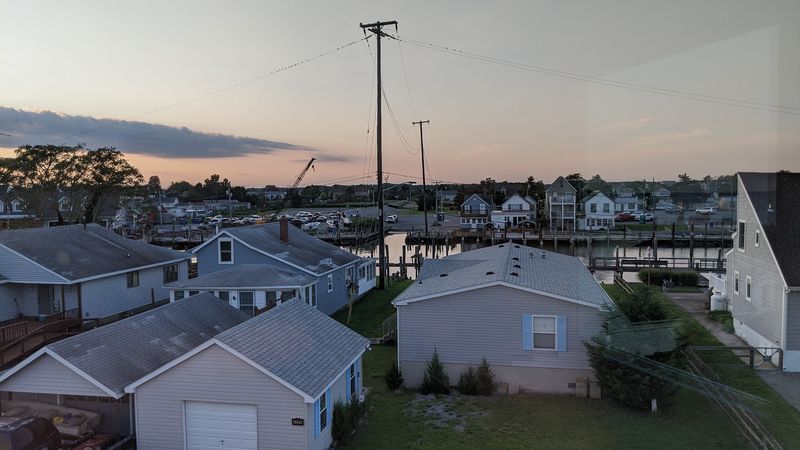
Bowers has exactly zero traffic lights. That is not an oversight.
It is just how small this town actually is. The streets are lined with modest homes, not condos or vacation rental complexes.
There are no chain restaurants here. Local spots like JP’s on the Wharf and Bayview Tavern hold down the food scene.
Both are casual, unpretentious, and very much part of the community fabric.
The Bowers Maritime Museum sits quietly in town and tells the story of this place’s fishing and shipping heritage. It is small but packed with genuine history.
The exhibits cover everything from oyster harvesting to early 20th-century trade on the bay.
Three public parks give residents and visitors places to gather. There are basketball courts, a playground, and bocce courts spread across them.
Nothing fancy, but everything functional and well-used.
People here are friendly in a low-key way. Nobody is performing hospitality for tips.
They are just neighborly because that is how the town has always operated.
Bowers used to be a lively party destination back in the mid-1900s. Times changed, and the town settled into something quieter and more genuine.
What it has now is actually more appealing than what it had then.
Seasonal Festivals Celebrating Local Culture

This place knows how to throw a party, even if it keeps things small. The annual Bowers Beach Buccaneer Bash is one of the town’s most entertaining events.
It brings out pirates, costumes, and a lot of community energy.
The pirate theme actually connects to a local legend. Stories of pirates operating along the Delaware Bay coast have floated around this region for centuries.
The festival leans into that history with a sense of humor.
Big Thursday on a Sunday is another beloved local event. The name alone tells you this town does not take itself too seriously.
It celebrates the area’s oyster harvesting tradition, which was once the economic backbone of Bowers.
These events draw visitors from surrounding areas without turning into massive commercial productions. The scale stays manageable.
You can actually move around, talk to people, and enjoy the atmosphere without feeling overwhelmed.
Local vendors and community organizations set up at these festivals. It is a good way to see how the town operates as a community rather than just as a tourist destination.
The difference is noticeable and refreshing.
If your visit lines up with one of these events, absolutely go. If it does not, the town is still worth the trip.
The festivals are a bonus, not the main reason to show up.
Sustainable Practices Preserving Natural Beauty
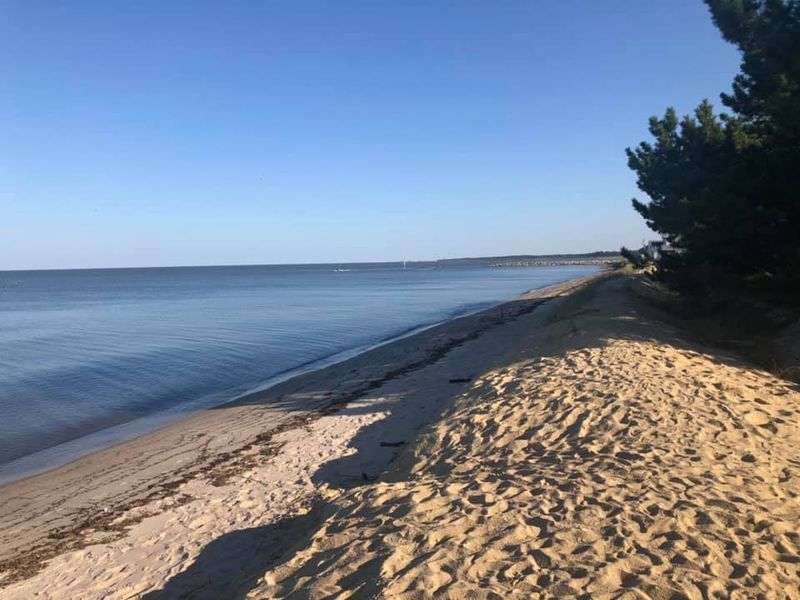
Bowers has stayed small partly by circumstance and partly by choice. The absence of large-scale commercial development has preserved the natural landscape in ways that bigger beach towns have long since lost.
That is not an accident.
Healthy marsh ecosystems reduce erosion and support the wildlife that makes this area so ecologically interesting. Protecting them matters beyond just aesthetics.
Conservation programs in Kent County work to maintain the integrity of Delaware Bay habitats. Horseshoe crab populations are monitored closely each season.
Limits on harvesting help keep the species stable and the shorebird food chain intact.
The lack of heavy foot traffic on the beach also helps. Fewer visitors means less compacted sand, less litter, and less disturbance to nesting areas.
Bowers benefits from being off the radar of mass tourism.
Visitors can help by following basic coastal etiquette. Stay out of marked nesting areas, carry out what you carry in, and avoid disturbing wildlife along the water.
Small actions add up over time.
The natural beauty here is not maintained by a marketing budget. It survives because the town has not been overrun.
Keeping Bowers the way it is depends on visitors treating it with the same respect the locals do.