
9 Breathtaking Idaho Lakes So Quiet They Feel Completely Undiscovered
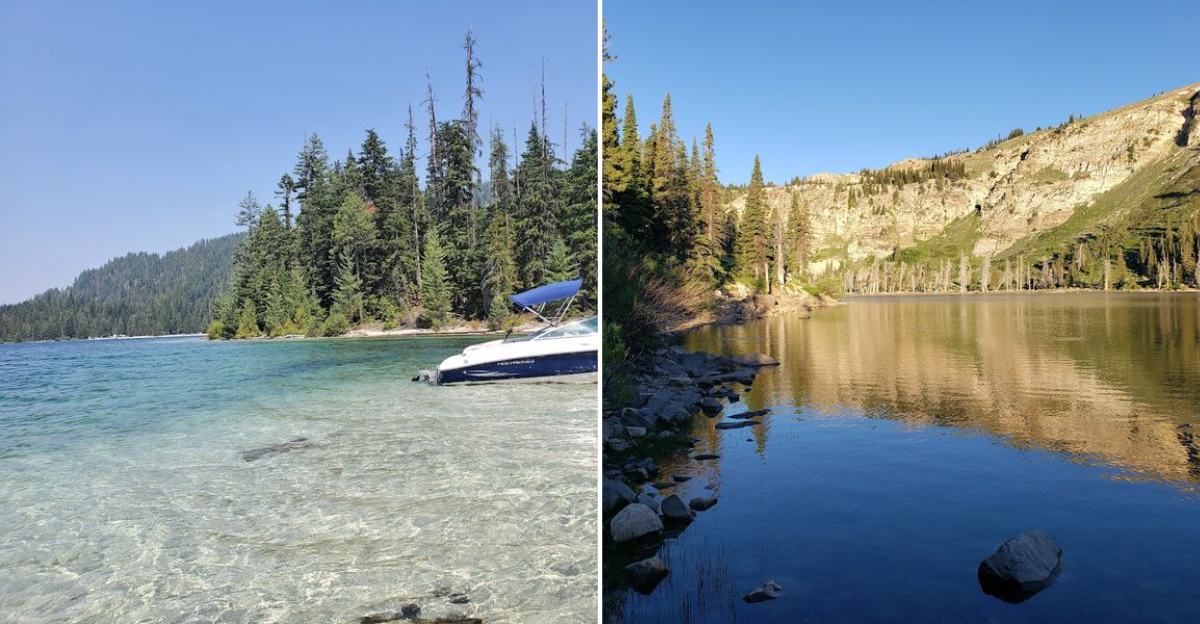
Water this clear and surroundings this quiet should not still be sitting off most people’s radar. Idaho has lakes that prove otherwise.
Each one carries a stillness that settles in quickly and takes a while to shake once you leave. No boat traffic competing for the same stretch of surface, no crowded shorelines, and no noise beyond what the wind and water produce on their own.
This state sits on a concentration of natural beauty that the outdoor community has been slowly discovering for years. These lakes have stayed ahead of that discovery curve long enough to still feel genuinely untouched.
Glassy morning surfaces, mountain reflections, and the kind of silence that reminds you what quiet actually means before the rest of the world gets involved. Finding them requires leaving the more traveled routes behind.
Every single one of them makes that decision an easy one to stand behind.
1. Redfish Lake
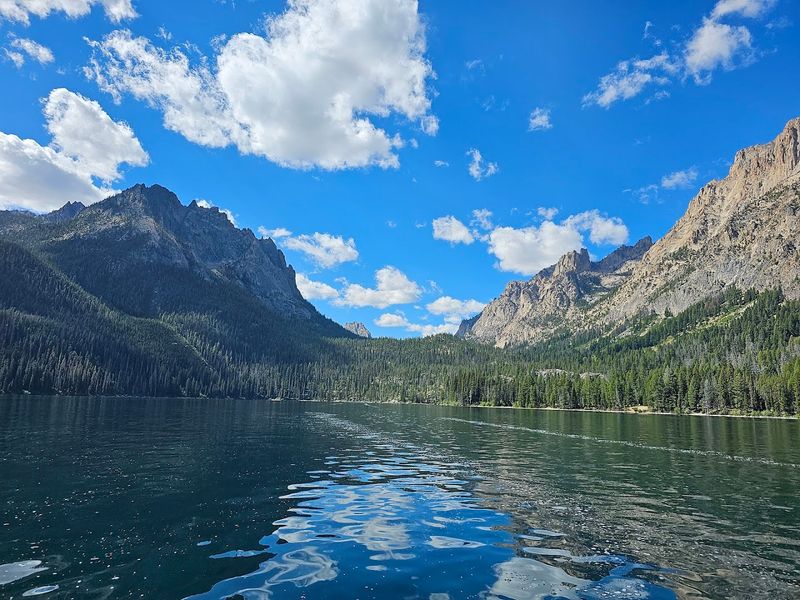
The name alone sounds like a fairytale, and Redfish Lake absolutely lives up to the hype. Sitting at 6,550 feet in the Sawtooth National Recreation Area, this lake has the kind of blue water that makes you question reality.
Sockeye salmon once returned here by the millions, which is how it got its vivid name.
The Sawtooth Mountains rise dramatically behind the shoreline. Every photo you take looks professionally edited, even when it is not.
The reflections on calm mornings are borderline unfair to every other lake in America.
You can rent a kayak, hike the surrounding trails, or just sit on the beach doing absolutely nothing productive. The Fishhook Creek Trail offers stunning views without brutal elevation gain.
It is perfect for people who love scenery but also love their knees.
Wildlife sightings are genuinely common here. Deer, osprey, and the occasional black bear make regular appearances along the shoreline.
Bring binoculars and patience, and you will be rewarded.
The campground fills up fast in summer, so book early. Arriving at sunrise gives you the lake almost entirely to yourself.
That golden morning light on the Sawtooths is something you will think about for years.
2. Alturas Lake
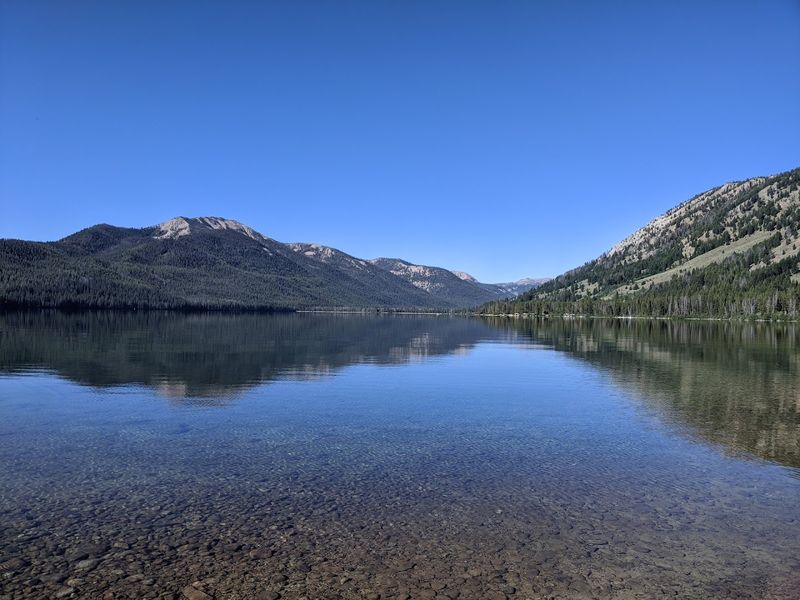
Alturas Lake is what happens when nature decides to show off without inviting a crowd. At 7,000 feet elevation and covering 1,400 acres, it sits just south of Redfish Lake in the Sawtooth National Recreation Area.
Most visitors drive right past it heading north, which is genuinely their loss.
The lodgepole pine forests surrounding the lake absorb sound like a natural noise-canceling system. Seriously, the quiet here is almost physical.
You can hear your own heartbeat, which is either peaceful or alarming depending on your fitness level.
Kokanee salmon and rainbow trout patrol these cold, clear waters. Fishing from the shore or a small boat is incredibly productive in early morning hours.
The eastern shoreline has primitive campgrounds that put you right on the water with zero fuss.
A scenic four-mile trail circles much of the lake. It passes secluded beaches that feel completely private, even during peak season.
Pack a lunch and claim one of those spots for the entire afternoon.
Stargazing at Alturas Lake is next-level. The elevation and minimal light pollution create conditions that make the Milky Way look almost painted on.
Bring a blanket and plan to stay up way past your bedtime.
3. Sawtooth Lake
Getting to Sawtooth Lake requires effort, and that effort is absolutely the whole point. The trailhead starts near Iron Creek, and the roughly five-mile hike gains about 1,700 feet of elevation.
Your legs will remind you about it the next morning, but your soul will feel completely renewed.
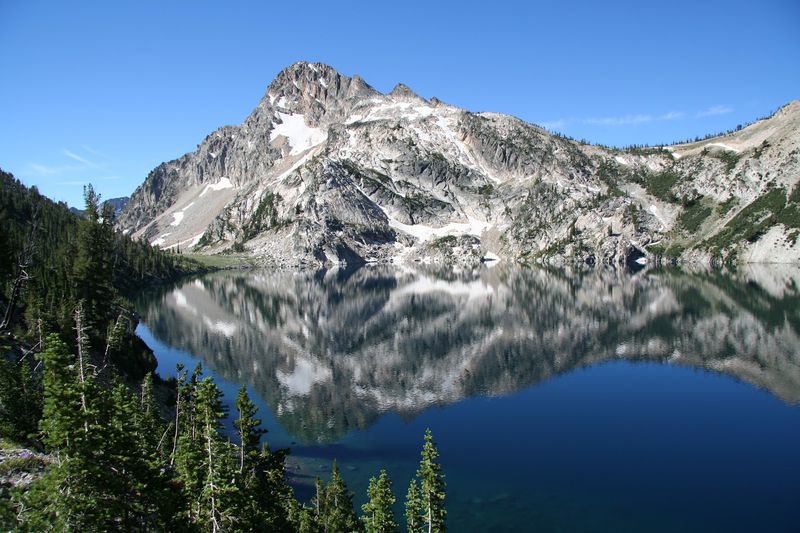
At 8,429 feet, this is the largest alpine lake in the Sawtooth Wilderness. The granite peaks surrounding it look like something ripped from a fantasy novel.
Snow often clings to the shoreline well into July, creating a wild contrast with the deep blue water below.
The silence up here is extraordinary. There are no roads, no engines, and no cell signal.
Just wind, water, and the occasional marmot judging you from a nearby boulder. Honestly, the marmots make excellent company.
Wildlife encounters are frequent on the trail. Pikas, Clark’s nutcrackers, and mountain goats have all been spotted near the lake basin.
Keep your eyes open and your camera ready from the moment you leave the trailhead.
Camping near Sawtooth Lake is a backcountry experience worth every bit of preparation. Nights are cold even in August, so pack layers you actually mean to use.
Waking up to that view at sunrise is one of those memories that permanently rewires your brain.
4. Upper Cramer Lake
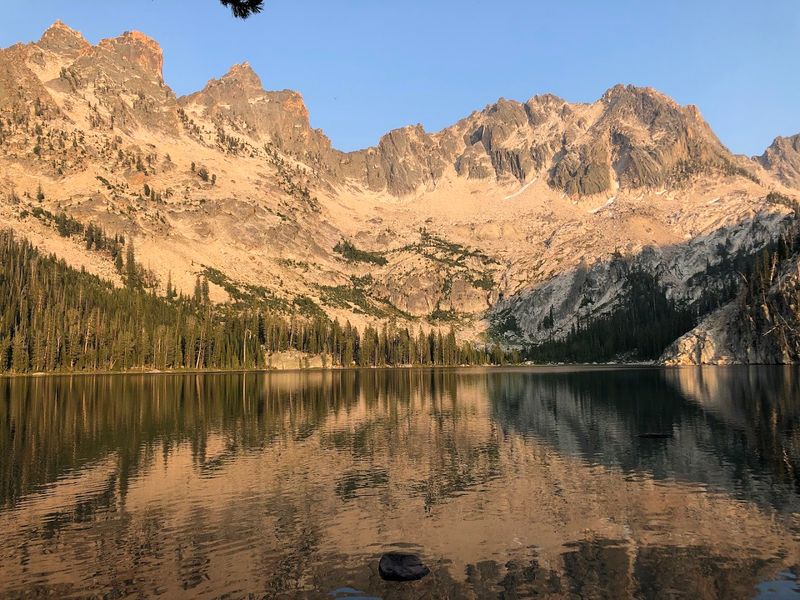
Upper Cramer Lake is the kind of place that rewards people who are willing to earn it. Deep in the Sawtooth Wilderness, reaching it involves a multi-day backpacking trip from the Redfish Lake trailhead.
Most casual visitors turn around long before this point, which is exactly why it stays so pristine.
The lake sits in a granite basin carved by ancient glaciers. The surrounding terrain is raw and rugged in the best possible way.
There are no maintained facilities, no signs telling you what to do, and absolutely no noise except nature doing its thing.
Fishing here is exceptional. Cutthroat trout thrive in the cold, clear water.
Catching your own dinner against a backdrop of soaring granite walls is a genuinely unbeatable experience.
The Cramer Lakes basin actually includes multiple lakes connected by short trails. Upper Cramer is the most remote and the most rewarding.
Each lake in the chain has its own personality, but the upper one wins every time.
Permits may be required for overnight stays in the Sawtooth Wilderness during peak season. Check with the Sawtooth National Recreation Area office before heading out.
Planning saves headaches and protects this incredible place for future visitors.
5. Priest Lake
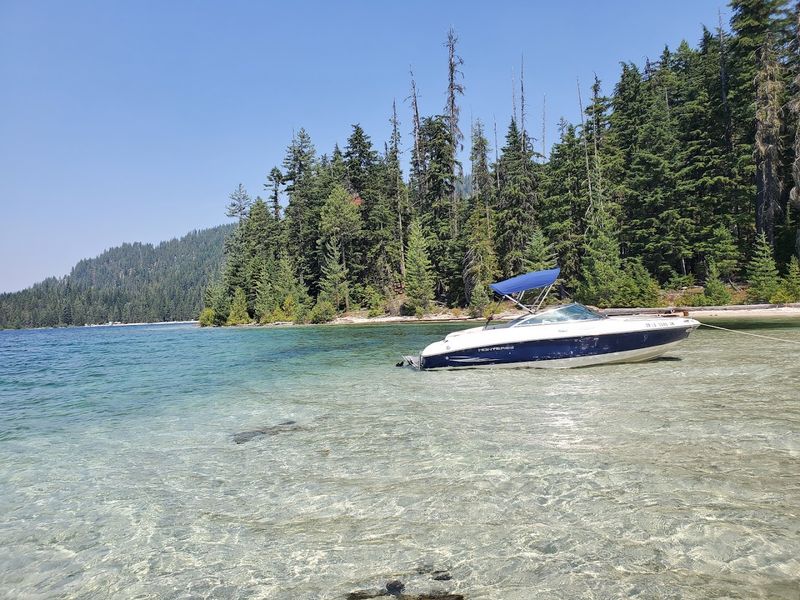
Priest Lake sits near the Canadian border, and it carries that northern wilderness energy in a big way. Stretching 19 miles through the Selkirk Mountains inside Kaniksu National Forest, this lake has water clarity that exceeds 30 feet of visibility.
You can see the bottom from your kayak and feel slightly dizzy about it.
The western shoreline is where the real magic hides. Most visitors stick to the developed eastern side, but the west shore is largely undeveloped and protected.
Secluded coves are only accessible by boat, which keeps them gloriously crowd-free.
Priest Lake actually connects to Upper Priest Lake via a natural thoroughfare called the Thorofare. Paddling that stretch feels like exploring an untouched river corridor.
It is one of the most scenic paddles in the entire Pacific Northwest.
Osprey, bald eagles, and white-tailed deer are regular residents along the shoreline. Moose sightings near the northern end of the lake are not uncommon either.
Keep your camera accessible at all times because wildlife here does not give much warning.
The lake warms enough for swimming by mid-July. Water temperatures in the shallows reach comfortable levels for extended play.
Kayaking, paddleboarding, and fishing for bull trout round out the activity list perfectly.
6. Payette Lake
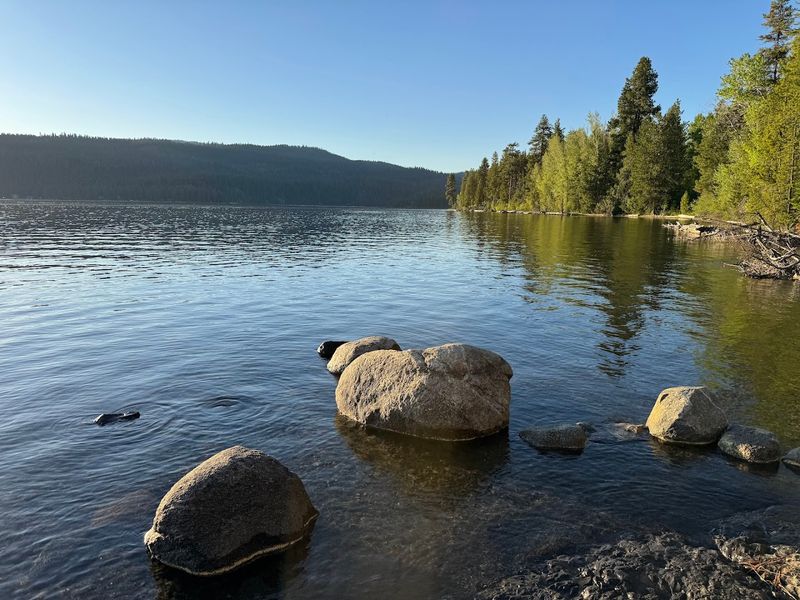
Lake anchors the charming mountain town of McCall, and together they create a combo that is genuinely hard to beat. The lake covers about 5,330 acres and sits at 5,023 feet elevation in the Payette National Forest.
The water is strikingly blue and cold enough to be refreshing even on the hottest summer days.
McCall itself is worth exploring before or after your lake time. The town has a welcoming, unhurried vibe that matches the lake perfectly.
Local bakeries, gear shops, and lakeside parks make the whole experience feel complete without being overwhelming.
The north end of the lake near Ponderosa State Park is where solitude seekers should head. The park occupies a forested peninsula jutting into the water.
Hiking its trails puts you above the lake with views that stretch for miles in every direction.
Fishing on Payette Lake produces rainbow trout, perch, and bass. Early morning fishing from a small boat or along the rocky shoreline is genuinely productive.
The quiet hours before the recreational crowd arrives feel like a completely different lake.
Winter transforms Payette Lake into a completely different kind of magical. Ice fishing draws dedicated anglers, and the surrounding mountains fill with snow sports enthusiasts.
McCall’s famous Winter Carnival each February turns the whole area into a celebration worth planning around.
7. Bear Lake
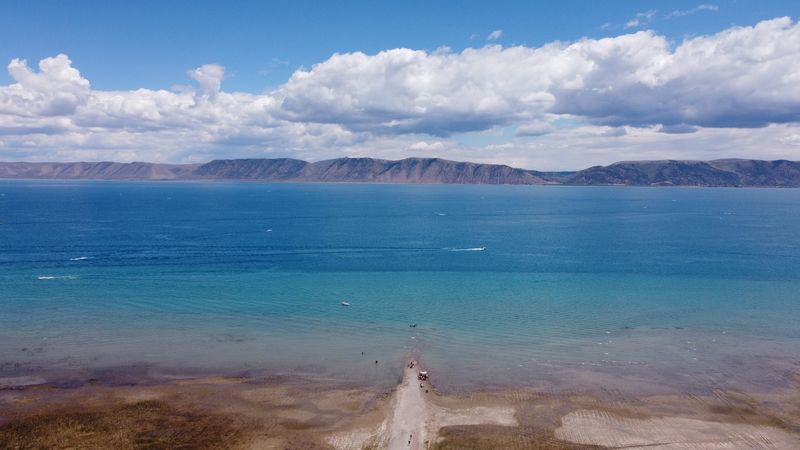
This lake has earned the nickname Caribbean of the Rockies, and once you see it, you will completely understand why. Straddling the Idaho-Utah border, this ancient lake is roughly 30,000 years old.
The water turns a vivid turquoise color thanks to calcium carbonate particles suspended in the water, and it looks absolutely unreal in person.
The color shifts throughout the day depending on light and cloud cover. Morning visits produce a soft aqua tone.
Midday sun turns it into something resembling a tropical lagoon that has no business existing in the Rocky Mountains.
Bear Lake State Park on the Idaho side offers sandy beaches that are surprisingly uncrowded compared to the Utah shore. The northern end near Paris stays quieter and more laid-back.
It is perfect for people who want that Caribbean vibe without the Caribbean crowds.
The lake holds a unique endemic species called the Bear Lake cisco. This small fish is found nowhere else on Earth and spawns in massive numbers near shore in January.
It is one of the most remarkable natural events in Idaho, and locals have been celebrating it for generations.
Raspberry shakes made from locally grown Bear Lake raspberries are legendary in this region. Every roadside stand has its own version, and the debate over who makes the best one is completely serious business.
8. Lake Cleveland
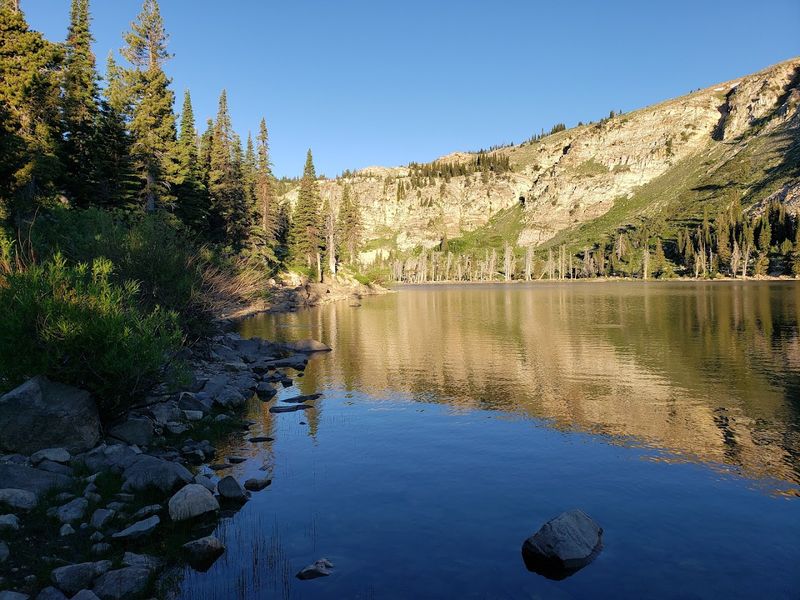
Lake Cleveland sits high in the Albion Mountains of southern Idaho, and it surprises people who expect the south to be all desert and sagebrush. At nearly 8,000 feet in elevation, this alpine lake stays cold and clear throughout the summer season.
The drive up the mountain alone is worth the trip.
Magic Mountain Ski Area operates nearby in winter, but summer transforms the area into a hiker’s playground. The trail to Lake Cleveland is moderate and well-maintained.
It passes through aspen groves and open meadows before revealing the lake tucked in a rocky cirque.
Snowfields linger near the shoreline well into summer most years. The contrast between white snow, grey rock, and blue water is genuinely stunning.
Photographers specifically target this lake for that dramatic layered composition.
Brook trout populate Lake Cleveland and provide solid fishing for those willing to make the climb. The fish are not enormous, but catching them in a setting this beautiful makes size completely irrelevant.
Bring light gear and enjoy the process.
Camping near the lake is allowed and attracts a small, respectful crowd of backpackers. Nights get cold fast at this elevation, so a quality sleeping bag is non-negotiable.
Waking up to frost-tipped grass with that lake glittering below your tent is genuinely one of life’s better moments.
9. Henrys Lake
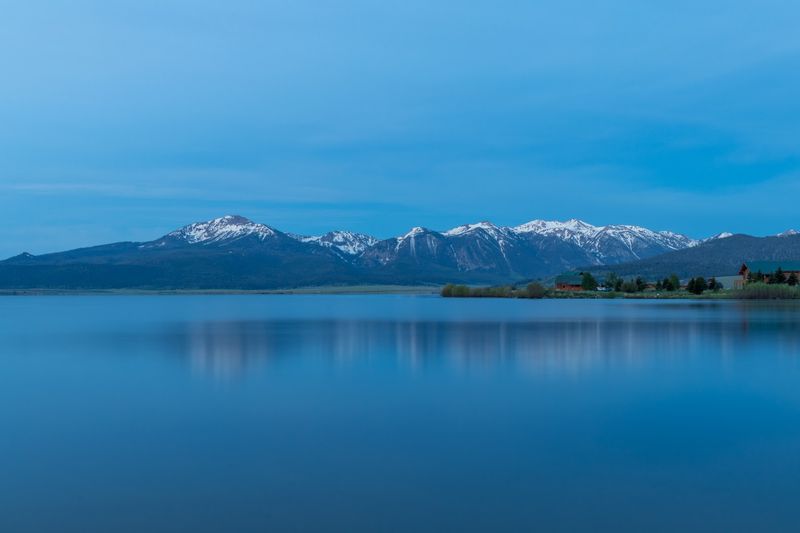
Henrys Lake sits right near the Montana border in eastern Idaho, and it operates on its own unhurried timeline. At an elevation of 6,472 feet, this wide, shallow lake covers about 6,000 acres and sits in a broad valley framed by the Centennial Mountains.
The scenery is wide open and almost cinematic in its scale.
The lake is legendary among fly fishers throughout the American West. Cutthroat-rainbow hybrids grow to impressive sizes here because of the lake’s rich aquatic ecosystem.
Serious anglers plan entire vacations around a week on Henrys Lake.
The marshes and wetlands surrounding the lake create a wildlife sanctuary that rivals anything in the region. Trumpeter swans, sandhill cranes, and great blue herons are regular visitors.
Moose wade through the shallow edges with complete indifference to human observers.
Henrys Lake State Park on the eastern shore offers camping with direct water access. The park is small, friendly, and never chaotic.
It has that old-school state park energy where rangers still wave at you from their trucks.
Fall visits bring a completely different atmosphere to Henrys Lake. The surrounding grasses turn gold and amber, elk bugling echoes across the valley, and the crowds disappear entirely.
October mornings here, with frost on the ground and mist on the water, feel like a reward for paying attention to the calendar.