
This Underappreciated Tennessee Park Helped Shape Both The State And The Nation
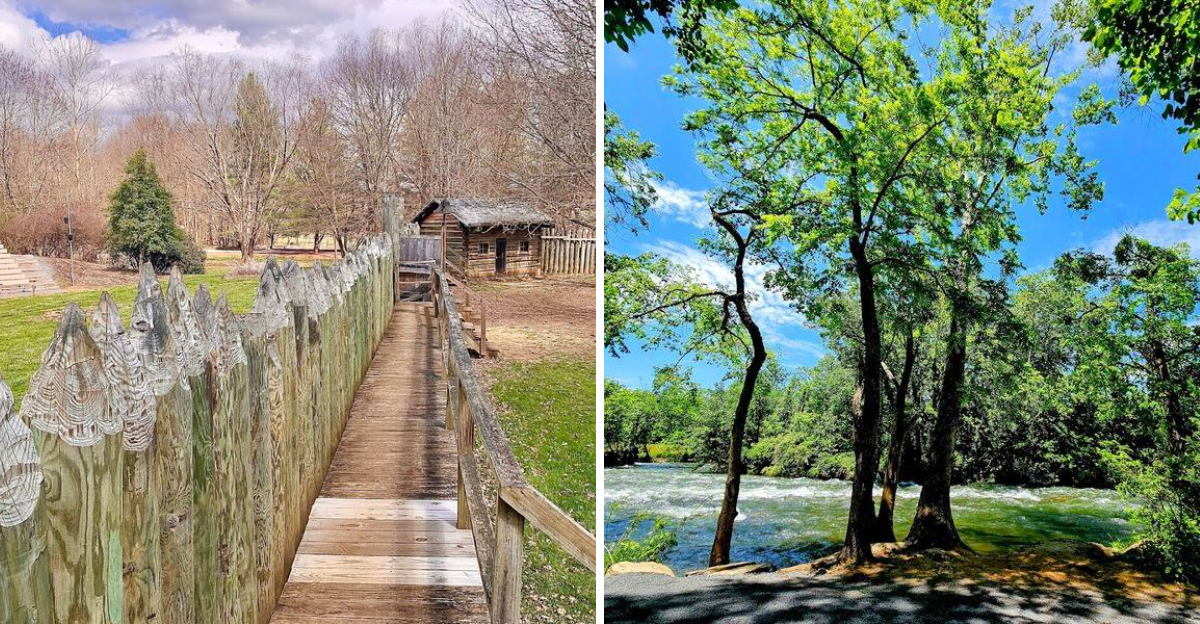
Most people drive right past it. And that is honestly their loss.
Tennessee has a park that doesn’t show up on many travel lists, doesn’t get the social media attention it deserves, and doesn’t make a lot of noise about what happened there. But what happened there?
It changed everything. This is the ground where ordinary people made extraordinary decisions.
Where Tennessee’s story and America’s story crossed paths in a way that still echoes today. Not many parks can say that.
It doesn’t need a flashy visitor center or a long gift shop to prove its worth. The land does that on its own.
Walk through it and you can almost feel the weight of what took place here. Some places earn their importance quietly.
This Tennessee park is one of them. And it is long past time more people knew its name.
The Watauga Association And The Birth Of Self-Governance
Before the United States had a constitution, a small group of frontier settlers did something remarkably bold.
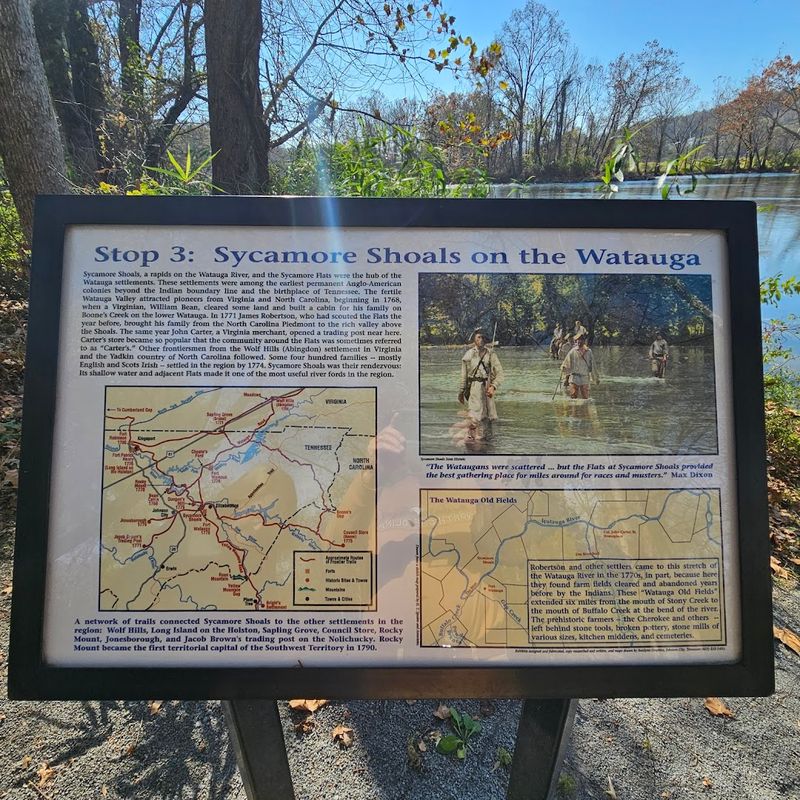
In 1772, colonists living along the Watauga River formed the Watauga Association, one of the earliest experiments in self-governance by American-born colonists west of the Appalachian Mountains.
This was not a casual agreement. These settlers wrote their own rules, elected their own leaders, and governed themselves without permission from any colonial authority.
Historians often point to this moment as a preview of the democratic principles that would later define the nation.
This state park preserves the very ground where this association took root.
Walking through the visitor center exhibits, you get a clear picture of just how deliberate and courageous that decision was.
A small group of people, far from any established government, chose to build one themselves.
That instinct toward organized self-rule is a foundational thread in the American story, and it began right here along a shallow stretch of river in what would eventually become Tennessee.
The Transylvania Purchase And One Of History’s Largest Land Deals
Real estate deals do not get much bigger than this.
In March 1775, the Transylvania Purchase took place at Sycamore Shoals, making it one of the largest private land transactions in American history.
Richard Henderson, a North Carolina judge, negotiated with Cherokee leaders to purchase roughly 20 million acres covering much of present-day Kentucky and Tennessee.
Daniel Boone was also present, and shortly after the deal was signed, he led a group west to blaze what became known as the Wilderness Road.
The purchase was controversial from the start.
Many Cherokee leaders who were not present disputed the agreement, and the transaction eventually sparked serious conflict between settlers and the Cherokee Nation.
The legal legitimacy of the deal was also questioned by colonial governments, and it was ultimately voided. Still, the event accelerated western settlement in a dramatic way.
The park does an excellent job of presenting all sides of this story, acknowledging both the ambition of the settlers and the serious consequences for the Cherokee people who had called this land home for generations.
It is a complicated chapter, and the exhibits treat it with appropriate depth.
Fort Watauga And The Settlers Who Refused To Retreat
Courage takes many forms.
In 1776, a group of settlers at Sycamore Shoals built Fort Watauga and prepared to defend themselves against a large Cherokee attack coordinated with British forces during the American Revolution.
Outnumbered and isolated, they held the fort and refused to abandon their homes.
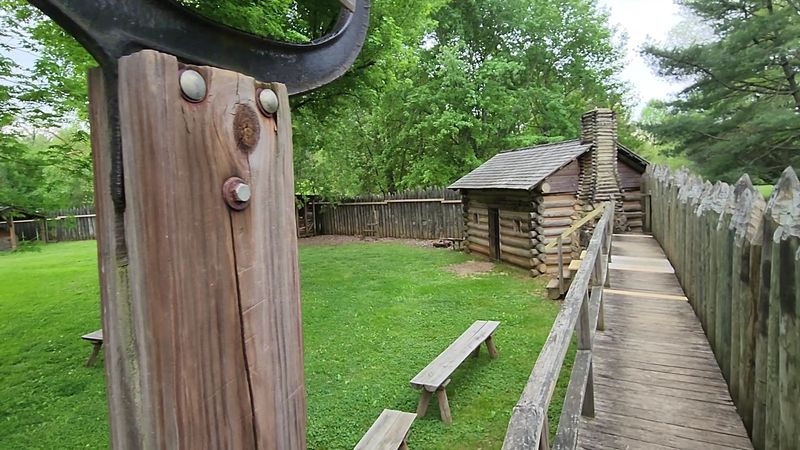
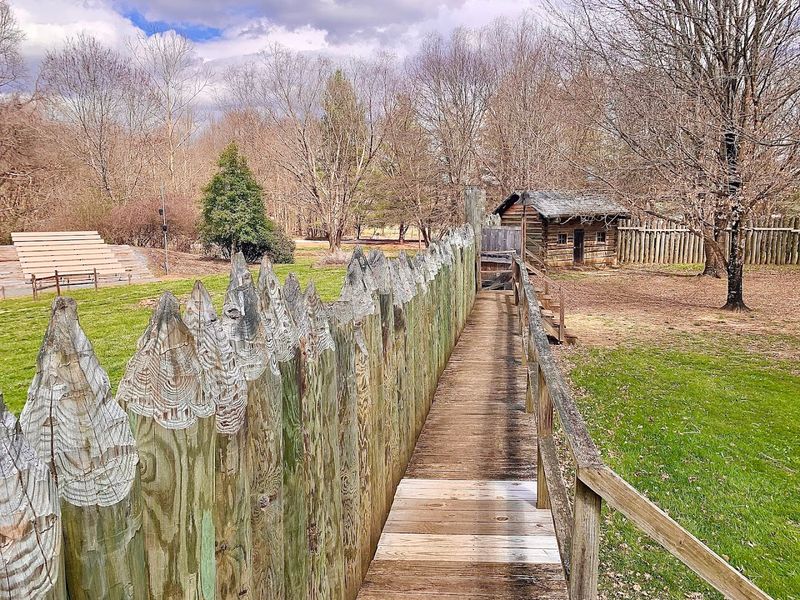
The reconstructed fort standing at the park today gives visitors a real sense of what life inside those walls must have felt like.
The log structures are solid and authentic in appearance, and walking through the gate transports you mentally to a time when survival was genuinely uncertain.
Rangers and exhibits explain the sequence of events clearly and without dramatizing beyond what the facts already provide.
One detail that stands out is the story of Catherine “Bonny Kate” Sherrill, who reportedly leaped over the fort wall to safety during the attack. Her story is among several personal accounts that make the history feel immediate rather than distant.
The fort is visible from the visitor center, and most guests spend considerable time exploring it. For families with children, it is one of the most engaging parts of the entire park experience, blending education with genuine atmosphere.
The Overmountain Men And Their March To Kings Mountain
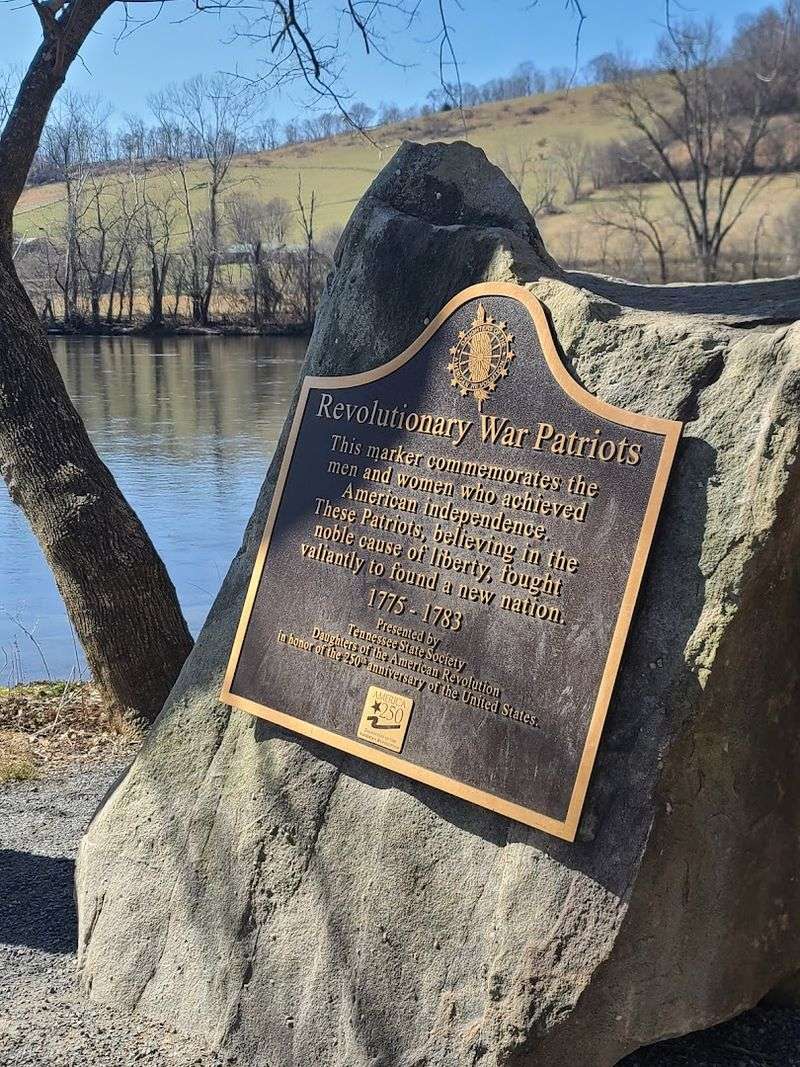
September 1780 produced one of the most consequential gatherings in American Revolutionary history.
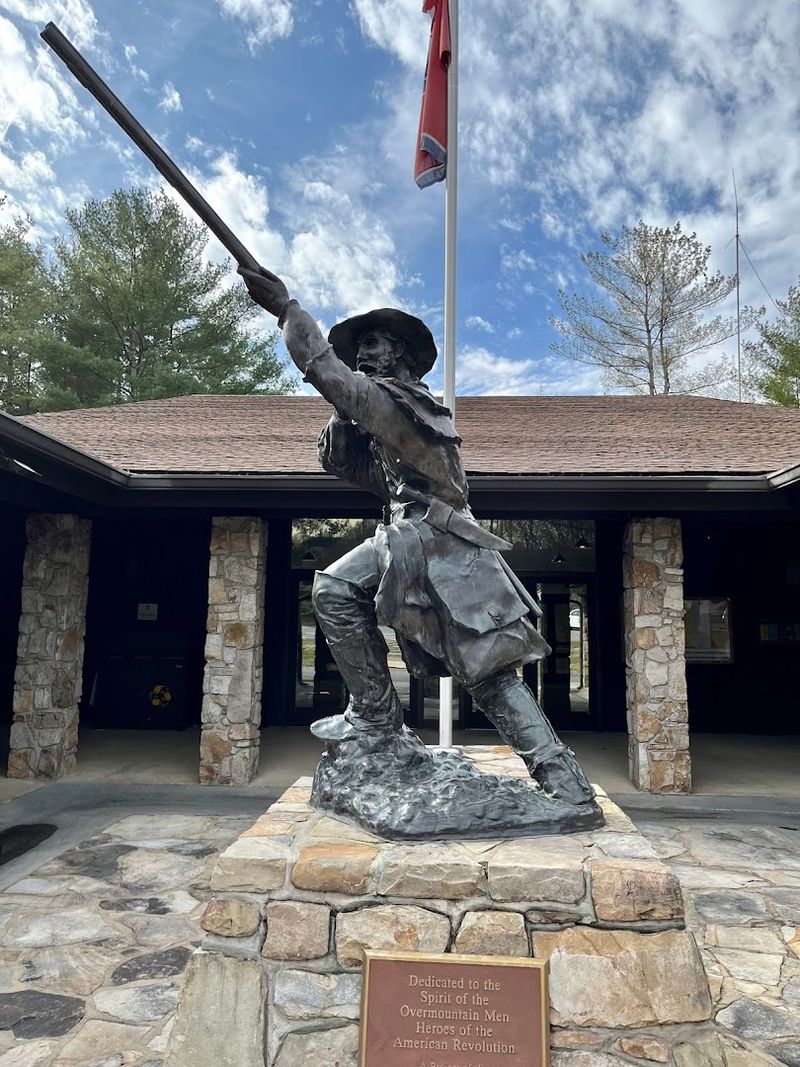
Frontier militia members from Virginia, North Carolina, and Tennessee converged at Sycamore Shoals in response to a threat from British officer Patrick Ferguson.
The Overmountain Men did not back down. Roughly 1,000 militiamen assembled on the meadows near the Watauga River and set off across the Appalachian Mountains on foot.
The march itself was grueling, and the weather was unforgiving.
But the men kept moving, driven by a combination of genuine patriotism and the kind of stubborn resolve that frontier life tends to produce.
Their victory at the Battle of Kings Mountain on October 7, 1780, is widely regarded as one of the pivotal moments of the entire American Revolution. British momentum in the South collapsed after that battle.
The park marks the original muster site with exhibits and trail signage, and the Overmountain Victory National Historic Trail passes directly through the grounds. Visiting this spot gives the march a weight and immediacy that no history book fully captures on its own.
The Watauga River Trail And The Quiet Reward Of A Riverside Walk
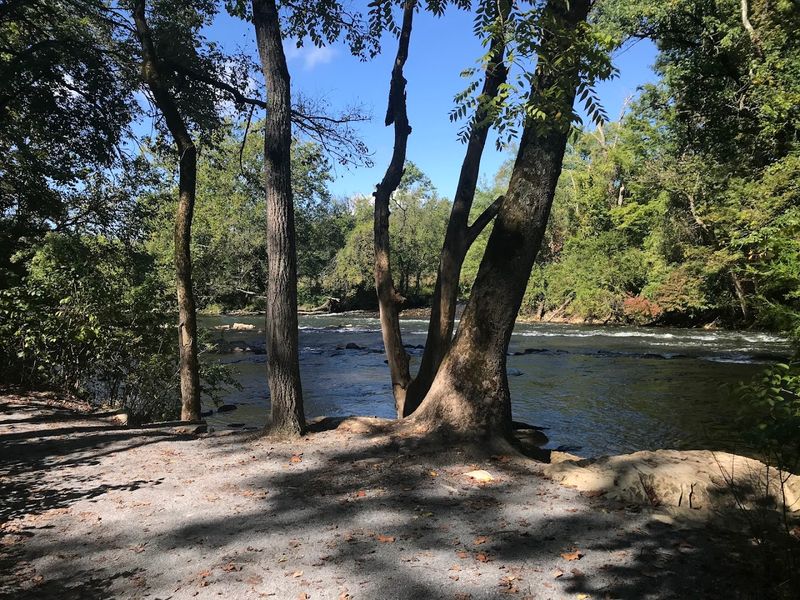
Not every reason to visit a historic park has to involve a battle or a treaty.
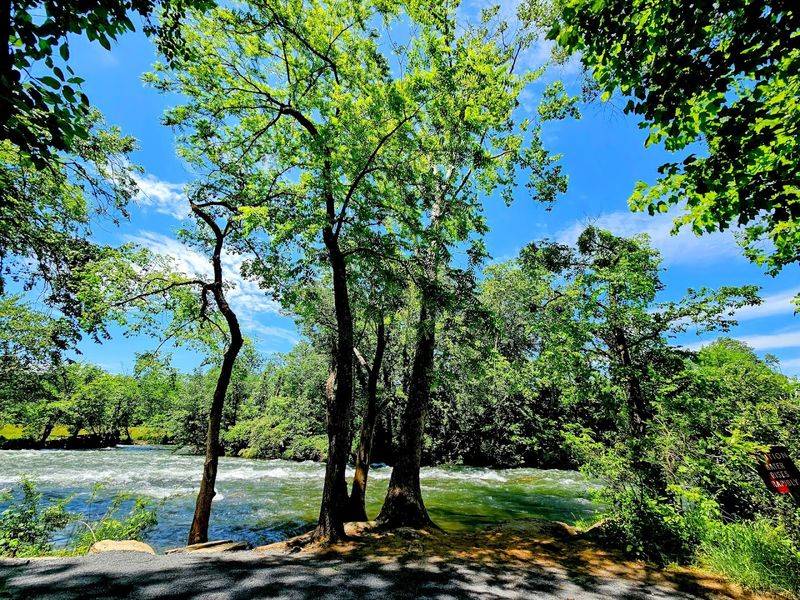
The Watauga River trail at Sycamore Shoals offers something simpler and equally satisfying: a quiet walk along one of the most pleasant stretches of river in northeastern Tennessee.
The path is mostly flat, lightly graveled, and easy enough for visitors of most fitness levels.
Benches appear at regular intervals, positioned to take advantage of the river views.
In the morning, mist sometimes sits low over the water, and the sound of the current moving over the shallow shoals has a genuinely calming effect.
Visitors have noted seeing an impressive variety of birds along this trail.
The surrounding forest has a density and character that feels untouched even though the park sits right inside Elizabethton city limits.
Late summer brings an abundance of white wildflowers along the path, which several visitors have described as unexpectedly beautiful. The trail eventually loops back toward the fort and visitor center, making it easy to combine a nature walk with a full tour of the historical exhibits.
It is the kind of walk that starts as a short detour and ends up being the part of the visit people remember most fondly.
The Museum And Visitor Center That Actually Teach You Something
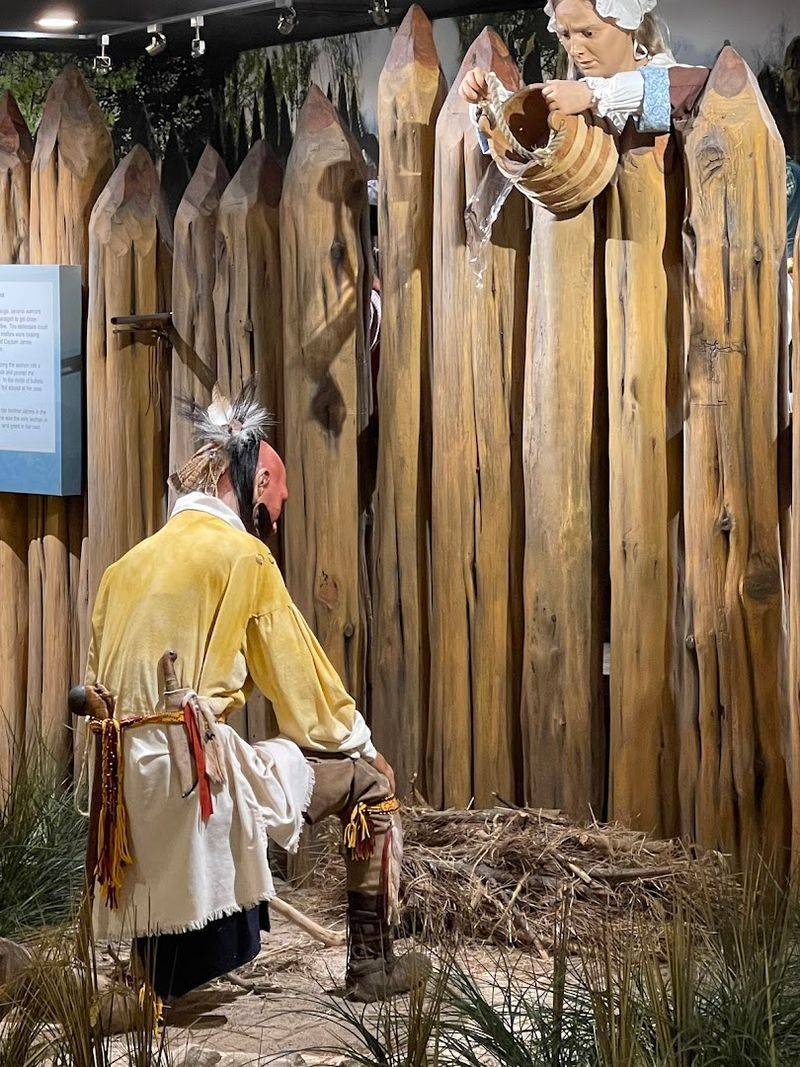
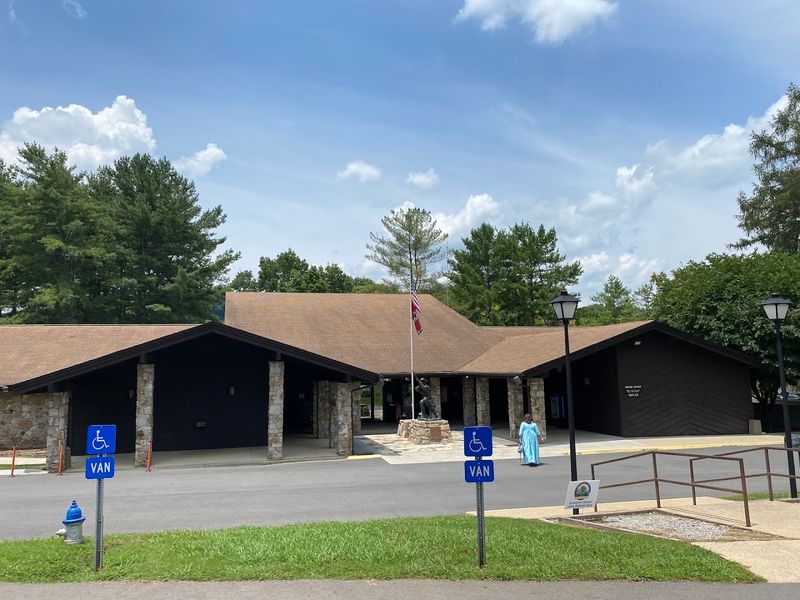
Museums at state parks can sometimes feel like an afterthought. The visitor center at Sycamore Shoals at 1651 W Elk Ave in Elizabethton is a notable exception.
The exhibits are thoughtfully arranged, clearly written, and detailed enough to satisfy adults while remaining accessible to younger visitors.
A small theater inside the building shows a short film with surprisingly good acoustics, and multiple visitors have specifically mentioned how much it added to their understanding of the site.
The displays cover the full arc of the park’s history, from the Cherokee use of the shoals as a trade and diplomacy hub to the founding of the Watauga Association and the Transylvania Purchase. Each era is given appropriate space and context.
The exhibits do not talk down to visitors or oversimplify the complicated relationships between settlers and Native American communities.
A well-stocked gift shop sits near the entrance and carries books, maps, and locally relevant items that feel curated rather than generic.
The staff members have consistently drawn praise in visitor reviews for being knowledgeable, friendly, and genuinely interested in sharing the park’s story.
The visitor center is open from 8 AM to 4:30 PM daily, and admission to the museum is free, which makes it one of the better no-cost educational experiences in the region.
Cherokee History And The Long Story Before European Settlement
Long before any European settler arrived in the Watauga River valley, the Cherokee people recognized the value of this location. The shallow crossing at Sycamore Shoals made it a natural meeting point for trade and diplomacy among various tribes.
For centuries, the site functioned as a kind of neutral ground where different groups could gather without the tensions that more contested territories would carry.
The park takes this history seriously.
Exhibits inside the visitor center present Cherokee culture, territorial use of the land, and the diplomatic traditions that shaped interactions. The Transylvania Purchase and the events of 1776 are presented within this longer context.
Understanding the Cherokee presence at Sycamore Shoals also reframes the significance of the location itself. This was not simply an empty frontier waiting to be claimed.
It was an active, meaningful place in the lives of people who had built communities and traditions across the region for generations. The park presents that reality with care, and visitors who take time with those exhibits leave with a richer sense of the full human history of the site.
The Butterfly Garden And The Unexpected Natural Beauty Of The Park
History parks are not always known for their gardens, but Sycamore Shoals has developed a butterfly garden that draws consistent praise from visitors.
Families with young children particularly enjoy this area, and it provides a pleasant transition from the more structured historical exhibits to the open natural landscape of the park.
The garden is woven into the trail system, so it is easy to pass through it as part of a broader walk rather than making a special trip.
Multiple species of butterflies have been spotted here by regular visitors, and at least one reviewer mentioned seeing more butterflies at this park than at any other location.
The combination of native plantings and proximity to the river creates conditions that clearly support a healthy pollinator population.
White flowers bloom in abundance along the paths in late August, and the effect is genuinely striking against the green backdrop of the surrounding forest.
The park does not advertise this feature heavily, which means many first-time visitors discover it as a pleasant surprise mid-walk.
It is a reminder that places with deep historical significance can also be places of straightforward natural beauty. Both qualities coexist here without one diminishing the other, which is part of what makes the park feel so complete.
Accessibility Features And A Park That Welcomes Everyone
A park’s character shows most clearly in how it treats its least mobile visitors. Sycamore Shoals has made a genuine effort to ensure that people with limited mobility can experience the site fully.
The park recently added a free all-terrain wheelchair available for guest use, and the response from visitors has been deeply positive.
One reviewer described bringing an 80-year-old mother who struggles to walk long distances. With the all-terrain chair, she was able to see the river and the fort for the first time, and she called it the highlight of her entire trip.
Staff members helped coordinate the reservation in advance, and on the day of the visit, the team was described as attentive and warm. That kind of experience does not happen by accident.
It reflects a deliberate commitment to inclusion.
The main trails are relatively flat and accessible, and the visitor center itself is easy to navigate. The park’s hours run from 8 AM to 4:30 PM every day of the week, giving families flexibility to plan visits around their schedules.
For questions about accessibility or reservations, the park can be reached at the number listed on the Tennessee State Parks website. A place this historically important should be reachable by everyone, and Sycamore Shoals is clearly working toward that goal.
Why This Park Deserves A Place On Every Tennessee Itinerary
Some destinations earn their reputation through marketing. Others earn it through substance. Sycamore Shoals belongs firmly in the second category.
The park holds a National Historic Landmark designation, a rating of 4.8 stars across more than 1,500 reviews, and a history dense enough to fill several university courses.
Yet it remains genuinely undervisited compared to flashier attractions in the region.
The combination of historical depth, natural beauty, accessible trails, a thoughtful museum, and attentive staff makes it one of the most well-rounded state parks in Tennessee. Visitors come for the history and stay for the river walk.
They stop in the museum for twenty minutes and end up watching the film twice.
Children who had no interest in American history leave asking questions about the Overmountain Men and the Cherokee.
The park sits comfortably within a day-trip range of several major cities in the region. Admission to the grounds is free.
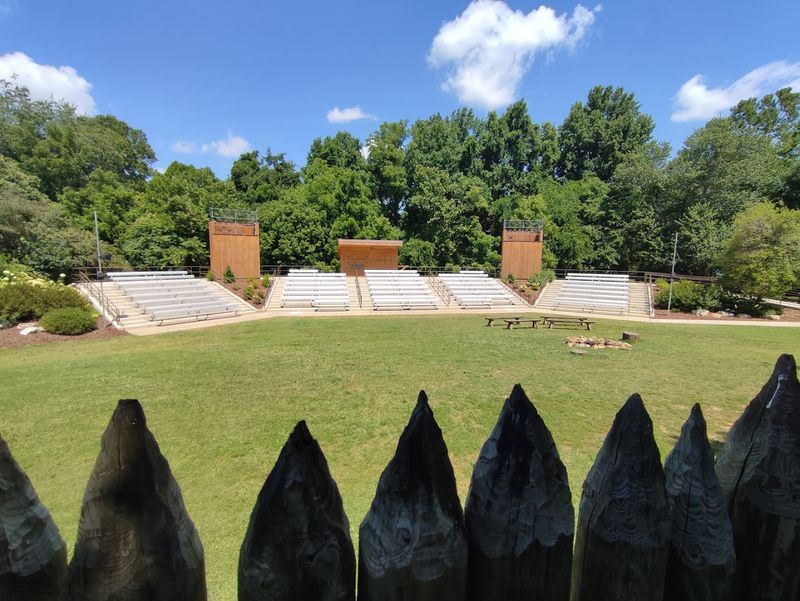
The outdoor drama Liberty: The Saga of Sycamore Shoals runs seasonally and adds yet another layer to the experience. For anyone building a Tennessee travel list with any interest in history, nature, or simply finding a place that rewards careful attention, this park belongs near the top.