
This Old Fashioned South Carolina Restaurant Serves Fried Chicken Everyone Talks About
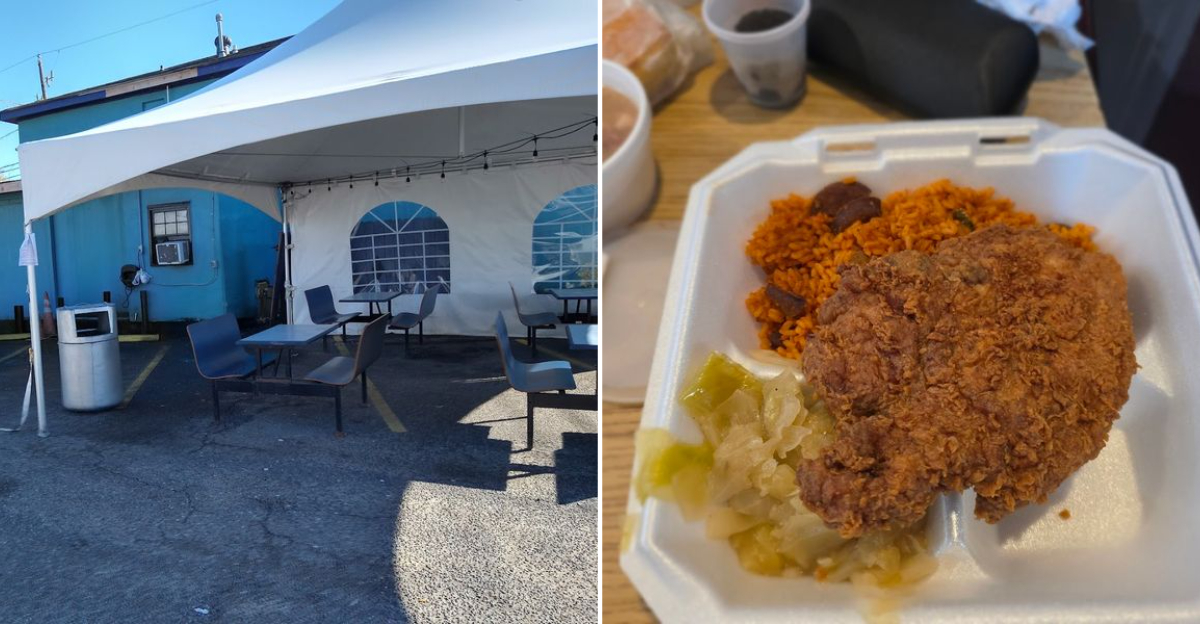
Fried chicken has a way of revealing exactly how much effort went into it before the first bite is even finished. This South Carolina restaurant has nothing to hide.
The crust snaps cleanly, the meat stays juicy all the way through, and the seasoning hits in layers rather than all at once. Old-fashioned means something specific here.
It means recipes that have not been adjusted to suit trends or shortened to suit a faster kitchen.
South Carolina takes its comfort food seriously, and this restaurant has been honoring that standard long enough to earn the conversations it keeps generating.
Regulars drive past newer options without a second glance because nothing else in the area comes close to replicating what this kitchen produces.
First-timers arrive on a recommendation and leave understanding immediately why the place keeps coming up.
The fried chicken here does not need a marketing campaign. It has word of mouth, and that has always been enough.
History Of Fried Chicken In The Region
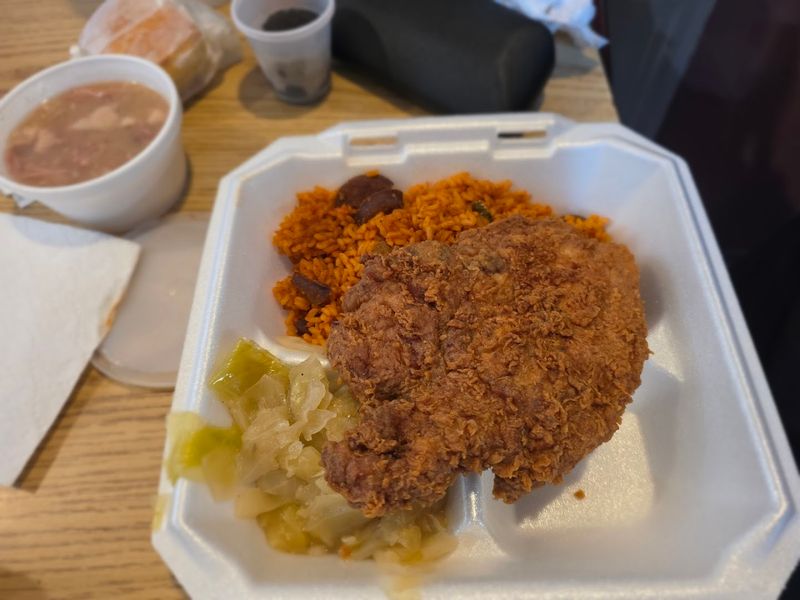
This spot did not become a legend overnight. Albertha Grant opened the restaurant around 1979 on Meeting Street Road in North Charleston, and she built it on one simple idea: cook real food the right way.
Her fried chicken became the anchor of everything on the menu. People in the Lowcountry have been frying chicken for generations, and Bertha understood that tradition deeply.
The Lowcountry region of South Carolina has a rich food history tied closely to Gullah culture. Gullah cuisine uses local ingredients, bold seasoning, and slow, careful cooking methods passed down through families.
Fried chicken fits right into that story. It was never just a meal here.
It was a way of showing love and keeping culture alive at the table.
Bertha’s daughters, Julia Grant, Linda Pinckney, and Sharon Grant Coakley, now run the kitchen using their mother’s original methods. Nothing has been modernized for shortcuts.
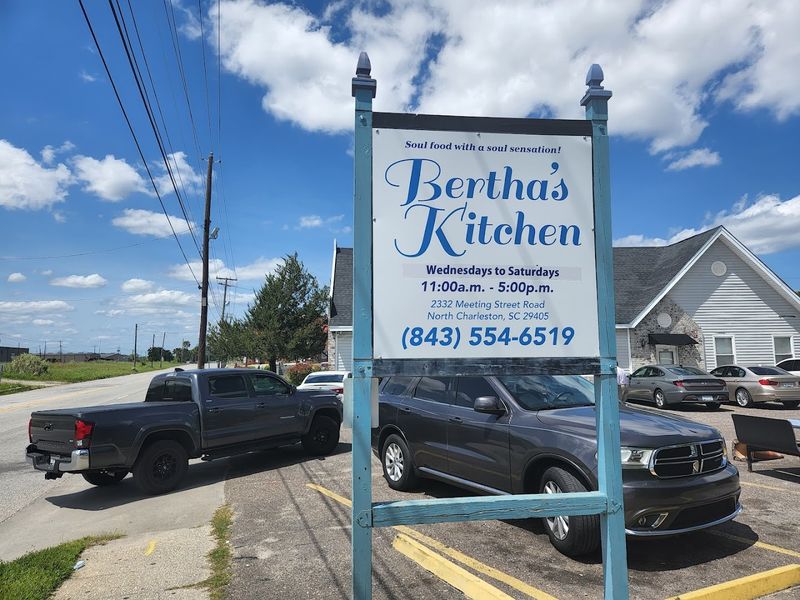
The recipes were never written down, which makes the whole operation even more impressive. You can find Bertha’s Kitchen at 2332 Meeting Street Rd, North Charleston, SC 29405.
The history behind every plate is as rich as the food itself.
Unique Seasoning Blends That Enhance Flavor
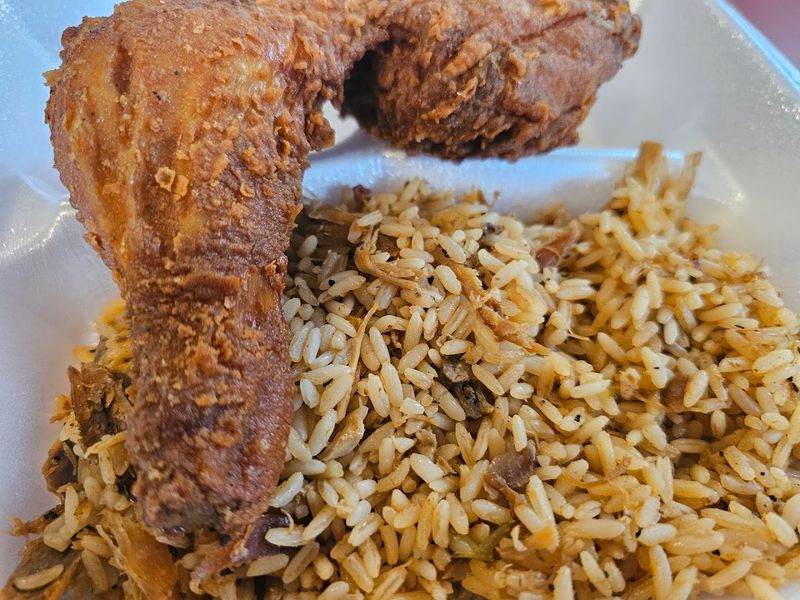
Nobody at Bertha’s Kitchen is measuring spices with a teaspoon. The seasoning blends used on the fried chicken were never written down, not once in over four decades.
Albertha Grant kept the recipe in her head and her hands. Her daughters learned by watching, tasting, and repeating the process until they got it exactly right.
That kind of knowledge lives in muscle memory, not on paper.
The chicken is reportedly seasoned hours before it ever hits the oil. That advance seasoning is what makes the flavor go all the way to the bone.
Salt penetrates deep into the meat when given enough time. Most fast-food chains skip this step entirely, which is exactly why their chicken tastes flat by comparison.
At Bertha’s, patience is a core ingredient.
The result is a crust described as fissured and red-gold, crackling with flavor before you even take a bite. The seasoning is bold but not overwhelming.
It does not hide the chicken. It lifts it.
Every piece tastes consistent, which is rare when you are cooking in small batches by hand. That consistency comes from decades of practice and a seasoning approach that has never been rushed or cut short for convenience.
Cooking Techniques For Perfect Crispiness
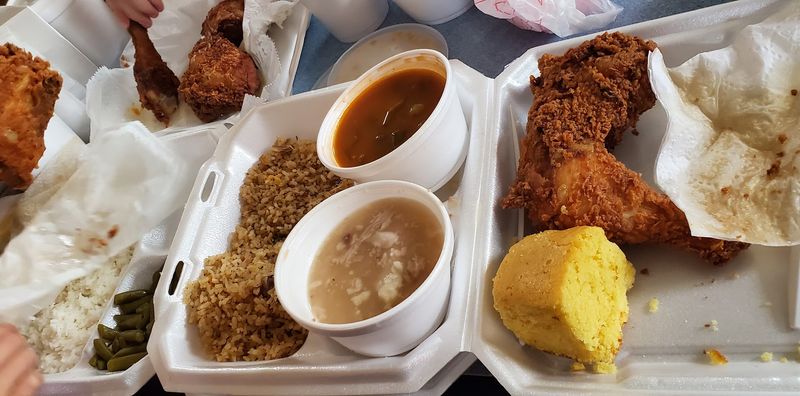
Getting fried chicken perfectly crispy is harder than it looks. At Bertha’s Kitchen, the chicken is hand-dredged and cooked in small batches.
Small batches matter because they keep the oil temperature stable. When you crowd a fryer, the temperature drops and the chicken steams instead of crisping.
Nobody wants steamed fried chicken. Bertha’s team has never made that mistake.
The crust on Bertha’s chicken has been called fissured and practically falling off the bone in the best possible way. That texture comes from the dredging technique and the oil quality maintained throughout each cook.
The chicken goes in hot and comes out golden. There is no mystery machine doing the work.
It is hands-on cooking from start to finish, every single day the restaurant is open.
Bertha’s is open Wednesday through Saturday, with hours from 11 AM to 5 PM. Lines form before the doors open, and that tells you everything about the quality people expect inside.
The technique behind the chicken has stayed the same since the early days. No air fryers, no shortcuts, no frozen shortcuts.
Just real frying done right by people who have been perfecting the craft for decades and have zero plans to change what already works.
Popular Side Dishes To Complement The Meal
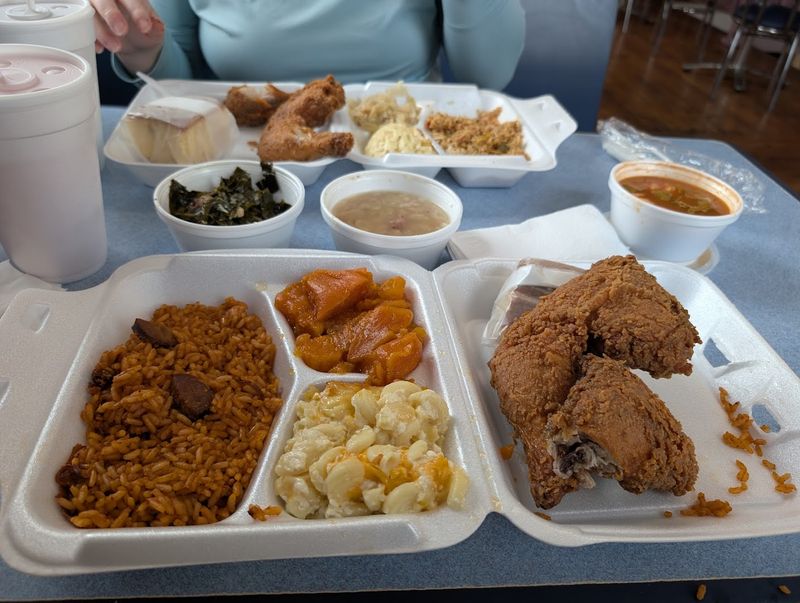
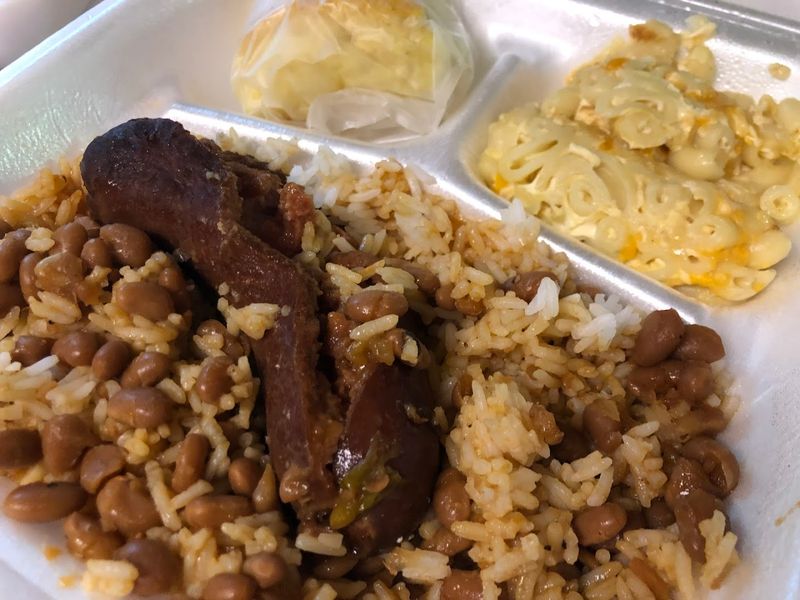
The fried chicken at Bertha’s gets most of the attention, but the sides are absolutely holding their own. Red rice is one of the most popular choices, and it has that deep, slow-cooked flavor that reminds you of a Sunday afternoon at a relative’s house.
The macaroni and cheese is creamy, rich, and baked with enough care that it stands up as a full dish on its own.
Collard greens and lima beans round out the classic soul food lineup. The lima beans are often cooked with smoked turkey necks or pig tails, which gives them a smoky, savory depth that canned versions could never match.
Cornbread comes alongside most meals and has a slightly dense, golden quality that makes it perfect for soaking up every last bit of sauce or soup on the plate.
Okra soup is another standout that regulars order without hesitation. It is a Gullah-influenced dish with a thick, hearty base that feels like a meal by itself.
Fried pork chops also appear on the menu and have earned their own loyal following. The daily specials rotate and keep things interesting for people who visit more than once a week.
At Bertha’s, the sides are never an afterthought. They are part of the full story on every plate.
Importance Of Locally Sourced Ingredients
Lowcountry cooking has always relied on what is nearby. South Carolina’s coastal region produces an abundance of fresh vegetables, seafood, and poultry that have shaped the local food culture for centuries.
Bertha’s Kitchen draws from that same tradition. The menu reflects what grows and thrives in this part of the country, and that connection to local sourcing is part of what makes the food taste so grounded and real.
Okra, lima beans, and collard greens are all staples of the Lowcountry kitchen. These are not exotic ingredients flown in from somewhere else.
They are foods that have fed families in this region for generations. When a restaurant builds its menu around ingredients that belong to the land and the people, the food carries a kind of authenticity that is hard to manufacture or fake with a trendy label.
The Gullah influence on Bertha’s menu runs deep. Gullah communities in coastal South Carolina developed a cuisine that was resourceful, flavorful, and deeply tied to the local environment.
Bertha’s Kitchen honors that legacy every day it opens. Using familiar, regional ingredients keeps the food honest and consistent.
It also keeps the community connected to a culinary history that deserves to be celebrated and preserved rather than replaced by something shinier or more fashionable.
Customer Favorites And Signature Recipes
Ask anyone who has eaten at Bertha’s Kitchen what they ordered, and the fried chicken is almost always the first thing out of their mouth. It has been called the best fried chicken in 35 years by more than one visitor.
That is a bold claim, but the track record backs it up. The James Beard Foundation gave Bertha’s Kitchen its America’s Classics award in May 2017, which honors restaurants beloved in their regions for quality food that reflects community character.
Beyond the chicken, crab balls have built a loyal fan base. They are crispy on the outside and packed with real crab inside.
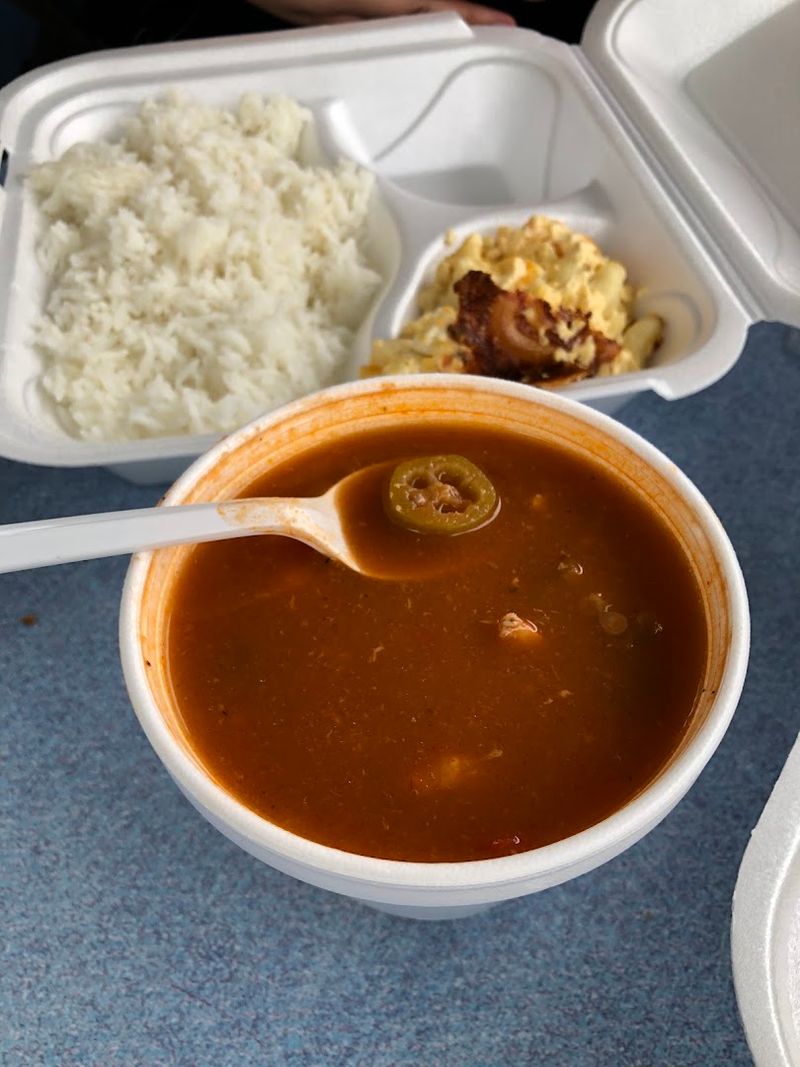
Seafood rice is another crowd favorite that pairs well with just about everything else on the menu. Okra soup with a square of cornbread is the combination that longtime regulars tend to protect like a personal secret worth keeping to themselves.
The daily specials are where Bertha’s gets creative within its own tradition. Baked chicken, shrimp, fried fish, and BBQ ribs rotate through depending on the day.
Meals are served in Styrofoam clamshells, which is part of the no-fuss charm the place has always carried. In April 2025, cheapism.com named Bertha’s the best hole-in-the-wall fried chicken spot in South Carolina.
That recognition was not a surprise to anyone who has already eaten there more than once.
Tips For Recreating The Dish At Home
Recreating Bertha’s fried chicken at home is a worthy challenge. The most important tip is to season your chicken hours before you cook it.
Do not season and fry in the same hour. Give the salt and spices time to work into the meat.
This step alone separates average fried chicken from the kind that makes people quiet at the dinner table because they are too busy eating to talk.
Use a cast-iron skillet if you have one. It holds heat evenly and gives the crust a more consistent color and crunch.
Keep your oil hot but not smoking. Around 325 to 350 degrees Fahrenheit is the right range for frying chicken through without burning the outside.
Fry in small batches. Overcrowding the pan drops the temperature and ruins the texture you worked hard to build.
Hand-dredge each piece through seasoned flour rather than shaking it in a bag. You get better coverage and a thicker crust that way.
Let the dredged chicken rest for a few minutes before it goes into the oil. That short rest helps the coating stick during frying.
Dark meat holds up better to frying than white meat and stays juicier longer. Start with thighs and drumsticks if you want the most forgiving results while you practice getting the technique right.
Cultural Significance Of The Dish In The Community
Fried chicken in the Lowcountry is not just food. It is a cultural statement.
For communities in and around North Charleston, dishes like the ones served at Bertha’s Kitchen carry the weight of history, family, and identity.
Albertha Grant opened her restaurant at a time when soul food was the everyday language of her community.
Her kitchen became a gathering place that meant something beyond the meal itself.
In August 2025, Bertha’s Kitchen received a $50,000 grant from the Backing Historic Small Restaurants program, run by the National Trust for Historic Preservation and American Express.
That recognition confirms what the neighborhood has known for decades.
Bertha’s is not just a restaurant. It is a cultural landmark that deserves protection and support in the same way historic buildings do.
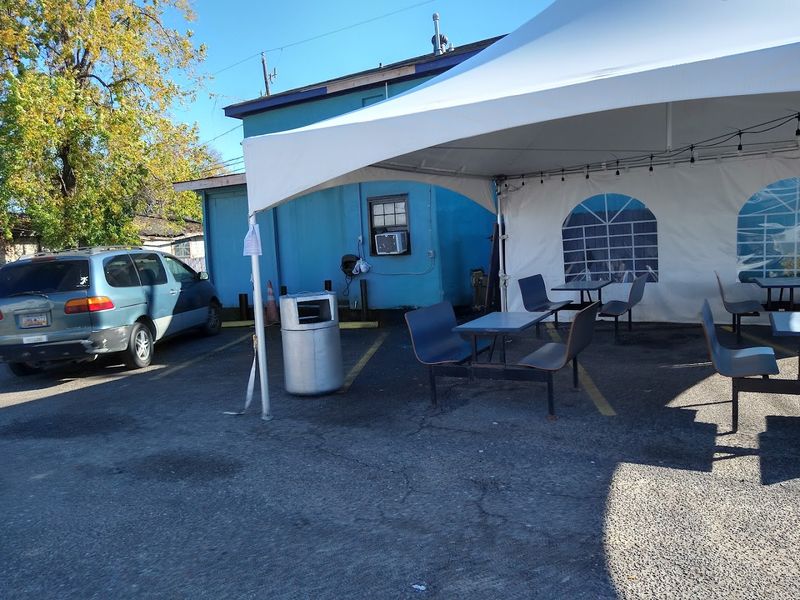
The dining room at Bertha’s is decorated with family murals and portraits. It feels like walking into a living room that also happens to serve incredible food.
The building itself is a bright blue two-story structure that has become a recognizable part of the North Charleston landscape.
When a community rallied against the family’s potential decision to sell in 2022, it proved that Bertha’s Kitchen belongs to more than just the Grant family. It belongs to the whole neighborhood and everyone who has ever eaten there.