
This Tennessee Town Stays Almost Unnoticed, Even By Frequent Travelers
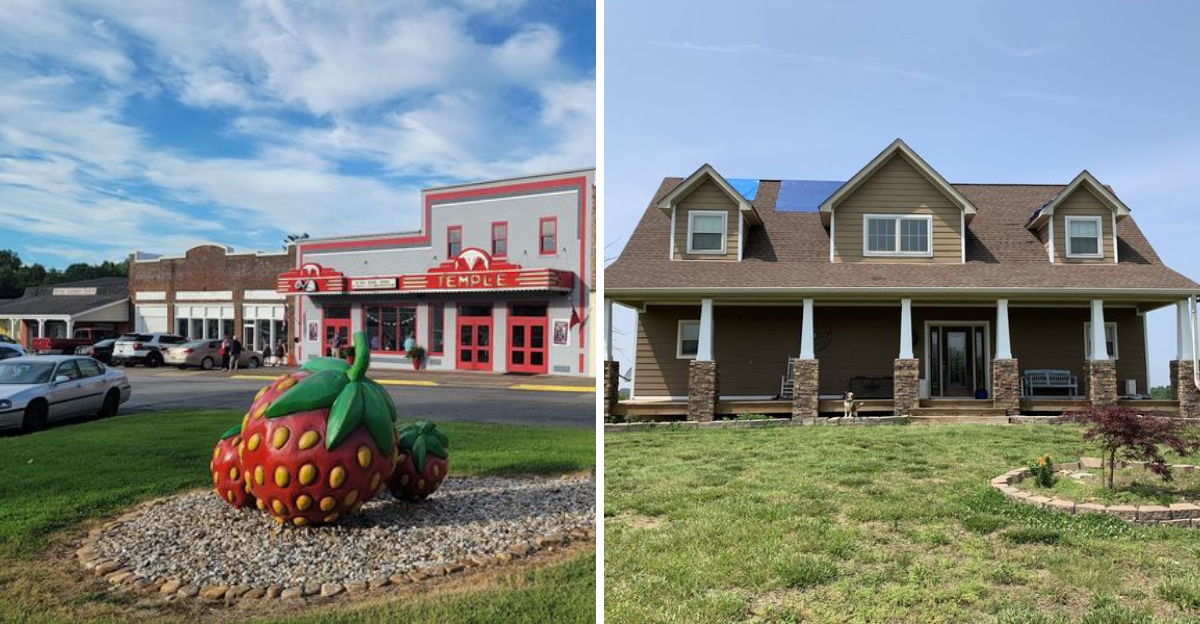
Some towns do not need flashing signs, packed sidewalks, or endless souvenir shops to leave an impression. Tennessee has plenty of famous stops, but every now and then, a quieter place slips past the spotlight and rewards anyone who slows down long enough to notice.
This is the sort of town where local history still feels close, the streets have an easy rhythm, and everyday scenes can feel surprisingly charming.
Frequent travelers may think they know the state by now. Do they really?
Beyond the busier routes and familiar names, Tennessee still has places that feel relaxed, friendly, and refreshingly unpolished. A short visit can bring small shops, simple pleasures, scenic corners, and that pleasant feeling of finding somewhere people are not talking about nonstop.
It may not shout for attention, but that is exactly why it stays memorable.
The Strawberry Capital Story That Most People Have Never Heard
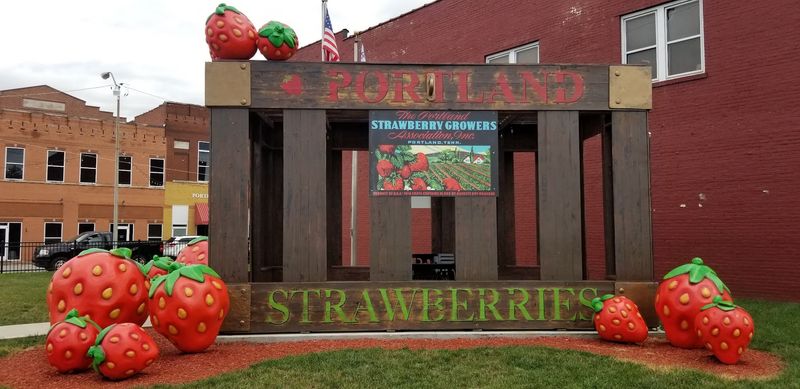
At one point in American history, one out of every five strawberries sold across the entire country came from a single small city in Tennessee. That is not folklore.
This place earned the official title of the Strawberry Capital, and the agricultural legacy behind that title shaped the town’s identity for generations.
The strawberry industry peaked during the first half of the 20th century, when local farms were producing at a scale that genuinely surprised national markets. Refrigerated rail transport made it possible to ship fresh berries far beyond the region, and Portland’s farmers made the most of it.
Today, the tradition lives on through the annual Middle Tennessee Strawberry Festival, a long-running community celebration that draws visitors from across the state.
The festival features live music, local food vendors, and a strong sense of regional pride that feels completely authentic rather than manufactured for tourism.
For anyone curious about American agricultural history, this is a story worth knowing. This town’s strawberry heritage is not a footnote.
It is the foundation of a community that built itself around hard work, good soil, and a fruit that most people take for granted at the grocery store.
The Moye-Green House And What It Says About Victorian Tennessee
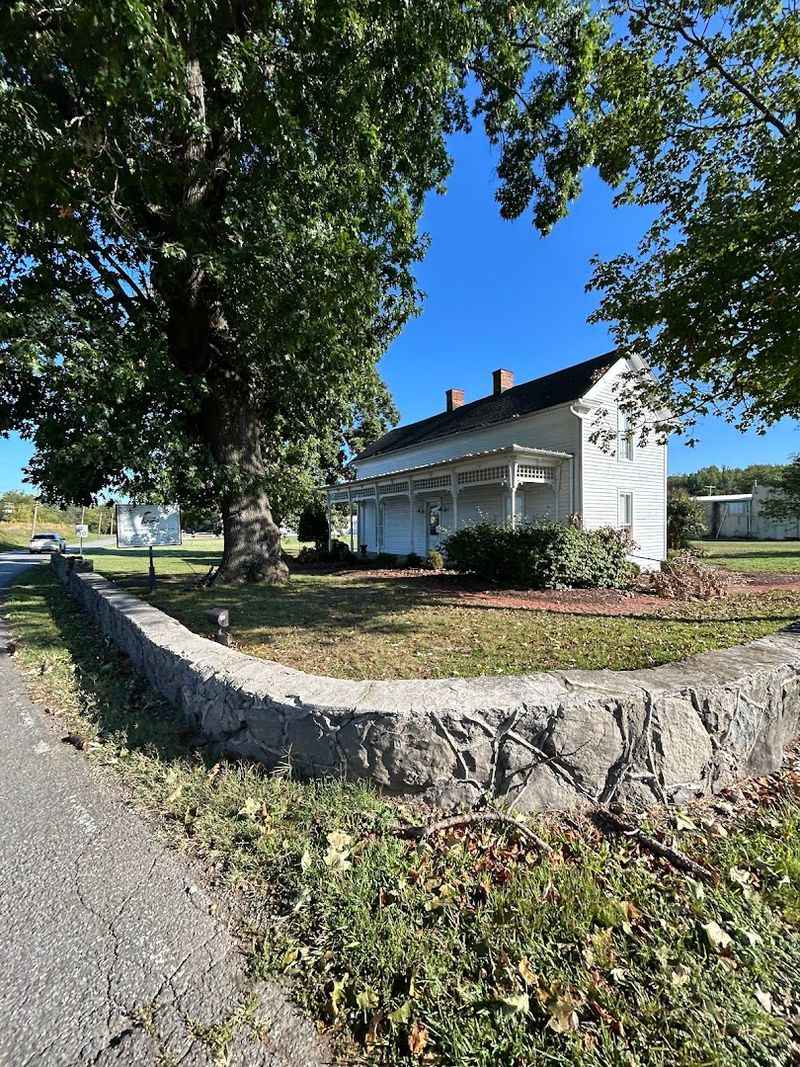
Listed on the National Register of Historic Places, the Moye Boarding House is one of the more quietly remarkable buildings in this part of Tennessee.
The preserved Victorian-style home offers a direct window into 19th-century life in a rural Southern community. It does so without the theatrical staging that sometimes makes historic houses feel more like stage sets than real places.
The Portland History Museum now operates within the Moye-Green House, giving visitors access to local artifacts, photographs, and records that trace the city’s development.
The collection is modest by big-city museum standards, but that modesty is part of its appeal.
Victorian architecture in small Tennessee towns tends to be underappreciated.
The craftsmanship involved in building homes of this style in rural areas during that era required skill and materials that were not easily obtained.
The fact that the Moye-Green House has survived in good condition speaks to both the quality of its original construction and the community’s commitment to preservation.
For history-minded travelers, this stop provides context that no roadside marker can fully deliver. The building itself is the argument for why Portland deserves more attention than it currently receives.
Bottom View Farm Brings Seasonal Life To The Landscape
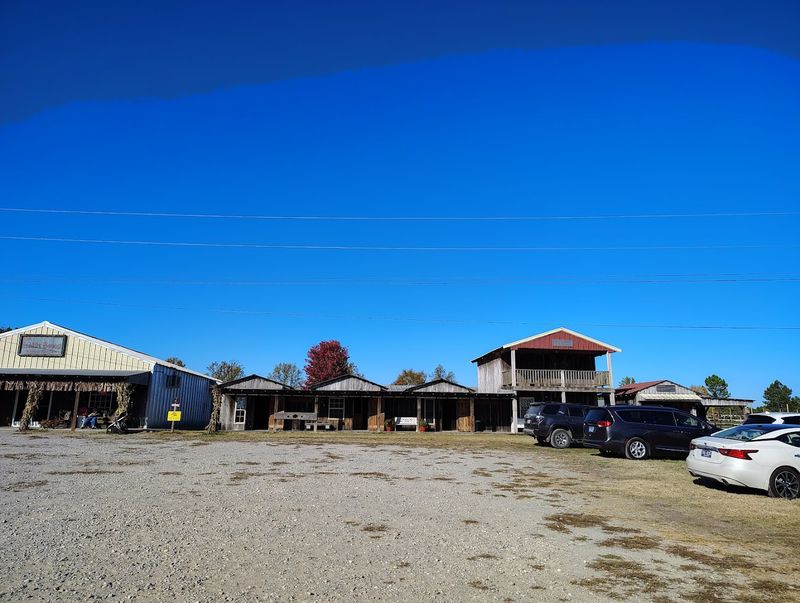
Bottom View Farm operates as one of those places that reminds adults why they liked autumn as children. The farm offers pumpkin patches, berry picking, hayrides, and a petting zoo across different seasons, making it a destination that changes character depending on when you visit.
Seasonal farm experiences have become genuinely popular across the country, but many of them feel over-produced and disconnected from actual agricultural life.
Bottom View Farm avoids that problem by maintaining the functional, working character of a real farm rather than dressing itself up as a theme park with hay bales.
For families traveling with children, the farm provides the kind of hands-on experience that holds attention far longer than a museum exhibit or a guided tour.
Berry picking in particular connects young visitors to the same agricultural heritage that made Portland famous for its strawberries in the first place.
The farm also reflects something important about how Portland has managed its identity over time. Rather than abandoning its agricultural roots in favor of commercial development, the community has found ways to keep those roots visible and accessible.
Bottom View Farm is a living example of that instinct, and it is a better destination for it.
Richland Park Gives The City Its Recreational Backbone
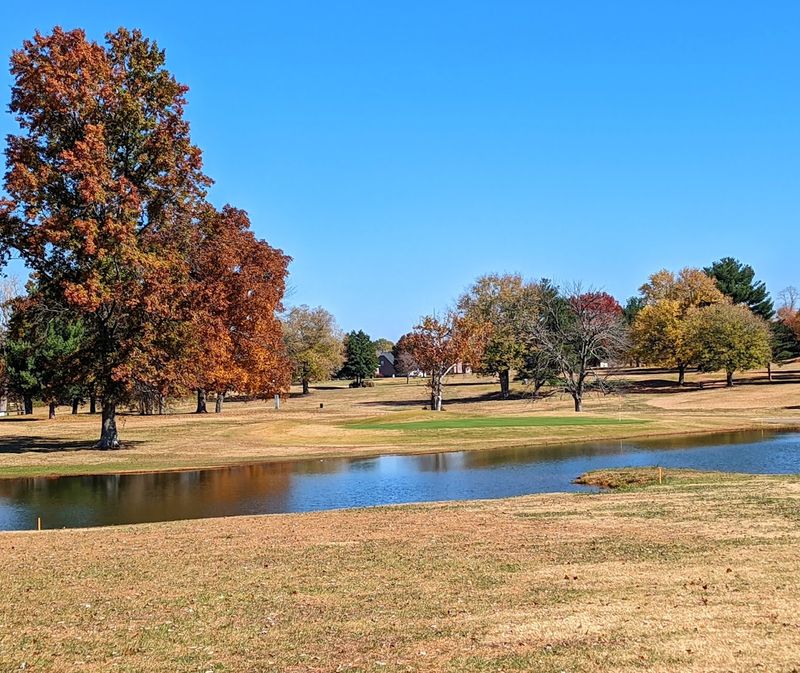
Richland Park serves as the recreational center of Portland’s community life.
The complex includes walking trails, sports courts, playgrounds, and picnic areas, giving residents and visitors a well-rounded outdoor space that functions across age groups and activity levels.
Parks of this quality in small cities often go unnoticed by outside visitors, who tend to assume that recreational infrastructure is only worth mentioning in larger metropolitan areas. Richland Park challenges that assumption.
The walking trails alone offer a pleasant way to spend an hour while getting a feel for the physical character of the town.
The name Richland connects directly to the city’s original identity before the 1888 renaming. That continuity is a small but meaningful detail.
Some communities erase their earlier names entirely, but Portland kept Richland alive in the park’s name, preserving a thread of historical identity within an everyday public space.
For travelers who prefer active exploration over passive sightseeing, Richland Park is a natural starting point.
The combination of open space, maintained trails, and community atmosphere gives any visit a grounded, local quality.
How A Railroad Renamed An Entire Town
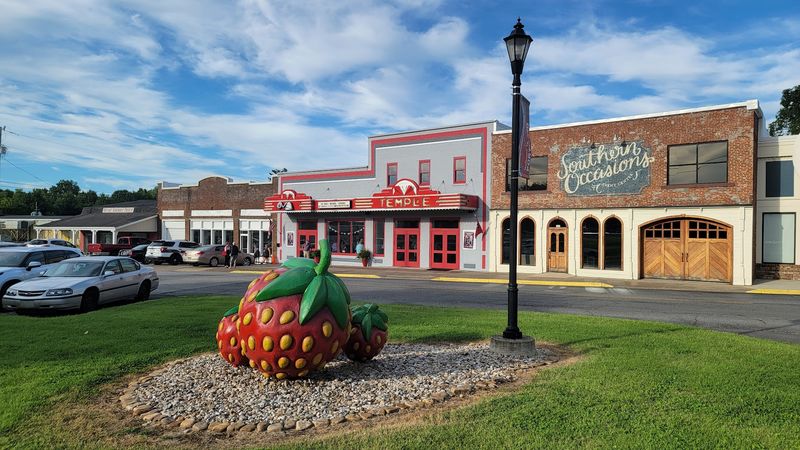
Before it was Portland, this city was called Richland. The name change came in 1888, and the reason behind it is surprisingly practical.
Another town in Tennessee shared the same name, and the resulting postal confusion had become a genuine problem for residents trying to send and receive mail.
The Louisville and Nashville Railroad had already changed the town’s fortunes before the renaming happened. When the rail line established a route through Richland in 1859, it opened up commerce, travel, and economic opportunity that the area had not previously experienced.
Small towns along railroad corridors often flourished, and this one was no exception.
The oldest settlement in the area, Fountain Head, dates back to 1792, making the broader region one of the earlier European-settled communities in northern Middle Tennessee.
Portland was officially incorporated as a city in the early 1900s, formalizing what had already become a functioning community built around agriculture and trade.
Understanding this history adds a layer of texture to any visit. The streets and buildings carry a timeline that most passersby never pause to consider.
A town that changed its name once clearly had no trouble defining itself on its own terms afterward.
The Temple Theater Restoration And Why It Matters
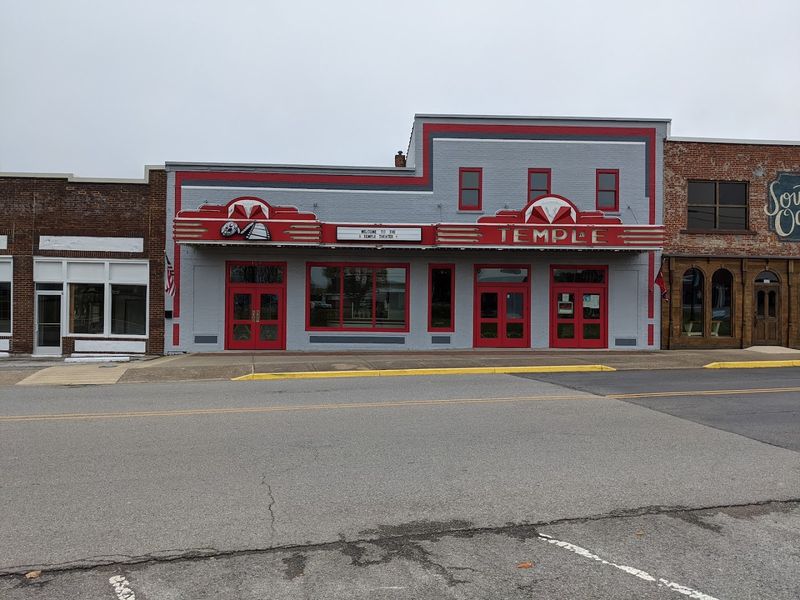
The Temple Theater represents something that many American small towns are currently working to reclaim.
Once a central source of entertainment for Portland residents, the old theater is currently undergoing restoration, and the effort behind that project says a great deal about how the community values its own history.
Historic theaters tend to carry an emotional weight that other types of buildings do not.
They are places where communities gathered for shared experiences and where local culture intersected with national entertainment.
When they fall into disrepair, something tangible is lost.
The restoration of the Temple Theater signals that Portland is not simply content to preserve history in glass cases. The goal appears to be returning the building to active use, which would give it a future rather than merely honoring its past.
That distinction matters in how communities relate to their own heritage.
Travelers with an interest in architectural preservation or local cultural history will find the ongoing restoration worth noting on a visit. Even in its current state, the building holds character.
When the work is complete, it has the potential to become one of the more distinctive gathering spaces in northern Middle Tennessee.
Portland Farmers Market And The Value Of Buying Local
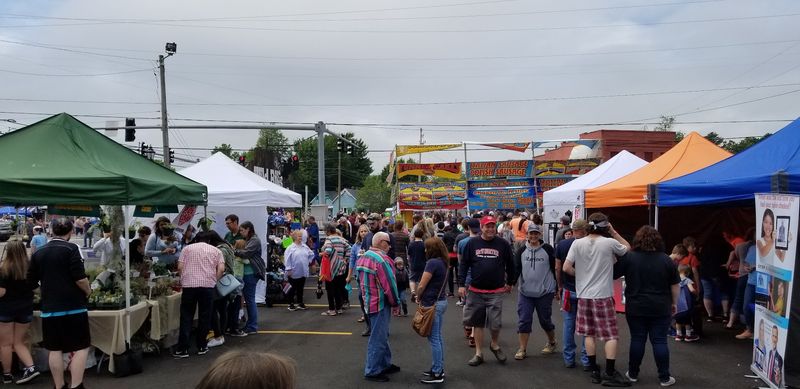
The Portland Farmers Market operates as one of those community institutions that serves multiple purposes simultaneously. On the surface, it is a place to buy fresh produce and locally made goods.
Below that surface, it functions as a social gathering point where the texture of daily life in Portland becomes visible to anyone paying attention.
Farmers markets in agricultural communities have a different quality than those in urban neighborhoods. The vendors here are often the actual farmers, not intermediaries.
The produce reflects what grows well in this specific part of Tennessee, and the conversations you have while shopping carry genuine regional knowledge.
For a city with Portland’s agricultural history, the market also serves as a living continuation of what made the town significant in the first place. The strawberry heritage may have peaked decades ago, but the instinct to grow things and sell them locally has not disappeared.
The market keeps that tradition functional and present.
Visitors who arrive on market days get a version of Portland that no guidebook can fully describe. The combination of fresh food, local vendors, and unhurried community interaction produces an atmosphere that is specific to this place and this kind of town.
It is one of the better reasons to plan your visit around a market morning.
Cost Of Living And The Quiet Appeal Of A Town That Makes Financial Sense
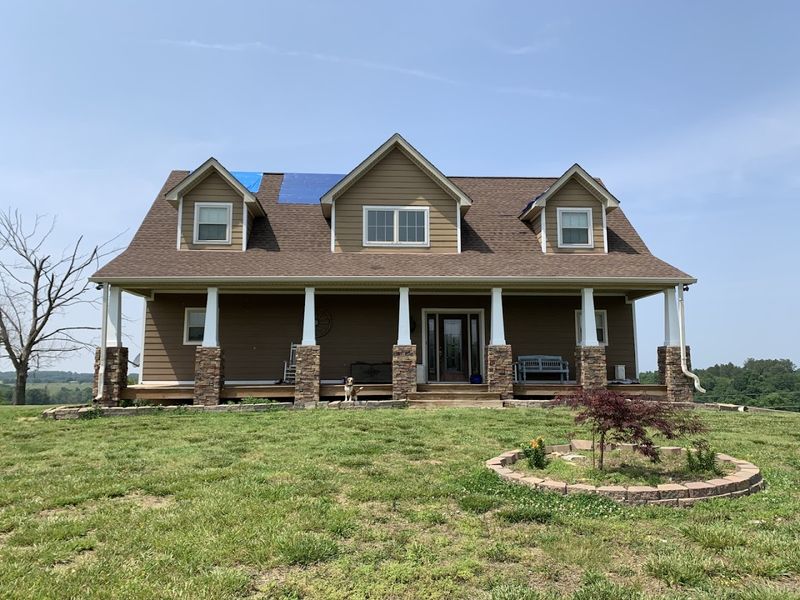
Portland sits approximately 27 percent below the national average for cost of living, with housing expenses running about 53 percent lower than the national figure.
The median home price hovers around $232,700, which places homeownership within reach for a significantly broader range of buyers than most communities near a major metropolitan area.
The city’s location within the Nashville Metropolitan Statistical Area makes that affordability particularly noteworthy. Nashville itself has experienced dramatic price increases over the past decade, pushing many residents and prospective buyers to look further out.
Portland offers reasonable commuting distance without requiring the financial compromises that closer-in suburbs now demand.
The median age in Portland is approximately 35 years, suggesting a community with a population that has made a choice to prioritize quality of life over proximity to urban amenities.
That demographic profile tends to produce stable, engaged neighborhoods rather than transient ones.
For anyone considering a relocation or simply evaluating what a slower, more affordable version of Tennessee living might look like, Portland presents a compelling case.
The combination of low housing costs, a functional community infrastructure, and reasonable access to Nashville gives the city a practical appeal.