
New England’s Largest Sculpture Park Spreads Across 30 Acres In Massachusetts For An Outdoor Art Escape
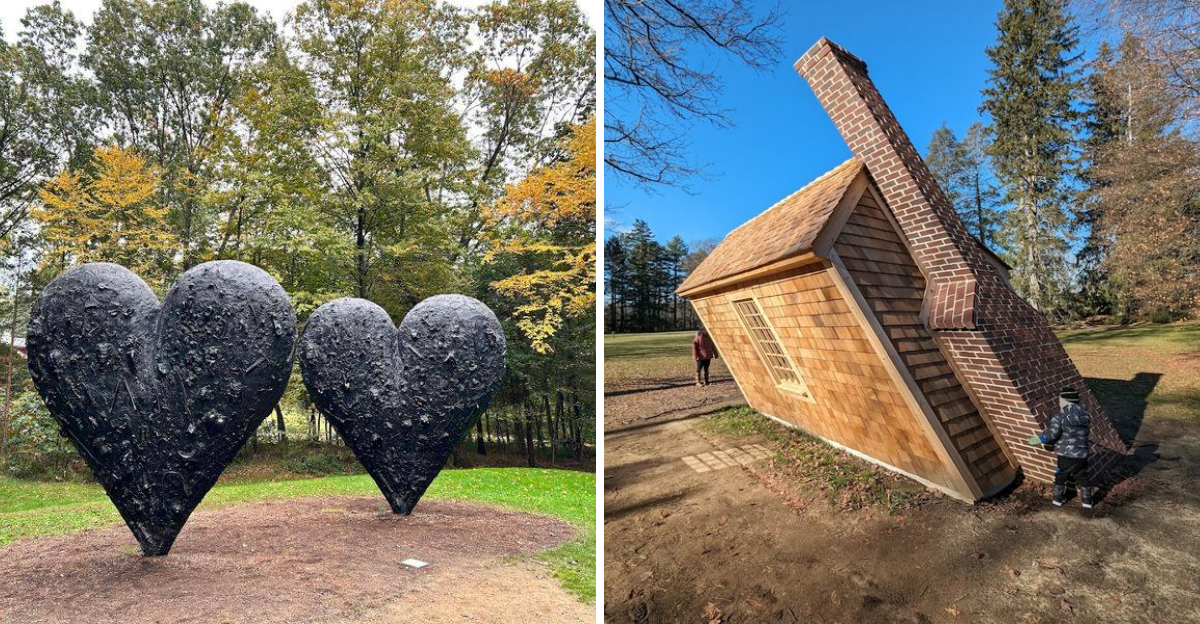
Art does not always wait behind quiet museum walls. Sometimes it rises out of the grass, curves beside a path, and stops you mid-stride with a giant shape you did not expect.
Massachusetts has a place where fresh air, open lawns, and bold sculptures turn a simple day out into something far more memorable. You can wander at your own pace, pause under the trees, and let each piece surprise you in its own way.
Some works feel playful. Others look strange, serious, or wonderfully oversized.
That is the fun of it. The setting gives families, art lovers, and casual visitors room to enjoy it without feeling rushed.
Bring comfortable shoes, a curious mood, and a camera with plenty of space. This is art made for wandering.
Thirty Acres Of Living, Changing Outdoor Art
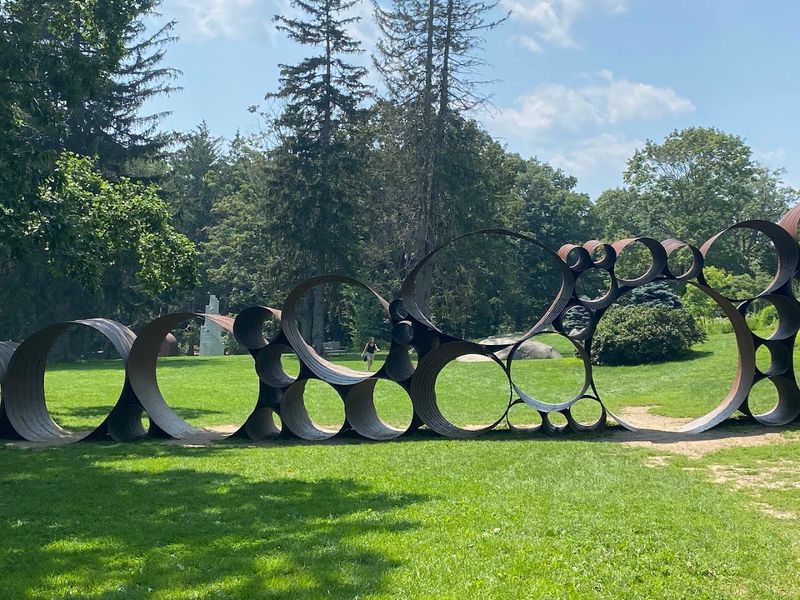
Scale matters in art, and at this place, the scale is generous.
Thirty acres of lawns, forests, gardens, and terraced hillsides form the backdrop for one of the most distinctive outdoor art experiences in the northeastern United States.
The park sits along the shore of Flint’s Pond in Lincoln, Massachusetts, about 20 miles west of Boston.
What makes this place feel alive is that the collection never stays the same. Approximately 50 to 60 sculptures are on display at any given time, and many are on rotating loan to the museum.
Artists represented here include Andy Goldsworthy, Antony Gormley, Jaume Plensa, Jim Dine, and Ursula von Rydingsvard, names that carry real weight in the world of contemporary sculpture.
The terrain itself adds to the experience. Visitors move through open meadows, dip into wooded paths, and climb gentle hillsides, encountering new works at almost every turn.
There is no single correct route through the park, which gives each visit a slightly different shape. Families, couples, and solo visitors all seem to find their own rhythm here.
The grounds are well maintained, and the overall atmosphere is calm without feeling empty.
A History That Began In 1950 And Kept Evolving
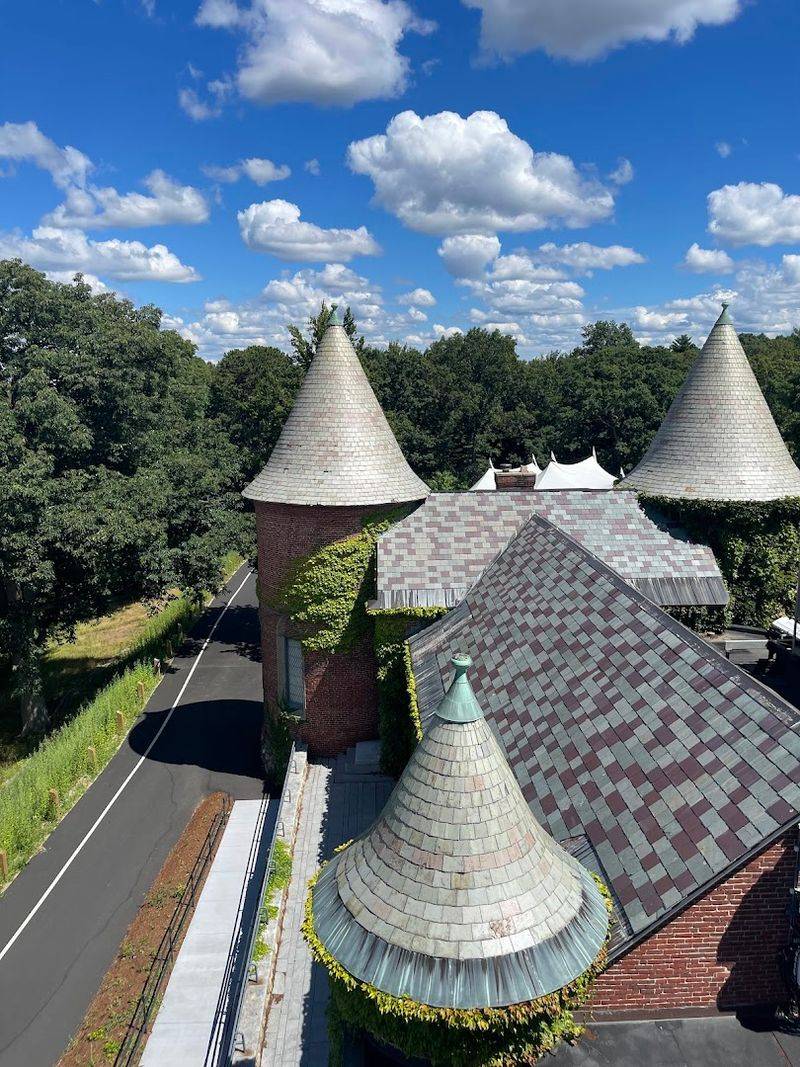
Founded in 1950, deCordova has had more than seven decades to grow into its identity.
The institution began as a traditional art museum but gradually shifted its focus toward what it does best: presenting contemporary American art in an outdoor setting.
In 2009, the museum officially changed its name to deCordova Sculpture Park and Museum to reflect that commitment.
The name change was not just administrative. It signaled a clearer artistic mission and a desire to be recognized alongside major sculpture parks in the country.
That ambition has paid off.
DeCordova is now acknowledged as the largest sculpture park of its kind in all of New England, a distinction that carries genuine meaning given the region’s rich cultural landscape.
The property itself has its own architectural character. The main building has the solid, stone presence of an earlier era, sitting on a hillside with views of the surrounding grounds.
Even with the indoor galleries currently closed for renovation, expected to reopen in spring 2028, the outdoor experience remains fully accessible. The park’s long history gives it a layered quality that newer cultural spaces simply cannot replicate.
Visiting feels like walking through decades of artistic intention.
Sculptures That Respond To Their Surroundings
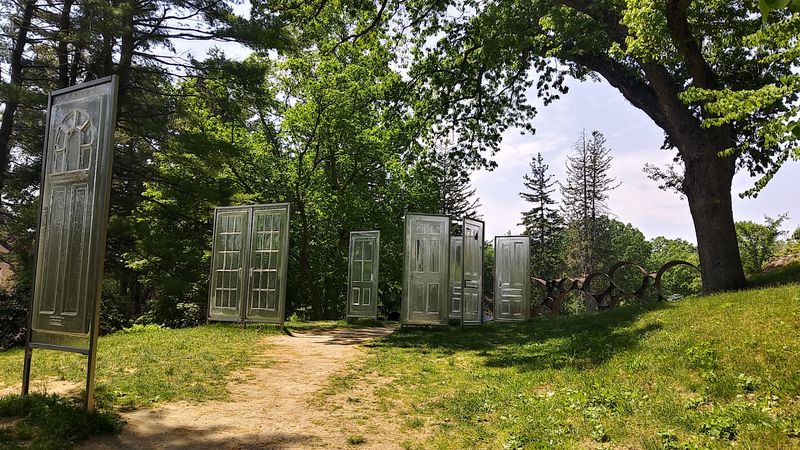
One of the more compelling qualities of this park is how the sculptures seem to be in conversation with the land rather than simply placed on top of it.
Site-specific installations are a regular part of the program, meaning artists sometimes create work designed for a particular slope, clearing, or waterfront edge.
The result is a kind of visual dialogue that changes with the light, the season, and even the weather.
Works by artists like Andy Goldsworthy, who is known for using natural materials in precise and often temporary arrangements, fit this philosophy well. Pieces that play with light reflection, transparency, and shifting dimensions appear throughout the grounds.
Visitors frequently mention being surprised by something catching the afternoon sun in a way they did not expect.
Children respond to this environment with particular enthusiasm.
The varied terrain invites exploration, and many sculptures are large enough to walk around, look through, or observe from multiple angles.
A massive chime sculpture near the nursery school buildings is a consistent favorite among families. The park does not feel like a place where you are asked to stand back and observe quietly.
It encourages movement, curiosity, and a genuine physical engagement with art that gallery spaces rarely allow.
Seasonal Visits Offer Something Different Every Time
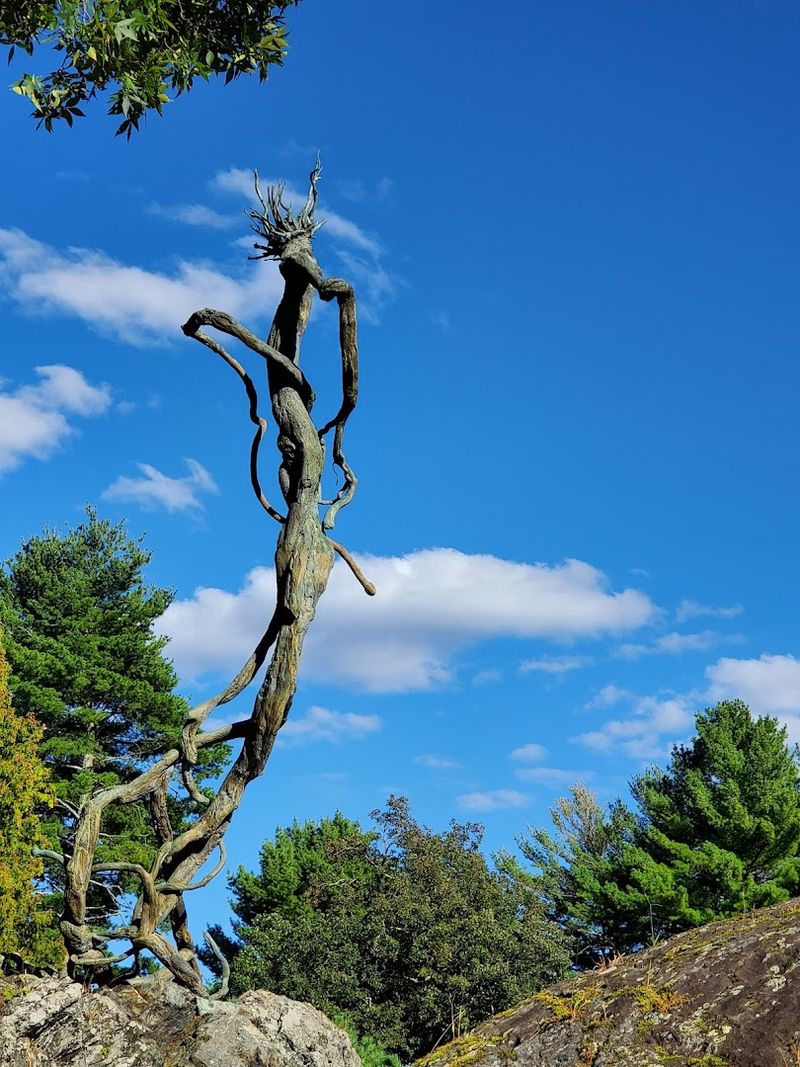
Coming back to deCordova across different seasons is not repetitive. It is almost like visiting four separate parks.
In summer, the grounds are lush and green, and the longer hours allow for leisurely afternoon walks. Fall transforms the landscape with color, and the sculptures take on a warmer, more dramatic quality against the foliage.
Winter visits, which include occasional snowshoeing opportunities, offer a quieter, more contemplative experience.
Spring brings wildflowers and returning greenery that frame the sculptures in soft, natural textures. The park is open year-round, operating Tuesdays through Sundays in summer and Wednesdays through Sundays in winter.
Hours typically run from 10 AM to 5 PM on weekends and 10 AM to 4 PM on weekdays. Checking the current schedule before visiting is always a good idea, especially around holidays.
Visitors who come in summer should be aware that shade is limited in certain open sections of the park. Sunscreen, water, and a hat are practical additions to any summer visit.
Weekday visits tend to be quieter than weekends, which is worth considering for those who prefer a more relaxed pace. Each season brings a genuinely different visual atmosphere, making repeat visits feel worthwhile rather than routine.
The address is 51 Sandy Pond Rd, Lincoln, MA 01773.
The Cafe, Gift Shop, And Practical Details Worth Knowing
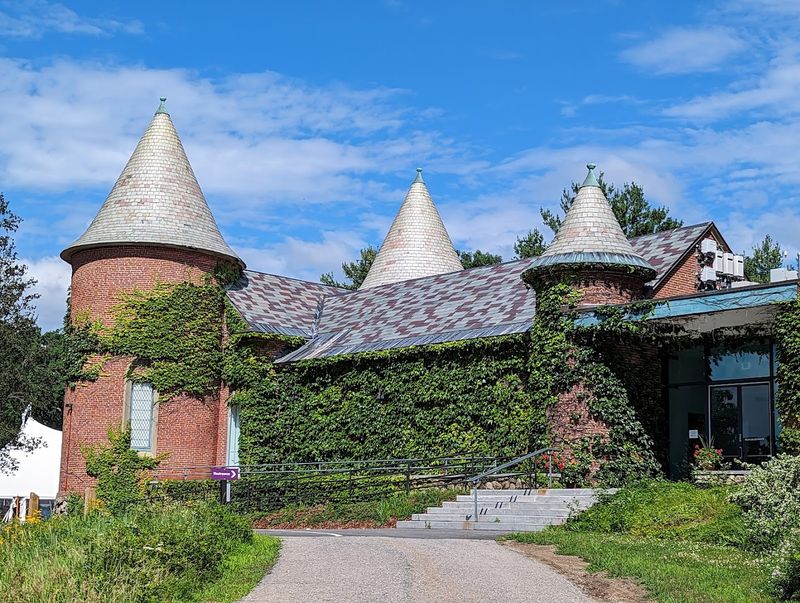
A good museum cafe can make or break the rhythm of a visit, and deCordova’s cafe earns consistent praise. Located near the main building, it offers sandwiches, breakfast items, and coffee.
There is seating both indoors and in an outdoor courtyard, which makes it a pleasant spot to pause after a long walk through the grounds. On cooler days, it serves as a welcome warm-up station.
The gift shop is equally well regarded.
Visitors frequently comment on its range, which includes locally made jewelry, art prints, cards, puzzles, and other items that feel genuinely curated rather than generic.
Prices are described as reasonable, and the selection rotates enough to offer something new on return visits. Staff members are noted across multiple reviews for being friendly and helpful.
Admission currently covers the sculpture park, cafe, and retail store. The indoor museum galleries remain closed for renovation, with a projected reopening in spring 2028.
Parking is available on-site and described as plentiful. Restroom availability is somewhat limited, so planning accordingly is wise.
The park can be reached by car from Boston in roughly 30 to 40 minutes.
Strollers are manageable on most paths, though some gravel trails work better with a carrier for younger children.
Family-Friendly Features That Make It Worth The Trip
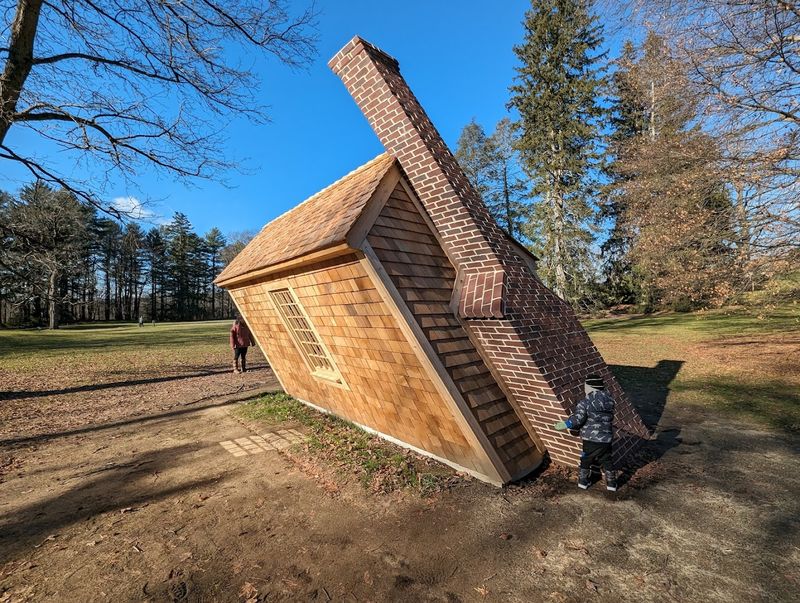
Bringing children to an art museum often involves a fair amount of negotiation, but deCordova largely sidesteps that problem. The outdoor environment means kids can move freely, run across open lawns, and engage with sculptures on a physical level.
The varied terrain, including gentle hills, wooded areas, and open fields, keeps younger visitors interested in the setting itself, not just the art.
The park offers guided tours and scavenger hunts as part of its educational programming for families. These structured activities give children a way to interact with the collection that feels more like a game than a lesson.
The massive chime sculpture near the nursery school buildings is a perennial hit with kids of all ages. Several visitors mention that even reluctant young art-goers ended up genuinely engaged once they arrived.
Picnicking is not just allowed but actively encouraged. Families regularly spread blankets on the lawns and turn an art visit into a full afternoon outing.
A 10-year-old mentioned in one review seemed just as happy with the open space as with the sculptures themselves, which is a fair measure of how well the park serves a mixed-age group.
Bringing lunch, snacks, and plenty of water makes the experience even more comfortable and extends how long you can comfortably stay.
Flint’s Pond And The Natural Landscape As Part Of The Experience
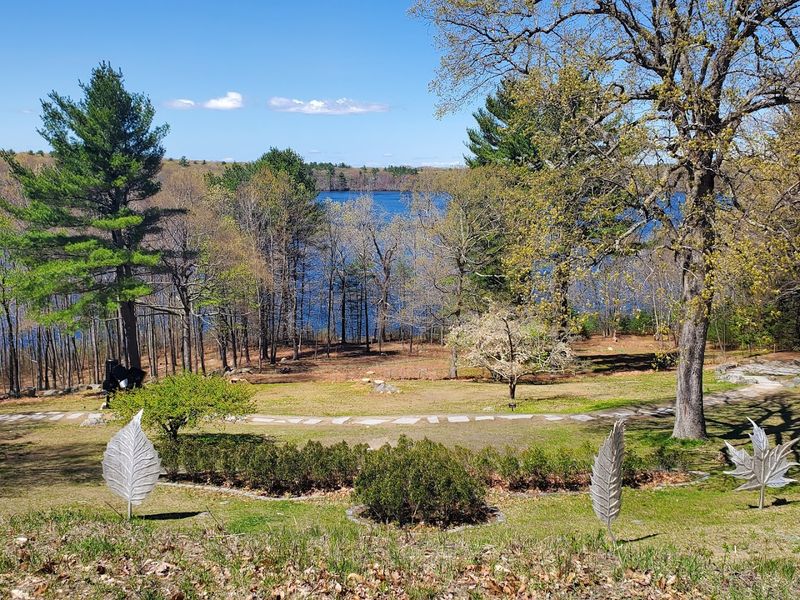
The natural setting at deCordova is not just a backdrop. It is an active part of what makes the park feel different from a typical gallery experience.
The grounds roll along the shore of Flint’s Pond, a body of water that adds a reflective, peaceful quality to the landscape. On clear days, the pond mirrors the sky and surrounding trees in ways that complement the sculptures nearby.
For visitors who want more than just the art, the Flint’s Pond Trail extends the outing further. Several reviewers mention walking the trail after finishing the sculpture park, adding a nature hike to what was already a full afternoon.
The trail connects the cultural experience to the broader natural character of Lincoln, a town that has long prioritized conservation and open space.
Lincoln sits within a wider network of protected lands, and the area around deCordova feels genuinely rural despite its proximity to Boston.
The combination of art, water, woodland, and open meadow creates an atmosphere that is hard to find this close to a major city.
Visitors who appreciate both nature and contemporary art will find that the two coexist here without either one feeling compromised. The landscape earns its place in the experience rather than simply serving as scenery.
Notable Artists And Works That Define The Collection
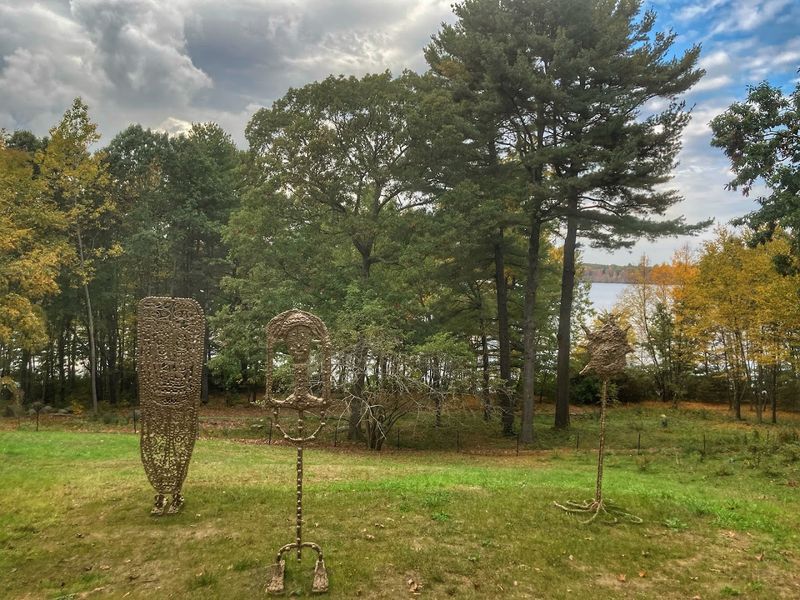
The artist roster at deCordova reads like a genuinely serious survey of modern and contemporary sculpture.
Dorothy Dehner, Andy Goldsworthy, Antony Gormley, Jim Dine, Jaume Plensa, and Ursula von Rydingsvard are among the significant figures whose work has appeared on the grounds.
These are not decorative names added for prestige. Their presence reflects a collecting philosophy that takes outdoor sculpture seriously as a major art form.
Goldsworthy’s work, in particular, aligns naturally with a park environment.
His practice involves using natural materials, stone, wood, leaves, and ice, to create forms that respond to and eventually return to the landscape.
Gormley is known for figurative sculptures that engage with space and human presence in ways that feel both monumental and intimate. Plensa’s towering translucent figures carry a meditative quality that rewards slow looking.
The collection is not static. Works rotate regularly, and new site-specific commissions are introduced over time.
This means that even frequent visitors encounter unfamiliar pieces alongside familiar ones.
Some sculptures that visitors grew fond of on previous trips may no longer be there, which is occasionally noted with mild disappointment in reviews.
But the ongoing change also keeps the park from feeling like a fixed archive. It remains a living collection, shaped by active curatorial decisions rather than institutional inertia.
Weddings And Events In A Setting That Photographs Beautifully
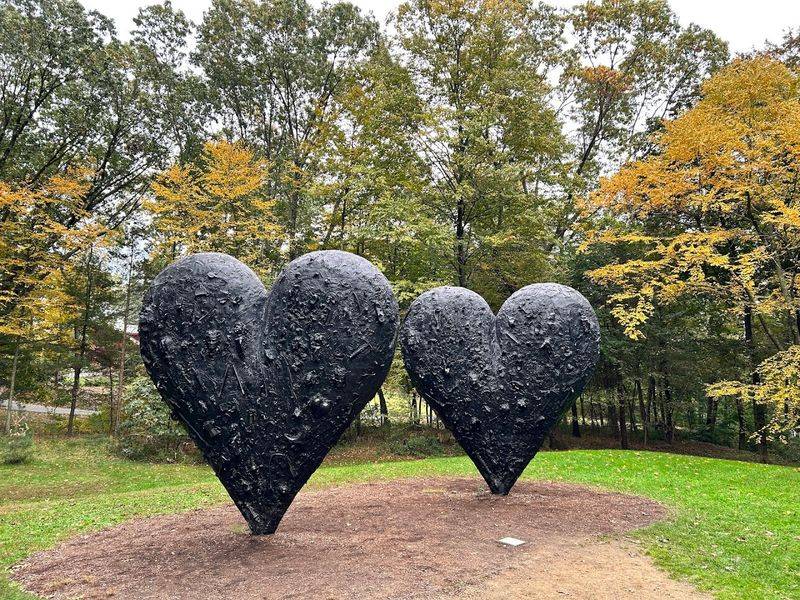
Wedding photographers who have worked at deCordova tend to describe it with a kind of professional enthusiasm that is hard to fake.
The combination of sculptural backdrops, varied terrain, mature trees, and water views creates a range of portrait settings within a single property.
Multiple reviews from photographers mention being able to move across the grounds by golf cart, stopping at different locations that each offer something visually distinct.
The venue coordinator receives specific and repeated praise in visitor reviews for being organized, personable, and genuinely invested in making events successful. That kind of staff consistency matters when planning a large event.
Knowing that the logistical side is handled with care allows couples and vendors to focus on the experience itself rather than managing complications.
Private events do occasionally result in limited access to certain areas of the park for regular visitors, which has surprised some guests on arrival. Checking the schedule in advance is useful for anyone planning a weekend trip.
Beyond weddings, the park hosts a range of programming throughout the year, including educational events, guided tours, and seasonal activities.
The grounds at this place lend themselves to gatherings that benefit from an outdoor setting with genuine visual character and a sense of place.
Planning Your Visit To Get The Most Out Of The Park
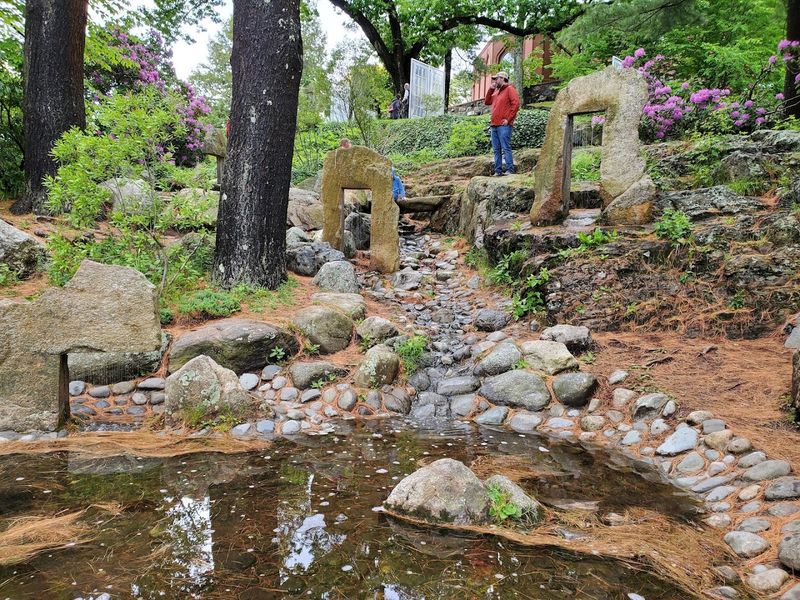
A visit to deCordova works best with a little preparation. Picking up a map at the entrance is strongly recommended by nearly every visitor who has reviewed the park.
The grounds cover 30 acres, and without a map, it is easy to miss sections or double back unnecessarily. The map helps orient first-time visitors and makes the walk feel purposeful rather than meandering.
Arriving before noon on weekends helps avoid the busiest periods.
Weekday visits are noticeably quieter, which suits those who prefer to take their time with each sculpture without feeling rushed by foot traffic.
Comfortable walking shoes are a practical necessity, especially for the gravel paths and uneven terrain in some sections. Strollers handle most of the park well, but a baby carrier is more practical on the rougher trails.
Bringing a picnic is one of the more consistently praised choices among visitors.
The open lawns are genuinely inviting, and spending time on the grass between sculpture viewings gives the visit a relaxed, unhurried quality.
The cafe is a solid backup for those who arrive without food. Admission covers the park, cafe, and gift shop.
The indoor museum remains under renovation until spring 2028, but most visitors report that the outdoor experience alone justifies the trip fully and without reservation.