
This Charming Alabama Eatery Serves A Shrimp Po Boy That Defines Summer Comfort Food
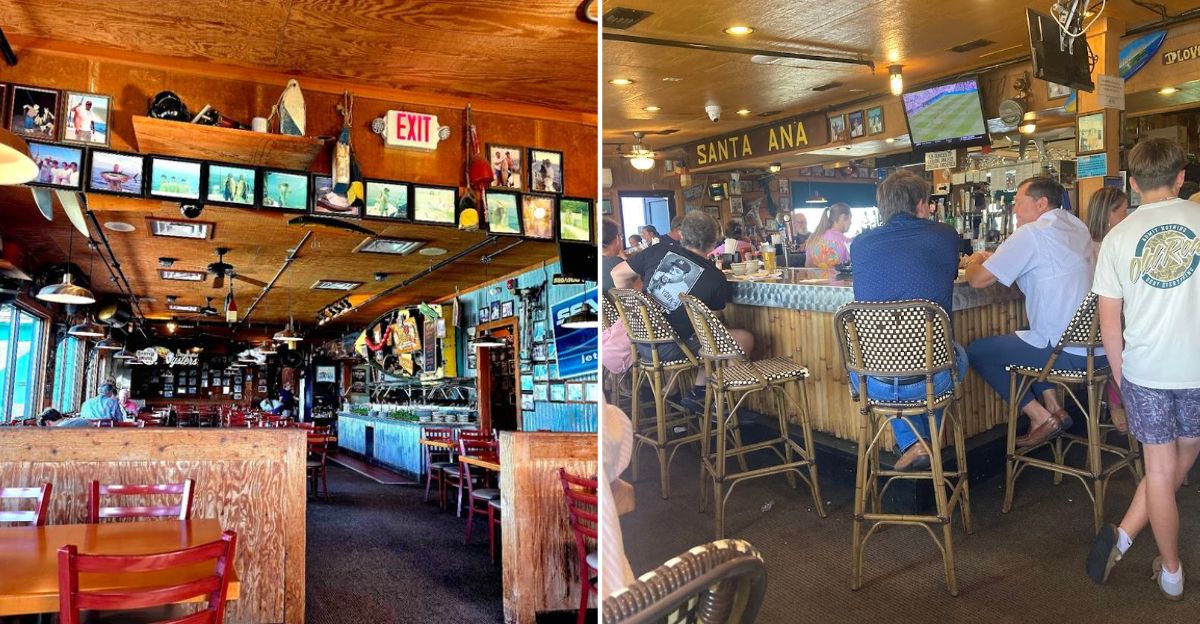
Summer comfort food rarely gets more specific than a properly made shrimp po’ boy. This eatery has been defining that standard one sandwich at a time.
Crispy shrimp, the right amount of sauce, and bread that holds everything together without overpowering what is inside it. Nothing about the approach here is overcomplicated because nothing about it needs to be.
Alabama sits close enough to Gulf waters that the shrimp arriving in this kitchen carries a freshness that shows up immediately on the plate.
The eatery itself moves at a pace that matches the season, unhurried and entirely focused on getting the sandwich right.
Regulars treat it like a summer ritual, showing up consistently from the first warm weekend through the last days before the weather shifts. First-timers leave with sauce on their hands and a very clear plan to come back before summer ends.
History Of The Shrimp Po Boy Sandwich
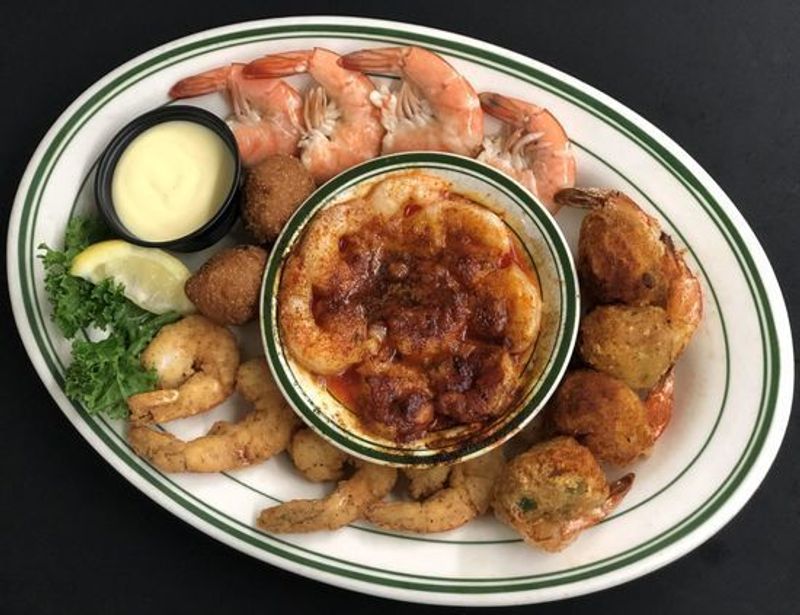
The shrimp po’ boy has roots that go all the way back to 1929 in New Orleans. Brothers Bennie and Clovis Martin served free sandwiches to striking streetcar workers.
They called the workers “poor boys,” and the name stuck around ever since.
From Louisiana, the sandwich traveled east along the Gulf Coast. Alabama picked it up and made it its own.
Fresh Gulf shrimp replaced inland proteins, and Southern spices gave the sandwich a new personality.
The Original Oyster House on Battleship Pkwy carries that tradition forward with pride. Sitting along Mobile Bay, the restaurant uses Gulf shrimp that reflect the coastal identity of the region.
The sandwich feels like a piece of living history on a plate.
Spanish Fort is not just a suburb outside Mobile. It is a community connected to the water, the bay, and a seafood culture that runs deep.
When you order a shrimp po’ boy here, you are eating something with over a century of story behind it. You can find the Original Oyster House at 3733 Battleship Pkwy, Spanish Fort, AL 36527.
Seasonal Ingredients That Enhance Shrimp Flavor
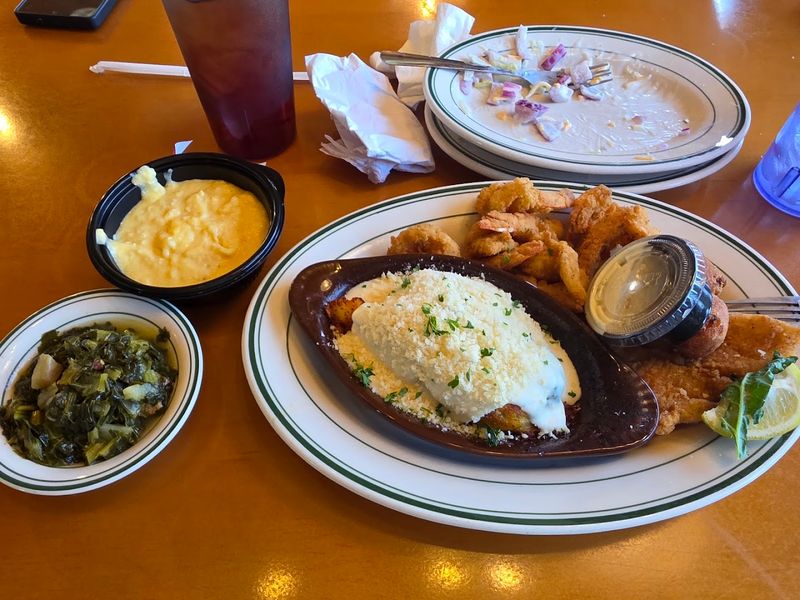
Gulf shrimp hit their peak during warm months, and that timing lines up perfectly with summer comfort food cravings. The waters off Alabama produce shrimp with a natural sweetness that farmed shrimp simply cannot match.
Seasonal availability makes a real difference in every bite.
Local ingredients like fresh tomatoes, crisp lettuce, and hand-cut onions show up in their best form during summer. These are not greenhouse vegetables shipped from far away.
They come from nearby farms and markets that supply restaurants along the Causeway.
Spices also shift with the season at coastal Alabama spots. Cayenne, paprika, and garlic powder get layered carefully so they support the shrimp rather than covering them.
The goal is always to let the Gulf flavor lead the way.
The Original Oyster House leans into this philosophy with its seafood menu. Fresh means everything here.
When shrimp are pulled from nearby Gulf waters and cooked the same day, the flavor speaks for itself. Seasonal cooking is not a trend at a place like this.
It is just the way things have always been done along the Alabama coast.
Bread Selection And Its Impact On Texture
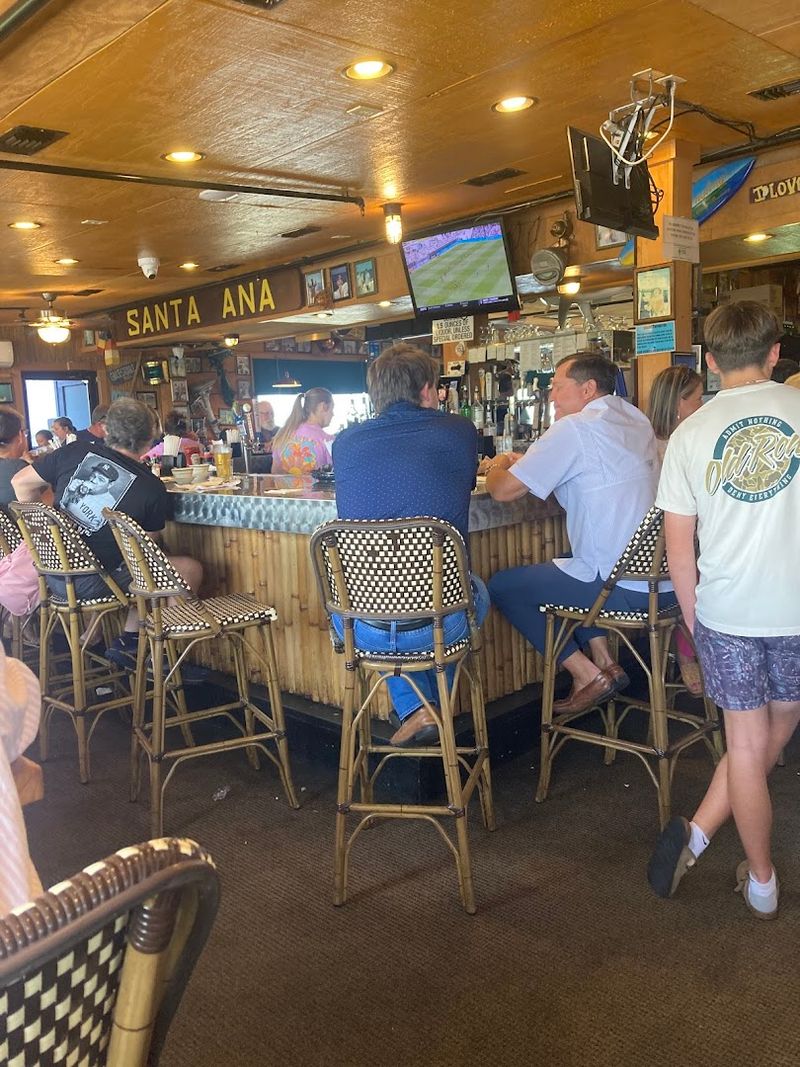
Bread makes or breaks a po’ boy. A soft roll will collapse under the weight of fried shrimp and sauce.
A stiff roll turns every bite into a jaw workout. The right bread sits exactly between those two extremes.
Traditional po-boy bread is a French-style loaf with a crackly crust and a soft, airy center. That contrast is not accidental.
The crust holds the structure while the interior absorbs just enough sauce without turning soggy. It is simple engineering with delicious results.
At a waterfront seafood spot like the Original Oyster House, bread choice reflects the care put into the whole sandwich. When the shrimp are crispy, and the sauce is bold, the bread needs to keep up.
A good loaf ties every ingredient together without stealing attention.
Texture is what makes a great po’ boy memorable. You want that first crunch when you bite through the crust.
Then the softness of the bread meets the crispy shrimp and the cool crunch of lettuce. Each layer hits differently.
That layered texture experience is what keeps people ordering the same sandwich again and again every time they visit.
Crisping Techniques For Perfect Shrimp
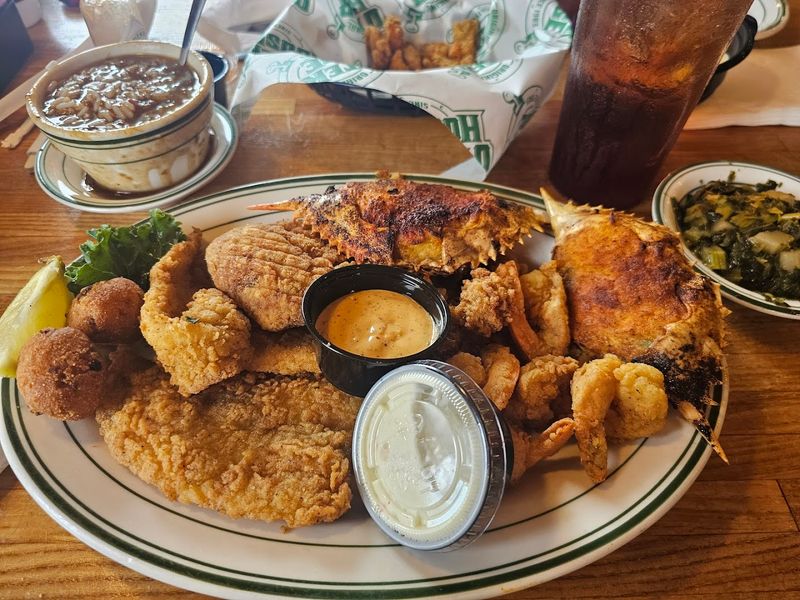
Getting shrimp crispy without overcooking them is a skill that separates average fried seafood from the kind you remember for years. The window between undercooked and rubbery is surprisingly small.
Good fry cooks know exactly when to pull the basket.
Cornmeal coatings are popular along the Gulf Coast because they create a rougher, crunchier crust than plain flour. Some cooks add seasoned flour underneath the cornmeal for an extra layer of crunch.
The double coating method keeps the shrimp protected from the oil while building real texture on the outside.
Oil temperature matters just as much as the coating. Too cool, and the shrimp absorbs oil and turns greasy.
Too hot, and the outside burns before the inside cooks through. The sweet spot sits around 350 degrees Fahrenheit for most Gulf shrimp sizes.
The Original Oyster House has been serving fried Gulf seafood for years along Mobile Bay. Their shrimp dishes carry that practiced confidence you can taste in every bite.
The crunch holds up even after the shrimp lands in the bread and gets dressed with sauce. That staying power is the sign of a fry technique done right every single time.
Signature Sauces That Complement Shrimp Po Boys
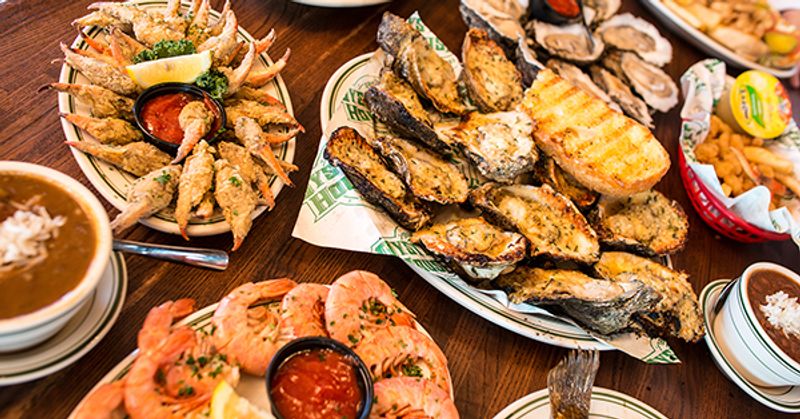
A shrimp po’ boy without sauce is like a road trip without music. It works, but something is clearly missing.
The right sauce ties every ingredient together and gives the sandwich its personality.
Remoulade is the classic choice along the Gulf Coast. It is a creamy, tangy sauce built on mayonnaise with mustard, hot sauce, and sometimes horseradish mixed in.
The acidity cuts through the richness of fried shrimp and keeps each bite from feeling heavy.
A squeeze of lemon over the top adds brightness that works surprisingly well with the natural sweetness of Gulf shrimp. Simple combinations often work best with fresh seafood.
The Original Oyster House even has staff who can walk you through how the sauce gets made from scratch. That kind of hands-on knowledge shows how seriously this restaurant takes its condiments.
Sauce is not an afterthought here. It is part of what makes the whole shrimp po-boy experience worth the drive out to Battleship Parkway on a warm Alabama summer evening.
Side Dishes To Pair With Shrimp Sandwiches
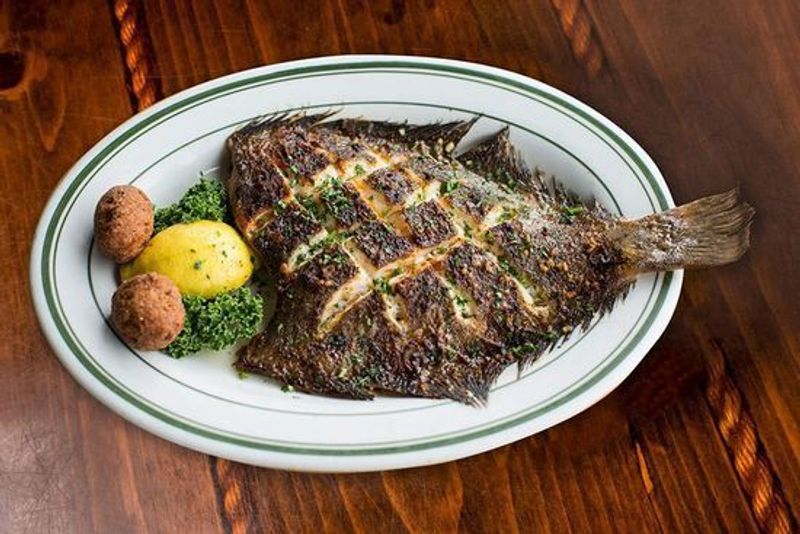
Picking the right side dish is almost as important as the sandwich itself. A heavy side can weigh down the meal.
A light side can leave you feeling unsatisfied. The goal is balance, and Gulf Coast cooking has been figuring that out for generations.
Red beans and rice are a Southern staple that pairs beautifully with fried shrimp. The creamy beans and fluffy rice absorb extra sauce and add a hearty base to what is otherwise a lighter meal.
It is comfort food layered on top of more comfort food.
Cheese grits are another standout option at waterfront Alabama restaurants. Creamy, buttery grits with sharp cheddar folded in create a richness that complements the crispy shrimp without competing with it.
Hush puppies are also a crowd favorite along the Gulf Coast. They arrive hot and golden, and they disappear fast.
At the Original Oyster House, the side dish lineup reflects the Southern roots of the menu. Visitors regularly mention the cheese grits, red beans, and rice as highlights of their meals.
Pairing a shrimp po’ boy with one of these sides turns lunch into a full event. You will not be looking for snacks on the drive home, that much is certain.
The Role Of Lettuce And Tomato In Taste Balance
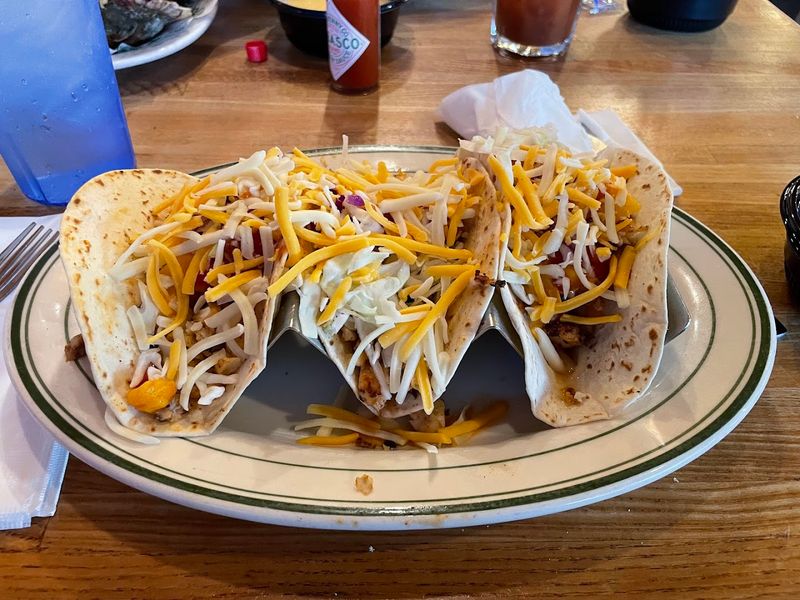
Lettuce and tomato might seem like simple additions, but they do serious work inside a shrimp po boy. Without them, the sandwich becomes all richness and no contrast.
Those two vegetables are the reason each bite feels refreshing rather than overwhelming.
Crisp romaine or iceberg lettuce brings a cool crunch that balances the warmth of freshly fried shrimp. The temperature contrast alone changes how the whole sandwich feels in your mouth.
Cold meets hot, crunch meets crisp, and the result is layered in a way that keeps you going back for another bite.
Ripe summer tomatoes add acidity and juice that no sauce can fully replicate. A good tomato slice releases just enough liquid to soften the bread slightly without making it soggy.
That small amount of moisture changes the overall texture of the sandwich in a positive way.
Fresh vegetables are not decorative at a place like the Original Oyster House. They are functional parts of a carefully assembled sandwich.
The waterfront location and the warm Alabama climate make summer tomatoes especially vibrant. When produce is at its seasonal peak and the Gulf shrimp are fresh, even the simplest ingredients feel like they are doing their best work on that plate.
How To Achieve The Ideal Sandwich Assembly
Assembly order matters more than most people realize when building a po’ boy. Putting sauce on the wrong layer or adding lettuce in the wrong spot changes how everything tastes and holds together.
There is a reason experienced cooks follow a specific sequence.
Start with the sauce spread directly onto the bread. This creates a moisture barrier that keeps the crust from going soft too quickly.
Then add the lettuce as the next layer because it acts as a buffer between the wet sauce and the warm shrimp above it.
Tomato slices go on top of the lettuce, not underneath it. Tomato releases juice as you eat, and placing it above the lettuce means that juice drips down through the sandwich rather than pooling at the bottom.
Small details like this make a big difference in the final eating experience.
Crispy shrimp go on last, right before you close the sandwich. This keeps them as hot and crunchy as possible for the first bite.
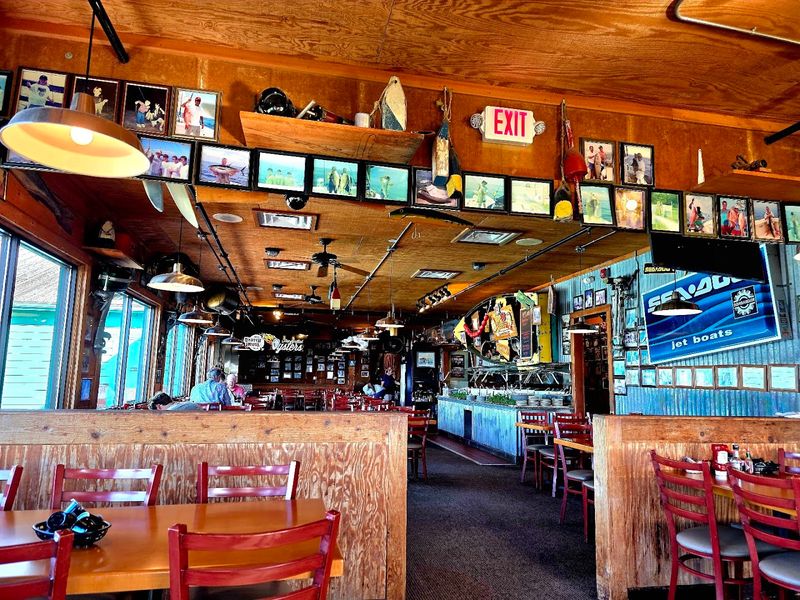
At the Original Oyster House, the shrimp po boy arrives assembled with this kind of care. The waterfront setting adds atmosphere, but the assembly is what earns the repeat visits.
When every component lands in the right place, the sandwich becomes something worth talking about all summer long.