
This Fairy Tale Bridge In Massachusetts Looks Too Magical To Be Real
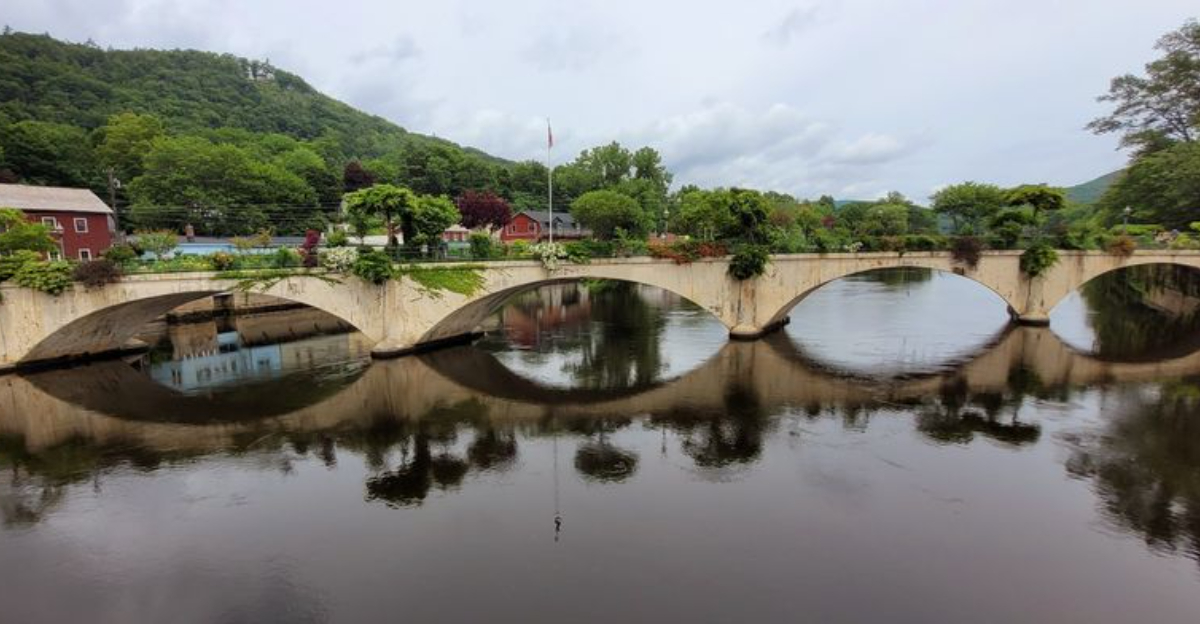
Some places in Massachusetts seem too beautiful to actually exist. Like someone painted them, then forgot to tell reality.
Rolling hills, a quiet river below, and above it all a bridge straight out of a storybook. But this one is real.
Very, very real. Every summer, visitors stumble across this spot in western Massachusetts and immediately reach for their cameras.
And honestly? You can’t blame them.
The colors alone are enough to make you stop breathing for a second. Blooms in every shade imaginable spill over the edges, climbing and cascading like nature decided to show off.
It doesn’t look like something that belongs in New England. It looks like something that belongs in a dream.
Yet locals walk across it like it’s completely normal and maybe that’s the most magical part of all. This is one Massachusetts landmark that absolutely needs to be on your summer list.
The Remarkable History Behind A Trolley Bridge Turned Garden
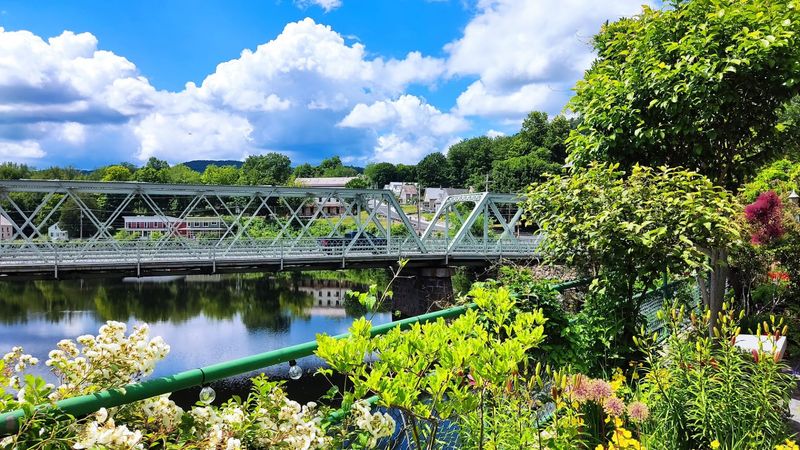
Back in 1908, this bridge had one job: carry freight trolleys across the Deerfield River. Built for $20,000, it served the Shelburne Falls and Colrain Street Railway for nearly two decades.
Then automobiles arrived, and by 1927, the trolley company had folded, leaving behind an abandoned concrete structure slowly disappearing under weeds.
Nobody quite knew what to do with it.
Demolishing it was off the table because the bridge carried a water main connecting Shelburne and Buckland, two towns that very much needed that pipe to stay intact.
So the bridge just sat there, looking sorry for itself, until one woman decided enough was enough.
In 1929, a local housewife named Antoinette Burnham proposed turning the overgrown eyesore into a garden. The Shelburne Falls Women’s Club picked up the idea, rallied the community, and got to work planting.
What started as a civic rescue mission gradually became something extraordinary.
Today, this bridge is recognized as the only flower bridge of its kind anywhere in the world, a title it holds with quiet, blooming confidence.
Over 500 Varieties Of Plants Create A Living, Breathing Garden
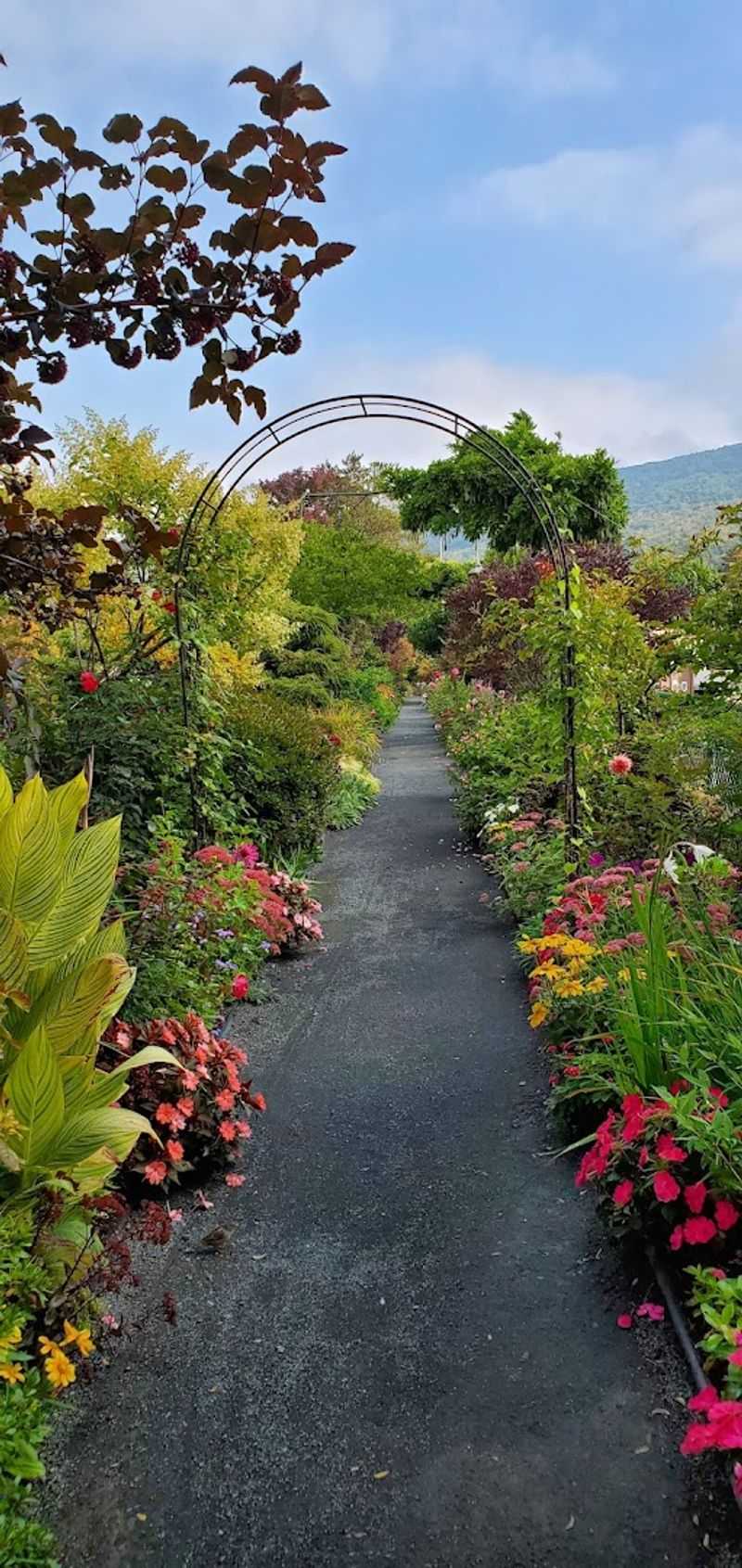
Walking the Bridge of Flowers is less like crossing a bridge and more like flipping through the world’s most extravagant plant catalog. More than 500 varieties of flowers, vines, and shrubs grow along its 400-foot span, and many of them are considered rare or historically significant.
The selection changes as the seasons progress, so no two visits ever look exactly alike.
From April through October, something is always in bloom. Early spring brings tulips and daffodils.
Summer fills the bridge with dahlias, sunflowers, cosmos, and zinnias in colors that almost seem too saturated to be natural. By late September, marigolds and late-season petunias carry the display through to closing day on October 31.
Bees are regulars here, and visitors should know that going in.
The buzzing is constant during peak bloom, which is actually a reassuring sign that the garden is doing exactly what it is supposed to do.
A paid gardener manages the plantings year-round alongside dedicated volunteers from the Shelburne Falls Women’s Club. Their collective effort is what keeps this garden so precisely maintained, so consistently beautiful, and so genuinely alive every single day it is open.
What The Deerfield River Views Add To The Whole Experience
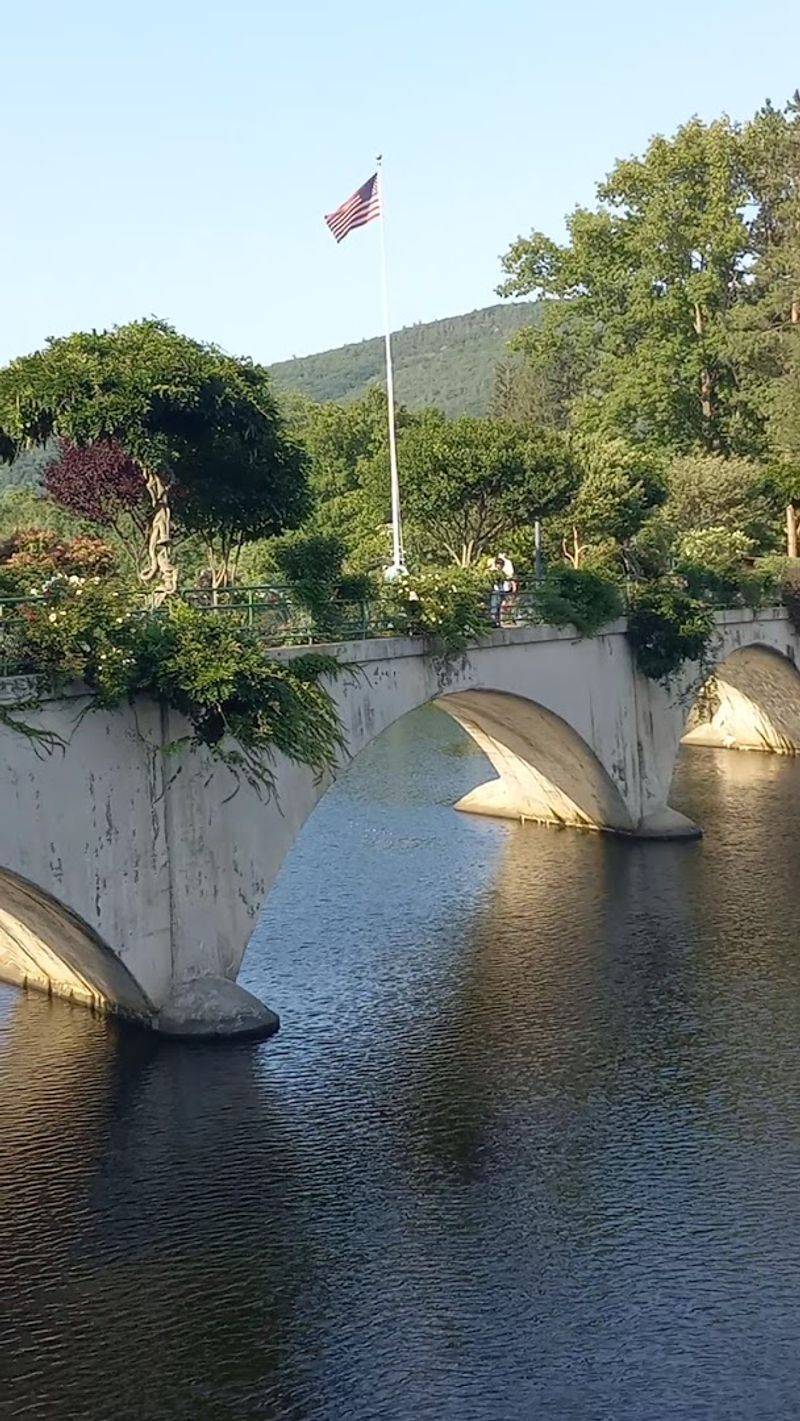
The flowers get most of the attention, and fairly so, but the Deerfield River flowing beneath the bridge deserves a moment of recognition too.
The water moves quietly below, framed by the surrounding hills, and on clear mornings a soft mist rolls across the surface in a way that makes the whole setting feel slightly unreal.
It is one of those views that photographs beautifully but feels even better in person.
Standing at the railing and looking downriver, you get a sense of how perfectly the bridge fits into its landscape. The garden above and the river below create a layered scene that shifts in mood depending on the time of day.
Morning light is warm and gentle. Midday is vivid and sharp.
Late afternoon casts long golden shadows across the flower beds in a way that photographers absolutely love.
A pro tip circulating among regular visitors is to go shortly after a summer rain.
The petals hold small drops of water, the air carries a clean, earthy fragrance, and the colors appear even more intense than usual.
The Deerfield River, the hills, and the blooms together form a combination that rewards anyone willing to slow down and simply look.
How Antoinette Burnham Changed A Village Forever
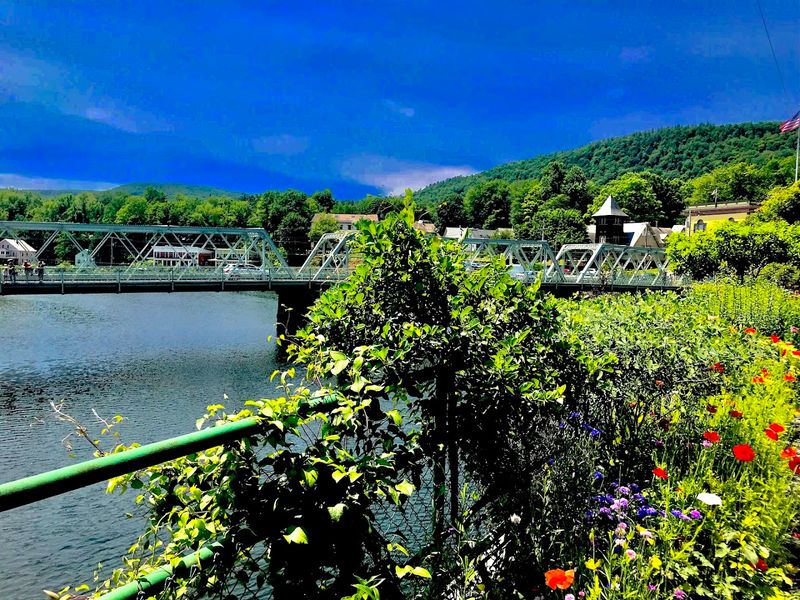
It takes a particular kind of person to look at an abandoned, weed-choked concrete structure and see a garden. Antoinette Burnham was that person.
In 1929, she brought her proposal to the Shelburne Falls Women’s Club with a straightforward argument: the bridge cannot be torn down, so why not make it beautiful? The club agreed, the community followed, and planting began.
What Burnham started was not just a gardening project. It was an act of civic imagination that changed the identity of an entire village.
Shelburne Falls might have remained a quiet, unremarkable western Massachusetts town. Instead, it became a destination that draws visitors from across the country and beyond, all because one woman refused to accept that something ugly had to stay ugly.
Her legacy is visible every spring when the first flowers open along the bridge railing and every October when the last marigolds hold on against the cooling air. There is no grand monument to Burnham at the site, no bronze plaque dominating the entrance.
Her memorial is the garden itself, 400 feet of living color maintained by a community that has never stopped believing the project was worth the effort. That is a legacy most people would envy.
Hours, Access, And What To Bring
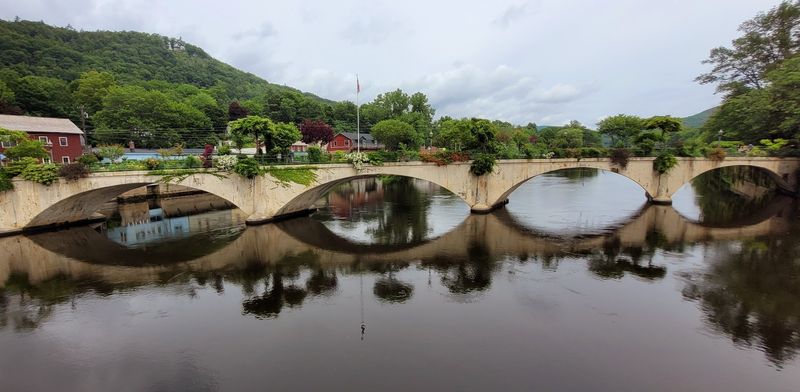
The Bridge of Flowers at 22 Water St in is open annually from April 1 through October 31, operating daily from 8 AM to 8 PM. There is no entrance fee, though a donation box sits near the visitor sign-in sheet at the entrance, and contributions genuinely help maintain the garden.
Parking is available on the west side of the river, clearly marked for two-hour free use, and accessible spots are included.
The bridge is wheelchair accessible, which is worth knowing before you plan your visit.
Bicycles are not permitted on the walkway, and pets are not allowed either, with the exception of service dogs.
The path is narrow enough that these rules make practical sense, especially on busy summer weekends when foot traffic picks up considerably.
A few well-placed benches line the bridge, and they are genuinely useful.
Sitting on one while butterflies move between flower clusters and bees work the blooms overhead is one of those simple pleasures that does not require any planning or expense.
Bring a water bottle, comfortable shoes, and a camera if you have one.
Restrooms are not available on the bridge itself, but downtown Shelburne Falls is a short walk away and has facilities along with several good places to eat.
The Major Renovations That Kept The Bridge Standing
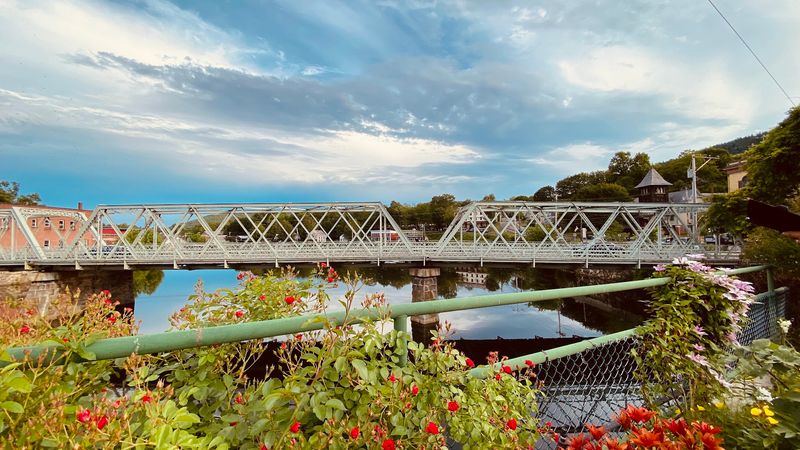
A garden bridge that carries a functioning water main between two towns is not just a pretty landmark. It is infrastructure, and infrastructure requires maintenance.
The Bridge of Flowers underwent its first major renovation in 1983, a project that cost half a million dollars and addressed decades of structural wear. The community invested in the bridge not just as a garden, but as a working piece of civil engineering.
Then Hurricane Irene arrived in 2011. Flooding raised serious concerns about the bridge’s structural integrity, and another round of significant repairs followed.
Work included replacing a section of the bridge wall, concrete repairs throughout, new handrails, updated lighting, a fresh irrigation system, and a complete water main replacement. The scope of that project reflected how seriously the community takes the bridge’s long-term survival.
Temporary closures during repair periods have occasionally frustrated visitors who made the trip only to find the bridge inaccessible. But each time it has reopened, replanting has followed, and the garden has come back fuller than before.
The most recent repairs left the bridge in better structural condition than it has been in years. Regular visitors note that the plantings are actively recovering and growing more established with each passing season.
Why Every Shot Looks Like A Postcard
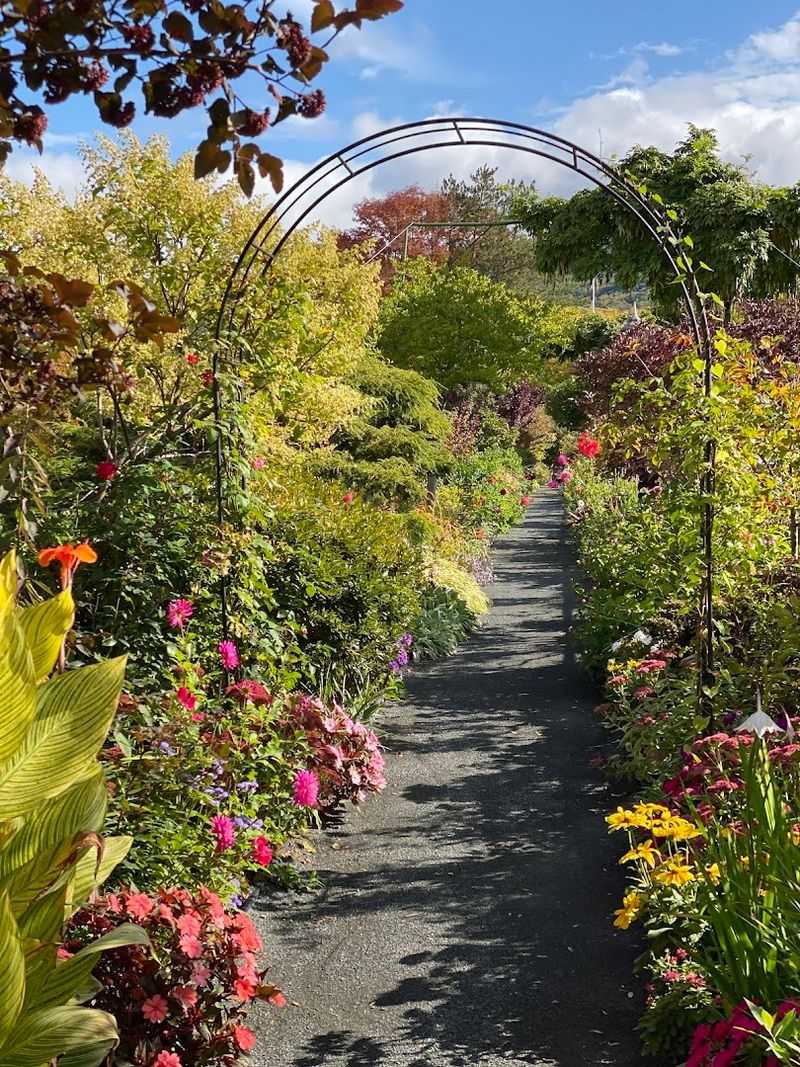
Few public spaces in New England offer this density of photographic opportunity in such a short distance. The bridge runs 400 feet, and almost every step of it presents a new composition.
Flower archways frame views down the walkway. Close-up macro shots of individual blooms reveal textures and color gradients that look almost digital in their vividness.
Wide shots from either end of the bridge capture the full sweep of the garden against the river and hills.
Lighting matters here more than at most outdoor locations. Early morning offers soft, diffused light that flatters the flowers without harsh shadows.
Midday is intense and colorful, ideal for saturated shots that need no editing.
The late afternoon golden hour turns the whole bridge warm and slightly dreamy, which is when portrait photographers tend to show up with their subjects.
After rain is, by widespread agreement among frequent visitors, the single best time to photograph the bridge. Water droplets cling to petals, the air clears, and the colors become almost aggressively beautiful.
The bridge does not allow bicycles or pets, which keeps the walkway uncluttered and makes it easier to move around with a camera. Bring a wide lens, a macro lens if you have one, and more memory than you think you will need.
What Surrounds The Bridge
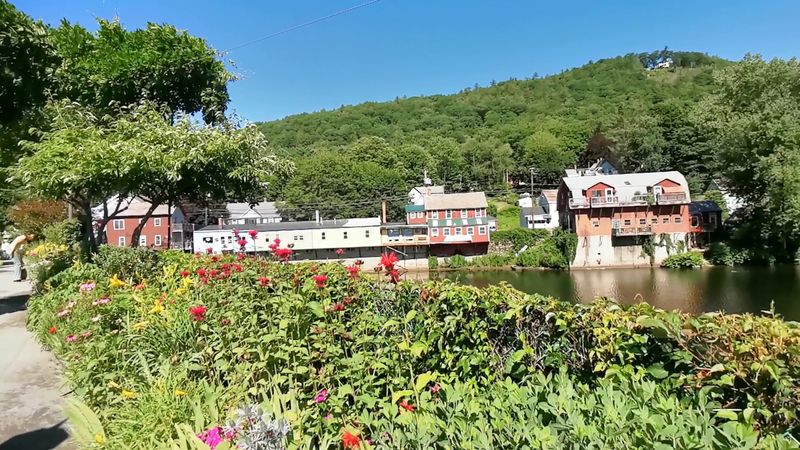
The bridge sits at 22 Water St in the village of Shelburne Falls, and the surrounding area rewards exploration well beyond the garden itself.
The downtown is compact and walkable, lined with independent shops, art galleries, and cafes that have a small-town character rather than the manufactured quaintness of a tourist trap.
A short visit to the bridge can easily expand into a half-day spent wandering.
One of the most striking natural attractions nearby is the Glacial Potholes, a series of large circular depressions carved into the riverbed by Ice Age meltwater. Some of the potholes are large enough to stand inside, and they are free to visit.
The Shelburne Falls Trolley Museum adds a historical layer to the visit, connecting the village’s industrial past to the bridge’s own origins as a working trolley structure.
Food options in the village are solid for a town its size. Reviewers consistently mention good coffee and quality meals available within easy walking distance of the bridge.
The Mohawk Trail Scenic Byway passes nearby, making Shelburne Falls a natural stop on a longer road trip through western Massachusetts, particularly during fall foliage season.
Why People Keep Coming Back Season After Season
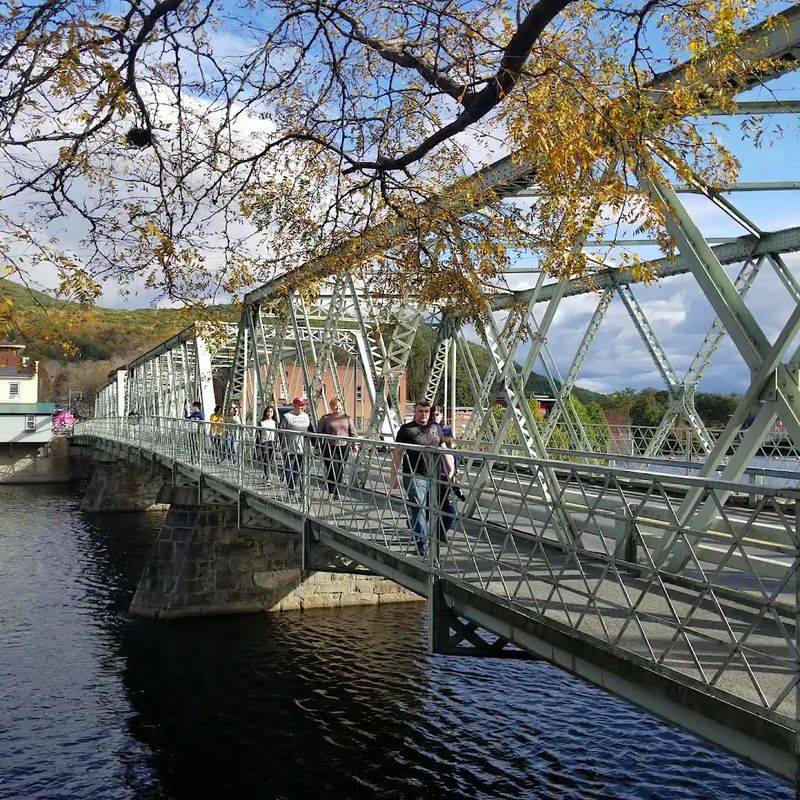
A place with a 4.8-star rating across more than 3,100 reviews is not operating on novelty alone. People return to the Bridge of Flowers because it genuinely changes between visits.
The April version of the bridge, with its spring bulbs and cool air, looks and feels completely different from the August version, which is dense, warm, and buzzing with pollinators. October brings a final flourish of late-season color before the garden closes for winter.
Regular visitors describe a ritual quality to their returns. Some come every year at the same time, using the bridge as a kind of seasonal marker.
Others come back because they made the visit during a repair season and want to see the garden at full strength. The bridge rewards patience and repeat visits in a way that one-time tourist attractions rarely do.
There is also something to be said for a free, beautiful, accessible public space that asks nothing of you except to walk slowly and pay attention. No ticket line, no gift shop pressure, no timed entry.
Just a garden on a bridge over a river in a small Massachusetts village, open every day from April through October, maintained by people who clearly love it. That combination, simple as it sounds, turns out to be fairly rare.