
10 Quiet Tennessee Mountain Getaways To Visit In June Instead Of The Usual Tourist Towns
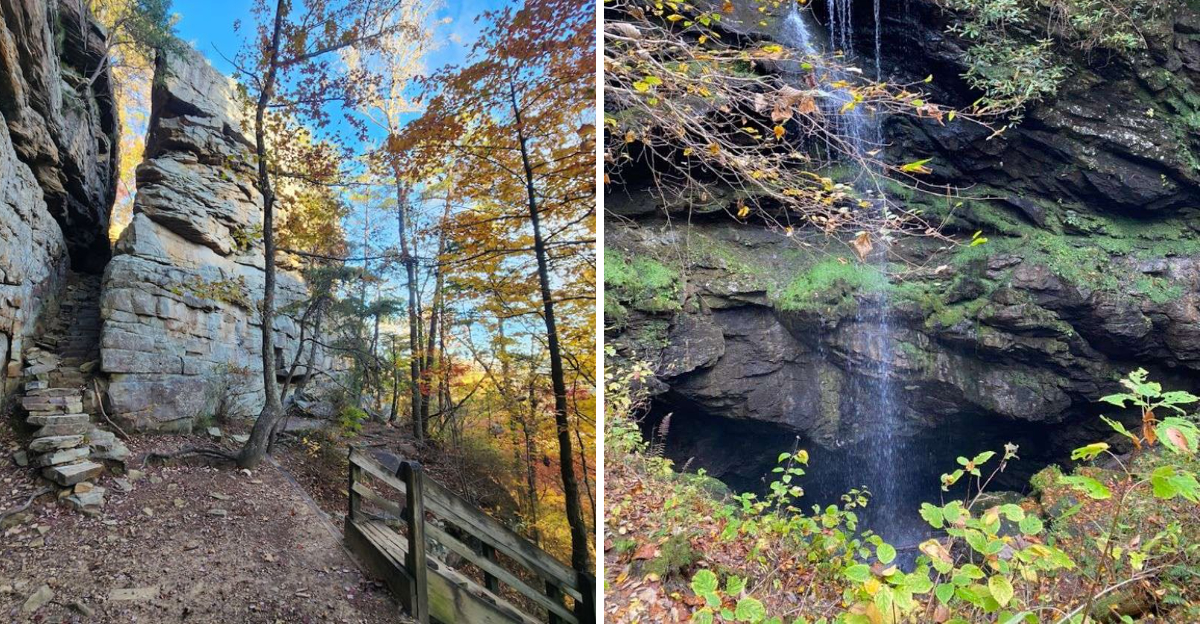
Mountain trips do not need bumper-to-bumper traffic, packed sidewalks, or souvenir shops on every corner. Sometimes the better June escape starts with a winding road, cooler air, and a place quiet enough to hear birds before breakfast.
Tennessee is filled with peaceful mountain getaways where summer feels slower, softer, and much easier to enjoy. Think misty ridges, shaded trails, cabin porches, lake views, and small communities where nobody seems in a hurry.
Sounds better than fighting crowds for a parking spot, right? These places bring the mountain magic without the constant buzz of the busiest vacation towns.
You still get scenery, fresh air, good food, and plenty of room to wander. You just get them at a gentler pace.
For a June trip that feels calm instead of crowded, these Tennessee mountain getaways are worth adding to your list.
1. Reliance, Polk County
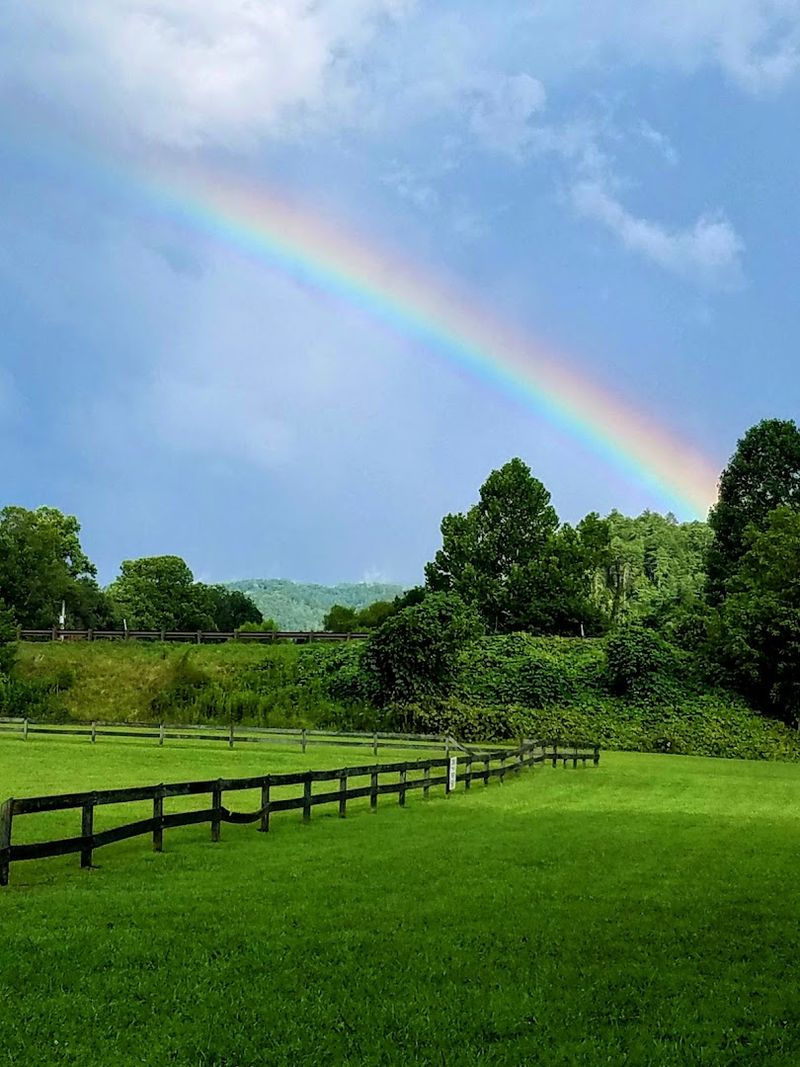
Some places earn their reputation through crowds and billboards, and then there is Reliance, a tiny Polk County community that earns its reputation through the sound of moving water alone.
Sitting along the Hiwassee River in the southeastern corner of Tennessee, Reliance is the kind of place where the river does most of the talking.
Kayakers love this stretch of water for its Class I and II rapids, which are approachable for beginners but still exciting enough to keep experienced paddlers happy.
Anglers come for the smallmouth bass and trout, and the fishing here in June is genuinely excellent thanks to cooler river temperatures.
The surrounding Cherokee National Forest adds miles of hiking trails and forest roads that see almost no foot traffic compared to the Smokies just a short drive to the north.
Reliance itself is barely a dot on the map, with just a handful of buildings along the river, which is exactly what makes it so appealing.
There are no chain restaurants, no souvenir shops, and no lines for anything.
June brings warm days and clear skies to this river valley, making it perfect for floating, fishing, or simply sitting on the bank watching herons work the shallows.
If you want a mountain water escape with zero fanfare and maximum quiet, this little Polk County community might be your best Tennessee find of the summer.
2. Big South Fork, Oneida Area
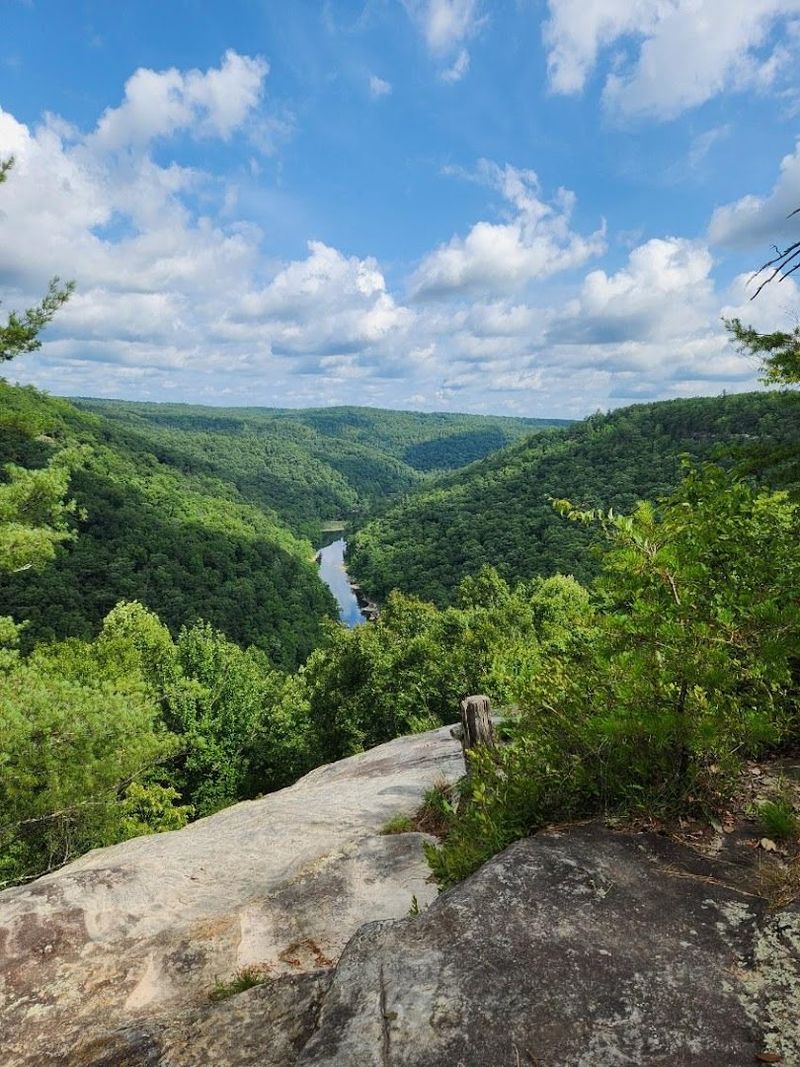
While most visitors to Tennessee are stacking up in line at the Smokies entrance gates, the Big South Fork National River and Recreation Area sits largely empty and absolutely spectacular.
This dramatically undervisited stretch of the Cumberland Plateau features towering sandstone arches, deep river gorges, and miles of backcountry trails.
The geology here is genuinely jaw-dropping, with rock formations that look like they belong in the American Southwest rather than the upper Tennessee hills.
Natural arches like the Twin Arches trail reward hikers with formations that are among the largest natural arches east of the Mississippi River.
June is a wonderful month to visit because the forest canopy is fully leafed out, creating cool shade on the trails even during the warmest parts of the afternoon.
The Big South Fork River itself offers whitewater paddling, swimming holes, and excellent fishing for those who want water-based activities.
Horseback riding is also popular here, with dedicated equestrian trails winding through some of the most scenic terrain in the region.
Camping options range from developed campgrounds to true backcountry sites deep in the gorge, giving every type of traveler a way to experience this place on their own terms.
Oneida is the nearest town and provides basic services without any tourist-industry pressure.
3. Frozen Head State Park, Wartburg Area
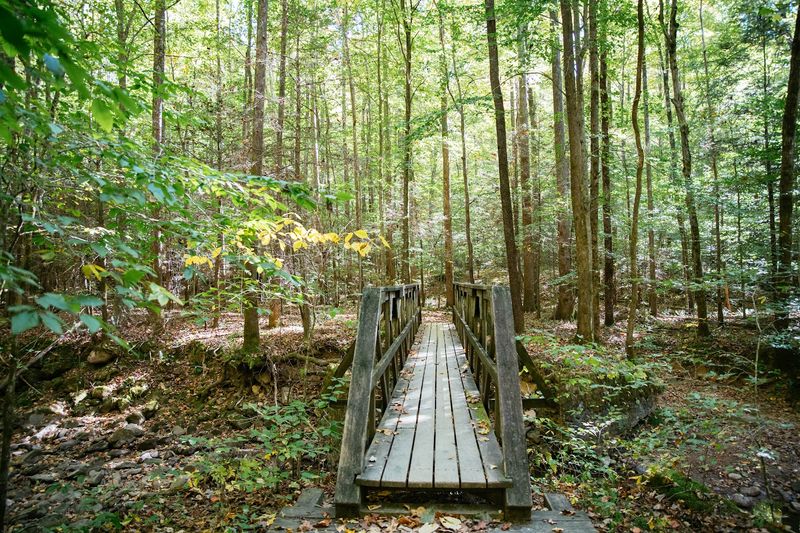
Frozen Head State Park carries a name that sounds cold but delivers some of the warmest, most rewarding hiking in the entire state of Tennessee.
This rugged Cumberland Mountain wilderness covers over 24,000 acres and offers more than 50 miles of trails ranging from gentle creek walks to demanding summit climbs.
June is arguably the best month to visit because the wildflower displays along the lower trails are still going strong, and the summit views are clear and expansive on most days.
The park is also famous among ultramarathon enthusiasts as the setting for the Barkley Marathons, a notoriously brutal race that has become a cult phenomenon in the running world.
That reputation gives Frozen Head a quietly fascinating backstory that most casual visitors do not know about, which makes for great trail conversation.
The park’s main peak, Frozen Head Mountain, rises to about 3,324 feet and rewards summit hikers with panoramic views of the surrounding plateau and valley country.
Backcountry camping is available with a permit, and the developed campground near the park entrance is a comfortable base for multi-day visits.
Wildlife sightings are common here, with deer, wild turkey, and a wide variety of songbirds making regular appearances along the trail corridors.
For a park this beautiful and this large, the crowd levels are remarkably low year-round.
4. Roan Mountain, Tennessee
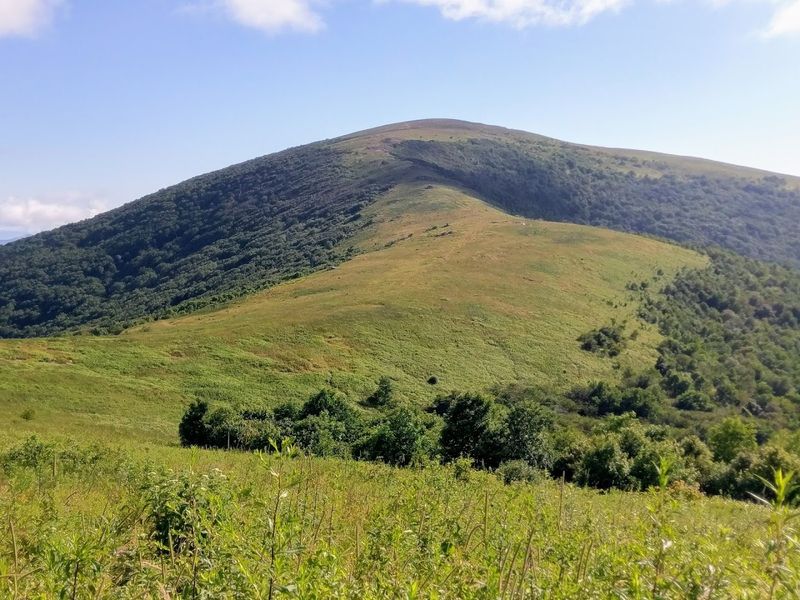
Every June, something extraordinary happens on a high ridge straddling the Tennessee and North Carolina border, and relatively few people outside the region know about it.
The Catawba rhododendrons on Roan Mountain burst into bloom in one of the most spectacular natural flower displays in the entire Appalachian range.
Roan Mountain State Park is the base for most visitors making the trip to see these blooms.
The park itself is a lovely destination independent of the flowers, with cabin rentals, a swimming pool, and trails that wind through classic southern Appalachian forest.
But the real draw in June is the drive up to Carvers Gap and the walk along the Appalachian Trail through the famous Roan Highlands, where open grassy balds offer 360-degree mountain views.
The Rhododendron Festival held annually in June near the park draws some visitors, but the crowds are modest compared to what you would find in the Smokies on any random weekend.
Elevations here exceed 6,000 feet, which means June temperatures stay pleasantly cool even when the valleys below are warm.
Bring a camera, wear comfortable shoes, and plan to stay longer than you think you need to.
5. Unicoi, Carter County
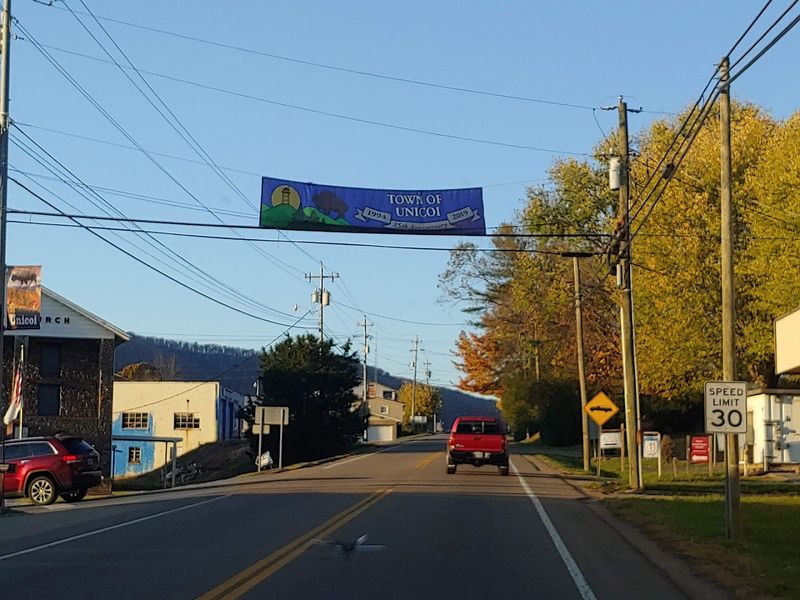
Carter County has Elizabethton and Johnson City pulling most of the regional attention, but the small mountain community of Unicoi offers something those larger neighbors cannot quite match.
Unicoi is a genuine small-town mountain community where the trails are clean, the air is noticeably fresh, and the pace of life has not been adjusted to suit tourist expectations.
The Unicoi area provides access to a network of trails within the Cherokee National Forest, including routes that climb into the Unaka Mountain Wilderness and reward hikers with views that stretch across multiple ridgelines.
The Unaka Mountain trail itself passes through a remarkable stand of old red spruce trees near the summit, creating an atmosphere that feels like the northern Appalachians.
June is ideal here because the forest is fully green, the temperatures at higher elevations stay comfortable, and the wildflower season extends well into the month along shadier trails.
Rock Creek Recreation Area, just outside of town, offers a beautiful campground along a clear mountain stream with easy access to waterfalls and swimming holes.
The town of Unicoi has a small-town character that feels authentic rather than performed, with local businesses and community events that reflect actual mountain life.
For travelers who want real mountain atmosphere without the manufactured experience, Unicoi is a genuinely underappreciated find.
6. Standing Stone State Park, Livingston Area
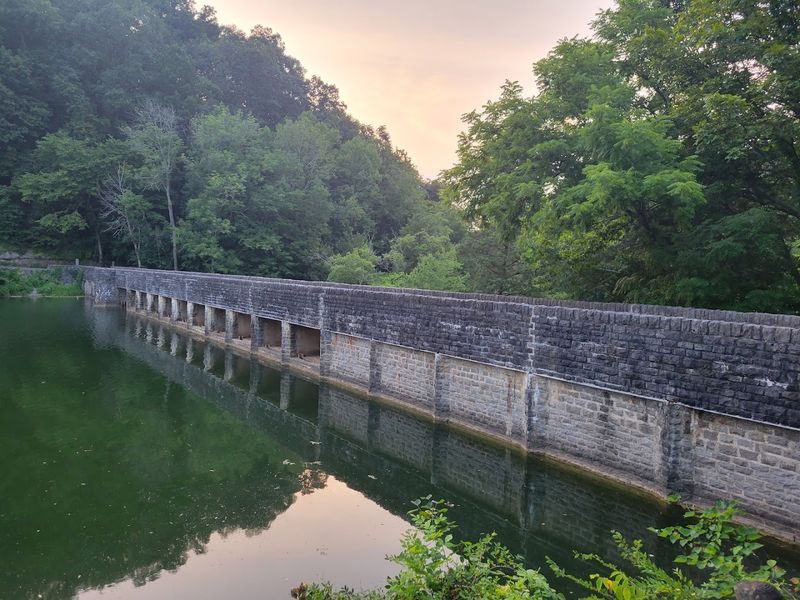
There is a particular kind of quiet that settles over Standing Stone State Park on a June morning, the kind where the only sounds are birdsong, water, and the occasional creak of a fishing boat.
Standing Stone is one of those Tennessee state parks that the rest of the state seems to have largely forgotten about, which is very good news for the people who do show up.
The park centers around a beautiful 69-acre lake that is ideal for fishing, kayaking, and paddleboating, with rental equipment available for those who arrive without gear.
Forested ridges surround the lake on all sides, and the hiking trails here wind through second-growth hardwood forest that feels impressively wild for a developed park.
The park also features a swimming area, picnic shelters, and cabin rentals that make multi-day stays comfortable and affordable.
June temperatures in this part of the Cumberland Plateau are warm but manageable, especially in the mornings and evenings when the forest shade keeps things cool.
The park takes its name from a large sandstone pillar that Native Americans once used as a landmark along a trail connecting hunting grounds, adding a layer of history to every visit.
Overton County as a whole receives very little tourism attention, which means the roads, trails, and facilities here stay refreshingly uncrowded throughout the summer season.
7. Pickett State Park, Jamestown Area
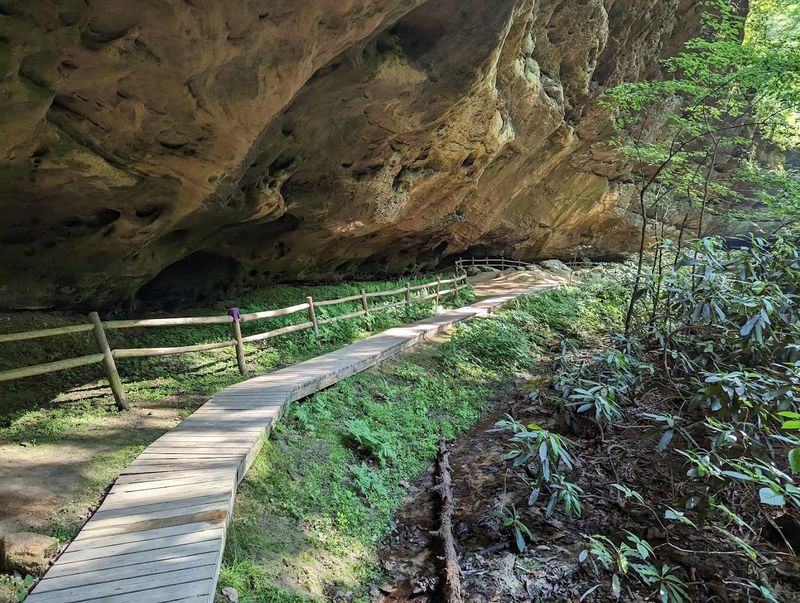
Geologists would have a field day at Pickett State Park, and honestly, so would just about anyone else willing to make the drive to the Jamestown area of Fentress County.
This is one of Tennessee’s most geologically remarkable parks, featuring natural bridges, rock shelters, cave systems, and crystal-clear streams all winding through sandstone landscapes.
The park covers roughly 19,000 acres.
Also, it connects directly to the Big South Fork National River and Recreation Area, effectively giving visitors access to one of the largest roadless areas in the eastern United States.
Trail options range from short walks to natural bridge formations to multi-day backpacking routes through deep forest and along rocky creek corridors.
June is a fine month to visit because the waterfalls are still running well, the forest canopy provides excellent shade, and the rock shelters along the trails offer cool resting spots.
The park maintains a campground and a handful of cabins, but overnight availability is rarely a problem here since the park simply does not attract the volume of visitors its quality deserves.
Wildlife is abundant throughout the park, with black bears, bobcats, and a remarkable diversity of bird species all calling this landscape home.
Pickett is the kind of place that makes you wonder why you ever waited in line somewhere else when this was always an option.
8. Backbone Rock, Shady Valley
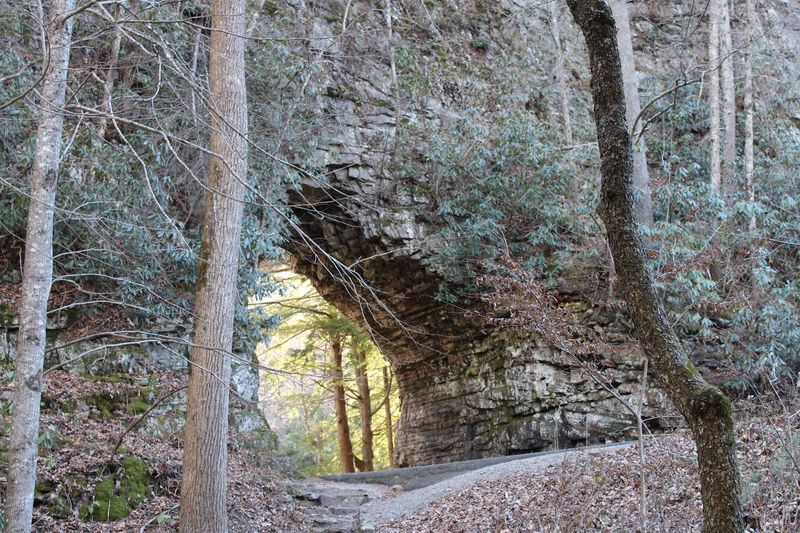
Somewhere along Tennessee Highway 133 in Shady Valley, there is a rock ridge so narrow that engineers simply drilled a tunnel through it rather than go around. The result is one of the most unusual roadside landmarks in the entire state.
Backbone Rock is a natural sandstone fin that rises dramatically from the surrounding forest floor, and the short tunnel carved through it is said to be the shortest tunnel in the world.
The surrounding Cherokee National Forest scenery is beautiful in its own right, with Beaverdam Creek running alongside the recreation area and providing excellent trout fishing in clear water.
A network of hiking trails extends from the recreation area into the forest, including routes that climb to ridge views and pass through old-growth timber stands.
June temperatures in Shady Valley stay cool thanks to the valley’s elevation and the dense forest cover, making this one of the more comfortable hiking destinations in northeastern Tennessee.
The area is close to Damascus, Virginia, a well-known Appalachian Trail town, which adds an interesting cultural dimension for hikers and outdoor enthusiasts.
Camping is available at the Backbone Rock Recreation Area, and the facilities are simple but well-maintained.
The combination of quirky natural history, excellent fishing, and cool forest trails makes this spot far more rewarding than its modest profile suggests.
9. Whiteoak Sink, Townsend
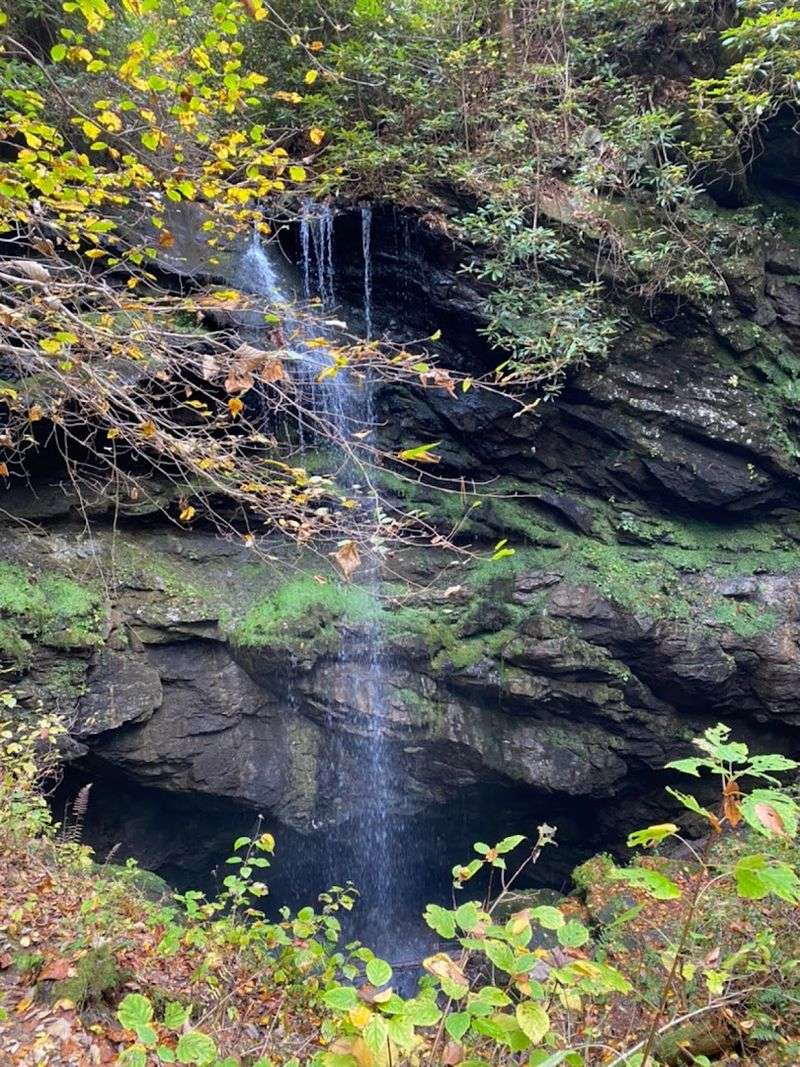
Most people who visit Townsend know it as the peaceful gateway, but very few make it to one of the most botanically rich and visually stunning spots in the entire national park.
Whiteoak Sink is a karst sinkhole basin located within Great Smoky Mountains National Park near Townsend in Blount County. It rewards the hikers who find it with an experience that feels genuinely off the beaten path despite being inside one of the most visited parks in the country.
The sink itself is a large bowl-shaped depression in the earth where sinkholes, caves, and seasonal streams create a microhabitat unlike anything else in the Smokies.
Wildflowers bloom here in extraordinary variety and density, and even into June, the shadier corners of the sink still hold late-season blooms that have already faded elsewhere in the park.
The trail to Whiteoak Sink is not officially maintained by the park service, which means it requires some navigation skills and a willingness to read a map.
Townsend itself provides comfortable lodging, dining, and a relaxed mountain atmosphere that stands in sharp contrast to the chaos of Gatlinburg just a few miles away.
Whiteoak Sink is the kind of place that regular Smokies visitors keep quietly to themselves, and after one visit, you will completely understand why.
10. Savage Gulf, Grundy County
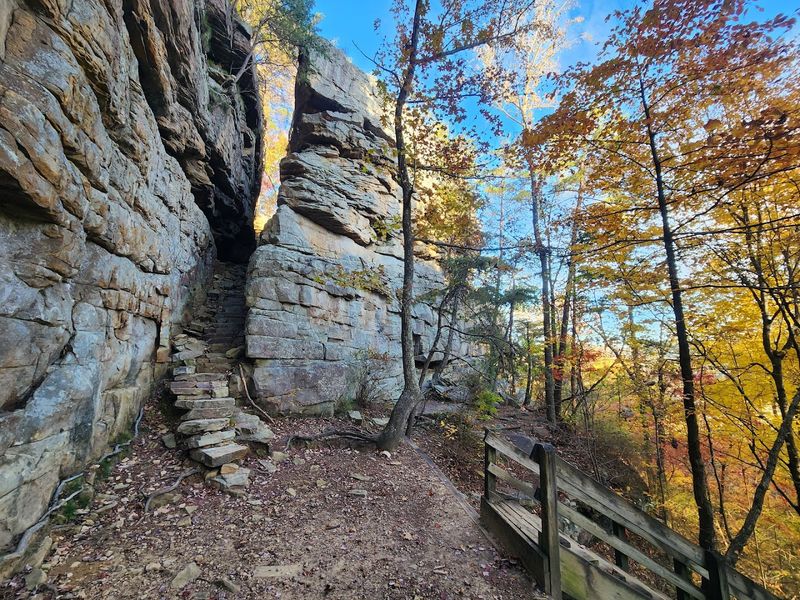
On the Southern Cumberland Plateau in Grundy County, there is a natural area so dramatic and so beautiful that it genuinely rivals the most celebrated landscapes in Tennessee. Yet, somehow it attracts only a tiny fraction of the visitors those places receive.
Savage Gulf State Natural Area features three converging gorges, each carved deep into the plateau by rivers that have been at work for millions of years.
The trail system here covers roughly 55 miles and ranges from easy rim walks with dramatic overlook views to challenging gorge descents that put you right at the base of those sandstone cliffs.
June is a particularly rewarding month because the waterfalls are still flowing well, the forest is at peak greenness, and the wildflowers along the gorge rims are in full late-season display.
Old-growth trees survive in the deepest parts of the gorge where logging never reached, giving the forest floor an ancient, cathedral-like atmosphere that is rare in the eastern United States.
The park has two main trailheads, at Savage Gulf and Stone Door, both offering different perspectives on this extraordinary landscape.
Primitive camping is available throughout the backcountry with a permit, and the solitude you will find on an overnight here is remarkable for a park this close to Nashville.
Savage Gulf is proof that Tennessee’s quietest places are often its most spectacular ones.