
10 Scenic Indiana Farm Communities With Vintage Charm And Old-Fashioned Community Life
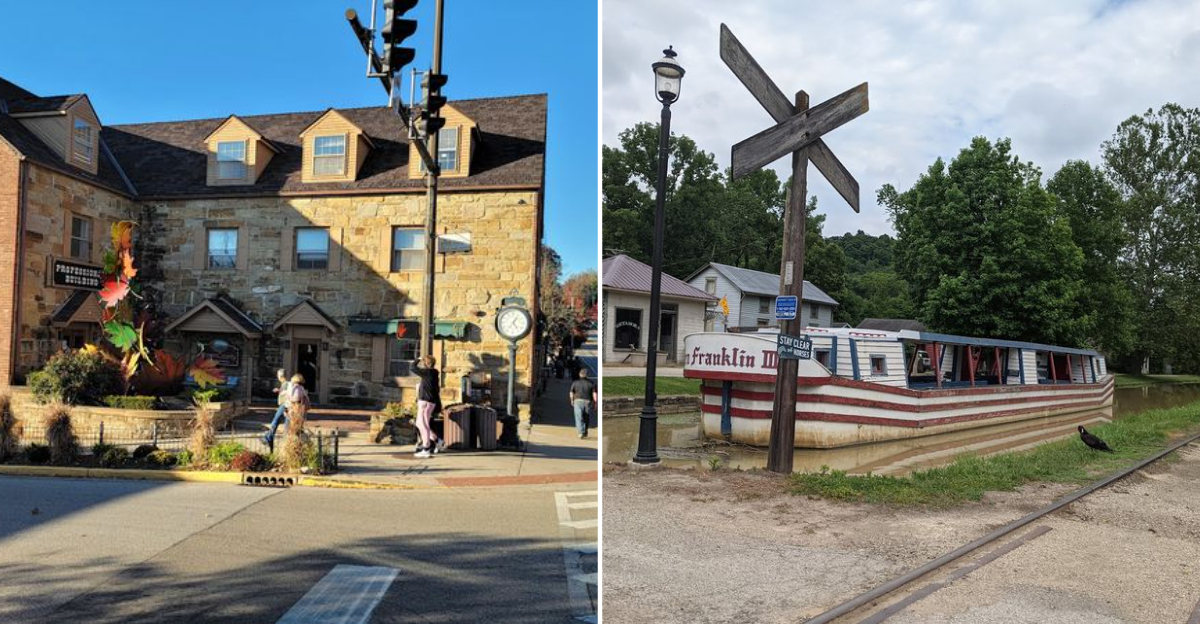
Indiana farm communities carry a version of American life that moves at a pace most people have forgotten was still available. These spots deliver it without any performance attached.
Grain elevators on the horizon, church suppers that actually fill the hall, and neighbors who know each other by name without being prompted. The vintage charm here is not a design choice or a tourism strategy.
It is simply what happens when a community stays rooted long enough. Each of these communities holds its own character, its own seasonal rhythms, and its own reasons to slow the car down and take a second look.
Indiana farmland shapes the backdrop in a way that changes with every month and rewards the people paying attention to it.
Old-fashioned community life sounds like a nostalgic idea until you spend a weekend inside one of these towns and realize it is still entirely real.
The pace here is not slow because nothing is happening. It is slow because the people living it decided long ago that this was exactly the right speed.
1. Shipshewana
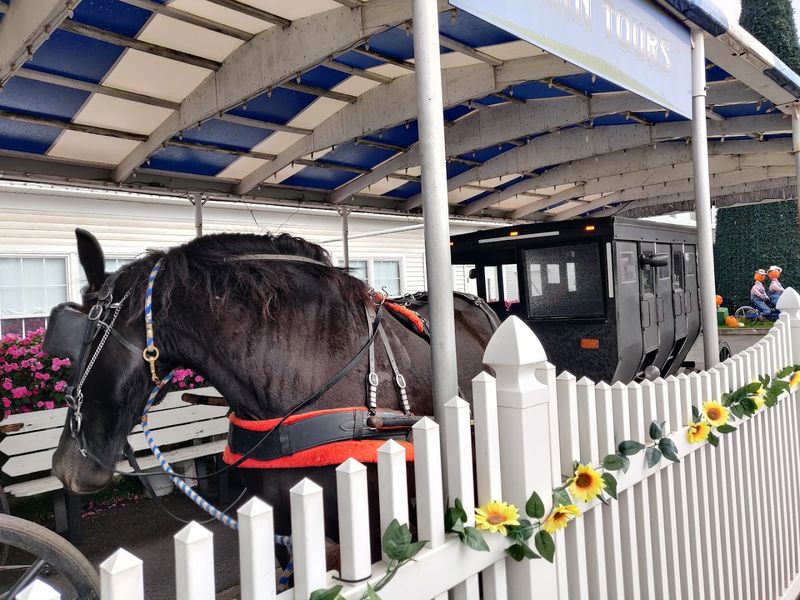
Horse-drawn buggies share the road with pickup trucks here, and nobody bats an eye. Shipshewana runs on a rhythm that feels borrowed from another century, in the best possible way.
The Shipshewana Auction and Flea Market is one of the largest in the entire Midwest. Every Tuesday and Wednesday, hundreds of vendors show up with everything from handmade quilts to fresh-baked pies.
Local Amish families run the bakeries, woodshops, and roadside stands you will find scattered across the area. The craftsmanship in every handmade chair or hand-stitched quilt is genuinely impressive.
The community here is not a performance for tourists. It is just how life works, and people are proud of that.
You can catch a live auction where bidding moves fast, and the energy is electric. It is surprisingly addictive to watch, even if you came just to browse.
Farmland stretches in every direction, dotted with barns painted in deep reds and weathered grays. Sunsets here look like something painted specifically to make city folks rethink their choices.
Shipshewana sits right in the heart of Indiana Amish Country, and it earns that title honestly.
2. Rockville
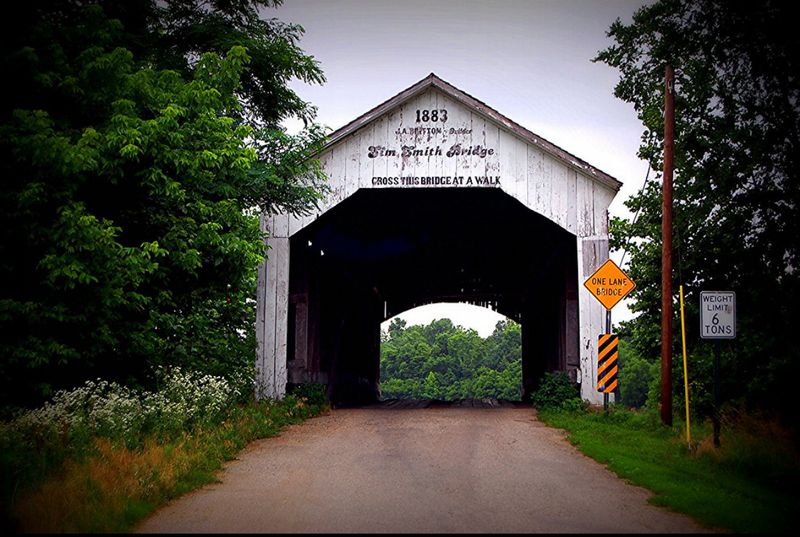
Parke County holds a record that sounds made up but is completely real. It has 31 covered bridges, more than any other county in the entire United States.
Rockville is the county seat and the proud anchor of this bridge-filled landscape. Every October, the Parke County Covered Bridge Festival draws visitors from across the country who come just to drive the bridge routes.
Billie Creek Village sits right outside town and is worth every minute of your time. It is a restored 19th-century open-air village with a working general store, a historic church, and costumed interpreters who actually know their stuff.
The surrounding farmland rolls gently, with creeks cutting through fields and old barns leaning just slightly, like they are tired but refusing to quit. It is photogenic in a way that feels effortless.
Local events here are deeply community-driven. Neighbors organize festivals, pie contests, and craft fairs that feel like the kind of thing your grandparents used to talk about.
Driving the covered bridge routes is genuinely one of the most peaceful things you can do on a free afternoon. Each bridge has its own personality and history.
Rockville is the kind of town that makes you slow down on purpose.
3. Metamora
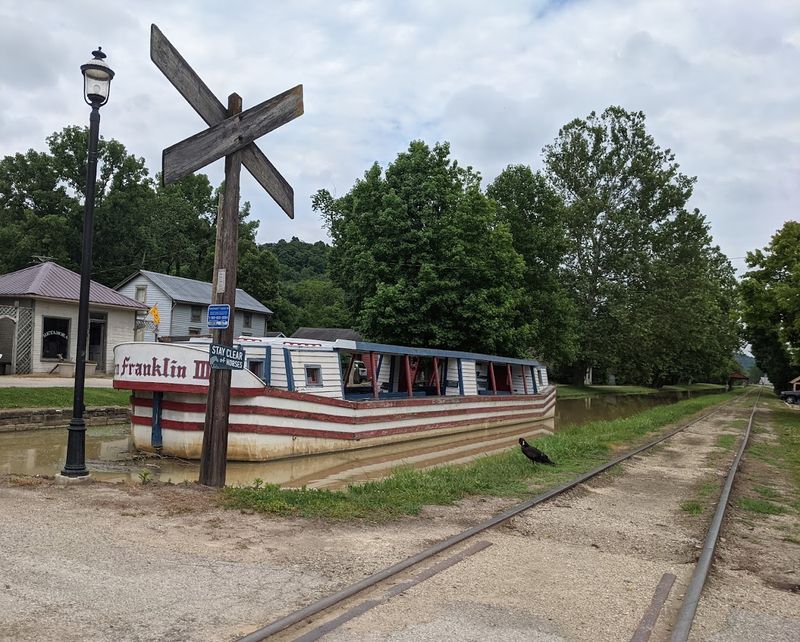
Visiting Metamora feels like someone hit pause on history and forgot to press play again. Every building along the canal has a story, and most of them go back well over 150 years.
The Metamora Grist Mill is still grinding corn using actual water power from the Whitewater Canal. It is one of the few working grist mills left in Indiana, and watching it operate is genuinely fascinating.
The shops lining the village street sell antiques, handmade candles, local pottery, and homemade fudge that is dangerously good. You will not leave empty-handed, I promise you that much.
The canal itself runs right through the heart of the village, and horse-drawn canal boat rides are available during warmer months. Kids love it, and honestly, so do adults who pretend they are just there for the kids.
Rolling hills and working farms surround the village on every side. The countryside here has that deep green, unhurried quality that makes you want to pull over and just sit for a while.
Seasonal festivals bring the community together in ways that feel genuinely warm and unforced. Fall is especially spectacular when the leaves turn, and the air smells like woodsmoke and apple butter.
Metamora is a tiny place with an outsized amount of soul.
4. Nashville
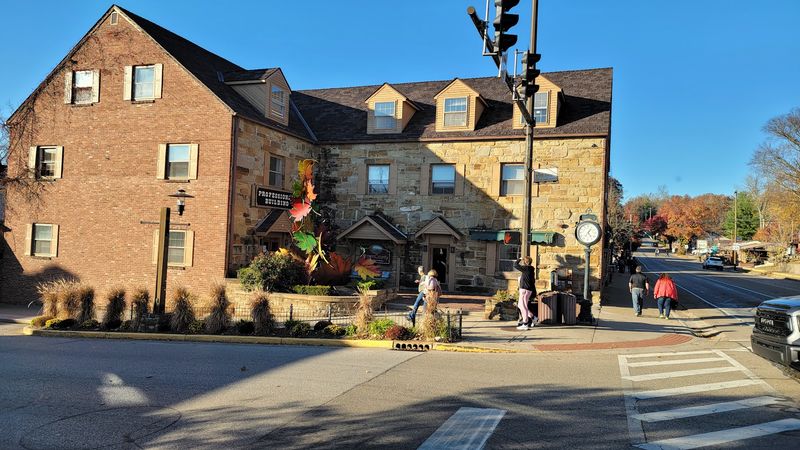
Nashville does not look like most Indiana towns, and that is exactly the point. Nestled inside Brown County’s famously rolling hills, it has carved out a reputation as Indiana’s creative capital.
Art studios line the streets, and local painters, sculptors, and potters have been setting up shop here for generations. The artistic energy is real and palpable, not just a marketing tagline someone slapped on a brochure.
Brown County State Park wraps around the edges of town like a giant green hug. Trails wind through dense forests that turn jaw-droppingly beautiful every October when the leaves go full color mode.
Log cabin shops and cozy storefronts give the main street a rustic, lived-in feel that chain stores could never replicate. Every shop seems to have a personality of its own.
The surrounding farmland adds to Nashville’s charm by keeping things grounded and connected to the land. Local farms supply fresh goods that show up at markets and restaurants throughout town.
Community life here is active and genuine. Locals organize gallery walks, seasonal festivals, and outdoor events that bring artists, farmers, and everyone in between together.
Nashville earns its reputation not by trying hard but by simply being itself, warmly and consistently.
5. Madison
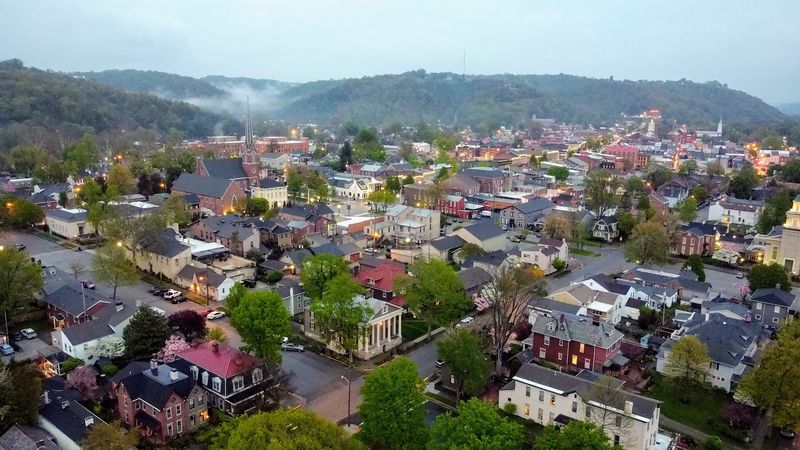
Madison sits on a bluff above the Ohio River and looks like a movie set that someone forgot to tear down. The downtown historic district is one of the largest National Historic Landmark districts in the entire country.
Brick streets run past Federal-style mansions, 19th-century storefronts, and antique shops that could keep a dedicated browser busy for an entire weekend. History is not behind glass here; you walk right through it.
The Ohio River views from town are genuinely stunning. Watching a barge drift past while you sit on a riverfront bench is one of those simple pleasures that somehow hits harder than expected.
Local bakeries and farm-to-table eateries fill the streets with good smells at all hours. The food scene here is rooted in Indiana tradition but not stuck in the past.
Madison hosts festivals throughout the year that celebrate everything from its architectural heritage to its river history. The community shows up for these events with real enthusiasm, not just polite attendance.
The surrounding countryside is lush and hilly, with farms stretching across the landscape in every direction. It is the kind of scenery that makes the drive into town feel like a reward on its own.
Madison is elegant without being stuffy, and historic without feeling like a museum.
6. Berne
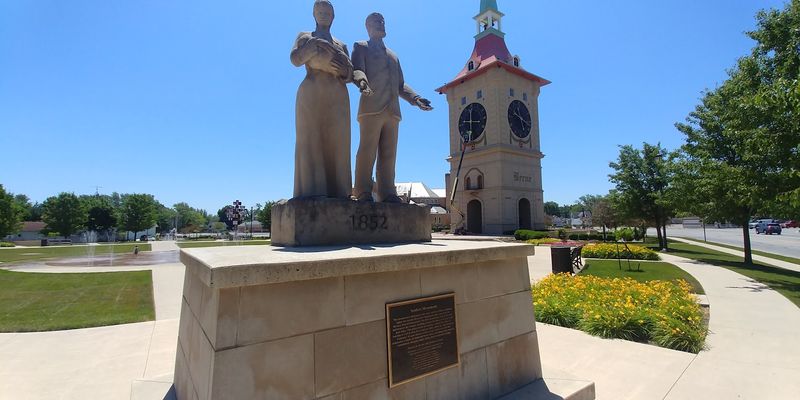
This place has a secret identity, and it is Swiss. Founded by Swiss Mennonite immigrants in the 1850s, the town has held onto that heritage with impressive dedication and a lot of flower boxes.
The downtown architecture features Swiss-inspired designs that make you do a double-take the first time you drive in. It genuinely looks like someone transplanted a corner of Europe into the middle of Indiana farmland.
The Mennonite community here has deep roots, and that influence shows in the quality of local craftsmanship, food, and community values. Handmade furniture and baked goods from local families are staples of everyday life.
Annual Swiss Days is the town’s biggest celebration, featuring traditional music, folk dancing, and food that connects modern residents to generations-old traditions. The whole community gets involved in ways that are genuinely touching to witness.
Surrounding farms are flat and productive, typical of this part of Indiana, with long rows of corn and soybeans stretching toward the horizon. The landscape has a quiet grandeur that grows on you.
Local shops and small businesses give Berne a self-sufficient, community-first economy that feels increasingly rare. People here shop local, not as a trend but as a way of life.
Berne is proof that small towns can have big identities.
7. Nappanee
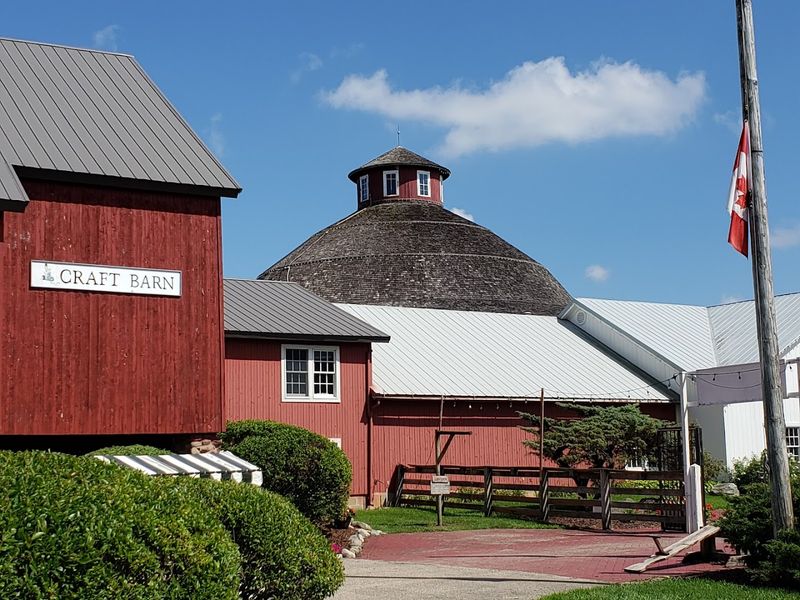
Nappanee is the kind of town where you can watch a horse pull a plow through a field and then buy fresh bread from the family that farmed it. That combination is rarer than you think and more satisfying than you expect.
The Amish Acres Historic Farm and Heritage Resort is the town’s crown jewel. It is a restored 80-acre Amish homestead where you can tour original buildings, watch traditional crafts, and eat a thresher’s dinner served family style in an old barn.
The farm community surrounding Nappanee is active and thriving, not a nostalgic relic. Amish and Mennonite families here are running real working farms that supply local markets and businesses.
Handmade furniture is a serious industry in this area. Workshops throughout the county produce pieces that end up in homes across the country, built with a level of care that mass production simply cannot match.
The town itself has a friendly, unhurried downtown with locally owned shops and a community calendar packed with seasonal events. Fall harvest festivals here draw crowds who come for the food as much as the atmosphere.
Driving the back roads around Nappanee at golden hour is one of those experiences that resets your whole outlook. Barns, fields, and buggies paint a picture that feels timeless.
Nappanee is northern Indiana’s Amish Country at its most welcoming.
8. Aurora
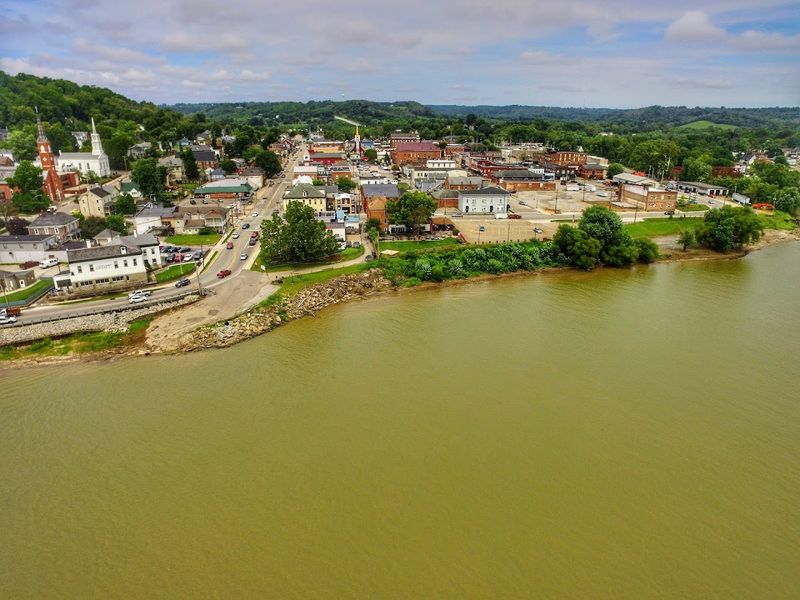
The hillside setting gives the town a layered, almost theatrical look that photographs beautifully from across the river.
Historic homes climb the hills above the waterfront, many dating back to the 1800s when Aurora was a bustling river port. The architecture tells the story of a town that was once a major player in regional trade and commerce.
Hillforest Mansion is the town’s most famous landmark, a National Historic Landmark built in 1855 with a steamboat-inspired design that reflects Aurora’s deep river heritage. Touring it feels like flipping through a very well-decorated history book.
The surrounding farmland stretches back from the river into rolling countryside that is quietly gorgeous. Driving the rural roads outside town reveals a landscape of working farms, old barns, and creek-crossed fields.
Community life in Aurora has a tight-knit quality that comes from generations of families staying rooted in the same place. Local events and festivals draw the whole town out in the best way.
Antique hunters consider Aurora a reliable destination, with shops offering genuine finds rather than overpriced junk. The thrill of discovery is very much alive here.
Aurora rewards the curious traveler who takes time to look past the obvious.
9. New Harmony
New Harmony carries more history per square mile than almost any town its size in America. Founded in the early 1800s as a utopian community, it attracted some of the most forward-thinking minds of the era, and that intellectual energy never fully left.
Home to two utopian communities, the Harmonists and later the Owenites, the town still reflects their legacy through its remarkable architecture and visionary history.
Walking the streets here feels like reading a philosophy textbook that someone turned into a village.
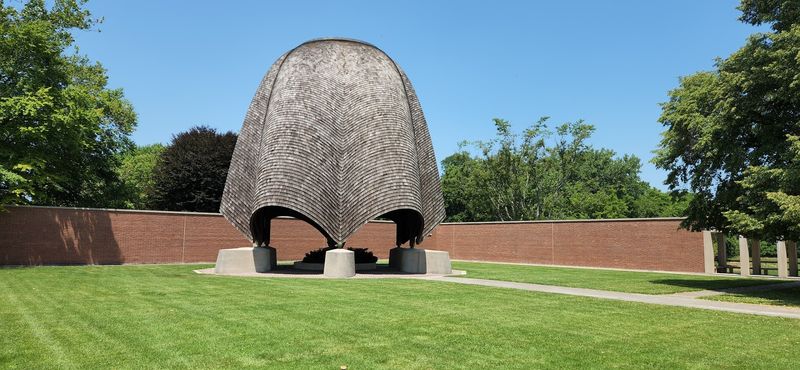
The Roofless Church, designed by Philip Johnson, is one of the most unexpected and genuinely moving landmarks you will find in rural Indiana. It is open to the sky and surrounded by a garden that invites quiet reflection.
Surrounding farmland gives New Harmony its grounded, rural context. The Wabash River nearby adds a natural beauty that softens the weight of all that history.
Local shops and galleries reflect the town’s artistic and intellectual roots. You will find thoughtful, locally made goods and art that connect to the community’s long creative tradition.
Seasonal events and garden tours bring the community together and welcome visitors with genuine warmth. The pace here is slow by design, and it works beautifully.
New Harmony is unlike any other small town in Indiana, and that is its greatest gift.
10. Covington
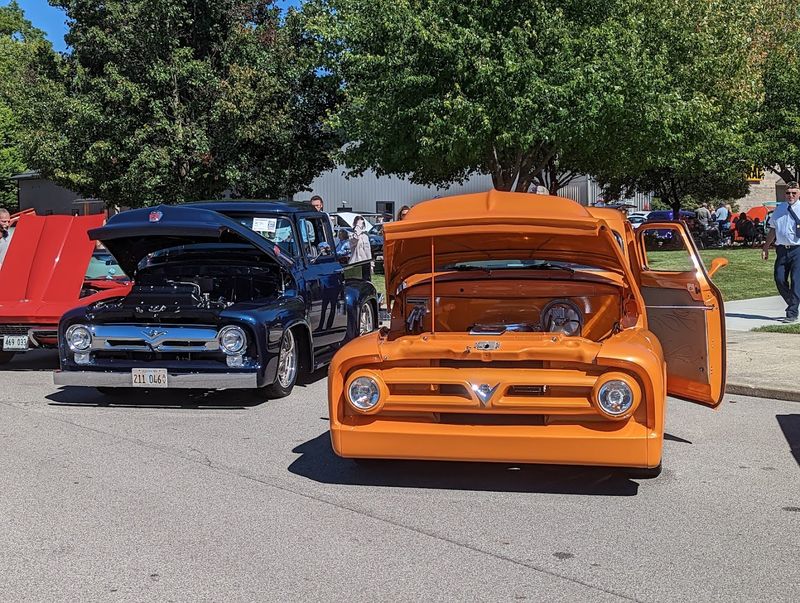
Covington is the kind of county seat that reminds you what small-town Indiana is supposed to feel like. The Fountain County courthouse anchors a classic town square surrounded by locally owned businesses that have been there for decades.
The Wabash River runs just outside town, adding a scenic edge to a community that already has plenty going for it. Fishing, hiking, and simply sitting by the water are legitimate recreational options here that locals take full advantage of.
Turkey Run State Park is just a short drive away, bringing nature lovers through Covington on their way to one of Indiana’s most beloved parks. The area around Covington benefits from that proximity in all the right ways.
The surrounding farmland is classic west-central Indiana, flat and productive, with grain elevators punctuating the skyline and tractors moving along rural routes in planting and harvest seasons. It is honest, working land.
Community events in Covington have the kind of turnout that would embarrass most cities. County fairs, local parades, and seasonal festivals are taken seriously here and executed with real community pride.
Antique shops and local diners give the downtown a lived-in authenticity that you cannot manufacture. Every storefront has a history, and locals are happy to share it if you ask.
Covington is quietly wonderful and genuinely worth a detour.