
Why This South Carolina Shopping Warehouse Draws Crowds With Its Unreal Bargain Prices
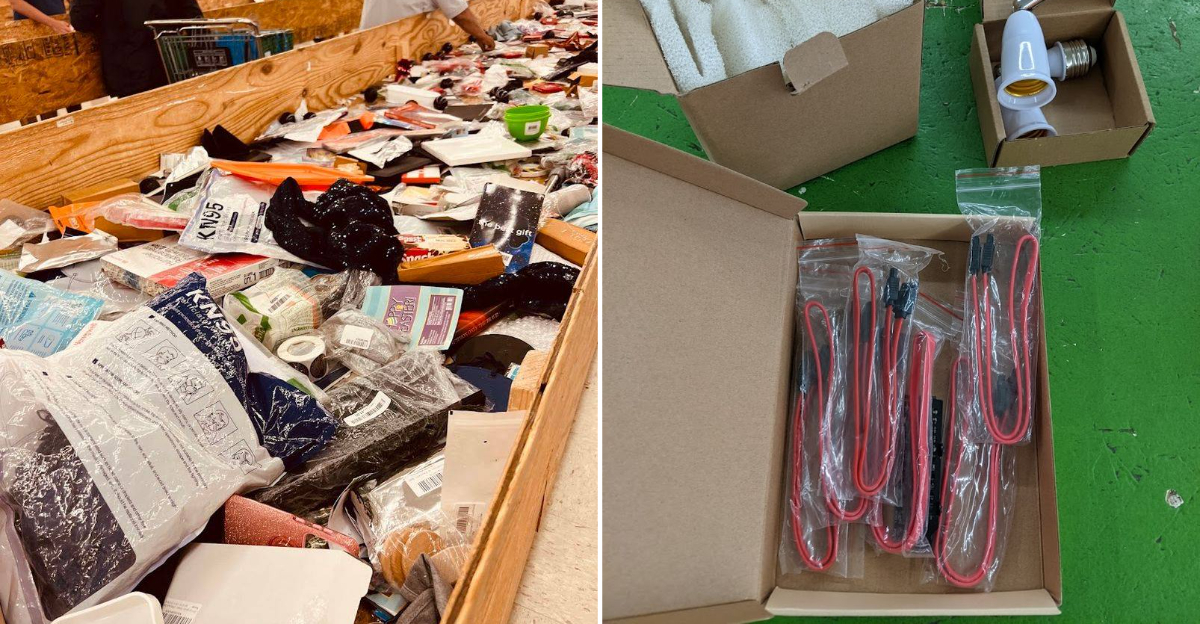
Bargain prices are promised everywhere and delivered almost nowhere. This South Carolina shopping warehouse is the exception that makes that distinction worth caring about.
The prices here land in a range that first-time visitors genuinely question before checking again to confirm what they are seeing.
Rotating inventory, direct sourcing, and a model built around passing savings forward rather than absorbing them at the top.
South Carolina is not a state typically associated with warehouse discount shopping. That makes finding something this well stocked feel like an unexpected discovery.
Crowds arrive on weekends with carts and a plan, working through sections that cover more categories than most comparable operations manage under one roof. Regulars track restock schedules the way serious shoppers track sales events elsewhere.
The advantage goes to whoever shows up first and moves quickly.
The reputation here was never manufactured. It built itself one receipt at a time and shows no signs of requiring any outside help to keep growing.
Understanding Bulk Purchasing Benefits
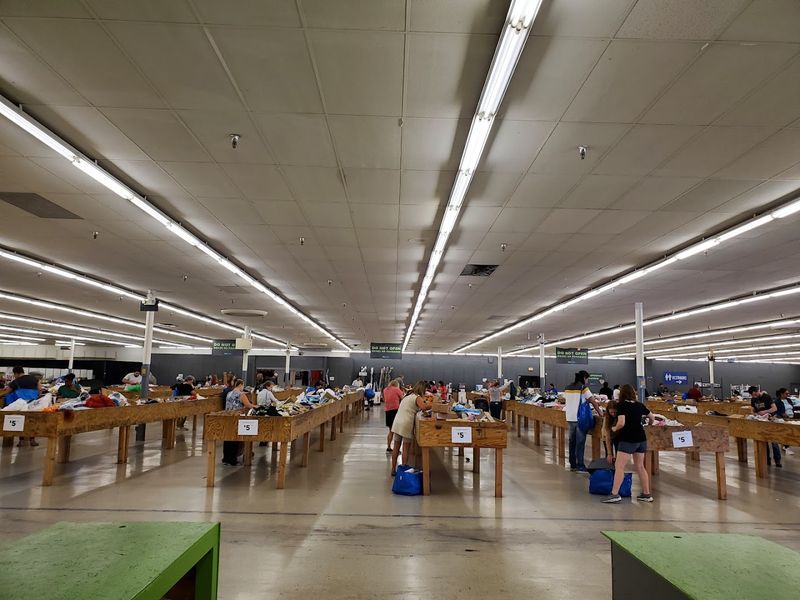
Buying in bulk is one of the oldest tricks in the savings playbook. Bintime built its entire model around this idea, and it works surprisingly well.
The store sources large truckloads of overstock and returned merchandise from major retailers, including Amazon, and passes those savings directly to shoppers.
Because the store buys huge volumes at once, the cost per item drops dramatically. That means a kitchen gadget that retails for a significant amount might land in a bin for just a fraction of that price.
The math is simple, and the savings are real.
The pricing structure at Bintime adds another layer of smart bulk-buying logic. New stock arrives and starts at a set price, then drops each day of the week.
Shoppers who visit later in the week can score items at their lowest prices.
This model rewards patience and planning. Early-week visitors get the best selection.
Late-week visitors get the lowest prices. Either way, the bulk purchasing foundation makes both options possible.
You can find Bintime at 129 W Butler Rd, Mauldin, SC 29662. The store operates in a former Kmart building, which gives it plenty of room to stock serious volume.
That space is a big part of why the bulk model works so well here.
Exploring Product Variety And Selection
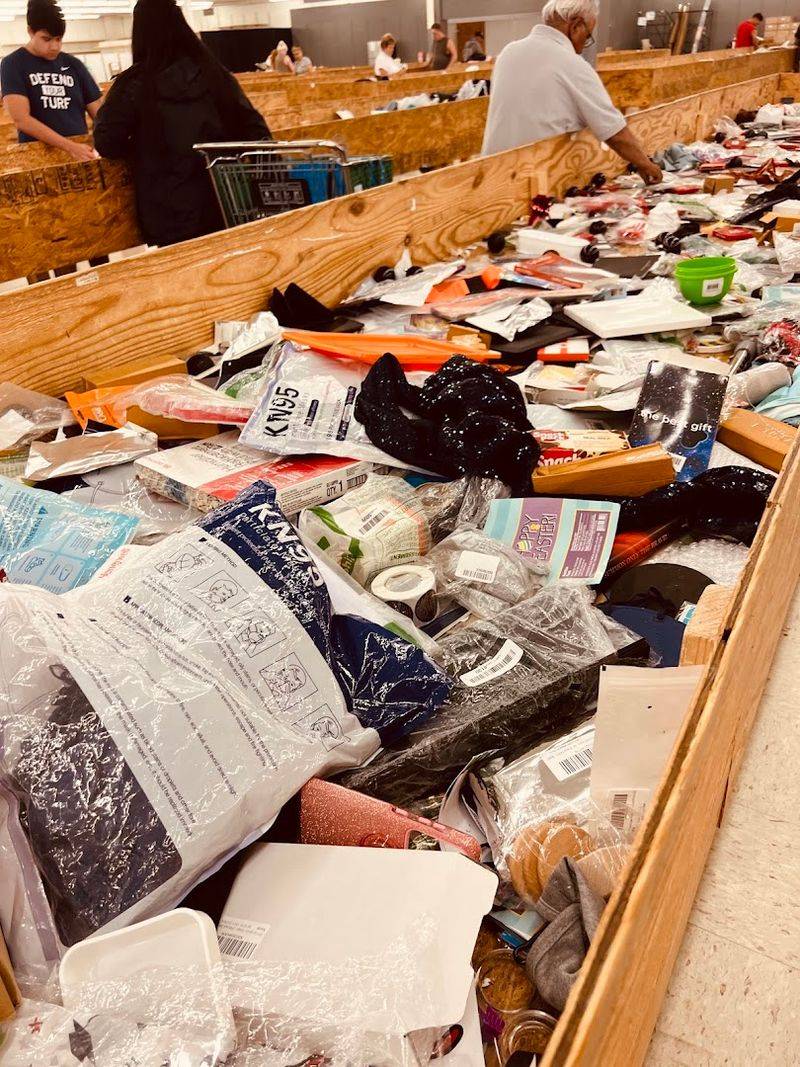
Entering Bintime feels like every aisle is a surprise. One bin might hold kitchen gadgets.
The next could have electronics, designer clothing, or outdoor gear. Nobody knows exactly what will show up, and that unpredictability is a huge part of the appeal.
The product range is genuinely broad. Shoppers have found Apple products, Yeti coolers, Dyson vacuums, sticker printers, gardening supplies, toys, and blankets, all in the same visit.
These are not off-brand knockoffs. Many items are brand-name products that simply ended up in the return or overstock pipeline.
New truckloads arrive weekly, which keeps the inventory rotating constantly. No two visits are exactly alike.
That freshness is what turns first-time shoppers into regulars who show up every single week just to see what landed.
The variety also makes Bintime practical for different types of shoppers. Parents hunting for school supplies, hobbyists looking for gadgets, and home decorators searching for deals can all find something useful.
It covers a wide range without focusing on just one category.
The selection is not curated or organized by department, which is part of its charm. Everything gets tossed into bins, and finding exactly what you wanted feels like a small victory.
The mix keeps energy levels high and browsers genuinely engaged throughout their visit.
How Seasonal Sales Affect Pricing
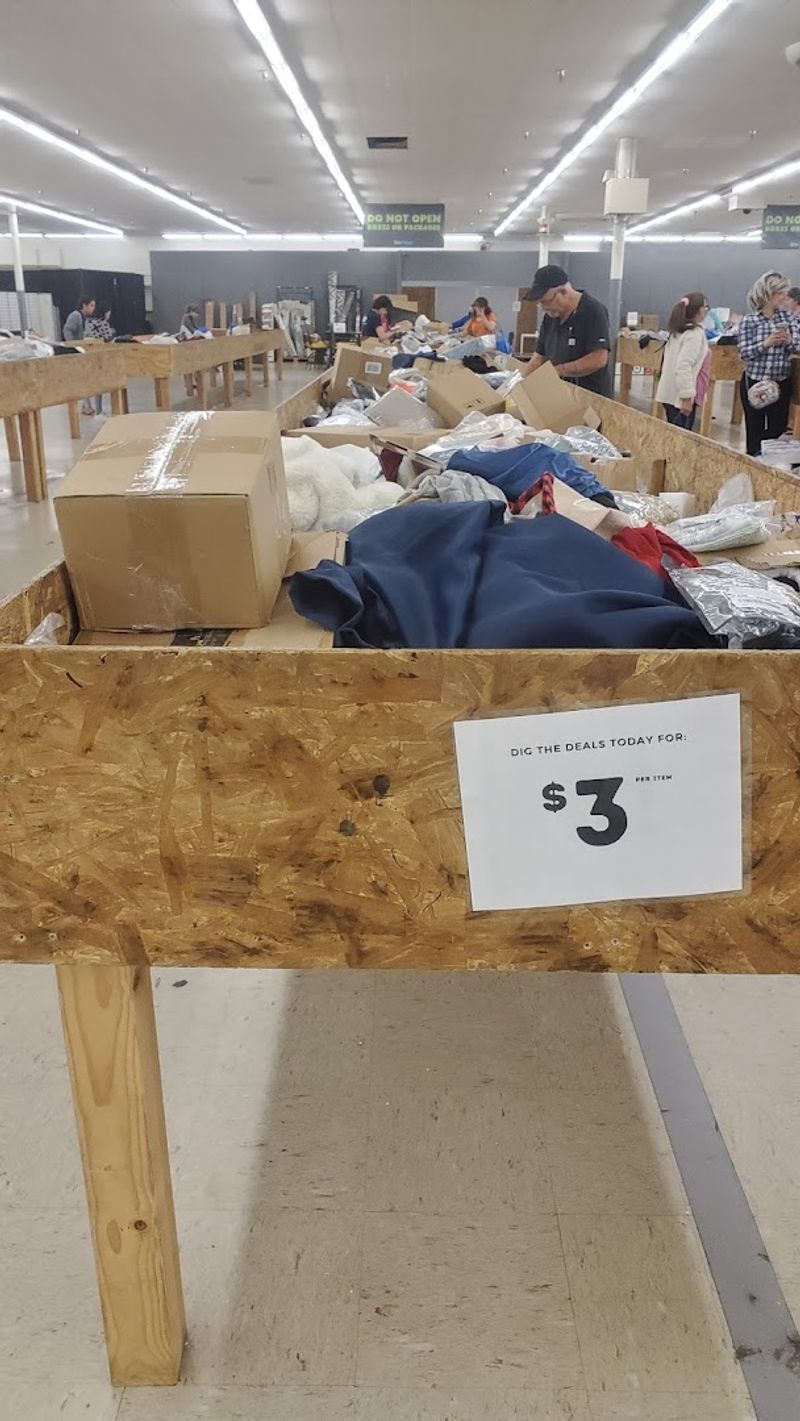
Retail seasons create a wave of excess inventory, and Bintime rides that wave better than most. When major retailers clear out seasonal stock, those items often end up in liquidation pipelines.
That is exactly how holiday decorations, summer gear, and winter clothing find their way into the bins.
The timing can work in a shopper’s favor in a big way. Post-holiday merchandise frequently arrives weeks after the season ends.
A savvy shopper who does not mind buying Christmas lights in January can save dramatically compared to buying them the previous November.
Seasonal overstock also affects which categories dominate the bins at any given time. Summer months might bring more outdoor and garden products.
Fall restocks tend to include more home goods and kitchen items. Paying attention to these patterns helps regular shoppers plan their visits strategically.
Bintime’s declining price model interestingly interacts with seasonal stock. If seasonal items arrive mid-week, they start at a higher price but drop fast.
Catching them on a Wednesday means paying almost nothing for items that were genuinely useful just weeks earlier at full retail.
Seasonal shopping at Bintime rewards flexibility. Shoppers willing to buy slightly off-season or sit on an item until next year consistently find the best deals.
Retail calendars basically do the planning for you if you know how to read them.
The Role Of Supply Chain Efficiency
Supply chain efficiency is the engine behind every great deal at Bintime. Most people do not think about logistics when they are digging through bins, but the reason prices are so low starts long before merchandise hits the store floor.
The speed at which goods move from retailer to liquidator to store shelf matters a lot.
Bintime sources directly from large retailers’ liquidation pipelines. This cuts out multiple middlemen who would otherwise add markups at each step.
Fewer hands touching the product between the origin and the bin means a lower final price for the shopper. It is a lean model that benefits everyone at the end of the chain.
Weekly restocks depend on consistent logistics. Truckloads need to arrive on schedule for the declining price model to work properly.
If supply slows down, bins empty out faster, and the selection suffers. A reliable supply chain keeps the store full and the crowds coming back.
The old Kmart building that Bintime moved into back in 2020 was a strategic choice. The larger footprint allows for more receiving space and better organization of incoming pallets.
More room means more product can be processed and placed quickly without bottlenecks.
Efficient supply chains also reduce waste. Items move from overstock to shelf to shopper faster, which means fewer returns get damaged sitting in storage.
Speed benefits both the business and the bargain hunter equally.
Customer Service Strategies At Warehouses
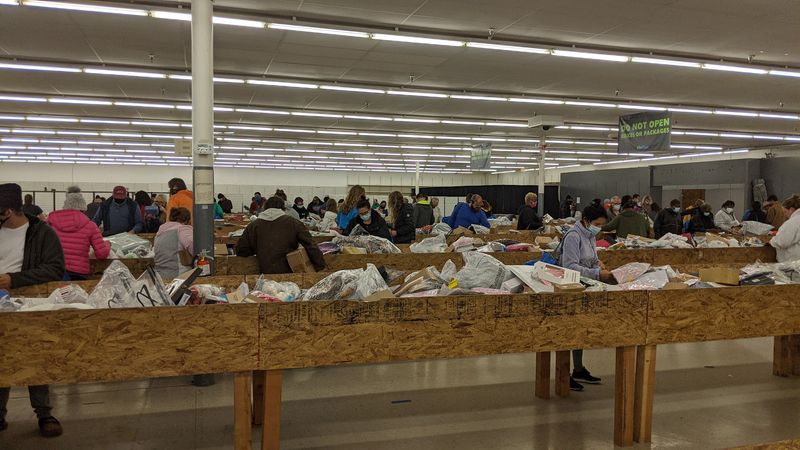
Warehouse shopping environments can feel chaotic, especially on busy days. Good customer service in a setting like Bintime means helping people navigate that chaos without making it worse.
Staff who explain the rules clearly and help newcomers understand the pricing model make a real difference on a crowded Saturday morning.
New shoppers at Bintime often need a quick orientation. The declining price model is not immediately obvious to first-timers.
Employees who take time to walk someone through how pricing works, or show them how to scan boxes using the Amazon app, turn a confusing experience into an enjoyable one.
The warehouse format also creates unique customer service challenges. Hundreds of people can be present at once, especially during opening hours.
Managing flow, keeping aisles clear, and handling questions simultaneously requires a team that stays calm and communicates well under pressure.
Fire code regulations limit Bintime to around 400 customers at a time. Lines can form on weekends, and how staff handles that wait sets the tone for the entire visit.
A friendly greeting at the door goes a long way when someone has been standing outside for twenty minutes.
Good customer service at a warehouse store is less about polish and more about practicality. Shoppers want honest answers, clear guidance, and a team that treats them with basic respect.
Those fundamentals matter just as much here as they do in any traditional retail setting.
Environmental Impact Of Warehouse Shopping
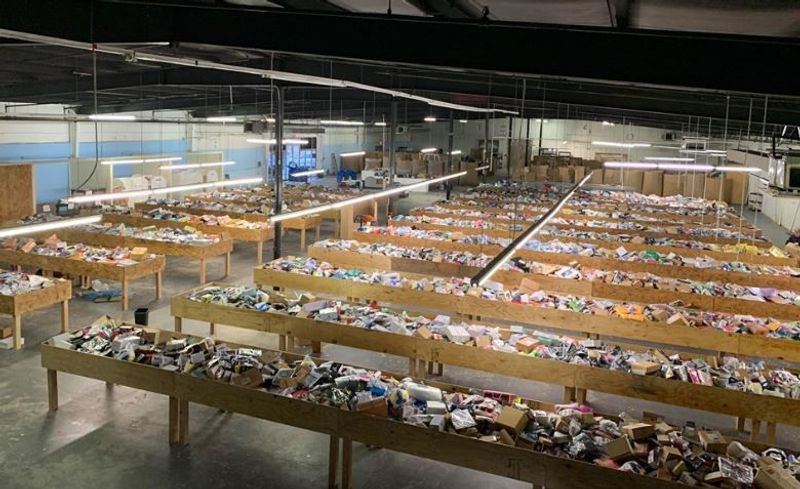
Liquidation shopping has a surprisingly positive environmental angle. When retailers cannot sell overstock or returned goods through normal channels, those items often end up in landfills.
Bintime intercepts that waste stream and gives products a second chance to be used by someone who genuinely wants them.
Returns are a massive problem in modern retail. Studies suggest that billions of dollars worth of returned merchandise gets destroyed each year rather than resold.
Liquidation stores like Bintime redirect that flow, keeping usable products out of the trash and in the hands of real consumers.
Buying secondhand or liquidated goods also reduces demand for new manufacturing. Every item a shopper pulls from a Bintime bin is one fewer item that needs to be produced from scratch.
Over time, that adds up to real reductions in raw material use and energy consumption.
The warehouse model itself is efficient from a space and energy standpoint. One large building serves thousands of shoppers per week.
Compared to multiple smaller stores carrying the same categories, the consolidated format uses less energy per transaction. The old Kmart building repurposing is also a form of adaptive reuse, which avoids new construction entirely.
Shopping at a liquidation warehouse is not a perfect environmental solution, but it is a meaningfully better option than buying everything brand new. Choosing Bintime for household needs quietly supports a more circular approach to consumer goods.
Payment Options And Financing Deals
Payment flexibility matters when you are shopping on a tight budget. At a place like Bintime, where the whole point is spending as little as possible, how you pay can affect how much you actually save.
Knowing your options before you walk in helps you move fast and avoid surprises at checkout.
Cash is always a reliable option at discount stores. It keeps spending visible and helps avoid the trap of grabbing more than intended just because prices seem low.
When prices are this low, it is surprisingly easy to end up with a large pile without realizing it.
Debit and credit cards offer convenience and a paper trail, which is useful for tracking spending. Some credit cards also offer cashback rewards on purchases, which stack on top of the already discounted prices.
That combination can stretch a shopping budget even further without any extra effort.
Bintime does not advertise complex financing deals or layaway programs. The pricing model itself functions as the deal.
Prices drop automatically throughout the week, so timing your visit is essentially a built-in discount strategy that requires no credit check or application.
For shoppers on a strict weekly budget, planning visits around the lowest pricing days of the week is the most effective financial move available. That kind of value is hard to replicate anywhere else in the Mauldin area.
Tips For Maximizing Savings While Shopping
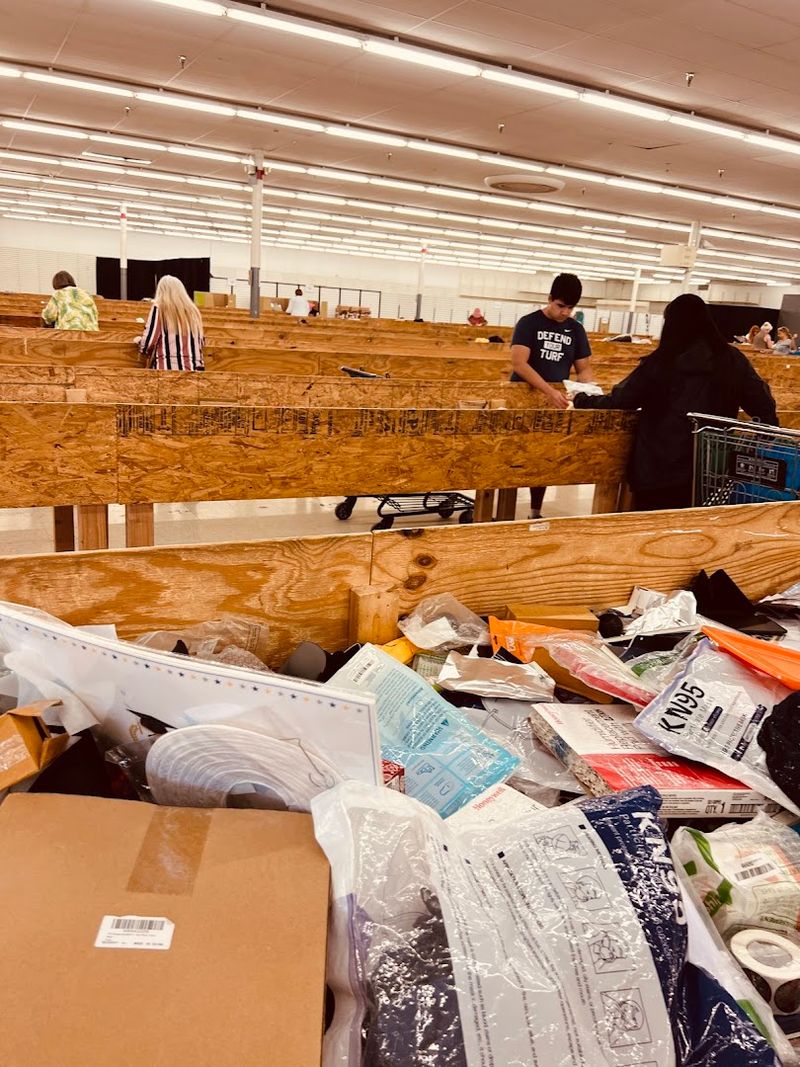
Getting the most out of a Bintime visit takes a little strategy. The store rewards shoppers who show up prepared, move quickly, and know what they are looking for before they arrive.
A few simple habits can turn a good trip into a great one.
Timing your visit around the weekly pricing cycle is the single most powerful savings tool available. Weekends offer the freshest selection but higher per-item prices.
Midweek visits, especially on Wednesday, bring the lowest prices. Balancing selection against cost depends on what you prioritize on any given week.
Wearing comfortable shoes and bringing a bag or small cart helps a lot. Bins are waist-high and require bending and reaching.
Being physically prepared means you can browse longer without wearing out, which increases your chances of finding something worthwhile in the back of a deep bin.
Using the Amazon app to scan barcodes on boxes is a pro move. It lets you check what an item would normally cost at retail before deciding whether the bin price is actually a deal.
Employees at Bintime are happy to show first-timers how this works.
Do not open sealed packages before purchasing. Damaged packaging reduces an item’s usability and creates problems for other shoppers.
Respecting the merchandise keeps the experience fair for everyone and ensures the store maintains a consistent quality level across its inventory.