
This Underrated Nevada Museum Is Filled With Minerals, Mining History, And Sparkling Surprises
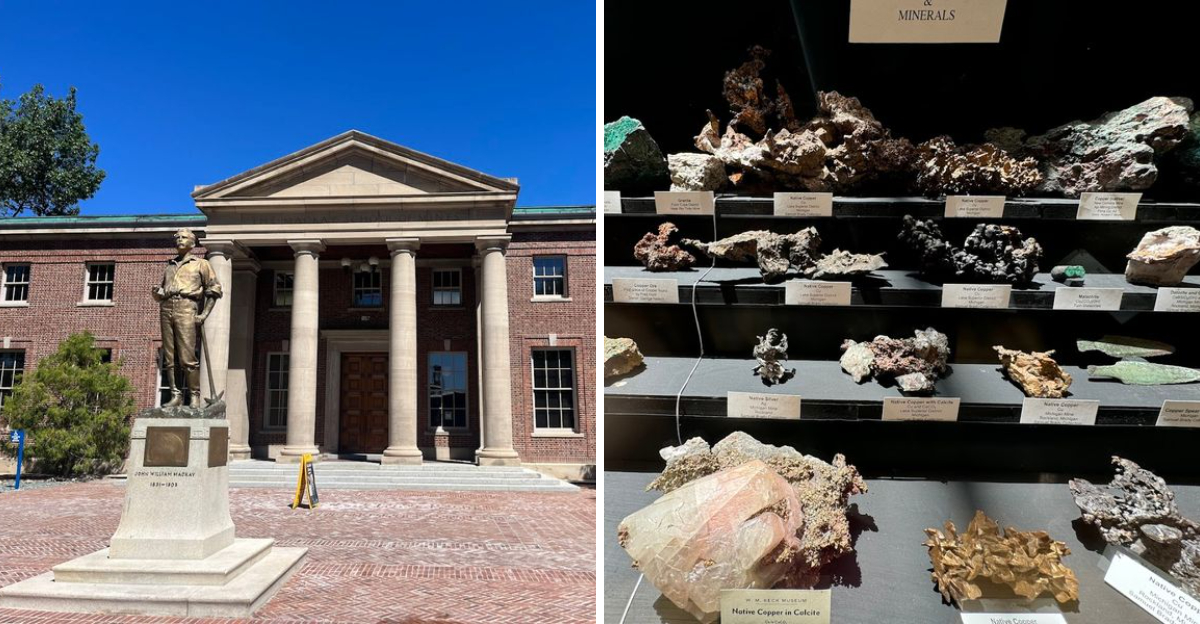
Reno has more sparkle than casino signs, and this quiet campus stop proves it. Inside a historic university building, Nevada’s mining past comes alive through glittering minerals, old equipment, and displays tied to the Silver State’s rough-and-ready boom years.
The best part? Admission is free, so curious visitors can wander in without planning a big outing.
Shiny specimens sit beside rugged tools, giving the place a mix of science, history, and old Western character. It is small, but it does not feel thin.
Every case has something worth pausing over, especially for anyone who likes rocks, mining stories, or overlooked Nevada attractions with real substance.
Nevada’s Oldest Geology Museum Has Been Free Since 1908
Opening its doors in 1908, this museum has welcomed visitors for more than a hundred years without ever charging admission. The collection started small but grew alongside Nevada’s mining industry, adding specimens and artifacts as the state’s geological importance became clear.
Students, rockhounds, and curious travelers have walked these halls for generations, each finding something new to marvel at among the cases.
The free admission policy remains unchanged, making it one of the best values in Reno for anyone interested in earth science or state history. You can spend two hours examining every display without worrying about ticket prices or time limits.
The museum operates on weekdays during standard hours, giving locals and tourists plenty of opportunities to explore at their own pace.
Located at 1664 North Virginia Street, the museum sits right on campus where parking is straightforward once you know where to look.
The Museum Sits Inside The Historic Mackay School Of Mines Building
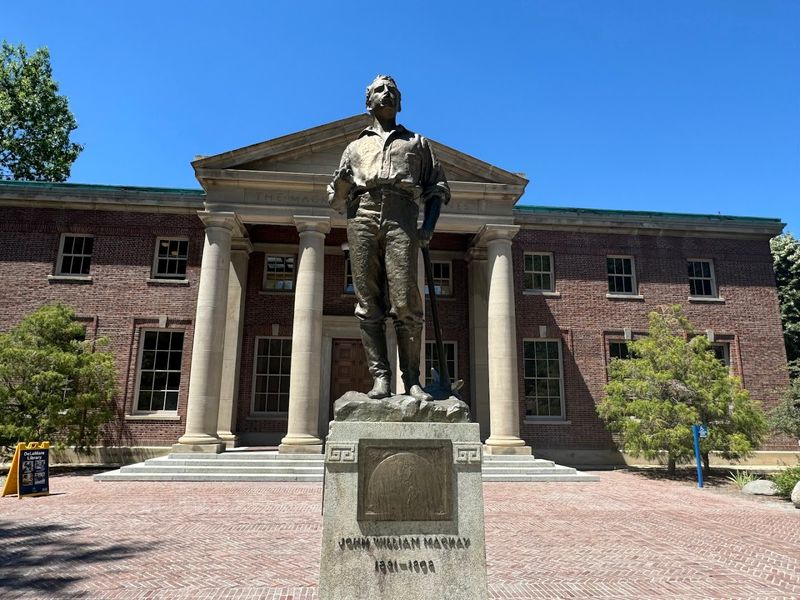
The Mackay School of Mines building itself deserves attention before you even step inside. Constructed in the late 19th century, this structure represents the golden age of Nevada mining when fortunes were made overnight in places like Virginia City.
The architecture reflects that period’s confidence and prosperity, with solid construction and elegant details that modern buildings rarely match.
John William Mackay, an Irish immigrant who struck it rich in the Comstock Lode, funded the school that bears his name. His statue stands on the quad nearby, pointing visitors toward the building that houses the museum.
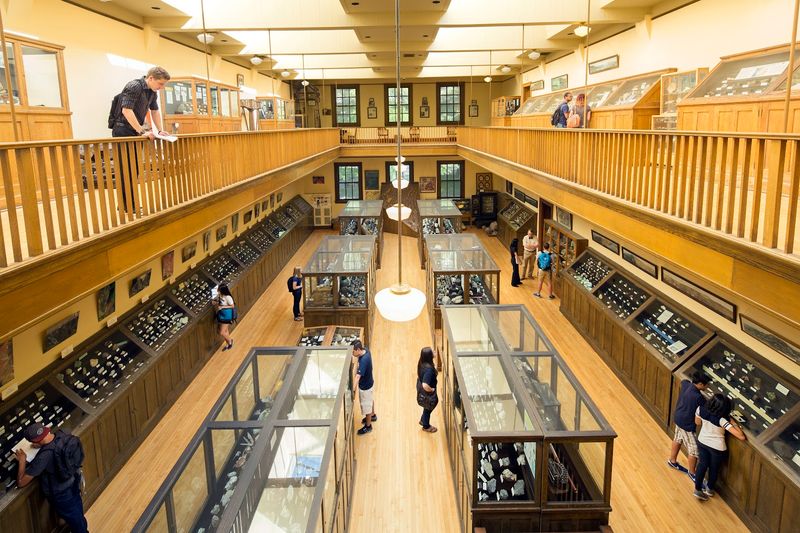
The interior maintains much of its original character, with high ceilings and natural light pouring through tall windows that illuminate the mineral displays perfectly.
Walking through these halls feels like stepping back into Nevada’s educational past when mining engineering was the most important field of study in the state.
Its Mineral Collection Is The Main Reason To Visit
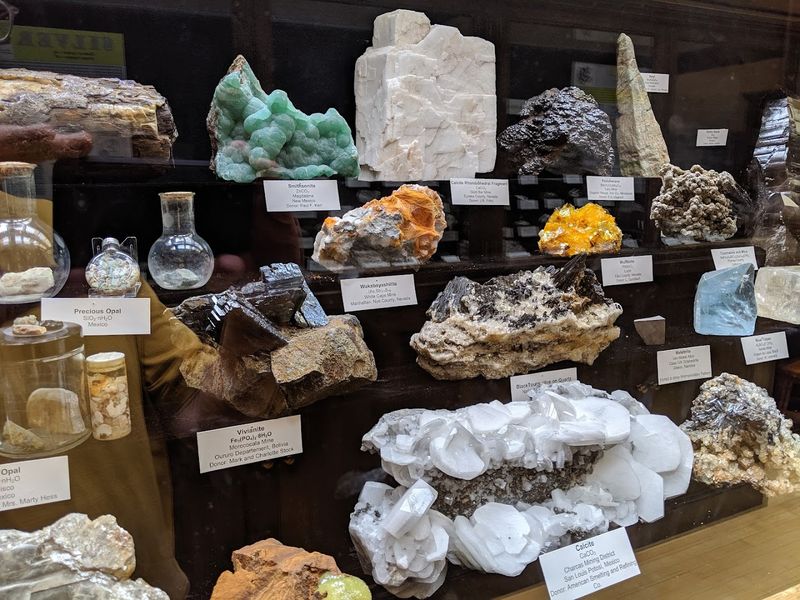
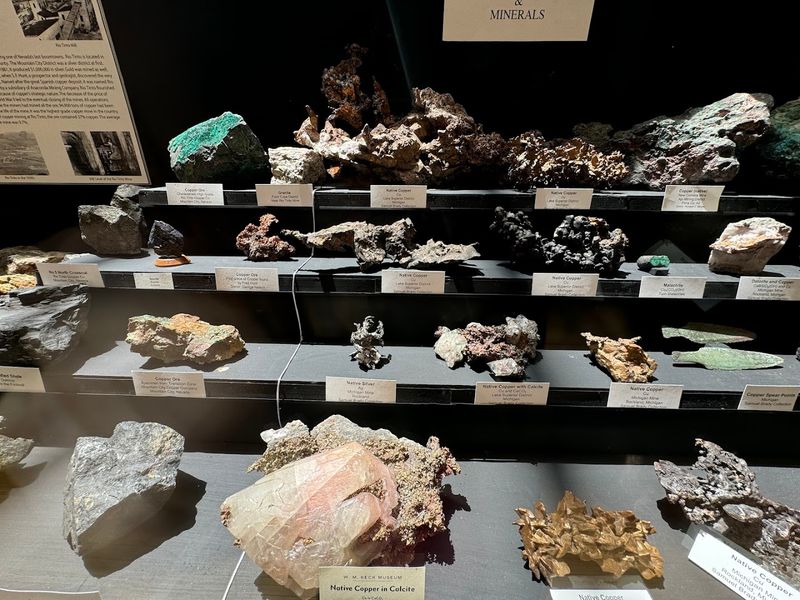
Hundreds of mineral specimens fill display cases across multiple floors, creating a rainbow of colors and crystal formations that capture light from every angle. The collection includes samples from Nevada’s famous mining districts as well as rare specimens from distant corners of the globe.
Each piece is labeled with its name, chemical composition, and place of origin, turning the museum into a self-guided geology lesson.
Rock enthusiasts can identify everything from common quartz to exotic minerals with names that twist the tongue. The variety impresses even casual visitors who never thought they cared about rocks until they saw azurite’s deep blue or malachite’s swirling green patterns.
Children often press their faces to the glass, pointing out specimens that remind them of video game treasures.
The sheer number of samples means you could visit multiple times and still notice new details in specimens you walked past before.
Ores And Mining Relics Tell Nevada’s Boomtown Story
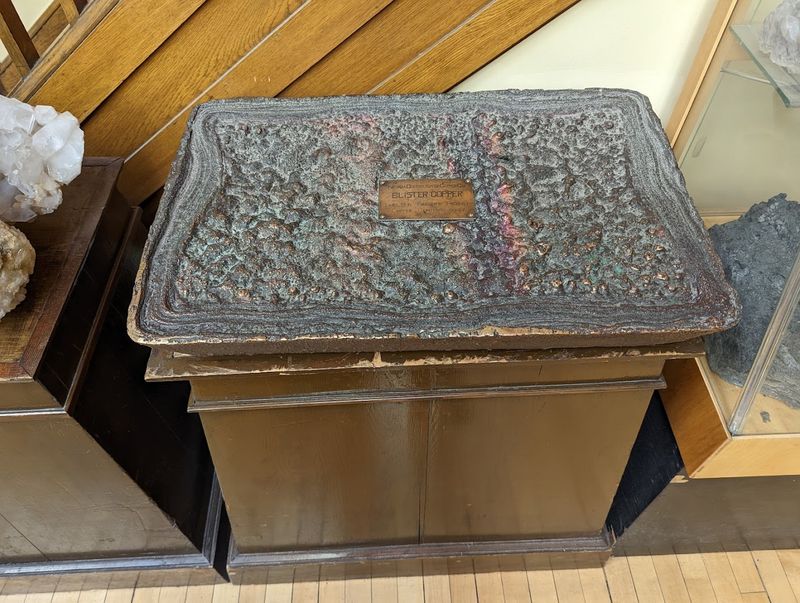
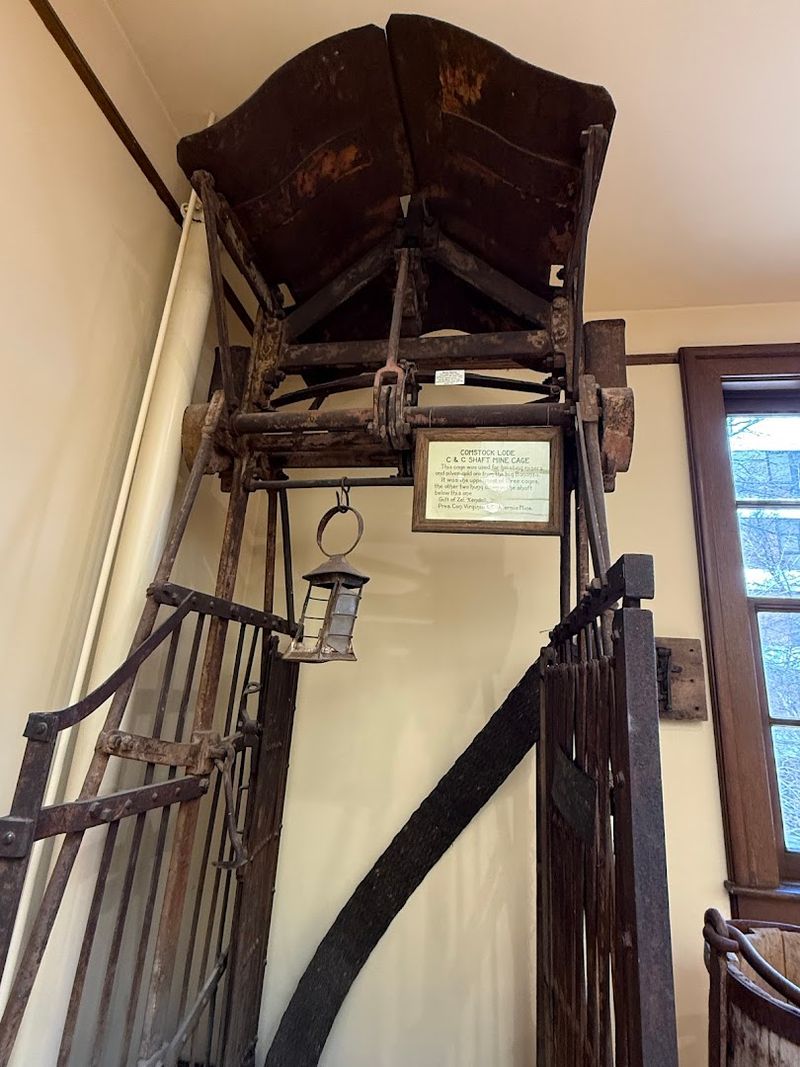
Beyond pretty minerals, the museum preserves the gritty reality of Nevada’s mining past through ore samples and equipment that actually came from working mines. You can see the raw material that miners extracted from deep underground, understanding how they identified valuable ore versus worthless rock.
Historic photographs hang alongside the artifacts, showing bearded miners covered in dust, standing beside massive machinery in camps that have long since turned to ghost towns.
The collection includes tools, lamps, and other implements that give substance to stories about the Comstock Lode and later gold rushes. A giant topographic map of Nevada shows the state as it appeared a century ago, with mining camp names that have vanished from modern maps.
Touching a massive copper ingot lets you feel the weight of metal that built fortunes and funded the very building you stand in.
The Mackay Silver Collection Adds A Sparkling Surprise
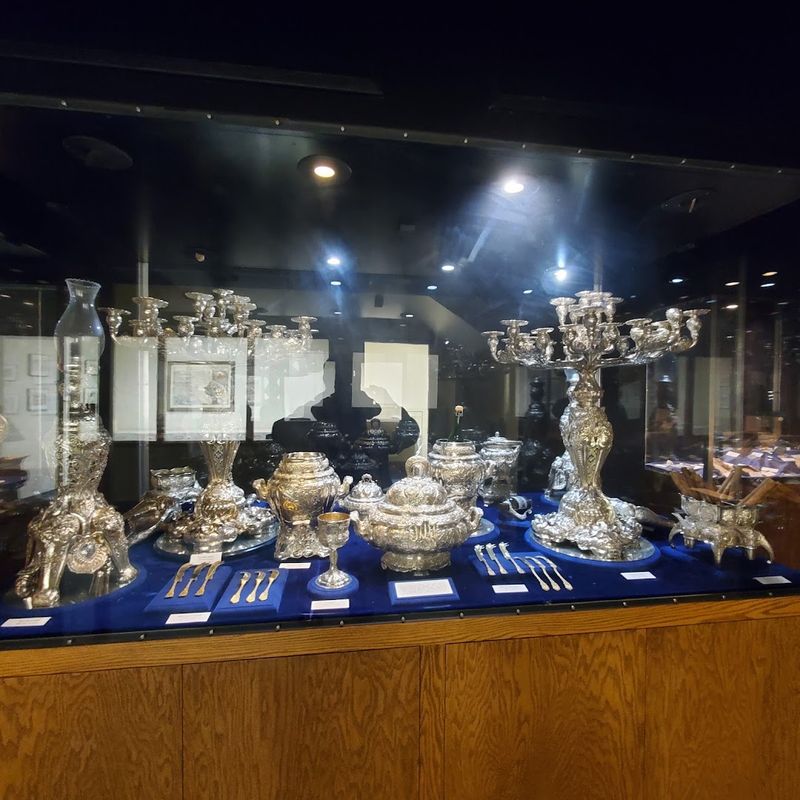
Down in the basement, behind glass that could use better lighting, sits one of the most valuable collections in any Nevada museum. The Mackay family silver service, crafted by Tiffany in New York, represents the height of Gilded Age luxury.
These pieces were commissioned by John Mackay’s wife, who wanted tableware befitting their newfound wealth after the Comstock Lode made them millionaires.
The intricate designs on serving platters, candelabras, and dining pieces show craftsmanship that took months to complete. Each item gleams with detail work that modern manufacturing could never replicate at any price.
The collection is worth several million dollars, yet it sits quietly in a university basement where anyone can admire it for free during museum hours.
This unexpected treasure reminds visitors that Nevada’s mining wealth bought more than just land and buildings; it purchased entrance into America’s highest social circles.
Fossils Give The Museum More Than Just A Mining Angle
The second floor holds fossil specimens that shift the museum’s focus from recent mining history to deep geological time. Ancient marine creatures, petrified wood, and other remnants of prehistoric Nevada remind visitors that this desert landscape once lay beneath warm seas.
The fossils come from various periods, showing how the land transformed over millions of years before humans ever thought to dig for silver.
Reading the information cards next to each specimen teaches more than any textbook could about geological processes and extinction events. Some fossils show incredible detail, preserving delicate features that survived through countless centuries.
Children particularly enjoy this section, pointing out shapes that resemble modern animals while learning about creatures that vanished long before dinosaurs walked the earth.
The fossil collection rounds out the museum’s story, connecting Nevada’s mineral wealth to the ancient forces that created it in the first place.
Historic Photographs Show Nevada’s Mining Past In Detail
Scattered throughout the museum, historic photographs provide faces and context to Nevada’s mining story. Black and white images show wooden mining camps clinging to mountainsides, crowded saloons, and miners posing with their equipment.
The photographs capture a rough, optimistic time when thousands of people flooded into Nevada hoping to strike it rich, most ending up with nothing but stories.
Some images document engineering marvels like the massive stamp mills that crushed ore, while others show the human side of mining life with portraits of families who built communities in unlikely places. The quality varies, but that adds authenticity since these photos were taken under difficult conditions with primitive equipment.
Comparing these images to modern Reno shows just how dramatically the state has changed in barely more than a century.
The photographs work alongside the physical artifacts to create a complete picture of an era that defined Nevada’s identity.
The Collection Highlights Famous Mining Districts Like Comstock, Tonopah, And Goldfield
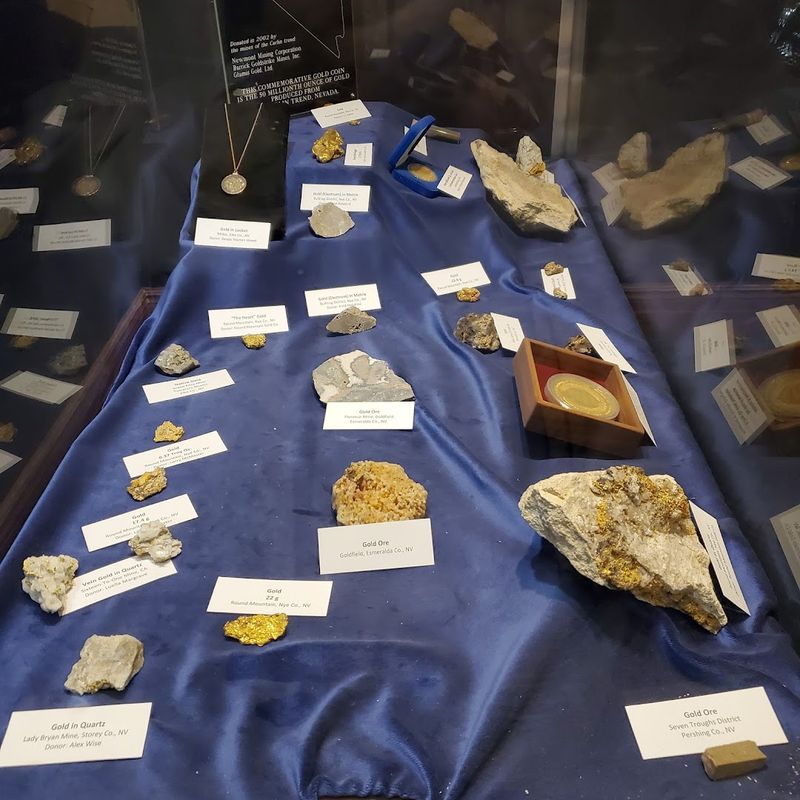
Nevada’s legendary mining districts each get attention in displays that explain what made them important and what they produced. The Comstock Lode near Virginia City yielded the silver that built San Francisco and funded the Union during the Civil War.
Tonopah’s silver boom came later, in 1900, creating another wave of prosperity and speculation. Goldfield lived up to its name with gold deposits that attracted thousands of miners and enough money to build an opera house in the middle of nowhere.
The museum shows ore samples from each district, letting visitors compare the different types of valuable rock that came from Nevada’s mountains. Information cards explain the geology that created these deposits and the mining techniques used to extract them.
Understanding these districts helps make sense of Nevada’s scattered ghost towns and the boom-and-bust cycles that shaped the state’s character.
It Is A Small Museum With A Surprisingly Rich Nevada Story
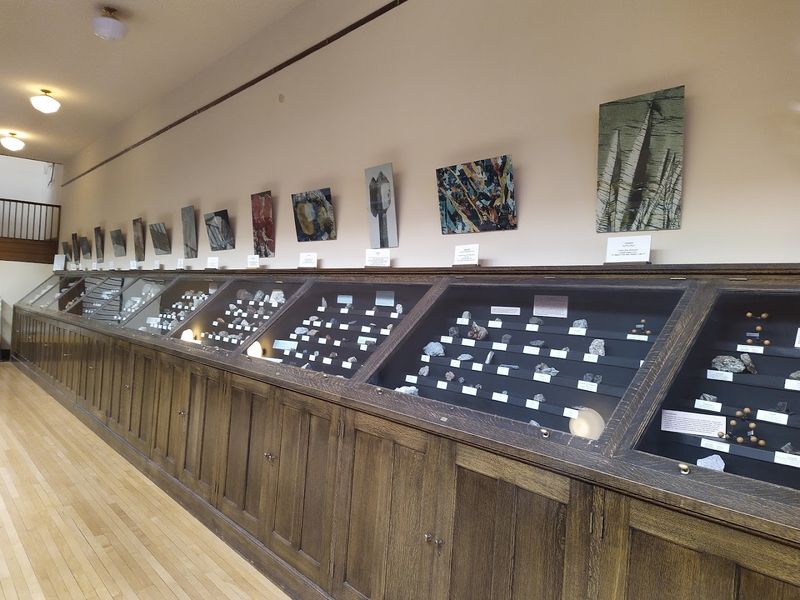
Do not expect the sprawling galleries of major metropolitan museums when you visit the Keck Museum. The entire collection fits into a single building, and you can see everything in about two hours if you read most of the information cards.
That compact size actually works in the museum’s favor, creating an intimate experience where nothing feels lost in endless corridors or overwhelming crowds.
Every display earns its space by contributing something meaningful to the overall story of Nevada’s geological and mining heritage. The curators clearly made thoughtful choices about what to include, resulting in a collection that feels complete rather than cramped.
First-time visitors often express surprise at how much they learned and how engaged they remained throughout their visit despite the modest square footage.
The museum proves that size matters less than substance when you have genuine artifacts and a compelling story to tell about the land outside the doors.
The Campus Location Makes It An Easy Reno Stop
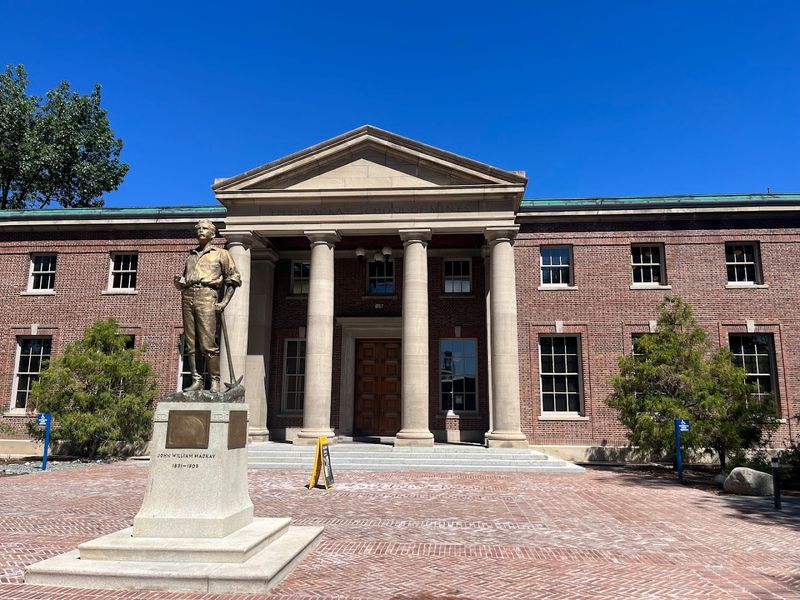
Finding the museum requires navigating the University of Nevada campus, but the location offers advantages once you figure out the parking situation. Visitor parking is available in the University and 9th Street parking garage, and the walk across campus takes only a few minutes.
The quad surrounding the Mackay School of Mines is pleasant, with mature trees and historic buildings that make the short stroll enjoyable.
Being on campus means you can easily combine your museum visit with lunch at student hangouts or a walk through the university’s arboretum. The setting feels safer and more relaxed than typical tourist areas, with students hurrying between classes and professors discussing research on benches.
Signage could be better, so looking up specific directions before you arrive saves frustration searching for the right building.
The campus location ultimately makes the museum accessible to locals and visitors alike, sitting right in the middle of Reno rather than on some distant outskirt.