
This Remote Utah Desert Town Looks Straight Out Of A Vintage Western Frontier Story
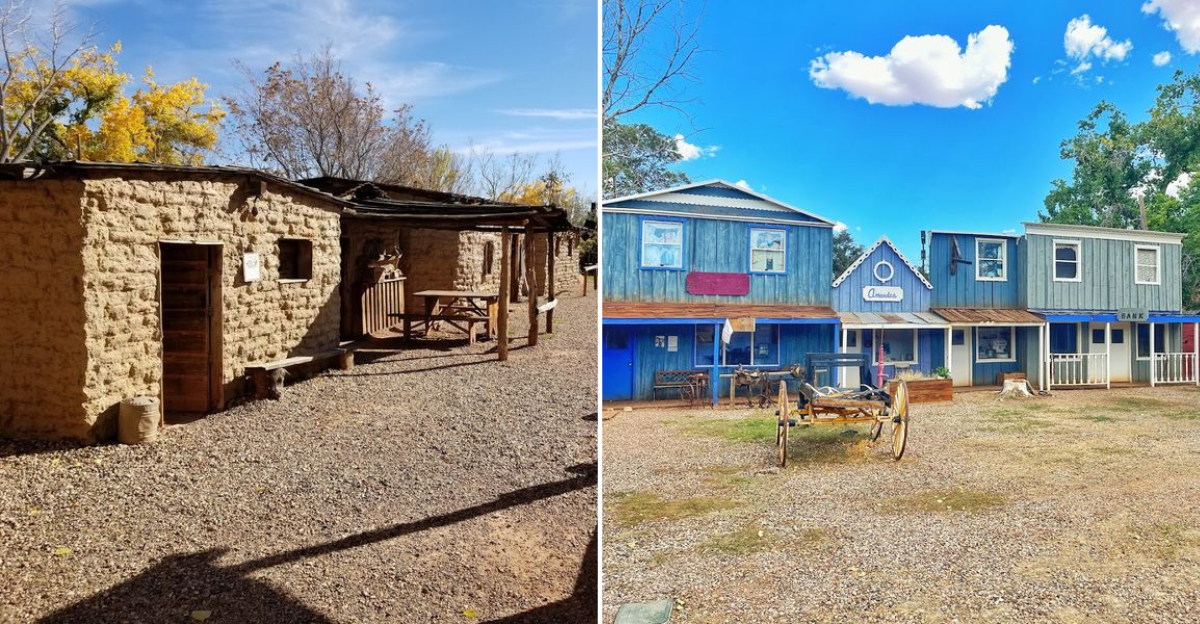
Not many places make you feel like the calendar skipped a century without any warning. This Utah desert town does exactly that from the moment the pavement gives way to something older.
Adobe walls, weathered storefronts, and a main street that looks like it was built for a different era and simply never received the memo to modernize. The surrounding desert amplifies everything.
Red rock formations frame the horizon and the silence between buildings carries a weight that newer destinations cannot manufacture. Utah has many dramatic landscapes, but few are as deeply rooted in frontier history.
Photographers, history enthusiasts, and travelers who prioritize atmosphere over amenities all find what they came for here without having to search very hard. The vintage quality here did not come from a restoration project or a tourism strategy.
It stayed because nobody replaced it with something else.
History Of Western Frontier Settlements
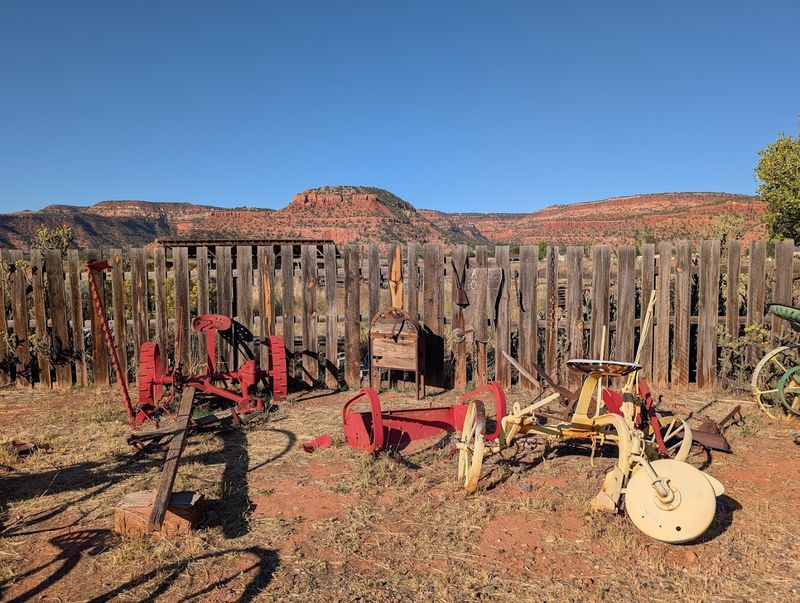
Kanab was settled in 1864, and it has a story worth knowing. Named after a Paiute word meaning place of the willows, this town grew slowly in near-total isolation.
Rough dirt roads and the Colorado River kept the outside world at a distance for decades.
That isolation actually shaped everything about Kanab. Author Zane Grey lived here while writing Riders of the Purple Sage back in 1912.
The landscape inspired some of the most iconic Western fiction ever written.
Little Hollywood Museum holds this history proudly. The museum preserves actual film sets built during the golden era of Western movies.
Walking through those sets feels like reading a chapter of American frontier history up close.
The town itself became a filming hub starting in the early 1920s. Locals worked as extras, stuntmen, and wranglers during productions.
That community involvement made Kanab more than just a backdrop. It made the town a living part of the story.
You can find Little Hollywood Museum at 297 W Center St, Kanab, UT 84741. Admission is free, making it an easy stop for anyone passing through.
Traditional Cooking Techniques And Meals
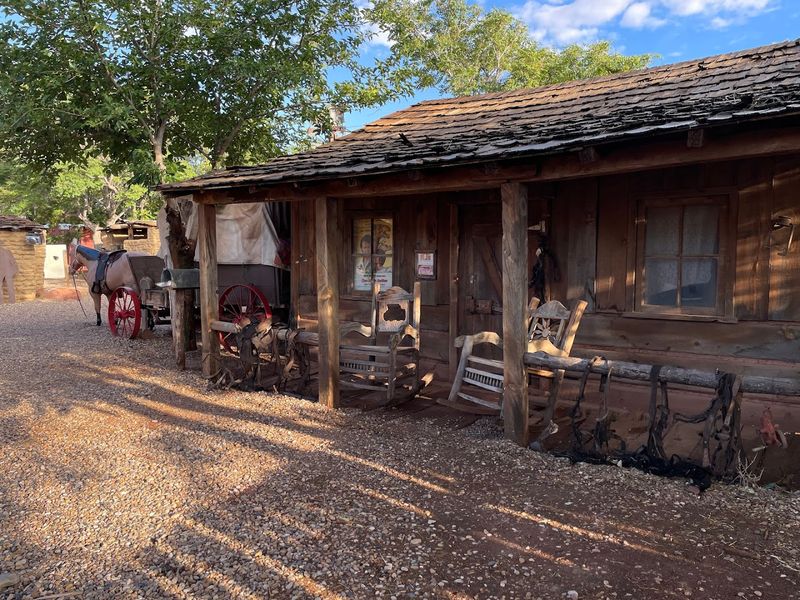
Chuckwagon cooking is one of the oldest cowboy traditions in the American West. It started on cattle drives, where a rolling kitchen fed ranch hands across hundreds of miles of open land.
The food was simple, filling, and cooked over an open fire.
Little Hollywood Museum keeps that tradition alive with its Chuckwagon Cookout. The dining experience here draws real attention, and the aroma hits you before you even walk through the door.
Hearty, slow-cooked food is the kind of meal that sticks with you.
Cast iron cookware plays a big role in authentic frontier cooking. It holds heat evenly and works perfectly over an open flame.
Cowboys relied on it because it was nearly indestructible and easy to haul across rough terrain.
The recipes used in chuckwagon cooking were practical by necessity. Beans, cornbread, and slow-cooked meats made up the core menu on the trail.
Those same flavors show up in the food served at Little Hollywood Museum today.
Eating here is not just a meal. It connects you to a way of life that shaped the American West.
The combination of a museum visit followed by a hearty frontier dinner makes for a surprisingly complete afternoon. Good food and good history rarely come packaged this neatly together.
Recreating Vintage Experiences
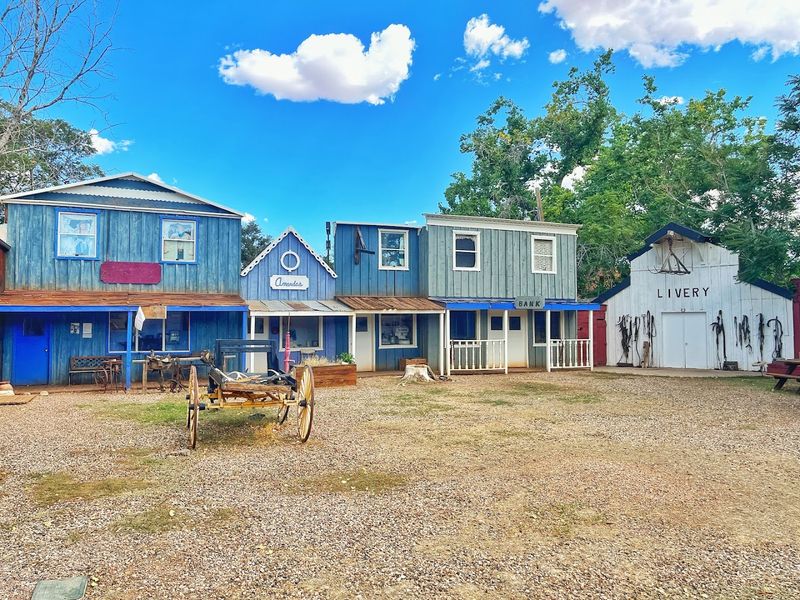
Entering the backlot at Little Hollywood Museum genuinely transports you. The movie sets were originally built for actual film productions in the 1940s through the 1970s.
They were never meant to last more than a couple of weeks on set.
The fact that they are still standing decades later is remarkable. The museum team has spent serious time and money rebuilding and maintaining these structures.
Every weathered plank and faded sign tells a real story about a specific production.
You can walk through a frontier saloon, a sheriff’s office, and a general store facade. Each set comes with a plaque explaining which film it appeared in.
That context turns a simple walk-around into something genuinely educational.
Photography here is a natural activity. The sets are visually dramatic and endlessly interesting from every angle.
Visitors spend a solid hour just moving through the backlot and taking it all in.
The museum also features posters, props, and costumes from the productions filmed in the Kanab area. Memorabilia lines the walls and display cases inside the building.
A suggested donation per person helps fund the ongoing restoration work. The whole experience is designed to be hands-on and immersive, not just something you look at behind glass.
That approach makes it feel alive rather than archived.
Desert Landscapes And Wildlife Observations
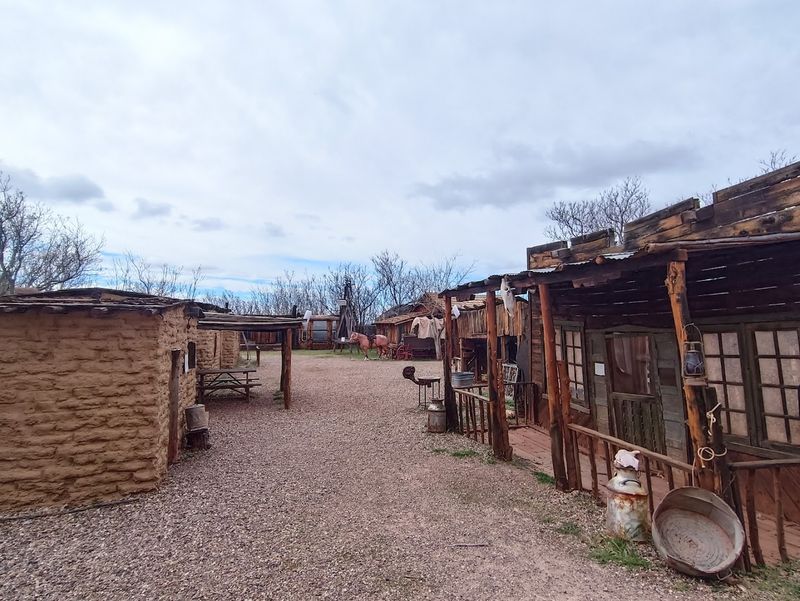
Kanab sits inside one of the most visually dramatic regions in the entire United States. Vermilion sandstone cliffs rise sharply from the desert floor.
Dunes, volcanic craters, and deep canyons surround the town on nearly every side.
This landscape is exactly why filmmakers came here starting in the 1920s. No studio backlot could fake what nature already built for free.
The color of the rock at sunrise and sunset is almost unreal, shifting from orange to deep red to purple.
Wildlife in this part of Utah is worth watching carefully. Mule deer, coyotes, and various hawk species move through the desert regularly.
The terrain supports a surprising range of animals adapted to dry, rocky environments.
The desert around Kanab is also home to the famous Coral Pink Sand Dunes State Park. Those dunes sit just a short drive from town and offer a completely different texture of landscape.
They look like something out of a science fiction film, which makes sense given the area’s cinematic history.
Little Hollywood Museum captures this environment beautifully in its outdoor museum space. The open-air backlot exists under that same enormous Utah sky.
Standing among the old Western sets while looking out at red rock formations in the distance is an experience that photographs struggle to fully capture. The scale of it surprises almost everyone.
Authentic Period Clothing And Costumes
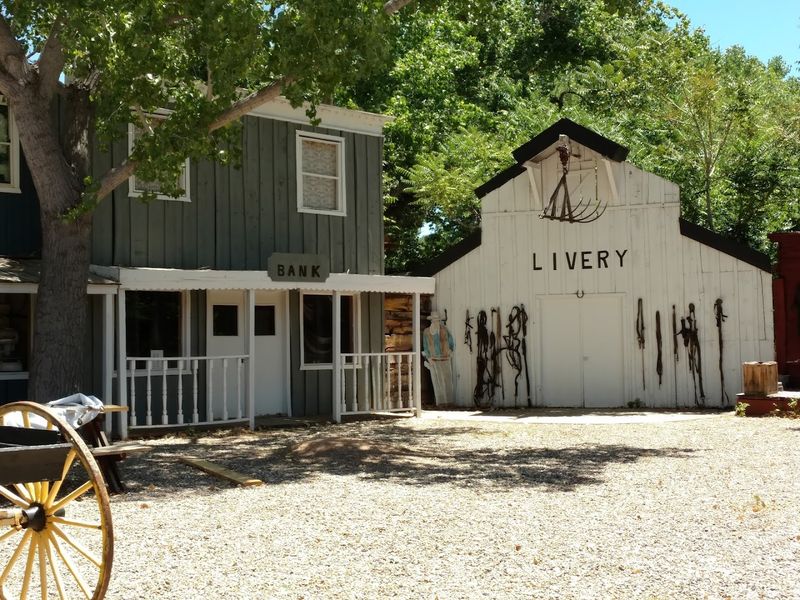
Costume design in classic Western films was not an afterthought. Every hat, holster, and boot was chosen to reflect a specific era and character type.
The wardrobe told viewers immediately who was the hero and who was the outlaw.
Little Hollywood Museum displays costumes and clothing items connected to productions filmed in the Kanab area. Seeing these up close reveals just how detailed the craftsmanship was.
The stitching, leather work, and fabric choices all reflect serious historical research by the original costume departments.
The trading post inside the museum also carries period-inspired items for purchase. Visitors can find cowboy hats, bandanas, and accessories that nod to the frontier aesthetic.
It is not a costume shop exactly, but the selection leans heavily into Western style.
Native American crafts and goods are also part of the trading post inventory. This reflects the actual cultural history of the Kanab region.
The Paiute people were here long before settlers arrived, and their influence on the area’s visual culture is significant.
Wearing or holding a piece of frontier-era clothing changes how you see the era. It makes history feel less distant and more personal.
Whether you are browsing the display cases or picking up a souvenir hat from the trading post, the connection to that vintage aesthetic is always present at Little Hollywood Museum. The details here reward curious visitors.
Film And Television History In Desert Towns
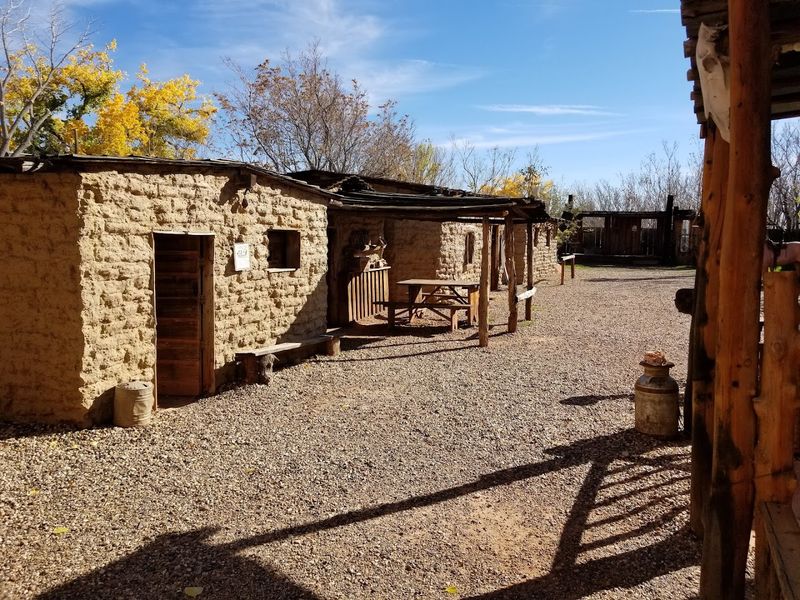
Hollywood discovered Kanab in 1924 when Deadwood Coach, starring Tom Mix, was filmed here. That moment started a decades-long relationship between the town and the film industry.
Over 100 feature films and several hundred television productions followed.
Director William Wellman famously called Kanab a little Hollywood all its own. That nickname stuck and eventually became the name of the museum that now celebrates this history.
The town earned that title through the sheer volume of productions filmed on its land.
Famous films shot in the Kanab area include Planet of the Apes from 1968, Fort Apache from 1948, and The Outlaw Josey Wales. The Lone Ranger television series also filmed extensively in the region.
Stars like John Wayne, Clint Eastwood, Ronald Reagan, and Frank Sinatra all spent time here.
Little Hollywood Museum documents this cinematic legacy with posters, props, and photographs inside the museum. A photography gallery walks visitors through the productions and the people who made them.
The depth of the collection is genuinely impressive for a small-town museum.
Kanab also features a Walk of Fame along Main Street. Plaques document the Western stars who filmed in the area, similar in spirit to the famous Hollywood version in Los Angeles.
The town has never stopped being proud of its film heritage. Little Hollywood Museum is the most concentrated expression of that pride you will find anywhere in southern Utah.
Preservation Of Frontier Architecture And Artifacts
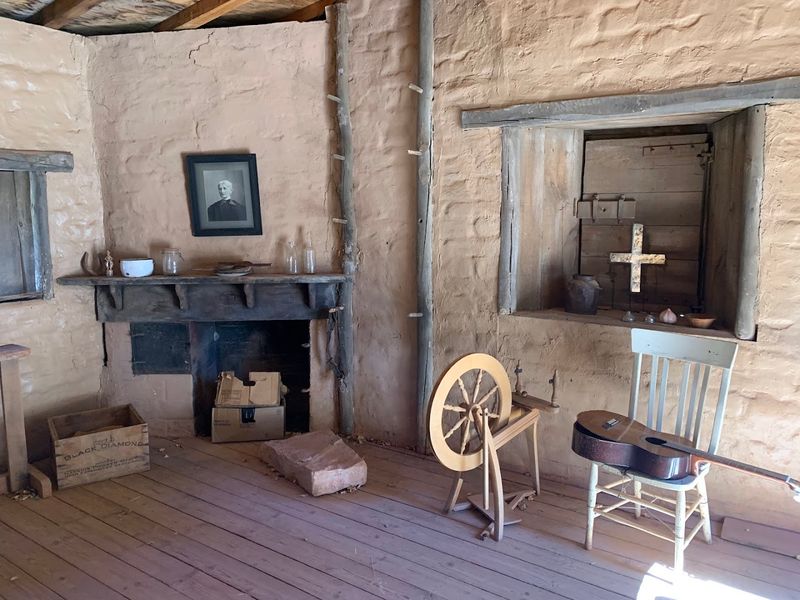
Preserving old Western movie sets is harder than it sounds. These structures were originally built from lightweight materials designed to look good on camera.
They were never engineered to survive decades of desert weather and public foot traffic.
Little Hollywood Museum has committed to keeping these sets standing and accessible. The maintenance work is constant and expensive.
Donations from visitors directly fund the repairs that keep the backlot in visitable condition year after year.
Each set structure comes with interpretation plaques that explain its film history. Visitors learn which production built each structure and when it was used.
That layer of information transforms a weathered building into a primary historical artifact.
Inside the museum, artifacts from Kanab-area productions are carefully displayed. Film props, original movie posters, and behind-the-scenes photographs fill the space.
The collection spans several decades of Western filmmaking, from the 1930s through the 1970s.
The historic Parry Lodge in Kanab, established in 1931, also contributes to this preservation story. Many of its rooms are named after the famous actors who stayed there during production.
Together, these sites form a network of preserved frontier history that makes Kanab uniquely valuable to anyone interested in American film and cultural heritage.
Organizing Themed Activities And Events
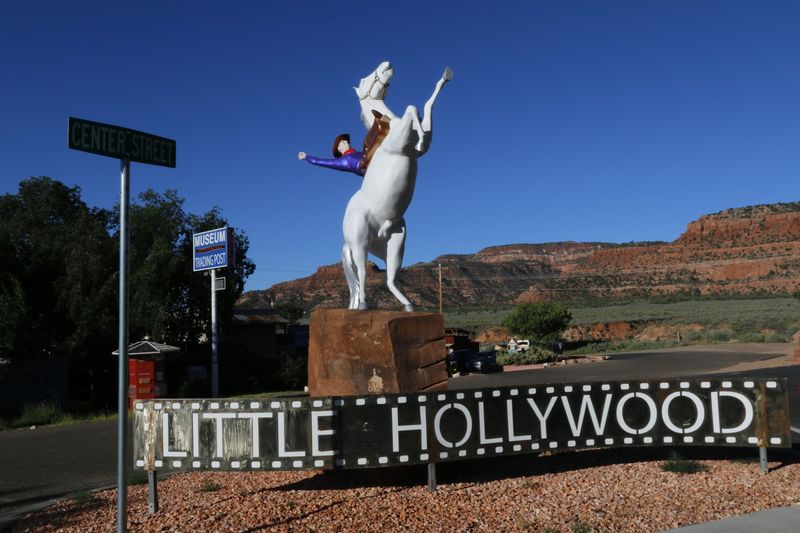
Kanab does not treat its Western heritage as something that only belongs in the past. The town actively organizes events that bring frontier history to life for modern visitors.
The annual Western Legends Round-Up is one of the most prominent examples, drawing fans of Western film and culture from across the country.
Little Hollywood Museum fits naturally into this event culture. The museum, trading post, and chuckwagon cookout create a self-contained experience that works perfectly for themed visits.
Families, film buffs, and history enthusiasts all find something relevant here.
The backlot movie sets serve as natural backdrops for photography events and costumed gatherings. Groups visiting in frontier-era costumes are not uncommon.
The atmosphere encourages that kind of playful engagement with history.
The trading post adds a practical layer to the experience. Visitors can pick up Native American crafts, Western-themed souvenirs, and memorabilia before or after exploring the museum.
The gift shop selection includes shirts, mugs, keychains, and items specific to the Kanab filming legacy.
Planning a visit is straightforward. The museum is open from March through December, and checking the official website before your visit is always a good idea for current hours and any seasonal changes.